
Comprehensive Guide to Eligibility Criteria for Back Surgery
November 16, 2025
IntraSPINE® in Sherbrooke: Effective Treatment for Severe Low Back Pain
November 16, 2025
In the evolving landscape of healthcare, 2025 marks a pivotal year where strategic collaborations between hospitals and surgeons redefine patient care paradigms across international borders. Notably, Canadian patients facing complex spinal disorders now realize unprecedented openness to advanced treatments through robust partnerships with French healthcare institutions. These alliances, intricately crafted, combine the strengths of clinical expertise, cutting-edge implant technologies, and streamlined logistics to cater to personalized surgical journeys that prioritize rapid access, quality outcomes, and functional recovery.
At the core of this transatlantic synergy lies a commitment to innovation and patient-centric approaches. Hospitals like CHU Toulouse, Clinique Médicale du Mans, and Bordeaux’s specialized centers exemplify integrated multidisciplinary teams using dynamic spinal implants such as TOPS, Intraspine, and B-DYN. These devices are designed not merely to stabilize but to preserve spinal mobility—an advancement aligned with contemporary surgical philosophies advocating minimally invasive, motion-preserving techniques over traditional fusion surgeries. Alongside, centralized coordination facilitated by entities such as Franchir and SOS Tourisme Médical orchestrates the patient’s journey from evaluation and travel arrangements to postoperative care and rehabilitation, ensuring a seamless continuum.
The following sections dissect this model’s key aspects, illuminating how surgeon-hospital partnerships contribute to enhanced healthcare delivery while navigating pertinent challenges. These insights include network integration, surgical innovations, logistical orchestration, and operational hurdles, all underscored by a collaborative spirit essential for succeeding in complex spine care.
Integrated Hospital and Surgeon Networks: Advancing Quality and Innovation in Spine Care
The establishment of tightly knit partnerships between hospitals and surgeons is no longer optional but essential in modern healthcare frameworks aiming to optimize outcomes and patient satisfaction. In 2025, collaborative models transcend transactional referrals, manifesting as strategically aligned networks that prioritize shared expertise, resource optimization, and harmonized clinical protocols. Canadian patients benefit particularly from networks that bridge geographical distances, providing direct access to renowned French spine centers equipped with high-tech operating suites and cutting-edge implant options.
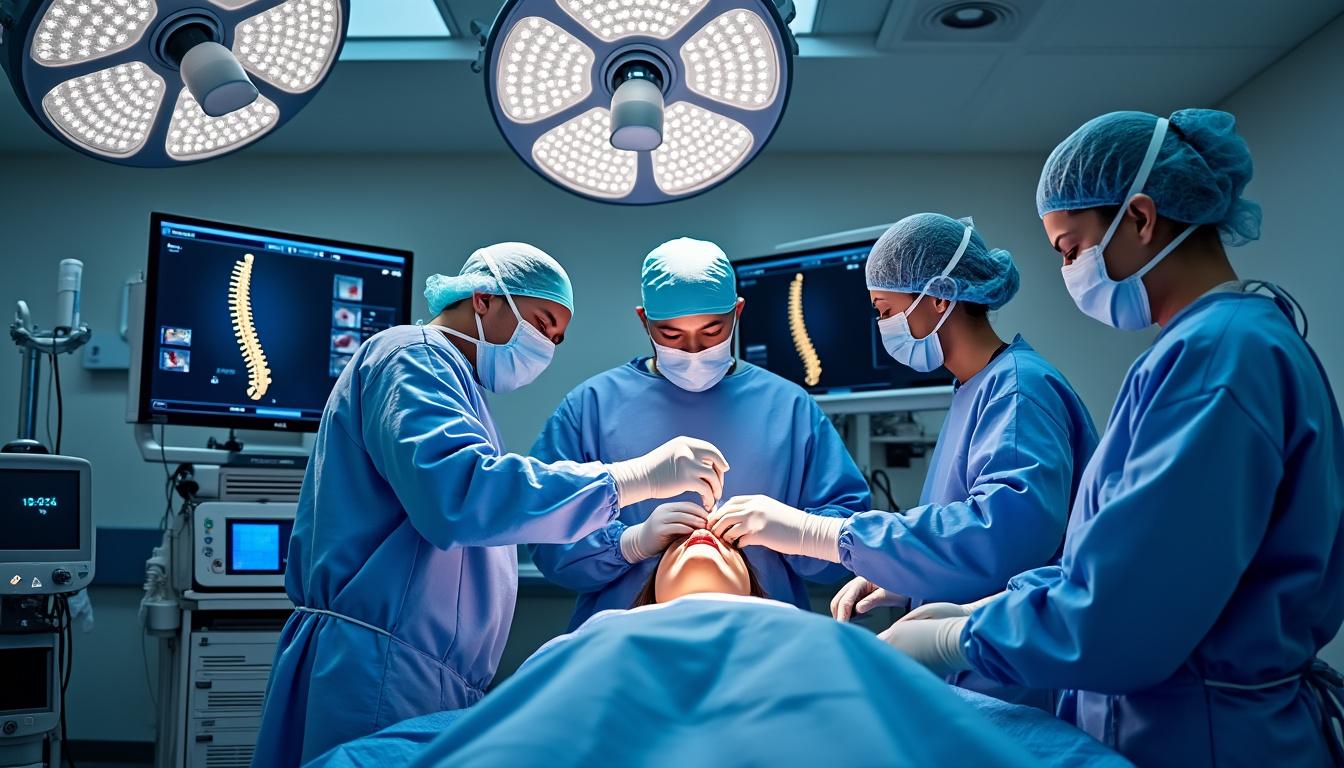
These networks encompass multi-site, multidisciplinary centers with teams proficient in advanced spinal techniques such as endoscopy, dynamic stabilization, and minimally invasive decompression. For instance, CHU Toulouse offers procedures integrating TOPS implants alongside cervical disc prostheses, emphasizing reduced postoperative pain via endoscopic approaches. The Clinique Médicale du Mans personalizes intervention plans with Intraspine and B-DYN devices, prioritizing patient mobility retention, while Bordeaux’s hospital specializes in hybrid techniques combining arthrodesis and dynamic implants supported by vigilant, personalized follow-ups.
This integration significantly shortens wait times, a crucial advantage for patients traveling abroad who require timely intervention. Moreover, sharing surgical protocols and outcomes facilitates continuous quality improvement across the network. Ongoing training programs and certification processes contribute to minimizing surgical complications, exemplifying how such alliances bolster both clinical excellence and operational synergy.
| Hospital | Available Implants | Preferred Techniques | Key Advantages |
|---|---|---|---|
| CHU Toulouse | TOPS, Cervical disc prostheses | Endoscopy, dynamic stabilization | Minimally invasive, pain reduction |
| Clinique Médicale du Mans | Intraspine, B-DYN | Fusion, motion preservation | Personalized implants, mobility maintenance |
| Hôpital Bordeaux | ESP, Cousin Spine implants | Arthrodesis, innovative techniques | Expert follow-up, integrated care |
- Shared clinical protocols ensure consistent patient care
- Continuous surgeon collaboration drives implant selection refinements
- Resource complementarity reduces inter-institutional competition
- Reduced wait times enhance patient satisfaction and outcomes
The amalgamation of clinical skillsets and technological assets underpatient-centered frameworks inevitably fosters a robust environment where innovation flourishes. This model corresponds with broader trends in global health collaboration highlighted by strategic partnerships driving healthcare expansion, showcasing the value of integrated networks in advancing surgical care quality and accessibility.

Understanding Sciatic Pain: Key Symptoms and When to Seek Medical Advice
Sciatic pain is a prevalent condition impacting a wide demographic, manifesting primarily as intense pain radiating from the lower back down the leg. This pain stems from irritation or compression of the sciatic nerve, a major nerve extending through the…
Breakthroughs in Spinal Surgery: Choosing and Implementing Advanced Dynamic Implants
Modern spinal surgery increasingly emphasizes preserving natural movement rather than rigid fixation. Dynamic implants represent a technological leap that supports this philosophy by allowing mobility while stabilizing pathological segments. This approach contrasts with the traditional fusion surgery, which often leads to reduced spinal flexibility and adjacent segment degeneration.
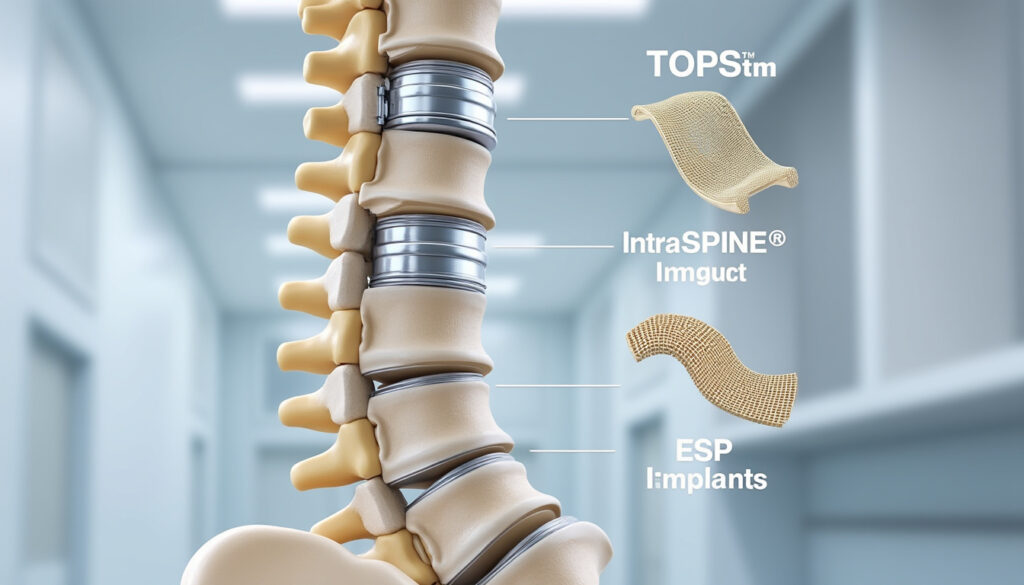
Deciding on the optimal implant necessitates a precise assessment of pathology and patient-specific factors. For example, TOPS (Total Posterior Solution) implants serve patients with moderate segmental lumbar instability and foraminal stenosis, providing dynamic posterior stabilization without complete fusion. Cervical disc prostheses replace degenerated discs with artificial alternatives that ensure sustained neck mobility. Devices like Intraspine and B-DYN cater to patients requiring decompression alongside dynamic stability, emphasizing motion preservation alongside neurological relief.
Common indications for such implants include foraminal stenosis, recurring disc herniations, and mild spondylolisthesis. Benefits experienced by patients encompass significant pain reduction, retention of spinal function, and faster return to daily activities. However, success hinges on rigorous patient selection and high technical skill for implant placement. Misapplication can result in suboptimal outcomes or complications, underscoring the importance of treatment within specialized centers.
| Implant | Primary Function | Targeted Conditions | Clinical Benefits |
|---|---|---|---|
| TOPS | Dynamic lumbar stabilization | Lumbar instability, foraminal stenosis | Preserves motion, reduces pain |
| Intraspine | Posterior stabilization without fusion | Disc degeneration, hernias | Less rigidity, segment preservation |
| Cervical Disc Prosthesis | Disc replacement in cervical spine | Herniated discs, neuropathic pain | Maintains mobility and flexibility |
- Dynamic implants facilitate a motion-preserving technique
- Comprehensive evaluation ensures candidates’ eligibility
- Advanced implant technology reduces the need for invasive fusion
- Postoperative recovery prioritizes rapid reintegration into daily life
This focus on dynamic stabilization is aligned with global surgical innovations highlighted by clinical studies and exemplified in specialized courses such as those offered by experts in hospital and surgeon collaborations. Incorporation of these implants within collaborative hospital-surgeon frameworks like CareUnity and SurgicalSync optimize not only medical outcomes but also operative efficiency and patient experience.

The Stepwise Role of Functional Recovery in Achieving Successful Outcomes
The journey to full recovery following spinal surgery is often complex and multifaceted, demanding a meticulously structured approach to ensure optimal functional outcomes. In recent years, the concept of functional recovery through a stepwise approach has garnered significant attention in…
Coordinating International Patient Care: Logistics and Seamless Collaboration Between Canada and France
Successful international surgical care requires not only clinical excellence but also meticulous organizational management that bridges cross-border complexities. The partnership model involving Canadian patients travelling to France integrates medical expertise with comprehensive logistical support to provide an uninterrupted treatment continuum.
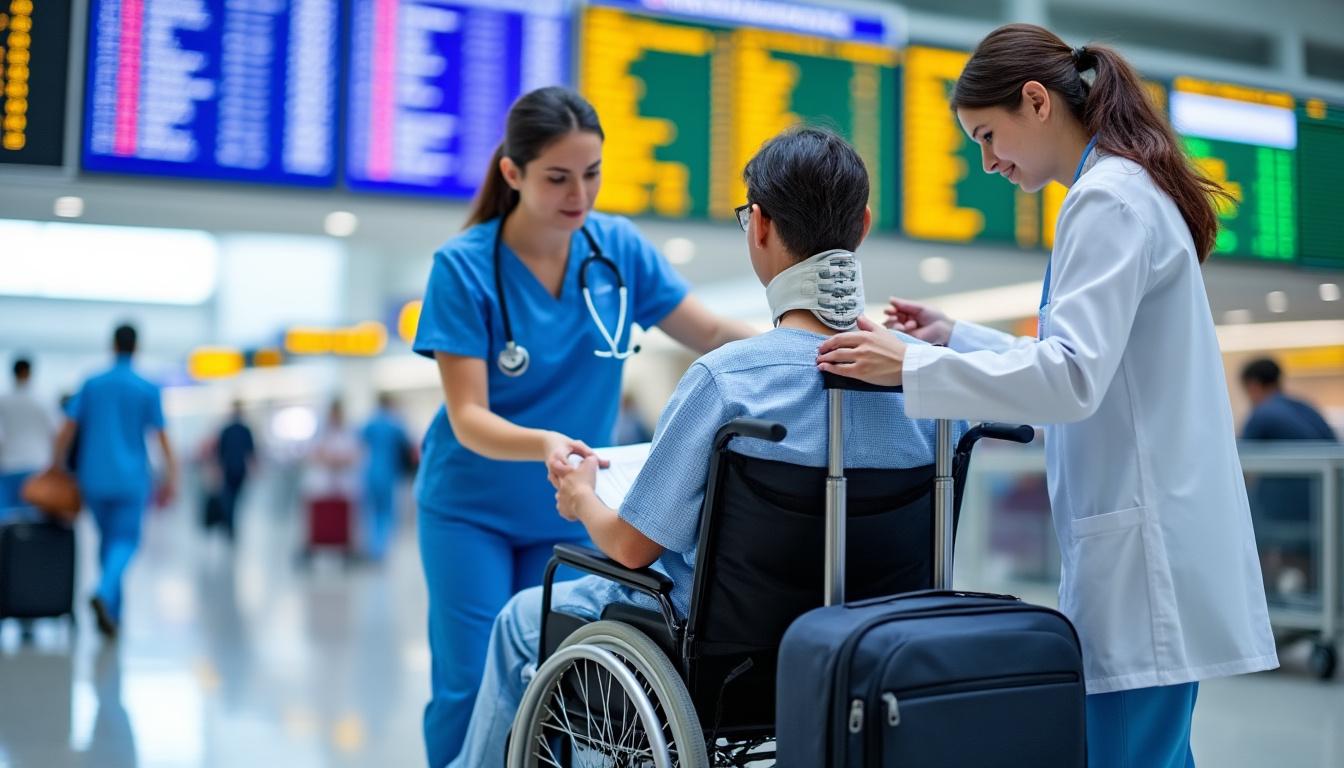
Franchir plays a pivotal role by facilitating patient orientation to the most suitable hospital and surgeon within the network based on clinical indications. Coordination includes arranging direct flights from Quebec to France at optimal times to minimize travel fatigue, securing accommodations close to surgical centers, and managing local transportation logistics. Additionally, administrative formalities, insurance coverage, and documentation are handled to shield patients from bureaucratic burdens.
This comprehensive support ensures that patients experience an efficient, reassuring journey through preoperative assessment, operative care, and postoperative rehabilitation. To further enhance patient confidence and safety, SOS Tourisme Médical partners in offering extensive information and personal assistance throughout the process.
| Stage | Main Actors | Coordination Tasks | Objective |
|---|---|---|---|
| Initial Evaluation in Canada | Local Specialists, TAGMED | Assessment and conservative management | Determine need for surgery or alternative treatment |
| Referral and Transfer | Franchir, Expert Surgeons | Scheduling, travel, accommodation, admin | Ensure smooth cross-border care access |
| Postoperative Follow-up | Neurothérapie Montréal | Remote rehabilitation support and safety monitoring | Support recovery and reduce complications |
- Streamlined travel arrangements reduce patient stress
- Centralized coordination prevents logistical errors
- Efficient handover between international care teams
- Use of digital tools like MedCollab and ClinicFusion for data sharing
Such meticulous orchestration reflects lessons from healthcare delivery innovations where patient transitions across institutions benefit greatly from robust coordination platforms like CareBridge and OperativeConnect, fostering continuity and quality. This operational synergy is critical for preserving the gains made through surgical excellence.

Transatlantic Patient Journey: Insights into Indications, Benefits, and Challenges
The emergence of the Transatlantic Patient Journey as a strategic model within healthcare continues to capture attention for its innovative potential, especially in specialized fields such as spinal surgery. This cross-border care pathway integrates rigorous medical evaluation from Quebec with…
Challenges in Hospital-Surgeon Collaborations and Mitigating Strategies for Sustainable Success
Despite demonstrable benefits, hospital and surgeon partnerships face multifaceted challenges that can hinder optimal implementation. Addressing these issues is crucial to maintaining momentum and ensuring equitable access to high-quality spinal surgical care.
Organizational hurdles primarily involve administrative complexities in establishing new collaborative protocols. Varied financing mechanisms and lack of dedicated reimbursement models for novel surgical techniques like dynamic stabilization implants present ongoing barriers. Additionally, discrepancies in protocol adoption among different centers may cause heterogeneity in patient experiences and outcomes.
From a clinical perspective, the advanced surgical procedures necessitate stringent patient selection, excluding those with advanced irreversible degeneration or active inflammatory conditions. Surgeons also require sustained training to master technically demanding implant placements. Postoperative surveillance must be vigilant to detect and manage complications early.
| Issue Type | Origin | Potential Impact | Recommended Solutions |
|---|---|---|---|
| Administrative Barriers | Complex cooperation agreements | Delayed protocol implementation | Simplify procedures; engage regional health authorities |
| Funding Limitations | Absence of targeted reimbursement | Restricted expansion of advanced surgeries | Negotiate with payers for valuation packages |
| Clinical Constraints | Strict patient eligibility and technical demands | Limited patient pool; risk of complications | Enhance surgeon training and patient counseling |
- Standardize communication pathways to reduce administrative delays
- Advocate for recognition of dynamic implants in reimbursement schemes
- Develop continuous education programs for surgical teams
- Implement patient-centric informed consent highlighting risks and benefits
Recognition of these boundaries and proactive measures support sustainable partnerships. Literature such as studies on health systems partnership challenges emphasize the need for adaptive strategies to fully harness the potential of hospital-surgeon collaborations, ensuring consistent care improvements.
The evolving field of spinal surgery is witnessing a transformative shift, fueled by cutting-edge implant technologies such as TOPS, Intraspine, and ESP. These innovative implants redefine treatment possibilities by emphasizing preservation of natural spinal mechanics, while ensuring durable stabilization and…
Innovative Technologies Enhancing Surgical Collaboration and Patient Outcomes
Emerging digital tools and robotic platforms increasingly empower hospital-surgeon partnerships by improving precision, data integration, and communication. France’s spine centers exemplify the early adoption of such innovations, manifesting in smoother operative workflows and enhanced decision-making.
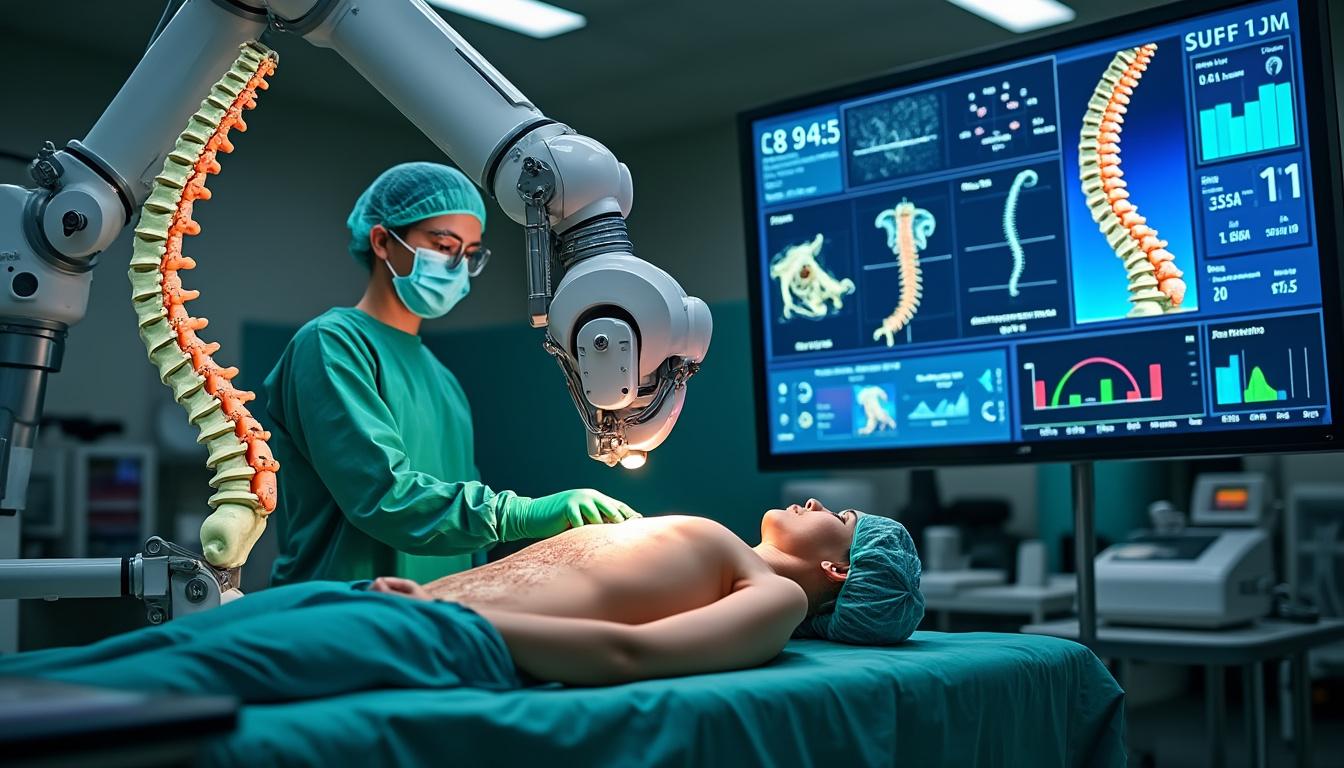
Robotic-assisted surgeries combined with 3D imaging platforms enable surgeons to execute minimally invasive procedures with unparalleled accuracy. Systems like those developed by eCential Robotics have secured regulatory approvals, enabling real-time navigation during spinal interventions. These technologies reduce intraoperative risks and accelerate recovery times.
Moreover, digital collaboration platforms such as MediLink, ClinicFusion, and MedCollab facilitate secure exchange of medical imaging, patient data, and treatment protocols between international teams. Such seamless connectivity enhances joint case discussions and surgical planning. CareBridge and OperationalConnect further streamline workflow synchronization, ensuring all stakeholders remain aligned throughout the treatment continuum.
| Technology | Purpose | Benefits | Examples Within Partnerships |
|---|---|---|---|
| Robotic Surgery Systems | Precision navigation and minimally invasive surgery | Reduced complications, shorter operative times | eCential Robotics platform |
| Digital Collaboration Tools | Secure data sharing and joint decision-making | Improved communication and treatment coordination | MediLink, ClinicFusion |
| Workflow Management | Synchronization of multi-team actions | Streamlined processes, reduced errors | CareBridge, OperativeConnect |
- Enhanced surgical precision reduces morbidity
- Real-time data sharing promotes informed decision-making
- Improved interprofessional communication supports patient-centered care
- Technological integration accelerates care cycle times
The embracement of such digital and robotic innovations illustrates a critical evolution in hospital-surgeon collaborations, going beyond traditional boundaries to improve spine surgery outcomes as highlighted in analysis by healthcare market insights.

Preparing for Surgery in France: Key Indications, Benefits, and Limitations
In an evolving global healthcare landscape, France emerges as a beacon of advanced surgical expertise, particularly attracting international patients seeking expedited and innovative medical interventions. Patients from regions experiencing long wait times, such as Quebec, increasingly view France as an…
Training and Continuous Education: Pillars of Successful Hospital-Surgeon Alliances
The complexity of advanced spinal procedures necessitates that surgeons and multidisciplinary teams engage in lifelong learning and specialized training. Recognized institutions such as the Société Française de Chirurgie Rachidienne (SFCR) offer programs including Diplôme Interuniversitaire (DIU) in spine surgery, ensuring consistent skill reinforcement and adaptation to emerging technologies.
Surgeons involved in international partnerships benefit from access to comprehensive educational resources, workshops, and certification courses. For instance, the IRCCAD Strasbourg’s endoscopic spine course and the Spinal Solution 2025 training sessions organized by France’s Institut de la Colonne Vertébrale provide hands-on experience with dynamic implants and minimally invasive techniques. These efforts equip surgeons to overcome technical challenges and enhance patient safety.
Collaboration among hospital teams is further strengthened through joint case reviews and real-time intraoperative consultations facilitated by digital platforms. This continuous knowledge exchange fosters a culture of quality improvement essential to sustaining high standards within partnerships.
| Training Program | Providing Institution | Focus | Benefits |
|---|---|---|---|
| DIU Chirurgie du Rachis | Société Française de Chirurgie Rachidienne | Advanced spinal surgery techniques | Enhanced surgical skills, patient safety |
| Endoscopic Spine Course | IRCAD Strasbourg | Minimally invasive endoscopic methods | Reduced operative risks, faster recovery |
| Spinal Solution 2025 | Institut de la Colonne Vertébrale, Bordeaux | Dynamic implant application | Practical implant expertise, innovation adoption |
- Continuous education ensures surgical proficiency
- Hands-on workshops promote safe adoption of innovations
- Collaborative learning enhances team-based care
- Certification processes uphold care quality and consistency
Such investment in expertise is central to the success of hospital-surgeon partnerships, facilitating a shared standard of excellence and fostering trust from patients. Platforms like SurgiPartners and MedCollab underpin this educational and operational framework effectively.

Unveiling the Hidden Benefits of Quality and Certification in Devices
The landscape of device manufacturing and clinical application in 2026 has been fundamentally shaped by the rigorous interplay between quality management and certification processes. Within this complex framework, the hidden benefits of adhering to international standards and obtaining relevant certifications…
Patient-Centric Benefits of Hospital and Surgeon Partnerships in Spine Surgery
The ultimate goal of hospital-surgeon partnerships is to offer patients superior healthcare experiences and outcomes. Collaborative approaches directly address key patient needs, including access to specialized expertise, advanced implant options, reduced wait times, and coordinated care pathways.
For Canadian patients dealing with intricate spinal disorders, these partnerships provide:
- Expedited consultation and treatment scheduling through direct referral networks and prioritization protocols
- Access to industry-leading implants such as TOPS and Cervical Disc Prostheses developed and refined within these partnerships
- Integrated preoperative and postoperative support including remote rehabilitation facilitated by programs like Neurothérapie Montréal
- Comprehensive logistical assistance via Franchir, ensuring travel, accommodation, and administrative tasks are managed smoothly
- Enhanced patient safety and outcome tracking enabled through shared data platforms like ClinicFusion and CareUnity
| Benefit | Description | Supporting Entities or Technologies |
|---|---|---|
| Reduced Wait Times | Priority access leveraging network collaboration | Franchir, Hospital Networks |
| Advanced Implant Use | Dynamic, mobility-preserving devices | Surgeon Teams, Implant Manufacturers |
| Coordinated Care | Multi-stage personalized care pathways | CareBridge, Neurothérapie Montréal |
| Logistics Management | Streamlined cross-border arrangements | Franchir, MedCollab |
| Safety and Follow-up | Remote monitoring and support | ClinicFusion, CareUnity |
The synergy gained through hospital-surgeon partnerships enhances patient quality of life by facilitating rapid, safe interventions with innovative surgical solutions. These outcomes resonate with findings featured in recent literature, reaffirming the transformational impact of collaborative healthcare arrangements on patient experiences.
Why Experts Advocate for Comprehensive Preoperative Evaluations
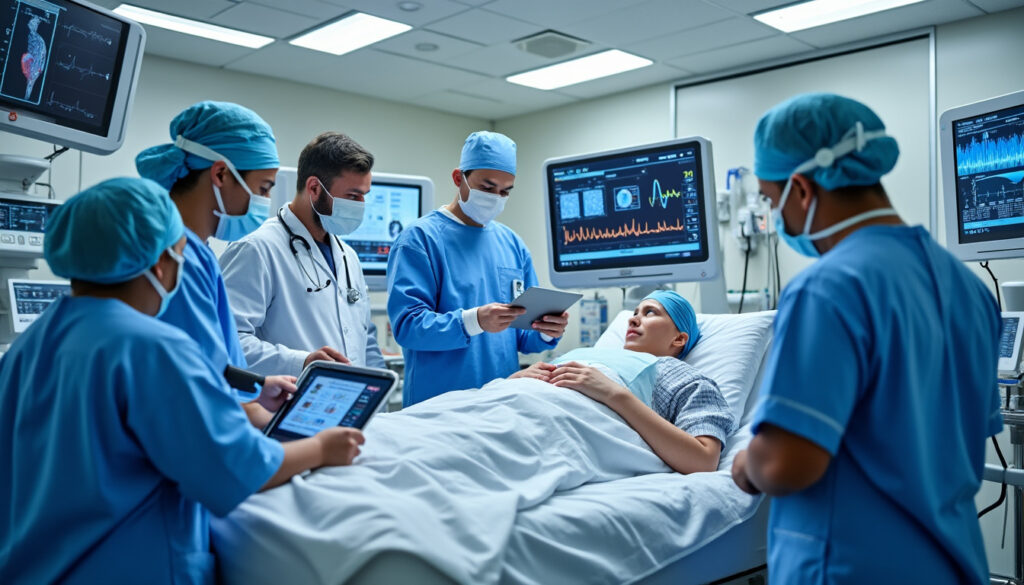
In the complex and demanding field of spinal surgery, the emphasis on comprehensive preoperative evaluations has become a fundamental pillar supporting successful surgical outcomes. These evaluations, far beyond mere routine checks, integrate detailed analyses of patient health, surgical risk assessments,…
Future Directions: Evolving the Scope of Hospital and Surgeon Partnerships in Spine Care
Looking ahead, hospital and surgeon collaborations are expected to deepen, incorporating advances in AI-driven diagnostics, personalized medicine, and virtual care integration. Efforts will emphasize expanding access to underserved populations while continuously refining implant technologies for enhanced biocompatibility and function.
Ongoing research and development in partnership frameworks highlight the potential of integrating real-world data analytics with surgical innovation to optimize outcomes. Programs like SurgicalSync and Hospix are pioneering platforms for real-time surgical monitoring and post-discharge patient engagement, illustrating this trajectory toward a fully connected care ecosystem.
Furthermore, cross-national collaboration platforms enable knowledge transfer, facilitating adoption of best practices from leading spine care centers worldwide. This evolution supports the sustainability of partnerships by continuously elevating clinical standards and operational efficiency.
| Trend | Expected Impact | Supporting Technologies | Example Initiatives |
|---|---|---|---|
| AI-Powered Diagnostics | Early, precise pathology identification | Machine learning algorithms, imaging AI | Hospix, SurgicalSync |
| Personalized Implants | Improved patient-specific surgical outcomes | 3D printing, biomaterials | ClinicFusion innovation labs |
| Virtual Care Integration | Remote monitoring and rehabilitation | Telemedicine platforms, digital health apps | CareBridge, MedCollab |
- Broadened access through telehealth removes geographic barriers
- Customization of implants tailored to individual anatomy advances success rates
- Real-time surgical data improves intraoperative decision-making
- Collaborative platforms enhance global health knowledge dissemination
These dynamic developments will transform hospital-surgeon partnerships from discrete alliances into integrated, data-driven ecosystems. Comprehensive adoption of emerging technologies and collaborative practices positions this model at the forefront of spine care innovation, fulfilling the promise of accessible, personalized, and superior surgical interventions.
Hospitals and Surgeon Partnerships: Key Insights, Benefits, and Challenges
| Aspect | Impact actuel | Potentiel futur |
|---|
What are the eligibility criteria for dynamic spinal implants like TOPS?
Candidates must have moderate segmental instability without severe irreversible degeneration, a good overall health status, and no significant inflammatory or infectious diseases. Evaluation by partner surgeons confirms eligibility.
How is the arrival of Canadian patients in France organized for surgery?
Franchir manages the entire journey including flight bookings, accommodation in partner clinics, local transport, and administrative formalities to ensure a smooth and stress-free experience.
What advantages does dynamic surgery offer compared to traditional fusion?
Dynamic surgery conserves spinal mobility, lowers adjacent segment pain risk, and promotes quicker return to daily activities, differing from fusion which immobilizes the spine.
What role does Neurothérapie Montréal play in patient care?
Neurothérapie Montréal provides postoperative monitoring and remote rehabilitation support, delivering personalized assistance throughout recovery after patients return to Canada.
Which French hospitals specialize in spinal surgery and accept Quebecois patients?
Institutions such as CHU Toulouse, Clinique Médicale du Mans, and Bordeaux’s hospital are dedicated spine centers equipped for Canadian patients, offering certified implants and expert surgical teams.
The Future of Surgery Lies in Stepwise Functional Recovery
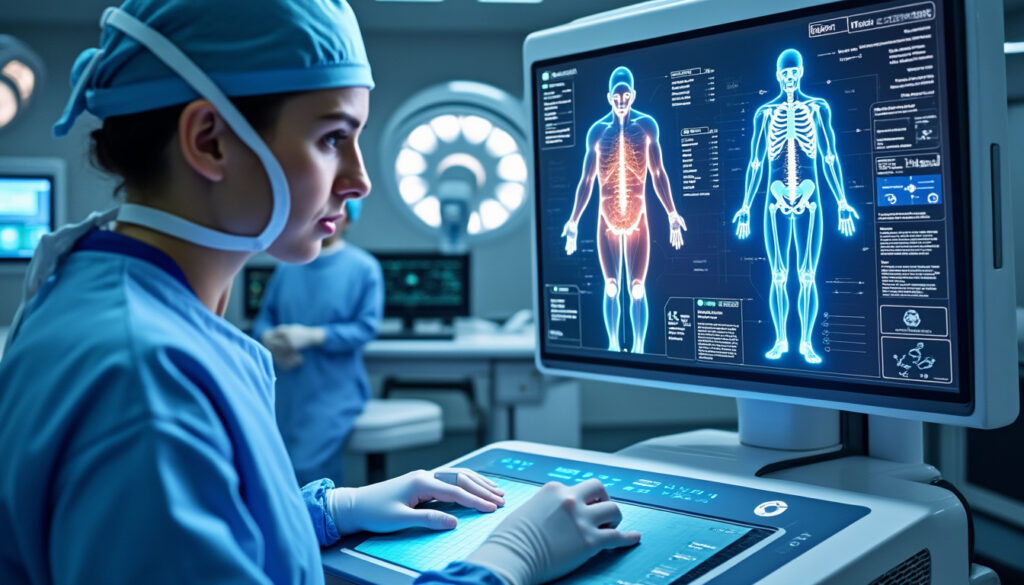
The evolution of surgical care in 2026 reveals a compelling shift toward approaches that prioritize the holistic recovery of patients, moving beyond traditional metrics like length of hospital stay or mortality rates. This modern paradigm highlights the principle that the…