
Rehabilitation and Return to Work: Guidelines, Benefits, and Potential Challenges
November 15, 2025
Insights from Research on Hospital and Surgeon Partnerships
November 15, 2025
Facing increasing delays and complexities in undergoing spinal surgery in Quebec, numerous patients are turning to France for specialized and advanced care. This transatlantic medical journey, while ambitious, is supported by meticulous organization and expert international coordination, ensuring patients receive the most innovative treatments with peace of mind. Pioneering collaborations between Quebec-based clinicians and French surgical centers provide not only reduced waiting times but also access to cutting-edge interventions, transforming traditional pathways of care.
Guided by experienced professionals like Marcel Mazaltarim, neurotherapist and care coordinator, and Dr. Sylvain Desforges with TAGMED, patients benefit from a comprehensive approach. From initial evaluation in Montreal to post-operative follow-up upon return, this seamless collaboration exemplifies a modern healthcare model bridging continents. For patients seeking clarity and confidence, understanding every step—from eligibility assessment to logistics and recovery—is essential to maximizing outcomes and patient comfort.
Comprehensive Medical Evaluation and Eligibility Criteria for Surgery in France
The initial medical evaluation is a pivotal stage in the journey toward spinal surgery abroad. Based in Montreal, this assessment involves a detailed clinical examination by experts such as Dr. Sylvain Desforges and his team at TAGMED, emphasizing individualized patient profiles and treatment history. Through a combination of physical assessment, validated questionnaires, and advanced imaging (including MRI and CT scans), candidates are thoroughly evaluated to confirm surgical necessity and eligibility.
Key components of the evaluation include:
- A detailed clinical history documenting symptom severity, functional limitations, and impact on daily life.
- High-quality imaging studies submitted by the patient for precise surgical planning.
- Autonomic nervous system assessment using neurotherapy techniques to refine perioperative protocols.
- Careful screening for comorbidities that might contraindicate surgical intervention.
This rigorous selection process aids in distinguishing candidates suitable for simple decompression, fusion, or advanced motion-preserving techniques. For instance, a patient with a debilitating herniated disc might be offered an endoscopic discectomy or a prosthetic disc replacement depending on their specific condition. Conversely, cases involving spinal instability such as spondylolisthesis may be directed to dynamic stabilization systems like TOPS or Intraspine, which offer enhanced mobility post-surgery.
To facilitate an efficient and reliable evaluation, submitting a complete medical dossier is crucial. Essential documents comprise recent imaging results, detailed medical reports on previous interventions or treatments, and comprehensive clinical narratives on disease progression. Such preparation aligns with recommendations found in resources like preparing for surgery guidance and the meticulously organized hospital surgery preparation protocols.
| Evaluation Step | Description | Responsible Parties |
|---|---|---|
| Medical Data Collection | Submission of imaging, medical history, and questionnaires | Patient supported by SOS Tourisme Médical |
| Clinical Analysis & Conservative Treatment Supervision | Assessment of physical function and review of conservative approaches | Dr. Sylvain Desforges & TAGMED team |
| Surgical Eligibility Determination | Decision on appropriateness of surgical method (fusion, motion preservation, endoscopy) | Franchir & French surgeons |

Understanding Sciatic Pain: Key Symptoms and When to Seek Medical Advice
Sciatic pain is a prevalent condition impacting a wide demographic, manifesting primarily as intense pain radiating from the lower back down the leg. This pain stems from irritation or compression of the sciatic nerve, a major nerve extending through the…
Personalized Logistical Coordination for Surgery Travel in France
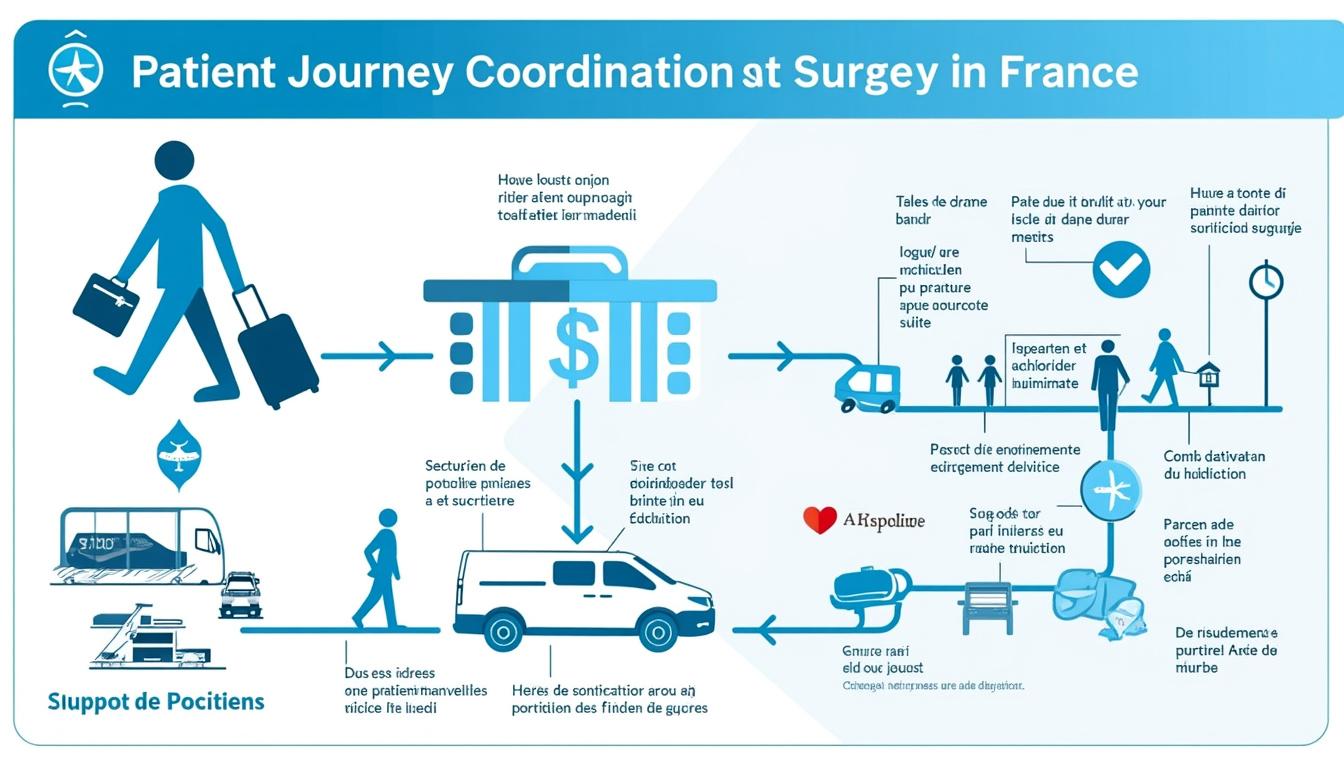
After confirming eligibility through expert medical evaluation, meticulous logistical planning ensures patients from Quebec experience a smooth surgical journey in France. The French company Franchir acts as the central coordinator, not merely booking services but orchestrating a comprehensive support system attuned to individual needs. Their role encompasses facilitating access to premier hospitals and spine surgeons, streamlining travel and accommodations, and managing administrative formalities with health insurers.
- Selection of hospital and surgeon from a network of over 20 specialists across renowned institutions such as Assistance Publique – Hôpitaux de Paris, CHU de Lyon, and Clinique Pasteur.
- Coordination of transportation including flights, airport transfers, and shuttles between accommodation and the surgical facility.
- Booking comfortable lodging close to the hospital with options for medically-equipped suites.
- Arranging preoperative consultations and diagnostic visits to refine surgical plans.
- Managing insurance documentation and reimbursements through partnerships with French healthcare platforms like Santé.fr and Ameli.
Such detailed arrangements help reduce travel-induced stress and support optimal preparation for surgery. Importantly, Franchir also ensures state-of-the-art implants and surgical materials are pre-booked, including innovative devices such as TOPS and Intraspine. This comprehensive approach reflects modern best practices extracted from guides like what to expect when traveling abroad for surgery and ultimate packing checklists for surgery abroad.
| Aspect of Stay | Description | Main Responsible |
|---|---|---|
| Surgical Orientation | Matching patient pathology with surgeon and clinic | Franchir |
| Transport and Transfers | Flight bookings and local shuttle coordination | Franchir |
| Accommodation Arrangements | Reservation of suitable hotels with medical considerations | Franchir |
| Health Insurance Administration | Documentation for reimbursement and mutual insurance | SOS Tourisme Médical |
| Consultations in France | Scheduling preoperative assessments | Franchir in cooperation with French hospitals |

The Stepwise Role of Functional Recovery in Achieving Successful Outcomes
The journey to full recovery following spinal surgery is often complex and multifaceted, demanding a meticulously structured approach to ensure optimal functional outcomes. In recent years, the concept of functional recovery through a stepwise approach has garnered significant attention in…
Optimizing Physical and Psychological Preparation Before Spinal Surgery
Success in spinal surgery is not solely dependent on the procedure itself but also greatly influenced by physical and mental readiness in the preoperative phase. Neurotherapeutic methods deployed by consultants like Marcel Mazaltarim focus on reducing operational stress and creating an environment conducive to healing. A calm nervous system and strong physical condition have a documented impact on wound healing and reduction in postoperative complications.
Patients are advised to:
- Maintain open dialogue with their healthcare team to alleviate uncertainty and anxiety.
- Practice relaxation techniques such as cardiac coherence breathing and neurofeedback sessions to manage emotional response.
- Adopt a protein-rich diet paired with antioxidants through fruits and vegetables to support muscle strength and immune function.
- Cease smoking at least 6 to 8 weeks prior to surgery to enhance tissue oxygenation and lower infection risk.
- Engage in moderate, low-impact physical activity such as walking or gentle yoga to maintain muscle tone without aggravating pain.
- Follow hospital-prepared protocols like fasting before surgery, antiseptic showers, and avoiding shaving the operative area to reduce infection chances.
Neurotherapeutic preparation with personalized biofeedback and neurofeedback sessions offered by Neurothérapie Montréal provides measurable improvement in stress control and sleep quality. These scientific approaches are detailed in literature including effective step-by-step preoperative preparation and safe and stress-free surgery guides.
| Preparation Method | Expected Benefit |
|---|---|
| Deep Breathing Exercises | Reduces cortisol and promotes autonomic nervous system relaxation |
| Smoking Cessation | Enhances oxygen delivery, reduces risk of infection |
| Protein-Enriched Diet | Boosts immune response and accelerates tissue repair |
| Antiseptic Preoperative Shower | Minimizes surgical site infections |

Transatlantic Patient Journey: Insights into Indications, Benefits, and Challenges
The emergence of the Transatlantic Patient Journey as a strategic model within healthcare continues to capture attention for its innovative potential, especially in specialized fields such as spinal surgery. This cross-border care pathway integrates rigorous medical evaluation from Quebec with…
Advanced Postoperative Follow-up and Neurotherapeutic Support in Quebec
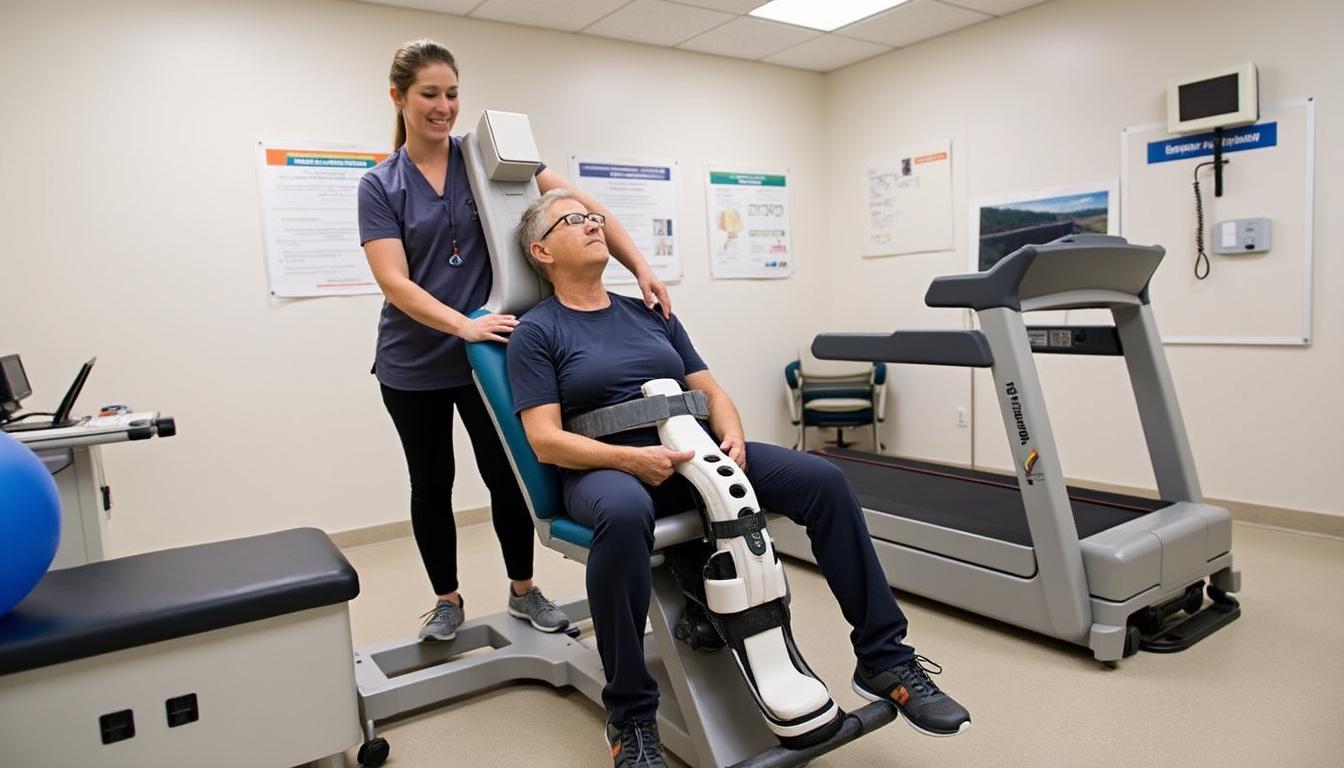
The transatlantic vision of surgical care extends well beyond the procedure through continuous postoperative management coordinated by Neurothérapie Montréal. After surgery in France, patients return to Quebec for further rehabilitation and monitoring, ensuring sustained recovery and minimization of complications. Marcel Mazaltarim’s integrated approach combines neurological evaluations with personalized biofeedback therapy and education to empower patients throughout rehabilitation.
- Regular neurofunctional assessments to monitor autonomic nervous system recovery.
- Targeted biofeedback and neurofeedback sessions to reduce chronic pain and anxiety.
- Consistent communication between French surgeons and local therapists for tailored adjustments to treatment plans.
- Patient-centered education to set realistic expectations and facilitate adherence to post-surgical rehabilitation.
This innovative continuum of care is supported by clinical evidence showcasing improved outcomes when multidisciplinary teams maintain close collaboration across borders. Detailed guidance on postoperative care benefits can be found at resources like post-operative recovery transformations.
| Neurotherapeutic Service | Key Advantages |
|---|---|
| Autonomic Nervous System Evaluation | Precise pre and post-surgery physiological assessment |
| Customized Biofeedback/Neurofeedback Sessions | Enhanced pain control and emotional regulation |
| Psychological and Educational Support | Improved therapy adherence and anxiety reduction |
| Continuous Cross-border Coordination | Smooth transition with consistent care |
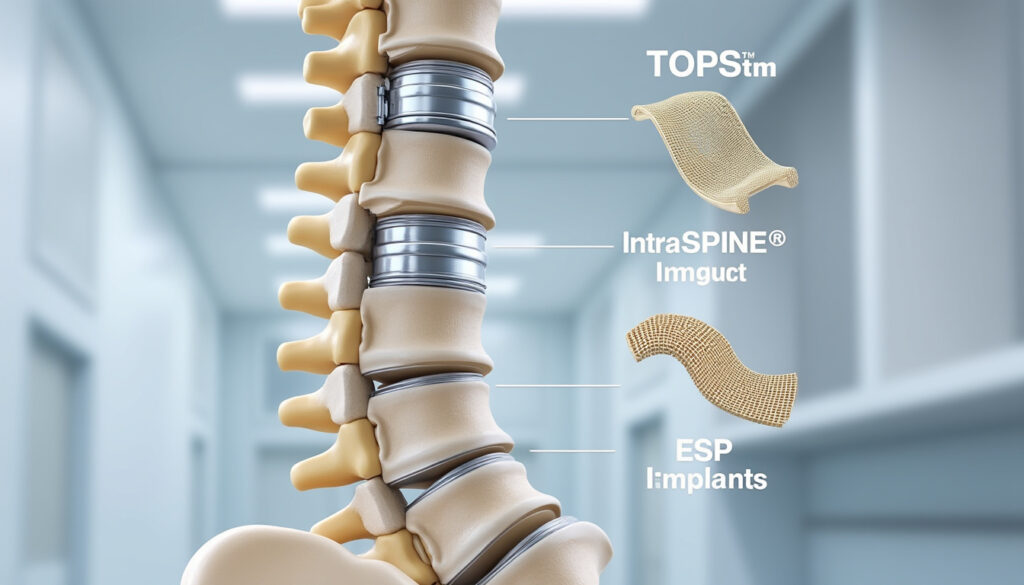
The evolving field of spinal surgery is witnessing a transformative shift, fueled by cutting-edge implant technologies such as TOPS, Intraspine, and ESP. These innovative implants redefine treatment possibilities by emphasizing preservation of natural spinal mechanics, while ensuring durable stabilization and…
France’s Cutting-edge Surgical Techniques Available to International Patients
French spinal surgery centers offer a wide range of pioneering surgical techniques that are often not readily accessible or have long waiting periods in Quebec. Patients benefit from advanced minimally invasive procedures, dynamic stabilization, and mobility-preserving prosthetics, enabling faster recovery and superior functional results. Some key innovations include:
- Mini-invasive Endoscopic Surgery: ideal for treating lumbar and cervical herniated discs with minimal tissue damage and reduced scarring.
- Cervical and Lumbar Disc Prostheses: these implants preserve natural spinal motion and prevent degeneration of adjacent levels.
- Dynamic Arthrodesis Systems (TOPS, Intraspine, LP-ESP): providing segmental stability while retaining movement, effective for moderate spinal instabilities or spondylolisthesis.
- Optimized Traditional Fusion Techniques: enhanced by advanced spinal implant technologies such as Cousin Spine and Premia Spine for durability and reduced long-term complications.
The advantages of these techniques are significant and include less postoperative pain, shorter hospital stays, improved spinal mobility, and personalized surgical plans. Medical travelers from Quebec gain direct access to these innovations through trusted networks. More information about these advanced methods is detailed in expert resources such as expert recommendations on spinal surgery in France and industry updates on key care pathways.
| Technique | Main Indication | Major Benefit |
|---|---|---|
| Mini-invasive Endoscopy | Herniated lumbar and cervical discs | Reduced scarring and accelerated recovery |
| Disc Prosthesis | Severe disc herniation, preservation of mobility | Prevents adjacent segment overload and ankylosis |
| Dynamic Arthrodesis (TOPS, Intraspine) | Spondylolisthesis, moderate instabilities | Combines stability with physiological motion |
| Optimized Classical Fusion | Severe myelopathies, scoliosis | Enhances surgical solidity with fewer complications |

Preparing for Surgery in France: Key Indications, Benefits, and Limitations
In an evolving global healthcare landscape, France emerges as a beacon of advanced surgical expertise, particularly attracting international patients seeking expedited and innovative medical interventions. Patients from regions experiencing long wait times, such as Quebec, increasingly view France as an…
Navigating the French Healthcare System and Administrative Requirements for Surgery Visitors
Understanding how to interact with the French medical system is essential for international patients preparing for surgery. Regulations, administrative forms, and legal consents are mandatory steps before being admitted for operations. Patients must agree to follow surgeon and anesthetist instructions, which include fasting protocols, discontinuing tobacco, and preparations for aseptic surgical conditions.
French healthcare also involves various statutory reimbursements and mutual insurance notifications, managed effectively with the assistance of organizations like SOS Tourisme Médical. Patients should anticipate:
- Completion of consent forms outlining risks, expected outcomes, and postoperative instructions.
- Communication of relevant medical history and previous treatment reports.
- Coordination of billing and reimbursements through healthcare platforms such as Ameli and Mutualité Générale de l’Éducation Nationale (MGEN).
- Use of interpreters or bilingual staff to ease communication barriers during hospitalization.
Sources like guides on medical operation procedures in France and essential tips for going to the doctor in France provide valuable insights into managing these aspects smoothly. Aligning with these regulations not only ensures legal compliance but also contributes to a safer and more effective surgical experience.
| Process Step | Details | Support Contacts |
|---|---|---|
| Consent and Medical Forms | Signing and agreeing to preoperative protocols and postoperative care | French surgical team and SOS Tourisme Médical |
| Documentation Submission | Delivering medical history and imaging | Patient and SOS Tourisme Médical |
| Insurance and Reimbursements | Coordination with Ameli, Santé.fr, and mutual insurance | SOS Tourisme Médical financial advisors |
| Language Support | Provision of interpreters or multilingual staff | Hospital administration |

Unveiling the Hidden Benefits of Quality and Certification in Devices
The landscape of device manufacturing and clinical application in 2026 has been fundamentally shaped by the rigorous interplay between quality management and certification processes. Within this complex framework, the hidden benefits of adhering to international standards and obtaining relevant certifications…
Essential Packing and Pre-Surgery Preparation Checklist for Patients Traveling to France
Preparing adequately for an international surgery trip demands more than medical readiness; practical essentials greatly contribute to a smooth experience. Building on comprehensive checklists available from sites like clinic hunter’s ultimate packing checklist and travel advisory portals, patients should consider the following necessities:
- Medical documentation: Originals and copies of imaging tests, surgical consents, and medical reports.
- Medications: Sufficient quantities of routine medications and any preoperative prescriptions.
- Comfortable clothing: Loose, easy-to-wear garments suitable for hospital stays and recovery period.
- Personal hygiene products: Antiseptic wipes, toiletries, and any items recommended for hospital use.
- Support aids: Mobility aids if needed, including walkers or braces prescribed medically.
- Contact information: Emergency contacts, hospital details, and coordination service phone numbers.
Patients should also review hospital recommendations regarding fasting periods, arrival times, and any additional preparations to avoid last-minute hurdles. Following structured guidelines enhances patient confidence and contributes to successful surgery readiness, aligning with protocols such as those in the surgery in a new country preparation guide and plastic surgery preparation essentials.
| Item Category | Suggestions |
|---|---|
| Documents | Imaging files, medical notes, consents |
| Medications | Regular medicines, prescriptions, supplements |
| Clothing | Loose, comfortable, hospital-appropriate clothing |
| Hygiene | Antiseptic products, toiletries |
| Support Equipment | Walkers, braces, personal aids |
| Communication tools | Phone with charger, emergency contacts |

Why Experts Advocate for Comprehensive Preoperative Evaluations
In the complex and demanding field of spinal surgery, the emphasis on comprehensive preoperative evaluations has become a fundamental pillar supporting successful surgical outcomes. These evaluations, far beyond mere routine checks, integrate detailed analyses of patient health, surgical risk assessments,…
Patient Experiences and Insights: A Look at Surgery Journeys from Quebec to France
Understanding the patient perspective on this transatlantic surgical pathway helps illuminate the human aspects beyond the clinical steps. Many report relief from prolonged local waitlists and improved access to state-of-the-art procedures unavailable in Quebec. Personal stories shared through platforms such as patient insights on spinal surgery in France reveal themes of renewed hope, trust in expert teams, and appreciation for coordinated care pathways.
Patients emphasize several factors contributing to their positive experience:
- Clear communication ensuring expectations are managed realistically from evaluation through follow-up.
- Hospital comfort and professionalism with high standards of care and hospitality acknowledged.
- Innovative surgical techniques leading to faster recovery and less postoperative pain.
- Continuous support across borders via Neurothérapie Montréal after returning home.
These elements collectively exemplify a patient-centered approach highly praised in contemporary surgical networks, matching the organized preparation advocated by SurgicalPrepPro and FranceSurgeryHelp. Such real-world insights empower prospective patients considering international surgical treatment.
Préparation à une chirurgie en France
Que préparer : documents, état de santé, voyage, besoins postopératoires et conseils de récupération.
Documents essentiels à préparer
- Passport / ID card
- Medical records and test results
- Insurance documents (health and travel)
- Consent forms and surgery info
What are the essential documents to bring for preoperative evaluation?
It is crucial to bring recent imaging exams such as MRIs and CT scans, medical reports, and previous treatment summaries to ensure a complete and accurate assessment.
How is postoperative care managed once returning to Quebec?
Neurothérapie Montréal provides personalized follow-ups including neurofunctional assessments, biofeedback sessions, and continuous coordination with local healthcare professionals.
What advantages does surgery in France offer compared to the Quebec healthcare system?
Through international collaboration, waiting times are significantly reduced and patients gain access to innovative surgical techniques not available locally.
Can patients choose their surgeon in France?
Selection of the surgeon and clinic is managed by Franchir based on medical needs, with consideration of patient preferences whenever feasible.
Is there specific preparation required before surgery?
Yes, preoperative preparation includes stress management, proper lifestyle adjustments, breathing exercises, and autonomic nervous system care to optimize recovery, coordinated by Neurothérapie Montréal.
The Future of Surgery Lies in Stepwise Functional Recovery
The evolution of surgical care in 2026 reveals a compelling shift toward approaches that prioritize the holistic recovery of patients, moving beyond traditional metrics like length of hospital stay or mortality rates. This modern paradigm highlights the principle that the…