Mirabel Lumbar Disc Recovery After Failed Conventional Care
May 15, 2026
La Prairie Sciatica Relief Without Hospitalization
May 15, 2026
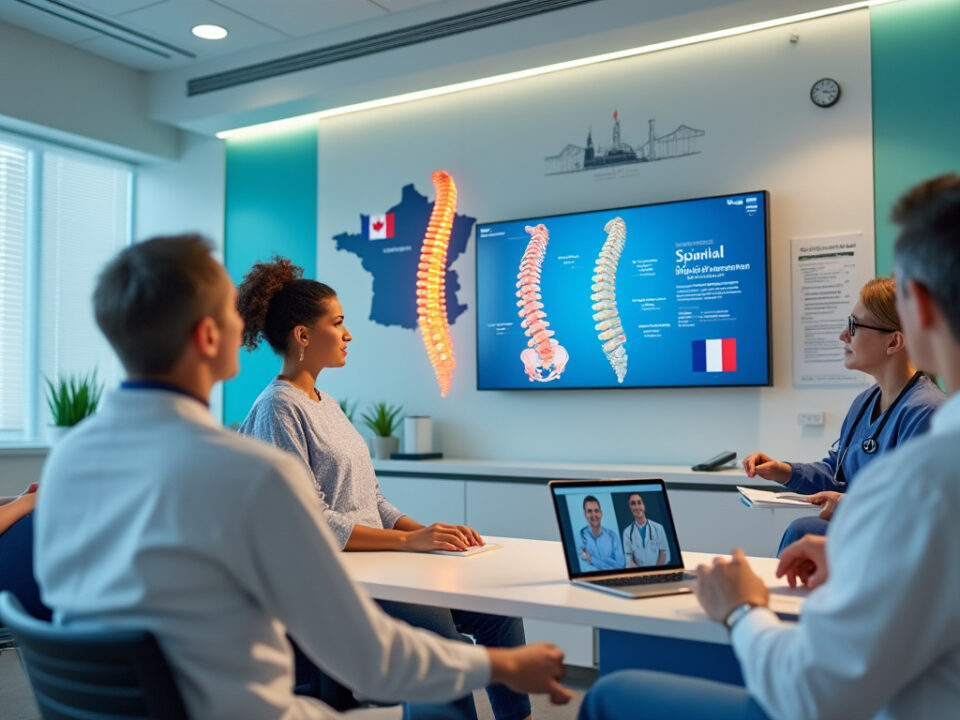
The demand for advanced neck surgery options in Montreal is escalating as patients seek effective treatments that not only alleviate pain but also preserve mobility and quality of life. With waiting times lengthening in Quebec’s healthcare system, many residents are exploring innovative alternatives that offer faster access to care without compromising safety. A notable option for these patients is the transatlantic care pathway between Canada and France, which provides access to cutting-edge techniques and comprehensive postoperative rehabilitation while ensuring personalized and ethically governed treatment plans. This approach reflects a new paradigm in orthopedic surgery — one that is deeply rooted in scientific rigor, patient-centered care, and international collaboration.
Neck surgery today is much more than a simple intervention aimed at correcting structural issues. It integrates advanced biomechanical principles to maintain as much natural motion as possible, mitigating the long-term risks of stiffness and reduced flexibility. Physicians and experts in the field emphasize that surgery should be considered only after conservative treatments have been exhausted, and in cases where innovative technologies such as neurovertebral decompression and dynamic implants might be involved, the postoperative course demands a strategic rehabilitation plan adapted to each patient’s specific condition and lifestyle. Montreal patients, in particular, are benefiting from this evolving landscape that prioritizes mobility, safety, and holistic recovery.
Comprehensive Types of Neck Surgery in Montreal and France: From Fusion to Motion-Preserving Techniques
When addressing complex cervical spine disorders, understanding the different types of surgical options available is crucial for patients aiming to preserve long-term neck function. In Montreal, as well as France, the spectrum of surgical procedures has expanded considerably. They generally fall into three main categories: simple decompression, spinal fusion, and motion-preserving surgeries such as disc replacement and dynamic stabilization.
Simple decompression surgery targets relieving pressure on affected nerve roots or the spinal cord caused by herniated discs or spinal stenosis. This approach often involves removing disc material or bony overgrowth pressing on nerves, leading to significant pain relief. The less invasive nature of these procedures helps facilitate faster postoperative recovery, but they may not always address underlying instability.
Spinal fusion remains a highly effective solution for patients experiencing instability or degenerative changes that compromise segmental movement and spinal alignment. By fusing two or more vertebrae, surgeons stabilize the cervical spine to reduce pain and neurological symptoms. However, spinal fusion can limit neck motility and may lead to adjacent segment disease due to altered biomechanics. Advances in implant technology and surgical technique now allow for more precise fusion with minimal impact on surrounding tissues. Surgeons in France have also been pioneers in refining these approaches to improve patient outcomes.
Motion-preserving surgeries are evolving rapidly with the introduction of cervical disc arthroplasty and dynamic implants. These procedures aim to maintain the natural flexion, extension, and rotation of the neck after surgery, offering significant biomechanical advantages over fusion. Disc replacement surgery, for example, involves removing the damaged disc and replacing it with an artificial disc designed to mimic natural movement. This option is particularly suitable for select patients who meet age and pathology criteria and who have not responded adequately to conservative management.
The selection of an appropriate surgical path depends on numerous factors, including patient age, the nature and extent of pathology, and prior treatment outcomes. While these surgeries are offered in Montreal by leading experts such as Dr. Ahmed Aoude, patients often find additional value in complementary evaluation and postoperative care models accessible through international collaborations like those facilitated by Dr. Sylvain Desforges.
Motion Surgery in Terrebonne: Preserve Spinal Biomechanics
Back pain is more than an inconvenience; it’s a challenge affecting thousands of Quebecers who face prolonged waiting times and costly private care. Motion Surgery in Terrebonne emerges as a beacon of hope, offering advanced surgical alternatives that preserve spinal…
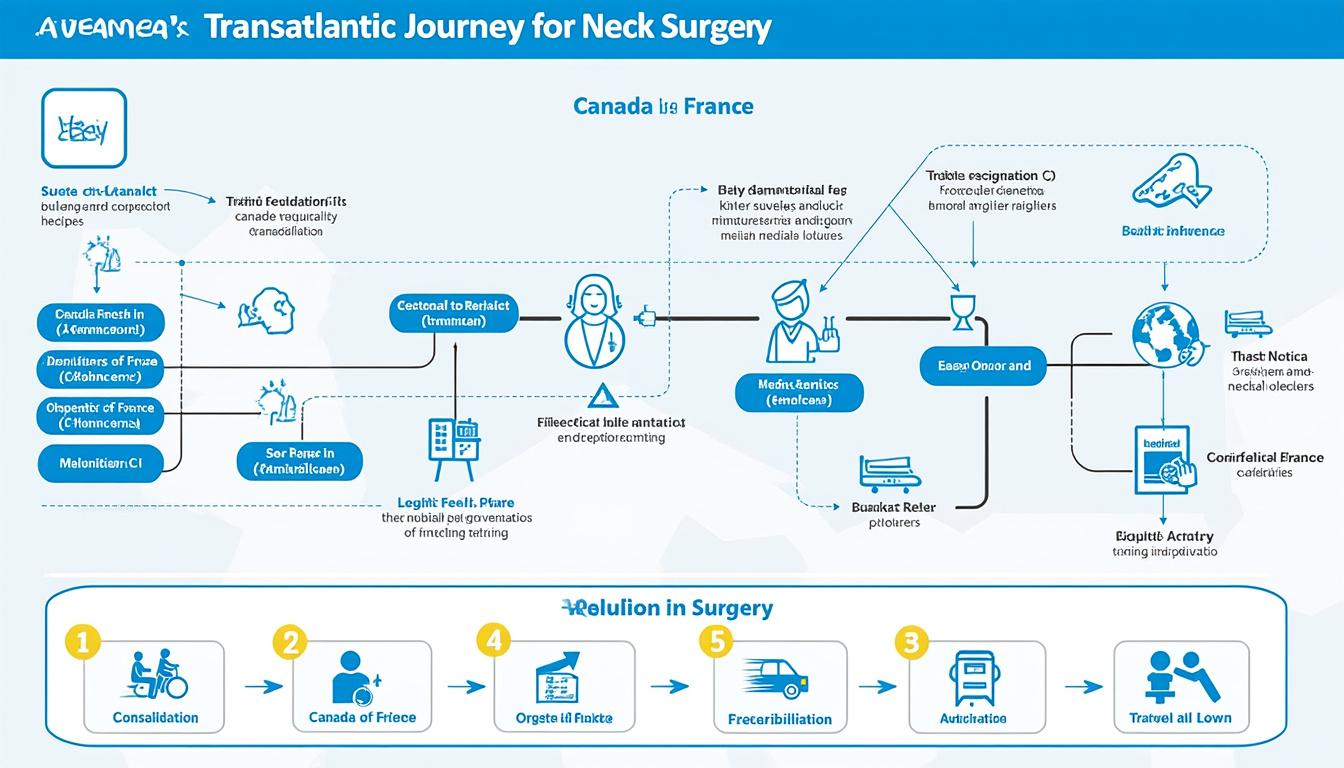
Step-by-Step Patient Journey for Transatlantic Neck Surgery Care
Embarking on neck surgery abroad, especially through transatlantic healthcare pathways, involves a carefully coordinated journey that balances thorough evaluation, treatment, and recovery with seamless communication between Canadian and French medical teams.
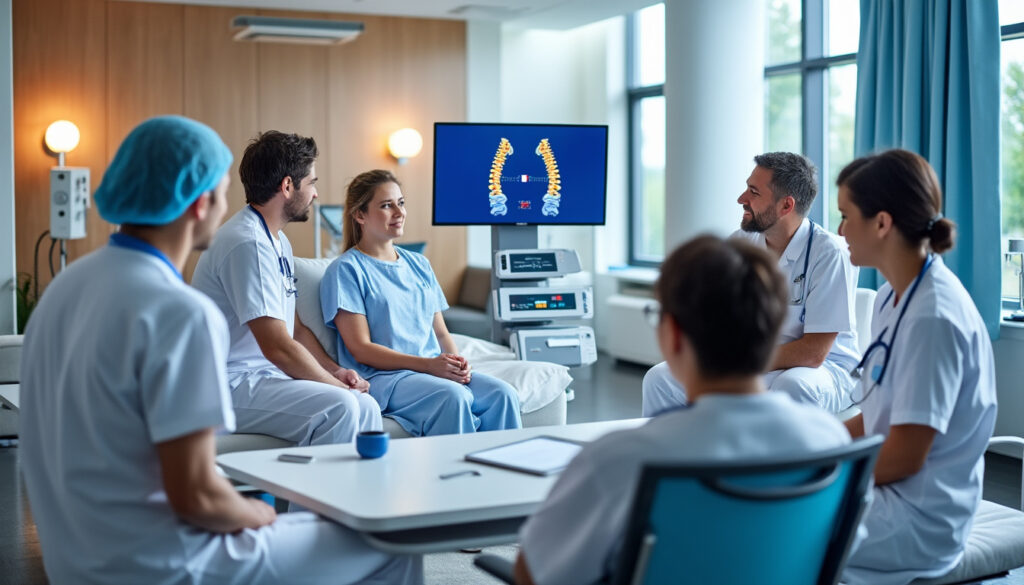
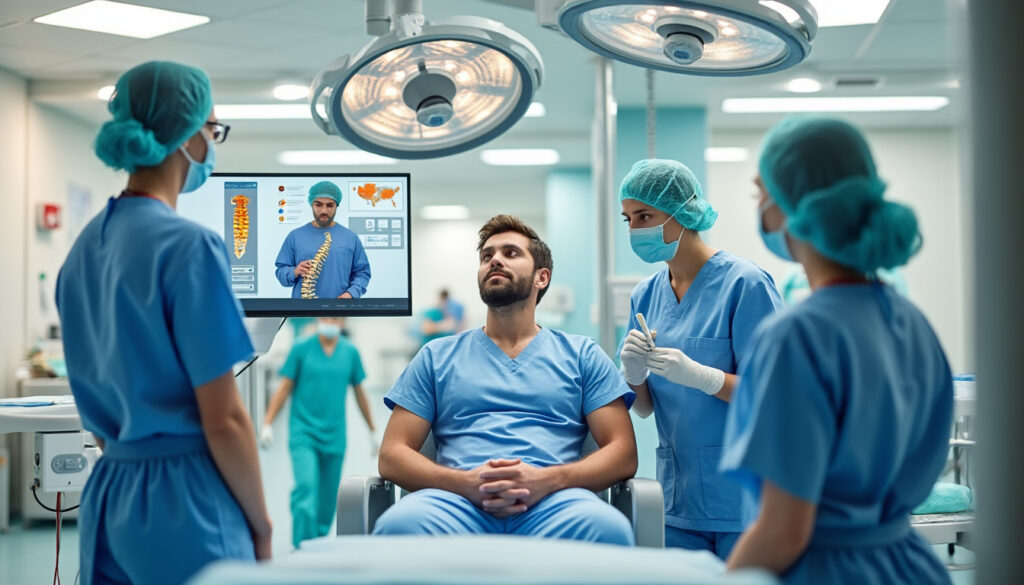
Initial evaluation in Montreal generally begins with a specialized assessment by experts like Dr. Sylvain Desforges, whose 30+ years of experience encompass scientific evaluation of spinal pathologies and personalized care recommendations. This expert evaluation includes comprehensive clinical examination and advanced imaging review to determine whether surgery is warranted or if conservative treatments can still be optimized.
Conservative management phase is critical before any surgical procedure is considered. For Quebec patients, this may involve efforts at local clinics specializing in advanced nonsurgical options, including neurovertebral decompression and laser therapies, such as those available at the Clinique TAGMED. Patients who have completed a minimum of 3 to 6 months of such tailored treatments gain important biomechanical stabilization and pain relief, potentially delaying or even avoiding surgery.
Referral and planning for surgery abroad begins only after conservative avenues are thoroughly explored. The patient’s dossier, including evaluation results and prior treatment history, are securely transmitted to partnered surgical teams in France. This ensures continuity of care and customization of the surgical plan according to international best practices and patient-specific needs.
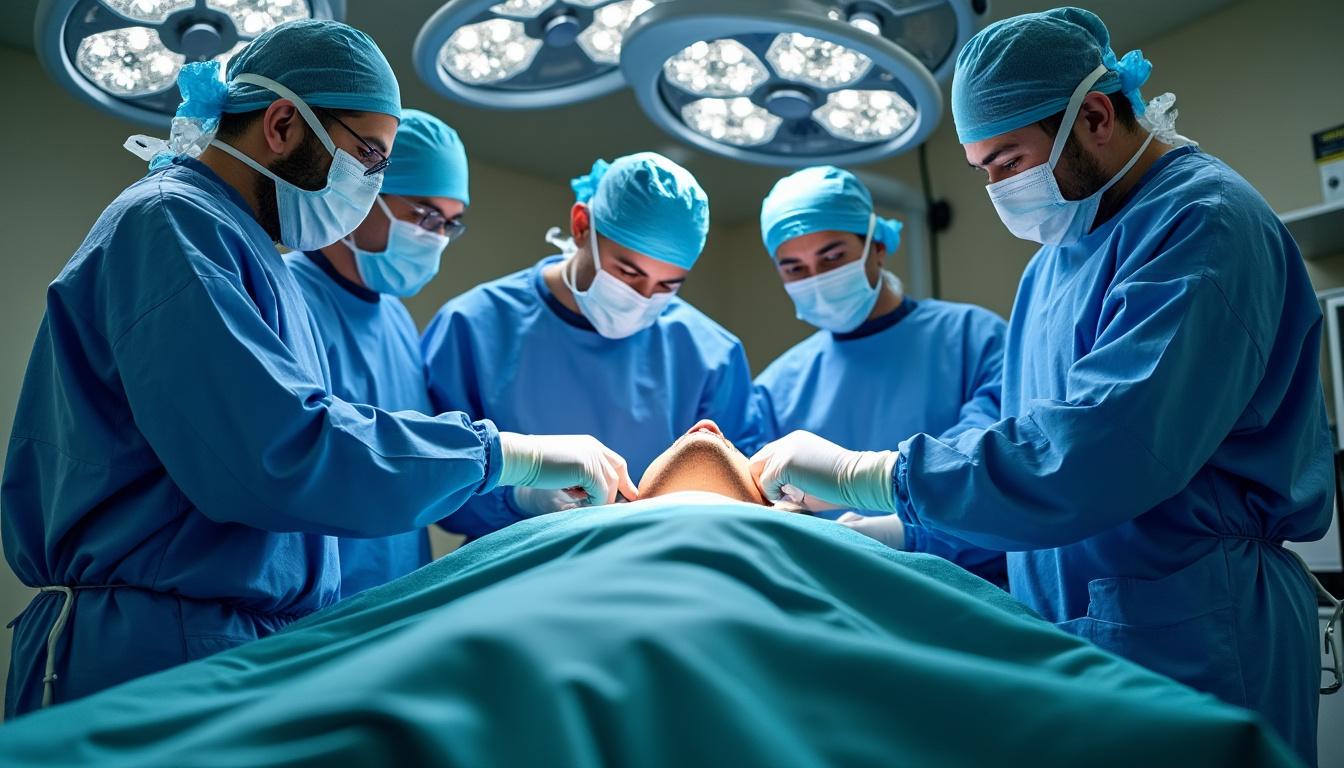
Travel and intervention phases involve the patient arriving in France for surgery in state-of-the-art facilities. Here, multidisciplinary teams provide comprehensive perioperative care, including cutting-edge surgical techniques like minimally invasive fusion or disc replacement, paired with enhanced recovery protocols emphasizing early mobilization and pain control.
Postoperative management bridges both international settings, with the primary surgical center coordinating closely with rehabilitation teams in Montreal. The new Enhanced Recovery After Surgery (ERAS) units in Montreal hospitals, for example, facilitate faster functional recovery in an outpatient or inpatient setting. This hybrid care model ensures patients receive continuous monitoring, personalized physical therapy, and pain management without disruptive transitions.
Return and long-term follow-up emphasize ongoing patient education on ergonomic adaptations and neck health strategies to sustain mobility and prevent recurrence. Programs like CIUSSS West-Central Montreal rehabilitation services offer specialized support for tailored postoperative rehabilitation phases adapted to individual profiles.
Lumbar Disc Prosthesis in Saguenay: Immediate Relief After Surgery
Low back pain is an affliction that affects millions globally, impacting daily activities and diminishing quality of life. In the Saguenay region, known for its vibrant and active population, preserving spinal health is paramount to maintaining mobility and independence. For…
Advantages of Transatlantic Pathways: Biomechanical, Economic, and Human Perspectives
The transatlantic surgical pathway, blending care from Montreal to France, delivers multiple layers of benefit for patients navigating complex neck disorders. These benefits extend beyond pure medical outcomes into rehabilitation effectiveness, economic feasibility, and patient-centered support.
Biomechanical advantages stem from access to advanced surgical options focused on motion preservation, such as dynamic intervertebral implants and arthroplasty devices not yet broadly available in Canadian facilities. Maintaining natural cervical range of motion post-surgery reduces compensatory stresses on adjacent spinal segments. This helps to lower the risk of chronic stiffness and adjacent segment degeneration, promoting a more physiological recovery.
Economic rationale should be carefully considered by patients facing lengthy wait times and often prohibitive costs in the private healthcare system in Quebec. The integrated international care pathway offers a reasonable cost structure compared with paying private fees locally, while also accelerating access to surgery and advanced technologies. This cost-effectiveness does not compromise patient safety, thanks to adherence to rigorous medical protocols supervised by recognized Canadian and French experts.
Human and psychosocial elements are often underestimated in medical discussions but are paramount to recovery success. The seamless coordination between Canadian and French teams facilitates clear communication, comprehensive patient education, and consistent touchpoints throughout the care continuum. Patients report feeling supported, empowered, and reassured, which positively impacts their engagement in postoperative rehabilitation and long-term neck health maintenance.
These combined facets illustrate why this pathway is gaining recognition as an innovative benchmark in spine surgery and patient care.

IntraSPINE® in Sherbrooke: Improve Posture After Surgery
At the crossroads of innovation and patient-centered care, the IntraSPINE implant introduced in Sherbrooke is transforming the landscape of spinal surgery recovery and posture improvement. For many Canadians, particularly those in Quebec facing long delays or high costs for spinal…
When Surgery Becomes Necessary: The Importance of Exhausting Conservative Treatments First
Expert opinion, including that of Dr. Sylvain Desforges, stresses that neck surgery must remain a last recourse after well-structured and sufficiently long conservative treatment efforts. For most patients, the first steps towards healing involve non-invasive therapies designed to reduce inflammation, strengthen musculature, and improve spinal mechanics.
Clinics like TAGMED in Montreal exemplify advanced conservative care options, offering neurovertebral decompression technology, laser therapy, and comprehensive rehabilitation regimes that specifically target cervical spine health without surgery. Patients who have not undergone such treatments for at least 3 to 6 months should consider initiating these options before contemplating surgical intervention.
Rushing into surgery without first utilizing these evidence-based conservative strategies may expose patients to unnecessary surgical risks and postoperative complications. A mindful, scientifically grounded approach respects Canadian and Quebec regulatory standards governing medical conduct and patient safety.
The benefits of conservative treatment include:
- Reduction of pain and inflammation through non-invasive modalities
- Improved spinal function and reduction of nerve compression symptoms
- Preservation of natural neck mobility and avoiding surgical stiffness
- Possibility to delay or altogether prevent surgery in many cases
Thus, although surgical expertise is available and effective, the guiding principle remains: prioritize and exhaust conservative care. This approach enhances patient empowerment, informed decision-making, and better overall outcomes.
Spine Surgery in Trois-Rivières: Preserve Intervertebral Mobility
Chronic back issues increasingly challenge individuals looking for effective solutions that not only relieve pain but also maintain spinal function and quality of life. In Trois-Rivières, innovative approaches to spine surgery emphasize preserving intervertebral mobility—a crucial factor in long-term spinal…
Postoperative Care and Rehabilitation: Key to Maintaining Mobility and Functional Recovery
The period following neck surgery is critical to achieving long-term success. Tailored postoperative care plans emphasize pain management, gradual reintroduction of neck mobility, and strength conditioning through supervised physical therapy. The goal is to minimize stiffness and promote natural cervical flexibility.
Innovations such as Enhanced Recovery After Surgery (ERAS) protocols being introduced in Montreal hospitals demonstrate a paradigm shift. These programs integrate multidisciplinary teams including surgeons, osteopaths, physiotherapists, and pain specialists to coordinate care, reduce hospital stay duration, and facilitate early functional gains.
Patients thrive under customized rehabilitation journeys that incorporate:
- Early mobilization exercises to restore range of motion
- Targeted pain control minimizing opioid dependency
- Ergonomic education for home and work environments
- Psychological support to ease surgical anxiety and boost motivation
- Regular follow-up assessments to adapt plans as recovery progresses
Montreal’s rehabilitation specialists collaborate extensively with international clinical partners, ensuring that patients benefit from well-rounded support that respects the latest evidence-based guidelines. This ensures the preservation of neck mobility and accelerates return to normal activities and quality of life.
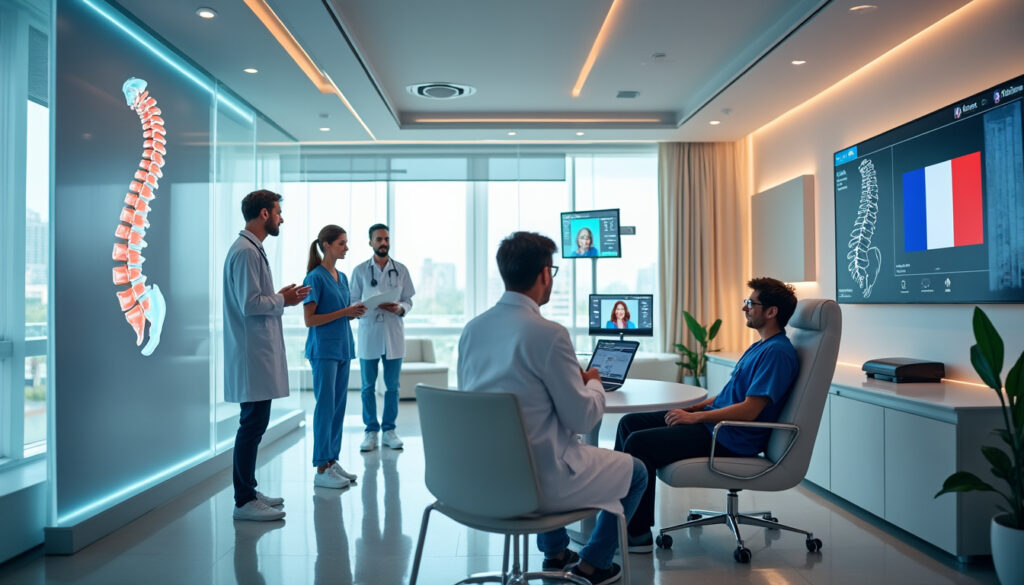
TOPS™ in Gatineau: Reduce Chronic Lumbar Pain
Chronic lumbar pain affects millions worldwide, often diminishing quality of life and limiting daily activities. In Gatineau, patients now have access to innovative solutions like the Total Posterior Spine System (TOPS), a breakthrough technology designed to address complex lumbar conditions…
Innovations in Neck Surgery Technology Elevating Patient Outcomes
In recent years, developments in surgical technology have transformed outcomes for patients undergoing spinal surgeries, particularly those involving the cervical spine. Advances in minimally invasive techniques, dynamic implants, laser-assisted decompression, and neurovertebral therapies have expanded treatment possibilities while reducing risks and recovery times.
Dynamic implants and disc arthroplasty allow surgeons to address degenerative disc diseases without sacrificing natural cervical mobility. These devices emulate physiological motion, contrasting sharply with older fusion methods that immobilize vertebral segments and potentially cause secondary issues. Laser technology complements these interventions by precisely targeting nerve compressions with minimal tissue disruption.
Though some of these cutting-edge options remain limited in availability in Canada, partnering with international centers in France facilitates patient access to these advanced treatments. Such collaborations stand as models for integrating innovation into patient care, spearheaded by experts like Dr. Sylvain Desforges who prioritize safety, scientific rigor, and patient education.

Cervical Disc Prosthesis in Quebec City: Approved and Durable Solution
The rise in cervical spine disorders in Quebec City has catalyzed remarkable progress in surgical treatment methods. Patients today seek not only effective relief from persistent neck pain but also solutions that preserve the natural mobility crucial for daily activities…
The Role of Expert Evaluation in Personalized Neck Surgery Planning
Successful neck surgery outcomes rely heavily on accurate and thorough patient evaluation. Dr. Sylvain Desforges, with over three decades of expertise and qualifications such as B.Sc., D.O., and N.D., leads efforts in comprehensive preoperative assessments emphasizing patient-centered plans. His work includes serving as president and founder of the ACMA, the Canadian College of Osteopaths, and TAGMED — a clear indication of his leadership in spine care innovation.
Dr. Desforges’s approach integrates:
- Detailed clinical examinations tailored to the patient’s unique spinal pathology
- Interpretation of advanced imaging (MRI, CT scans) to guide therapeutic choices
- Review of prior conservative treatments ensuring surgery is appropriate
- Patient education on surgical risks, expected benefits, and postoperative pathways
- International coordination to ensure continuity of care between Canadian and French specialists
This rigorous evaluation framework respects ethical standards and regulatory compliance with Quebec’s medical authorities, fostering patient trust and optimal outcomes.
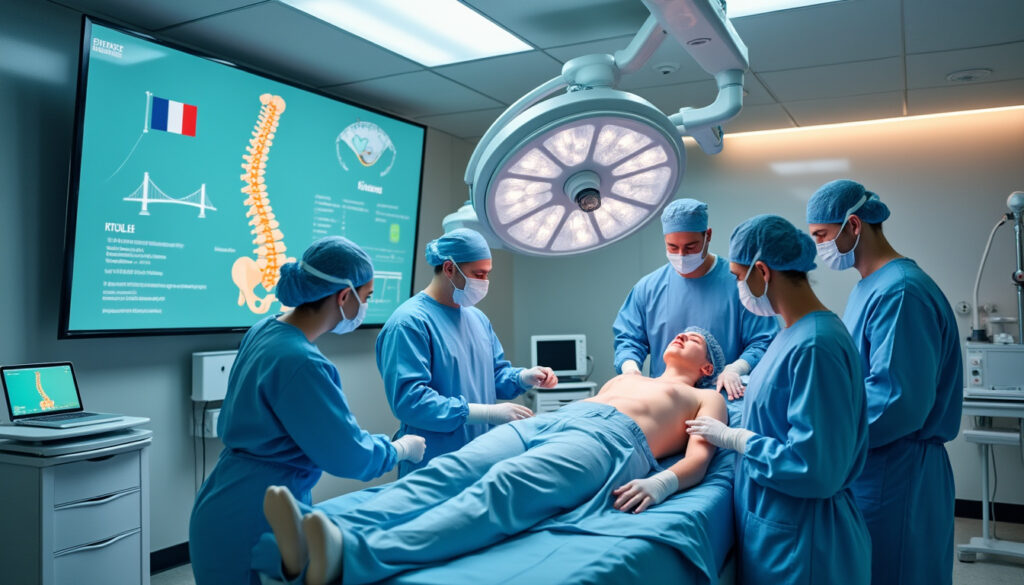
Minimally Invasive Surgery in Longueuil: Maintain Flexibility After Surgery
In Longueuil, Quebec, advances in spine treatment are revolutionizing patient experiences through minimally invasive surgery. These techniques emphasize maintaining joint mobility and promoting postoperative flexibility, offering renewed hope for individuals facing spinal conditions. Patients seeking alternatives to traditional surgery, particularly…
Unique Value of Coordinated International Care for Neck Surgery Patients
Coordinating neck surgery across continents involves navigating medical, logistical, and patient-centered challenges. However, this integrated approach presents a unique opportunity to harness the best treatments and expertise from both Canadian and French healthcare systems, ensuring that patients receive innovative care without compromising continuity or quality.
Through collaborations with surgical partners, specialized clinics, and platforms like SOS Tourisme Médical, patients accessing this pathway benefit from:
- Reduced waiting times compared to traditional local options
- Access to advanced surgical technologies and motion-preserving implants unavailable or limited in Canada
- Personalized surgical planning and postoperative protocols coordinated between international teams
- Support navigating travel, appointments, medical documentation, and insurance formalities
- A human-centered model focusing on patient comfort, education, and reassurance throughout the journey
This model exemplifies innovation not only in clinical techniques but also in care delivery and patient engagement, fulfilling the promise of modern cervical spine surgery and rehabilitation.

IntraSPINE® in Laval: Innovative Treatment for Chronic Low Back Pain
The persistent challenge of chronic low back pain continues to affect millions worldwide, impacting daily activities, work productivity, and overall quality of life. In Laval, a groundbreaking approach has emerged with the introduction of the IntraSPINE device—an innovative spinal implant…
Key Surgical Techniques Comparison: Motion Preservation vs Fusion in Neck Surgery
When considering neck surgery options, a foundational understanding of the biomechanical and clinical differences between spinal fusion and motion-preserving technologies is essential for patients seeking to maintain postoperative mobility. Below is a comparative overview:
| Aspect | Spinal Fusion | Motion-Preserving Surgery (Disc Replacement) |
|---|---|---|
| Objective | Stabilize spine by fusing vertebrae to eliminate painful motion | Maintain natural neck motion while treating affected disc |
| Range of Motion | Reduced due to vertebral fusion | Preserved or minimally affected |
| Risk of Adjacent Segment Disease | Higher due to altered biomechanics | Lower because natural movement is retained |
| Recovery Time | Longer; may require extended immobilization | Shorter with emphasis on early mobilization |
| Availability in Montreal/Canada | Widely available | Emerging; often linked to international collaborations |
| Ideal Candidates | Patients with spinal instability or multi-level degeneration | Patients with single-level disc disease and good spinal alignment |
This comparison equips patients and practitioners with essential insights for choosing the surgical route best aligned with individual therapeutic goals.
For more information on motion-preserving procedures and how they compare with traditional fusion surgery, visit modern neck surgery solutions in Montreal.
What factors determine if I need neck surgery?
Neck surgery is considered after thorough evaluation of your cervical spine condition, symptom severity, and response to conservative treatments like neurovertebral decompression and physical therapy. Surgery is recommended only when these measures fail to relieve symptoms effectively.
How can I maintain my neck mobility after surgery?
Maintaining neck mobility post-surgery involves following structured rehabilitation plans that include physical therapy, ergonomic education, and adherence to postoperative exercise regimens to prevent stiffness and preserve flexibility.
What are the risks associated with neck fusion compared to motion-preserving surgeries?
Fusion surgery can limit neck range of motion and increase stress on adjacent spinal segments, potentially causing further degeneration. Motion-preserving surgeries aim to reduce these risks by maintaining natural movement, although not all patients are candidates for these newer techniques.
Is transatlantic care safe and well-coordinated for patients?
Yes. Coordinated transatlantic care pathways are managed by multidisciplinary teams following strict medical protocols. Expert evaluation and continuous communication between Canadian and French teams ensure patient safety and a seamless care journey.
Why is conservative treatment emphasized before considering surgery?
Conservative treatments such as physical therapy, laser therapy, and neurovertebral decompression can alleviate symptoms, improve spinal function, and maintain neck mobility, often avoiding the need for surgery or improving surgical outcomes when eventually required.