Pointe-Claire Chronic Neck Pain Relief Without Medication
May 16, 2026
Saint-Eustache Back Pain Care for Herniated Discs
May 16, 2026
The burden of lumbar stenosis—a condition where the spinal canal narrows, exerting pressure on nerves—continues to challenge patients and healthcare providers alike. For many individuals in Quebec grappling with persistent back pain and limited mobility, traditional options may feel limiting or delayed by long surgical waitlists. Against this backdrop, an innovative solution emerges in Gatineau, combining cutting-edge spinal implants with high-performance surgical techniques to effectively address lumbar stenosis while optimizing patient recovery. Pioneered and evaluated by Dr. Sylvain Desforges, with over 30 years of dedicated experience in spinal care, this approach represents a paradigm shift in how patients can navigate their path to relief.
Dr. Desforges, a founding president of the Canadian Academy of Manual and Osteopathic Medicine (ACMA), the Collège des Ostéopathes Canadiens, and TAGMED, has long championed the integration of scientific rigor, ethical oversight, and technological innovation in spine care. His expertise spans thorough assessments of spinal pathologies through to comprehensive patient guidance, underscoring not just technical proficiency but empathic support and education. The implementation of advanced systems like the TOPS Spinal Implant in Gatineau embodies his pursuit of biomechanically sound, patient-centric solutions that bridge the gap between conservative care and surgical intervention.
With this high-performance strategy, patients benefit from shorter recovery times, preservation of spinal mobility, and decreased complications—a triad not commonly achieved in conventional fusion surgeries. Simultaneously, the transatlantic patient management model pioneered by Dr. Desforges integrates French surgical excellence with Canadian postoperative care, optimizing outcomes while navigating the complexities of cross-border medical collaboration.
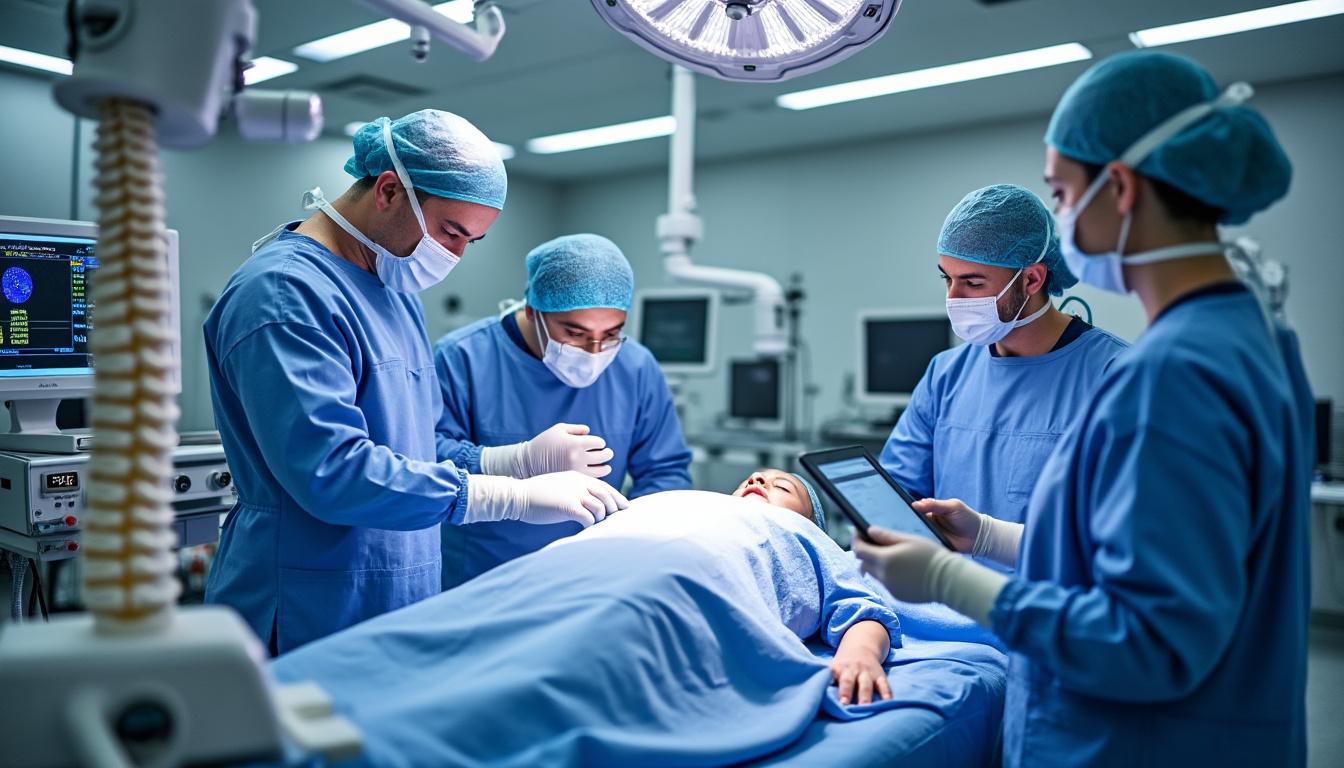
Understanding Lumbar Stenosis and Its Impact on Spine Surgery Options
Lumbar stenosis often manifests as persistent back pain, numbness, or weakness in the legs. The condition results from degenerative changes in the lumbar spine, leading to narrowing of nerve pathways. This creates pressure on the nerve roots or the spinal cord itself, giving rise to symptoms commonly experienced by adults over 50. Understanding the specific nature of stenosis is fundamental to selecting an appropriate surgical approach.
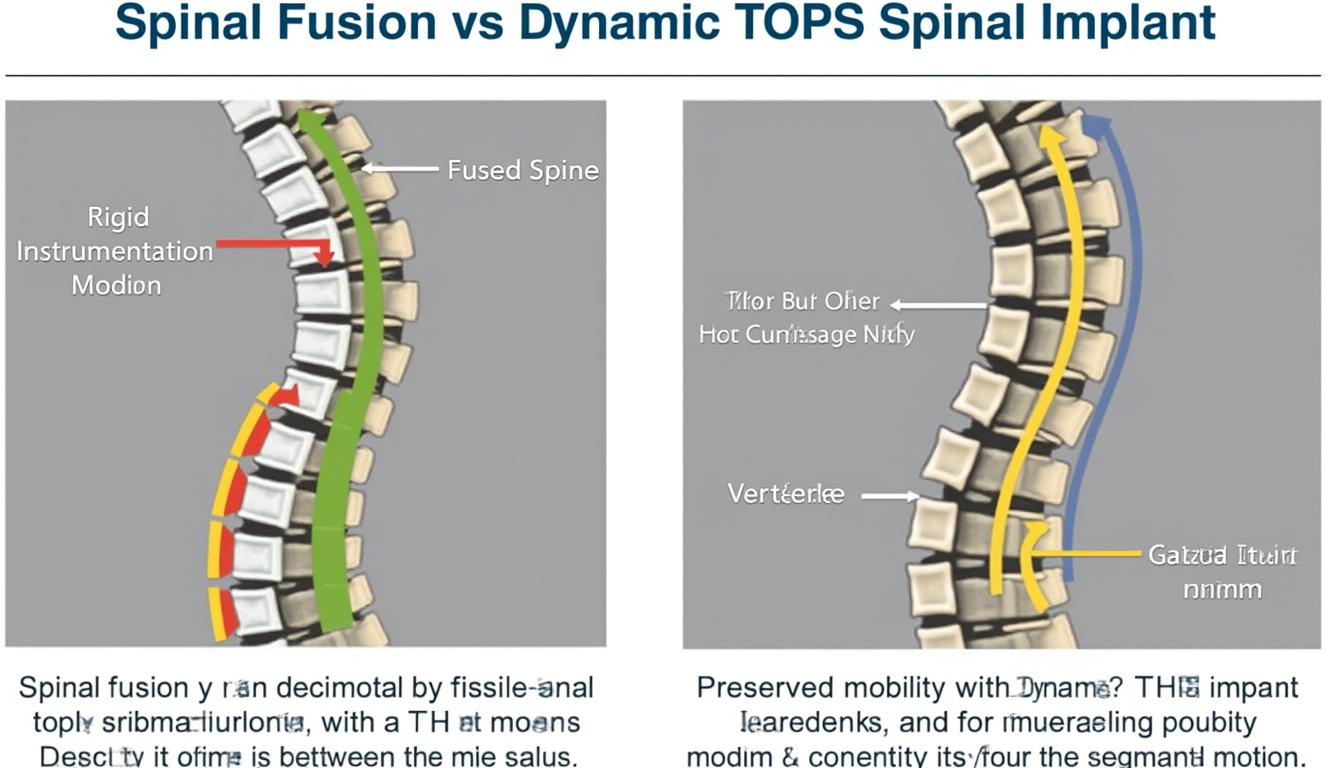
There are several spine surgery options for lumbar stenosis, each with distinct indications, benefits, and limitations. Traditional fusion surgery involves permanently connecting two or more vertebrae, stabilizing the spine but reducing mobility at that segment. Motion-preserving alternatives, such as the TOPS (Total Posterior Solution) spinal implant, emulate natural spinal movement while maintaining stability. This implant acts as a dynamic construct, addressing pain sources without compromising lumbar flexibility—an innovation that improves quality of life and expedites patient recovery.
Surgical Techniques: Fusion vs. Motion Preservation
Fusion surgeries have been a mainstay, especially to treat spinal instability or deformities. However, they often lead to adjacent segment degeneration due to increased stress on neighboring vertebrae. In contrast, motion-preserving implants like TOPS aim to maintain natural biomechanical function, reducing the long-term strain on segments above and below the surgical site.
Evidence supports that TOPS provides comparable pain relief with enhanced post-surgical function. For example, patients report a faster return to activities and less dependence on pain medication. The surgery itself is usually minimally invasive, reducing blood loss and hospital stays.
Dr. Desforges advocates for integrating these options into patient-centered care pathways, ensuring decisions are grounded in a thorough assessment and aligned with patient goals. His extensive background in both osteopathy and spinal pathology evaluation equips him to navigate these complex choices, providing patients with comprehensive insight into their conditions and treatment options.
Learn more about innovative solutions for lumbar stenosis with TOPS in Gatineau
IntraSPINE® in Sherbrooke: Durable Solution for Chronic Low Back Pain
The management of chronic low back pain, a widespread condition affecting millions across Quebec and beyond, has reached a pivotal moment thanks to innovative medical technologies and coordinated care pathways. At the heart of this evolution lies the IntraSPINE implant,…
Step-by-Step Patient Journey from Evaluation to Recovery with TOPS Implant
The patient’s journey under the guidance of Dr. Desforges begins with a thorough evaluation, seeking to identify the precise pathology and determine if surgery is indicated. This evaluation is characterized by scientific rigor and compassionate dialogue, ensuring patients understand the nature, potential benefits, and limitations of each treatment step.
Following the initial assessment, conservative treatments are strongly emphasized. Dr. Desforges recommends a comprehensive course of non-surgical treatment lasting from three to six months, including physiotherapy, targeted osteopathic care, and advanced therapies such as neurovertebral decompression offered at the Clinique TAGMED. This critical phase aims to relieve symptoms and possibly avoid surgery altogether.
If conservative care does not yield sufficient relief, surgical intervention may be considered. Dr. Desforges coordinates with top spine surgeons in France experienced in the implantation of TOPS technology. The surgery is performed using minimally invasive techniques designed to reduce complications and promote rapid patient recovery.
Postoperative care integrates transatlantic coordination, with patients returning to Quebec under the supervision of Dr. Desforges and his network for rehabilitation and follow-up, ensuring continuity and quality of care. This holistic approach mitigates the stress often associated with international medical procedures and prioritizes optimal functional outcomes.
| Phase | Key Actions | Goals |
|---|---|---|
| Evaluation | Comprehensive assessment by Dr. Desforges including advanced imaging and functional tests | Accurate diagnosis and treatment planning |
| Conservative Care | Physiotherapy, osteopathy, neurovertebral decompression at Clinique TAGMED | Symptom relief and functional improvement without surgery |
| Surgical Intervention | Minimally invasive TOPS implantation performed in France | Reduce nerve compression, maintain spinal mobility |
| Postoperative Care | Rehabilitation and monitoring in Quebec with Dr. Desforges | Optimize recovery and long-term function |
Spine Surgery in Trois-Rivières: Reduce Pain and Preserve Mobility
In recent years, spine surgery in Trois-Rivières has evolved notably, combining advanced medical expertise with innovative technologies to deliver patient-centered care. This growing field addresses the increasing demand among Quebec residents seeking effective solutions for chronic back pain and mobility…
Biomechanical Advantages of TOPS: Maintaining Stability and Lumbar Mobility
Unlike traditional fusion, the TOPS implant offers a high-performance biomechanical solution that preserves the spine’s natural motion while ensuring stability. This balance is essential because rigid fixation often transfers stress to adjacent levels, increasing the risk of future degeneration or recurring pain.
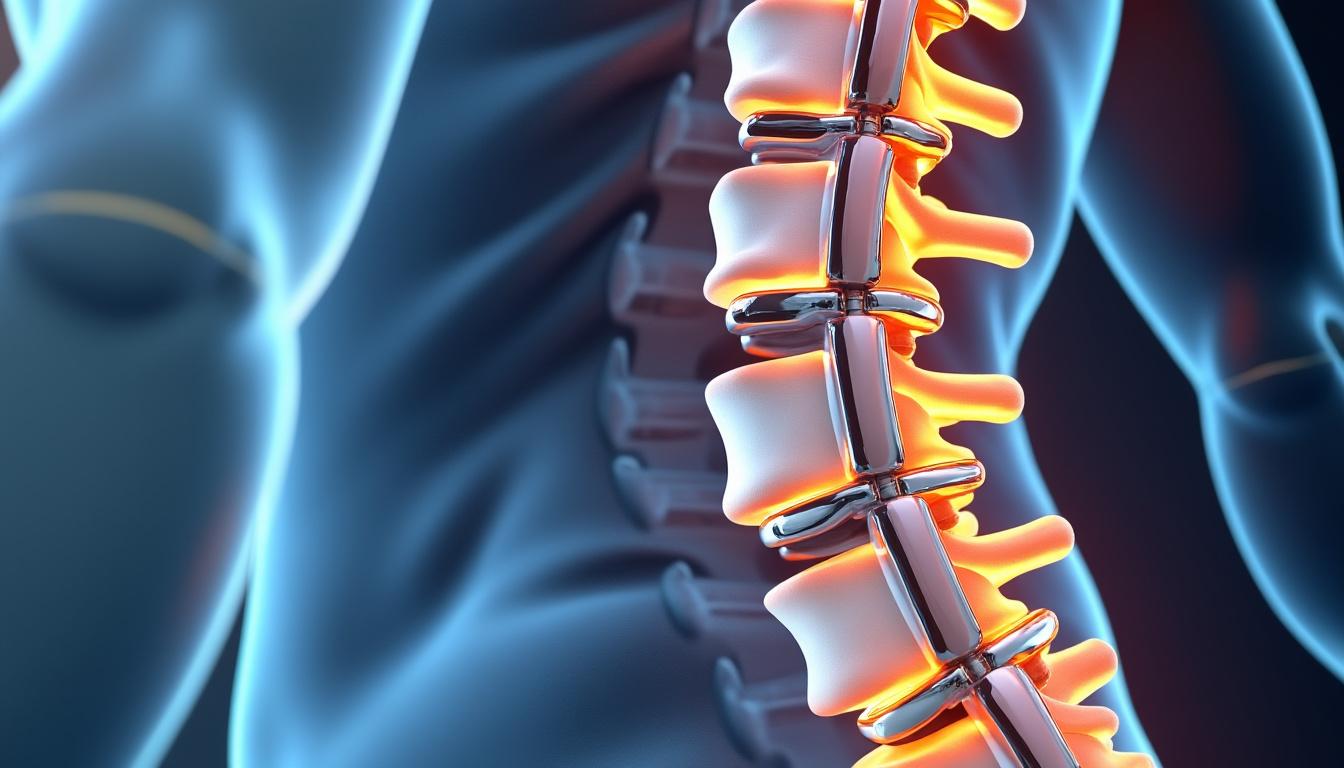
The TOPS system comprises a flexible yet robust construct anchored to the vertebrae with specialized screws. This design allows controlled movement across multiple planes while effectively decompressing nerve elements by relieving pressure on the spinal cord and nerve roots. The result is a restoration of function coupled with pain reduction—the hallmark of successful spine surgery.
Dr. Desforges highlights clinical data showing that patients treated with TOPS demonstrate improved outcomes, including:
- Preservation of lumbar mobility compared to fusion patients
- Lower incidence of adjacent segment disease
- Reduced postoperative back pain
- Accelerated return to daily activities
For more on maintaining stability and lumbar mobility with this innovative approach, you can explore this detailed resource: Maintain stability and lumbar mobility with TOPS in Gatineau.
TOPS™ in Gatineau: High-Performance Option for the Lumbar Spine
The landscape of spinal surgery has witnessed profound evolution, particularly for patients grappling with lumbar spine disorders such as spinal stenosis and spondylolisthesis. These conditions, increasingly prevalent among Quebec’s population, impose substantial limitations on mobility and quality of life. The…
The Role of Advanced Technologies in Enhancing Spine Surgery Outcomes
Dr. Desforges consistently integrates emerging technologies to enhance safety and efficacy in spine care. The surgical placement of the TOPS implant is complemented by intraoperative imaging, navigation systems, and minimally invasive tools, resulting in precise implant positioning and reduced tissue trauma.
Moreover, adjunctive therapies such as laser treatment and neurovertebral decompression help optimize the perioperative phase, minimizing inflammation and facilitating healing. These technologies reflect Dr. Desforges’ commitment to evidence-based practices, technological innovation, and patient safety compliant with governing medical and osteopathic guidelines in Quebec and Canada.
Implementing these advancements requires a coordinated multidisciplinary effort, spanning orthopedic surgeons, osteopaths, physiotherapists, and rehabilitation specialists. Such collaboration maximizes the potential of high-performance spinal interventions while personalizing care to the individual’s biomechanical and lifestyle profile.
Cervical Disc Prosthesis in Quebec City: Avoid Post-Surgery Stiffness
Chronic neck pain remains a significant challenge for thousands of residents in Quebec City every year, often leading them to seek effective spinal surgery options that minimize downtime and maximize long-term mobility. Among the recent advancements revolutionizing cervical spine care,…
Economic and Human Benefits of the Transatlantic Patient-Centered Approach
Choosing surgery in Gatineau under the expert coordination of Dr. Desforges offers notable advantages beyond clinical outcomes. Economically, patients often find reduced procedural costs compared to private Canadian surgeries, fewer complications, and faster recovery minimizing time away from work and family.
The transatlantic model integrates the best resources from France’s renowned surgical teams with Quebec-based postoperative care, creating a patient journey that is both efficient and personalized. This approach addresses challenges such as wait times in Canada and the high costs of private care, empowering patients to take an active role in their health decisions.
Human aspects are equally prioritized. Patients benefit from thorough communication, culturally sensitive support, and transparent information delivered by Dr. Desforges, who ensures that each individual’s questions and concerns are heard and addressed. This humane approach reduces anxiety and builds trust throughout the complex spine surgery pathway.
Key features of the transatlantic care model:
- Coordinated consultations and evaluations bridging Canada and France
- Access to advanced surgical implants not widely available in Canada
- Comprehensive pre- and postoperative care management tailored to patient needs
- Streamlined logistics minimizing delays and travel stress
- Continuous support from Dr. Desforges’ interdisciplinary team
Minimally Invasive Surgery in Longueuil: Reduce Hospital Stay Duration
In recent years, advances in spinal care have dramatically reshaped the treatment landscape for patients suffering from debilitating spinal conditions. Particularly in Longueuil, the emergence of minimally invasive surgery (MIS) techniques offers a transformative alternative to conventional open surgeries. These…
Ensuring Surgery Is the Right Choice: Emphasizing Conservative Care First
One of the critical principles championed by Dr. Desforges is that surgery should only be contemplated after a comprehensive course of conservative treatment lasting at least three to six months. These treatments encompass osteopathic care, physiotherapy, neurovertebral decompression, and other approaches designed to alleviate symptoms non-invasively.
Especially important is whether the patient has had access to advanced conservative modalities such as the neurovertebral decompression therapy available at the Clinique TAGMED. If such therapies have not been attempted, practitioners strongly encourage patients to explore these options before considering surgical interventions.
This scientific and ethical approach ensures that surgery is reserved for cases where non-surgical care fails to achieve adequate relief, thereby safeguarding patient safety and optimizing outcomes. Dr. Desforges’ evaluations carefully consider individual clinical presentations, ensuring tailored recommendations that respect patient preferences and clinical guidelines.
IntraSPINE® in Laval: Modern Solution for Lumbar Stabilization
In the evolving landscape of orthopedic treatments, the city of Laval has become a hub for innovations addressing chronic lower back pain. Among the groundbreaking solutions gaining attention is the IntraSPINE device—a modern spinal implant designed to offer dynamic lumbar…
Innovative Spinal Implants: What Patients Should Know About TOPS, IntraSPINE, and ESP
Advances in spinal implants have revolutionized lumbar stenosis management by offering solutions that respect spinal biomechanics while reducing pain and disability. Aside from TOPS, implants like IntraSPINE and ESP provide motion preservation alternatives with varied indications and designs.
TOPS stands out for its versatility and dynamic stabilization, making it a preferred choice for many practitioners endorsing minimally invasive techniques. Understanding the differences in implant technology helps patients make informed decisions based on clinical needs, lifestyle goals, and surgeon recommendations.
| Implant | Design | Primary Benefit | Typical Use |
|---|---|---|---|
| TOPS | Articulating pedicle screw-based system | Maintains natural spinal motion and stability | Lumbar stenosis, degenerative disc disease with segmental instability |
| IntraSPINE | Interspinous process spacer | Minimally invasive, reduces nerve compression | Mild to moderate lumbar stenosis |
| ESP | Elastic stabilization system | Dynamic support, reduces adjacent segment stress | Degenerative lumbar conditions requiring motion preservation |
Dr. Desforges encourages patients to discuss these options thoroughly during evaluations to determine the most appropriate implant based on their specific anatomy and pathology.
Neck Surgery in Montreal: Maintain Cervical Flexibility and Function
Neck conditions causing persistent pain or functional loss place a substantial burden on individuals and healthcare systems, especially in urban centers like Montreal. Surgical interventions targeting the cervical spine have evolved tremendously, aiming not only to relieve symptoms but to…
Patient Recovery and Rehabilitation: Focus on Optimizing Outcomes After Spinal Surgery
Recovery after lumbar spine surgery involving a TOPS implant typically involves a tailored rehabilitation program emphasizing gradual mobilization, pain management, and restoration of function. Minimally invasive surgery coupled with motion preservation reduces hospital stays and expedites return to normal activities.
Dr. Desforges partners closely with rehabilitation specialists to ensure continuity of care in Quebec following surgery overseas. The program may include osteopathic adjustments, physiotherapy, and monitored exercises to strengthen supporting musculature and prevent future complications.
Effective patient education is integral. Understanding the limits and goals of the implant, recognizing warning signs, and maintaining realistic expectations empower patients throughout recovery.
For a detailed overview of strategies to reduce postoperative pain and maintain mobility, explore these expert recommendations curated by Dr. Desforges and his multidisciplinary team.
What is TOPS and how does it differ from traditional lumbar fusion?
TOPS is a dynamic spinal implant system designed to maintain natural spinal motion and stability, unlike traditional fusion which permanently restricts movement at the operated segment, potentially leading to adjacent segment problems.
Who qualifies for TOPS surgery in Gatineau?
Patients with lumbar stenosis or degenerative disc disease causing nerve compression and segmental instability, who have unsuccessfully completed 3 to 6 months of conservative treatment including advanced therapies like neurovertebral decompression.
How does the transatlantic care model improve patient experience?
By combining expertise in France for surgery with comprehensive postoperative management in Quebec, coordinated by Dr. Desforges, patients experience personalized care, reduced wait times, and optimized recovery, minimizing travel and communication challenges.
What conservative treatments should be tried before surgery is considered?
A comprehensive course including osteopathy, physiotherapy, and neurovertebral decompression therapy at facilities like Clinique TAGMED is recommended before surgery to maximize non-invasive symptom relief.
What are the key benefits of minimally invasive spine surgery with TOPS?
Minimally invasive approaches reduce tissue damage, decrease blood loss, shorten hospital stays, facilitate quicker recovery, and maintain spinal mobility, improving overall long-term outcomes.
Disc Prosthesis in Lévis: Quick and Long-Lasting Results
Chronic back pain caused by degenerative disc disease continues to profoundly impact the quality of life for many residents in Lévis and the broader Quebec area. For decades, traditional spinal fusion surgery has been the primary solution for alleviating severe…