The Future of Surgery: Pioneering Innovations in Implant Technology – TOPS™, Intraspine®, and ESP
November 3, 2025
A Comparative Analysis of Spine Care in France and Quebec: Implications for Surgical Decision-Making
November 3, 2025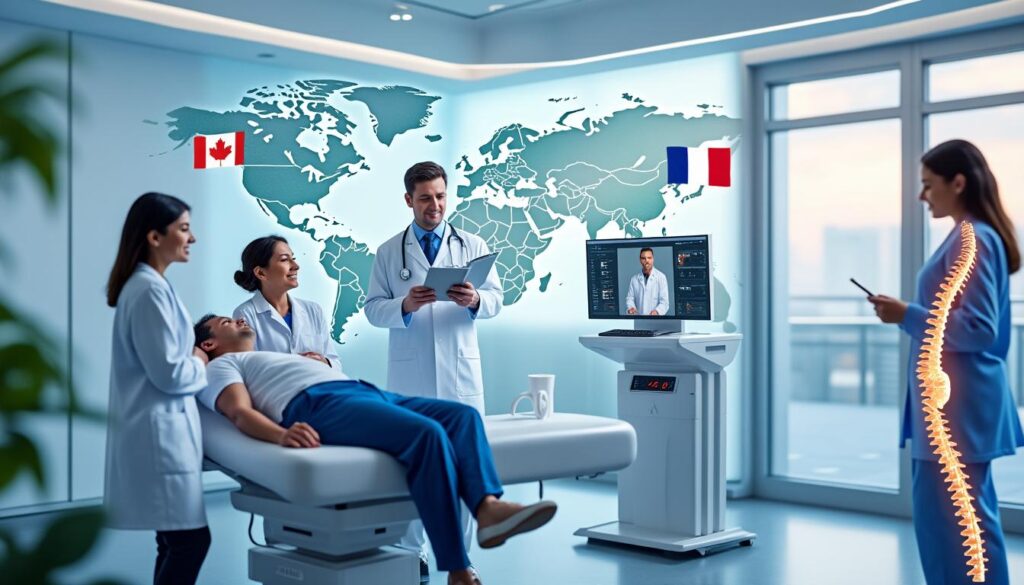
The vibrant community of Mercier–Hochelaga-Maisonneuve faces a familiar yet complex health challenge: disc herniation affecting the spine. This condition, which commonly triggers debilitating low back and neck pain, impacts countless lives, blending clinical complexity with daily struggles. With urban lifestyles often adding mechanical stresses and lifestyle factors influencing spinal health, patients in this area seek reliable, advanced solutions tailored to their needs. One innovative approach rising in prominence is neurovertebral decompression therapy — a non-invasive technique that offers significant relief without the risks associated with surgery.
Understanding disc herniation’s anatomy, symptoms, and treatment options is essential for those newly confronting this diagnosis. Through clear, evidence-based guidance led by experts such as Dr. Sylvain Desforges, patients in Mercier–Hochelaga-Maisonneuve can access comprehensive care pathways combining modern technologies and multidisciplinary support. This guide intends to demystify the causes and stages of disc herniation, shedding light on neurovertebral decompression therapy as a transformative treatment option. By exploring these themes, patients will be better equipped to navigate their recovery journey with confidence and informed empowerment.
Disc Herniation Explained: Anatomy and Pathophysiology in the Urban Context of Mercier–Hochelaga-Maisonneuve
Disc herniation occurs when the inner gel-like nucleus pulposus of an intervertebral disc extrudes through a weakened annulus fibrosus, causing nerve root irritation that manifests as pain and neurological symptoms. In Mercier–Hochelaga-Maisonneuve, this condition often signifies an intersection between biological vulnerability and environmental factors intrinsic to urban living.
The intervertebral discs serve as shock absorbers between vertebrae, composed of a tough outer ring called the annulus fibrosus and a soft core known as the nucleus pulposus. Age-related degeneration, repetitive occupational strain common in this area, prolonged sedentary behavior, smoking, and obesity together weaken the annulus fibrosus, escalating risk of disc protrusion. The lumbar discs, especially at L4-L5 and L5-S1, are most frequently involved due to high mechanical load during activities typical in the community, while cervical discs at C5-C6 and C6-C7 also present notable cases.
Locally, many residents engage in physically demanding jobs or embrace commuting patterns involving extended sitting without optimal postural support. These biomechanical stresses precipitate annular tears, facilitating nucleus extrusion and nerve root compression. The consequences extend beyond localized back pain, often causing sciatica, radiculopathy, or cervicobrachial neuralgia, severely impacting mobility and quality of life.
- Anatomical structures involved: Annulus fibrosus, nucleus pulposus, spinal nerve roots.
- Commonly affected disc levels: Lumbar L4-L5, L5-S1; Cervical C5-C6, C6-C7.
- Risk factors in Mercier–Hochelaga-Maisonneuve: Manual labor, sedentary posture, smoking, obesity, aging.
- Predominant symptoms: Localized pain, nerve pain radiating to limbs, numbness, muscle weakness.
| Disc Component | Description | Clinical Implication |
|---|---|---|
| Annulus fibrosus | Outer fibrous ring providing disc integrity | Subject to fissures leading to disc herniation |
| Nucleus pulposus | Gelatinous core cushioning vertebrae | Can protrude and compress nerves when annulus ruptures |
| Spinal nerve roots | Transmit sensory and motor signals | Compression causes pain, numbness, and weakness |
Dr. Sylvain Desforges, with over 35 years of experience, has developed specialized evaluation techniques in his clinics at Montréal and Terrebonne, enabling tailored care strategies for patients presenting with such spinal pathologies.
Disc herniation remains a prevalent and challenging spinal disorder, significantly affecting individuals’ quality of life, particularly in communities like Sainte-Julie. Characterized by a rupture or protrusion of the disc nucleus through the fibrous ring, this condition compresses adjacent nerve roots,…
Recognizing Symptoms and Ensuring Accurate Diagnosis of Disc Herniation in Mercier–Hochelaga-Maisonneuve
Early identification of disc herniation symptoms enhances treatment outcomes and prevents progression. In this district, patients typically report severe low back pain or neck pain that often radiates to the limbs, accompanied by numbness, tingling, or muscle weakness. These presentations align with nerve root irritation commonly observed in compressive radial neuropathies.
Diagnosis heavily relies on a detailed clinical examination. Patients undergo several neurological tests, including:
- Lasègue’s Test: Raising the extended leg to provoke sciatic pain.
- Spurling’s Maneuver: Neck extension and lateral bending combined with axial compression to detect cervical nerve root irritation.
- Muscle strength evaluation: Detects deficits associated with nerve compression.
- Reflex assessment: Identifies neurological impairments.
Complementary imaging with magnetic resonance imaging (MRI) confirms the presence, exact location, and severity of herniation and nerve involvement. Local centers, such as Santé Vertébrale Montréal and Clinique TAGMED, integrate such assessments into comprehensive diagnostic protocols. This method ensures proper patient routing towards conservative or surgical interventions when necessary.
Effective diagnosis in Mercier–Hochelaga-Maisonneuve also benefits from collaboration among osteopaths, chiropractors, and neurologists, promoted by Dr. Desforges’ expertise in coordinating care pathways to optimize outcomes and reduce waiting times common in public health settings.
| Diagnostic Tool | Description | Purpose |
|---|---|---|
| Lasègue’s Test | Leg raising to stretch sciatic nerve | Confirms sciatic nerve irritation |
| Spurling’s Test | Cervical extension with pressure | Detects cervical radiculopathy |
| MRI Scan | Imaging of soft tissue and nerves | Identifies disc status and nerve compression |
| Neurological Exam | Tests strength and reflexes | Evaluates nerve damage severity |
For a deeper understanding of the clinical and diagnostic landscape of herniated discs, readers may explore well-documented guides such as those offered by the Mayo Clinic and comprehensive resources available at Harter Physical Therapy.
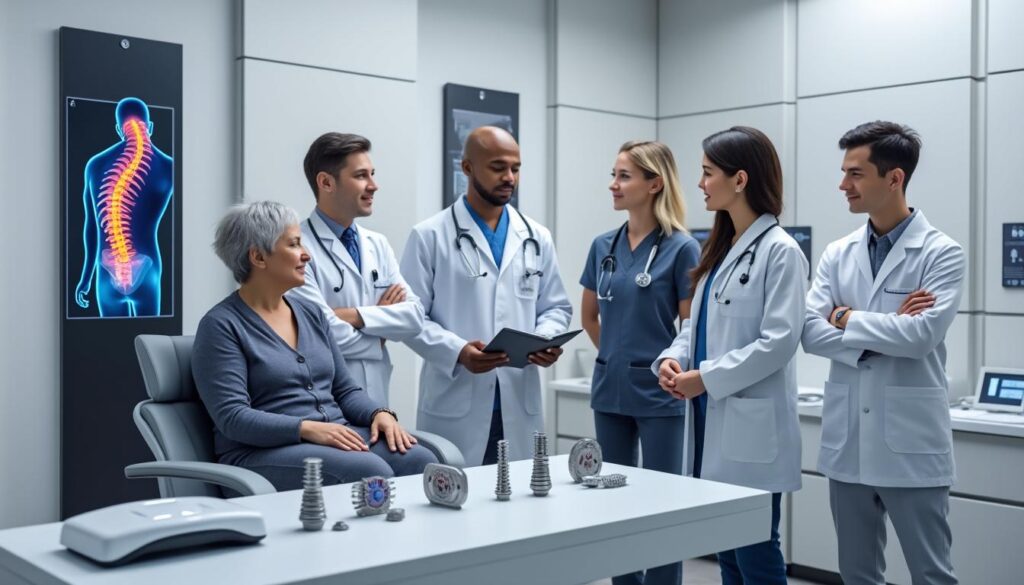
IntraSPINE® in Sherbrooke: Protecting and Enhancing Lumbar Function
The prevalence of chronic low back pain has surged globally, profoundly impacting individuals’ quality of life and productivity. Sherbrooke, Quebec, exemplifies this widespread challenge, with numerous patients seeking effective and sustainable relief from lumbar discomfort. Addressing this urgent need, the…
Understanding Root Causes and Risk Factors Contributing to Disc Herniation in the Mercier–Hochelaga-Maisonneuve Population
Disc herniation originates from multiple interconnected causes which, within the urban fabric of Mercier–Hochelaga-Maisonneuve, reflect a blend of lifestyle, occupational, and biological factors. Recognizing these causes aids in targeted prevention and treatment.
The predominant contributors include:
- Mechanical overload: Frequent heavy lifting, awkward postures during manual labor, and repetitive spine flexion increase intradiscal pressure.
- Sedentary lifestyle: Regular prolonged sitting without ergonomic adjustments weakens supporting musculature, destabilizing spinal segments.
- Aging: Natural degeneration leads to decreased disc hydration and elasticity, predisposing annulus fibrosus to fissures.
- Obesity: Excess body weight amplifies spinal load, accelerating degenerative changes.
- Smoking: Tobacco use reduces vascular supply to discs, impairing nutrition and regeneration.
- Genetic predisposition: Certain individuals harbor hereditary factors increasing disc vulnerability.
Table summarizing risk factors and their biomechanical impact:
| Risk Factor | Mechanism | Spinal Impact |
|---|---|---|
| Heavy physical activities | Elevated intradiscal stress | Accelerates annular rupture |
| Sedentary behavior | Muscle weakening and instability | Increases susceptibility to injury |
| Aging | Disc dehydration and loss of flexibility | Facilitates fissure formation |
| Obesity | Additional mechanical load | Heightens disc degeneration risk |
| Smoking | Reduced disc nutrition | Impaired tissue repair processes |
Dr. Sylvain Desforges emphasizes incorporating these risk factors into patient education and designing personalized preventive programs to reduce recurrence and progression, leveraging his role at the SOS Herniated Disc platform.
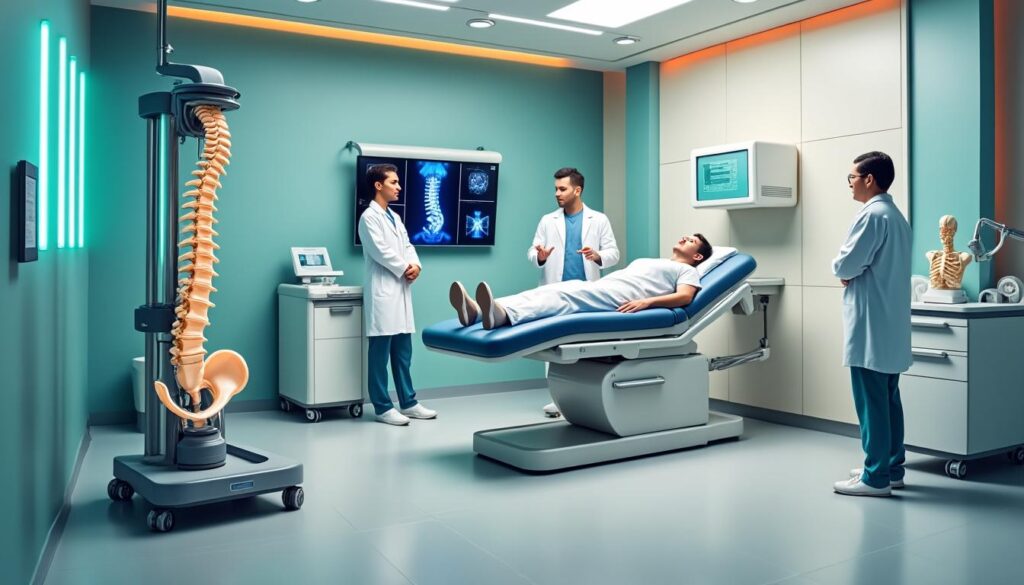
In Sainte-Thérèse, a community marked by active lifestyles and significant physical demands, lumbar disc herniation emerges as a critical health concern affecting many individuals. The intricate nature of lower back pain, often stemming from discopathy, requires a precise and empathetic…
Non-Surgical Treatment Modalities for Disc Herniation: Comprehensive Care in Mercier–Hochelaga-Maisonneuve
Conservative treatment is often the first-line approach for disc herniation in Mercier–Hochelaga-Maisonneuve, focusing on symptom relief, functional restoration, and avoiding surgery. Dr. Sylvain Desforges champions such evidence-based, patient-centered strategies within the multidisciplinary TAGMED Clinic.
This approach comprises:
- Medications: NSAIDs for inflammation control, analgesics, and muscle relaxants prescribed with strict observation of side effects.
- Physical therapy: Exercises rooted in methods such as McKenzie technique to centralize disc material and restore spinal mechanics.
- Postural education: Ergonomics advice for workplace and daily activities to prevent aggravation.
- Activity modification: Encouragement of low-impact aerobic exercises like walking to maintain mobility without increasing disc stress.
In addition, integrative modalities including osteopathy and chiropractic adjustments have proven complementary by targeting muscular tension and joint mobility, as highlighted by emerging clinical evidence from centers incorporating devices by manufacturers like Zimmer Biomet and Stryker.
| Therapeutic Modality | Objective | Benefits |
|---|---|---|
| NSAIDs and analgesics | Reduce inflammation and pain | Quick symptom relief, facilitates rehab |
| McKenzie exercises | Disc centralization and mobility restoration | Supports long-term function, non-invasive |
| Ergonomic counseling | Prevents recurrence through posture correction | Empowers patient, reduces mechanical stress |
| Low-impact exercise | Maintain general fitness and spinal health | Improves circulation, muscle support |
For detailed strategies on avoiding invasive procedures, many patients explore valuable resources such as the authoritative overview by The Spine Clinic.
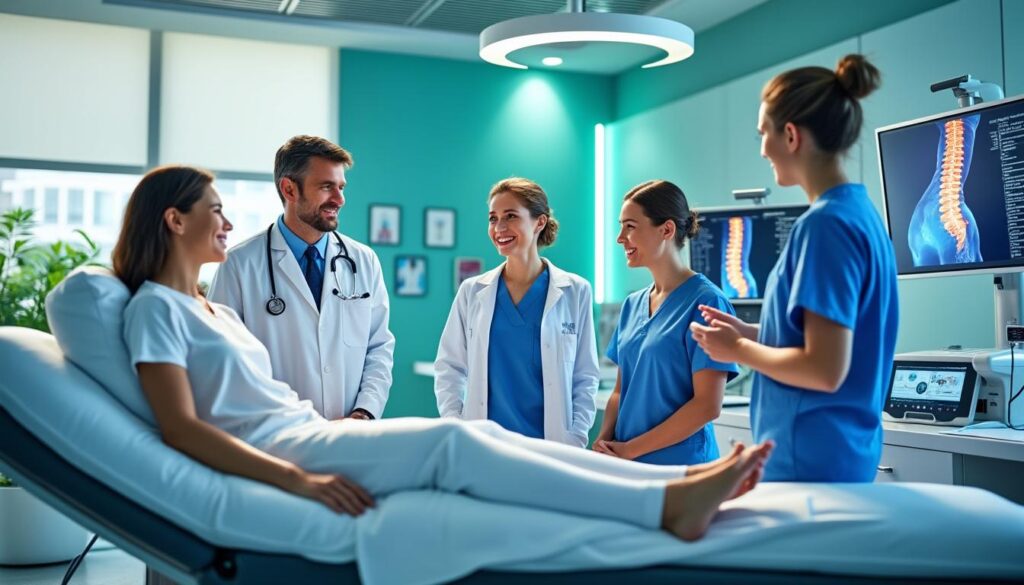
In the bustling community of Saint-Hubert, where everyday life blends a range of physical and sedentary activities, the impact of discal hernia on spinal health is profoundly felt. This condition, frequently manifesting at the L5-S1 spinal segment, can dramatically disrupt…
Neurovertebral Decompression: Transforming Herniated Disc Therapy in Mercier–Hochelaga-Maisonneuve
Neurovertebral decompression therapy represents a groundbreaking, non-surgical option for patients suffering from disc herniations. At the forefront in Mercier–Hochelaga-Maisonneuve is Dr. Sylvain Desforges, whose commitment to innovation and safety is evident in deploying this technique within the TAGMED Clinic’s multidisciplinary framework.
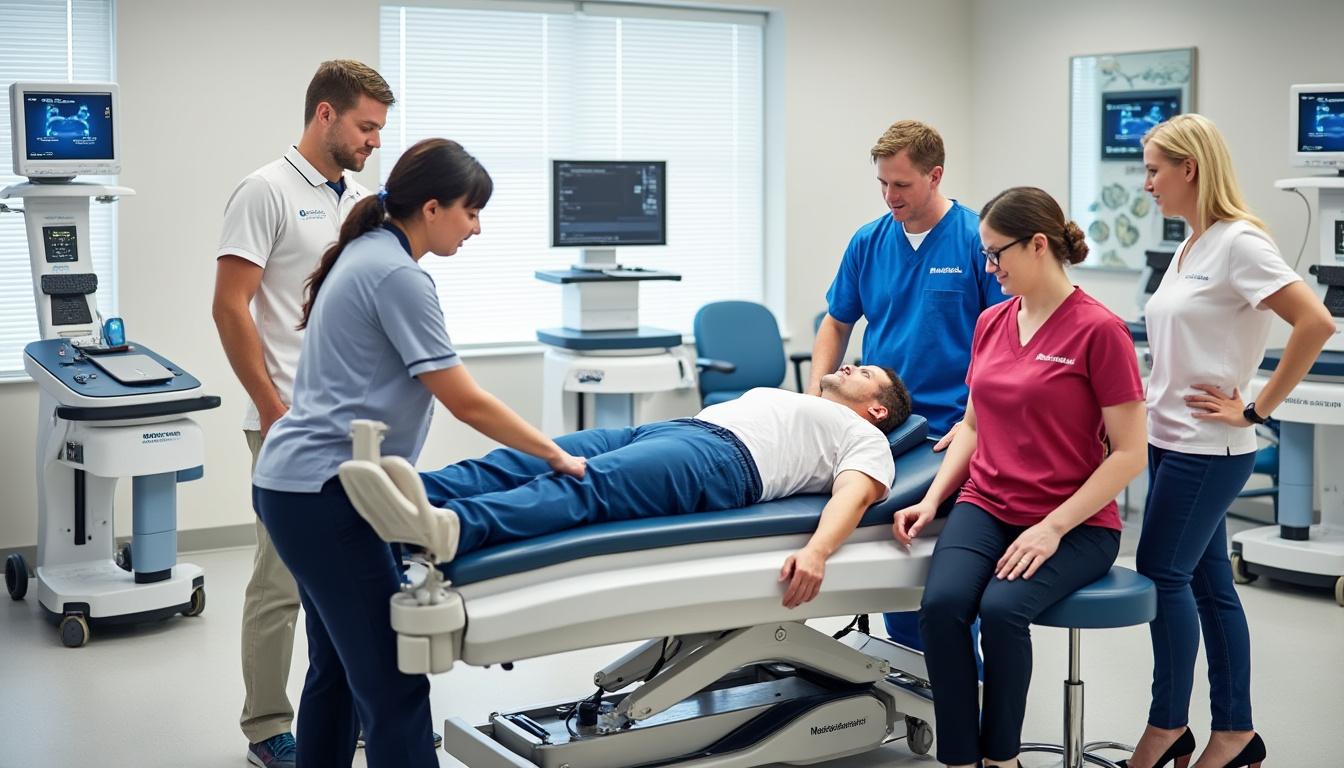
This method utilizes precision traction tables that gently stretch the spine to decrease intradiscal pressure, encouraging the protruded nucleus pulposus to retract and nerve inflammation to subside. Unlike surgical alternatives, it is ambulatory, fully non-invasive, and generally painless, preserving spinal integrity and minimizing risks.
The benefits of neurovertebral decompression include:
- Reduction of nerve root compression with targeted mechanical unloading
- Improvement in intervertebral disc hydration and nutrient flow
- Decreased inflammation and swelling in affected tissues
- Facilitation of natural tissue repair and pain relief
The Clinic utilizes advanced equipment from respected manufacturers like Globus Medical, Boston Scientific, and Joimax to ensure efficacy and safety. The multidisciplinary team includes osteopaths, chiropractors, physiotherapists, and medical doctors collaborating closely to personalize protocols that suit each patient’s unique profile and condition severity.
| Characteristic | Advantages | Local Adaptation |
|---|---|---|
| Non-invasive | No surgery or anesthesia required | Minimizes treatment delays for local patients |
| Pain reduction | Direct relief targeting nerve compression | Supports patients desiring conservative treatment |
| Customizable protocols | Tailored to individual anatomy and symptoms | Enhances effectiveness across demographics |
| Outpatient delivery | Convenient scheduling and no hospitalization | Facilitates access within Mercier–Hochelaga-Maisonneuve |
Patients interested in this treatment modality can find extensive guidance and testimonials on specialized platforms such as SOS Herniated Disc.
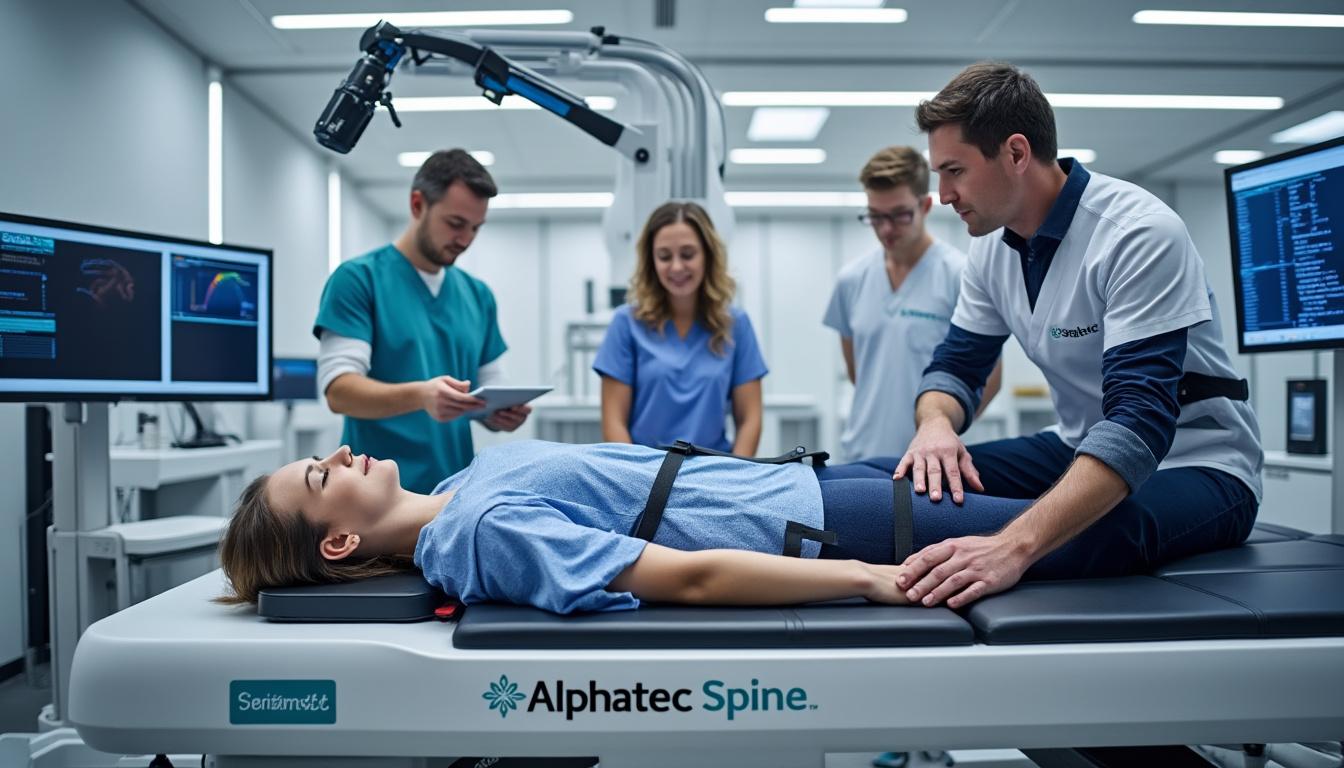
The rising prevalence of Lumbar Disc Herniation in Saint-Léonard reflects the increasing demands of modern urban lifestyles. Persistent back pain has become a frequent yet often underestimated complaint, spurring many residents to seek effective and lasting solutions. Recognizing the complexity…
Strategic Prevention and Lifestyle Adaptations to Enhance Spinal Health Post-Herniation in Mercier–Hochelaga-Maisonneuve
Preventing recurrences after a disc herniation episode involves long-term lifestyle adjustments and ongoing adherence to spinal care principles. In Mercier–Hochelaga-Maisonneuve, patients benefit from locally available programs focusing on comprehensive physical conditioning and education under experts including Dr. Desforges.
Key prevention strategies are:
- Muscle strengthening: Targeted exercises reinforcing core and back muscles to improve spinal stability.
- Postural correction: Ergonomic workplace design and conscious daily posture improvements.
- Weight management: Maintaining optimal body weight to reduce undue spinal load.
- Smoking cessation: Enhances disc nutrition and overall healing capacity.
- Regular physical activity: Balanced exercise regimens preventing stiffness and promoting flexibility.
Local facilities such as Kiné Prev Mercier and Physioactive Mercier offer personalized rehabilitation and education sessions to support these objectives. These programs foster patient empowerment and help in achieving sustainable spinal wellness.
| Preventive Measure | Effect | Local Resource |
|---|---|---|
| Muscle strengthening | Enhances spinal support and reduces injury risk | Physioactive Mercier |
| Ergonomic adjustment | Minimizes mechanical stress during daily activities | Kiné Prev Mercier |
| Weight control | Decreases excessive spinal loading | Réadapt-Action Hochelaga |
| Smoking cessation | Improves disc regenerative capacity | Clinique de décompression vertébrale |
| Moderate exercise | Maintains spinal flexibility and circulation | Vitalité Neurovertébrale |
Integrating these preventive components into daily routines stands as a cornerstone of long-lasting relief and quality of life enhancement for the Mercier–Hochelaga-Maisonneuve community.
In the bustling Southwest district of Montreal, lumbar disc herniation presents a significant public health challenge, affecting a diverse population ranging from young adults to seniors. This condition, often linked to debilitating back pain and nerve-related symptoms such as sciatica,…
When Surgery Becomes Necessary: Criteria and Pathways for Herniated Disc Operations in the Greater Montreal Area
Though most disc herniations respond well to conservative measures or decompression therapies, some situations demand surgical intervention. This option is reserved for patients exhibiting severe or persistent symptoms unresponsive to non-invasive treatments.
Indications for surgery considered by Dr. Desforges and collaborating spinal surgeons include:
- Unrelenting pain despite at least six weeks of conservative management.
- Severe neurological deficits such as significant muscle weakness or partial paralysis.
- Incontinence or loss of bladder and bowel control suggesting cauda equina syndrome, a surgical emergency.
Surgical procedures, typically performed in specialized centers affiliated with institutions like the Institut neurologique de Montréal, aim at removing the offending disc material compressing the nerve roots. Advances by industry leaders such as Medtronic and DePuy Synthes ensure procedures are minimally invasive and focused on nerve decompression while preserving spinal stability.
| Surgical Indicator | Reason | Outcome Aim |
|---|---|---|
| Persistent severe pain | Failed conservative treatment | Relieve nerve compression and pain |
| Neurological deficits | Compromised nerve function | Prevent permanent nerve damage |
| Sphincter dysfunction | Cauda equina syndrome | Urgent decompression to prevent paralysis |
Dr. Desforges advocates for a comprehensive evaluation before surgery, ensuring patients understand all risks and benefits, and emphasizing surgery as a last resort after exhausting other innovative treatments, including neurovertebral decompression.
The dynamic neighborhood of Mercier–Hochelaga-Maisonneuve has seen a significant rise in cases of herniated disc-related back pain, with many residents facing chronic discomfort that interferes with work and daily activities. This ailment, which involves displacement or protrusion of spinal discs,…
Integrating Multidisciplinary Care: Collaborative Spinal Health in Mercier–Hochelaga-Maisonneuve Guided by Dr. Sylvain Desforges
For an effective disc herniation management strategy, a coordinated team approach is vital. The complex interaction of symptoms, patient lifestyle, and treatment modalities necessitate a comprehensive plan involving various healthcare professionals.
The collaboration model at Clinique TAGMED, pioneered by Dr. Sylvain Desforges, exemplifies integrated care. Key contributors include:
- Osteopaths: Employ manual therapies to relieve muscle tension and restore segmental mobility.
- Physiotherapists: Guide rehabilitative exercises focused on strength and flexibility.
- Chiropractors: Provide spinal adjustments that complement decompression and enhance alignment.
- Neurosurgeons: Evaluate surgical necessity and oversee operative interventions when required.
- Medical doctors: Coordinate overall treatment, medication management, and monitor progress.
Such a transdisciplinary framework ensures personalized care at every stage—from diagnosis to rehabilitation—mirroring best practices documented in the broader spine care community and supported by latest research accessible through SOS Herniated Disc.
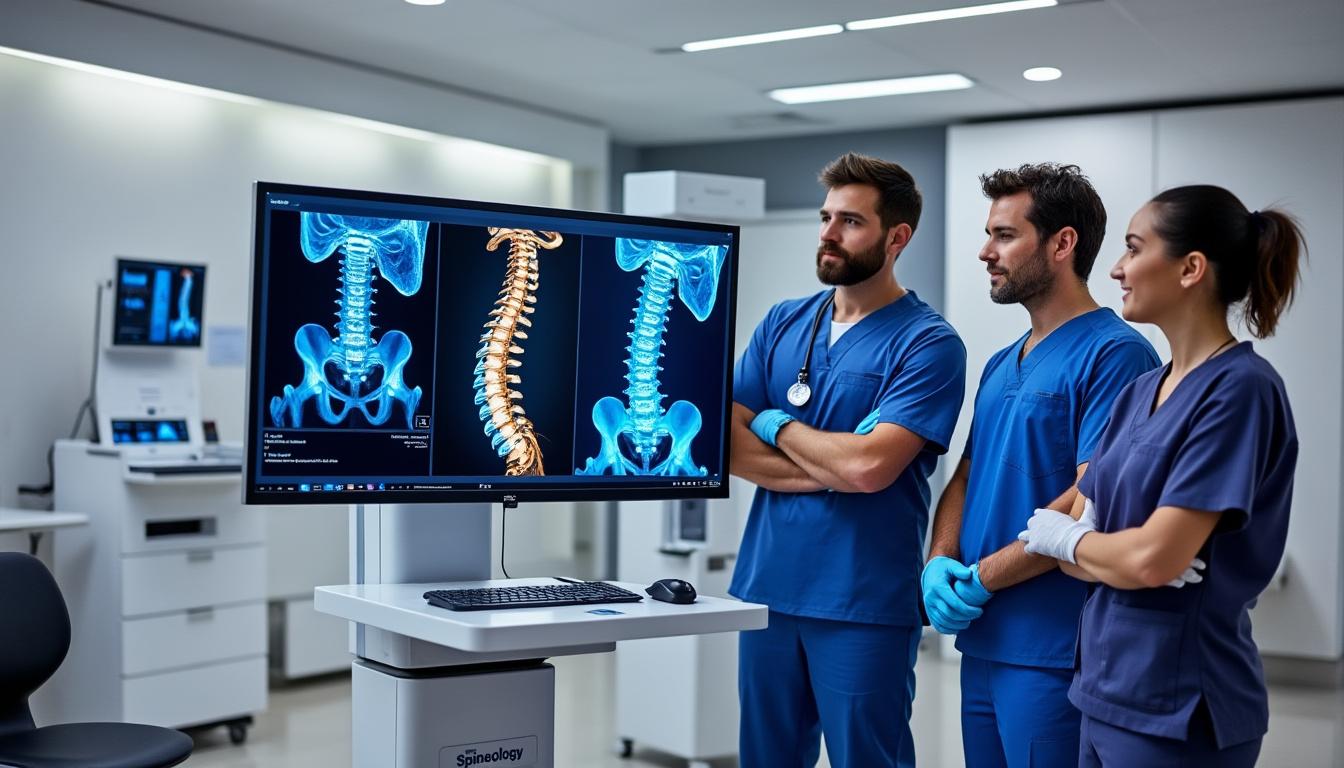
This integration underscores Dr. Desforges’ dedication to ethical, scientifically validated, and patient-centric spinal care, harmonizing local expertise with international advancements.
Herniated discs are a frequent source of back pain and discomfort for residents of Ahuntsic-Cartierville, yet misconceptions and myths about this condition often complicate treatment and recovery. Many individuals suffer needlessly, uncertain of their options and hesitant about emerging therapies.…
Empowering Patients with Knowledge: Clear Communication About Neurovertebral Decompression Therapy and Disc Herniation
Understanding one’s condition is a powerful step towards recovery. Dr. Sylvain Desforges prioritizes transparent, jargon-free communication, helping patients comprehend the complexities of disc herniation and available treatments.
Educational efforts include explaining:
- How neurovertebral decompression works: Gentle spinal traction reduces pressure on affected discs, facilitating healing.
- Expected benefits and limitations: Improvement in pain, mobility, and function, recognizing individual response variability.
- Critical importance of adherence: Following treatment schedules and lifestyle advice to maximize outcomes.
- Alternatives and when to seek further intervention: Clear guidance on signs warranting surgical consultation.
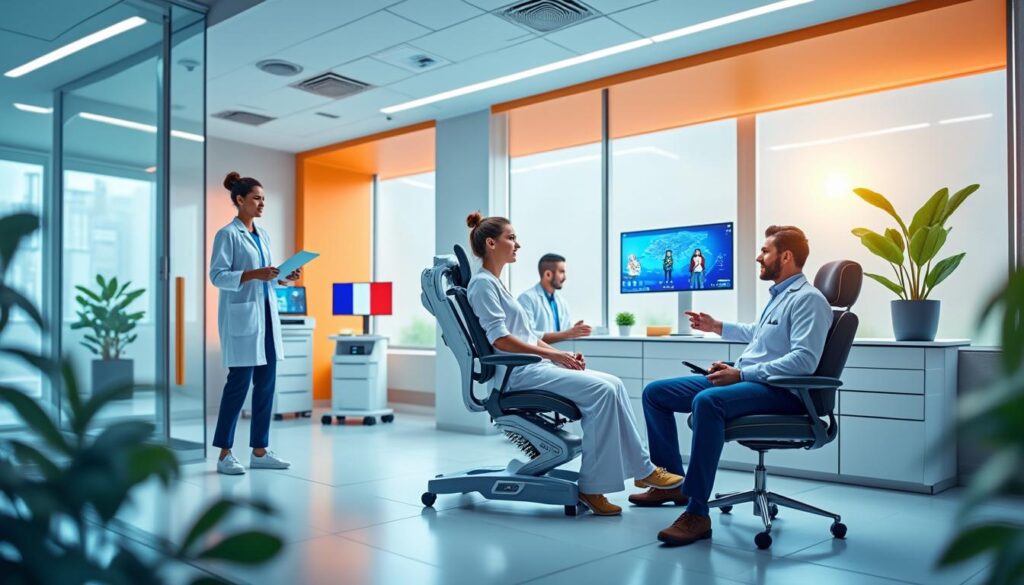
Accessible patient resources and synchronous international coordination between Québec and France, facilitated by Dr. Desforges, enhance ongoing support. This unique aspect guarantees continuity of care, even across transatlantic borders.
Patients can further explore these topics on platforms such as SOS Herniated Disc Saint-Hubert and engage with the expert team for personalized evaluations.
Such empowerment fosters motivation, alleviates anxiety, and encourages proactive collaboration in managing spinal health.
What are the early signs of disc herniation?
Early signs include localized back pain radiating to limbs (such as sciatica), tingling, numbness, or muscle weakness. Prompt evaluation is advised.
Can disc herniation heal on its own?
Many herniated discs regress naturally over several weeks with rest and conservative management, but ongoing monitoring by healthcare professionals remains essential.
Is neurovertebral decompression painful?
No, neurovertebral decompression therapy is a painless, non-invasive treatment tailored to most patients, focusing on safety and efficacy through multidisciplinary oversight.
How can I prevent disc herniation recurrence?
Maintaining proper posture, engaging in regular, moderate exercise, strengthening the back, and quitting smoking significantly reduce the risk of recurrence.
When should surgery be considered for a herniated disc?
Surgery is indicated when severe pain persists despite conservative care, neurological deficits worsen, or in emergencies such as cauda equina syndrome.