Herniated Disc in Rosemont–La Petite-Patrie: Your Complete Guide to Booking Appointments and Neurovertebral Decompression Therapy
May 25, 2026
Comprehensive Guide to Organizing Medical Imaging Examinations
May 26, 2026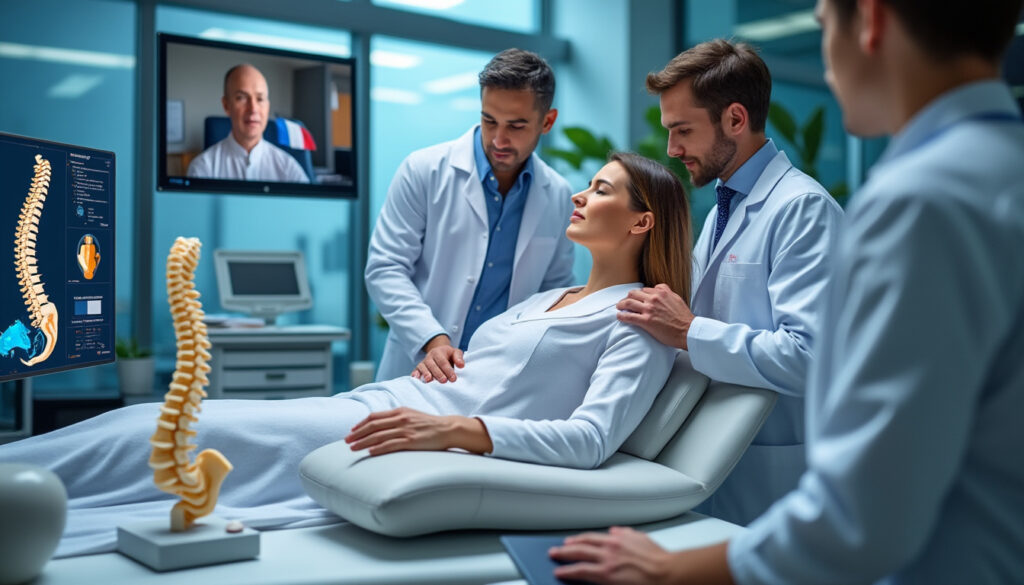
The burden of chronic back pain rooted in intervertebral disc disorders remains a formidable challenge for many individuals, deeply affecting their daily quality of life. For those unable to achieve relief through conservative treatments, disc prosthesis has emerged as a groundbreaking solution. Particularly in Lévis, this innovative orthopedic intervention, developed and endorsed in France, presents a compelling medical advancement. Amid the ongoing issues with prolonged healthcare waiting times in Quebec, this refined procedure combines cutting-edge technology with robust clinical expertise. It offers patients a renewed opportunity to regain mobility and live free from persistent discomfort. This article explores the multifaceted dimensions of disc prosthesis in Lévis, emphasizing scientific rigor, international collaboration, and patient-centered care pathways that make this solution uniquely accessible and effective for the Quebecois community.
Situated at the crossroads of innovation and empathy, the disc prosthesis approach is drawing attention due to its ability to maintain spinal mobility while alleviating pain. The alliance between Canadian experts and French spinal surgeons has laid the foundation for a seamless transatlantic patient journey. This collaboration ensures optimized treatment timelines and a comprehensive continuum of care. Such partnerships reflect not only a medical but also a humanistic evolution in orthopedic treatment for spinal disorders. Dr. Sylvain Desforges, a leading spine care expert based in Quebec, is pivotal in orchestrating this integrative care model, blending scientific excellence with ethical commitments. His authoritative knowledge and forward-thinking strategies illustrate how personalized care and medical innovation converge to transform lives.
Understanding Disc Prosthesis: Advanced Orthopedic Treatment for Spinal Health
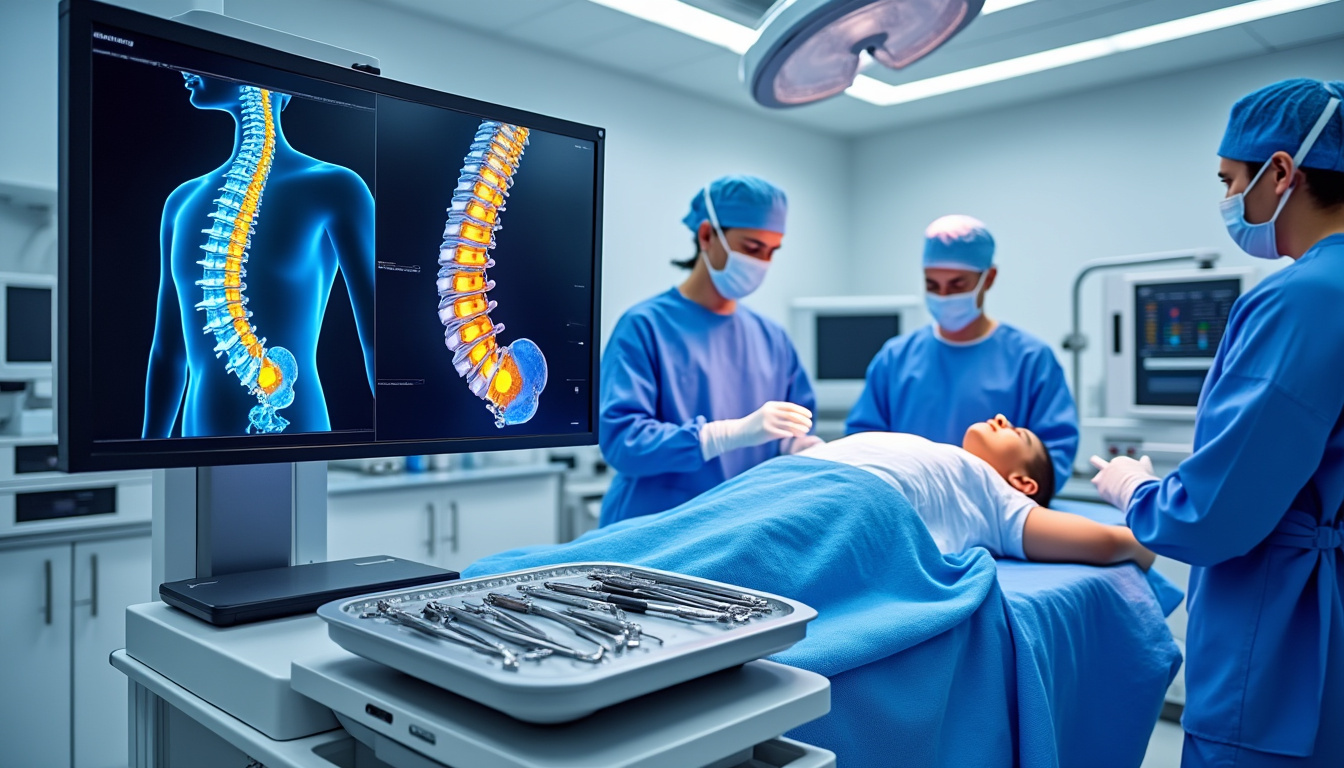
A disc prosthesis is a modern surgical implant designed to replace a damaged or degenerated intervertebral disc while preserving the spine’s natural range of motion. Unlike traditional spinal fusion surgeries, which immobilize affected vertebral segments, disc prostheses aim to maintain flexibility and biomechanical function. This innovation directly addresses the limitations of fusion by reducing stress on adjacent discs, thereby diminishing the risk of accelerated degeneration elsewhere in the spine.
In Lévis, access to these advanced implants is facilitated through a collaborative medical network that integrates expertise from France, where disc prostheses have long enjoyed regulatory approval and successful clinical outcomes. The French endorsement underscores the implant’s proven safety and efficacy, stimulating confidence among healthcare providers and patients alike.
Several types of disc prostheses exist, including cervical and lumbar models, each tailored to specific spinal regions and patient needs. Products such as the Mobi-C cervical disc — widely used across 25 countries and vetted through extensive implantation worldwide — exemplify the cutting-edge of this technology. Additionally, dynamic spinal implants like the CP-ESP and DYNALIS-C units have broadened therapeutic options that prioritize physiological motion preservation.
The use of these prostheses corresponds to a paradigm shift from traditional fusion towards motion-preserving spinal surgery. Patients can experience quicker recovery times and improved functional outcomes, making this treatment particularly attractive for younger, active individuals seeking long-term spinal health.
Key benefits of disc prosthesis include:
- Preservation of natural spine mobility
- Reduction of adjacent segment degeneration
- Faster postoperative recovery compared to fusion surgery
- Less invasive surgical techniques minimizing tissue damage
- Enhanced pain relief and improved quality of life
These attributes highlight why disc prosthesis is gaining momentum as a preferred orthopedic treatment for degenerative disc disease and related back pain issues.
The rise in back pain complaints in Boucherville reflects a broader trend linked to sedentary lifestyles and prolonged sitting, affecting individuals across all age groups. Herniated discs, a predominant source of such discomfort, represent complex spinal conditions that disrupt mobility…
Comprehensive Surgical Techniques in France: The Benchmark for Innovation
France’s prominence in spinal surgery innovation is well-established, particularly in the diversity and sophistication of its disc prosthesis approaches. The country offers three principal surgical options for disc-related pathologies: simple disc replacement, spinal fusion, and motion-preserving stabilization techniques.
Spinal Fusion Surgery: Traditional Yet Limiting
Spinal fusion, or arthrodesis, has historically been the standard intervention for degenerative disc disease. By immobilizing painful vertebral segments, fusion prevents mechanical irritation but at the expense of reduced mobility. Many patients undergoing fusion report long-term drawbacks such as stiffness and increased stress on adjacent discs, sometimes leading to new pain or additional interventions.
Disc Prosthesis: Restoring Movement and Functionality
In contrast, disc prostheses have revolutionized the landscape by providing a mobile artificial disc that mimics the function of a healthy natural disc. This approach fosters a flexible spine and guards against compensatory degeneration. It is especially recommended for younger, active patients eager to maintain their spinal motion and lifestyle after surgery.
Dynamic Stabilization Techniques: A Hybrid Option
Between fusion and complete replacement lie dynamic stabilization methods. These involve implants designed to offer a controlled range of movement while strengthening spinal stability. Such techniques cater to cases where full disc replacement might not be suitable, offering a balance between rigidity and flexibility. French centers specializing in spine health excel in tailoring these options based on individual patient assessments, enhancing personalized orthopedic care.
Determining the optimal surgical method involves meticulous clinical evaluation, symptom assessment, and future rehabilitation goals. Dr. Sylvain Desforges plays an instrumental role in guiding patients through this decision-making process with extensive clinical acumen and ethical care strategies. Learn more about disc prosthesis as a modern and safe solution in Lévis.
IntraSPINE® in Sherbrooke: A Cutting-Edge Solution for Chronic Lower Back Pain
Chronic lower back pain stands as one of the most common and debilitating conditions affecting adults worldwide. In Sherbrooke and surrounding areas, the search for effective, lasting relief has intensified amid growing concerns over invasive surgical procedures and prolonged recovery…
The Patient Journey to Disc Prosthesis in Lévis: Meticulous Evaluation and Support
Accessing disc prosthesis treatment via the Lévis-based coordination involves a structured and rigorous patient pathway, emphasizing safety, efficacy, and personalized care. The entire process starts with a thorough evaluation by distinguished experts such as Dr. Sylvain Desforges, who leverages over three decades of clinical experience and a multidisciplinary approach.
The pathway typically includes the following stages:
- Initial Comprehensive Assessment: Detailed clinical and imaging evaluations identify the exact nature of disc pathology and clarify symptomatology.
- Conservative Treatment Emphasis: Before endorsing surgery, patients undergo non-invasive therapies like neurovertebral decompression for a minimum period of 3 to 6 months. This approach aligns with well-established guidelines and aims to reduce unnecessary surgical interventions.
- Surgical Referral if Indicated: Persistent pain and functional impairment despite conservative management prompt referral for surgical consultation and planning.
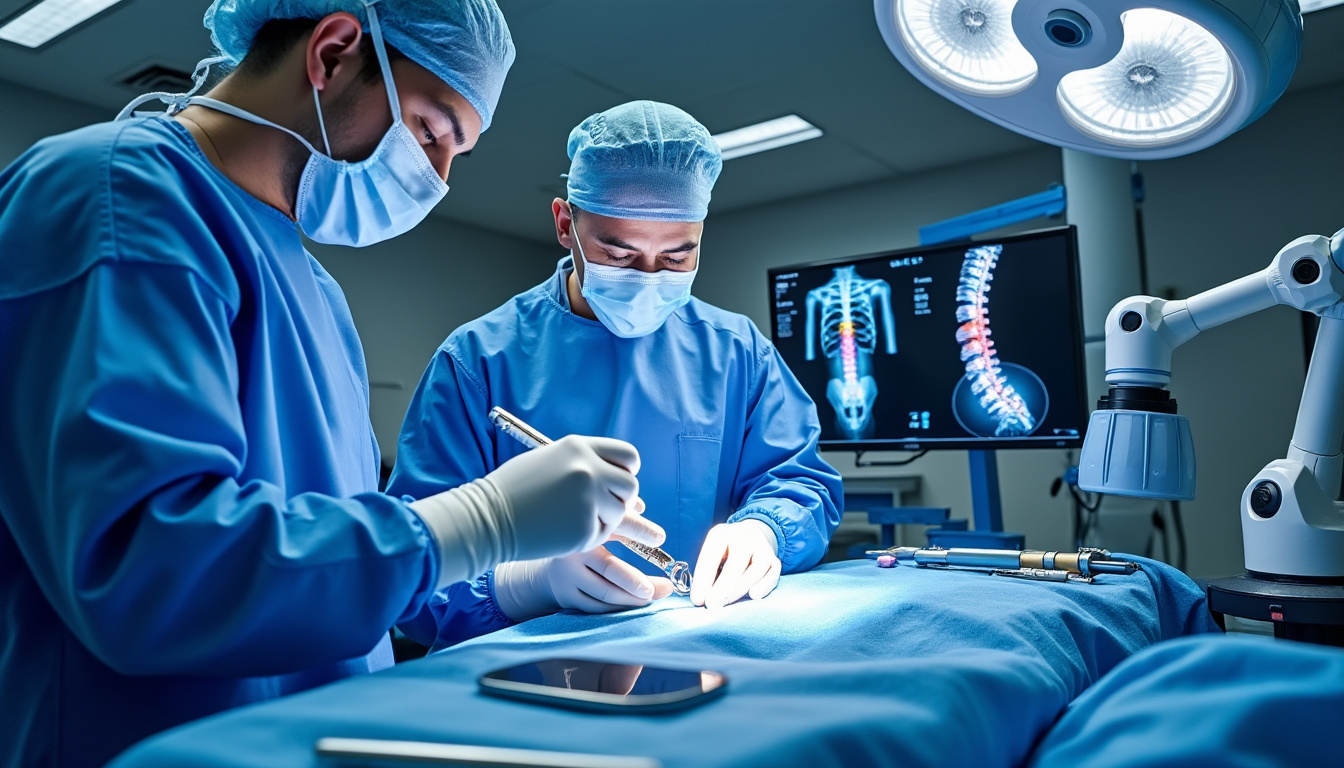
- Surgical Intervention in France: Experienced spine surgeons perform the disc prosthesis procedure utilizing innovative implants and minimally invasive methods.
- Postoperative Care and Rehabilitation: Once back in Quebec, patients receive continuous follow-up, physical therapy, and diagnostic monitoring to ensure optimal recovery and long-term spine health.
This patient-centered model ensures that interventions are matched to individual needs, balancing technological advances with compassionate care delivery. Patients feel supported and well-informed throughout their journey, which is crucial in achieving successful outcomes.
Dr. Desforges prioritizes transparent communication, helping patients understand the indications, benefits, and limitations of disc prosthesis. By leveraging his leadership roles, including founding the Canadian College of Osteopaths and directing TAGMED Clinics, he advances comprehensive integration of international expertise for Quebec patients.
Back Surgery in Trois-Rivières: Strategies to Minimize Post-Operative Complications
Back pain management in Trois-Rivières has evolved into a critical healthcare priority, demanding solutions that address the unique needs of patients facing long wait times in Quebec’s medical system. Many individuals are exploring alternative routes, including transatlantic medical corridors connecting…
Unique Advantages of Transatlantic Collaboration for Quebecois Patients
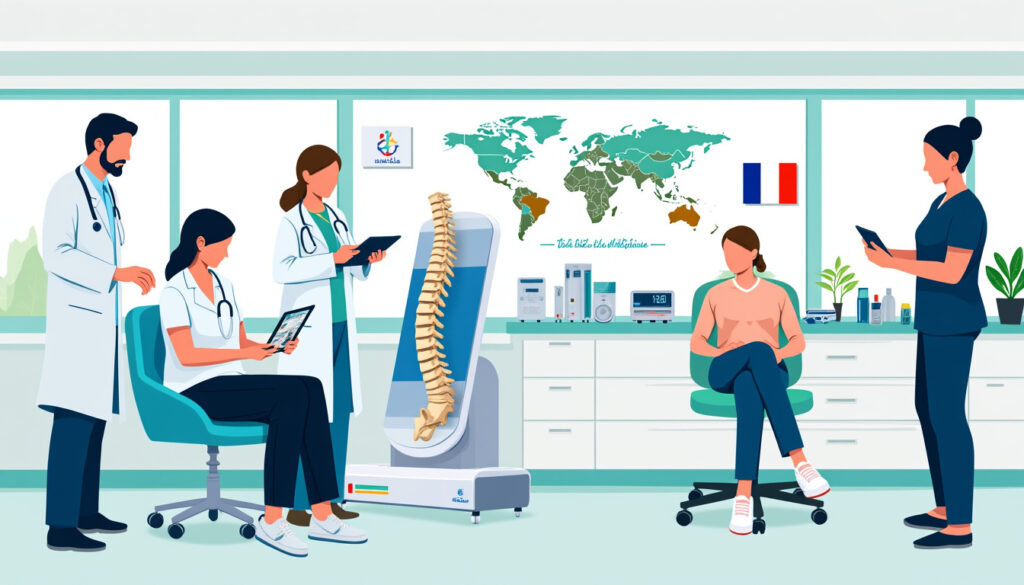
The international linkage between Canada and France in spine care exemplifies a pioneering model of medical tourism combined with coordinated clinical care. This bilateral cooperation offers Quebec patients numerous advantages:
- Access to Advanced Technologies and Implants: French innovators provide access to latest disc prosthesis designs not yet widely available in Canada.
- Reduced Waiting Periods: Surgical scheduling in France circumvents often lengthy wait times in Quebec’s public health system, accelerating pathways to relief.
- Multidisciplinary Team Coordination: Seamless communication between Canadian and French providers ensures personalized, continuous patient management.
- Cost Optimization: Streamlined care plans and cross-border cooperation mitigate financial burdens compared to private domestic options.
- Enhanced Rehabilitation Potential: The integration of pre- and postoperative care programs maximizes functional restoration.
The table below contrasts key parameters between traditional local fusion surgery and the internationally coordinated disc prosthesis approach:
| Parameter | Local Spinal Fusion Surgery (Quebec) | Disc Prosthesis Surgery (France Collaboration) |
|---|---|---|
| Postoperative Mobility | Significant loss of mobility | Preservation of natural spinal movement |
| Hospital Stay | 5 to 7 days | 3 to 4 days |
| Return to Normal Activities | 4 to 6 months | 2 to 3 months |
| Overall Treatment Cost | Higher due to local private care | Optimized via international program |
This innovative cross-border system champions patient safety and care quality, illustrating how international collaboration can reshape orthopedic treatment landscapes for back pain relief.

The prevalence of disc herniation in Saint-Bruno-de-Montarville has been rising steadily, paralleling modern sedentary lifestyles and increased biomechanical stress on the spine. This condition, characterized by the displacement of intervertebral disc material, can severely disrupt daily activities due to back…
Emphasizing Scientific Rigor, Ethics, and Cutting-Edge Innovation
Dr. Sylvain Desforges’ renowned expertise is underpinned by a steadfast commitment to evidence-based practice and ethical medical conduct. His qualifications, including a Bachelor of Science, Doctor of Osteopathy, and Doctor of Naturopathy, equip him with a holistic yet scientifically rigorous perspective on spinal disorders.
All procedures and treatments proposed adhere strictly to Quebec and Canadian medical regulations, with precise compliance to guidelines from the Collège des médecins du Québec. This framework ensures patient safety remains paramount.
Innovation is central to Dr. Desforges’ practice. Technologies such as neurovertebral decompression, laser therapy, and dynamic spinal implants are expertly integrated into patient treatment plans. These modalities facilitate less invasive interventions that promote rapid recovery and durable spinal health.
Through rigorous patient evaluations, including comprehensive structural analyses and functional assessments, Dr. Desforges ensures that recommendations for disc prosthesis or alternative therapies are fully personalized. Emphasizing patient education, he articulates complex medical concepts in understandable terms, empowering patients to make informed decisions.
Recent global trends in cervical disc prostheses reflect exactly this blend of innovation and evidence, with the French-validated implants making prominent contributions to safer, motion-preserving spinal surgery.
TOPS™ in Gatineau: Lasting Relief and Preserved Mobility
The challenge of managing chronic spinal pain continues to grow in Québec, where patients search for effective and less invasive options beyond traditional treatments. Among emerging solutions, the Total Posterior Spine System (TOPS) available in Gatineau stands out as a…
Specialized Services and Added Value for Patients in Lévis
The disc prosthesis offerings in Lévis are distinct due to their pioneering use of dynamic implants and meticulous, patient-tailored care throughout the surgical and rehabilitation phases. The specialized expertise of Dr. Sylvain Desforges and his team ensures an integrated treatment experience.
Key differentiators of this service include:
- Access to state-of-the-art dynamic disc implants: Patients benefit from the latest prosthetic designs that more closely replicate natural disc function.
- Comprehensive Pre- and Post-operative Support: The care extends beyond surgery, incorporating education, physical therapy, and ongoing assessments to enhance recovery.
- International Collaboration: Coordination with French surgical centers offers patients premium technologies and expert surgical teams not readily available in Canada.
- Multidisciplinary Care Teams: Osteopaths, physiotherapists, and surgeons work synergistically under Dr. Desforges’ guidance to address the full spectrum of patient needs.
This holistic framework ensures not only effective treatment but also patient empowerment and satisfaction—cornerstones of Dr. Desforges’ practice philosophy.
Herniated Disc in Sainte-Julie: Top 3 Warning Signs and Neurovertebral Decompression Treatment
In the vibrant community of Sainte-Julie, the prevalence of herniated discs poses a significant challenge, particularly among the working population frequently subjected to prolonged postural stress and repetitive physical strain. This condition often begins subtly, with early warning signs that…
Importance of Conservative Treatments Before Opting for Surgery
It is essential to recognize that surgery, including disc prosthesis implantation, should be reserved as a last resort after conservative measures have been exhausted. Patients with chronic disc-related back pain are encouraged to pursue non-invasive therapies for 3 to 6 months prior to surgical referral. Such protocols align with international best practices and reduce surgical risks.
Among these modalities, neurovertebral decompression stands out for its effectiveness in relieving nerve pressure and improving spinal function. At Clinique TAGMED, under Dr. Sylvain Desforges’ leadership, patients are provided state-of-the-art decompression therapy alongside laser and shockwave treatments that have shown promising results in pain reduction.
By thoroughly exploring these conservative avenues, patients may improve symptoms sufficiently to avoid surgery or enhance surgical outcomes should prosthesis implantation become necessary. This approach exemplifies a thoughtful balance of innovation and prudence, reinforced by continuous monitoring and adjustments to care plans.
Cervical Disc Prosthesis in Quebec: Maintaining Intervertebral Mobility for Better Spine Health
Neck pain is a growing concern among the population of Quebec, profoundly affecting daily life and work productivity. With advances in medical science, innovative solutions such as the cervical disc prosthesis have emerged as promising options, aiming not just to…
Candidacy and Recovery Expectations for Disc Prosthesis Patients
Disc prosthesis is primarily indicated for patients suffering from isolated degenerative disc disease with chronic lower back pain that has not responded sufficiently to conservative care. Ideal candidates typically exhibit localized disc damage without extensive vertebral instability or deformity.
Recovery following disc prosthesis is notably faster than traditional fusion surgery, with many patients returning to normal activities within 2 to 3 months. The minimally invasive nature of the procedure, coupled with advanced postoperative rehabilitation protocols, contributes to expedited healing and an earlier return to an active lifestyle.
In Lévis, patients benefit from cutting-edge prosthetic technologies combined with structured follow-up care emphasizing spine health restoration. This environment fosters long-term success and durability of the implant’s function.
For those seeking to understand whether they are eligible for this treatment or interested in accessing these services, a personalized evaluation with experts like Dr. Desforges is a critical first step. This ensures that every treatment decision respects the patient’s unique profile and healthcare goals. Discover more about cervical disc prosthesis options available near Quebec City.
Who is eligible for a disc prosthesis?
Patients with chronic back pain due to isolated degenerative disc disease, especially younger and active individuals without major spinal instability, may be considered eligible after comprehensive evaluation and trial of conservative treatments.
What advantages does neurovertebral decompression offer before surgery?
This non-invasive treatment reduces nerve pressure and improves vertebral function, potentially alleviating symptoms and minimizing the need for surgery.
How long is the recovery period after disc prosthesis implantation?
Most patients resume normal activities within 2 to 3 months, benefiting from minimally invasive surgery and structured postoperative rehabilitation.
What innovative technologies are offered in Lévis for spine care?
Patients have access to dynamic prosthetic implants, neurovertebral decompression, laser therapy, and advanced therapeutic modalities within an integrated care framework.
What does post-operative follow-up involve?
Comprehensive follow-up includes physical therapy, medical monitoring, and patient education to ensure optimal recovery and long-term spinal health maintenance.
Disc herniation remains a pervasive issue affecting countless individuals in Pointe-Claire and beyond, profoundly impacting spinal health and daily comfort. As urban lifestyles trend towards sedentary professions, the incidence of back pain and nerve compression tends to rise, presenting demands…