How to Effectively Prepare for a Comprehensive Preoperative Evaluation
June 27, 2026
Minimally Invasive Surgery in Longueuil: Easing Post-Operative Pain for a Faster Recovery
June 28, 2026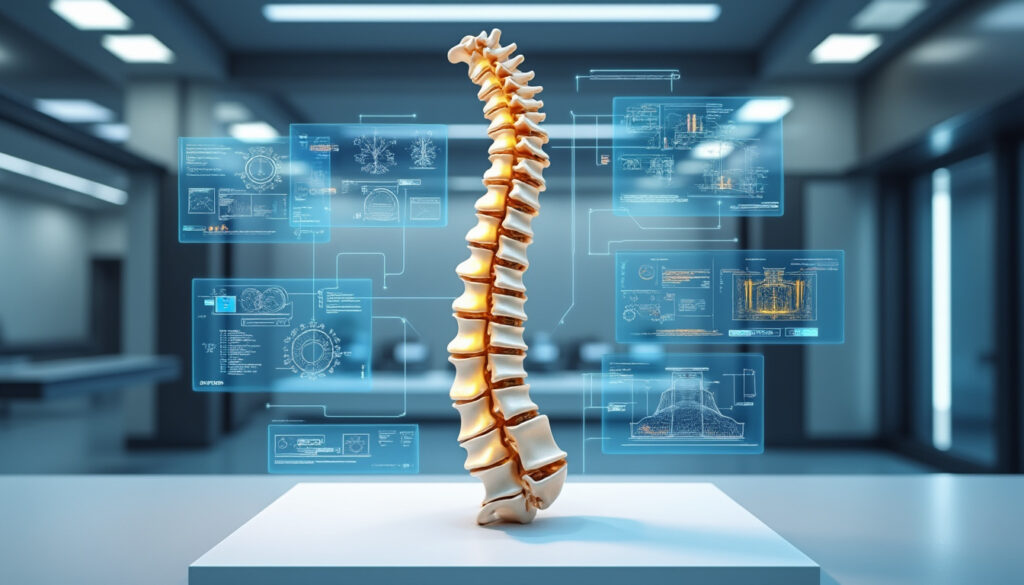
The advanced integration of Cousin Spine and Franchir Technology marks a pivotal development in spinal surgery, offering patients worldwide access to innovative, motion-preserving implants and streamlined surgical pathways. However, despite these advancements, the complexity of these systems brings a set of common pitfalls that can compromise clinical outcomes and patient safety. As the demand for minimally invasive spine surgery rises and the need for specialized, personalized care expands, it becomes essential to understand the challenges in implementation and usage of these technologies.
Patients, especially international ones such as those from Quebec and Canada, face unique hurdles including logistical coordination and communication gaps. The combined strength of Cousin Spine’s dynamic implant designs and Franchir’s sophisticated medical organization promises faster recovery, reduced hospitalization times, and a higher quality of care when optimally deployed. Yet, the path to such outcomes is fraught with potential system integration errors, technique misapplication, and data management issues that must be conscientiously avoided to harness their full benefit in contemporary spinal care.
Understanding the Technology Challenges in Cousin Spine Implant Implementation
The innovation introduced by Cousin Spine, especially through implants like TOPS, Intraspine, and B-DYN, revolutionizes spinal surgeries by preserving segmental mobility instead of resorting to rigid fusion. Nevertheless, these devices demand a precise understanding of biomechanical principles and device-specific indications, without which implementation errors may impede clinical effectiveness.
Dynamic stabilization, while advantageous, introduces complexity in selecting appropriate candidates. Inadequate preoperative evaluation or failure to address mechanical requirements tailored to patient anatomy remains a common pitfall. In 2026, surgeons and clinical teams must be acutely aware of the nuances involved in such implantations. These include ensuring accurate implant positioning with the aid of peroperative imaging or robotic navigation, an area where errors frequently occur due to limited surgeon experience or inadequate software integration.
Furthermore, the advancement in technology facilitates the use of 3D printing for patient-specific implant customization. Yet, skipping this option or neglecting morphological variations risks suboptimal alignment, increased implant migration, or mechanical failure. The challenges connected with data management also come to the fore in integrating imaging, surgical planning, and postoperative monitoring software that supports the entire care continuum efficiently.
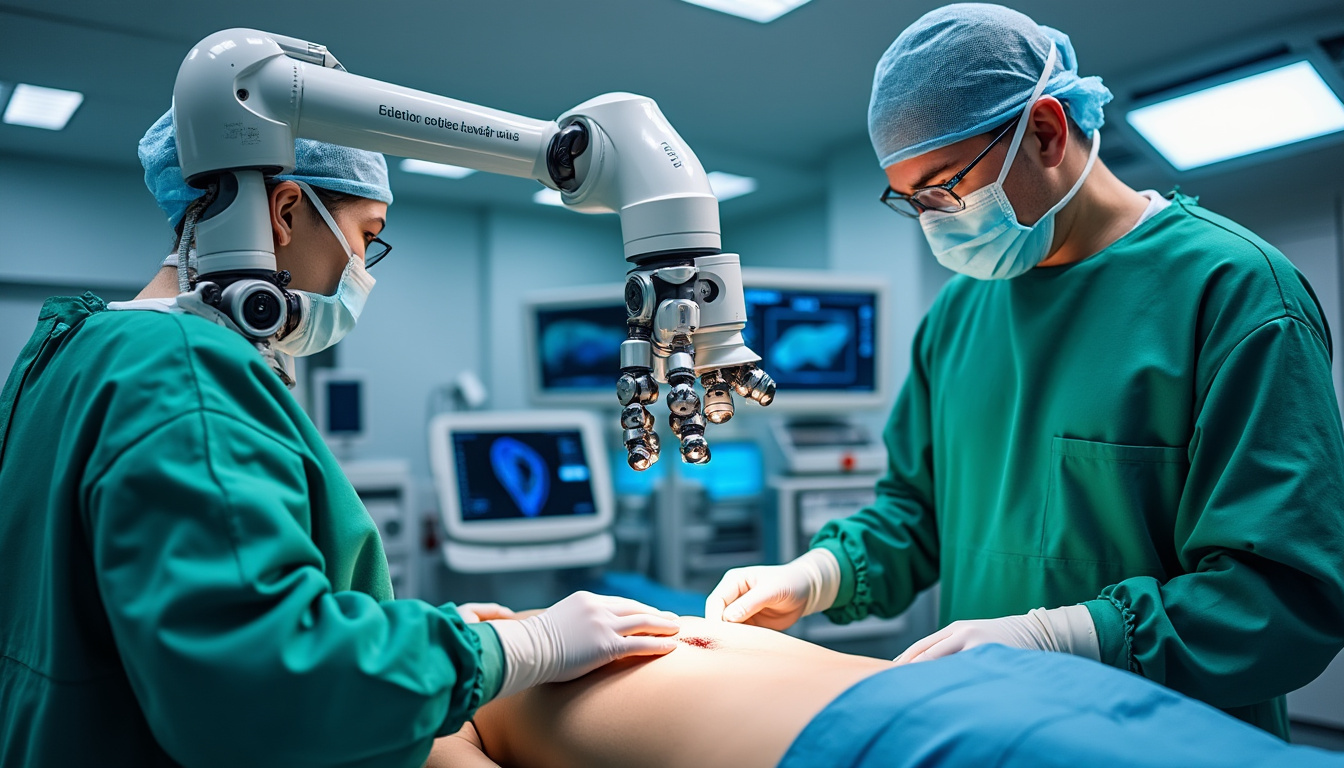
Spinal Care in France vs. Quebec: Personal Stories and Insights
In recent years, spinal disorders have emerged as a growing concern both in Quebec and France, highlighting significant challenges in access to specialized care, treatment costs, and patient outcomes. These difficulties have prompted a closer examination of spinal care strategies…
Most Frequent Implementation Errors and How to Avoid Them
Among the most common mistakes are inappropriate patient selection, misjudgment in implant choice, and technical errors during surgery. The lack of an exhaustive, multidisciplinary evaluation often leads to implant placements where underlying pathologies such as foraminal stenosis or segmental instability are not properly addressed.
This misalignment originates frequently in the premature recourse to surgery without exhausting conservative treatment options, increasing the risk of complications. Furthermore, intraoperative misplacement, especially in procedures requiring interlaminar access like with Intraspine, damages surrounding structures and induces prosthetic instability.
To combat these pitfalls, best practices include leveraging enhanced surgeon training with certification programs focused on Cousin Spine devices; employing image-guided navigation and robotics to aid precise placement; and fostering multidisciplinary case discussions integrating neurologists, radiologists, and rehabilitation specialists. This reduces manual errors and optimizes mechanical performance.
Coordination with partners like Franchir facilitates logistic management, ensuring operative workflows proceed without delay or resource misallocation. Applying stringent quality and safety protocols and meticulous preoperative planning are thus critical, underscoring the need to respect international standards such as CE certification.
Key Best Practices in Surgery and Device Selection
- Thorough preoperative evaluation with 3–6 months of conservative management documented.
- Tailored implant choice adapted to the patient’s pathology and spinal morphology, avoiding one-size-fits-all approaches.
- Use of minimally invasive techniques supported by high-definition imaging intraoperatively to reduce soft tissue trauma.
- Continuous training and certification for surgeons specific to Cousin Spine implants.
- Systematic multidisciplinary case review involving all stakeholders for every candidate.
Cutting-Edge Implants: TOPS™, Intraspine®, ESP – User Testimonials and Experience Insights
The field of spinal surgery has witnessed a remarkable transformation with the introduction of cutting-edge implants like TOPS, Intraspine, and ESP. These innovations represent a major leap beyond traditional spinal fusion, offering dynamic stabilization options that preserve the natural biomechanics…
Optimizing System Integration and Data Management to Prevent Errors
Modern spinal implant systems rely heavily on seamless integration of various software components managing imaging data, patient files, surgical navigation, and postoperative recovery tracking. The failure to synchronize these aspects can lead to critical system optimization issues, impairing both clinical decision-making and workflow efficiency.
Healthcare providers must implement robust data management protocols ensuring secure and real-time sharing of patient information across cross-continental centers. For international patients, coordination between reference centers in France and follow-up institutions in Canada relies profoundly on software integration phases that maintain confidentiality, accuracy, and accessibility.
Examples of good practice include cloud-based platforms allowing surgeons to review preoperative scans, plan implant positioning with interactive 3D models, and communicate with rehabilitation teams remotely. Additionally, embedding artificial intelligence aids early detection of potential complications by analyzing recovery patterns, thus improving patient safety.
The customization of implant production through 3D printing demands interoperability between radiologic data acquisition and manufacturing software. Mistakes in this pipeline cause delays and improper fittings. Hence, training users on technology interface and encouraging multidisciplinary team meetings are imperative steps in mitigating technological challenges and software-related issues.
How to Effectively Prepare for a Comprehensive Preoperative Evaluation
Preparing for a surgical intervention requires meticulous attention to the preoperative evaluation process, a vital step that significantly influences surgical outcomes and patient safety. For patients planning spinal surgery, particularly those who journey from places like Quebec to France, this…
Effective User Training and Continuous Education Programs to Address Common Pitfalls
User training represents a cornerstone in mastering Cousin Spine and Franchir Technology implementation. The surgical teams and support staff must engage in frequent and structured education to keep pace with evolving equipment and procedural protocols.
Leading French institutions now offer specialized diplomas, with programs like the Diplôme Inter-Universitaire de Chirurgie du Rachis (DIU) and certified workshops partnering closely with Cousin Surgery. These programs combine theoretical biomechanical knowledge, hands-on surgical practice, and case-based learning to reinforce skills critical for success.
Moreover, simulation-based training using virtual reality and 3D printed spine models enables safe rehearsal of complex procedures. This is particularly beneficial to young surgeons or those shifting from traditional fusion techniques to dynamic stabilization alternatives.
Regular audits and feedback systems provide ongoing evaluation of surgeon performance and identify potential deviations from protocol early. Peer-reviewed evaluations minimize human errors and foster best practices within centers employing these technologies. Franchir Technology supports training logistics, enabling smooth scheduling and accreditation tracking across the multidisciplinary teams involved.
Components of Effective Training Programs
| Training Module | Purpose | Methodology |
|---|---|---|
| Technical Implant Knowledge | Understanding implant biomechanics and design | Theoretical lectures and device demonstrations |
| Surgical Technique Mastery | Precision in implant placement and tissue handling | Hands-on workshops and cadaver labs |
| Software & System Integration | Fluency in navigation and planning software | Computer-based simulations and live surgeries |
| Postoperative Care & Monitoring | Ensuring optimal recovery and complication prevention | Case reviews and telemedicine follow-ups |
The Preventive Role of Tackling Post-Laminectomy Syndrome for a Successful Recovery Journey
Spinal surgeries such as laminectomies are pivotal in addressing severe chronic pains associated with spinal conditions. Yet, even with technical advancements, a challenge remains: the occurrence of post-laminectomy syndrome. This condition, marked by persistent or recurring pain following spinal decompression,…
Logistical Coordination by Franchir: A Crucial Element to Avoid Pitfalls
As the adoption of Cousin Spine implants expands, especially among patients undergoing procedures in France from Quebec and Canada, the role of Franchir Technology in managing patient journeys becomes indispensable. The intricacies connected to international surgical planning require stringent orchestration of appointments, transportation, accommodation, and postoperative rehabilitation.
Failures in coordination often result in procedure postponements, patient anxiety, and increased healthcare costs. Franchir excels in mitigating these issues by centralizing scheduling through a dedicated platform, coordinating with hospitals such as those in Toulouse and Paris, and facilitating seamless communication across all parties involved.
This logistical backbone reduces common pitfalls related to fragmented care delivery, allowing patients to focus fully on their health without administrative burdens. Moreover, by integrating with post-discharge operators in Canada like Neurothérapie Montréal, Franchir ensures continuity of care with personalized tele-rehabilitation programs, effectively bridging geographical gaps.

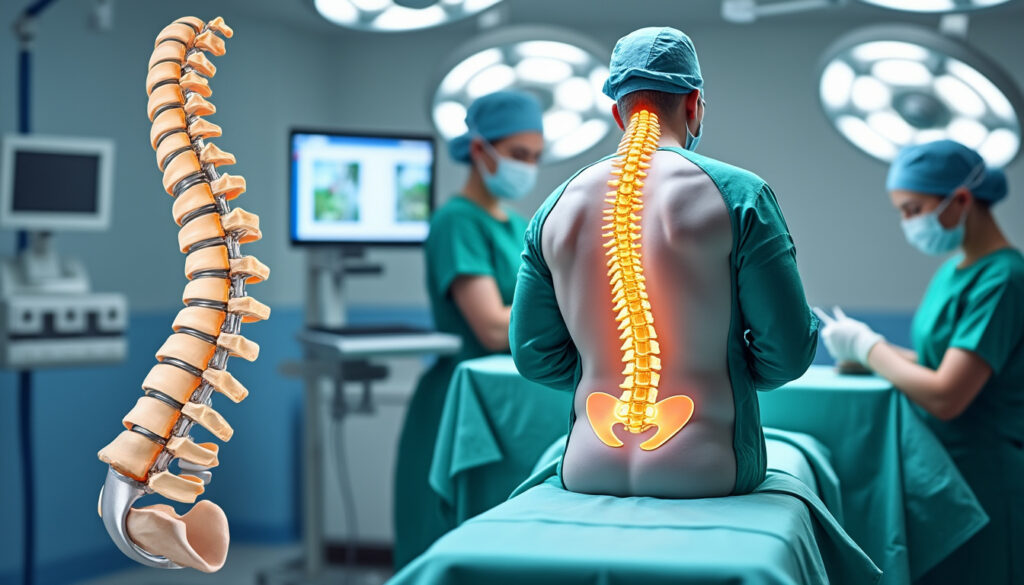
Comprehensive Guide to Simple Surgery, Fusion Techniques, and Motion Preservation
Back pain and spinal disorders remain a substantial challenge worldwide, particularly for patients seeking effective and lasting relief. Advances in spinal surgery have opened new frontiers, blending traditional methods with innovative techniques such as motion preservation to offer personalized treatment.…
Postoperative Care Best Practices to Sustain Surgical Outcomes
Postoperative follow-up is key to securing long-term benefits from Cousin Spine implants and avoiding complications such as implant migration, infection, and segmental instability. Despite the technological advances, a common pitfall is underestimating the necessity for close monitoring and rehabilitation.
Customized rehabilitation protocols must be designed based on the specific implant used and patient’s biomechanical profile. Tools such as tele-réadaptation and virtual reality-assisted recovery enable ongoing evaluation of neurological function and mobility, reducing readmission risks and supporting patient confidence.
Active communication between surgeon, rehabilitation specialists, patient, and digital platforms promotes transparency and early detection of potential issues. This collaborative follow-up model aligns with evolving international standards and is supported by integrated data management systems inclusive of personalized dashboards for patient progress tracking.
The partnership between French surgical centers and Canadian follow-up facilities assures that no aspect of post-surgical care is overlooked. This integrated approach is supported by widely accessible resources disseminated through guides on common pitfalls in Cousin Spine technology usage and patient information portals aiming to empower patients throughout their recovery journey.

Can Medical Guidance from Quebec Help You Avoid Surgery?
Quebec’s healthcare system is navigating a complex landscape marked by increasing surgical wait times and a pressing need for optimized patient care pathways. Amidst the challenge of surgical backlogs, particularly in spinal surgery, Quebec has been pioneering medical guidance strategies…
Enhancing Patient Outcomes through International Collaboration and Technology Synergy
The collaboration driven by experts like Érik Boulard bridges clinical and industrial expertise to maximize the safety and performance of Cousin Spine implants within organized pathways facilitated by Franchir. This fusion of high technology and bespoke patient care accelerates access to advanced spinal treatments for Canadian patients previously facing long waitlists.
The integrated model delivers comprehensive care from preoperative assessment at specialized clinics such as TAGMED in Montreal to premium surgical services in French hospitals equipped with state-of-the-art technology and experienced multidisciplinary teams. Patients benefit from reduced rehabilitation times and improved mobility preservation courtesy of dynamic stabilization implants.
Emerging predictive analytics and AI tools further optimize treatment plans and forecast risk factors, providing a pathway toward fully personalized spinal care. The synergistic use of Cousin Spine and Franchir Technology sets a benchmark for international spinal surgery collaboration and illustrates the tangible benefits of cutting-edge devices coupled with efficient organizational solutions.
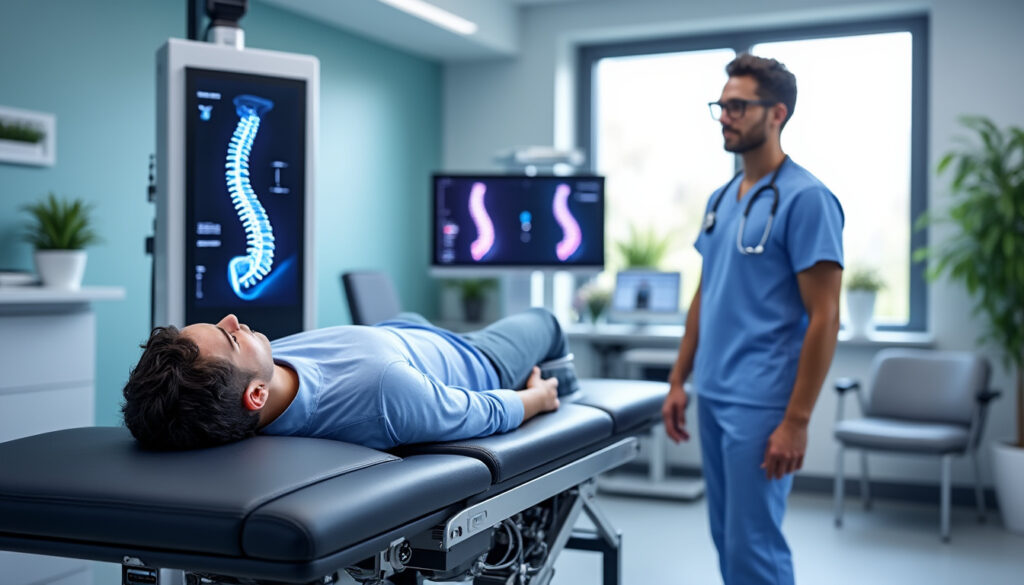
Comprehensive Insights into the Role of Spinal Decompression Therapy
Chronic back pain represents a significant health concern worldwide, often stemming from conditions such as herniated discs, nerve compression, and spine misalignment. With advancing medical technologies and treatment methodologies, spinal decompression therapy has risen as a beacon of hope for…
Analysis of Common Pitfalls and Suggested Remedies for Practitioners
Effective mitigation of pitfalls requires a proactive approach addressing each stage of the patient’s path. The table below conceptualizes key error types, their impacts, and practical solutions drawn from clinical experiences and expert consensus.
| Stage | Common Pitfall | Impact | Recommended Remedy |
|---|---|---|---|
| Preoperative Evaluation | Inadequate indication and incomplete assessment | Suboptimal implant choice leading to poor stability | Rigorous multidisciplinary review with extended conservative treatment phase |
| Implant Selection | Standardized or non-personalized choices | Increased risk of implant migration and failure | Customize implant choice according to morphological and biomechanical criteria |
| Surgery | Incorrect implant placement and lack of minimally invasive technique | Higher incidence of complications and prolonged recovery | Utilize peroperative imaging and advanced navigation, favor minimally invasive approaches |
| Logistics & Stay | Poor coordination causing delays and patient stress | Increased complication risk and reduced satisfaction | Engage centralized logistical management with continuous patient support |
| Follow-Up Care | Insufficient monitoring and communication breakdown | Delayed detection of complications and incomplete recovery | Implement personalized follow-up programs with telemedicine integration |
By recognizing these pitfalls and instituting thoughtful preventive measures, practitioners can enhance patient safety and optimize surgical success rates when utilizing Cousin Spine and Franchir Technology.
Common Pitfalls to Avoid with Cousin Spine and Franchir Technology
Interactive infographic to explore key surgical pitfalls, preventive measures, advanced implants, and patient journey optimization.
- Inaccurate Implant Placement: Can lead to nerve damage or reduced mobility.
- Misinterpretation of Spinal Imaging: Leads to incorrect diagnosis and ineffective treatment plans.
- Ignoring Patient-Specific Anatomy: One-size-fits-all approach increases complication risk.
- Poor Surgical Field Visualization: Risks incomplete decompression or fixation.
- Lack of Postoperative Monitoring: Delays recognition of complications like hardware loosening.
What types of Cousin Spine implants are available for spinal surgery?
Cousin Spine offers dynamic implants like TOPS, Intraspine, and B-DYN, which stabilize spinal segments while preserving natural mobility. These options now include 3D printed customizations for patient-specific morphologies.
How does Franchir Technology support international patient care?
Franchir orchestrates patient pathways by coordinating visits to specialized surgeons, organizing travel and accommodation, and ensuring ongoing personalized follow-up both in France and post-return to Canada.
What are the primary advantages of minimally invasive techniques in this context?
Minimally invasive spinal techniques reduce postoperative pain, lower infection risks, hasten recovery, and minimize soft tissue damage, thereby enhancing patient comfort and outcomes.
Who is behind the coordination and expertise of Cousin Spine and Franchir integration?
Érik Boulard, an expert with over 30 years in spine surgery and implant development, supervises implant selection and procedural innovation, ensuring high quality and safety standards throughout the patient journey.
How is postoperative care managed after patients return to Canada?
Postoperative follow-up is conducted via Neurothérapie Montréal, which provides tailored rehabilitation programs utilizing telemedicine and advanced pain management approaches to support sustained recovery.
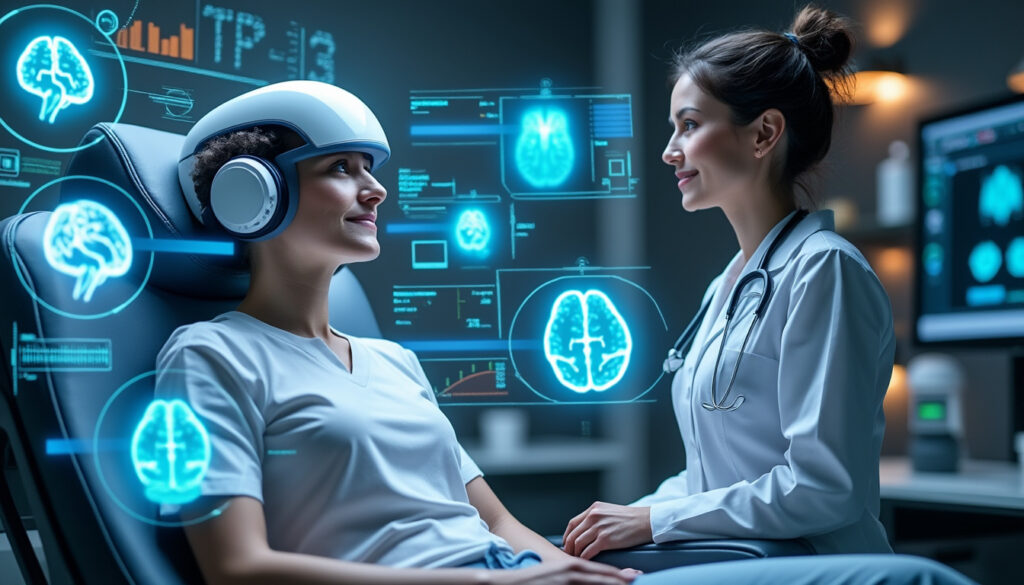
Unlocking Hidden Benefits of rTMS Integration Post-Surgery
Recovery following spinal surgery presents numerous challenges, often demanding innovative therapeutic strategies to maximize outcomes for patients. Surgical techniques like spinal fusion, motion preservation procedures, and endoscopic interventions offer advanced solutions, but the postoperative period remains critical for ensuring long-term…