Preparing for Surgery in France: Key Indications, Benefits, and Limitations
July 15, 2026
Transatlantic Patient Journey: Insights into Indications, Benefits, and Challenges
July 15, 2026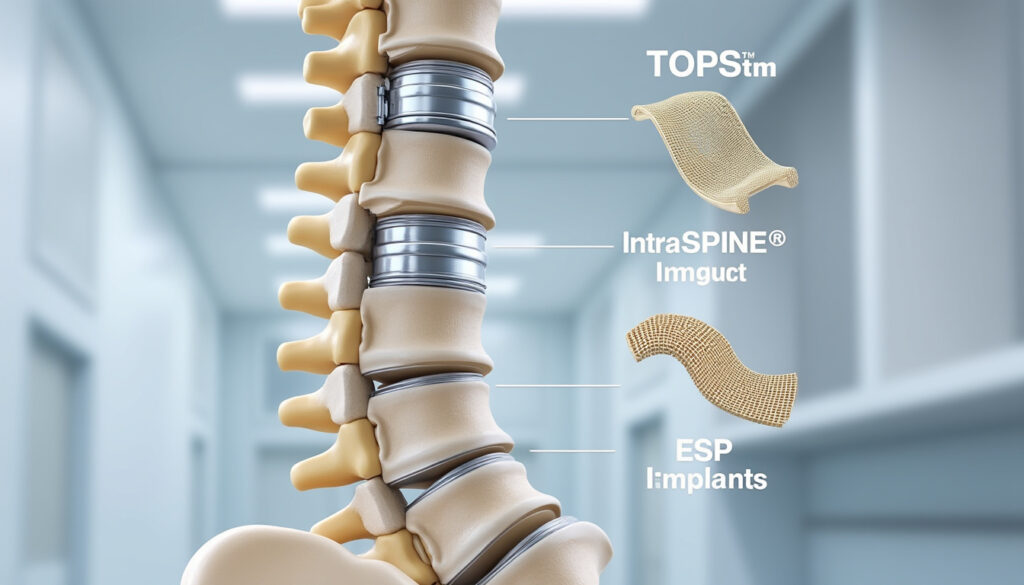
The evolving field of spinal surgery is witnessing a transformative shift, fueled by cutting-edge implant technologies such as TOPS, Intraspine, and ESP. These innovative implants redefine treatment possibilities by emphasizing preservation of natural spinal mechanics, while ensuring durable stabilization and facilitating expedited patient recovery. In the context of 2026, this integration of biomechanical principles and advanced device design provides a beacon of hope for patients affected by complex degenerative spinal conditions, especially within the Canadian and French healthcare systems interconnected through collaborative medical tourism frameworks.
With a rising demand for minimally invasive interventions that reduce morbidity yet deliver robust functional outcomes, these implants embody a synthesis of engineering innovation and clinical expertise. They particularly resonate with lumbar spine pathologies like degenerative spondylolisthesis and spinal stenosis, where motion preservation is pivotal to avoid adjacent segment degeneration and postoperative complications. Conjointly, the seamless coordination between healthcare providers in Quebec and specialized centers in France optimizes the perioperative pathway, from initial assessment to rehabilitation, ensuring patients receive individualized, high-quality care grounded in evidence-based protocols.
Biomechanical Foundations of Motion-Preserving Implants: How TOPS, Intraspine, and ESP Revolutionize Spinal Stability
The hallmark of innovative implants such as TOPS, Intraspine, and ESP is their capacity to maintain or restore physiological spinal motion while stabilizing pathological segments. This approach diverges fundamentally from traditional spinal fusion techniques which often culminate in rigidity and can predispose adjacent levels to accelerated degeneration.
The TOPS system exemplifies this principle by mimicking the natural biomechanics of the facet joints. Surgical implantation replaces degenerated posterior spinal elements with a dynamic construct anchored via polyaxial screws attached to titanium plates. Central to its design is a flexible core that allows controlled flexion, extension, lateral bending, and axial rotation, limiting harmful translational movements that generate pain and instability. Clinical data collected over 15 years confirm that TOPS reduces the incidence of adjacent segment disease, improves pain relief, and expedites functional recovery compared to traditional fusion. This dynamic stability is critical in preserving segmental kinematics, which translates into higher patient satisfaction and longer-lasting outcomes.
IntraSPINE complements this landscape by applying a different biomechanical strategy. Positioned interlaminarly between spinous processes, this implant promotes indirect neural decompression by increasing foraminal height and canal dimensions. It provides moderate dynamic stabilization without excessively limiting motion. Particularly effective in cases with mild to moderate segmental instability, IntraSPINE can work synergistically with decompression techniques to enhance patient outcomes. Its minimally invasive implantation reduces operative trauma, decreases surgical time, and limits postoperative discomfort, supporting quicker mobilization.
The ESP implant offers yet another modern solution—designed with a soft, elastic structure that dynamically adapts to vertebral movements. This gradual adjustment of spinal mobility facilitates a smoother recovery process and optimizes the load distribution along the spine. The ESP’s biomechanical compliance minimizes stress concentration on adjacent vertebral segments, mitigating the risks of secondary deterioration. Although less prominent in media discussions, its role in dynamic stabilization is gaining recognition among spine surgeons committed to personalized, motion-sparing treatment.
These implants are certified under stringent regulatory standards, including CE marking and FDA approval, attesting to their safety and efficacy profiles. The decision matrix for their use incorporates detailed biomechanical assessments and patient-specific criteria, ensuring targeted application that maximizes clinical benefit while minimizing adverse events.

Understanding Sciatic Pain: Key Symptoms and When to Seek Medical Advice
Sciatic pain is a prevalent condition impacting a wide demographic, manifesting primarily as intense pain radiating from the lower back down the leg. This pain stems from irritation or compression of the sciatic nerve, a major nerve extending through the…
Integrated Transatlantic Care Pathways: Streamlining Access to Advanced Spinal Surgery for Quebec Patients
One of the distinctive features of these innovative implant programs is the robust healthcare cooperation linking Quebec and France, facilitating access to cutting-edge spinal surgeries not readily available within local settings. This partnership is orchestrated by organizations such as Franchir and SOS Tourisme Médical, which manage logistics, patient orientation, and coordination with expert surgical centers in France, including established hospitals in Bordeaux, Toulouse, and Le Mans.
The clinical journey begins with comprehensive evaluation at specialized centers like Clinique TAGMED in Quebec, where patients undergo detailed diagnostic assessments and conservative management attempts, including neurovertébral decompression via robotic guidance. Surgery is proposed only after failure of a three to six-month conservative trial, ensuring that operative intervention is reserved for suitable candidates according to validated criteria.
Following surgical indication, the patient is directed to the most appropriate French center tailored to their pathology and personal preferences, while Franchir arranges travel, accommodation, and appointment scheduling, thus providing a seamless, stress-free experience. Postoperative follow-up is meticulously structured, with Neurothérapie Montréal overseeing rehabilitation and symptom management to complete the cycle of care. This multidisciplinary framework underscores a patient-centered philosophy that harnesses international expertise while ensuring continuity of care across borders.
Such a transatlantic approach exemplifies the possibilities of globalized healthcare delivery, where geographical constraints are overcome by integrated systems that prioritize quality, efficiency, and patient satisfaction. It also reinforces the safe introduction of innovative spinal implant technology in everyday clinical practice within Quebec by leveraging established French expertise.
This video captures a detailed overview of the patient pathway from evaluation through surgery and recovery, emphasizing minimization of invasiveness and maintenance of spinal mobility with these implants.

The Stepwise Role of Functional Recovery in Achieving Successful Outcomes
The journey to full recovery following spinal surgery is often complex and multifaceted, demanding a meticulously structured approach to ensure optimal functional outcomes. In recent years, the concept of functional recovery through a stepwise approach has garnered significant attention in…
Patient Selection and Surgical Decision-Making: Tailoring Implant Choice for Optimal Functional Outcomes
Implementing innovative implants requires rigorous patient selection, grounded in multidisciplinary consensus between neurosurgeons and orthopedic spine specialists. The criteria for TOPS candidacy, for instance, focus on individuals with lumbar spinal stenosis coupled with grade 1 or 2 spondylolisthesis who have preserved segmental mobility and have not sufficiently improved with conservative therapy.
Patients typically fall within a 35 to 70 years age bracket, reducing the confounding impact of severe osteoporosis or advanced degenerative changes which contraindicate motion-sparing stabilization. Absolute exclusions include infections, severe inflammatory spinal disorders, and higher-grade spondylolisthesis outside the TOPS capability.
In cases featuring lesser instability, IntraSPINE serves as a less invasive option, or decompression alone can suffice when stability concerns are minimal. The surgical strategy must harmonize with the patient’s functional goals, emphasizing pain reduction, mobility preservation, and prevention of adjacent segment degeneration. Advanced imaging and biomechanical analyses inform the choice, supported by evidence from comparative studies illustrating the benefits of motion-preserving implants over fusion surgery.
| Criteria | TOPS Implant | IntraSPINE | Simple Decompression |
|---|---|---|---|
| Segmental Mobility | Preserved | Partially preserved | Maintained without stabilization |
| Primary Indication | Moderate stenosis, grade 1-2 spondylolisthesis | Mild to moderate instability | Compression without instability |
| Invasiveness | Moderate | Minimally invasive | Low invasiveness |
| Recovery | Faster, with targeted rehab | Brief, with functional support | Very rapid |
| Limitations | Not for severe instability | Unsuitable for severe stenosis | No stabilization provided |
Optimized surgical planning produces tailored interventions that maximize return to function and minimize perioperative complications. This precision medicine approach reflects the current best practices in spine care.

Transatlantic Patient Journey: Insights into Indications, Benefits, and Challenges
The emergence of the Transatlantic Patient Journey as a strategic model within healthcare continues to capture attention for its innovative potential, especially in specialized fields such as spinal surgery. This cross-border care pathway integrates rigorous medical evaluation from Quebec with…
Innovative Implant Benefits on Postoperative Rehabilitation and Long-Term Patient Wellbeing
The dynamic stabilization conferred by implants such as TOPS, Intraspine, and ESP supports a rehabilitation paradigm centered on early mobilization and biomechanical preservation. Patients can engage in controlled physical activity starting days after surgery, preserving muscle tone and promoting spinal alignment without the limitations imposed by fusion procedures.
This early movement is crucial to reducing postoperative pain, improving neurological function, and accelerating return to daily activities or work. Furthermore, preserving segmental motion reduces biomechanical overload on adjacent spinal levels, substantially lowering the risk for secondary degenerative changes documented with fusion.
Rehabilitation programs carefully adapted in collaboration with facilities like Neurothérapie Montréal focus on muscle strengthening, postural training, and pain management to ensure optimal recovery. The ongoing transatlantic care model ensures that patients have sustained access to specialized physiotherapists and orthopedists knowledgeable about these innovative implants, securing long-term functional gains.
Key rehabilitation milestones include rapid ambulation, restoration of core stability, and progressive reintroduction of spinal loading activities, collectively enhancing quality of life outcomes well beyond what traditional surgery affords.
Preparing for Surgery in France: Key Indications, Benefits, and Limitations
In an evolving global healthcare landscape, France emerges as a beacon of advanced surgical expertise, particularly attracting international patients seeking expedited and innovative medical interventions. Patients from regions experiencing long wait times, such as Quebec, increasingly view France as an…
Cost-Effectiveness and Clinical Efficacy: Evaluating TOPS Versus Traditional Fusion in Spinal Surgery
Recent clinical and economic analyses increasingly suggest that dynamic implants such as TOPS not only improve clinical outcomes but offer favorable cost-effectiveness compared to lumbar fusion. Studies show superior patient-reported outcomes, including pain reduction and disability scores, with the added benefit of expedited rehabilitation and lower incidence of adjacent segment degeneration.
By maintaining physiological motion, these implants minimize the need for revision surgeries, which are costly and challenging. The reduced complication rates translate into fewer hospital readmissions and less prolonged postoperative care, providing both patient and healthcare system advantages.
Ongoing trials and long-term follow-ups sustain the strong positioning of TOPS as a dominant surgical option. Coverage by insurance and government health plans increasingly reflect these positive assessments, improving accessibility for broader patient populations.
This alignment of clinical efficacy with economic prudence reinforces clinician confidence in recommending motion-preserving technologies over traditional fusion in suitable candidates.

Unveiling the Hidden Benefits of Quality and Certification in Devices
The landscape of device manufacturing and clinical application in 2026 has been fundamentally shaped by the rigorous interplay between quality management and certification processes. Within this complex framework, the hidden benefits of adhering to international standards and obtaining relevant certifications…
Technological Advances Supporting Precision Implant Placement: Robotic Assistance and 3D Imaging
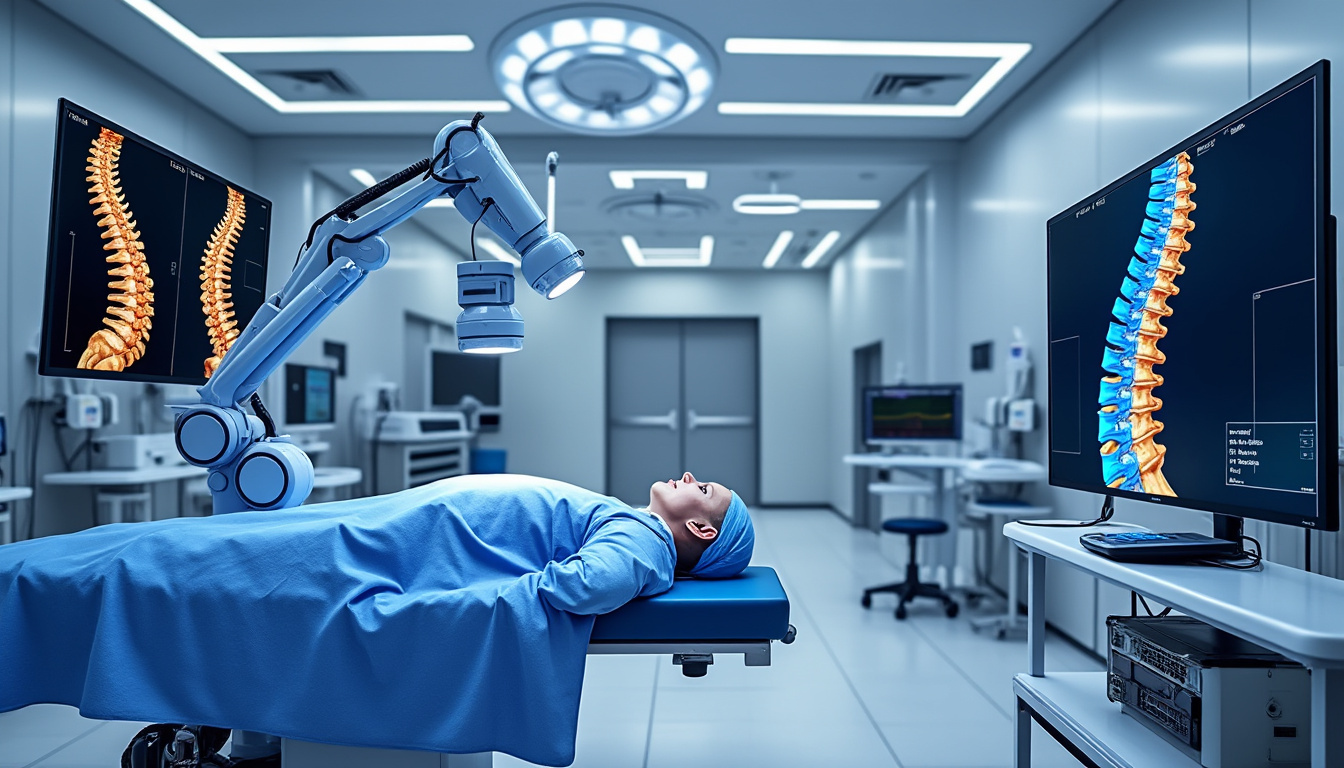
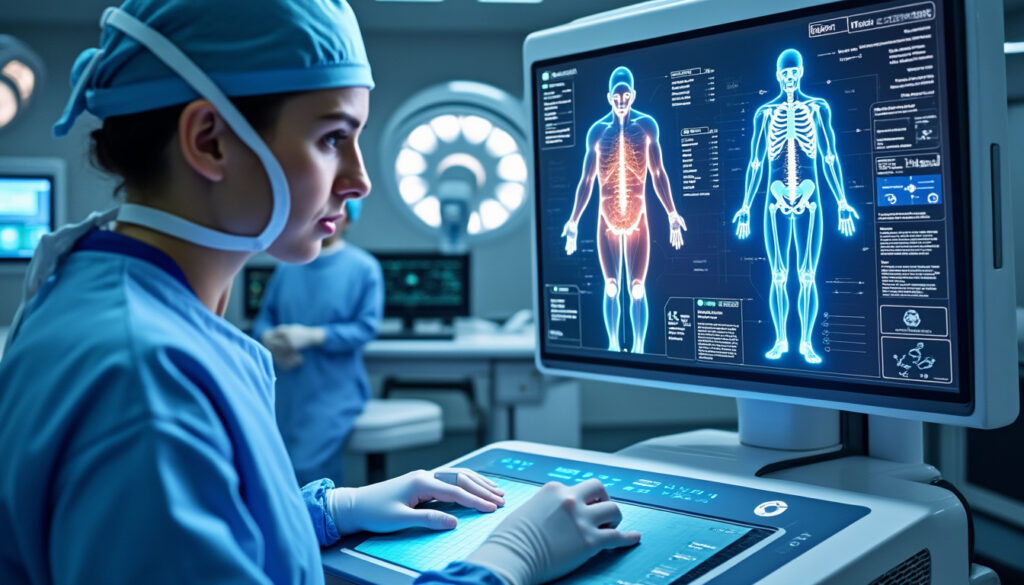
The integration of robotic navigation and three-dimensional imaging has been instrumental in enhancing the accuracy of implant positioning, minimizing intraoperative trauma, and improving postoperative results. Systems like eCential Robotics have achieved FDA clearance for spine surgery navigation platforms, enabling surgeons to execute complex implant placements with unprecedented precision.
These advanced technologies synchronize with implants like TOPS and Intraspine by providing real-time anatomical visualization and guidance, reducing operative time and complication risk. Enhanced targeting safeguards neural structures and supports minimally invasive approaches, pivotal to shortening hospital stays and boosting patient recovery trajectories.
The use of robotics, coupled with validated dynamic implants, epitomizes the future of spinal surgery—combining technology-driven accuracy with biomechanical innovation to achieve superior clinical outcomes.
Why Experts Advocate for Comprehensive Preoperative Evaluations
In the complex and demanding field of spinal surgery, the emphasis on comprehensive preoperative evaluations has become a fundamental pillar supporting successful surgical outcomes. These evaluations, far beyond mere routine checks, integrate detailed analyses of patient health, surgical risk assessments,…
Overview of Top Canadian and French Centers Utilizing TOPS, Intraspine, and ESP Implants
Leading institutions in both Canada and France have embraced these dynamic stabilization implants, furnishing patients with access to the latest surgical innovations. In Quebec, centers working in tandem with clinical and rehabilitation experts ensure integrated care, while French hospitals such as those in Bordeaux, Toulouse, and Le Mans stand at the forefront of device implantation and research.
These facilities combine state-of-the-art operating theaters, including robotic assistance and enhanced imaging capabilities, with multidisciplinary teams to tailor surgical plans according to evolving patient needs. The involvement of institutional expertise from dosage courses such as the Diplôme Inter-Universitaire de Chirurgie du Rachis (SFCR) and training offered by EUROSPINE further attest to the high competency levels in managing complex spinal conditions using TOPS, Intraspine, and ESP devices.
Collaborations across these centers not only benefit individual patients but drive ongoing clinical research and postoperative care refinements, reinforcing the pivotal role of innovative implants in shaping the paradigm of successful spinal surgery outcomes worldwide.
Innovative Implants Comparison
Compare key criteria across TOPS, Intraspine, and ESP implants
| Criteria | TOPS | Intraspine | ESP |
|---|
The Future of Surgery Lies in Stepwise Functional Recovery
The evolution of surgical care in 2026 reveals a compelling shift toward approaches that prioritize the holistic recovery of patients, moving beyond traditional metrics like length of hospital stay or mortality rates. This modern paradigm highlights the principle that the…
Key Attributes of Innovative Implants Driving Successful Outcomes in Spinal Surgery
- Dynamic Stabilization: Preserving physiological spinal movements reduces adjacent segment degeneration and chronic pain.
- Minimally Invasive Technique: Decreases surgical trauma, facilitating quicker patient recovery and less morbidity.
- Biomechanically Engineered Design: Each implant is crafted to replicate or support natural spinal kinetics.
- Regulatory Certification: Rigorous testing and approvals ensure safety and performance standards.
- Integrated Care Pathways: Collaborative transatlantic programs enhance patient access and continuity of care.
- Tailored Patient Selection: Multidisciplinary evaluation guarantees appropriate implant choice for optimized outcomes.
- Enhanced Rehabilitation: Early mobilization and targeted physiotherapy improve functional restoration.
What are the primary advantages of the TOPS system compared to lumbar fusion?
The TOPS system provides dynamic stabilization that preserves natural lumbar segment mobility, reducing the risk of adjacent segment arthritis, improving postoperative rehabilitation, and diminishing pain after surgery.
Which patients are suitable candidates for innovative implants like TOPS and Intraspine?
These implants are primarily designed for patients with moderate lumbar stenosis or grade 1-2 spondylolisthesis who have not responded to at least 3-6 months of conservative treatment and maintain segmental mobility.
How is postoperative care organized for patients returning to Quebec after surgery?
Postoperative follow-up is managed by Neurothérapie Montréal, which provides personalized rehabilitation and symptom management, ensuring optimal functional recovery after surgery.
What treatment options exist if TOPS is not indicated for a patient?
Alternative surgical options include Intraspine implantation, simple decompression procedures, or lumbar fusion, depending on patient-specific pathology and severity.
How does SOS Tourisme Médical facilitate the patient care pathway?
SOS Tourisme Médical offers guidance on eligibility criteria, educates about innovative surgical techniques, and assists with administrative processes to ensure secure and timely access to surgical care in France.
Common Pitfalls to Avoid in Neurovertebral Decompression Therapy and Its Crucial Role
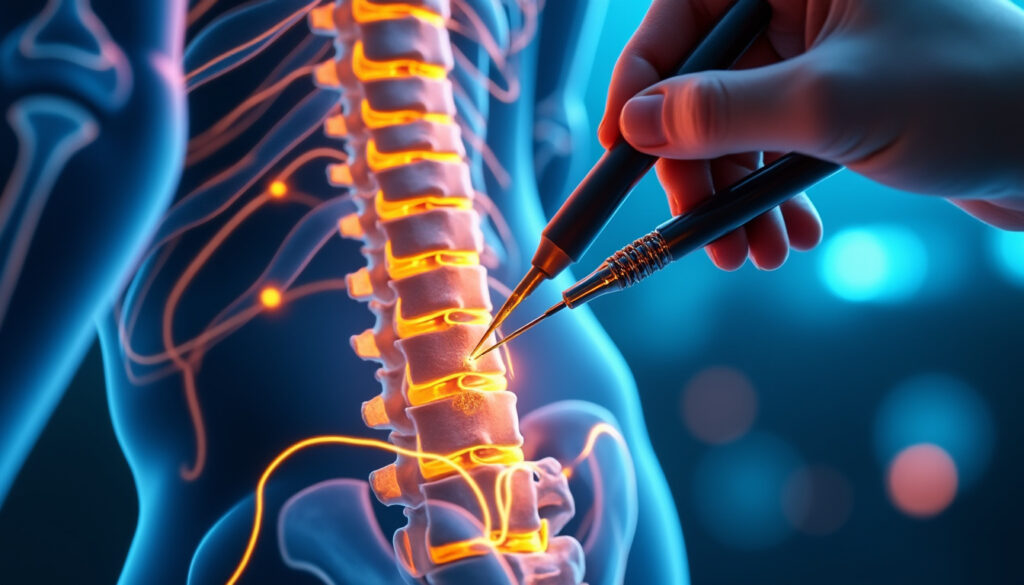
Neurovertebral decompression therapy has emerged as a sophisticated non-invasive medical intervention aimed at relieving chronic spinal pain, particularly associated with conditions such as herniated discs and spinal stenosis. As spinal disorders persist as a leading cause of disability worldwide, patients…