The Pivotal Role of Innovative Implants: TOPS™, Intraspine®, and ESP in Achieving Successful Outcomes
July 15, 2026
The Stepwise Role of Functional Recovery in Achieving Successful Outcomes
July 15, 2026
The emergence of the Transatlantic Patient Journey as a strategic model within healthcare continues to capture attention for its innovative potential, especially in specialized fields such as spinal surgery. This cross-border care pathway integrates rigorous medical evaluation from Quebec with advanced surgical techniques found in France, creating a unique synergy aimed at amplifying patient experience and clinical outcomes. With an emphasis on structured coordination and state-of-the-art technologies, this patient journey offers a compelling alternative to traditional treatment options, addressing typical challenges such as prolonged wait times and fragmented post-operative support. The dynamic interface between Canadian healthcare systems and French medical expertise exemplifies the power of international collaboration in optimizing therapeutic success and quality of life for patients requiring complex interventions, particularly those related to the spine.
The Transatlantic Patient Journey encompasses a carefully orchestrated continuum that, beyond the surgical intervention itself, includes comprehensive preoperative assessment, conservative treatment alternatives, and meticulous post-operative rehabilitation. Its indications span patients afflicted by degenerative spine conditions, where standard local resources may be limited or delayed due to systemic constraints. This innovative approach harnesses not only surgical advancements like dynamic implants and robotic-assisted decompression but also holistic patient-centered processes that contribute to improved healthcare outcomes. Challenges remain inherent, including logistical coordination, cultural nuances, and ensuring compliance with dual healthcare regulations, yet these are progressively addressed through dedicated facilitators and integrated management platforms. Overall, this transatlantic collaboration stands as a landmark evolution in healthcare delivery, broadening access and refining standards for spinal pathologies across continents.
Comprehensive Evaluation and Indications for the Transatlantic Spine Surgery Pathway
The cornerstone of the transatlantic patient journey is an exhaustive, multidisciplinary evaluation process that precedes any decision for surgical intervention. Patients from Quebec, frequently confronted with long waiting periods and escalating costs, undergo an initial in-depth assessment led by experts such as Dr. Sylvain Desforges at Clinique TAGMED. This evaluation not only reviews the complete medical history and diagnostic imaging but critically assesses response to conservative management strategies, ensuring surgery remains a carefully weighed choice rather than a premature step.
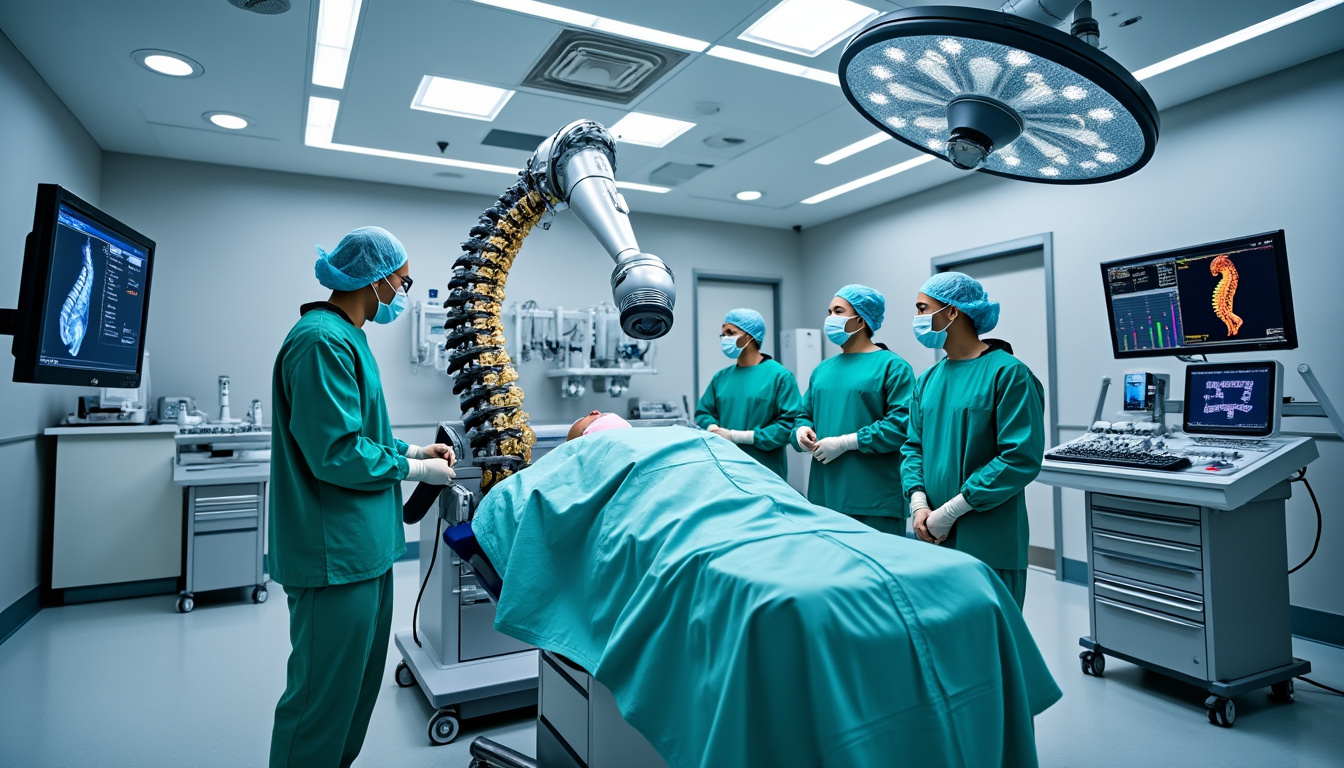
Indications for embarking upon this international route primarily involve complex degenerative spine diseases including severe scoliosis, advanced arthrosis, or persistent nerve compressions unrelieved by non-invasive treatments. The decision-making framework incorporates objective criteria aligned with Canadian and Quebec medical guidelines, alongside personalized patient factors such as functional impairment and quality of life considerations. The transatlantic model pays particular attention to integrating neurovertebral decompression techniques facilitated by robotic systems, a conservative intervention often employed as an intermediary step prior to surgery.
This stage of analysis is vital not only for surgical candidacy but also to tailor the subsequent treatment pathway. A noteworthy feature is the ethical commitment to ensure all conservative options are exhausted or deemed unsuitable before surgical referral. The evaluation encompasses functional assessments, pain scales, and mobility studies, providing a holistic view of patient status. By enforcing such stringent criteria, the program enhances patient safety and maximizes the likelihood of favorable outcomes.
To illustrate, consider a patient with lumbar spinal stenosis exhibiting debilitating leg pain and reduced ambulation after six months of conservative care including physiotherapy and analgesics. The transatlantic pathway would first confirm the failure of these therapies and then plan a customized intervention, possibly incorporating minimally invasive decompression followed by dynamic stabilization implants available through French expertise, aligning with the latest spinal surgery innovations.
The rigorous medical insights gained during this phase form the blueprint for the entire transatlantic journey, representing a critical dimension in safeguarding that only patients who will truly benefit proceed to surgery. Such preparedness ultimately streamlines healthcare delivery and fosters better long-term healthcare outcomes.

Understanding Sciatic Pain: Key Symptoms and When to Seek Medical Advice
Sciatic pain is a prevalent condition impacting a wide demographic, manifesting primarily as intense pain radiating from the lower back down the leg. This pain stems from irritation or compression of the sciatic nerve, a major nerve extending through the…
Advanced Surgical Techniques Available in France: Fusion, Mobility Preservation, and Endoscopic Innovations
France’s healthcare sector is distinguished in 2026 for encompassing a broad array of spinal surgical techniques unmatched in many regions, including Quebec. These range from traditional arthrodesis (fusion) procedures to novel motion preservation surgeries and cutting-edge endoscopic approaches that reflect the evolving state of spinal care.
Fusion surgeries remain a mainstay for conditions necessitating spinal stability, such as severe vertebral instability or deformities like scoliosis. The procedure involves immobilizing targeted vertebral segments using implants like intersomatic cages, screws, and plates to achieve solid arthrodesis. While fusion effectively alleviates pain, it can impact spine mobility; however, minimally invasive approaches developed in France have significantly mitigated post-operative discomfort and accelerated rehabilitation.
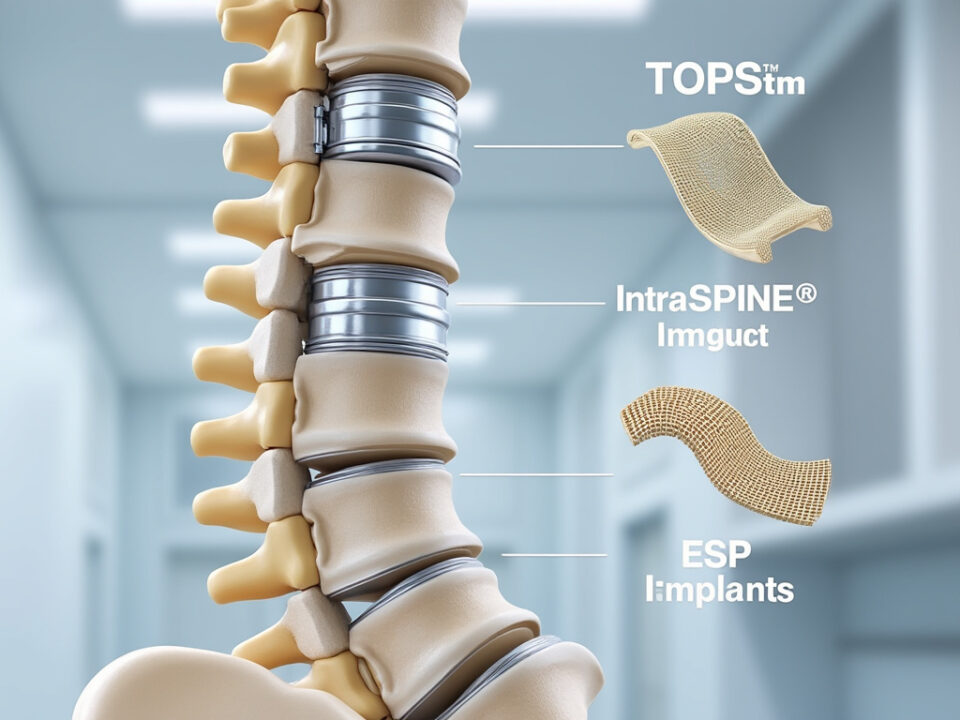
Motion preservation techniques constitute an important evolution aiming to maintain physiological spinal dynamics. Devices such as cervical or lumbar disc prostheses exemplify this philosophy by replacing degenerated discs while preserving motion and reducing adjacent segment degeneration risk. Implants like TOPS (Total Posterior Spine) or Intraspine integrate into surgical protocols, offering benefits in terms of reduced stiffness and improved functional recovery. This focus on preserving spinal mobility aligns with the broader goals of enhancing patient experience and sustaining quality of life.
Endoscopic spinal surgery represents a leap forward in minimally invasive therapies, employing video-assisted visualization through small incisions for precise decompression of nerve roots and disc herniations. These technologies minimize tissue trauma, shorten hospital stays, and diminish scar formation, thereby enhancing patient satisfaction and functional outcomes. The integration of robotic assistance during these procedures further elevates precision and safety, an innovation actively disseminated across French surgical centers certified by organizations such as EUROSPINE.
Moreover, partnerships with advanced implant manufacturers, including Premia Spine and Cousin Spine, facilitate access to dynamic implants unavailable locally, broadening therapeutic horizons. The meticulous selection of surgical methods, based on stringent patient profiling and pathology specifics, illustrates the tailored care at the heart of the transatlantic patient journey.
Examples from clinical practice demonstrate that a patient receiving a dynamic stabilization implant after endoscopic decompression in France often reports faster recovery and better vertebral function than traditional fusion, validating the added value of these techniques. Such surgical diversity, only accessible through international collaboration, significantly shapes the benefits realized in this cross-border healthcare model.

The Stepwise Role of Functional Recovery in Achieving Successful Outcomes
The journey to full recovery following spinal surgery is often complex and multifaceted, demanding a meticulously structured approach to ensure optimal functional outcomes. In recent years, the concept of functional recovery through a stepwise approach has garnered significant attention in…
Strategic Coordination and Logistical Management in the Transatlantic Patient Journey
An indispensable component ensuring the success of the transatlantic patient journey is the seamless coordination of cross-border care logistics. The company Franchir exemplifies this role by managing all operational aspects from patient referral to post-hospitalization arrangements in France.
Coordination begins after a validated surgical candidacy and includes selecting the most suitable French surgical center and specialist, considering factors such as case complexity and institutional expertise. Additionally, comprehensive management of travel arrangements, accommodations, and local support structures reduces patient stress and administrative burdens often barriers to international care. This level of orchestration fosters a secure environment conducive to optimal medical results.
Further, data sharing protocols safeguard patient information while complying with both Canadian and European regulations, enhancing transparency and clinical communication. Continuous dialogue between Quebec-based teams such as TAGMED and French surgical units promotes adaptive treatment plans and real-time problem solving throughout the care trajectory.
This high degree of logistical and clinical collaboration ensures patients receive an integrated experience, minimizing interruptions in care continuity—a critical factor in post-operative recovery. After surgery, follow-up care coordinated by Neurothérapie Montréal offers personalized rehabilitation and monitoring, anchoring the healthcare outcome within a local context while reflecting the benefits of specialized treatments abroad.
For example, a spinal surgery patient returning to Quebec after French intervention benefits from structured physical therapy programs adapted to the surgical technique employed, supported by a multidisciplinary network actively communicating across borders. This continuity reduces complications and facilitates reintegration into daily life.
Such a comprehensive coordination framework addresses one of the key challenges of cross-border healthcare: logistical complexity, demonstrating that an effective transatlantic patient journey demands not only medical excellence but also meticulous organizational expertise to generate superior patient care experiences.
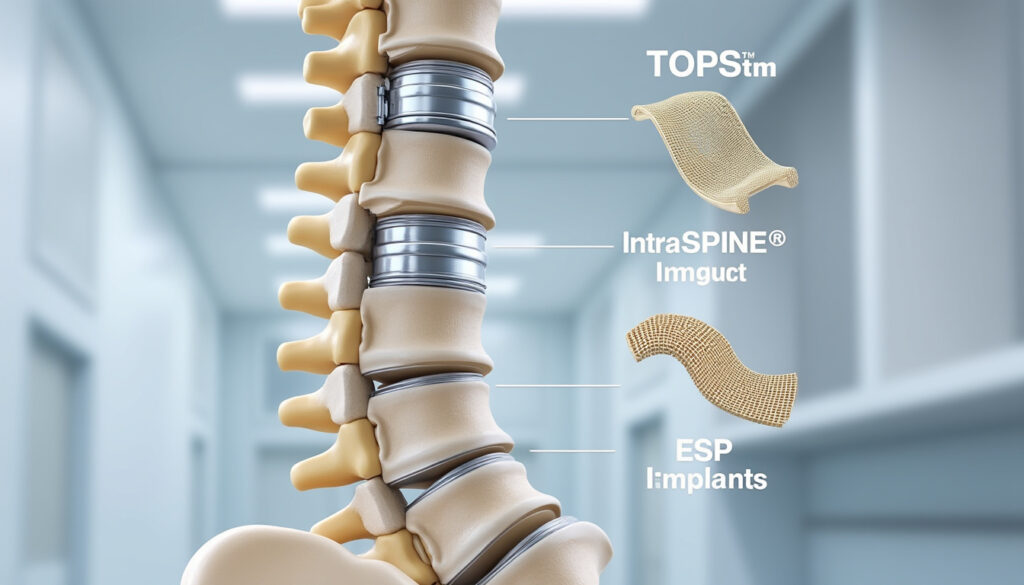
The evolving field of spinal surgery is witnessing a transformative shift, fueled by cutting-edge implant technologies such as TOPS, Intraspine, and ESP. These innovative implants redefine treatment possibilities by emphasizing preservation of natural spinal mechanics, while ensuring durable stabilization and…
Innovative Preoperative Conservative Treatments and Their Role in Reducing Surgical Necessity
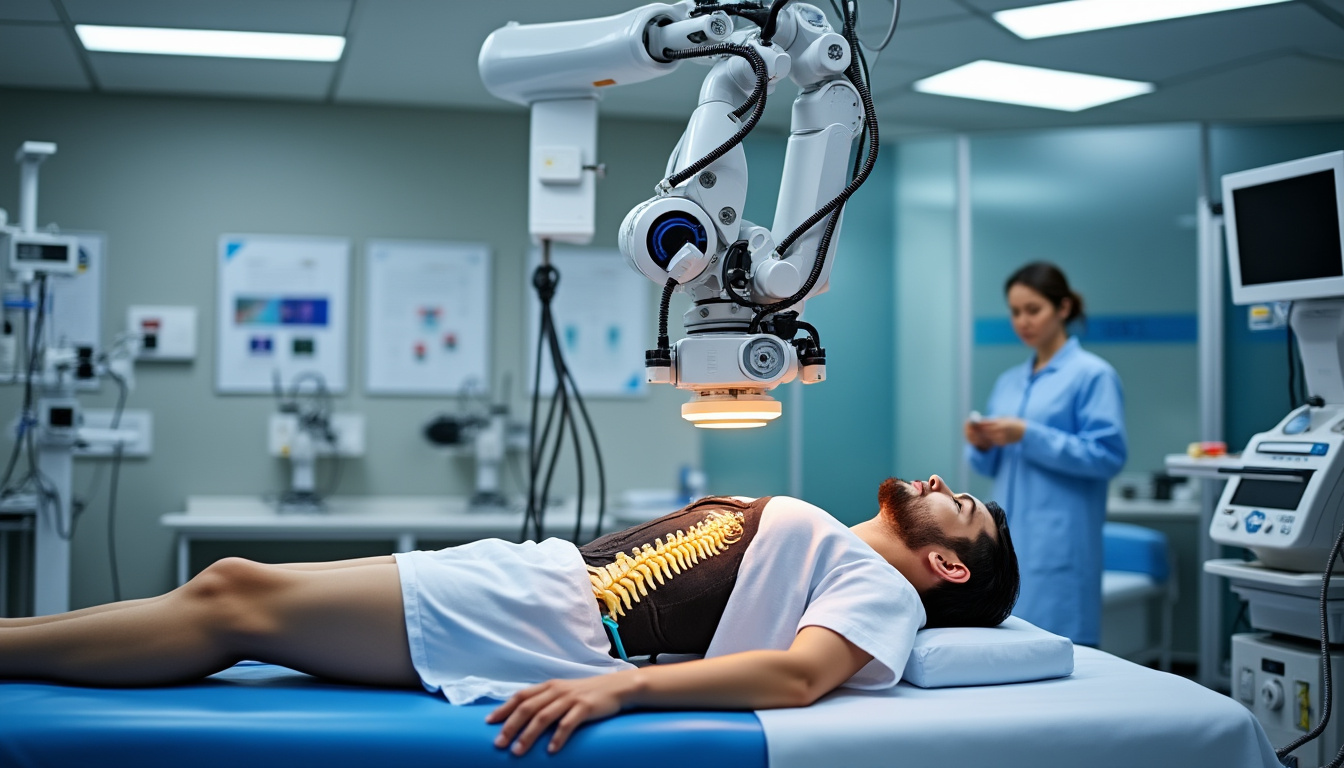
Robust medical insights emphasize the importance of attempting advanced conservative management before surgical intervention. Under the supervision of experts at Clinique TAGMED, specialized non-invasive approaches such as robotic-assisted neurovertebral decompression have gained prominence as essential components of the transatlantic patient journey.
These treatments leverage computer-controlled traction systems to alleviate nerve compression in cervical and lumbar spines, delivering significant symptom relief without surgery. Extensive application over 3 to 6 months aligns with Canadian and Quebec standards advocating conservative treatment as primary management for degenerative spinal conditions. Such protocols serve to minimize surgical demand and improve surgical candidacy when indicated, optimizing overall healthcare outcomes.
Complementary care including osteopathic manual therapy tailored to individual pathology, educational support to enhance patient understanding, and meticulous follow-up consultations further reinforce conservative strategies’ efficacy. This integrative approach ensures patients are fully informed about treatment benefits and limitations, empowering shared decision-making and compliance.
The success of this systematic conservative approach is notable in patient cohorts displaying moderate radiculopathy or stenosis, where up to 40% achieve meaningful functional improvements and pain reduction, potentially averting surgery altogether. In cases where surgery proceeds, patients are better prepared physically and psychologically, contributing to decreased perioperative risks and enhanced recovery.
An illustrative scenario involves a patient initially reluctant toward surgery benefiting substantially from robotic decompression, achieving sufficient symptom control to delay or avoid invasive procedures. This case exemplifies how preoperative conservative care integrates within the transatlantic framework as both an ethical imperative and a practical benefit.

Preparing for Surgery in France: Key Indications, Benefits, and Limitations
In an evolving global healthcare landscape, France emerges as a beacon of advanced surgical expertise, particularly attracting international patients seeking expedited and innovative medical interventions. Patients from regions experiencing long wait times, such as Quebec, increasingly view France as an…
Benefits of the Transatlantic Patient Journey: Biomechanical, Human, and Economic Perspectives
The multifaceted advantages of the transatlantic pathway extend well beyond speed of care, encompassing biomechanical innovation, holistic patient support, and cost-efficiency over time. French surgical availability of dynamic implants like TOPS and Intraspine directly contributes to more physiologically favorable spinal mechanics. These technologies minimize adjacent segment degeneration and preserve mobility, which correlates with improved functional outcomes and reduced secondary complications.
Human factors also prominently feature, with continuous, empathetic support punctuating the patient’s journey from evaluation to rehabilitation. The presence of an accessible expert such as Dr. Desforges, known for clear communication and commitment to ethical care, alleviates patient anxiety and fosters trust in the process. This psychological environment is especially crucial in complex spine surgeries where understanding risks and benefits empowers patient participation and adherence.
From an economic viewpoint, while initial expenditures for travel and advanced implants may appear higher compared to local private surgeries, a broader analysis reveals significant cost offsets. These arise from shorter disability periods, decreased complication rates, and streamlined post-operative care coordination. Additionally, transparent pricing consolidated by Franchir eliminates administrative inefficiencies and unexpected expenses.
Below is a comparative table illustrating key parameters between local private care in Quebec and the comprehensive transatlantic pathway:
| Criteria | Local Private Care (Quebec) | Transatlantic Pathway (France-Quebec) |
|---|---|---|
| Waiting Time | 6 to 24 months | 2 to 4 months |
| Technology & Implants | Standard implants | Dynamic advanced implants (TOPS, Intraspine) |
| Post-operative Follow-up | Standard, often fragmented | Personalized via Neurothérapie Montréal |
| Total Cost (including travel) | Variable, sometimes high | Clear pricing including coordination |
| Quality of Life Post-op | Variable based on intervention type | Optimized by technology and coordinated care |
These data highlight the transatlantic patient journey’s potential to elevate standards of care through integrated innovation and patient-centric management, enhancing healthcare outcomes while balancing economic realities.

Unveiling the Hidden Benefits of Quality and Certification in Devices
The landscape of device manufacturing and clinical application in 2026 has been fundamentally shaped by the rigorous interplay between quality management and certification processes. Within this complex framework, the hidden benefits of adhering to international standards and obtaining relevant certifications…
Challenges in the Transatlantic Patient Journey: Navigating Cross-Border Complexities and Patient Experience
While the benefits of the transatlantic journey are compelling, patients and providers face inherent challenges, notably geographic distance, regulatory compliance, and cultural differences that can complicate care continuity. Ensuring synchronized communication across different health systems demands robust protocols and technological platforms optimized for secure data exchange.
Additionally, patients often encounter emotional hurdles, such as anxiety towards unfamiliar healthcare environments and managing expectations when treatment outcomes depend on multi-phase processes spread across two countries. Addressing these concerns requires not only clinical expertise but dedicated psychosocial support services to maintain engagement and satisfaction.
Logistical challenges include arranging repeat visits for post-operative monitoring, coordinating multidisciplinary rehabilitation, and overcoming potential language barriers despite shared francophone contexts. Healthcare providers must also adapt to differing clinical practice guidelines, insurance paradigms, and legal frameworks without compromising patient safety or increasing administrative burdens.
Importantly, multidisciplinary teams emphasize transparency and patient education to mitigate confusion and empower patients through every phase. Through ongoing research and strategic refinement, solutions such as virtual consultations and telehealth integrations have begun alleviating some of these barriers, paving the way for more streamlined transatlantic patient journeys as documented in expert reviews on managing these pathways.
These challenges underscore the complexity of cross-border healthcare yet also highlight the resilience and adaptability of dedicated professionals who navigate this pioneering model to optimize healthcare outcomes for patients abroad.

Why Experts Advocate for Comprehensive Preoperative Evaluations
In the complex and demanding field of spinal surgery, the emphasis on comprehensive preoperative evaluations has become a fundamental pillar supporting successful surgical outcomes. These evaluations, far beyond mere routine checks, integrate detailed analyses of patient health, surgical risk assessments,…
Educating Patients for Preparedness: Essential Tips for Success in Transatlantic Medical Travel
Preparation remains key for patients undertaking a transatlantic spine surgery journey. Informative programs led by clinical teams aim to set realistic expectations and clarify the pathway ahead. Comprehensive education encompasses medical indications, procedural risks, logistical arrangements, and post-operative rehabilitation plans, thus fostering patient empowerment.
Patients are advised to gather thorough documentation of their medical history and prior treatments to expedite evaluation. Understanding the benefits and limitations of exotic implants or robotic techniques helps mitigate uncertainties. Awareness of travel needs, potential language nuances, and cultural considerations also contributes to smoother transitions and reduced anxiety.
The use of digital platforms allowing pre-travel virtual visits, educational webinars, and real-time communication channels fortify patient engagement, ensuring preparedness before departure. This approach reduces avoidable pitfalls documented in the healthcare literature as impeding success and satisfaction in transatlantic pathways.
The following list summarizes key tips for patients embarking on this journey:
- Ensure completion of recommended conservative therapies before surgical evaluation.
- Maintain clear, accessible health records for cross-border clinical teams.
- Engage actively in pre-travel education sessions and virtual consultations.
- Plan for comprehensive post-operative follow-up and rehabilitation at home.
- Establish communication lines with coordinators and healthcare providers across both countries.
- Prepare practically for international travel logistics to reduce stress-related complications.
These strategies derive from successful precedents and specialist recommendations, enhancing patient experience and clinical outcomes in this sophisticated model of care.
Transatlantic Patient Journey Quiz
Interactive multiple choice quiz on spine surgery patient journey across the Atlantic.
The Future of Surgery Lies in Stepwise Functional Recovery
The evolution of surgical care in 2026 reveals a compelling shift toward approaches that prioritize the holistic recovery of patients, moving beyond traditional metrics like length of hospital stay or mortality rates. This modern paradigm highlights the principle that the…
Impact of Transatlantic Patient Journeys on Healthcare Outcomes and Innovation
Emerging evidence supports that transatlantic patient journeys significantly contribute to enhanced healthcare outcomes by combining specialized expertise, state-of-the-art technologies, and personalized care models. This integrated approach breaks down regional limitations, facilitating access to rare surgical options that improve biomechanical restoration and pain relief.
Clinical data indicates patients undergoing dynamic stabilization or endoscopic procedures through this pathway experience quicker functional recovery and reduced complication rates compared to reported outcomes following conventional local surgeries. Such innovations underpin sustainable healthcare successes and fulfill growing patient expectations for quality and safety.
Furthermore, collaborative networks established by this international partnership generate continuous feedback loops fostering iterative clinical improvements and knowledge exchange, enriching medical education and driving future innovation. In this manner, the transatlantic patient journey functions not only as a treatment avenue but also as a catalyst for advancing spine care practices on a global scale.
Healthcare policymakers and stakeholders increasingly recognize the value of such models in addressing systemic challenges like surgical waitlists and specialized resource allocation. This recognition aligns with broader trends documented in recent analyses outlining the transformative potential of transatlantic patient journeys in modern medicine.

What specific spine conditions are best suited for the transatlantic patient journey?
Conditions such as severe scoliosis, degenerative disc disease unresponsive to conservative therapy, and spinal stenosis are primary indications for this pathway.
How is post-operative follow-up coordinated across borders?
Post-operative care is managed locally through specialized centers like Neurothérapie Montréal, maintaining continuous communication with French surgical teams to ensure cohesive rehabilitation.
What role do advanced conservative treatments play before surgery?
They aim to reduce surgery necessity by alleviating symptoms through innovative methods such as robotic-assisted neurovertebral decompression, adhering to Canadian healthcare guidelines.
What are common challenges faced by patients during transatlantic medical travel?
Challenges include managing long-distance logistics, adapting to different healthcare systems, navigating regulatory frameworks, and addressing emotional stress related to cross-border care.
Why is France a preferred destination for advanced spinal surgery?
France offers cutting-edge surgical techniques, dynamic implants unavailable in Quebec, and a well-established infrastructure supporting minimally invasive and robotic-assisted surgery.
Common Pitfalls to Avoid in Neurovertebral Decompression Therapy and Its Crucial Role
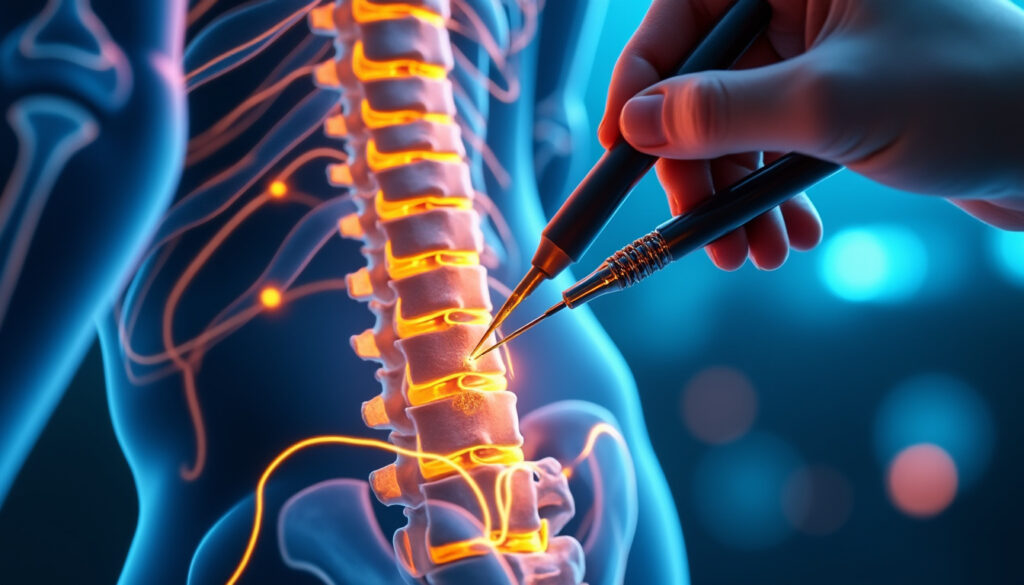
Neurovertebral decompression therapy has emerged as a sophisticated non-invasive medical intervention aimed at relieving chronic spinal pain, particularly associated with conditions such as herniated discs and spinal stenosis. As spinal disorders persist as a leading cause of disability worldwide, patients…