Transatlantic Patient Journey: Insights into Indications, Benefits, and Challenges
July 15, 2026
Lumbar Disc Prosthesis in Saguenay: Maintain Spinal Biomechanics
July 15, 2026
The journey to full recovery following spinal surgery is often complex and multifaceted, demanding a meticulously structured approach to ensure optimal functional outcomes. In recent years, the concept of functional recovery through a stepwise approach has garnered significant attention in the medical community. This method divides the rehabilitation process into well-defined stages that prioritize gradual progression tailored to the patient’s unique physiological healing and capabilities, ultimately fostering successful outcomes and long-term health improvement. Integrating advanced neuromodulatory techniques and coordinated patient-centered care, this progressive rehabilitation strategy underscores the significance of clear recovery milestones and the dynamic adjustment of therapy stages.
Spinal surgery patients increasingly benefit from personalized rehabilitation protocols that recognize the critical balance between protecting healing tissues and promoting early mobility. This balance reduces complications and expedites return to daily activities or sports at prior levels of function. With the escalation of internet-based exercise training programs and an expanding toolbox of technological innovations like transcranial magnetic stimulation (rTMS), BrainPort, and PoNS, the field now embraces comprehensive, integrated recovery solutions. These innovations, coupled with close collaboration between international care teams, ensure a smooth care pathway for patients undergoing complex procedures, especially those navigating transatlantic surgical journeys.
As patient outcomes become the paramount measure of quality care, the stepwise role of functional recovery emerges not only as a framework for physical restoration but also as a holistic approach that addresses pain management, neuropsychological well-being, and social reintegration. This article delves into the detailed mechanisms behind stepwise rehabilitation, highlighting its adaptability, technological enhancements, and the critical role of multidisciplinary collaboration in facilitating true health improvements.
Fundamentals of Functional Recovery: Understanding the Stepwise Approach for Spinal Surgery Patients
Functional recovery is a clinical process through which patients regain the ability to perform significant activities after musculoskeletal injuries or surgical interventions, particularly in spinal care. The stepwise approach strategically segments this recovery into distinct therapy stages, enabling healthcare providers to systematically guide patients through phases of healing and rehabilitation that respect natural biological progression.
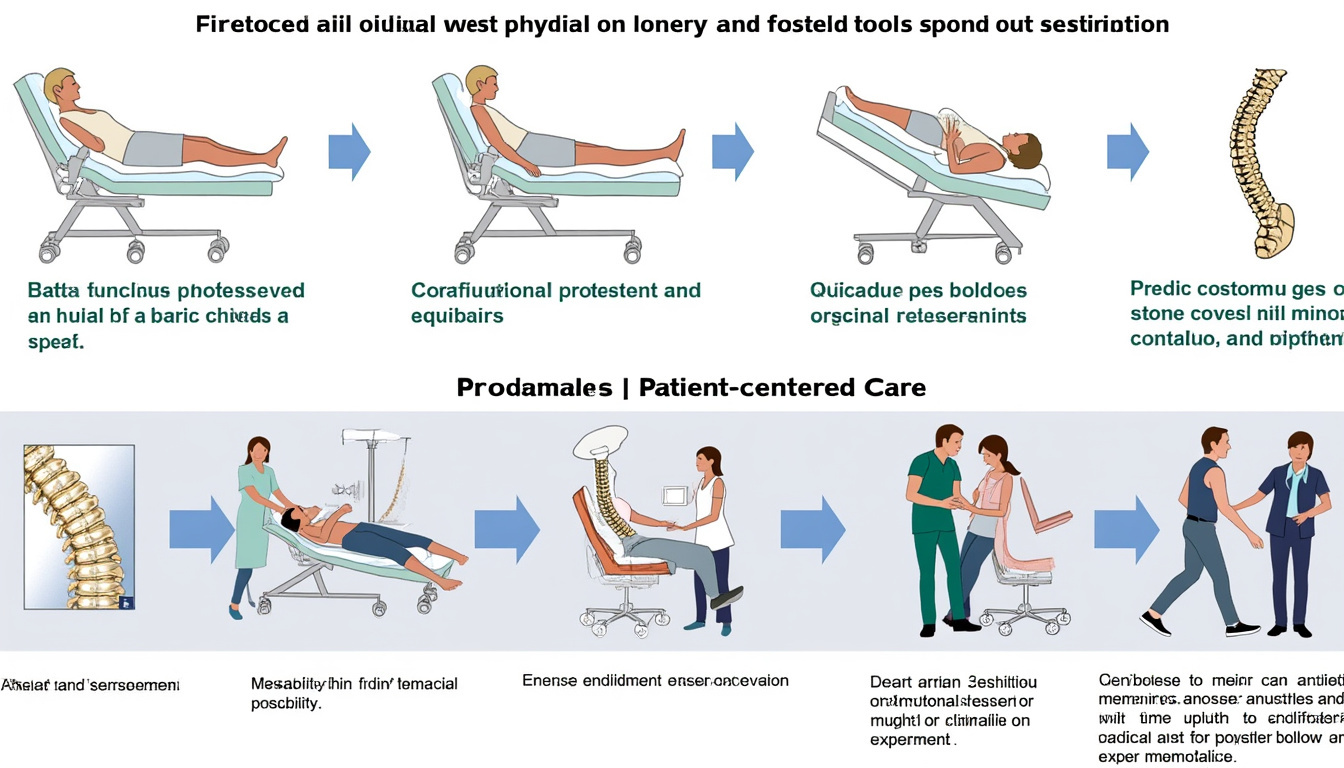
The initial stages focus on minimizing pain and inflammation while avoiding premature physical stress to protect surgical sites. Passive mobilizations and cautious posture education form the cornerstone of early convalescence. As patients move into middle stages, exercises evolve to improve muscular strength and endurance while preserving spinal stability. Subsequently, advanced therapeutic interventions, including neuromodulation via repetitive transcranial magnetic stimulation (rTMS), actively support motor function restoration and pain attenuation.
This gradual progression allows for personalized treatment effectiveness evaluation at each juncture, ensuring adjustments that optimize recovery without risking setbacks. The rationale aligns with evidence highlighting that controlled load-bearing and systematic performance goals minimize postoperative complications such as stiffness, thrombotic events, or neuropathic pain. In light of this, the stepwise approach not only accelerates functional gains but importantly nurtures patient confidence and motivation.
Moreover, comprehensive rehabilitation encompassing sensory and cognitive rehabilitation addresses potential neurological sequelae. The method’s adaptability extends to different types of spinal interventions, ranging from minimally invasive procedures to complex fusion surgeries. Such adaptability affirms the approach’s universality in fostering durable health improvements by aligning treatment intensity with evolving patient capacity.
Understanding Sciatic Pain: Key Symptoms and When to Seek Medical Advice
Sciatic pain is a prevalent condition impacting a wide demographic, manifesting primarily as intense pain radiating from the lower back down the leg. This pain stems from irritation or compression of the sciatic nerve, a major nerve extending through the…
Role of Neuromodulation and Advanced Technologies in Enhancing Functional RecoveryProgression
Incorporating cutting-edge neuromodulatory techniques such as repetitive transcranial magnetic stimulation (rTMS) has revolutionized rehabilitation post spinal surgery. rTMS modulates brain activity to alleviate chronic pain syndromes, particularly neuropathic pain, which is a common challenge in post-laminectomy syndrome cases. By stimulating cortical areas responsible for motor and sensory pathways, rTMS fosters neuroplasticity that accelerates the return of motor function and enhances neurological recovery milestones.
Beyond rTMS, novel devices like BrainPort and PoNS provide sensory stimulation through unconventional pathways, reinforcing rehabilitation via multisensory feedback. These tools complement traditional physical therapy, creating a synergy that reinforces motor relearning and reduces patient dependency on pain medications.
This technological ensemble is integrated within a framework of continuous clinical assessment that allows real-time monitoring of treatment effectiveness. Such adaptive therapies ensure that patients receive an optimal balance of stimulation and rest aligned with their recovery phase, maximizing long-term gains.
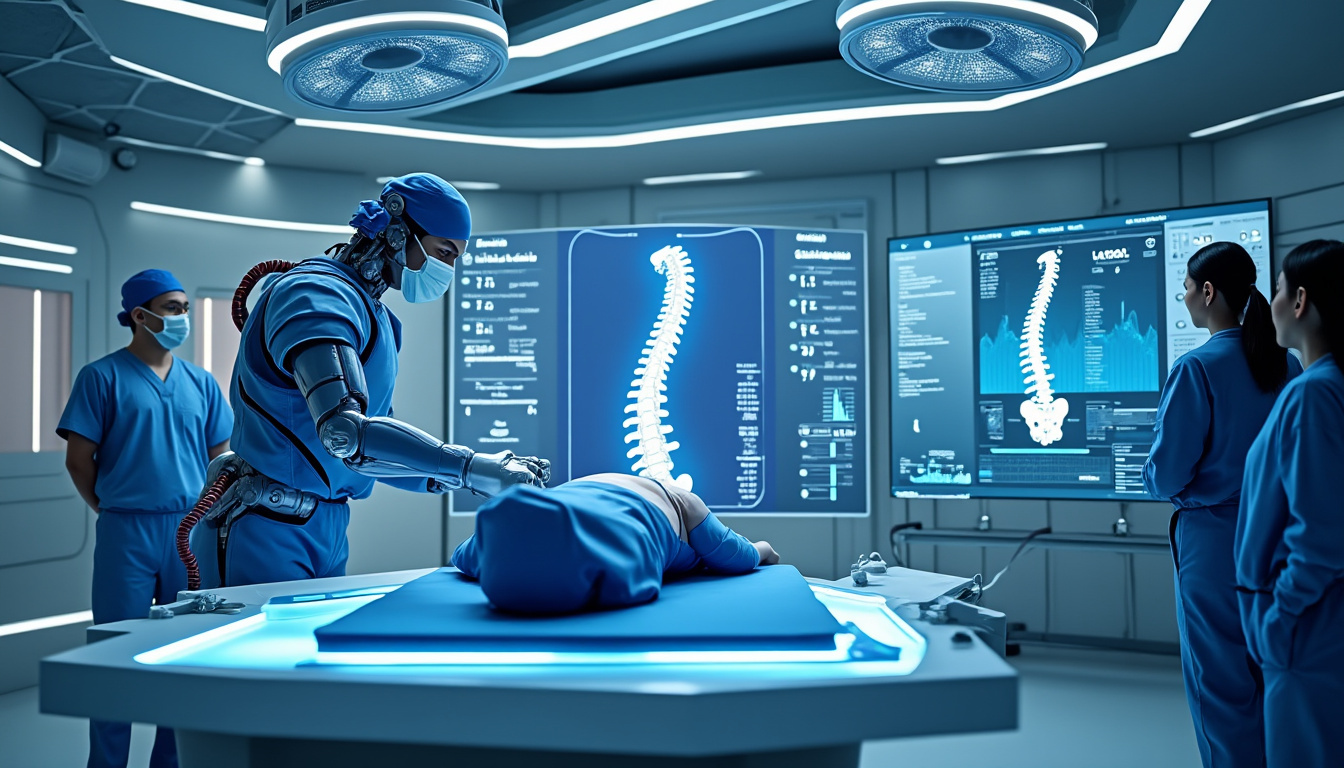
Similarly, aids such as Therabody, Compex, and Normatec enhance muscular function and circulation during later rehabilitation stages through pneumatic compression and electrical muscle stimulation. These adjunct modalities alleviate muscular fatigue and facilitate the transition back to demanding activities, including sports. The deployment of robotic-assisted spinal surgery navigation and 3D imaging further refines surgical precision, indirectly benefiting postoperative recovery trajectories by reducing tissue trauma and promoting faster initial healing.
Continuous innovation combined with a medically supervised, stepwise rehab protocol illustrates the evolving landscape of spinal surgery recovery, aimed squarely at achieving comprehensive health improvement.

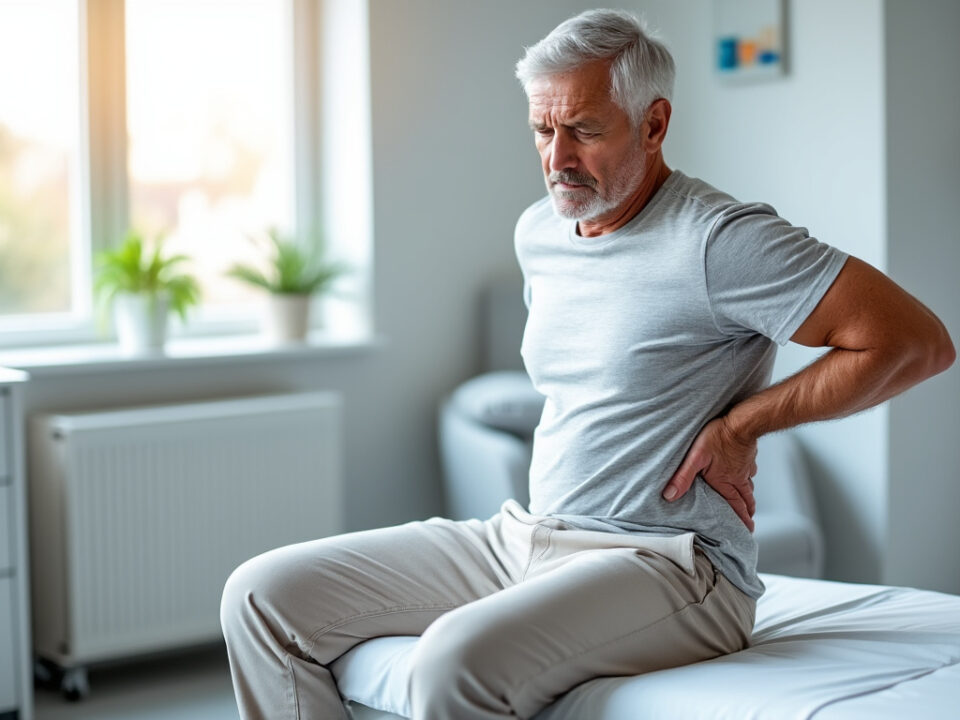
Transatlantic Patient Journey: Insights into Indications, Benefits, and Challenges
The emergence of the Transatlantic Patient Journey as a strategic model within healthcare continues to capture attention for its innovative potential, especially in specialized fields such as spinal surgery. This cross-border care pathway integrates rigorous medical evaluation from Quebec with…
International Collaborative Models Supporting Patient-Centered Care in Post-Surgical Rehabilitation
In cases of transatlantic spinal surgery, patient-centered care becomes a complex pursuit involving seamless collaboration across multidisciplinary teams in different countries. Neurothérapie Montréal exemplifies this model by coordinating postoperative follow-up for Quebecois patients operated on in France. Such coordination includes thorough neurofunctional assessments, integration of surgical notes, and tailored rehabilitation plans that honor the surgeon’s recommendations while balancing local patient capacities.
This cross-border model ensures continuity and consistency of care, minimising fragmentation and improving treatment effectiveness. Patients benefit from a progressive recovery plan that is continuously adapted based on periodic clinical evaluations. In this context, telemedicine and digital tools also play essential roles in enhancing communication between patients and providers, fostering patient engagement in their own recovery journey.
Furthermore, partnerships with entities like SOS Tourisme Médical and Franchir enable logistical support, reducing patient stress related to travel and accommodation. This holistic system highlights the significance of addressing not just medical but also psychological and social determinants of health in functional recovery.
Such international collaborations reinforce the importance of multidisciplinary teamwork and an integrated care pathway to achieve successful outcomes, particularly in complex surgeries requiring prolonged rehabilitation. They stand as a benchmark for best practice in delivering comprehensive patient-centered treatment in an increasingly globalized medical environment.
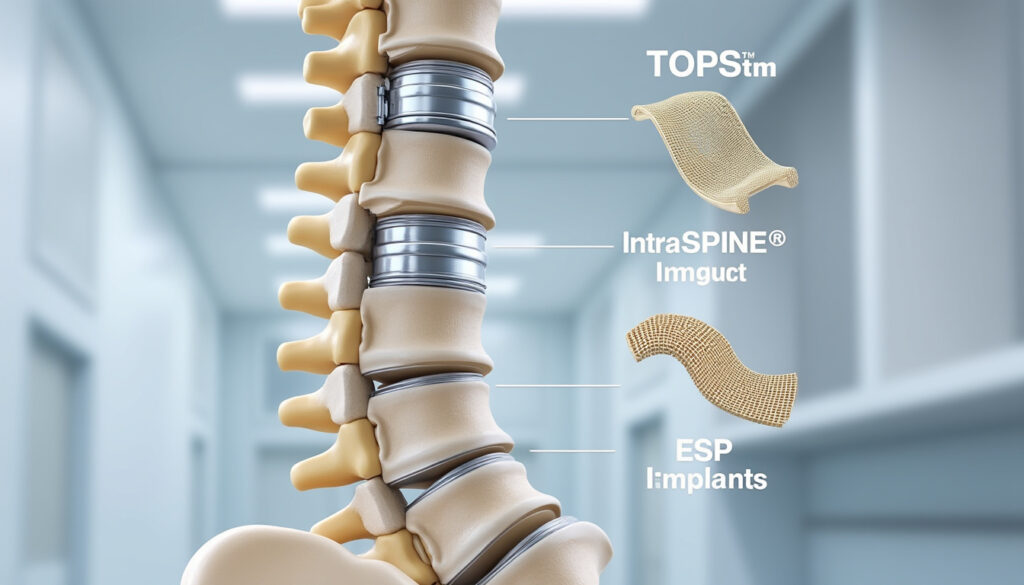
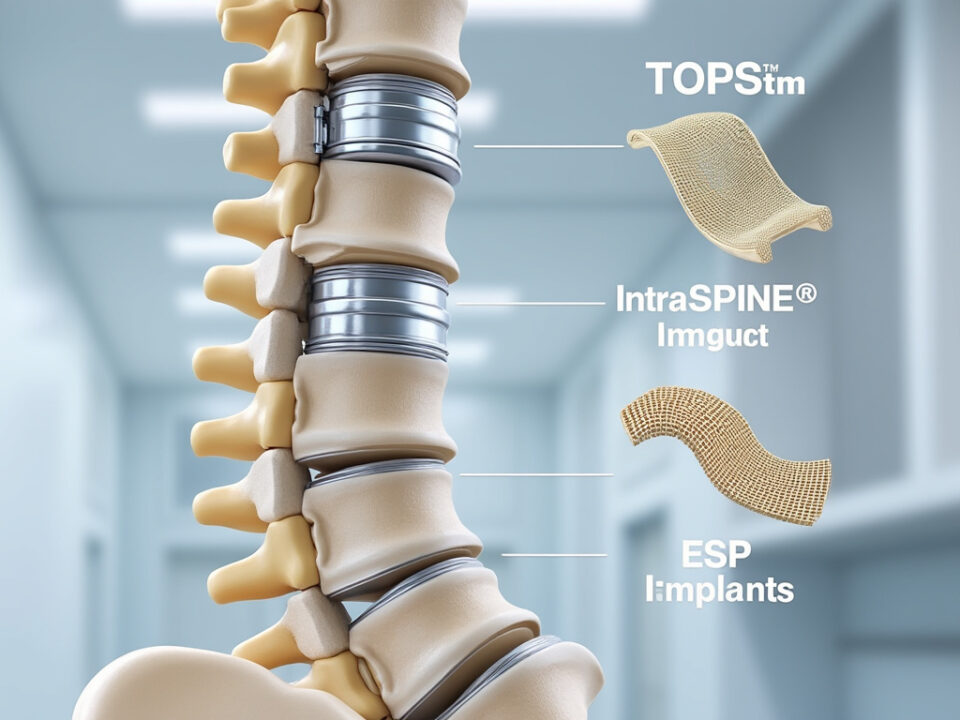
The evolving field of spinal surgery is witnessing a transformative shift, fueled by cutting-edge implant technologies such as TOPS, Intraspine, and ESP. These innovative implants redefine treatment possibilities by emphasizing preservation of natural spinal mechanics, while ensuring durable stabilization and…
Defining Recovery Milestones: Tailoring Rehabilitation Objectives to Different Surgical Interventions
Each spinal surgery type demands a customized roadmap of functional recovery, with specific milestones marking progress across therapy stages. These recovery markers provide patients and clinicians with tangible goals that underscore incremental health improvement, boosting motivation and guiding practical adjustments.
For minimally invasive surgeries, such as endoscopic procedures, early mobilization is encouraged within days of operation, promoting walking and light daily tasks. Typically, full return to work occurs within 4 to 6 weeks, and gradual resumption of sports around the 3-month mark, always under medical supervision.
Procedures involving motion preservation techniques like disc prostheses or TOPS implants require careful attention to spinal mobility. Rehabilitation starts with controlled movements progressing to complex neuromuscular coordination exercises, supported by neuromodulation to mitigate pain and enhance motor outcomes.
Patients undergoing fusion or arthrodesis face longer recovery timelines due to the need for bone consolidation. Walking starts cautiously after two or three weeks, with return to professional activities often extending over several months and sport postponed beyond six months. Neuromodulatory strategies play a critical role here, not only for chronic pain management but also for addressing emotional challenges associated with prolonged convalescence.
| Type of Surgery | Walking Resumption | Return to Work | Sports Resume | Neuromodulation Support |
|---|---|---|---|---|
| Minimally Invasive (Endoscopic) | 1 to 3 days | 4 to 6 weeks | 3 months | As needed for pain |
| Motion Preservation (Disc Prosthesis, TOPS) | 3 to 5 days | 4 to 8 weeks | 2 to 4 months | Optimal for motor recovery |
| Fusion/Arthrodesis | 2 to 3 weeks | 3 to 6 months | 6 months and beyond | Frequent for chronic pain |
These well-defined recovery milestones help in crafting patient-specific, realistic rehabilitation timelines, enabling safer and more sustainable health improvement. For instance, patients like Marie, who underwent lumbar fusion, report regaining walking independence and returning to low-impact activities such as yoga within months, testimony to the effectiveness of a stepwise approach highly attuned to surgical nuances.
Preparing for Surgery in France: Key Indications, Benefits, and Limitations
In an evolving global healthcare landscape, France emerges as a beacon of advanced surgical expertise, particularly attracting international patients seeking expedited and innovative medical interventions. Patients from regions experiencing long wait times, such as Quebec, increasingly view France as an…
Optimizing Patient Engagement Through Personalized and Progressive Rehabilitation Programs
Patient motivation and active participation in rehabilitation are pivotal for achieving successful outcomes. The stepwise recovery approach fosters this by establishing clear, measurable goals at each stage, reducing anxiety and reinforcing patient confidence. This framework invites patients to become co-architects of their recovery journey, embracing a sense of empowerment and control over their health advancement.
Regular assessments of motor and sensory function enable clinicians to tailor exercises and stimulation protocols precisely to evolving patient capacities. Patient-centered care is further enhanced through transparent communication, supported by digital platforms that facilitate ongoing dialogue, remote monitoring, and motivational feedback. This empowers patients to adapt their activity levels safely while staying informed about their progress.
Critical elements promoting engagement include:
- Setting personalized recovery goals to match the patient’s baseline and aspirations
- Adjusting therapy intensity and neuromodulation parameters based on incremental improvements
- Providing psychological support to navigate emotional challenges during convalescence
- Utilizing technological aids such as rTMS to enhance physical and mental resilience
- Encouraging gradual autonomy aligned with regained functional capacity
This comprehensive strategy nurtures a holistic rehabilitation process that addresses physical, psychological, and social dimensions. The result is improved long-term patient performance and quality of life, reflective of sustainable functional recovery.
The Stepwise Role of Functional Recovery in Achieving Successful Outcomes
Interact with each step to learn more about rehabilitation milestones, therapy stages, and patient-centered care.
Select a step above to see detailed information.
Therapy Progression & Milestones Timeline
${stepsInfo[step].title}
${stepsInfo[step].description}
`; descSection.focus(); } }); });// Draw timeline SVG function drawTimeline() { const svgWidth = timelineSvg.clientWidth || 800; const svgHeight = 150; const padding = 50; const barHeight = 30;// Clear SVG while(timelineSvg.firstChild) { timelineSvg.removeChild(timelineSvg.firstChild); } timelineSvg.setAttribute(‘height’, svgHeight);// Calculate total duration const totalDays = therapyTimelineData[therapyTimelineData.length – 1].endDay;// Create group container for bars const barsGroup = document.createElementNS(“http://www.w3.org/2000/svg”, “g”); timelineSvg.appendChild(barsGroup);therapyTimelineData.forEach((stage, index) => { // Calculate width in pixels proportional to days const width = ((stage.endDay – stage.startDay) / totalDays) * (svgWidth – 2 * padding); const x = padding + ((stage.startDay / totalDays) * (svgWidth – 2 * padding)); const y = 40;// Rectangle for timeline stage const rect = document.createElementNS(“http://www.w3.org/2000/svg”, “rect”); rect.setAttribute(‘x’, x); rect.setAttribute(‘y’, y); rect.setAttribute(‘width’, width); rect.setAttribute(‘height’, barHeight); rect.setAttribute(‘fill’, stageColors[index % stageColors.length]); rect.setAttribute(‘rx’, 6); rect.setAttribute(‘ry’, 6); rect.setAttribute(‘tabindex’, 0); rect.setAttribute(‘role’, ‘button’); rect.setAttribute(‘aria-label’, `${stage.stage} from day ${stage.startDay} to ${stage.endDay}. Milestone: ${stage.milestone}`);// Tooltip on hover/focus rect.addEventListener(‘mouseenter’, () => showTooltip(stage, x, y)); rect.addEventListener(‘mouseleave’, hideTooltip); rect.addEventListener(‘focus’, () => showTooltip(stage, x, y)); rect.addEventListener(‘blur’, hideTooltip);barsGroup.appendChild(rect);// Text label for stage below the bar const label = document.createElementNS(“http://www.w3.org/2000/svg”, “text”); label.setAttribute(‘x’, x + width / 2); label.setAttribute(‘y’, y + barHeight + 20); label.setAttribute(‘text-anchor’, ‘middle’); label.setAttribute(‘fill’, ‘#333’); label.setAttribute(‘font-size’, ’14’); label.textContent = stage.stage; barsGroup.appendChild(label); });// Timeline axis line const axis = document.createElementNS(“http://www.w3.org/2000/svg”, “line”); axis.setAttribute(‘x1’, padding); axis.setAttribute(‘x2’, svgWidth – padding); axis.setAttribute(‘y1’, 40 + barHeight / 2); axis.setAttribute(‘y2’, 40 + barHeight / 2); axis.setAttribute(‘stroke’, ‘#999’); axis.setAttribute(‘stroke-width’, 2); timelineSvg.appendChild(axis); }// Tooltip element const tooltip = document.createElement(‘div’); tooltip.setAttribute(‘role’, ‘tooltip’); tooltip.style.position = ‘absolute’; tooltip.style.padding = ‘8px 12px’; tooltip.style.backgroundColor = ‘rgba(59, 130, 246, 0.9)’; tooltip.style.color = ‘white’; tooltip.style.borderRadius = ‘6px’; tooltip.style.fontSize = ’14px’; tooltip.style.pointerEvents = ‘none’; tooltip.style.transition = ‘opacity 0.2s ease’; tooltip.style.opacity = 0; tooltip.style.zIndex = 9999; document.body.appendChild(tooltip);// Show tooltip near the rect element function showTooltip(stage, x, y) { const svgRect = timelineSvg.getBoundingClientRect(); tooltip.textContent = `${stage.milestone} (${stage.startDay}–${stage.endDay} days)`; const left = svgRect.left + x + 10; const top = svgRect.top + y – 40; tooltip.style.left = left + ‘px’; tooltip.style.top = top + ‘px’; tooltip.style.opacity = 1; } function hideTooltip() { tooltip.style.opacity = 0; }// Initial draw drawTimeline();})();
Unveiling the Hidden Benefits of Quality and Certification in Devices
The landscape of device manufacturing and clinical application in 2026 has been fundamentally shaped by the rigorous interplay between quality management and certification processes. Within this complex framework, the hidden benefits of adhering to international standards and obtaining relevant certifications…
Clinical Evidence Supporting the Efficacy of Stepwise Functional Recovery Protocols
Research continues to validate the stepwise approach as an effective mechanism for improving surgical outcomes in spinal interventions. Scientific studies emphasize that functional recovery marked by clear progression criteria aligns closely with enhanced pain control, increased mobility, and reduced rates of complications.
For instance, longitudinal studies have tracked cohorts through varied therapy stages, noting consistent improvements in functional scores when protocols emphasize gradual load increase and neuroplastic stimulation. Patient-reported outcomes further affirm improvements in quality of life and mental health when comprehensive neuromodulatory support complements physical therapy.
The adoption of such protocols across institutions also correlates with more standardized care pathways, less variability in recovery times, and higher rates of return to preoperative activity levels. This evidence underscores that treatment effectiveness is maximized when rehabilitation integrates biological healing principles with patient-centered milestones and multidisciplinary oversight.
For comprehensive clinical guidelines on functional rehabilitation, readers may consult resources like clinical overviews on functional rehabilitation or explore detailed strategies through integrative platforms that highlight the stepwise recovery process and its transformative impact.
Why Experts Advocate for Comprehensive Preoperative Evaluations
In the complex and demanding field of spinal surgery, the emphasis on comprehensive preoperative evaluations has become a fundamental pillar supporting successful surgical outcomes. These evaluations, far beyond mere routine checks, integrate detailed analyses of patient health, surgical risk assessments,…
Addressing Psychological and Quality of Life Aspects During Functional Recovery Progression
Successful recovery transcends physiological healing to encompass mental health and overall well-being. Postoperative patients frequently face emotional distress, anxiety, or depressive symptoms, which can hinder progress if left unaddressed. Rehabilitation plans must therefore incorporate psychological support as a core component of each therapy stage.
Interventions that utilize neuromodulation not only target physical nerve pathways but also modulate brain regions involved in mood regulation. This dual effect helps mitigate postoperative psychological burdens and fortifies the resilience required for sustained engagement in rehabilitation activities.
Holistic care models build structured psychosocial support into recovery milestones, providing counseling and strategies to manage fears of re-injury or chronic pain cycles. This patient-centered approach enhances overall quality of recovery, enabling individuals to reintegrate socially and professionally with confidence.
Evidence suggests that early attention to mental health during convalescence reduces long-term dependency on analgesics and associated complications, contributing to a more favorable health trajectory. Thus, mental well-being is inseparable from physical rehabilitation in the ethos of stepwise functional recovery.
The Future of Surgery Lies in Stepwise Functional Recovery
The evolution of surgical care in 2026 reveals a compelling shift toward approaches that prioritize the holistic recovery of patients, moving beyond traditional metrics like length of hospital stay or mortality rates. This modern paradigm highlights the principle that the…
Emerging Trends and the Future Landscape of Functional Recovery in Spinal Surgery Outcomes
The future of spinal surgery rehabilitation in 2026 and beyond is intricately linked with ongoing technological advancements and evolving patient-centered care frameworks. Innovations such as artificial intelligence-guided therapy adjustment, virtual reality for immersive motor retraining, and remotely monitored neuromodulation promise to refine and personalize recovery trajectories further.
Additionally, integration of 3D printed vertebrae models and robotic-assisted surgical systems enhances precision at the operative phase, thereby facilitating smoother convalescence experiences through minimized tissue disturbance and clearer recovery benchmarks.
Multidisciplinary and international collaborations are expected to expand, allowing for standardized protocols that incorporate best practices from global centers of excellence. This will create a more accessible and cohesive care landscape for diverse patient populations, including those pursuing medical tourism options.
Ultimately, this future-oriented progress aims to transform functional recovery from a reactive process into a proactive, predictive model—anticipating patient needs, minimizing complications, and maximizing successful outcomes. Embracing these innovations within a structured stepwise rehabilitation framework reaffirms the commitment to patient well-being and efficient health improvement.
What is the concept of stepwise functional recovery?
Stepwise functional recovery segments the rehabilitation process into progressive stages that respect the patient’s biological healing and physiological capacity, optimizing recovery while minimizing risks associated with premature activity.
How does repetitive transcranial magnetic stimulation (rTMS) support postoperative recovery?
rTMS modulates cortical brain activity to reduce chronic pain, enhance motor function, and support psychological well-being during recovery after spinal surgery.
Why is personalized patient-centered care critical in spinal surgery rehabilitation?
A personalized plan adapts therapeutic protocols to individual patient needs and progression rates, which fosters motivation, improves outcomes, and prevents complications.
How do recovery milestones influence rehabilitation success?
Recovery milestones provide clear targets for patients and clinicians, ensuring a measurable and safe progression through therapy stages that build functional capacity sustainably.
What multidisciplinary roles enhance the functional recovery process?
Integrated teams including surgeons, neurologists, physiotherapists, psychologists, and rehabilitation specialists contribute their expertise to address physical, neurological, and mental health aspects during recovery.
Common Pitfalls to Avoid in Neurovertebral Decompression Therapy and Its Crucial Role
Neurovertebral decompression therapy has emerged as a sophisticated non-invasive medical intervention aimed at relieving chronic spinal pain, particularly associated with conditions such as herniated discs and spinal stenosis. As spinal disorders persist as a leading cause of disability worldwide, patients…