Herniated Disc in Plateau-Mont-Royal: Your Essential Guide to Booking Appointments and Neurovertebral Decompression Treatment
July 28, 2026
Cervical Disc Prosthesis in Quebec: Restoring Lasting Mobility
July 29, 2026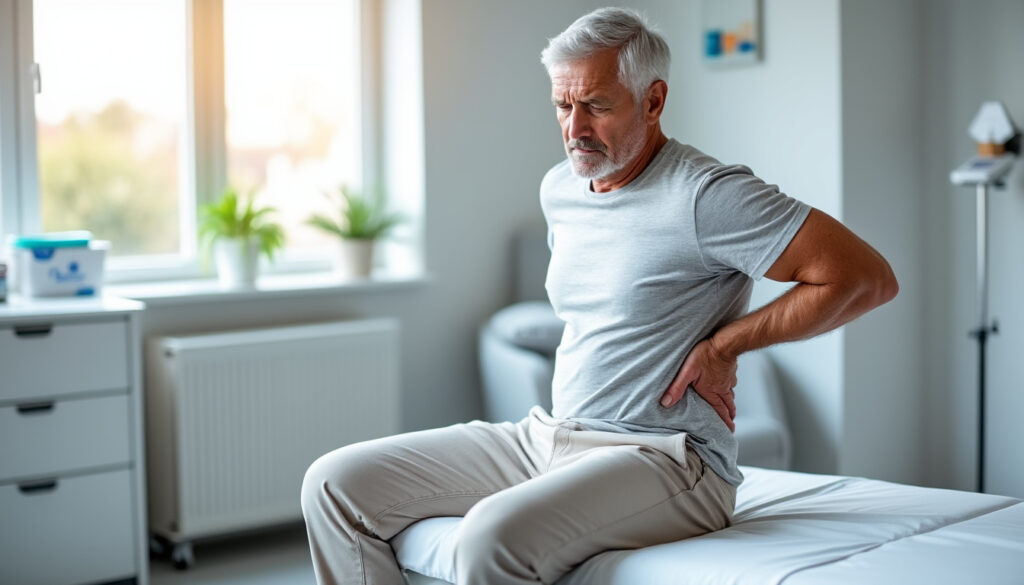
Sciatic pain is a prevalent condition impacting a wide demographic, manifesting primarily as intense pain radiating from the lower back down the leg. This pain stems from irritation or compression of the sciatic nerve, a major nerve extending through the lower body. Although often debilitating, timely and appropriate management generally leads to favorable recovery. The complexity of sciatic nerve pain lies in its presentation and underlying causes, necessitating a detailed understanding of its symptoms, anatomical pathways, and the best times to seek professional evaluation. Recognizing the subtle distinctions in pain qualities, along with associated symptoms such as numbness or muscle weakness, is vital for patients and healthcare providers alike to tailor effective treatment strategies. This comprehension also facilitates better pain management and improves quality of life through combined medical, rehabilitative, and sometimes surgical approaches.
In medical practice, distinguishing sciatic pain from other forms of lower back and leg pain is paramount. The sciatic nerve’s unique path makes the pain distribution characteristic, aiding diagnosis. Various causes including herniated lumbar discs, spinal stenosis, and degenerative joint diseases contribute variably to the development of sciatic symptoms. Patient education plays a crucial role, informing individuals on proper posture and activity modifications to mitigate symptom progression and recurrence. Modern therapeutic protocols balance pain relief with encouraging movement to prevent muscle atrophy and joint stiffness. Understanding when medical advice is critical, particularly upon encountering worsening or persistent symptoms, can prevent complications such as irreversible nerve damage. Emerging treatment modalities and specialized centers, such as those equipped to address sciatica in the Montreal area, showcase the advancements in multidisciplinary care focused on individualized patient outcomes.
Defining Sciatic Pain: Anatomical and Symptomatological Perspectives
Sciatic pain is anatomically linked to irritation of the sciatic nerve, the largest nerve in the human body, emerging from nerve roots predominantly at L5 and S1 levels in the lumbar spine. Unlike localized lower back pain, sciatic pain is characterized by a distinct pattern of radiation extending from the lumbar region, through the buttock, down the posterior or lateral thigh, and sometimes reaching the foot. This directional quality of nerve pain can be described vividly by patients as sharp, burning, or electric shock-like sensations. The diverse descriptions reflect the nerve’s sensitivity and the inflammatory processes involved in nerve compression or irritation.
Aside from pain, one might experience a tingling sensation or numbness along the nerve’s path, frequently accompanied by muscle weakness affecting walking or foot movements such as toe-raising or heel-walking. These neurological signs underscore the degree of nerve involvement and can inform clinicians about the severity of compression or damage. Sciatic pain often exacerbates with prolonged sitting, coughing, sneezing, or specific back movements like flexion and extension, reflecting mechanical stressors on the nerve roots. The variability among individuals relates to the varying extent and location of nerve involvement, as well as duration of compression. Acute sciatica can emerge suddenly with severe intensity, necessitating prompt clinical evaluation to exclude complications.
Identifying the hallmark features of sciatica supports early referral and intervention. Importantly, patients should be counseled about avoiding prolonged immobility while undertaking controlled physical activity to promote nerve recovery. This approach distinguishes sciatic pain management from general back pain treatment, emphasizing the importance of understanding specific symptomatology for optimized care. To further explore symptom patterns and clinical presentation, resources such as Mayo Clinic’s detailed overview of sciatica symptoms offer comprehensive insights, complementing clinical knowledge.

The Stepwise Role of Functional Recovery in Achieving Successful Outcomes
The journey to full recovery following spinal surgery is often complex and multifaceted, demanding a meticulously structured approach to ensure optimal functional outcomes. In recent years, the concept of functional recovery through a stepwise approach has garnered significant attention in…
Common Causes of Sciatic Pain and Their Clinical Impact
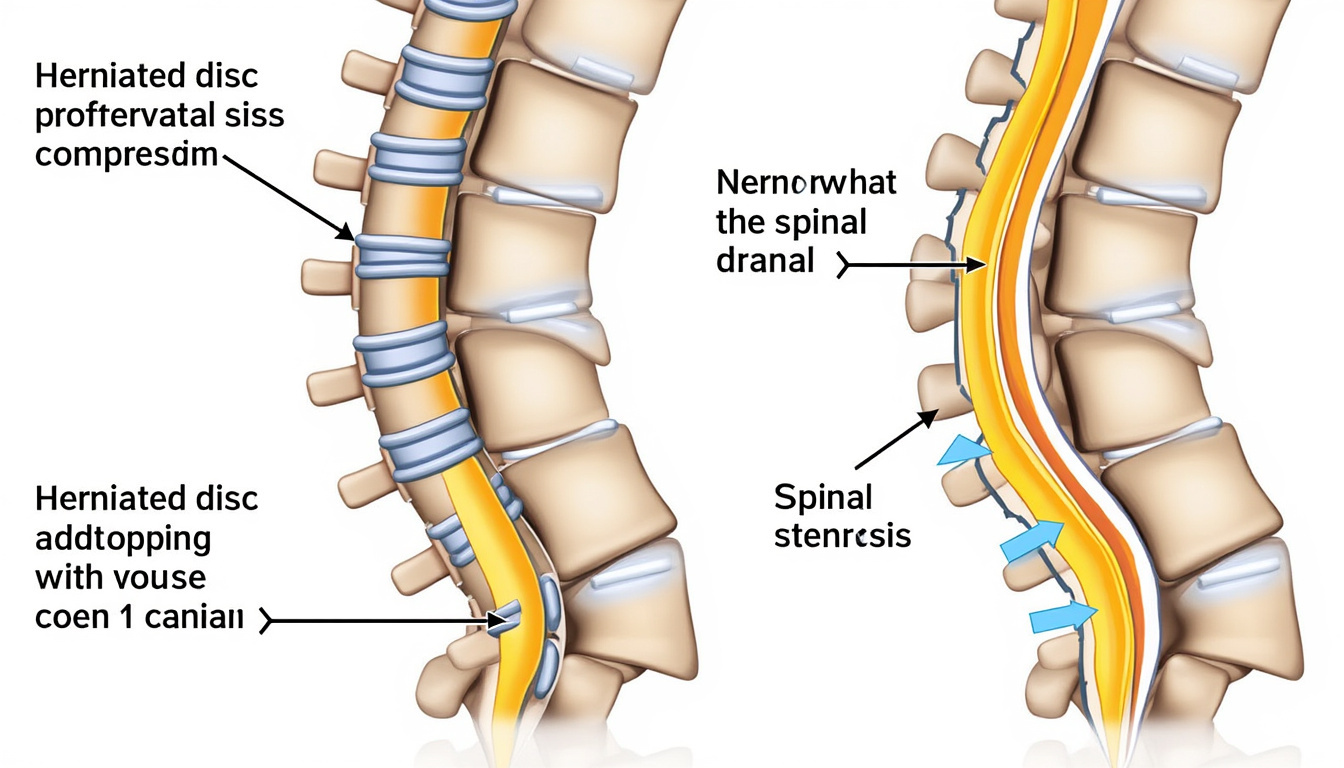
The etiology behind sciatic pain predominantly involves nerve root irritation due to various structural and degenerative changes in the lumbar spine. Herniated lumbar discs, particularly among younger and middle-aged adults, are a primary cause, where the disc’s nucleus pulposus protrudes and compresses adjacent nerve roots. This compression initiates inflammation causing the classic sciatic symptoms. The mechanistic nature of disc herniation correlates with specific movements and postures, often precipitating sudden onset sciatica severely impairing daily functions.
In older populations, degenerative spinal conditions such as lumbar spondylosis, arthrosis, or lumbar spinal stenosis play a larger role. Lumbar canal narrowing exerts chronic pressure on multiple nerve roots, leading to bilateral leg pain and claudication, a form of walking discomfort. The gradual nature of these conditions can obscure diagnosis unless properly investigated. Less frequently, conditions like spondylolisthesis causing vertebral slippage, spinal tumors, infections, or traumatic vertebral fractures also contribute to sciatic pain profiles. Comprehensive evaluation is essential to differentiate these causes and to identify urgent pathology requiring immediate intervention.
Risk factors for developing nerve compression extend beyond age to include obesity, occupations involving heavy lifting or prolonged static postures, and physiological changes during pregnancy. The accumulative mechanical stress accelerates disc degeneration and worsens nerve irritation. Understanding these risk factors aids in designing preventive strategies targeting modifiable elements. For individuals exposed to high-risk scenarios, early symptom recognition and timely intervention substantially reduce chronicity risk.
| Cause | Population Affected | Typical Symptoms | Recommended Treatment |
|---|---|---|---|
| Herniated Lumbar Disc | Young to Middle-aged Adults | Intense unilateral sciatic pain, radiating down leg | Conservative medical treatment, physiotherapy, surgery if conservative fails |
| Spinal Stenosis | Elderly Adults | Bilateral leg pain, walking difficulties due to claudication | Postural adaptation, physiotherapy, possible decompressive surgery |
| Spondylolisthesis | Various Ages | Chronic back pain, occasional radiculopathy | Conservative care; surgery if spinal instability present |
| Tumors/Infections | Rare Cases | Persistent pain with systemic symptoms | Urgent medical intervention and targeted treatment |
Clinicians often recommend specialized care pathways to optimize outcomes, such as a sciatic pain treatment program in Montreal, combining expert evaluation, advanced physiotherapy, and close follow-up. This integrated approach accentuates individualized care, addressing not only pain but also functional recovery.

Transatlantic Patient Journey: Insights into Indications, Benefits, and Challenges
The emergence of the Transatlantic Patient Journey as a strategic model within healthcare continues to capture attention for its innovative potential, especially in specialized fields such as spinal surgery. This cross-border care pathway integrates rigorous medical evaluation from Quebec with…
Recognizing When Medical Advice Is Crucial for Sciatic Pain
Determining the appropriate moment to seek medical consultation is critical in the evolution and management of sciatic pain. Most cases improve within weeks under conservative treatment, yet some develop complications warranting urgent attention. Persistent pain exceeding six weeks, especially when unresponsive to analgesics and physical therapy, signals the need for thorough medical investigation.
Neurological symptoms such as pronounced muscle weakness, inability to walk on heels or toes, diminished reflexes, or sensory loss in specific dermatomes highlight worsening nerve compression. These signs require timely diagnostic imaging and specialist referral to prevent permanent nerve damage. The most alarming indicators necessitating emergency care include acute loss of bowel or bladder control as well as saddle anesthesia—numbness around the inner thighs and groin area. Such symptoms suggest cauda equina syndrome, a neurosurgical emergency requiring immediate decompression to avoid irreversible deficits.
Besides emergencies, early consultations help establish precise diagnoses and personalized treatment plans, often incorporating medication adjustments, physiotherapy, or injections. Effective management hinges on recognizing these clinical red flags promptly, ensuring patients receive the right care at the right time. Resources like detailed guides on when to seek help for sciatica reinforce patient awareness and empower informed health decisions.
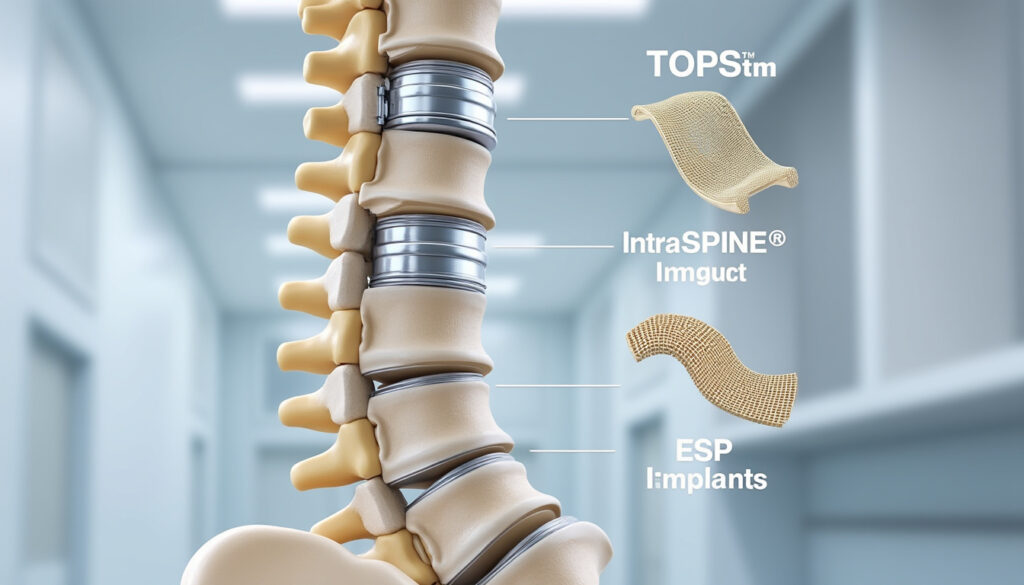
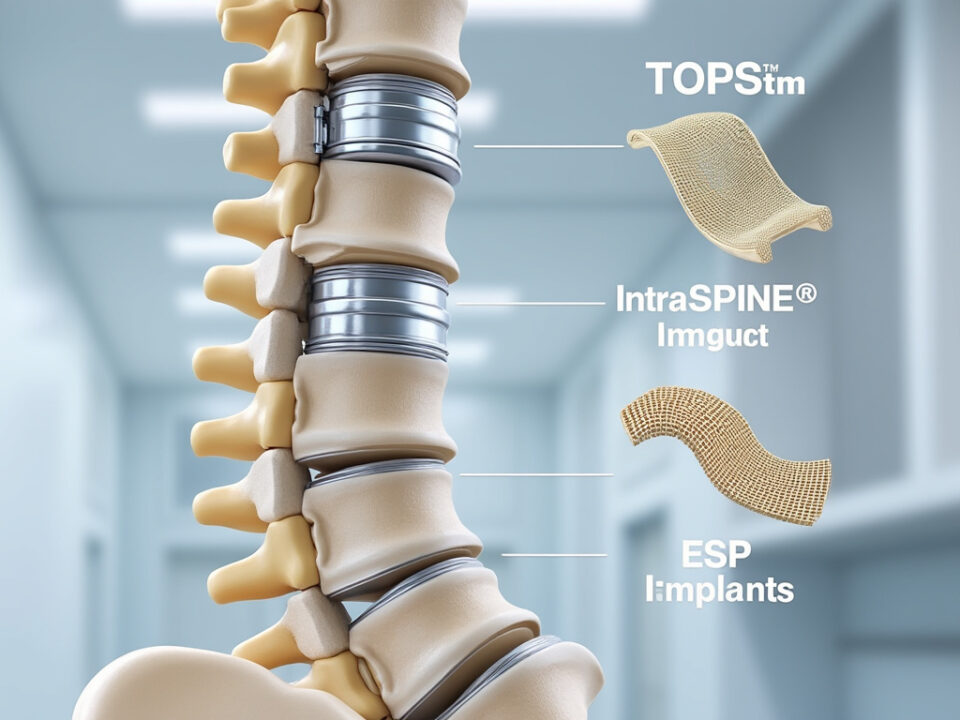
The evolving field of spinal surgery is witnessing a transformative shift, fueled by cutting-edge implant technologies such as TOPS, Intraspine, and ESP. These innovative implants redefine treatment possibilities by emphasizing preservation of natural spinal mechanics, while ensuring durable stabilization and…
Treatment Modalities: From Conservative Management to Surgical Intervention
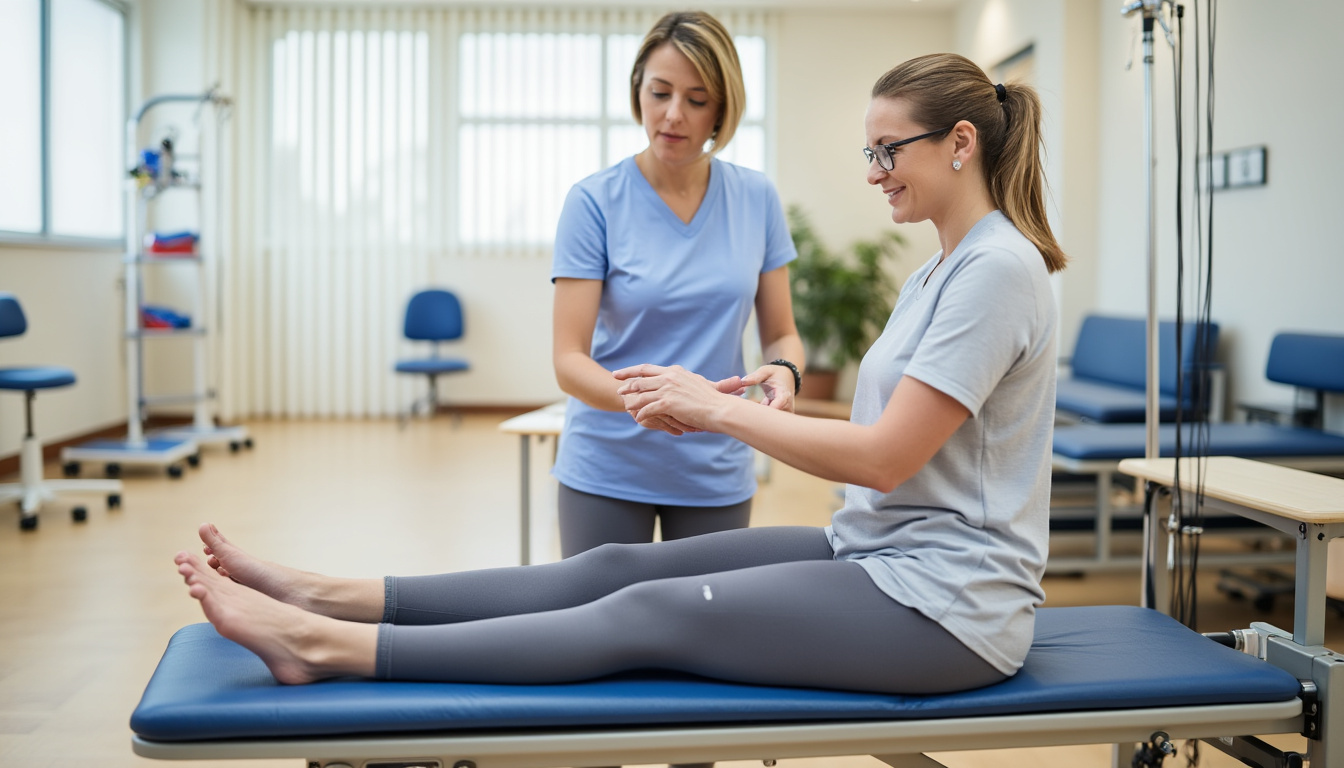
Management of sciatic pain typically starts with conservative approaches focused on symptom relief and restoring function. Pain relief medications such as analgesics and non-steroidal anti-inflammatory drugs (NSAIDs) are common first-line options. Current clinical recommendations discourage prolonged bed rest, advocating instead for controlled activity to maintain muscle strength and spine mobility. Rehabilitation through physical therapy emphasizes mobilization, gentle stretching, and core strengthening exercises, which help relieve nerve compression and improve posture.
Advancements in physiotherapy techniques include neuro-decompression therapies utilizing specialized equipment to support nerve recovery. Injectable corticosteroids, administered near the affected nerve root, provide targeted anti-inflammatory effects that can significantly reduce nerve pain and improve function in refractory cases. Despite these measures, surgery remains an option for patients with persistent severe pain or progressive neurological deficits. Modern surgical techniques favor minimally invasive procedures that decompress nerve roots while preserving spinal stability and minimizing recovery time.
Maintaining consistent physical activity and adopting ergonomic practices are critical preventive and rehabilitative strategies. Collaborative care models, such as those found within specialized clinics that manage sciatica pain effectively in places like Longueuil, integrate medical, physiotherapeutic, and sometimes surgical expertise, resulting in comprehensive and successful treatment plans tailored to individual patient needs.

Preparing for Surgery in France: Key Indications, Benefits, and Limitations
In an evolving global healthcare landscape, France emerges as a beacon of advanced surgical expertise, particularly attracting international patients seeking expedited and innovative medical interventions. Patients from regions experiencing long wait times, such as Quebec, increasingly view France as an…
Daily Lifestyle Adjustments and Preventive Measures to Minimize Sciatic Pain
Prevention of sciatic pain centers on lifestyle habits that support spinal health and reduce nerve compression risk factors. Regular physical activity, incorporating trunk strengthening and flexibility exercises, is fundamental to maintaining spinal integrity. Attention to ergonomic conditions at work and home can drastically reduce strain. For individuals with desk-bound jobs, using chairs with good lumbar support, maintaining upright posture, and taking serial breaks to walk or stretch lessen prolonged nerve irritation.
Manual handling techniques are essential; lifting heavy objects should preferably be done with knees bent and the back straight to avoid undue disc pressure. Nutritional balance and weight management play significant roles in preventing excessive mechanical load on the lumbar spine. Psychosocial factors, including stress management, may indirectly affect pain perception and recovery, thereby warranting inclusion in holistic care plans. Patient education on these aspects can be particularly beneficial.
- Maintain consistent physical activity and spinal muscle strength
- Optimize workstation ergonomics to support lumbar spine
- Avoid heavy lifting or employ correct lifting methods
- Keep a healthy weight to reduce spinal stress
- Seek prompt medical evaluation if new neurological symptoms arise
Such preventive commitments can meaningfully decrease the occurrence and severity of sciatic pain episodes, enhancing overall well-being.

Unveiling the Hidden Benefits of Quality and Certification in Devices
The landscape of device manufacturing and clinical application in 2026 has been fundamentally shaped by the rigorous interplay between quality management and certification processes. Within this complex framework, the hidden benefits of adhering to international standards and obtaining relevant certifications…
Emerging Diagnostic Tools and Innovations in Sciatic Pain Assessment
The assessment of sciatic pain continues evolving with technological advances enhancing diagnostic accuracy and patient care personalization. Modern imaging techniques such as high-resolution MRI and CT scans precisely delineate nerve root compression and associated spinal pathologies. Functional assessments including nerve conduction studies provide valuable information on nerve damage extent and help differentiate sciatic pain from other neuropathies.
Newer modalities incorporate AI-driven analysis to predict disease progression and optimize treatment timing. These innovations inform clinicians about the most appropriate interventions, minimizing unnecessary procedures and focusing resources effectively. Additionally, wearable technology enabling motion tracking and pain pattern monitoring offers real-time insights into activity-related symptom variations, assisting tailored therapy adjustments.
Integration of such tools into clinical practice enhances early identification of symptom worsening, improving outcomes. Patients benefit from more accurate education about their condition and personalized rehabilitation strategies supported by objective data. Dedicated centers employing these advanced diagnostics exemplify progressive care pathways, facilitating recovery and reducing chronic pain risks.
Sciatic Pain Symptom Tracker
Track your sciatic pain, tingling, numbness, and leg weakness over time to better understand symptom progression and identify triggers.
Entries Overview
| Date | Pain Intensity | Tingling | Numbness | Muscle Weakness | Delete |
|---|---|---|---|---|---|
| No entries yet. | |||||
Symptom Trends
Use this tool daily or weekly to discuss findings with your healthcare provider.
// Sciatic Pain Symptom Tracker JavaScript Logic // Data will be stored in localStorage for persistence across sessions// Keys for severity mapping to numeric scores const severityMap = { None: 0, Mild: 1, Moderate: 2, Severe: 3 };// Get DOM elements const form = document.getElementById(‘symptomForm’); const dateInput = document.getElementById(‘dateInput’); const painInput = document.getElementById(‘painInput’); const tinglingInput = document.getElementById(‘tinglingInput’); const numbnessInput = document.getElementById(‘numbnessInput’); const weaknessInput = document.getElementById(‘weaknessInput’); const tableBody = document.getElementById(‘tableBody’); const ctx = document.getElementById(‘trendChart’).getContext(‘2d’);// Load entries from localStorage or initialize empty array let entries = JSON.parse(localStorage.getItem(‘sciaticEntries’)) || [];// Initialize Chart.js line chart with empty data const chart = new Chart(ctx, { type: ‘line’, data: { labels: [], // dates datasets: [ { label: ‘Pain Intensity’, data: [], borderColor: ‘rgba(99, 102, 241, 0.9)’, // Indigo-500 backgroundColor: ‘rgba(99, 102, 241, 0.2)’, fill: true, tension: 0.3, yAxisID: ‘y1’, }, { label: ‘Tingling Severity’, data: [], borderColor: ‘rgba(236, 72, 153, 0.9)’, // Pink-500 backgroundColor: ‘rgba(236, 72, 153, 0.2)’, fill: true, tension: 0.3, yAxisID: ‘y2’, }, { label: ‘Numbness Severity’, data: [], borderColor: ‘rgba(16, 185, 129, 0.9)’, // Emerald-500 backgroundColor: ‘rgba(16, 185, 129, 0.2)’, fill: true, tension: 0.3, yAxisID: ‘y2’, }, { label: ‘Muscle Weakness Severity’, data: [], borderColor: ‘rgba(252, 211, 77, 0.9)’, // Yellow-400 backgroundColor: ‘rgba(252, 211, 77, 0.2)’, fill: true, tension: 0.3, yAxisID: ‘y2’, } ] }, options: { responsive: true, maintainAspectRatio: false, interaction: { mode: ‘index’, intersect: false }, stacked: false, scales: { x: { type: ‘time’, time: { unit: ‘day’, tooltipFormat: ‘MMM dd, yyyy’, displayFormats: { day: ‘MMM dd’ } }, title: { display: true, text: ‘Date’ } }, y1: { type: ‘linear’, position: ‘left’, min: 0, max: 10, title: { display: true, text: ‘Pain Intensity’ } }, y2: { type: ‘linear’, position: ‘right’, min: 0, max: 3, title: { display: true, text: ‘Symptom Severity’ }, grid: { drawOnChartArea: false } } }, plugins: { legend: { labels: { boxWidth: 15, padding: 20 } }, tooltip: { callbacks: { label: (context) => { const label = context.dataset.label || ”; // Convert severity values back to string for tooltip if (label !== ‘Pain Intensity’) { const severityLabels = [‘None’, ‘Mild’, ‘Moderate’, ‘Severe’]; return `${label}: ${severityLabels[context.parsed.y]}`; } return `${label}: ${context.parsed.y}`; } } } } } });// Render entries into table function renderEntries() { tableBody.innerHTML = ”; if (entries.length === 0) { const tr = document.createElement(‘tr’); const td = document.createElement(‘td’); td.colSpan = 6; td.className = ‘text-center p-3 text-gray-500 italic’; td.textContent = ‘No entries yet.’; tr.appendChild(td); tableBody.appendChild(tr); updateChart(); return; } entries.forEach((entry, idx) => { const tr = document.createElement(‘tr’); // Date const dateTd = document.createElement(‘td’); dateTd.className = ‘px-4 py-2 whitespace-nowrap’; dateTd.textContent = new Date(entry.date).toLocaleDateString(‘en-US’, { month: ‘short’, day: ‘numeric’, year: ‘numeric’ }); tr.appendChild(dateTd); // Pain intensity const painTd = document.createElement(‘td’); painTd.className = ‘px-4 py-2 whitespace-nowrap font-semibold text-indigo-700’; painTd.textContent = entry.pain; tr.appendChild(painTd); // Tingling const tinglingTd = document.createElement(‘td’); tinglingTd.className = ‘px-4 py-2 whitespace-nowrap text-pink-600 font-medium’; tinglingTd.textContent = entry.tingling; tr.appendChild(tinglingTd); // Numbness const numbnessTd = document.createElement(‘td’); numbnessTd.className = ‘px-4 py-2 whitespace-nowrap text-emerald-600 font-medium’; numbnessTd.textContent = entry.numbness; tr.appendChild(numbnessTd); // Muscle Weakness const weaknessTd = document.createElement(‘td’); weaknessTd.className = ‘px-4 py-2 whitespace-nowrap text-yellow-500 font-medium’; weaknessTd.textContent = entry.weakness; tr.appendChild(weaknessTd); // Delete button const delTd = document.createElement(‘td’); delTd.className = ‘px-4 py-2 whitespace-nowrap text-center’; const delBtn = document.createElement(‘button’); delBtn.className = ‘text-red-600 hover:text-red-800 font-semibold focus:outline-none focus:ring-2 focus:ring-red-500 rounded’; delBtn.textContent = ‘Delete’; delBtn.setAttribute(‘aria-label’, `Delete entry on ${dateTd.textContent}`); delBtn.addEventListener(‘click’, () => { entries.splice(idx, 1); saveEntries(); renderEntries(); }); delTd.appendChild(delBtn); tr.appendChild(delTd);tableBody.appendChild(tr); }); updateChart(); }// Save entries to localStorage function saveEntries() { localStorage.setItem(‘sciaticEntries’, JSON.stringify(entries)); }// Update Chart.js data and redraw function updateChart() { // Sort entries by date ascending entries.sort((a,b) => new Date(a.date) – new Date(b.date)); chart.data.labels = entries.map(e => e.date);chart.data.datasets[0].data = entries.map(e => e.pain); chart.data.datasets[1].data = entries.map(e => severityMap[e.tingling] ?? 0); chart.data.datasets[2].data = entries.map(e => severityMap[e.numbness] ?? 0); chart.data.datasets[3].data = entries.map(e => severityMap[e.weakness] ?? 0);chart.update(); }// Validate and add new entry from form inputs form.addEventListener(‘submit’, function(event) { event.preventDefault(); const newEntry = { date: dateInput.value, pain: Number(painInput.value), tingling: tinglingInput.value, numbness: numbnessInput.value, weakness: weaknessInput.value }; // Check date uniqueness – only one entry per date allowed if(entries.some(e => e.date === newEntry.date)) { alert(‘An entry for this date already exists. Please choose a different date.’); return; } // Validate ranges and presence (form fields are required but double check) if(!newEntry.date || isNaN(newEntry.pain) || newEntry.pain 10 || !newEntry.tingling || !newEntry.numbness || !newEntry.weakness) { alert(‘Please fill in all fields correctly.’); return; } entries.push(newEntry); saveEntries(); renderEntries(); form.reset(); });// Initial rendering renderEntries();/* Note: No external API needed for this tool. All data is user-generated and stored in browser localStorage. */
Why Experts Advocate for Comprehensive Preoperative Evaluations
In the complex and demanding field of spinal surgery, the emphasis on comprehensive preoperative evaluations has become a fundamental pillar supporting successful surgical outcomes. These evaluations, far beyond mere routine checks, integrate detailed analyses of patient health, surgical risk assessments,…
Patient Education: Recognizing and Managing Sciatica Symptoms Effectively
Effective patient education is fundamental to managing sciatic pain, empowering individuals to recognize key symptoms and take timely action. Understanding the typical nerve pain features – sharp radiating leg pain, tingling sensations, numbness, and episodes of muscle weakness – helps patients differentiate sciatica from other causes of back and leg discomfort. This awareness promotes proactive health-seeking behavior, crucial for preventing symptom exacerbation and chronicity.
Patients should be instructed on the importance of maintaining moderate activity levels to avoid muscle loss and stiffness. Guided physical therapy should be emphasized as both a treatment and preventive measure. Furthermore, comprehension of red flag signs such as sudden loss of bowel or bladder control or saddle anesthesia is critical for identifying when urgent medical consultation must be sought.
Healthcare providers benefit from providing accessible resources, including trustworthy online information and support groups. Linking patients with tailored rehabilitation programs facilitates adherence and improves outcomes. For in-depth understanding and symptom management strategies, exploring expert advice like that available through Weill Cornell’s sciatica guide can be highly beneficial.
The Future of Surgery Lies in Stepwise Functional Recovery
The evolution of surgical care in 2026 reveals a compelling shift toward approaches that prioritize the holistic recovery of patients, moving beyond traditional metrics like length of hospital stay or mortality rates. This modern paradigm highlights the principle that the…
Integrating Medical Advice into Comprehensive Pain Management Plans
Integrating timely medical advice into the management of sciatic pain optimizes care pathways and enhances recovery prospects. Early professional assessment enables accurate diagnosis, exclusion of more serious conditions, and personalized treatment planning. Medical consultations provide opportunities to adjust pain management regimens, introduce rehabilitative therapies, and consider interventional procedures if needed.
Continued patient monitoring supports modulation of treatment approaches based on symptom evolution. Multidisciplinary collaboration among spine surgeons, pain specialists, physiotherapists, and occupational therapists ensures holistic care, addressing physical, psychological, and functional aspects of sciatic pain. Healthcare systems increasingly recognize the importance of such integrative models, aiming to minimize disability and improve quality of life for affected individuals.
Incorporating up-to-date therapeutic options and patient-centered advice reduces the likelihood of pain becoming chronic and debilitating. Patients are encouraged to maintain open communication with healthcare providers to tailor interventions effectively. The value of expert care and patient engagement forms the cornerstone of successful sciatic pain management, particularly in specialized settings with advanced treatment options documented in various regional clinics.
What is sciatic pain and how can I recognize it?
Sciatic pain is a radiating pain that starts in the lower back and travels down the leg, caused by irritation or compression of the sciatic nerve. It is usually felt as a sharp, burning pain often accompanied by tingling, numbness, and sometimes muscle weakness.
When should I seek medical advice for sciatic pain?
Medical advice should be sought if sciatic pain lasts more than six weeks, worsens, or if you experience neurological symptoms such as muscle weakness, loss of sensation, or urinary problems which may indicate serious nerve involvement.
What treatment options are available for sciatic pain?
Initial treatments generally include pain relief medications, specialized physiotherapy, and in some cases corticosteroid injections. Surgery is considered only if conservative treatments fail or if neurological deficits develop.
How can I prevent sciatic pain in daily life?
Maintaining good posture, engaging in regular physical activity, avoiding heavy lifting, managing body weight, and promptly consulting healthcare providers upon noticing concerning symptoms are key preventive measures.
Common Pitfalls to Avoid in Neurovertebral Decompression Therapy and Its Crucial Role
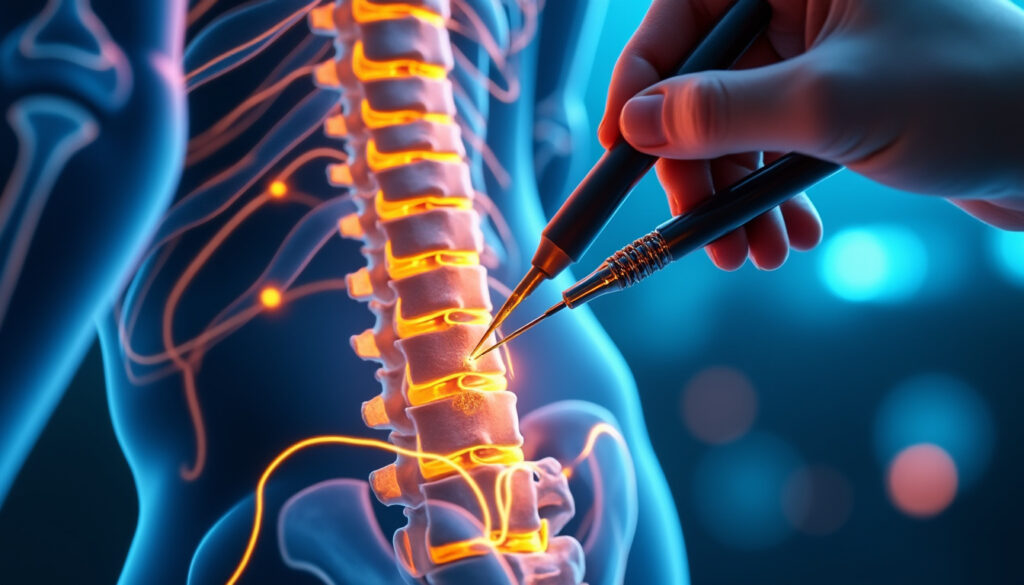
Neurovertebral decompression therapy has emerged as a sophisticated non-invasive medical intervention aimed at relieving chronic spinal pain, particularly associated with conditions such as herniated discs and spinal stenosis. As spinal disorders persist as a leading cause of disability worldwide, patients…