Minimally invasive surgery in Longueuil: quick recovery with minimal discomfort
August 17, 2025
IntraSPINE® in Laval: Minimally Invasive Treatment for Severe Low Back Pain
August 18, 2025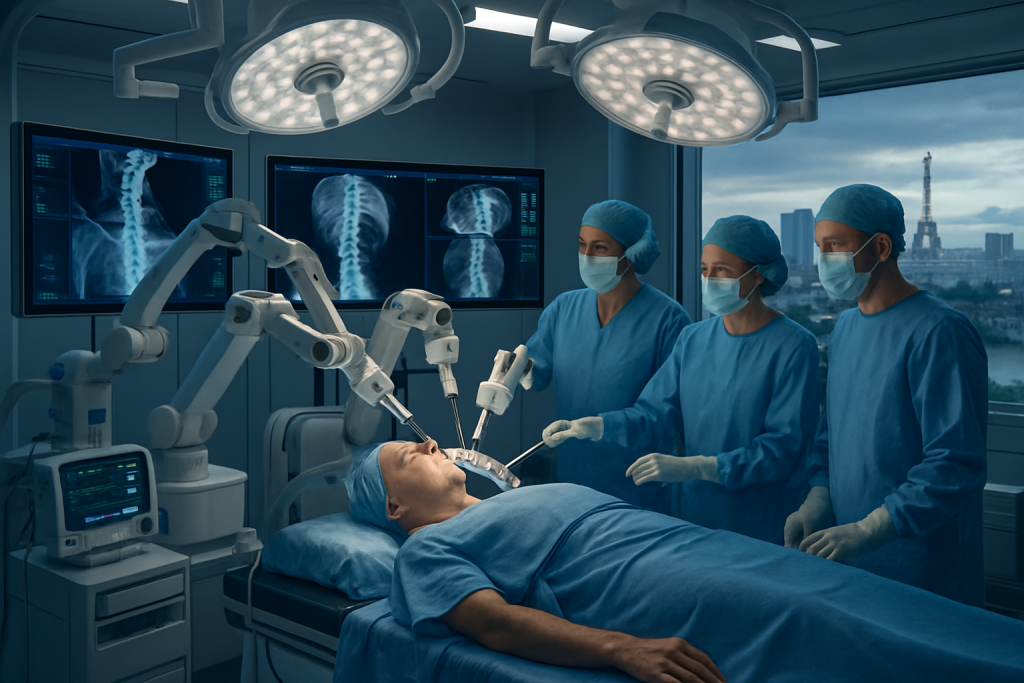
Spinal surgery in France is carving out a visionary path, positioning itself at the forefront of surgical innovation and patient-centered care. As chronic back pain and complex spinal disorders increasingly impact global populations, the French healthcare system leverages cutting-edge technology, multidisciplinary collaboration, and international partnerships to redefine treatment paradigms. For patients in regions like Quebec, where public healthcare delays and costly private options limit access, France emerges as a beacon, offering advanced surgical options combined with robust patient pathways. Integrating robotic-assisted techniques, dynamic implants, and minimally invasive procedures, French spinal surgery institutions utilize state-of-the-art equipment from leading global manufacturers such as Medtronic, DePuy Synthes, Stryker, and Zimmer Biomet. This comprehensive evolution is not only transforming clinical outcomes but also enriching the patient experience across borders, harmonizing biomechanics, economics, and compassionate care into a seamless journey towards recovery and enhanced quality of life.

Advanced Surgical Techniques Redefining Spinal Treatments in France
France’s spinal surgery landscape is witnessing a revolution fueled by innovative techniques that emphasize precision, mobility preservation, and reduced patient trauma. The triad of spinal fusion, motion-preserving implants, and minimally invasive surgery represents a significant leap beyond conventional methods. Each approach is tailored to specific pathology profiles, underpinned by advancements in biomaterials and surgical robotics.
Spinal Fusion: Optimizing Stability for Complex Disorders
Spinal fusion (arthrodesis) remains a cornerstone technique, primarily employed to treat instability syndromes, severe disc herniations resistant to conservative treatments, and deformities like scoliosis. This procedure fuses vertebrae to provide lasting stability, effectuated through high-quality implants such as interbody cages and pedicle screws supplied by industry leaders like Medtronic France, DePuy Synthes, and Zimmer Biomet. Robotic platforms, including the Mazor system deployed at centers like Hôpital Privé Saint-Martin, augment surgical accuracy during screw placement, mitigating potential neurological and mechanical complications.
Key benefits include:
- Durable spinal stabilization fostering structural integrity.
- Pain reduction through mechanical correction.
- Utilization of precision robotics to enhance outcomes and safety.
Motion-Preserving Implants: Maintaining Natural Spinal Flexibility
In contrast, motion-preserving surgical options strive to maintain physiological vertebral movement, reducing the risk of adjacent segment degeneration frequently observed after fusion. Devices like TOPS and Intraspine—developed by French innovators such as Safe Orthopaedics—offer dynamic stabilization, providing controlled mobility alongside mechanical support. These implants find particular applicability in active patients and athletes whose lifestyles demand preserved spinal flexibility.
Advantages include:
- Preservation of natural spinal motion, reducing compensatory stress on neighboring segments.
- Reduced incidence of degenerative sequelae resulting from rigid fixation.
- Enhanced postoperative function for physically demanding patients.
Minimally Invasive and Endoscopic Approaches: Revolutionizing Patient Recovery
Minimally invasive surgery (MIS) is rapidly becoming the reference standard, championed by surgeons like Pr Jean-Charles Le Huec and institutions such as CHU Amiens-Picardie. Endoscopic spinal techniques, navigated with 3D imaging and facilitated by robotic assistance from manufacturers like NuVasive, Stryker, and Globus Medical, drastically reduce soft tissue disruption. This leads to diminished bleeding, decreased hospitalization length, and accelerated rehabilitation.
Advantages include:
- Reduced intraoperative trauma preserving musculature and ligaments.
- Lower complication rates due to enhanced visualization and control.
- Faster patient recovery times, enabling a swift return to daily activities.
| Technique | Main Indications | Primary Benefits | Key Technologies & Implants |
|---|---|---|---|
| Spinal Fusion (Arthrodesis) | Instabilities, Scoliosis, Severe Herniations | Durable stabilization, Pain relief | Medtronic, DePuy Synthes, Zimmer Biomet implants; Mazor robotic system |
| Motion-Preserving Implants | Active patients needing preserved mobility | Retained motion, Reduced adjacent segment degeneration | TOPS, Intraspine by Safe Orthopaedics |
| Minimally Invasive and Endoscopic Surgery | Various spinal pathologies requiring decompression | Less tissue trauma, Short hospital stays | NuVasive, Stryker, Globus Medical tech; Robot-assisted navigation |
Can Rehabilitation and Return to Work Prevent the Need for Surgery?
In the constantly evolving landscape of spinal healthcare, patients and practitioners alike grapple with a pivotal question: can the rigorous pathways of rehabilitation and structured return to work reduce or even eliminate the need for surgical intervention? The answer, as…
Exploring the Overlooked Benefits of Spine Surgery in France
Spinal disorders are a significant health concern for many patients worldwide, yet the solutions and benefits of spine surgery often remain underappreciated. France, with its advanced healthcare infrastructure and pioneering surgical techniques, has emerged as a noteworthy destination for patients…
Patient Pathways: Seamless Transatlantic Collaboration Between Quebec and France
French spinal surgery’s appeal extends beyond its borders, especially for patients from Quebec, who face long wait times and high costs in their local systems. A structured transatlantic partnership facilitates comprehensive care, encompassing initial evaluation, surgery, and postoperative rehabilitation across two continents.
Phase 1: Conservative Management and Evaluation in Quebec
Before surgery, patients undergo rigorous conservative treatment protocols lasting 3 to 6 months. Centers like TAGMED, led by experts such as Dr. Sylvain Desforges, offer neurovertebral decompression employing non-surgical, robotically controlled traction techniques. This approach often alleviates symptoms significantly, reducing unnecessary surgeries and emphasizing evidence-based medicine.
Conservative care includes:
- Robot-assisted spinal decompression minimizing nerve compression without surgery (details here).
- Multidisciplinary assessment ensuring accurate diagnosis and treatment suitability.
- Patient education on spinal health and symptom management.
Phase 2: Surgical Coordination and Logistics with Franchir
Once surgical intervention is deemed necessary, Franchir orchestrates the patient’s journey—identifying expert facilities, securing appointments with leading surgeons, and managing travel and accommodation logistics. This turnkey service substantially reduces administrative burdens and provides patients with logistical peace of mind.
Key features of this phase:
- Personalized hospital and surgeon selection based on pathology and implant needs.
- Comprehensive administrative and travel support ensuring smooth cross-border healthcare access.
- Optimized scheduling minimizing waiting times.
Phase 3: Cutting-Edge Surgery in French Centers
French institutions provide access to world-class facilities, integrating robotics, 3D-printed custom implants from companies such as Medicrea and Evalina Spine, and leading-edge biomaterials. This combination affirms superior surgical precision and patient-specific treatment plans.
- Usage of Mazor robotic systems for enhanced screw placement accuracy.
- Custom 3D-printed implants lesion-tailored for anatomical precision.
- Minimally invasive techniques that expedite recovery.
Phase 4: Postoperative Rehabilitation and Monitoring Upon Return to Quebec
Neurothérapie Montréal oversees ongoing recovery, pain management, and functional rehabilitation post-discharge, ensuring continuity of care. Remote monitoring technologies support timely intervention if complications arise.
- Comprehensive rehabilitation programs tailored to individual patient progress.
- Coordinated care between French surgical teams and Canadian rehabilitation specialists.
- Use of telehealth platforms for follow-up and support.
| Phase | Lead Entities | Core Objectives | Benefits to Patient |
|---|---|---|---|
| Evaluation & Conservative Treatment | Dr. Sylvain Desforges, TAGMED | Symptom reduction, non-surgical alternatives | Evidence-based, avoids premature surgery |
| Surgical Coordination | Franchir | Hospital & surgeon selection, planning | Stress-free logistics, reduced waiting |
| Advanced Surgical Intervention | French centers & surgeons | Precision correction, state-of-art tech | Innovative treatment, improved outcomes |
| Post-op Follow-up | Neurothérapie Montréal | Rehabilitation, pain management | Optimal recovery, personalized care |
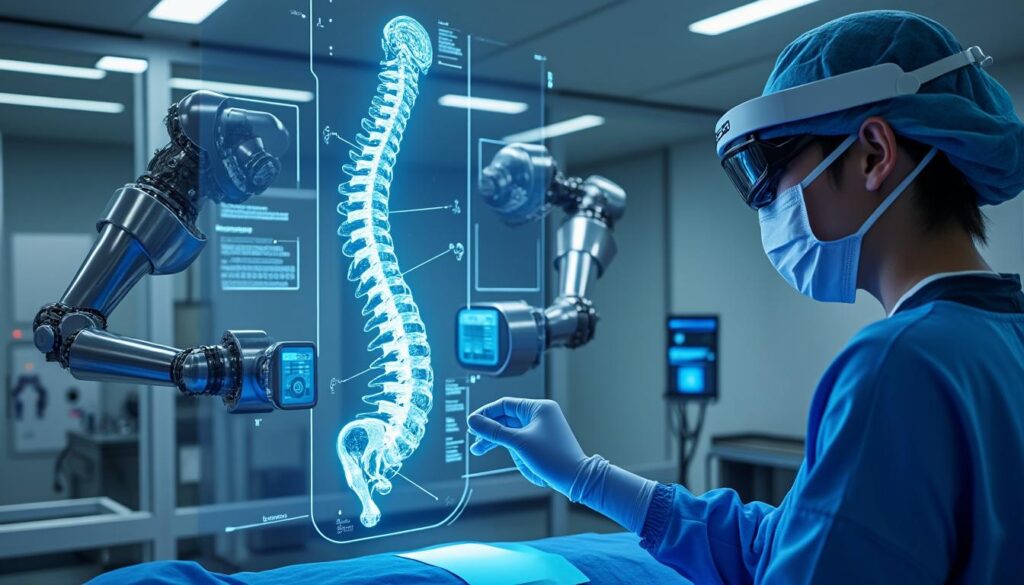
Cousin Spine Technology and Franchir: Transforming Surgical Decision-Making
In recent years, the integration of advanced medical technologies has dramatically shifted how spinal surgeries are planned, performed, and managed. Among the transformative developments, the alliance between Cousin Spine Technology and Franchir stands out as a pioneering force redefining surgical…
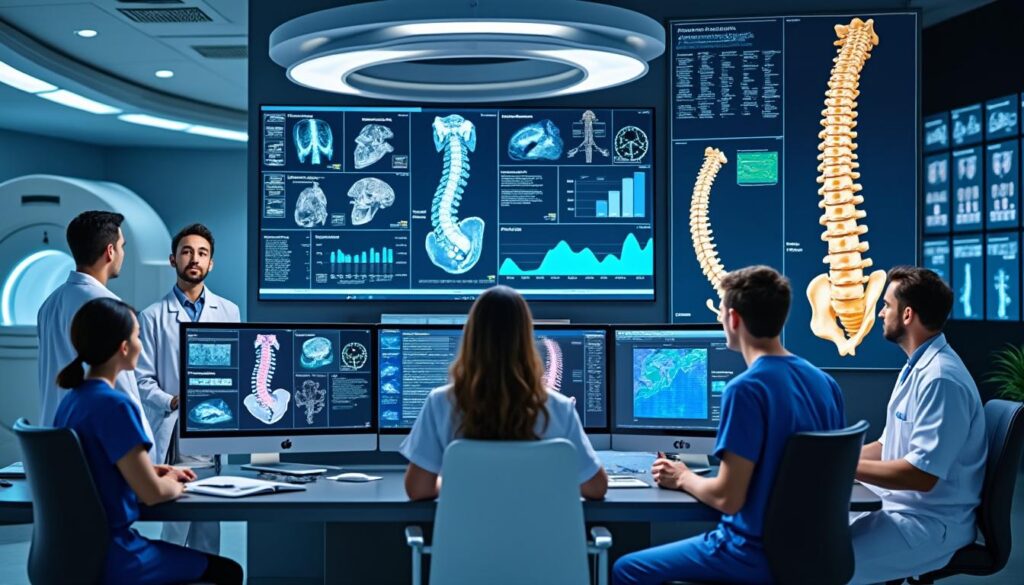
Insights from Research on Preventing Post-Laminectomy Syndrome
Post-Laminectomy Syndrome (PLS), a chronic pain condition arising after spinal surgery, remains a formidable challenge in spinal surgery and pain management. Despite advances in surgical techniques, a significant subset of patients continues to experience persistent neuropathic pain and functional limitations,…
Biomechanical and Economic Impact of French-Spinal Surgery for Quebec Patients
Choosing surgery in France offers benefits beyond immediate medical treatment, integrating biomechanical optimization with economic efficiency.
Biomechanical Optimization: Preserving Spinal Functionality
France’s deployment of custom implants, often crafted with 3D printing technologies like those from Medicrea and Evalina Spine, enables nuanced spinal realignment and reduces complications due to rigid fixation. Technologies such as intraoperative 3D navigation and augmented reality guarantee precise implant positioning, bestowing improved mobility preservation and long-term pain relief.
Economic Efficiency and Reduced Patient Burden
The transcontinental pathway structured by Franchir reduces extended waiting periods characteristic of Quebec’s public healthcare, thus minimizing prolonged work absence and productivity losses. Administrative streamlining calibrates treatment timelines, delivering cost-effective care despite international travel considerations.
Human-Centered Care: Trust and Comprehensive Support
The tri-party collaboration ensures patients are enveloped in a nurturing support system throughout their journey. Transparency offered by experts such as Dr. Sylvain Desforges fosters patient confidence, adherence, and optimizes outcomes by emphasizing education and psychological support.
- Access to exclusive implant technologies unavailable in Canadian healthcare.
- Integrated, coordinated surgical and rehabilitation services.
- Shortened treatment timelines with reduced economic impact.
- Continuous human support reinforcing patient empowerment.

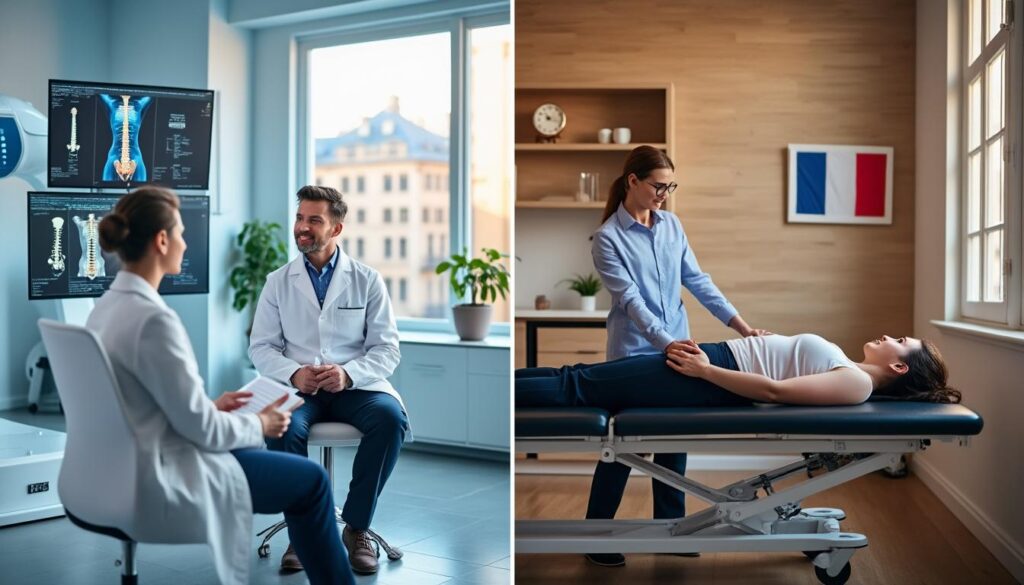
International Comparison: Spotlight on Spine Care Practices Between France and Quebec
The growing emphasis on spine health in Quebec has spotlighted the value of international collaboration in advancing patient care. With the challenges of prolonged wait times and high private care costs in Quebec, France emerges as an attractive alternative, boasting…
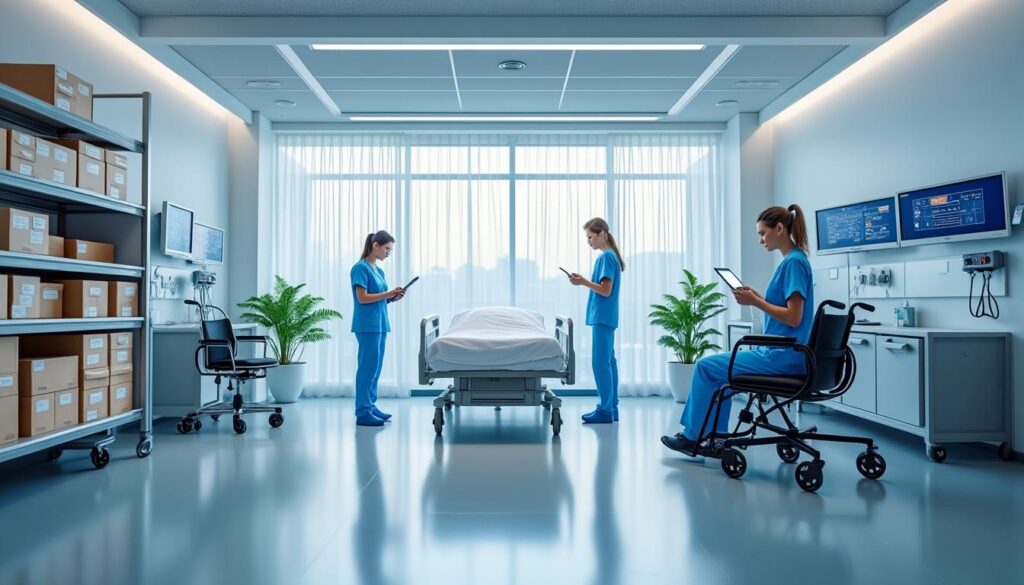
Medical Logistics and Accommodation: Central Pillars in the Patient Care Journey
In the evolving landscape of global healthcare, the interplay between medical logistics and patient accommodation has become a cornerstone for effective and patient-centric care delivery. This synergy is particularly evident in the management of international patient journeys, where cross-border coordination,…
The Imperative Role of Specialized Conservative Treatments Before Surgery
Emphasizing conservative treatment prior to surgical intervention aligns with global best practices and ethical standards. Surgery is only contemplated after failure of advanced non-invasive therapies conducted under expert supervision.
Why Prioritize Advanced Conservative Management?
Modern techniques such as robotic neurovertebral decompression, offered at centers like TAGMED, utilize robot-assisted traction that gently unloads compressed nerves. This modality often obviates the need for immediate surgery, offering patients lasting relief and restoring function.
- Non-invasive symptom alleviation as first-line therapy.
- Robotic precision in neurodecompression enhancing treatment safety.
- Minimizing unnecessary surgical risk and trauma.
Dangers of Premature Surgical Intervention
Hastening to surgery can expose patients to avoidable complications, longer recovery periods, and psychological distress. Adhering to a 3-6 month conservative regimen is mandated by ethical practices and regulatory guidelines, safeguarding patient welfare.
- Higher complication risk with premature surgery.
- Extended disability and rehabilitation duration.
- Potential for suboptimal surgical outcomes if conservative phase bypassed.
For patients seeking alternatives or adjuncts to surgery, resources such as the comprehensive guide to non-surgical decompression at SOSherniateddisc.com stand as valuable references.
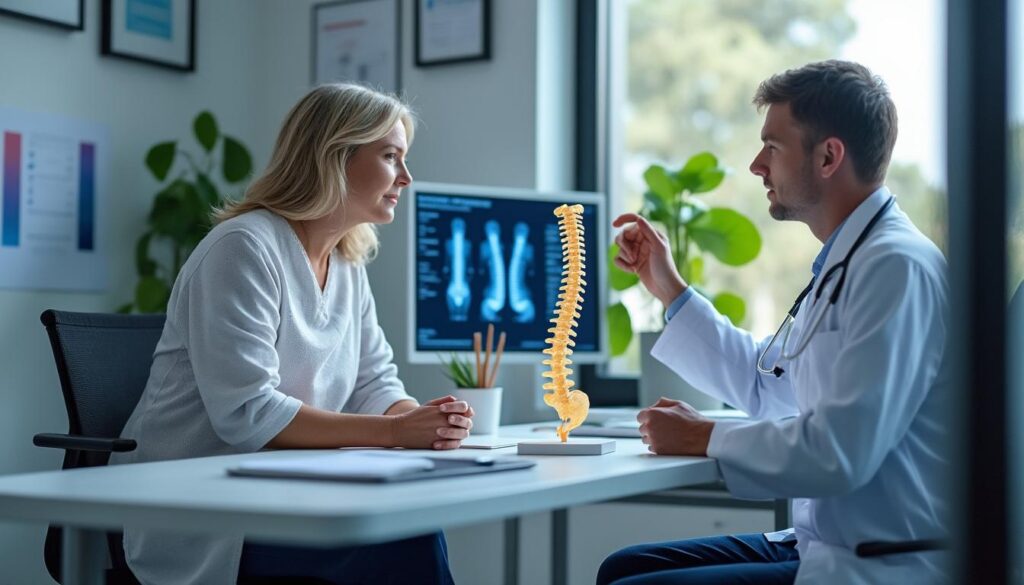
Comprehensive Guide to Eligibility Criteria for Back Surgery
The decision to undergo back surgery involves numerous complex considerations that extend beyond the presence of spinal discomfort. Through an international collaboration between healthcare experts in Quebec and France, patients facing severe spine conditions now have access to advanced surgical…
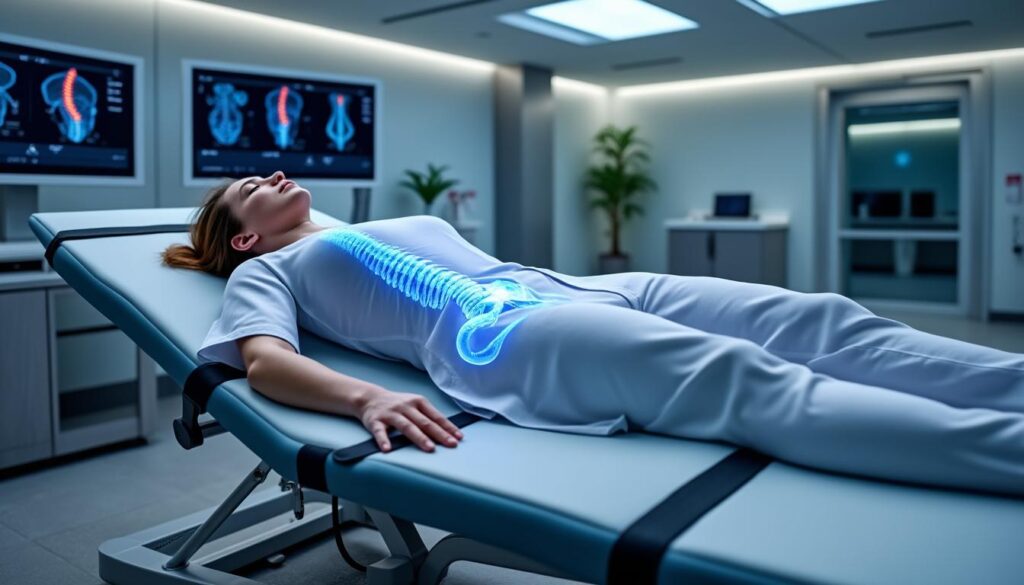
Unveiling the Hidden Benefits of Neurovertebral Decompression Therapy
Chronic back and neck pain remain pervasive health issues impacting millions, often leading to debilitating effects on daily life and overall well-being. Traditional management strategies frequently fall short due to lengthy wait times, high costs, or invasive procedures. Amid this…
Technological Innovations Powering French Spinal Surgery Excellence
France’s leadership in spinal surgery reflects strategic integration of new technologies that enhance precision, safety, and customization.
Cutting-Edge Implant Technologies
Recent advances include:
- 3D-printed implants customized to the patient’s unique spinal anatomy (Medicrea, Evalina Spine).
- Dynamic implants from Safe Orthopaedics and Intraspine, preserving segmental motion.
- Top-tier orthopedic devices by industry pioneers: Zimmer Biomet Spine (LDR), DePuy Synthes, Alphatec Spine, K2M (Stryker Spine), and Spineart.
Integration of Robotics and Imaging
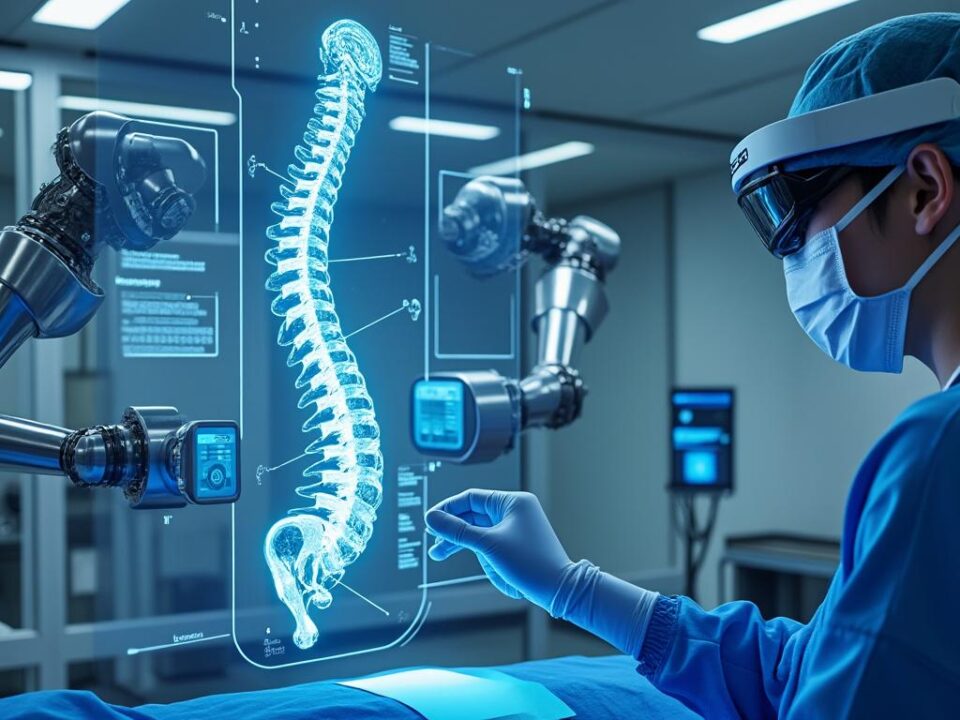
Robotic navigation platforms have become instrumental in enhancing surgical accuracy. Companies like eCential Robotics have obtained regulatory clearances that position them at the cutting edge of this transformation. These systems utilize advanced 3D imaging to guide instrument placement with unparalleled precision.
Benefits:
- Minimized risk of neurological injury through exact screw placement.
- Shorter operation times and reduced intraoperative radiation exposure.
- Improved surgical reproducibility and training opportunities.
Educational and Training Programs Supporting the Future of Spinal Surgery in France
France consistently invests in specialized education to sustain its high standards in spinal care. Universities and professional societies offer diplomas and certifications that advance surgeon expertise.
Highlighted programs include:
- DIU Chirurgie du Rachis (SFCR): Specialized inter-university diploma focusing on state-of-art techniques and clinical protocols.
- DU Pathologies du Rachis at University of Paris: Comprehensive training on spinal pathology management.
- FICV Spinal Solution Course at Bordeaux: Cutting-edge workshops incorporating biomechanical insights and hands-on training.
- EuroSpine Endoscopic Spine Courses: Advanced proficiency in minimally invasive, endoscopic procedures.
Such programs, alongside continuous professional development, guarantee that French spinal surgeons remain at the forefront of innovation and patient safety.
The Future of Spinal Surgery in France
Select a technology to learn more about its role in advancing spinal surgery in France.