Spinal Surgery in France: A Clear Guide for Quebec Patients
May 20, 2026
The Future of Surgery: Rehabilitation and Return to Work at the Forefront
May 21, 2026
Spinal surgery represents a significant step in many patients’ lives, often prompted by chronic pain, mobility issues, or degenerative conditions that impair quality of life. In the context of 2026, France stands out as a premier destination for spinal surgery due to its advanced healthcare system, cutting-edge surgical techniques, and well-structured patient pathways designed to maximize outcomes and safety. Patients, especially from Canada and Europe, increasingly seek care in France where innovations in spinal implants and minimally invasive procedures promise not only effective treatment but also preservation of spinal mobility and reduced recovery times.
French spinal surgery is characterized by a unique blend of rigorous clinical evaluation, personalized pre-operative preparation, and a comprehensive post-operative recovery plan that together forge a seamless continuum of care. With collaborations spanning countries like Quebec, this integrated approach ensures that patients not only access timely surgical intervention but also benefit from ongoing physiotherapy and rehabilitation support upon returning home. Navigating the complexities of international medical travel requires patient education, careful planning around hospital stays, and understanding health insurance parameters—elements that French healthcare providers and medical tourism facilitators have refined to create a reassuring, efficient patient experience.
Comprehensive Pre-Operative Assessment and Conservative Treatment Options Prior to Spinal Surgery in France
Before any spinal surgery takes place in France, an extensive pre-operative assessment is fundamental. This stage involves thorough medical evaluations including advanced imaging, neurological testing, and functional assessments to determine the precise nature of spinal pathology. The goal is to ensure that surgery is justified and to tailor the operative plan to individual needs, minimizing risks and optimizing results.
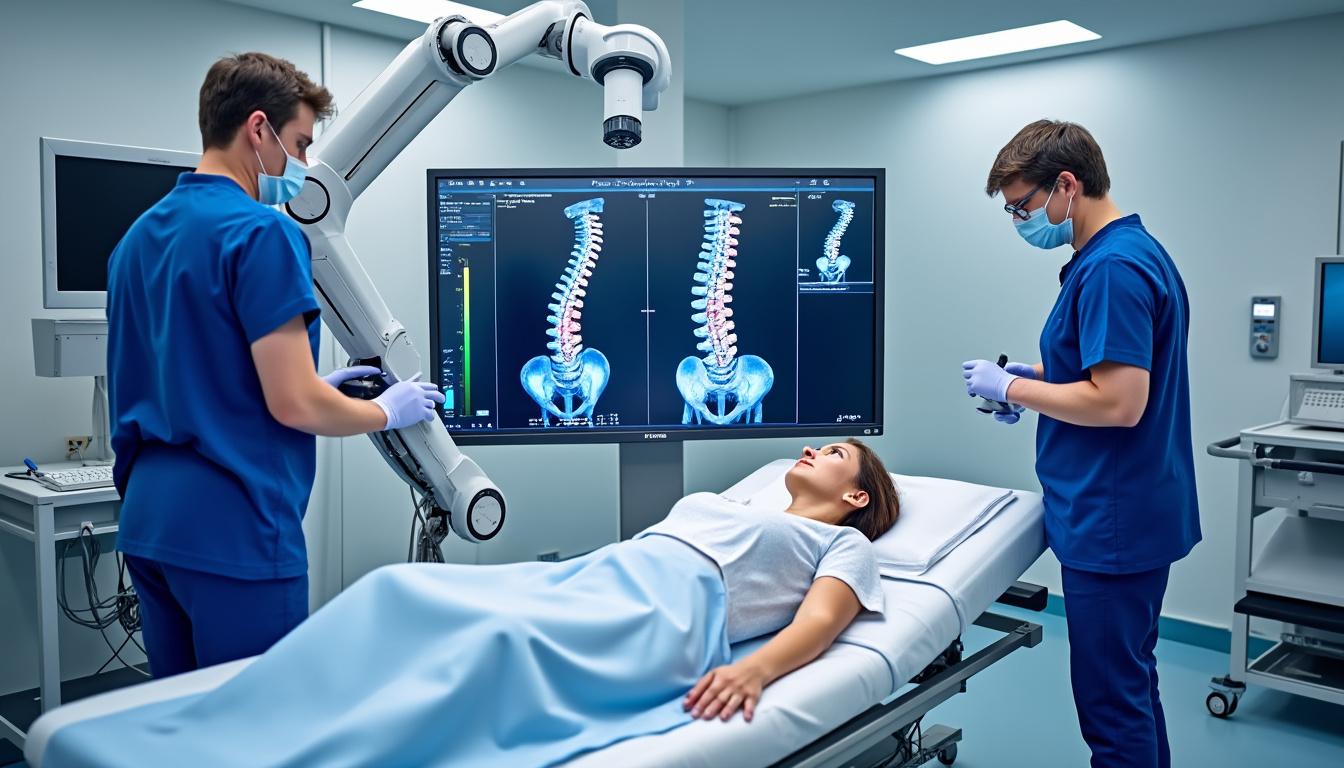
French specialists adhere to a strong philosophy of conservative management prior to recommending surgery. Patients undergo specialized neurovertébral decompression, often using robotic assistance, which can alleviate symptoms by non-invasively relieving pressure on neural elements. This conservative approach typically lasts from three to six months, offering a critical period during which some patients experience substantial improvement that negates the necessity for surgical intervention.
The rationale behind this conservative first line is twofold. Firstly, it avoids overtreatment and unnecessary surgical risks by validating if symptoms can be mitigated without invasive procedures. Secondly, it builds a foundation for better surgical outcomes in cases where surgery becomes unavoidable, as patients are then in a more stable and optimized condition. Surgeons working in collaboration with rehabilitation teams in France and Quebec monitor progress closely, ensuring that decisions align with international evidence-based practices and patient safety standards.
Through this meticulous pre-operative pathway, patients gain clarity and confidence in their treatment options, accompanied by detailed education on spine health, surgical indications, and expected recovery trajectories—a crucial element in patient empowerment and satisfaction.

Understanding Sciatic Pain: Key Symptoms and When to Seek Medical Advice
Sciatic pain is a prevalent condition impacting a wide demographic, manifesting primarily as intense pain radiating from the lower back down the leg. This pain stems from irritation or compression of the sciatic nerve, a major nerve extending through the…
Innovations in Spinal Surgery Techniques: Balancing Efficacy and Mobility Preservation
France has been at the forefront of adopting innovative spinal surgery techniques designed to improve patient outcomes while preserving spinal motion. Traditional fusion surgery, widely used to stabilize unstable vertebrae by permanently joining affected spinal segments, continues to have a role, particularly for complex deformities such as advanced scoliosis or severe spondylolisthesis. However, this method can limit spine mobility and may contribute to accelerated degeneration of adjacent spinal segments over time.
To address these limitations, French surgical teams increasingly employ dynamic implants such as the TOPS system and IntraSPINE prostheses. The TOPS implant is a biomechanical marvel, featuring an artificial joint that stabilizes painful spinal segments without eliminating their movement entirely. This controlled mobility helps patients maintain range of motion while reducing mechanical stress on surrounding tissues, thereby limiting subsequent degeneration. Similarly, the IntraSPINE device serves as a dynamic interspinous spacer that decompresses neural structures while allowing segmental flexibility, particularly valuable in cases of moderate spinal stenosis or chronic lumbar pain with nerve involvement.
Minimally invasive and endoscopic spinal surgery techniques have also seen profound advancements in France. Small incisions paired with sophisticated imaging and navigation systems result in reduced tissue trauma, faster healing, and diminished pain after surgery. These procedures are particularly advantageous for cases requiring targeted decompression or disc interventions. The rise of robotic-assisted surgery enhances precision, limits error, and facilitates complex maneuvers with greater safety, all underpinned by rigorous procedural protocols and multidisciplinary coordination.
This commitment to innovation ensures that patients undergoing spinal surgery in France benefit from tailored interventions that not only alleviate pain and neurological symptoms but also promote functional recovery, improve postoperative rehabilitation prospects, and sustain long-term spinal health.
Comparison of Fusion and Dynamic Implant Techniques
| Technique | Indications | Mobility Impact | Postoperative Recovery Time | Long-Term Outcomes |
|---|---|---|---|---|
| Spinal Fusion | Severe instability, scoliosis, traumatic injury | Eliminates movement at fused segments | Longer hospital stay (5-7 days), prolonged rehab | Risk of adjacent segment degeneration |
| TOPS Dynamic Implant | Degenerative disc disease, controlled instability | Preserves segmental mobility | Shorter stay (3-5 days), quicker mobilization | Lower rates of adjacent degeneration |
| IntraSPINE Spacer | Moderate spinal stenosis, chronic nerve symptoms | Maintains dynamic flexibility | Minimal hospitalization, outpatient possible | Facilitates faster functional recovery |

The Stepwise Role of Functional Recovery in Achieving Successful Outcomes
The journey to full recovery following spinal surgery is often complex and multifaceted, demanding a meticulously structured approach to ensure optimal functional outcomes. In recent years, the concept of functional recovery through a stepwise approach has garnered significant attention in…
Essential Pre-Operative Preparation: Physical and Psychological Readiness for Surgery
Preparing for spinal surgery in France encompasses beyond clinical assessments; patients must also focus on optimizing their physical and mental health. Given that surgical outcomes correlate significantly with overall patient conditioning, pre-operative preparation includes nutritional guidance, physical therapy, and psychological support.
Physical conditioning aims to strengthen muscles supporting the spine, improve cardiovascular endurance, and enhance flexibility. These efforts contribute to lowering surgical complications such as infections and thromboembolic events and facilitate earlier mobilization during post-operative recovery. Certified physiotherapists guide bespoke exercise regimens aligned to patients’ spinal conditions and general health status, ensuring safety and efficacy.
Addressing psychological well-being is equally critical. Anxiety, depression, and stress can adversely impact pain perception, healing processes, and cooperation with rehabilitation programs. French clinics often integrate psychological counseling and stress management techniques as part of their pre-operative care. Offering education sessions about the surgery, expected sensations, and recovery milestones helps alleviate fears, boosts patient engagement, and fosters realistic expectations.
Patient education resources available through platforms similar to pre-operative guides provide detailed insights into the surgical process, hospitalization, anesthesia, and rehabilitation timelines. Such materials empower patients to take an active role in their care journey, significantly improving satisfaction and outcomes.

Transatlantic Patient Journey: Insights into Indications, Benefits, and Challenges
The emergence of the Transatlantic Patient Journey as a strategic model within healthcare continues to capture attention for its innovative potential, especially in specialized fields such as spinal surgery. This cross-border care pathway integrates rigorous medical evaluation from Quebec with…
The Role of Surgical Consultation and Multidisciplinary Planning in French Spine Surgery
In France, the surgical consultation is a pivotal moment that anchors the entire spinal surgery preparation process. Patients undergo detailed face-to-face or telehealth consultations with experienced spinal surgeons who specialize in a wide range of techniques and technologies. These interactions are designed to foster transparent communication, personalized treatment planning, and shared decision-making.
The surgeon not only evaluates diagnostic findings but also reviews the patient’s medical history, lifestyle, and individual priorities. This holistic approach ensures that surgical plans are tailored precisely to the patient’s anatomical and functional needs while considering any comorbidities that might influence risk profiles.
Multidisciplinary teams, including anesthesiologists, neurologists, physiotherapists, and specialized nurses, collaborate closely to finalize operative strategies and perioperative care pathways. Patient-specific elements such as pain management protocols, anesthesia choices, and anticipated rehabilitation intensity are all addressed transparently ahead of surgery.
Such coordination minimizes surprises, streamlines hospital stay logistics, and strengthens post-operative recovery support. This model also aligns with best practice protocols found in other comprehensive centers, delivering optimal results through teamwork and structured planning. For patients navigating spine surgery abroad, understanding and engaging fully in this consultation phase is critical.
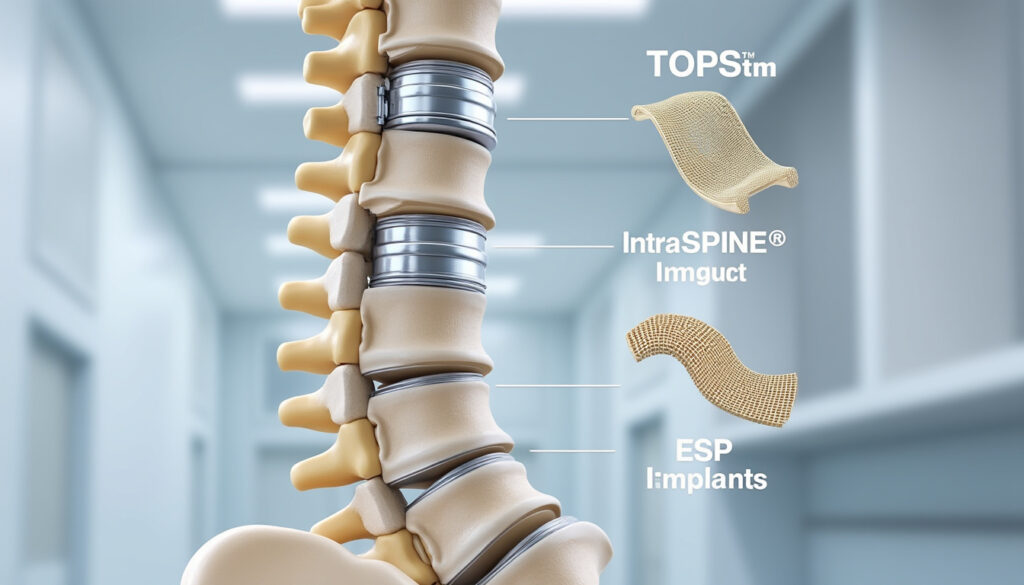
The evolving field of spinal surgery is witnessing a transformative shift, fueled by cutting-edge implant technologies such as TOPS, Intraspine, and ESP. These innovative implants redefine treatment possibilities by emphasizing preservation of natural spinal mechanics, while ensuring durable stabilization and…
Logistics of Hospital Stay and Health Insurance Considerations for International Patients in France
Spinal surgery in France often takes place in either renowned public hospitals or specialized private clinics, each offering high standards of care. For international patients, clear understanding and coordination of hospital stay logistics are essential to ensure a comfortable and hassle-free experience.
Hospitalizations usually last between three and seven days depending on the procedure, with private clinics often providing enhanced comfort and personalized services. French facilities are equipped with modern postoperative recovery units that prioritize pain control, early mobilization, and infection prevention.
Healthcare cost coverage varies significantly depending on insurance status and nationality. Many patients from Quebec and Europe benefit from reciprocal health agreements, but additional travel insurance or private health insurance plans may be advisable. The coordination teams such as Franchir assist patients in navigating these bureaucracies, ensuring appointments, hospital admissions, and billing processes are smooth and transparent.
Transparent pricing information on spinal surgery costs in France can be accessed through specialized platforms, allowing patients to compare clinics, procedures, and approximate expenses. This financial clarity combined with a well-enhanced health infrastructure makes France a top choice for those seeking high-quality spinal surgery without prohibitive delays or costs common in other countries.

Typical Timeline for Patient Journey: Coordination of Care and Travel
| Step | Duration | Description | Key Partners |
|---|---|---|---|
| Initial Evaluation | 2-4 weeks | Comprehensive medical assessment including imaging and conservative treatment trial | Dr. Sylvain Desforges & TAGMED |
| Preoperative Conservative Care | 3-6 months | Neurovertebral decompression and specialized therapies to attempt non-surgical symptom relief | Clinique TAGMED |
| Surgical Planning and Travel Arrangement | 1-2 weeks | Choice of surgical center and surgeon, travel logistics, accommodation coordination by Franchir | Franchir |
| Surgery and Hospital Stay | 3-7 days | Spinal surgery and immediate postoperative management | Specialized centers in France |
| Postoperative Rehabilitation | 6-12 months | Ongoing pain management and physical therapy with teleconsultation follow-up | Neurothérapie Montréal & French surgical teams |

Preparing for Surgery in France: Key Indications, Benefits, and Limitations
In an evolving global healthcare landscape, France emerges as a beacon of advanced surgical expertise, particularly attracting international patients seeking expedited and innovative medical interventions. Patients from regions experiencing long wait times, such as Quebec, increasingly view France as an…
Optimizing Post-Operative Recovery and Rehabilitation: Ensuring Sustained Spinal Health
Post-operative recovery in spinal surgery demands carefully structured rehabilitation to enhance healing, restore function, and prevent complications. In France, patients are supported by coordinated care teams that extend their services even after discharge, including telemedicine follow-ups that bridge the gap for international patients.
Early mobilization protocols are adopted to limit risks such as deep vein thrombosis and muscular atrophy. Progressive physical therapy programs strengthen spinal and core muscles, improve flexibility, and guide safe return to daily activities and work. These programs are adapted to individual recovery progress and clinical status, monitored through regular assessments by multidisciplinary teams located in both France and patients’ home countries.
Moreover, patient education continues post-operatively, addressing lifestyle modifications, ergonomics, and strategies for long-term spinal health preservation. This ongoing engagement reduces the risk of reoperation and fosters a durable improvement in quality of life.

Unveiling the Hidden Benefits of Quality and Certification in Devices
The landscape of device manufacturing and clinical application in 2026 has been fundamentally shaped by the rigorous interplay between quality management and certification processes. Within this complex framework, the hidden benefits of adhering to international standards and obtaining relevant certifications…
Patient Education and Support: Preparing Mentally and Practically for Surgery Abroad
Educational initiatives form a cornerstone of spinal surgery preparation in France, especially for those traveling internationally. Tailored orientation sessions, accessible resources, and pre-admission briefings help demystify the surgical process and hospital stay. Patients learn about pre-operative fasting, medication adjustments, anesthesia expectations, and wound care.
This education is not solely clinical but also practical, involving guidance on travel arrangements, accommodation, communication norms, and cultural aspects of French healthcare settings. This thorough preparation helps mitigate anxiety related to being treated overseas and ensures a smoother transition through each phase of care.
Partner organizations offering specialized support also play a vital role in the patient’s journey, providing assistance with language barriers, insurance paperwork, and post-surgery logistics. Consequently, the patient feels enveloped in a network of professional and empathetic care that transcends borders.

Key Differences Between Spinal Surgery Techniques
| Aspect | Spinal Fusion | Dynamic Implant (TOPS) | Interlaminar Spacer (IntraSPINE) |
|---|

Why Experts Advocate for Comprehensive Preoperative Evaluations
In the complex and demanding field of spinal surgery, the emphasis on comprehensive preoperative evaluations has become a fundamental pillar supporting successful surgical outcomes. These evaluations, far beyond mere routine checks, integrate detailed analyses of patient health, surgical risk assessments,…
Understanding Health Insurance and Financial Planning for Spinal Surgery in France
Financial considerations are paramount when planning spinal surgery abroad. France offers high-quality care, but navigating costs and insurance coverage can be complex. International patients must thoroughly review their health insurance plans and possible reciprocal agreements that may offset expenses.
Public and private insurance schemes in France cover varying degrees of surgical intervention and hospital services; however, international patients often need supplementary insurance or out-of-pocket funding. Transparency about pricing and insurance scope is available through medical tourism platforms specializing in spinal surgery, helping patients avoid unforeseen expenses.
It is advisable to engage early with coordinators familiar with insurance and billing practices in the French healthcare system, ensuring all paperwork is handled appropriately. Planning ahead for potential additional costs such as rehabilitation, travel, and accommodation contributes to a worry-free experience.

The Future of Surgery Lies in Stepwise Functional Recovery
The evolution of surgical care in 2026 reveals a compelling shift toward approaches that prioritize the holistic recovery of patients, moving beyond traditional metrics like length of hospital stay or mortality rates. This modern paradigm highlights the principle that the…
Collaborative International Care Models: The France-Quebec Partnership in Spinal Surgery
An exemplary model of comprehensive spinal surgical care connects France and Quebec, delivering a personalized, secure patient pathway that integrates the best treatments and follow-up options across continents. Through the efforts of key figures and organizations, patients benefit from coordinated care that respects scientific rigor and compassionate support.
This partnership prioritizes preoperative conservative treatment to minimize unnecessary surgeries and employs advanced spinal implants and minimally invasive methods when surgery is necessary. Postoperative care is seamlessly shared between French surgeons and Quebec rehabilitation specialists, ensuring consistent monitoring and facilitating teleconsultations that adapt rehabilitation plans dynamically.
Such transatlantic cooperation reflects a forward-thinking approach, demonstrating how international healthcare networks can overcome geographical and administrative barriers. For patients, this results in enhanced access, reduced waiting times, superior outcomes, and a deeply reassuring journey from first consultation through to full recovery.
Those interested in exploring this innovative care pathway can find detailed guidance at resource hubs specializing in coordinated spine surgery, which emphasize patient safety, education, and holistic well-being alongside surgical excellence.
What steps should I take to prepare physically before spinal surgery in France?
Focus on improving core strength and flexibility through tailored physiotherapy, maintain a balanced diet, and address any chronic health issues with your healthcare provider to optimize surgical readiness.
Are there alternatives to spinal fusion surgery available in France?
Yes, dynamic implants such as the TOPS system and IntraSPINE spacers provide mobility-preserving alternatives with fewer risks of adjacent segment degeneration.
How is post-operative rehabilitation organized for international spinal surgery patients?
French surgical teams coordinate with rehabilitation specialists in patients’ home countries, often using telemedicine for ongoing monitoring and personalized therapy adjustments.
What should international patients know about insurance coverage for spinal surgery in France?
International patients should verify reciprocal agreements and consider supplementary insurance; many coordinators offer assistance in navigating French health insurance and billing systems to avoid unexpected costs.
How does the collaboration between France and Quebec benefit spinal surgery patients?
This partnership offers expedited access to innovative surgical techniques and integrates comprehensive pre- and post-operative care across continents, reducing waiting times and enhancing patient safety and satisfaction.