
A Patient’s Guide to Medical Logistics and Accommodation in Quebec
November 7, 2025How Medical Guidance from Quebec Enhances Patient Outcomes
November 8, 2025
In Quebec, patients grappling with spinal disorders face multifaceted challenges, ranging from prolonged wait times for surgical interventions within the public system to the high costs of private healthcare options. This dynamic environment compels patients and healthcare providers alike to evaluate the viability and appropriateness of conservative treatments versus surgical options. Collaborations between Canadian and French medical institutions are transforming care pathways by introducing innovative treatments and personalized care journeys that blend scientific rigor, advanced technologies, and compassionate support.
Understanding the nuances between conservative treatments and surgical procedures is critical for Quebecois patients seeking effective management of spinal conditions. This article explores the spectrum of treatments available, highlights international collaborations that enhance access to modern spinal surgery, and underscores the significance of informed decision-making based on individual patient needs and clinical evidence. Incorporating perspectives from leading health organizations such as the Mayo Clinic and Cleveland Clinic, it offers a comprehensive guide to making prudent healthcare choices for spinal disorders in 2025.
Understanding Conservative Treatment Modalities in Quebec’s Spinal Care
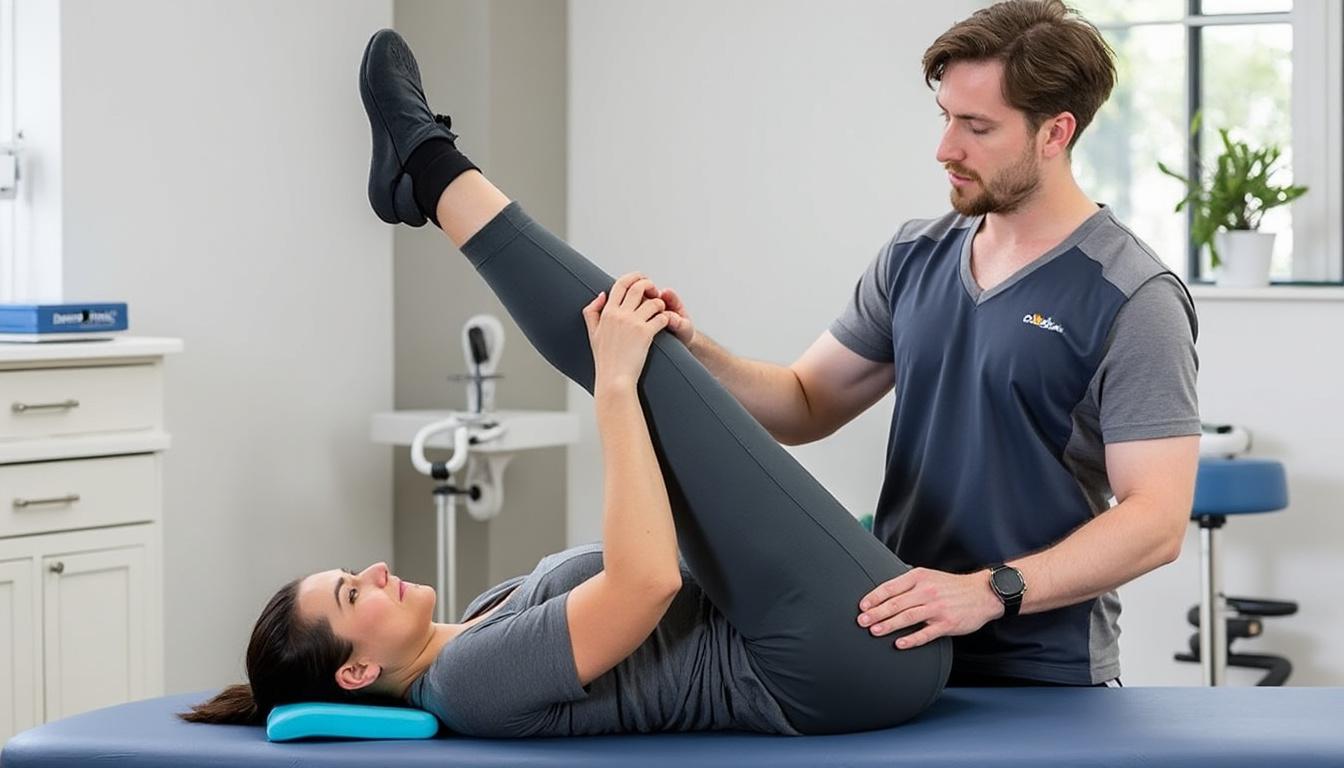
Conservative management of spinal disorders prioritizes non-invasive or minimally invasive interventions designed to alleviate pain, restore function, and delay or obviate the need for surgery. The conservative path includes physical therapy, pharmacological management, spinal decompression therapies, and targeted injections. These options are often recommended initially, aligning with global best practices emphasizing patient safety and empirical efficacy.
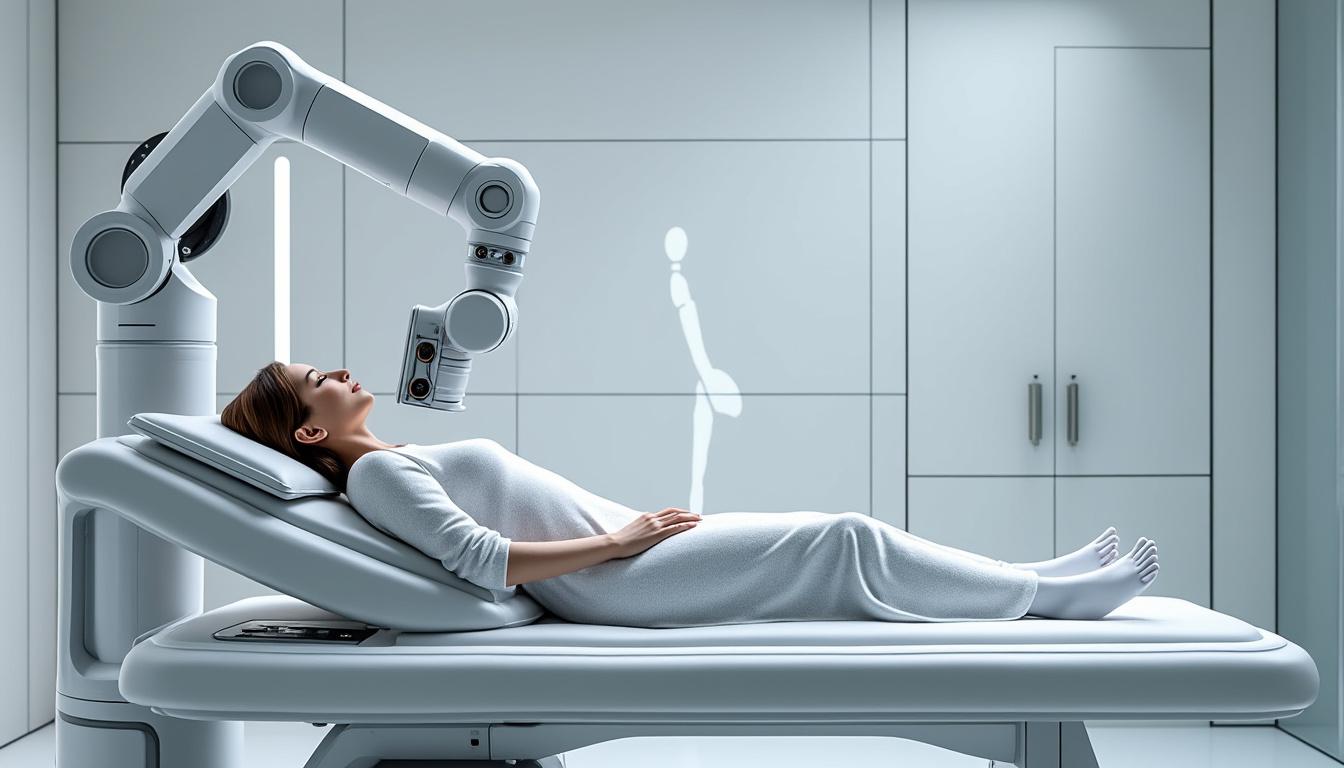
One specialized form of conservative therapy gaining traction in Quebec is the neurovertebral decompression robot-assisted technique employed in centers like TAGMED. This method leverages robotics to provide precise traction aimed at relieving nerve compression, especially in cases of lumbar and cervical radiculopathy, without resorting to surgical exposure. This targeted approach significantly reduces inflammation and pressure on nerves, facilitating symptom relief and functional improvement.
Quebec patients benefit from detailed assessments and monitoring by experienced clinicians who track progress without defaulting immediately to surgical models. This also addresses issues compounded by waitlists for surgery, offering timely intervention.
- Physical therapy focusing on strengthening, flexibility, and posture correction
- Robot-assisted neurovertebral decompression to mechanically alleviate nerve pressure
- Injection therapies such as corticosteroids targeting localized inflammation
- Pain management strategies including medication and lifestyle modifications
- Ergonomic counseling to minimize exacerbating activities and postural strain
| Conservative Treatment | Description | Key Benefits |
|---|---|---|
| Neurovertebral Decompression (Robot-assisted) | Precise mechanical traction targeting nerve decompression guided by robotics | Reduced nerve inflammation, non-invasive, avoids anesthesia risks |
| Targeted Injection Therapy | Administration of anti-inflammatory agents at precise anatomical locations | Rapid inflammation reduction and symptom relief |
| Physical Therapy | Personalized exercises and manual therapy to strengthen and stabilize spine | Improved mobility, reduced pain, prevention of further degeneration |
Successful conservative treatment requires patient adherence and continuous evaluation. Clinical evidence suggests that a period of 3 to 6 months on well-managed conservative care substantially improves outcomes, sometimes eliminating the necessity for surgery according to recent BMJ research. It also optimizes patient readiness should surgical options become unavoidable later.

Understanding Sciatic Pain: Key Symptoms and When to Seek Medical Advice
Sciatic pain is a prevalent condition impacting a wide demographic, manifesting primarily as intense pain radiating from the lower back down the leg. This pain stems from irritation or compression of the sciatic nerve, a major nerve extending through the…
Advanced Surgical Options: Innovations Accessible to Quebec Patients via Franco-Canadian Collaboration
Surgical interventions for spinal disorders have evolved considerably, especially within French medical centers where novel techniques and implants abound. Quebec patients, burdened by systemic delays and access challenges, now have avenues to benefit from these advancements thanks to coordinated international care networks.
Three predominant surgical techniques are currently prominent:
- Simple decompression surgery: This procedure alleviates nerve compression caused by herniated discs, spinal stenosis, or bone spurs. Minimally invasive approaches, such as endoscopic decompression, allow for reduced tissue trauma and expedited recovery.
- Spinal fusion (Arthrodesis): Utilized in cases of vertebral instability—for example, spondylolisthesis or advanced degeneration—fusion stabilizes spinal segments by joining vertebrae with metal hardware and grafts.
- Motion-preservation surgery: Procedures employing dynamic implants like disc prostheses or stabilization devices (TOPS, Intraspine) maintain spinal mobility while decompressing affected nerves, thereby preserving long-term motion and reducing degeneration in adjacent segments.
| Surgical Technique | Indications | Advantages |
|---|---|---|
| Simple Decompression | Herniated disc, spinal canal stenosis | Reduced invasiveness, shorter convalescence |
| Spinal Fusion | Instability, spondylolisthesis, severe degeneration | Long-term stability, pain relief |
| Motion-Preservation Surgery | Active patients, moderate disc disease | Spinal flexibility maintained, lowers adjacent segment stress |
The Franchir organization plays a critical role ensuring Quebec patients are matched with leading experts and treatment centers in France, optimizing logistics, implant selection, and comprehensive perioperative management. This strategic alliance enhances both surgical quality and patient experience, reducing uncertainty and facilitating quicker access.

The Stepwise Role of Functional Recovery in Achieving Successful Outcomes
The journey to full recovery following spinal surgery is often complex and multifaceted, demanding a meticulously structured approach to ensure optimal functional outcomes. In recent years, the concept of functional recovery through a stepwise approach has garnered significant attention in…
Why Prioritizing Conservative Treatments Is Critical Before Considering Surgery for Spinal Disorders
Conservative management remains the cornerstone of first-line therapy for most spinal pathologies. Healthcare authorities and institutions such as Canadian Medical Association and Johns Hopkins Medicine advocate prioritizing non-surgical approaches to mitigate surgical risks, costs, and recovery times.
Key physiologic goals achieved by conservative care include reducing nerve root inflammation, maintaining musculoskeletal function, and preventing further degeneration. A delay of at least three months is routinely recommended to allow adequate assessment of symptom response to therapy. Studies confirm that many patients achieve substantial symptomatology improvement or resolution, therefore circumventing surgery altogether.
- Improvement of mechanical loading through ergonomic guidance
- Lower risk of surgical complications by avoiding or delaying surgery
- Enhanced functionality through strengthening and mobilization exercises
- Patient empowerment via education and active involvement in treatment decisions
- Cost-effectiveness by reducing unnecessary surgical interventions
Failing to exhaust conservative options may expose patients to undue surgical risks, including neurological complications and longer rehabilitation. The latest findings from Harvard Health Publishing and Healthline further reinforce that conservative management results in superior overall safety profiles.

Transatlantic Patient Journey: Insights into Indications, Benefits, and Challenges
The emergence of the Transatlantic Patient Journey as a strategic model within healthcare continues to capture attention for its innovative potential, especially in specialized fields such as spinal surgery. This cross-border care pathway integrates rigorous medical evaluation from Quebec with…
Integration of International Centers: Enhancing Quebec Patient Outcomes Through Cross-Border Partnerships
The landscape of spinal surgery is rapidly transforming through international cooperation, particularly between Quebec-based specialists and leading French institutions. These partnerships enable Quebec patients access to state-of-the-art surgical solutions, including mini-invasive robotic-assisted techniques uncommon in Québec’s public centers.
Each treatment journey is meticulously coordinated:
- Initial clinical evaluation and conservative therapy management by the expert Dr. Sylvain Desforges and his team at TAGMED
- Patient orientation and travel logistics arrangement by Franchir for surgery in accredited French clinics
- Surgical intervention utilizing the latest implants and methodologies
- Comprehensive post-operative support, including rehabilitation and pain management through Neurothérapie Montréal
| Phase | Responsible Organization | Patient Benefits |
|---|---|---|
| Evaluation & Conservative Care | TAGMED (Dr. Sylvain Desforges) | Personalized assessment and non-invasive treatment to maximize health |
| Surgical Planning & Coordination | Franchir | Streamlined access to expert French spine surgeons and logistics |
| Surgical Intervention | Partner Clinics in France | Application of cutting-edge, minimally invasive surgical techniques |
| Post-operative Rehabilitation | Neurothérapie Montréal | Continuity of care and enhanced recovery support back in Quebec |
This transatlantic approach fosters a continuum of care underpinned by robust scientific protocols and patient-centric ethics, with a commitment to transparency and accessibility.
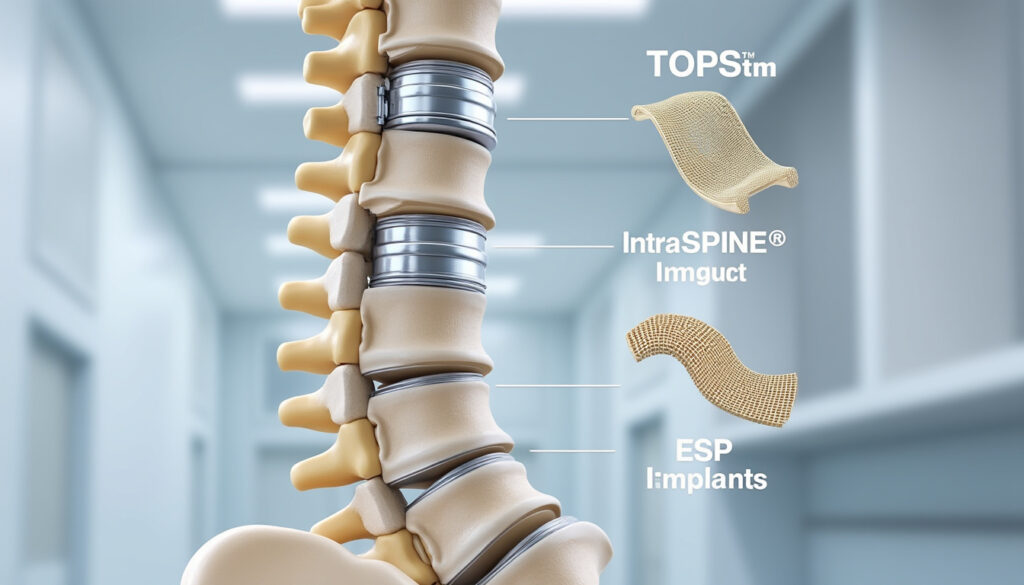
The evolving field of spinal surgery is witnessing a transformative shift, fueled by cutting-edge implant technologies such as TOPS, Intraspine, and ESP. These innovative implants redefine treatment possibilities by emphasizing preservation of natural spinal mechanics, while ensuring durable stabilization and…
Key Biomechanical, Economic, and Patient-Centered Advantages of Choosing the Transatlantic Surgical Pathway
Opting for spinal surgery in France as a Quebec resident integrates multiple benefits beyond access alone. Biomechanically, implants such as the TOPS system and Intraspine dynamically support natural spinal motion while alleviating nerve pressure. The materials used are biocompatible with long-term durability, minimizing adjacent segment disease.
Economically, the coordinated international pathway offers a cost-efficient alternative to private Canadian surgeries, including logistical coverage for travel, accommodation, and comprehensive perioperative care regrettably often fragmented in localized settings.
Humanistically, patients receive consistent individualized support from skilled professionals like Dr. Sylvain Desforges, supplemented by attentive postoperative rehabilitation from Neurothérapie Montréal staff. This humanized model emphasizes communication and alleviates patient anxiety associated with complex medical procedures.
- Enhanced spinal mobility preservation with advanced technology implants
- Minimized recovery duration due to minimally invasive and robotic techniques
- Lower overall costs through integrated healthcare coordination, travel, and accommodation
- Dedicated patient education and psychological support pre- and post-procedure
- Expanded access to clinical trials and ongoing surgical innovations
| Aspect | Benefits for Quebec Patients |
|---|---|
| Biomechanical | Dynamic stabilization and natural spinal motion preservation |
| Economic | Managed costs, reduced wait times, comprehensive service coverage |
| Patient-Centered | Continuous personalized support and coordinated care |

Preparing for Surgery in France: Key Indications, Benefits, and Limitations
In an evolving global healthcare landscape, France emerges as a beacon of advanced surgical expertise, particularly attracting international patients seeking expedited and innovative medical interventions. Patients from regions experiencing long wait times, such as Quebec, increasingly view France as an…
Addressing Common Misconceptions About Surgery Versus Conservative Care for Quebec Residents
Mixed messages about the spectrum of spine care can create confusion for patients deliberating treatment. Common myths include the assumption that surgery is invariably the superior choice or that conservative care is synonymous with ineffective management.
Evidence-based guidelines from resources like Choosing Wisely Canada and Mount Sinai Health System stress a balanced approach. The decision pivots on clinical severity, patient health status, and functional goals. In fact, many spinal conditions respond well or stabilize under conservative treatment, avoiding unnecessary surgical risks.
- Surgery is reserved for cases non-responsive to conservative options or urgent neurological compromise
- Conservative care actively improves symptoms in most mild to moderate cases
- Multidisciplinary management involving specialists enhances decision making
- Patient preferences and occupation impact therapeutic choices
- Informed consent and continuous dialogue are central to all decisions
Disentangling these myths encourages patients to engage with clinicians transparently and actively participate in treatment planning to optimize outcomes.

Unveiling the Hidden Benefits of Quality and Certification in Devices
The landscape of device manufacturing and clinical application in 2026 has been fundamentally shaped by the rigorous interplay between quality management and certification processes. Within this complex framework, the hidden benefits of adhering to international standards and obtaining relevant certifications…
Optimizing Patient Preparation and Recovery: Best Practices for Quebec Patients Undergoing Spinal Surgery
For those proceeding with surgery, preoperative optimization and postoperative care dictate outcomes and patient satisfaction. Rigorous pre-surgical evaluations address comorbidities, nutritional status, and psychological readiness. Education empowers patients for activity modifications and pain coping strategies.
Post-surgery, rehabilitation programs tailored to the specific surgical technique and patient profile are vital. Neurothérapie Montréal exemplifies advanced rehabilitative care by incorporating progressive mobilization, pain modulation, and functional restoration protocols adjusted to each patient’s recovery timeline.
- Preoperative counseling including surgical risks and recovery expectations
- Individualized rehabilitation plan integrating physical therapy, occupational therapy, and pain management
- Close follow-up to detect and manage potential complications early
- Psychosocial support to address anxiety and promote adherence to recovery regimen
- Use of digital tools for remote monitoring and communication with care teams
| Stage | Purpose | Key Activities |
|---|---|---|
| Preoperative | Optimize patient health and educate | Health screenings, risk assessments, patient education |
| Immediate Postoperative | Monitor and stabilize | Pain control, wound care, early mobilization |
| Rehabilitation Phase | Restore function | Physical and occupational therapy, progressively advanced exercises |
Incorporation of such thorough protocols aligns with recommendations from authoritative bodies, including the Harvard Health Publishing and WebMD.

Why Experts Advocate for Comprehensive Preoperative Evaluations
In the complex and demanding field of spinal surgery, the emphasis on comprehensive preoperative evaluations has become a fundamental pillar supporting successful surgical outcomes. These evaluations, far beyond mere routine checks, integrate detailed analyses of patient health, surgical risk assessments,…
Evaluating Outcomes and Risks: Navigating Post-Surgical Expectations for Quebec Patients
While surgical advances have improved safety and efficacy metrics, understanding potential complications and realistic outcomes remains paramount. The incidence of neurological complications, as documented in France for degenerative spinal surgeries, stands as a key consideration for patients undergoing spine surgery abroad.
Close cooperation between French surgical teams and Quebec-based postoperative care ensures prompt identification and management of complications, reducing adverse impacts. Patients are educated thoroughly about signs of infection, neurological changes, and pain timelines. This vigilance augments optimal recovery and mitigates anxiety.
- Neurological deficits or nerve irritation symptoms requiring immediate attention
- Postoperative infections that may necessitate antibiotic therapy or surgical revision
- Implant-related issues such as hardware failure or migration
- Prolonged pain or delayed functional recovery in some cases
- Emotional challenges associated with intensive surgical interventions
| Complication Type | Typical Incidence | Management Strategies |
|---|---|---|
| Neurological Complications | Low but significant | Rapid diagnosis, medical or surgical intervention |
| Infections | Occasional | Antibiotics, possible reoperation |
| Implant Failures | Rare | Monitoring, revision surgery if needed |
Providers maintain continuous patient communication to foster trust and adherence to postoperative care plans. Emphasis on patients’ right to participate in decision-making throughout the surgical process is a hallmark of the transatlantic model facilitating care.
The Future of Surgery Lies in Stepwise Functional Recovery
The evolution of surgical care in 2026 reveals a compelling shift toward approaches that prioritize the holistic recovery of patients, moving beyond traditional metrics like length of hospital stay or mortality rates. This modern paradigm highlights the principle that the…
Empowering Quebec Patients with Knowledge: Resources and Support Networks to Navigate Treatment Choices
To make confident healthcare decisions, Quebec patients are encouraged to leverage comprehensive, reputable resources. Trusted platforms such as the Canadian Medical Association and Quebec Blue Cross provide guideline-aligned information about spinal disorders, conservative options, and surgical interventions. Educational content from specialized Quebec clinics adds localized expertise addressing patient concerns.
Support groups and multidisciplinary clinics enable patients to share experiences and access expert advice, reinforcing the holistic nature of modern spinal care. This ecosystem supports patients in navigating complex choices, balancing risks and benefits in alignment with personal preferences and lifestyle.
- Accessing educational materials tailored to spinal health and treatment modalities
- Participating in peer support and patient advocacy groups
- Utilizing decision aids to assess suitability of treatments
- Engaging proactively with healthcare providers for second opinions
- Monitoring latest research through platforms such as Healthline and PMC
By fostering an informed, supported patient population, Quebec’s spinal healthcare landscape advances towards outcomes that reflect both scientific excellence and human-centered care.
Conservative Treatments vs. Surgery: What Quebec Patients Need to Know
| Treatment Option ▲▼ | Purpose ▲▼ | Pros ▲▼ | Cons ▲▼ |
|---|
Click on column headers to sort, use filters to toggle treatment options visibility.
When should Quebec patients consider surgery for spinal disorders?
Surgery is considered when conservative treatments fail, or in cases with severe neurological impairment or spinal instability that jeopardize function.
What are the main advantages of conservative treatments?
Conservative options have lower risks, cost less, tend to have faster recovery times, and preserve natural spinal function.
How does international collaboration between Quebec and France benefit patients?
Patients gain access to advanced surgical techniques, reduced wait times, competitive costs, and coordinated care pathways supported by expert teams on both sides.
What are some common surgical risks to be aware of?
Neurological complications, infections, and implant issues, though infrequent, require vigilant postoperative care and prompt intervention if they arise.
Where can Quebec patients find reliable information on spine treatments?
Trusted sources include the Canadian Medical Association, Quebec Blue Cross, and specialized clinics providing detailed patient education and support.