
Effective Strategies to Excel in Initial Quizzes and Exams
June 12, 2026Vaudreuil-Dorion Neck Pain Recovery Without Hospital Stay
June 12, 2026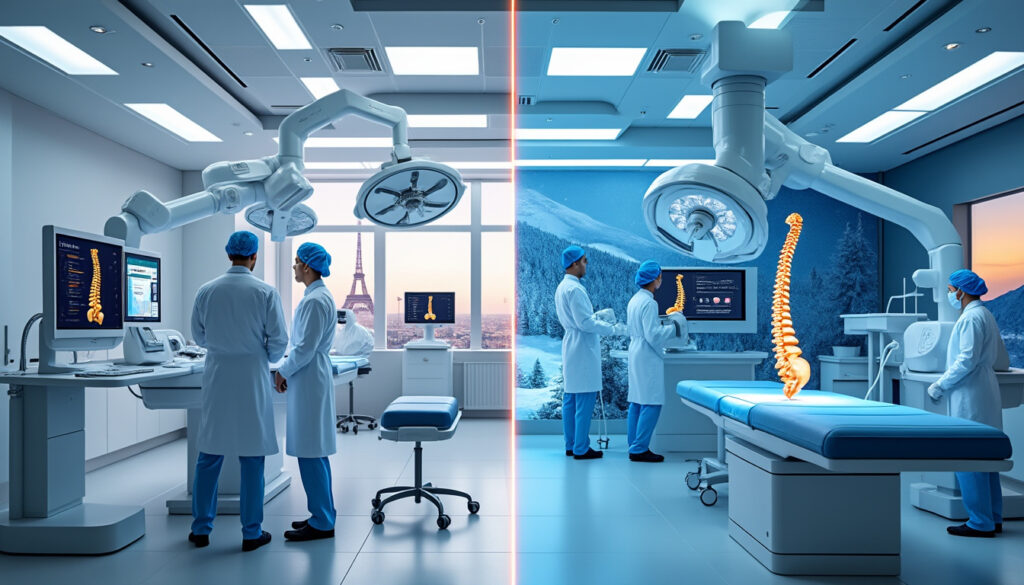
Spinal disorders continue to pose significant challenges to healthcare systems worldwide, notably in regions like Quebec and France where demographic shifts and sedentary lifestyles have amplified the incidence of spinal ailments. As the demand for advanced spinal surgery grows, understanding how France and Quebec differently address these challenges offers an intriguing perspective on the future of spinal surgery. Both regions possess distinct healthcare frameworks and surgical practices shaped by their cultural, economic, and technological contexts, which impact patient outcomes and access to care. France, renowned for its innovation in minimally invasive spinal techniques and a well-coordinated care pathway, contrasts with Quebec’s system where public healthcare’s structural constraints create waiting lists and encourage transatlantic collaboration. An examination of these varying approaches reveals opportunities for reciprocal enhancement, blending France’s surgical advancements with Quebec’s emphasis on conservative treatment and chronic care management. This comparative insight not only underscores the evolving landscape of spinal surgery but also highlights the essential role of international partnerships in optimizing spine health for diverse patient populations.
As spinal surgery advances into 2026, the integration of medical innovation, such as robotic-assisted procedures and dynamic implants, reshapes both France and Quebec’s surgical landscapes. The pursuit of preserving spinal mobility while ensuring stability reflects a paradigm shift in orthopedic surgery. In this context, collating clinical expertise and health policy experiences from both regions provides valuable lessons in balancing innovation with accessibility. This dynamic interchange, led by visionary clinicians and healthcare administrators, sets a promising foundation for enhancing global spinal care standards and provides a roadmap for other healthcare systems confronting similar burdens of spinal disorders.
Comparative Healthcare Systems: Impact on Spinal Surgery Access and Delivery in France and Quebec
Healthcare systems form the backbone of how spinal surgical services are accessed, delivered, and optimized. France’s universal healthcare system offers nearly unconditional access to medical care with generally shorter waiting times for spinal surgery compared to Quebec. The latter’s predominantly public system provides free medical services but is burdened by extensive waiting lists for specialist consultations and physiotherapy, often pushing patients towards costly private clinics to expedite their care. These structural differences significantly affect patient choices and treatment timelines.
Quebec’s emphasis on chronic pain management within its healthcare policies focuses on long-term interdisciplinary care, but it simultaneously faces pressure from increasing cases of acute spinal conditions. This contrast with France’s approach, which leverages a robust network of private and public providers and state-supported medical tourism companies such as Franchir, enables quicker referral and treatment actions, including innovative surgical techniques. The partnership between Quebec and France exemplifies how varying healthcare models can complement each other, combining Quebec’s conservative care philosophy with France’s surgical innovation and streamlined patient flow.
Moreover, the healthcare coverage models influence the types of spinal surgery most commonly performed. In France, access to state-of-the-art surgery is facilitated by a system funded through social contributions, while Quebec’s funding mechanisms create disparities in resource availability, particularly for non-emergency interventions. This dynamic encourages the transatlantic collaborative pathways that help bridge gaps in expertise and surgical availability, delivering tailored patient-centric care. Such cross-border healthcare models are becoming increasingly important as spinal diseases surge globally, necessitating international cooperation for sustainable spine health solutions.

Understanding Sciatic Pain: Key Symptoms and When to Seek Medical Advice
Sciatic pain is a prevalent condition impacting a wide demographic, manifesting primarily as intense pain radiating from the lower back down the leg. This pain stems from irritation or compression of the sciatic nerve, a major nerve extending through the…

The Stepwise Role of Functional Recovery in Achieving Successful Outcomes
The journey to full recovery following spinal surgery is often complex and multifaceted, demanding a meticulously structured approach to ensure optimal functional outcomes. In recent years, the concept of functional recovery through a stepwise approach has garnered significant attention in…
Advanced Surgical Techniques Shaping Orthopedic Surgery in France and Quebec
The evolution of surgical techniques in spinal surgery underlines the future of surgery at the intersection of precision, minimally invasive procedures, and biomechanical preservation. France leads in adopting endoscopic decompression and arthrodesis, leveraging robotic navigation systems to enhance surgical accuracy and reduce patient recovery times. Notably, the discectomy endoscopique offers patients relief from herniated discs with less hospital stay and fewer complications, representing a benchmark in spinal care innovation.
Quebec, while traditionally emphasizing non-surgical management, has progressively integrated these advanced techniques through collaborative programs, such as those coordinated by Dr. Sylvain Desforges. The utilization of dynamic implants like the TOPS system and the Intraspine interlaminar prosthesis in France introduces a new dimension to motion-preserving surgeries. These implants maintain segmental mobility, crucial for younger or active patients looking to sustain an athletic lifestyle long after surgery, differentiating this approach from traditional fusion surgeries prevalent in Quebec’s practice.
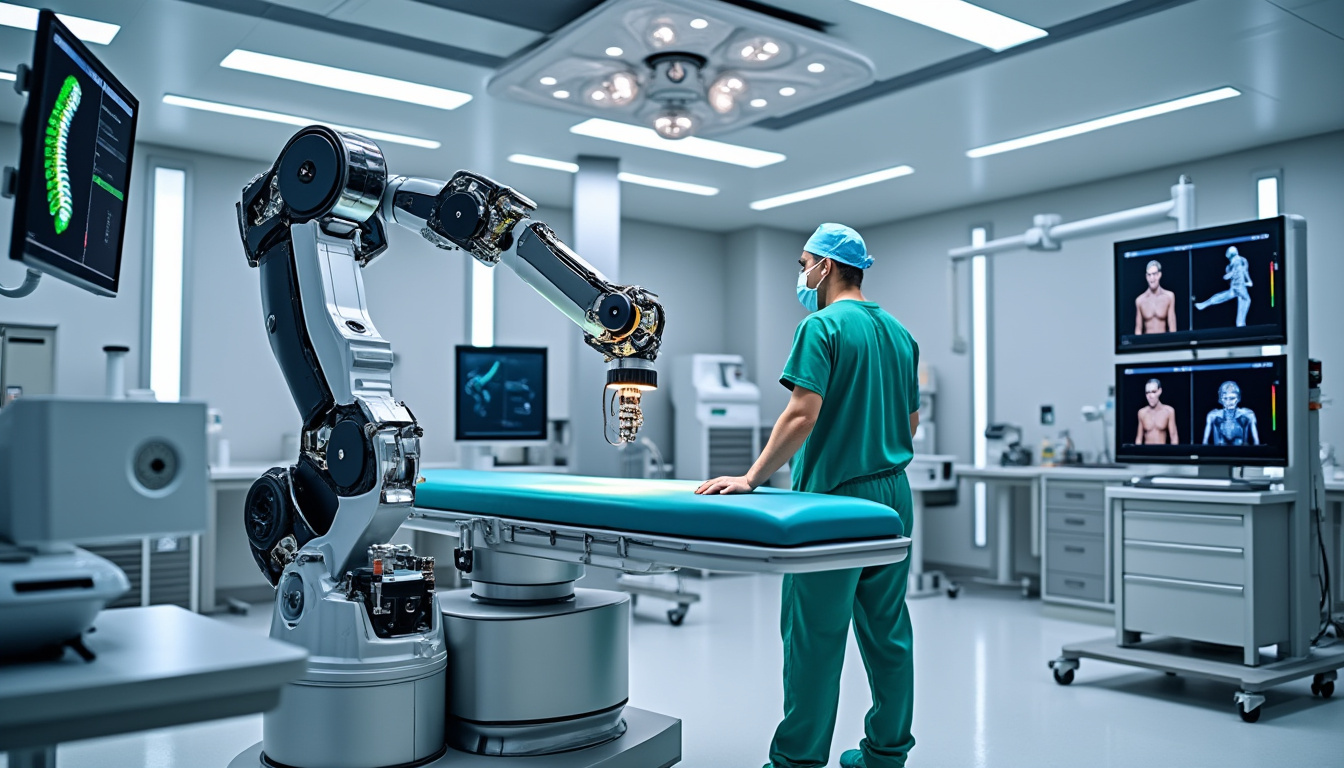
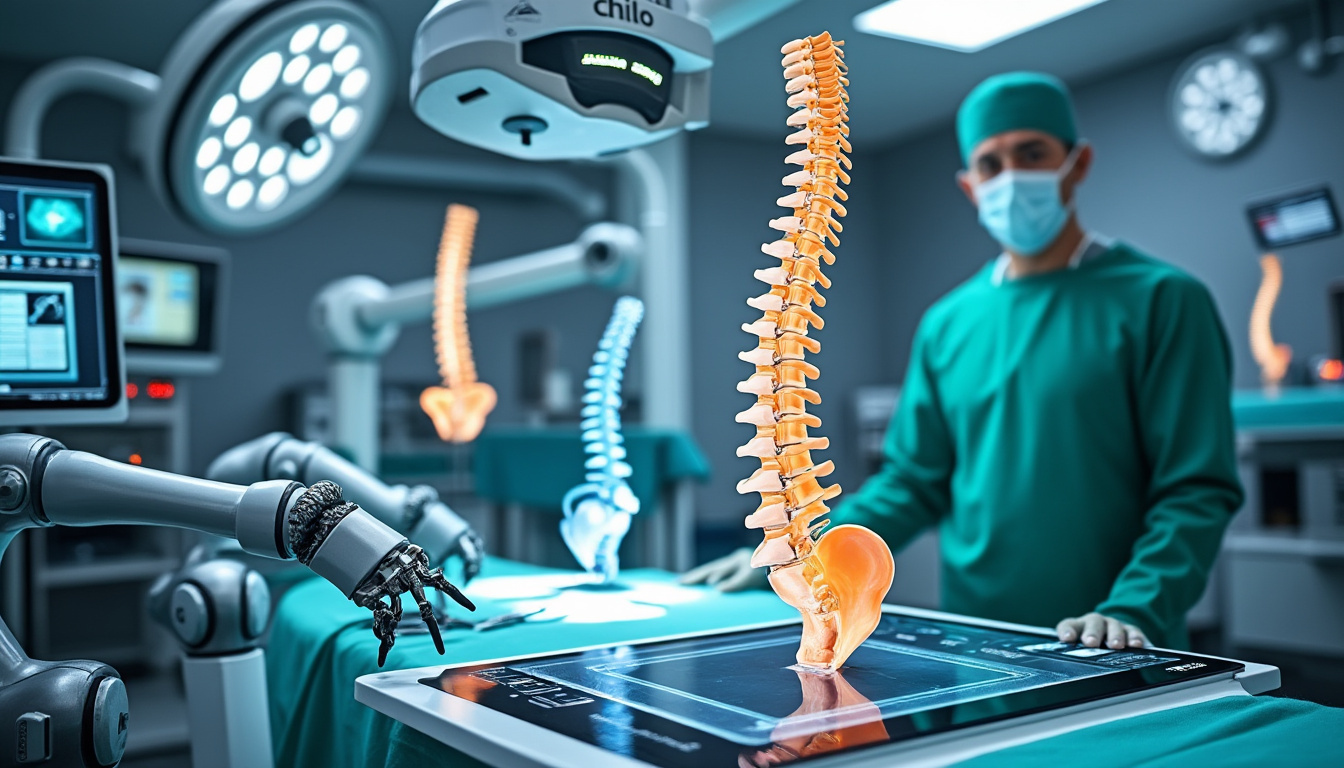
Incorporating robotics further pushes the envelope in orthopedic surgery. Robotic systems enable three-dimensional imaging and navigation, offering unparalleled precision in placing implants and mitigating complications. This integration tremendously benefits spinal surgery outcomes by minimizing tissue damage and maintaining spine biomechanics, a critical factor for postoperative quality of life. Quebec’s exposure to these innovations through international training and surgical exchanges accelerates local adoption, enriching patient options and outcomes across North America.
Summary Table: Key Surgical Techniques in Spinal Surgery – France vs Quebec
| Technique | Main Indications | Advantages | Limitations | Prevalence Region |
|---|---|---|---|---|
| Endoscopic Decompression | Herniated discs, nerve root stenosis | Minimally invasive, quicker recovery, preserves mobility | Less effective in severe deformities | France |
| Arthrodesis (Spinal Fusion) | Scoliosis, spondylolisthesis, instability | Reliable spine stabilization, long-term correction | Loss of mobility, potential adjacent segment degeneration | Quebec & France |
| Motion Preservation Implants (TOPS, Intraspine) | Disc degeneration without major instability | Maintains natural spinal movement, reduces degeneration | Emerging techniques, limited availability in Quebec | Primarily France |

Transatlantic Patient Journey: Insights into Indications, Benefits, and Challenges
The emergence of the Transatlantic Patient Journey as a strategic model within healthcare continues to capture attention for its innovative potential, especially in specialized fields such as spinal surgery. This cross-border care pathway integrates rigorous medical evaluation from Quebec with…
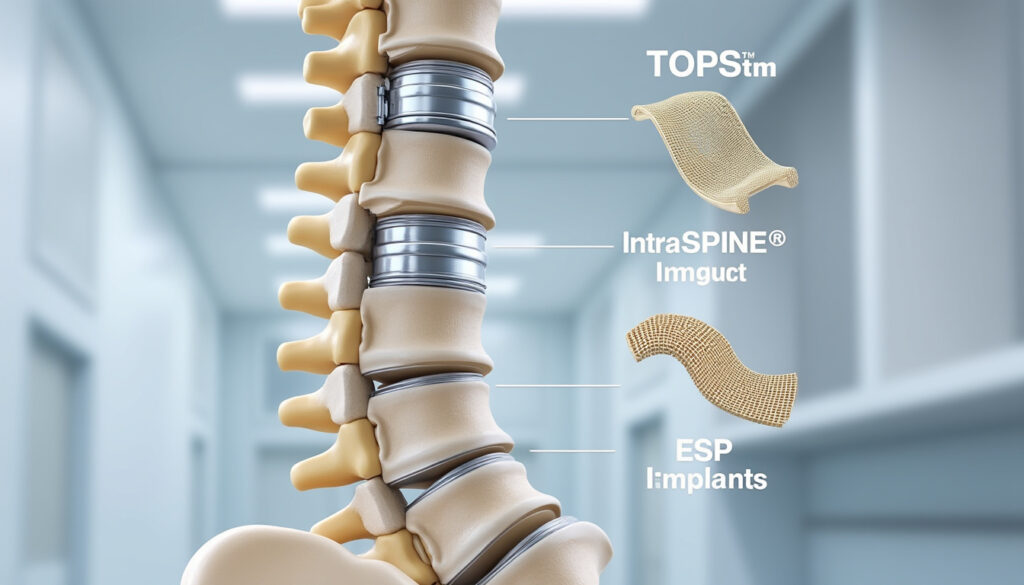
The evolving field of spinal surgery is witnessing a transformative shift, fueled by cutting-edge implant technologies such as TOPS, Intraspine, and ESP. These innovative implants redefine treatment possibilities by emphasizing preservation of natural spinal mechanics, while ensuring durable stabilization and…
Ethical and Scientific Framework of Transatlantic Spine Care Collaboration
The cooperative framework established between Quebec and France reflects a commitment not only to medical innovation but equally to scientific rigor and ethical patient management. Prior to surgical intervention, patients undergo mandatory conservative treatment, primarily in Quebec’s TAGMED clinics, emphasizing non-invasive approaches such as neurovertébral decompression via computerized robotic traction. This ensures all non-surgical avenues are exhausted, reducing unnecessary surgeries while preserving spinal integrity.
This ethical framework aligns with guidelines from provincial regulatory bodies and the Canadian College of Physicians. It safeguards patient autonomy and trust by ensuring surgery is a measure of last resort. When surgery is necessary, the pathway includes seamless coordination handled by specialized organizations like Franchir, which oversees clinical referral, travel logistics, and integration within French surgical centers renowned for excellence.
The continuity of care following surgery is equally critical. Upon return to Quebec, follow-ups through dedicated centers such as Neurothérapie Montréal provide personalized rehabilitation programs, leveraging telemedicine and multidisciplinary support teams to optimize recovery and long-term spine health. This comprehensive approach nurtures both clinical outcomes and patient confidence, accentuating the humanistic dimension that underpins this transatlantic surgical partnership.

Preparing for Surgery in France: Key Indications, Benefits, and Limitations
In an evolving global healthcare landscape, France emerges as a beacon of advanced surgical expertise, particularly attracting international patients seeking expedited and innovative medical interventions. Patients from regions experiencing long wait times, such as Quebec, increasingly view France as an…

Unveiling the Hidden Benefits of Quality and Certification in Devices
The landscape of device manufacturing and clinical application in 2026 has been fundamentally shaped by the rigorous interplay between quality management and certification processes. Within this complex framework, the hidden benefits of adhering to international standards and obtaining relevant certifications…
The Role of Medical Innovation and Technology in Enhancing Surgical Outcomes
Medical innovation serves as a cornerstone in reshaping spine health strategies. France’s integration of 3D imaging, robotic navigation platforms, and dynamic spinal implants illustrates the potential to maximize precision, safety, and postoperative function. These innovations underpin an era where spinal surgery transcends mere structural repair to become a biological and biomechanical restoration.
Quebec’s healthcare system, despite challenges in accessibility, benefits significantly from adopting similar technological strides through international knowledge sharing. The growing implementation of robotic-assisted mini-invasive surgeries reduces complication rates and hospital stays. Moreover, the development of courses and diplomas like the DIU Chirurgie du Rachis by the French SFCR enhances the training of surgeons, promoting surgical excellence and consistency across practices.
The adoption of dynamic implants improves biomechanical outcomes by preserving spinal flexibility and reducing adjacent segment degeneration — complications that have historically limited the success of traditional fusion surgeries. Such advancements, supported by ongoing clinical studies and evidence-based protocols, are transforming the orthopedic surgery landscape in both regions.
Why Experts Advocate for Comprehensive Preoperative Evaluations
In the complex and demanding field of spinal surgery, the emphasis on comprehensive preoperative evaluations has become a fundamental pillar supporting successful surgical outcomes. These evaluations, far beyond mere routine checks, integrate detailed analyses of patient health, surgical risk assessments,…
The Future of Surgery Lies in Stepwise Functional Recovery
The evolution of surgical care in 2026 reveals a compelling shift toward approaches that prioritize the holistic recovery of patients, moving beyond traditional metrics like length of hospital stay or mortality rates. This modern paradigm highlights the principle that the…
Patient Pathways and Surgical Preparation: Facilitating Optimal Results Across Borders
A critical component of this transatlantic collaboration lies in the careful preparation and patient pathway optimization. Patients from Quebec undergo thorough evaluations including advanced imaging in multidisciplinary clinics emphasizing conservative therapy before surgical consideration. This approach embodies the principle that surgery should be the endpoint after conservative measures, consistent with the ethos promoted across both healthcare systems.
French surgical centers prioritize patient-centered care with expedited access to state-of-the-art surgical facilities. In parallel, logistical coordination by organizations like Franchir ensures patient comfort and security, handling travel, accommodation, and preoperative consultations. This holistic approach reduces patient anxiety and logistical burdens, enabling focus on surgical success.
The post-surgical phase is managed meticulously in Quebec, where rehabilitation protocols are customized to individual needs with emphasis on neurotherapy and progressive physical reinforcement. Regular teleconsultations also maintain continuity, addressing emerging complications promptly and fostering patient empowerment. This model sets an example of how cross-border care pathways can synergize strengths from each system for superior spine health outcomes.
Optimizing Cost and Efficiency through International Surgical Partnerships
Beyond clinical benefits, economic considerations motivate the Quebec-France collaboration in spinal surgery. Quebec’s public healthcare delays and the high costs of private care make France’s technically advanced and competitively priced surgical options attractive. Although international travel involves upfront expenses, the total cost including surgery, hospitalization, and accommodations often remains more affordable than private Quebec alternatives.
Coordinating through entities like Franchir reduces administrative hurdles and consolidates expenses, creating a streamlined, cost-efficient model. Reduced surgical complications and shorter hospitalizations decrease indirect costs like time off work, advancing socioeconomic sustainability. This model highlights how the future of surgery includes cross-border collaborations that optimize resource use while prioritizing patient outcomes.
- Access to innovative, minimally invasive spinal surgeries in France
- Comprehensive conservative treatment phase in Quebec
- Robotic-assisted surgical techniques enhancing precision
- Dedicated coordination services simplifying patient logistics
- Postoperative rehabilitation leveraging telemedicine and multidisciplinary care
Training and Education: Enhancing Surgical Expertise Through Shared Knowledge
Continuous education is fundamental for maintaining surgical excellence. France’s SFCR (Société Française de Chirurgie Rachidienne) offers Diplôme Inter-Universitaire (DIU) programs specializing in spinal surgery, providing comprehensive curricula on new surgical techniques, anatomy, biomechanics, and technology integration. Quebec surgeons increasingly participate in such programs to expand their skill sets and align with global best practices.
International workshops such as the EUROSPINE spinal endoscopy courses at IRCAD Strasbourg enhance hands-on exposure to emerging techniques. These training avenues facilitate not only the acquisition of skills but also critical appraisal of surgical outcomes, fostering evidence-based improvements. Such educational exchanges are indispensable in shaping the future surgical workforce competent in managing the evolving complexity of spine disorders.
Additionally, joint research initiatives epitomize the scientific collaboration between the two regions, aiming to refine treatment variability and improve the consistency of outcomes. This knowledge-sharing accelerates the translation of surgical advancements into standard practice, securing better spine health on both continents and beyond.
Shaping the Future of Spinal Surgery: A Comparative Insight Between France and Quebec
| Aspect | France | Quebec |
|---|
What advantages does spinal surgery in France offer to Quebec patients?
France provides access to advanced surgical techniques such as endoscopic decompression and dynamic implants, shorter hospital stays, and an integrated transatlantic care pathway that enhances surgical outcomes and reduces recovery times.
Why is conservative treatment emphasized before surgery in these healthcare systems?
Conservative treatment reduces the need for surgery, preserving spinal anatomy and function, aligning with ethical medical practices and ensuring surgery is reserved for cases where it is indispensable.
How do robotic-assisted surgeries improve spinal surgical outcomes?
Robotics enhance precision in implant placement, reduce tissue damage, shorten hospitalization, and lower complication risks, ultimately improving recovery and long-term spine health.
What are the economic benefits of the Quebec-France surgical collaboration?
This partnership lowers overall patient costs by avoiding expensive private surgery locally, optimizing resource use, and reducing indirect costs such as lost workdays through quicker recovery.
How is post-surgical care coordinated between Quebec and France?
A comprehensive follow-up system including in-person rehabilitation and teleconsultations ensures continuous monitoring and personalized recovery plans, maximizing surgical success and patient well-being.