
Unveiling the Hidden Benefits of the Transatlantic Patient Journey
June 10, 2026
The Crucial Role of Post-Operative Monitoring in Achieving Successful Spine Surgery Outcomes
June 11, 2026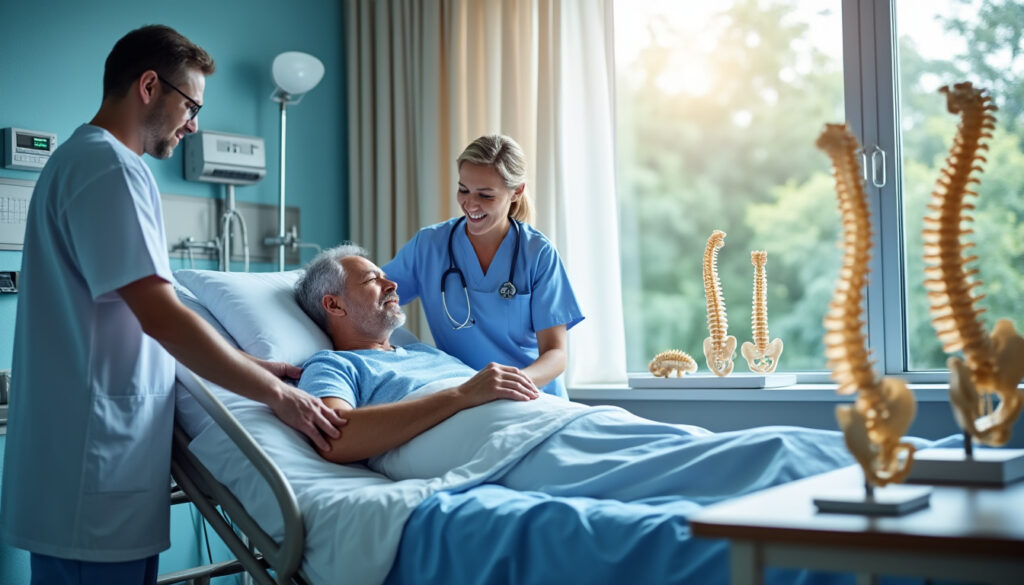
In the evolving landscape of spinal care, 2026 marks a pivotal moment where medical innovation meets patient-centered approaches. Across continents, patients battling chronic back pain find renewed hope through advanced surgical techniques that harmonize healing with mobility preservation. This cross-Atlantic collaboration between Canadian patients and French surgical expertise embodies a renewed promise for efficient, personalized, and effective interventions. As spine surgery advances beyond traditional fusion, the advent of Motion surgery is redefining outcomes by maintaining joint flexibility. Embedded in these advancements are personal stories charged with emotion and insight, illustrating not only the clinical successes but the profound human impact.
Traditional treatments for spinal disorders often proved insufficient, especially for complex degenerative conditions, leading to painful compromises in mobility and quality of life. Today, the integration of minimally invasive simple surgeries, rigid fusion techniques, and innovative Motion preservation strategies provides tailored solutions. French clinics, known for their refined surgical protocols and dynamic implants such as TOPS and IntraSPINE, collaborate with Quebec specialists to offer a seamless journey that optimizes both medical outcomes and patient experience. Together, they navigate a pathway marked by rigorous assessments, transparent communication, and post-operative care that empowers patients during recovery. The resulting synergy of science and empathy paints a hopeful picture—and challenges previous limits in spinal surgery.
The Spectrum of Spinal Surgical Techniques: From Simple Decompression to Advanced Fusion
Spinal surgery encompasses a broad spectrum of techniques, each designed to meet specific clinical needs while balancing risks and benefits. Understanding the distinctions between simple surgery, fusion, and Motion surgery is essential for patients and clinicians aiming to select the most appropriate intervention.
Simple Surgery: Targeted Relief with Preservation of Natural Movement
Simple surgery typically involves minimally invasive procedures such as decompression for herniated discs that compress nerves, triggering pain and neurological symptoms. By alleviating nerve pressure, these surgeries restore function and reduce discomfort without compromising the spine’s inherent flexibility. For instance, lumbar or cervical decompression allows patients to regain mobility within weeks, often returning promptly to daily activities. The simplicity and targeted nature reduce postoperative complications and accelerate recovery, making this option highly suited to patients with localized nerve impingement but stable vertebral alignment.
Fusion Surgery: Gaining Stability by Sacrificing Mobility
When spinal instability or advanced degenerative changes complicate the clinical picture, fusion or arthrodesis remains a cornerstone surgical technique. This procedure fuses two or more vertebrae to halt painful motion and correct deformities. While fusion delivers long-term stability and relief, it inherently restricts segmental flexibility, fundamentally altering spinal biomechanics. Adjacent segments may then endure added mechanical stress, potentially hastening degeneration. Recovery from fusion surgery tends to be longer and more demanding, with patients often requiring extended rehabilitation. Despite these challenges, fusion is sometimes indispensable to prevent progressive neurological damage and maintain overall spinal integrity.
Motion Surgery: Innovation in Dynamic Stabilization
The emergence of Motion-preserving surgery marks a transformative leap in spinal care. Utilizing dynamic implants—such as the TOPS system and the IntraSPINE device—surgeons can stabilize vertebral segments while retaining between 60% and 80% of natural spinal motion. This technology reduces the risk of adjacent segment disease and maintains spinal mechanics closer to physiological conditions. Patients experience less post-surgical pain and faster functional recovery compared to traditional fusion. Early outcomes demonstrate promising improvements in quality of life, supporting the adoption of Motion surgery as a preferred solution in selected cases. This approach exemplifies how medical innovation enhances both biomechanical function and patient wellbeing.

Understanding Sciatic Pain: Key Symptoms and When to Seek Medical Advice
Sciatic pain is a prevalent condition impacting a wide demographic, manifesting primarily as intense pain radiating from the lower back down the leg. This pain stems from irritation or compression of the sciatic nerve, a major nerve extending through the…
Personal Recovery Narratives: Impact of Surgical Choices on Patient Experience
Individual patient stories illuminate how the choice of surgical technique shapes recovery and quality of life. For many, the journey through diagnosis, surgery, and rehabilitation embodies hope, resilience, and transformation.
Experiences with Simple Surgery
Patients undergoing simple decompression often report rapid pain relief and a swift return to normality. For example, those treated for lumbar herniated discs typically note improvements within weeks, describing a transition from debilitating discomfort to regained mobility. Clear communication and realistic expectations foster positive patient experiences. These narratives emphasize the value of preserving natural spinal motion and highlight the psychological uplift from quick recovery.
Accounts from Fusion Procedures
Personal stories of fusion provide both hope and cautionary insights. While many patients achieve lasting relief of pain and instability, some recount challenges linked to reduced spinal movement and prolonged rehabilitation phases. Notably, individuals express the emotional and physical toll of adapting to a restricted range of motion. These accounts underscore the need for comprehensive patient education and tailored rehabilitation protocols to optimize functional outcomes.
Testimonials Highlighting Motion Surgery Benefits
Motion surgery recipients frequently share narratives of preserved flexibility coupled with marked pain reduction. The dynamic stabilization implants enable patients to resume active lifestyles sooner, often engaging in sports or demanding occupations with confidence. Testimonials collected from clinics such as the TAGMED in France emphasize enhanced satisfaction and improved daily function, paving the way for broader acceptance of this innovative surgical approach. These personal insights complement scientific evidence demonstrating the efficacy of Motion surgery techniques.

The Stepwise Role of Functional Recovery in Achieving Successful Outcomes
The journey to full recovery following spinal surgery is often complex and multifaceted, demanding a meticulously structured approach to ensure optimal functional outcomes. In recent years, the concept of functional recovery through a stepwise approach has garnered significant attention in…
Coordinated Transatlantic Care Pathways: A Model for Effective Spine Surgery in 2026
In 2026, the integration of care between Quebec and France exemplifies how coordinated international pathways can enhance patient access to cutting-edge spinal surgery. Organizations such as SOS Tourisme Médical facilitate seamless patient journeys, combining expert evaluations, innovative surgery, and holistic post-operative support.
Pre-surgical Assessment and Conservative Management
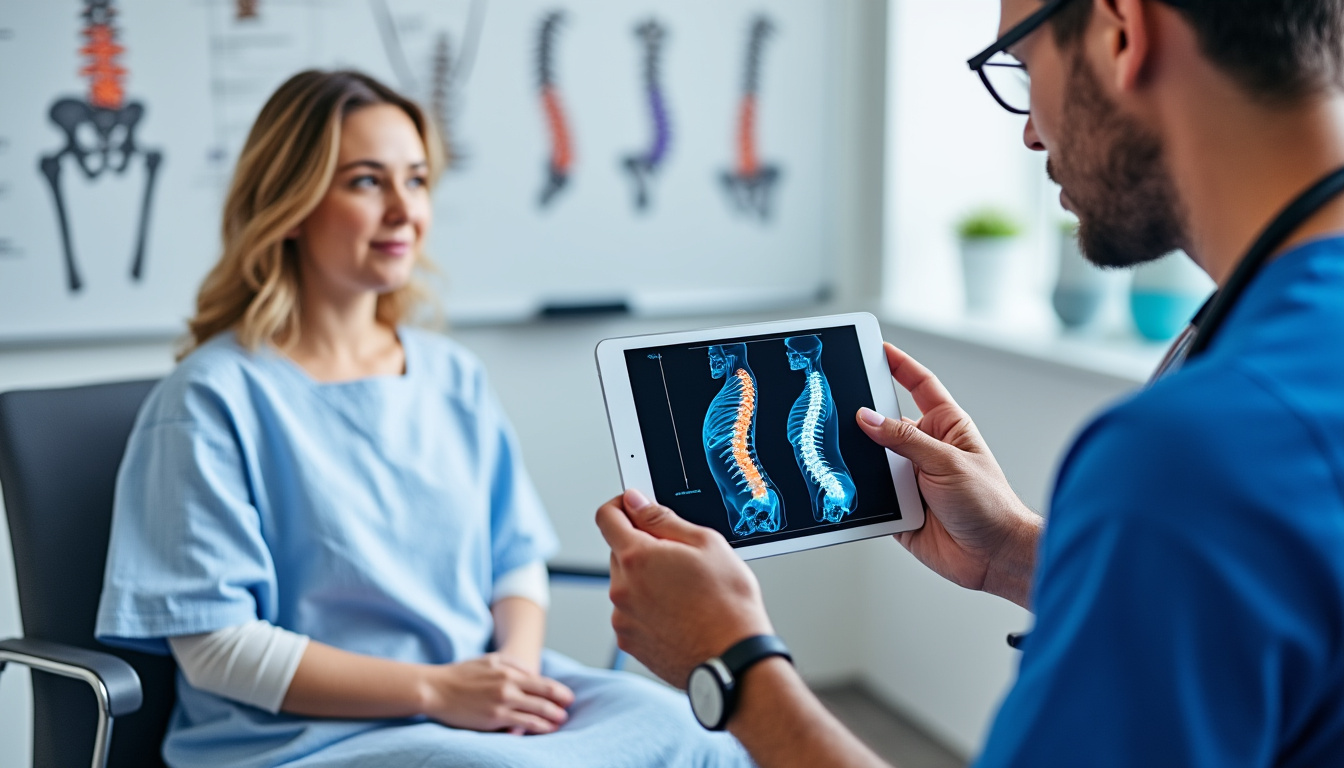
Prior to surgery, patients undergo rigorous evaluations emphasizing conservative treatments. Techniques such as robot-assisted neurovertebral decompression offered at the Clinique TAGMED underscore the commitment to exhausting non-surgical options. This careful selection optimizes surgical candidacy and outcomes, placing ethical patient care at the forefront. Typically, three to six months of advanced therapies are implemented, often improving symptoms and sometimes obviating the need for surgery.
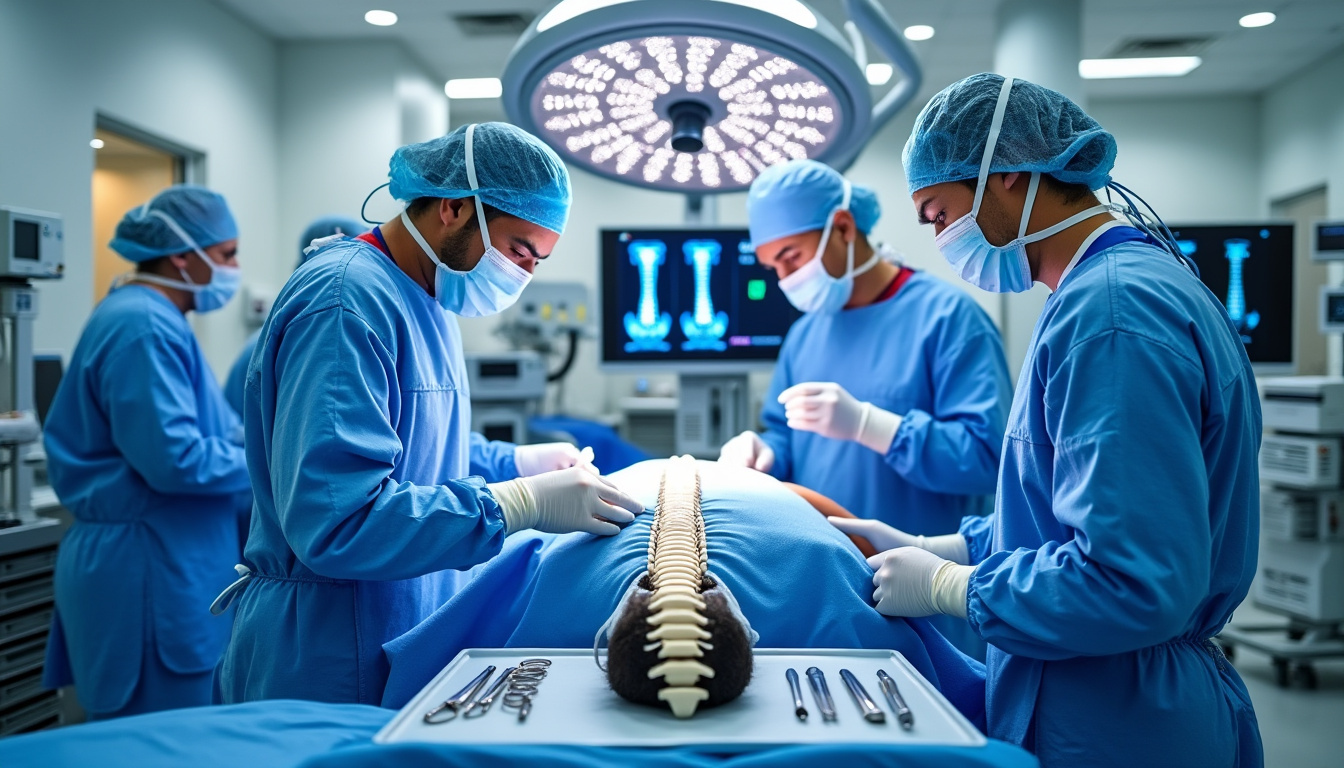
Surgical Intervention and Recovery in French Centers
French surgical centers adhere to modern, minimally invasive protocols leveraging the latest technologies, including navigation robotics and 3D imaging. Implantation of Motion-preserving devices is performed within this highly skilled environment. The involvement of the company Franchir ensures logistical coherence—organizing travel, accommodation, and clinical integration—essential for patient comfort and trust during their transatlantic journey.
Postoperative Rehabilitation and Remote Monitoring
Following surgery, patients transition into a tailored rehabilitation phase beginning in France, supplemented by remote follow-up through programs like Neurothérapie Montréal. This hybrid approach maintains continuity of care, providing personalized monitoring and adaptive therapy regimens that support optimal recovery and long-term function. Consistent feedback and adjustment contribute to higher patient satisfaction and better outcomes.
Comparison of Spinal Surgery Techniques
| Surgical Technique | Primary Objective | Mobility Impact | Average Recovery Duration | Common Risks |
|---|

Transatlantic Patient Journey: Insights into Indications, Benefits, and Challenges
The emergence of the Transatlantic Patient Journey as a strategic model within healthcare continues to capture attention for its innovative potential, especially in specialized fields such as spinal surgery. This cross-border care pathway integrates rigorous medical evaluation from Quebec with…
Biomchanical and Economic Advantages of Motion-Preserving Techniques
The introduction of dynamic stabilization implants in spine surgery achieves significant biomechanical advantages. Maintaining spinal motion reduces abnormal load shifts to neighboring segments, mitigating premature wear and secondary arthrosis. This benefit directly translates into long-term preservation of posture and function.
From an economic perspective, the French healthcare infrastructure, by integrating these advanced surgeries in accessible models, provides patients with cost-effective care. Compared to private sector alternatives in Quebec, this transatlantic pathway optimizes resource utilization while reducing wait times. Transparent cost structures and bundled services ensure predictability and patient confidence.
Finally, the human value of this approach is reflected in personalized patient education, empathetic communication, and sustained psychosocial support through both surgical and rehabilitative phases. This holistic vision fosters empowered patients, better adherence to recovery protocols, and ultimately enhanced surgical success rates.
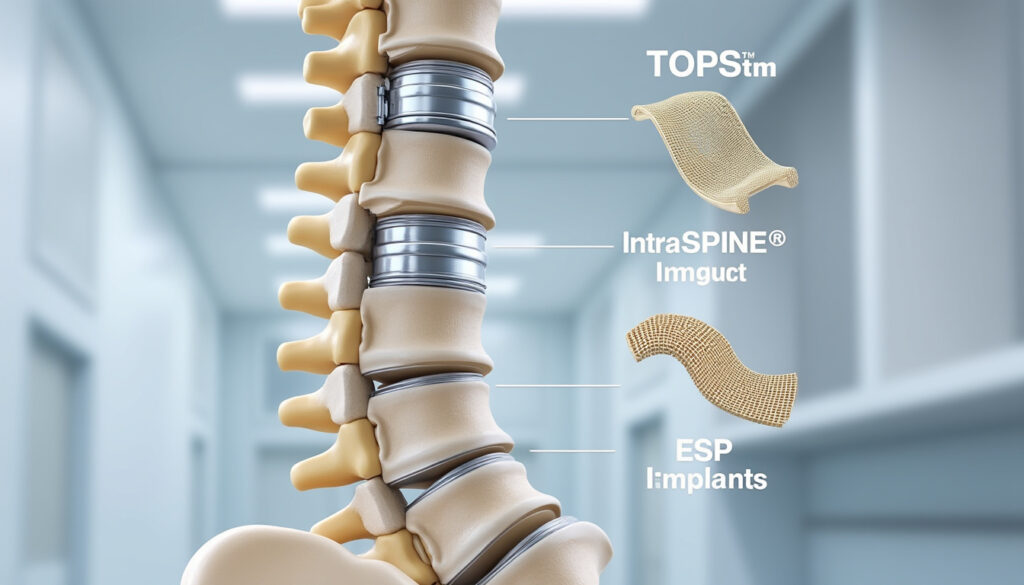
The evolving field of spinal surgery is witnessing a transformative shift, fueled by cutting-edge implant technologies such as TOPS, Intraspine, and ESP. These innovative implants redefine treatment possibilities by emphasizing preservation of natural spinal mechanics, while ensuring durable stabilization and…
Ethical Patient Selection and Conservative Preoperative Management
Adhering to ethical standards, patient selection respects the principle of exhausting advanced conservative treatments before recommending surgery. The practice of robot-assisted neurovertrebral traction at facilities like TAGMED exemplifies this philosophy, contributing to substantial symptom relief and minimizing unnecessary surgical exposure.
This deliberate pacing and rigorous monitoring allow the surgical indication to be scientifically grounded and individually tailored. Feedback from patient communities frequently praises the clarity and respectfulness of this process, emphasizing its role in alleviating anxiety and supporting informed consent.
Preparing for Surgery in France: Key Indications, Benefits, and Limitations
In an evolving global healthcare landscape, France emerges as a beacon of advanced surgical expertise, particularly attracting international patients seeking expedited and innovative medical interventions. Patients from regions experiencing long wait times, such as Quebec, increasingly view France as an…
Medical Innovation Driving Improved Patient Outcomes in Spinal Surgery
Continuous innovation in surgical technology, paired with refined clinical protocols, molds the current state of spinal surgery. Advances include the adoption of 3D printing for patient-specific vertebral models, robotic assistance for ultra-precise procedures, and enhanced imaging techniques that minimize intraoperative risks. These innovations are extensively documented in specialized courses like those offered by EUROSPINE and IRCAD Strasbourg.
Furthermore, feedback loops from patient experiences actively shape future development, ensuring that technology aligns with real-world needs. This dynamic interplay between technological progress and human insight accelerates the refinement of surgical techniques, influencing better recovery trajectories, fewer complications, and superior patient satisfaction.

Unveiling the Hidden Benefits of Quality and Certification in Devices
The landscape of device manufacturing and clinical application in 2026 has been fundamentally shaped by the rigorous interplay between quality management and certification processes. Within this complex framework, the hidden benefits of adhering to international standards and obtaining relevant certifications…
Compilation of Key Patient Experiences and Peer Insights
Shared patient stories are invaluable in fostering understanding among those contemplating spinal surgery. For example, accounts of SI joint fusion convey how minimally invasive techniques reduce operative trauma while providing effective stabilization. When patients discuss preoperative concerns, surgical experiences, and rehabilitation journeys, they provide a nuanced perspective that complements clinical data.
Online communities and platforms like Reddit and dedicated blogs facilitate these exchanges, offering peer support essential for decision-making and morale. These narratives reinforce the diverse paths to recovery and highlight the importance of tailored care plans responsive to individual patient profiles.
- Simple Surgery offers rapid nerve decompression with movement retention.
- Fusion Surgery provides stability at the cost of reduced spinal flexibility.
- Motion Surgery balances stabilization with preservation of natural spinal mechanics.
- Biomimetic implants reduce risks of adjacent segment degeneration.
- Cross-border healthcare collaborations expand patient options internationally.
- Conservative treatments remain the first line before surgical intervention.
- Robotic-assisted surgery enhances precision and lowers complications.
- Patient education and psychosocial support improve overall recovery and satisfaction.

Why Experts Advocate for Comprehensive Preoperative Evaluations
In the complex and demanding field of spinal surgery, the emphasis on comprehensive preoperative evaluations has become a fundamental pillar supporting successful surgical outcomes. These evaluations, far beyond mere routine checks, integrate detailed analyses of patient health, surgical risk assessments,…
Addressing Patient Concerns: Transparency and Educated Decision-Making
Medical ethics mandate that patients receive clear, comprehensive information regarding the risks, benefits, and alternatives of each surgical approach. Open discussion about the distinctions between simple surgery, fusion, and Motion surgery empowers patients to make decisions aligned with their lifestyles and expectations.
Health professionals advocate for transparent communication, emphasizing the importance of preparing patients not only for the surgery but also for the recovery phases. This transparency mitigates anxiety, fosters trust, and ultimately enhances clinical outcomes. Tools like detailed consultations and accessible patient testimonials are instrumental in this educational process.
The Future of Surgery Lies in Stepwise Functional Recovery
The evolution of surgical care in 2026 reveals a compelling shift toward approaches that prioritize the holistic recovery of patients, moving beyond traditional metrics like length of hospital stay or mortality rates. This modern paradigm highlights the principle that the…
Future Directions in Spinal Surgery: Integrating Motion and Precision Technology
Looking forward, research continues to innovate in the domain of spinal surgery, spotlighting multi-modal strategies that integrate Motion-preserving implants with intelligent robotic navigation. Enhanced imaging, intraoperative neuromonitoring, and regenerative medicine approaches promise to refine surgical precision and efficacy further.
As these developments emerge globally, their integration into transatlantic care pathways ensures that patients benefit from the latest breakthroughs irrespective of geographic location. The future of spinal surgery blends technology, biology, and personalized medicine to maximize functional outcomes and minimize patient burden.
What distinguishes Motion surgery from traditional fusion?
Motion surgery employs dynamic implants that stabilize the spine while preserving a significant portion of natural vertebral movement, reducing the risks of adjacent segment degeneration typically associated with rigid fusion.
How long does recovery typically last after simple spinal surgery?
Recovery after simple decompression surgery can range from a few days to two months, depending on the patient’s condition and adherence to rehabilitation protocols.
Why is conservative management emphasized before considering surgery?
Conservative treatments, including robot-assisted decompression and neurovertrebral traction, often alleviate symptoms and may avoid surgery entirely. This approach ensures surgery is reserved for patients who will truly benefit, aligning with ethical medical practice.
How do international care pathways benefit spinal surgery patients?
Coordinated transatlantic pathways combine expertise, innovation, and personalized care, allowing patients greater access to advanced surgical techniques, reducing wait times, and ensuring continuous postoperative support.
What role does patient education play in spinal surgery outcomes?
Educational efforts help patients understand the risks, benefits, and recovery expectations, reducing anxiety and fostering better adherence to postoperative care, ultimately enhancing surgical success.