
Understanding Herniated Discs in Repentigny: Causes, Risk Factors, and Neurovertebral Decompression Treatments
November 16, 2025
Common Mistakes to Avoid in Post-Operative Care Following Back Surgery
November 17, 2025
Chronic back pain affects a growing number of Quebecers, posing significant challenges to daily life and overall well-being. As traditional invasive treatments can be daunting due to risks and lengthy wait times, innovative alternatives like neurovertebral decompression offer hope and relief. This non-invasive therapy harnesses advanced technology combined with a personalized medical approach to gently alleviate pressure on spinal discs, reducing discomfort while enhancing mobility.
Neurovertebral decompression’s rising prominence in Quebec reflects a broader trend toward therapies that prioritize patient safety, scientific rigor, and customized care plans. Patients now benefit from integrated care pathways backed by extensive clinical experience, such as those led by specialists who emphasize thorough evaluation and cross-border collaboration with renowned French clinical centers. This fusion of expertise ensures Quebecers access both cutting-edge diagnostics and treatments previously limited by geographic barriers or systemic delays.
Fundamental Mechanisms and Clinical Indications for Neurovertebral Decompression in Quebec
Neurovertebral decompression operates as a gentle, non-surgical method designed primarily to relieve pressure on the intervertebral discs, which are often the source of persistent back or neck pain. These discs act as cushions between the vertebrae, and ailments such as herniated discs, bulging discs, and foraminal stenosis frequently lead to debilitating symptoms. NeuroDecompress therapy offers a targeted approach to ease these conditions.
The core technique involves a controlled mechanical traction applied to the spine, promoting increased space between vertebrae. This physical separation facilitates a rehydration process essential for disc regeneration and relieves pinched nerve roots responsible for neuropathic pain and numbness. Importantly, the treatment is adjustable, allowing medical practitioners to tailor the force and duration according to individual patient responses, optimizing both safety and efficacy.
Typical conditions benefiting from this approach include:
- Herniated Lumbar and Cervical Discs: Alleviation of nerve compression and pain relief.
- Vertebral Osteoarthritis: Enhanced joint mobility through decompressing and gentle mobilizations.
- Neuropathic Symptoms: Reduction of numbness, tingling, and electric shock-like sensations.
- Disc Bulging: Preventing advancement to more severe neurological complications.
- Foraminal Stenosis: Restoring nerve space and improving functional comfort.
| Condition | Neurovertebral Decompression Effects | Observed Benefits |
|---|---|---|
| Herniated Disc (Lumbar) | Reduced nerve compression | Significant pain relief, improved movement |
| Cervical Osteoarthritis | Gentle joint mobilization | Increased flexibility, less stiffness |
| Cauda Equina Syndrome Prevention | Decompression and nerve protection | Safeguarded neurological function |
By correcting biomechanical imbalances and enhancing disc oxygenation, neurovertebral decompression positions itself as a preferred conservative therapy, especially for patients prioritizing alternatives to surgical intervention. Those exploring options at specialized centers such as the Clinique TAGMED benefit from state-of-the-art equipment and experienced practitioners guiding them through tailored rehabilitative pathways.

Understanding Sciatic Pain: Key Symptoms and When to Seek Medical Advice
Sciatic pain is a prevalent condition impacting a wide demographic, manifesting primarily as intense pain radiating from the lower back down the leg. This pain stems from irritation or compression of the sciatic nerve, a major nerve extending through the…
Personalized Protocols Elevating Neurovertebral Decompression Outcomes
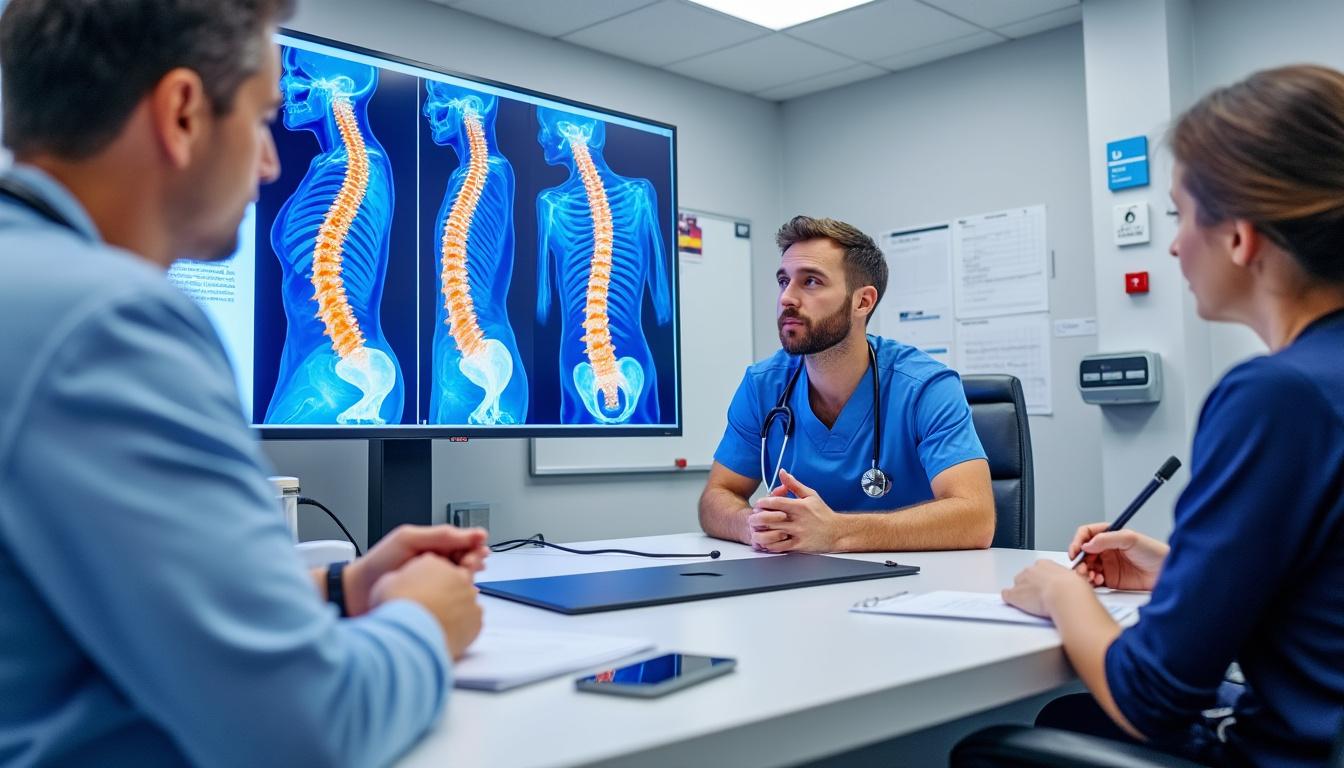
The success of neurovertebral decompression depends heavily on individualized treatment plans crafted following a comprehensive patient evaluation. Experts such as Dr. Sylvain Desforges and teams at leading Quebec clinics apply meticulous diagnostic assessments, including symptom analysis and imaging review, to detect the precise nature and location of spinal distress.
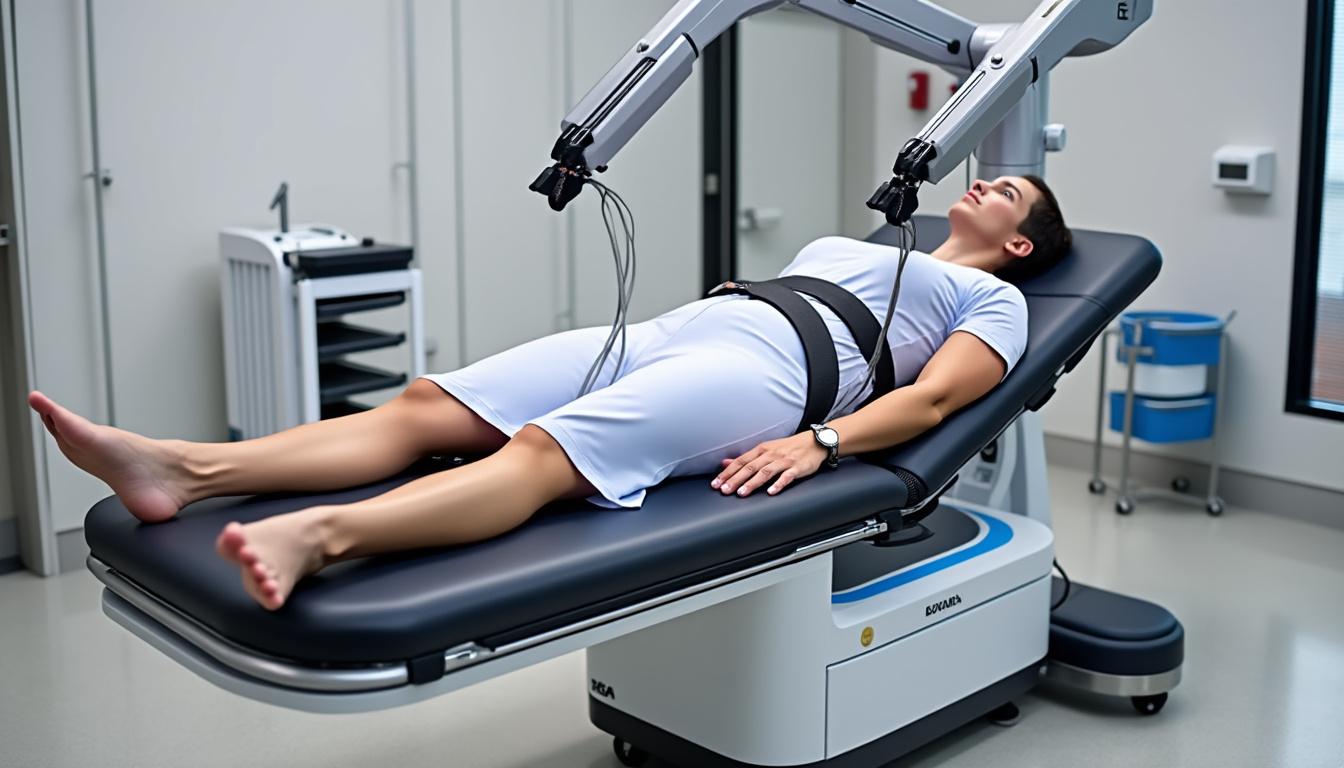
Custom protocols incorporate real-time adjustments to traction intensity and session frequency, responding to patient comfort and clinical indicators. Computer-controlled robotic systems ensure regularity and precision, diminishing muscular reflex contractions that could otherwise compromise treatment effectiveness. This dynamic method reflects the cutting-edge integration of technology within conservative spinal care.
- Initial assessment: Thorough patient history, physical exam, and imaging studies.
- Customized treatment plan: Setting specific parameters for spinal traction based on pathology.
- Regular sessions: Consistent therapy ranging typically over 6 to 12 weeks.
- Follow-up evaluations: Continuous monitoring and adjustment to maximize benefits.
- Post-treatment guidance: Education on posture, exercise, and lifestyle for sustained wellness.
| Treatment Phase | Objective | Duration | Key Activities |
|---|---|---|---|
| Evaluation | Determine baseline condition | One session | Consultation and imaging review |
| Active Treatment | Decrease symptoms, restore spinal mobility | 6 to 12 weeks | Personalized traction therapy and adjustments |
| Maintenance | Stabilize and prevent relapse | Variable | Monitoring and postural advice |
Personalization not only enhances clinical outcomes but also fosters patient engagement and comfort. By minimizing discomfort and adapting protocols to symptoms’ evolution, patients experience greater motivation toward recovery. The integration of technologies such as NeuroRelief, SpineEase, and DecompressPlus further supports a patient-centered approach, making the therapy a viable option for a wide demographic experiencing spinal ailments.

The Stepwise Role of Functional Recovery in Achieving Successful Outcomes
The journey to full recovery following spinal surgery is often complex and multifaceted, demanding a meticulously structured approach to ensure optimal functional outcomes. In recent years, the concept of functional recovery through a stepwise approach has garnered significant attention in…
Cross-Border Expertise Enhancing Quebecer Patient Care Through Collaborative Care Networks
Quebec patients benefit from a unique transatlantic treatment pathway that merges local assessment and care with advanced surgical options accessible in France. This international coordination ensures timely access to both conservative and surgical interventions, enhancing prognostic outcomes.
The treatment journey begins with an in-depth evaluation and targeted conservative therapy at Quebec clinics like TAGMED, focusing on neurovertebral decompression. Should surgical intervention become necessary, patients are guided through a streamlined referral system managed by organizations such as Franchir, facilitating placement in prestigious French spinal surgery centers that utilize cutting-edge techniques.
Further advantages of such collaboration include:
- Accelerated access to innovative procedures unavailable or delayed in Canada.
- Management within facilities adhering to stringent European health standards.
- Comprehensive patient support from pre-surgical stages through post-operative rehabilitation.
- Cost-effectiveness via coordinated logistics and expert partnerships.
| Care Stage | Responsible Party | Location | Purpose |
|---|---|---|---|
| Initial Evaluation | Dr. Sylvain Desforges / TAGMED | Montreal / Terrebonne | Detailed diagnostics and conservative care plan |
| Surgical Coordination | Franchir | France | Referral to specialized surgical centers |
| Surgery | French Surgical Teams | France | Advanced operative treatment with latest implants |
| Post-Operative Rehabilitation | Neurotherapy Montreal | Quebec | Custom recovery and functional restoration |
This integrative model exemplifies how multidisciplinary and international cooperation enhances patient outcomes and satisfaction, offering Quebecers access to an expansive care continuum uncommon in other health systems. Patients are encouraged to explore such pathways, especially when conventional local resources face bottlenecks.

Transatlantic Patient Journey: Insights into Indications, Benefits, and Challenges
The emergence of the Transatlantic Patient Journey as a strategic model within healthcare continues to capture attention for its innovative potential, especially in specialized fields such as spinal surgery. This cross-border care pathway integrates rigorous medical evaluation from Quebec with…
Pre-Surgical Neurovertebral Decompression: Critical Preparation for Optimal Surgical Outcomes
Prior to considering surgical interventions for spinal conditions, a recommended period of conservative treatment spanning between three to six months is essential. Neurovertebral decompression plays a pivotal role during this phase, aiming to reduce symptoms and enhance spinal function. This preparatory stage fosters improved surgical conditions and potentially reduces post-operative complications.
Comprehensive pre-surgical protocols are designed to:
- Mitigate inflammation and pain through targeted decompression sessions.
- Restore spinal mobility and optimize patient general health.
- Frequently re-evaluate treatment efficacy to tailor individual care dynamically.
- Engage multidisciplinary consultation to ensure surgical decisions are made judiciously.
| Phase | Goal | Duration | Expected Impact |
|---|---|---|---|
| Conservative Therapies | Maximize natural healing | 3 to 6 months | Decreased pain and improved function |
| Specialized Follow-Up | Optimize treatment effectiveness | Ongoing | Better preparation for surgery |
| Surgical Decision | Confirm necessity | Post-conservative failure | Increased safety and recovery quality |
Historical data, including analysis of post-spinal surgery neurological complications, underscore the importance of such preparatory decompression therapies to maximize overall patient safety and satisfaction. Collaborating clinics like TAGMED emphasize this phased approach, promoting patient-centered treatment tailored to individual progress.
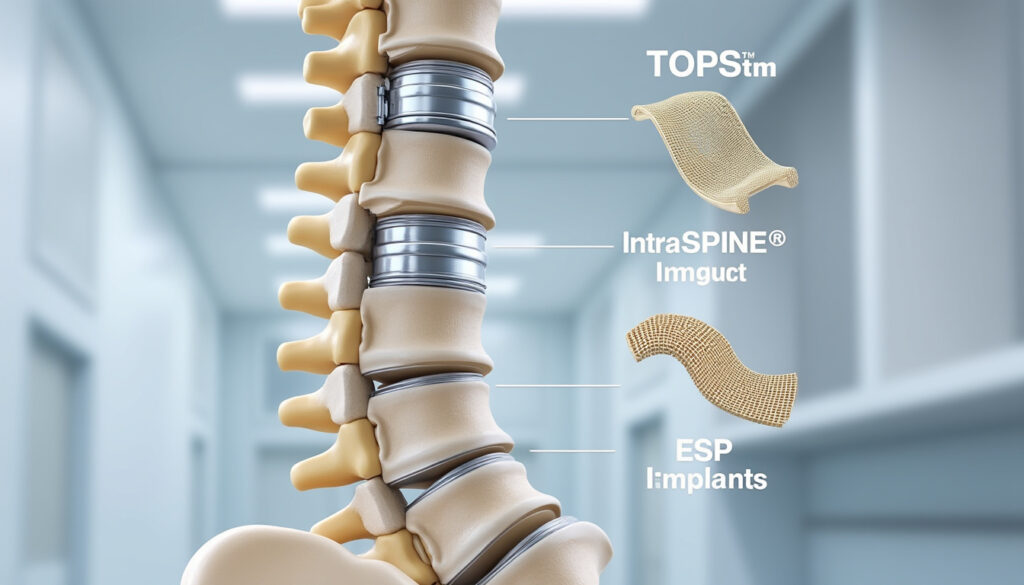
The evolving field of spinal surgery is witnessing a transformative shift, fueled by cutting-edge implant technologies such as TOPS, Intraspine, and ESP. These innovative implants redefine treatment possibilities by emphasizing preservation of natural spinal mechanics, while ensuring durable stabilization and…
Integrating Technology and Patient Education for Enhanced Vertebral Wellness in Quebec
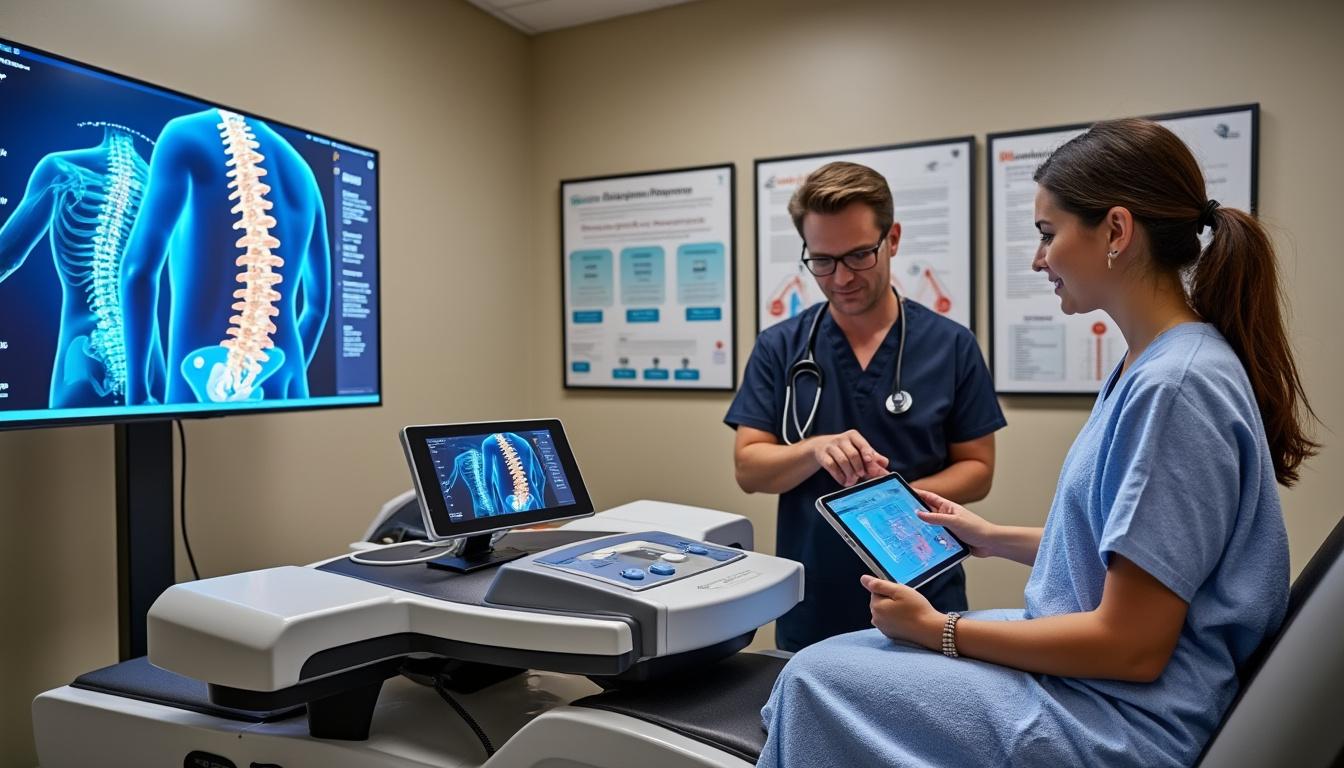
Neurovertebral decompression’s efficacy extends beyond mechanical treatment through the integration of advanced technologies and a pioneering educational approach. Specialists combine tools such as laser therapy and neuromodulation devices like NeuroFlex and SpineRestore to enhance treatment outcomes. These innovations work synergistically to address pain pathways and facilitate tissue regeneration.
Patient engagement is amplified by education initiatives that demystify spinal conditions and encourage active participation in recovery. Understanding the mechanics of one’s condition fosters more disciplined adherence to posture optimization and therapeutic exercises, underpinning sustainable recovery.
- Laser-assisted therapies: Promote targeted inflammation reduction.
- Neuromodulation techniques: Modify nerve activity for pain relief.
- Robotic traction systems: Deliver customizable and consistent decompression.
- Ongoing patient education: Emphasize lifestyle changes for back health.
- Post-treatment rehabilitation: Facilitate reintegration into daily activities with support.
| Dimension | Feature | Value to Patient |
|---|---|---|
| Technological Innovation | Robotic decompression, laser, neuromodulation | Improved comfort and accelerated recovery |
| Educational Support | Clear communication and resources | Enhanced understanding and adherence |
| Multidisciplinary Follow-Up | Integrated team care approach | Coordinated and comprehensive management |
Quebec centers like ABC Clinique Santé and Clinique IDN are exemplary in adopting these multidimensional measures, offering Quebecers advanced treatments backed by scientific rigor and compassionate care.

Preparing for Surgery in France: Key Indications, Benefits, and Limitations
In an evolving global healthcare landscape, France emerges as a beacon of advanced surgical expertise, particularly attracting international patients seeking expedited and innovative medical interventions. Patients from regions experiencing long wait times, such as Quebec, increasingly view France as an…
Patient Stories and Experiences Demonstrating Neurovertebral Decompression Benefits
Across Quebec, many individuals suffering from severe lumbar disc issues have embraced neurovertebral decompression as a transformative treatment. Testimonials highlight substantial reductions in chronic pain and regained functional independence, often after trials of conventional treatments yielded limited results.
One such case involves a middle-aged patient from Longueuil who, after years of lumbar disc herniation symptoms including numbness and mobility challenges, experienced remarkable improvement through personalized sessions integrating NeuroBalance and VertebraCare protocols. Their journey exemplifies the potential for this therapy to facilitate substantial quality-of-life enhancements without surgery.
- Decreased reliance on pain medications
- Improved range of motion and posture
- Return to recreational activities and work
- Enhanced sleep quality and reduced numbness
- Increased confidence and psychological well-being
For further details and patient resources, sites such as SOS Herniated Disc in Terrebonne offer comprehensive insights and guidance, empowering patients to pursue informed treatment decisions.

Unveiling the Hidden Benefits of Quality and Certification in Devices
The landscape of device manufacturing and clinical application in 2026 has been fundamentally shaped by the rigorous interplay between quality management and certification processes. Within this complex framework, the hidden benefits of adhering to international standards and obtaining relevant certifications…
Optimizing Treatment Outcomes with Adjunct Therapies and Lifestyle Modifications
Neurovertebral decompression often achieves the best results when combined with complementary therapeutic modalities and positive lifestyle practices. Quebec’s multidisciplinary clinics advocate integrative care, pairing decompression with physiotherapy, chiropractic adjustments, and nutritional counseling for holistic spine health.
Key adjunctive strategies include:
- Targeted physiotherapy: Strengthening spinal support muscles and enhancing flexibility.
- Chiropractic care: Aligning spinal structures and relieving tension.
- Ergonomic adjustments: Modifying work and daily environments to prevent strain.
- Weight management: Reducing spinal load through balanced nutrition.
- Mindfulness and stress reduction: Supporting neuromuscular relaxation and pain modulation.
| Adjunct Treatment | Purpose | Patient Benefit |
|---|---|---|
| Physiotherapy | Muscle strengthening and flexibility | Improved spinal stability and reduced pain |
| Chiropractic Adjustments | Spinal alignment correction | Enhanced mobility and symptom relief |
| Ergonomics | Reduce mechanical stress | Prevent recurrence of injuries |
| Nutrition | Weight and inflammation control | Less strain on vertebrae and joints |
| Mental Health | Stress and pain management | Improved coping and well-being |
Collaboration among Quebec clinics such as Chiroposture and Chiro Sté Rose exemplifies the integration of these multidimensional treatment paths, offering patients comprehensive care aligning with their specific lifestyles and clinical needs.
Understanding Neurovertebral Decompression
Explore the benefits, conditions treated, adjunct therapies, and patient outcomes through this interactive infographic.
Benefits of Neurovertebral Decompression
- Reduces pressure on spinal discs and nerves
- Alleviates chronic back and neck pain
- Improves blood circulation to affected areas
- Promotes natural healing by restoring spinal alignment
- Non-invasive alternative to surgery
Common Spinal Pathologies Treated
- Herniated or bulging discs
- Degenerative disc disease
- Spinal stenosis
- Sciatica
- Facet joint syndrome
Adjunct Therapies
Enhance the effects of decompression with complementary treatments:
- Physical therapy and targeted exercises
- Chiropractic adjustments
- Massage therapy
- Acupuncture
- Heat and cold therapy
Patient Outcome Statistics (Quebec)
Data aggregated from Quebec clinics reports, 2023.
Why Experts Advocate for Comprehensive Preoperative Evaluations
In the complex and demanding field of spinal surgery, the emphasis on comprehensive preoperative evaluations has become a fundamental pillar supporting successful surgical outcomes. These evaluations, far beyond mere routine checks, integrate detailed analyses of patient health, surgical risk assessments,…
Emerging Trends and Future Directions in Neurovertebral Decompression Therapy
As neurovertebral decompression continues gaining momentum, ongoing research and technological advancements promise even greater precision and accessibility. Efforts in Canada and France emphasize refining robotic traction systems, enhancing imaging integration, and developing personalized digital platforms for patient monitoring.
Noteworthy developments include:
- 3D spinal imaging and printing: Facilitating patient-specific treatment planning and surgical alternatives.
- Robotics and AI-assisted navigation: Increasing accuracy and reducing human error during therapy.
- Enhanced neuromodulation devices: Offering sustainable pain control with fewer side effects.
- Telemedicine follow-up: Expanding access and continuity of care for remote patients.
- Interdisciplinary training: Courses such as the Neurovertebral Decompression Options Explained and the Montreal Lumbar Disc Herniation Treatment Programs foster knowledge dissemination among healthcare professionals.
| Emerging Technology | Benefit | Implementation Status |
|---|---|---|
| 3D Spinal Reconstructions | Customized treatment accuracy | Available in select centers |
| AI-Assisted Traction Robotics | Reduced procedural variability | Under clinical trials |
| Advanced Neuromodulation | Sustained symptom relief | Recently adopted widely |
| Telemedicine Monitoring | Improved post-care access | Expanding rapidly |
Quebec’s leading medical communities continue to embrace collaboration and innovation, ensuring patients benefit from these pioneering developments aimed at maximizing SpinalHealth and VertebralWellness. Clinics such as Clinique Chiropratique Rive Sud exemplify this forward-thinking commitment.
What conditions are most effectively treated with neurovertebral decompression?
Neurovertebral decompression is most effective for herniated and bulging discs, vertebral osteoarthritis, neuropathic pain due to nerve compression, and foraminal stenosis. It provides a non-invasive alternative for pain relief and mobility improvement.
Is neurovertebral decompression painful or uncomfortable?
The therapy is generally gentle and tailored to patient tolerance levels, using computer-controlled traction to minimize discomfort. Most patients find sessions relaxing and report less pain during and after treatment.
How long does a complete course of neurovertebral decompression therapy take?
Typical treatment spans 6 to 12 weeks with regular sessions, though exact duration depends on individual pathology and response. Maintenance and follow-up care ensure lasting benefit.
Can neurovertebral decompression replace the need for spinal surgery?
While neurovertebral decompression often improves symptoms substantially, it may not fully replace surgery in all cases. It is recommended as a primary conservative approach and essential pre-surgical preparation.
Where can Quebec patients access neurovertebral decompression treatment?
Several clinics across Quebec, such as Clinique TAGMED, ABC Clinique Santé, and Clinique IDN, offer this specialized treatment supported by experienced practitioners and advanced technologies.
The Future of Surgery Lies in Stepwise Functional Recovery
The evolution of surgical care in 2026 reveals a compelling shift toward approaches that prioritize the holistic recovery of patients, moving beyond traditional metrics like length of hospital stay or mortality rates. This modern paradigm highlights the principle that the…