
TOPS™ in Gatineau: Alleviating Pain and Enhancing Lower Back Function
July 10, 2026
How Franchir’s Role is Revolutionizing Care for Quebec Patients
July 10, 2026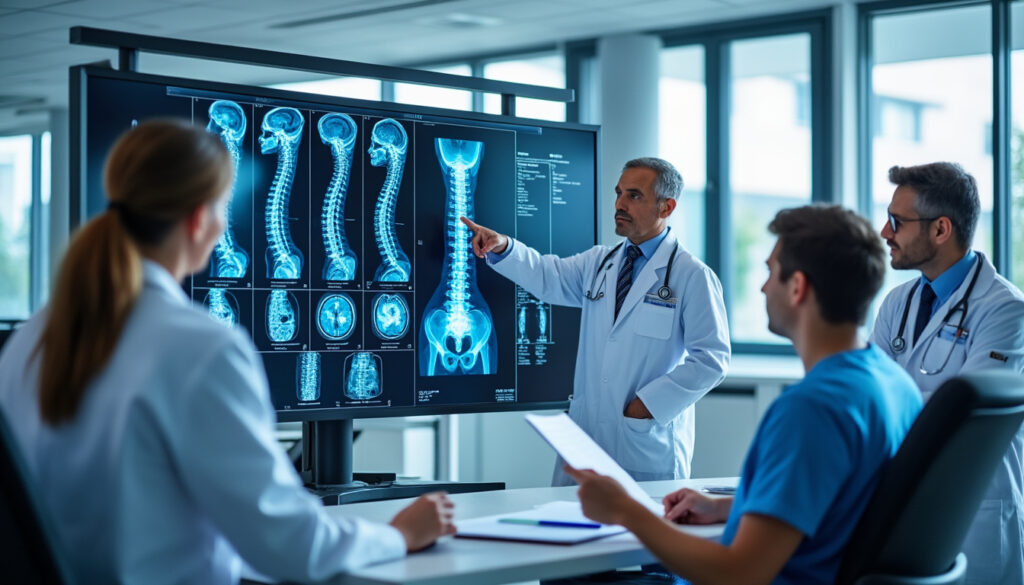
Back pain ranks among the most pervasive health challenges worldwide, affecting millions and often leading to significant lifestyle alterations. As the demand for effective treatments escalates, particularly those involving surgical intervention, the medical community has intensified efforts to ensure patient candidacy is assessed with utmost precision. Establishing clear eligibility criteria for back surgery is vital to striking a balance between therapeutic benefit and patient safety. Among numerous approaches, a multidisciplinary and internationally coordinated process has emerged as a gold standard, where clinical guidelines and advanced diagnostics coalesce to shape decisions.
In 2026, developments in spinal surgery underscore that surgical outcomes strongly correlate with rigorous patient selection. This paradigm extends beyond technical prowess in the operating theatre; it requires a comprehensive preoperative assessment encompassing pain duration, neurological evaluation, imaging studies, and prior response to conservative treatments. Through structured pathways, such as partnerships between Québec healthcare providers and pioneering French surgical centers, patients gain access to innovative procedures while benefiting from coordinated care models emphasizing risk management and optimizing treatment efficacy.
Surgical Eligibility Criteria: Cornerstones of Patient Safety and Treatment Efficacy in Back Surgery
The formulation of surgical eligibility criteria serves as a foundational pillar to safeguard patient welfare and maximize surgical success. These criteria are meticulously designed by medical experts specializing in spinal conditions, ensuring alignment with evolving clinical research and epidemiological data.
Key criteria typically include the duration and nature of pain symptoms, distinguishing between acute episodes and persistent chronic discomfort that may signal structural spinal pathology. For instance, lumbar pain persisting beyond three months with accompanying neurological deficits often justifies surgical consideration, whereas transient acute pain under six weeks typically prompts conservative management.
Additionally, the presence of neurological signs such as motor weakness, sensory disturbances, or gait impairment guides urgency and intervention strategies. Imaging modalities like MRI and CT scans provide detailed visualization of vertebral anomalies, such as disc herniations, spinal stenosis, or spondylolisthesis. Their integration assures clinicians accurately identify causative lesions, thus preventing misdiagnoses that could jeopardize patient outcomes.
Preoperative assessments must also factor in patient medical history, screening for comorbidities like coagulation disorders or cardiovascular disease that could elevate perioperative risks. The use of validated questionnaires to quantify symptom severity complements objective findings, yielding a holistic patient profile.
This intricate selection process, often coordinated by dedicated teams such as those at Neurothérapie Montréal, ensures that only candidates likely to derive significant improvement while tolerating surgery safely proceed. Such careful screening aligns with broader clinical guidelines and helps mitigate the incidence of ‘low-value’ or unnecessary surgeries, a topic extensively discussed within spine surgery communities.
Evidence supports that adherence to rigorous eligibility protocols correlates with superior surgical outcomes and enhanced patient safety. This approach reduces complications, optimizes resource utilization, and instills confidence in the treatment pathway for both clinicians and patients.


Understanding Sciatic Pain: Key Symptoms and When to Seek Medical Advice
Sciatic pain is a prevalent condition impacting a wide demographic, manifesting primarily as intense pain radiating from the lower back down the leg. This pain stems from irritation or compression of the sciatic nerve, a major nerve extending through the…
Patient Selection: Integrating Multidisciplinary Perspectives to Enhance Surgical Decision-Making
Effective patient selection for back surgery transcends individual physician judgment, requiring collaboration across specialties including spine surgeons, neurologists, radiologists, and rehabilitation therapists. This comprehensive approach ensures decisions are evidence-based and individualized.
By pooling expertise, multidisciplinary teams can assess a range of clinical parameters linking symptomatology to anatomical findings while contextualizing patient age, functional status, and psychosocial factors. For instance, a patient presenting with severe lumbar stenosis identified on MRI may be a candidate for decompressive surgery only if ambulatory capacity is impaired significantly and conservative measures have failed.
Innovations in patient selection also incorporate behavioral science and patient-reported outcome measures to capture expectations and psychosocial readiness, which are critical for post-surgical rehabilitation adherence. This multidimensional strategy aligns with recent publications emphasizing the refinement of appropriateness criteria to prevent unnecessary interventions and improve cost-effectiveness.
Practical examples include initiatives whereby spine surgery appropriateness criteria—crafted by international societies—guide physicians in determining surgical necessity, helping reduce denials based on ‘medical necessity’ issues frequently encountered in insurance claims.
This collaborative model enhances transparency and fosters a shared decision-making environment, where patients are engaged and informed about potential benefits, risks, and alternative treatments. Such communication is instrumental in optimizing surgical candidacy and aligning expectations with probable outcomes.
Ultimately, patient selection rooted in multidisciplinary evaluation reinforces clinical guidelines, promotes evidence-based medicine, and advances the continuum of care from diagnosis through post-surgical rehabilitation.

The Stepwise Role of Functional Recovery in Achieving Successful Outcomes
The journey to full recovery following spinal surgery is often complex and multifaceted, demanding a meticulously structured approach to ensure optimal functional outcomes. In recent years, the concept of functional recovery through a stepwise approach has garnered significant attention in…
Preoperative Assessment: The Keystone for Risk Management and Optimizing Surgical Success
A rigorous preoperative assessment is indispensable in minimizing the inherent risks of back surgery while maximizing chances of functional recovery. This evaluation consolidates clinical examination findings, detailed imaging, laboratory tests, and comprehensive health screening.
Among contemporary protocols, high-resolution imaging plays a pivotal role, delineating spinal pathology with precision. Surgeons rely on these modalities to customize operative approaches—whether it involves minimally invasive endoscopic procedures or more traditional fusion techniques.
Beyond anatomy, risk stratification includes assessment of systemic health factors such as cardiac function, coagulation profiles, and nutritional status, which influence surgical safety and healing.
Psychological assessment is increasingly recognized as part of preoperative care, identifying factors like anxiety, depression, or unrealistic expectations that may impact recovery trajectories.
Coordinators like Marcel Mazaltarim emphasize a personalized approach incorporating detailed exchanges with patients to clarify surgical goals, illustrate risks, and ensure fully informed consent. This nuanced preparation contributes to enhanced adherence to postoperative protocols and overall patient satisfaction.
The preoperative phase also integrates discussion on surgical alternatives, allowing patients to weigh conservative therapies’ benefits against potential operative risks in a transparent manner.
Robust risk management protocols underpin efforts to tailor surgery to patient-specific profiles, reducing complications and fostering superior clinical outcomes.

Transatlantic Patient Journey: Insights into Indications, Benefits, and Challenges
The emergence of the Transatlantic Patient Journey as a strategic model within healthcare continues to capture attention for its innovative potential, especially in specialized fields such as spinal surgery. This cross-border care pathway integrates rigorous medical evaluation from Quebec with…
Innovative Surgical Techniques: Advancing Treatment Options with Precision and Reduced Invasiveness
In recent years, back surgery has been transformed by technological advances enabling less invasive procedures while preserving or enhancing therapeutic effectiveness. France, in particular, stands at the forefront, offering state-of-the-art techniques combined with rigorous patient selection.
Among these innovations are:
- Endoscopic spine surgery: Utilizing high-definition cameras introduced through small incisions, this technique targets disc herniations, spinal stenosis, and spondylolisthesis with minimal tissue disruption.
- Arthrodesis (spinal fusion): Indicated for complex deformities like scoliosis or vertebral instabilities, fusion stabilizes affected segments to alleviate pain and prevent progression.
- Disc prostheses: Serving as an alternative to fusion in suitable candidates, these implants maintain segmental mobility, reducing adjacent segment degeneration.
- Dynamic stabilization devices such as TOPS or Intraspine: These enable segmental motion preservation while providing mechanical support, exemplifying biomechanical innovation.
The tailored integration of these modalities depends on precise eligibility criteria that assess symptomatology, radiographic characteristics, and patient lifestyle. For example, minimally invasive endoscopic surgery suits patients with isolated herniated discs, whereas more complex pathologies necessitate fusion procedures.
Below is a comparative table encapsulating these techniques and their clinical advantages:
| Technique | Applicable Conditions | Advantages | Expected Benefits |
|---|---|---|---|
| Endoscopic Surgery | Herniated discs, spinal stenosis, spondylolisthesis | Minimally invasive, reduced scarring | Lower postoperative pain, faster recovery |
| Arthrodesis (Fusion) | Scoliosis, myelopathies, vertebral instability | Solid stabilization | Durable correction, symptom relief |
| Disc Prostheses | Isolated disc degeneration without severe arthrosis | Preserves spinal mobility | Better quality of life, reduced adjacent stress |
| Dynamic Devices (TOPS, Intraspine) | Moderate segmental instability, mechanical pain | Partial mobility preservation | Lower risk of secondary degeneration |
This arsenal of options underscores the importance of thorough assessment and patient-tailored planning to optimize outcomes and minimize complications.
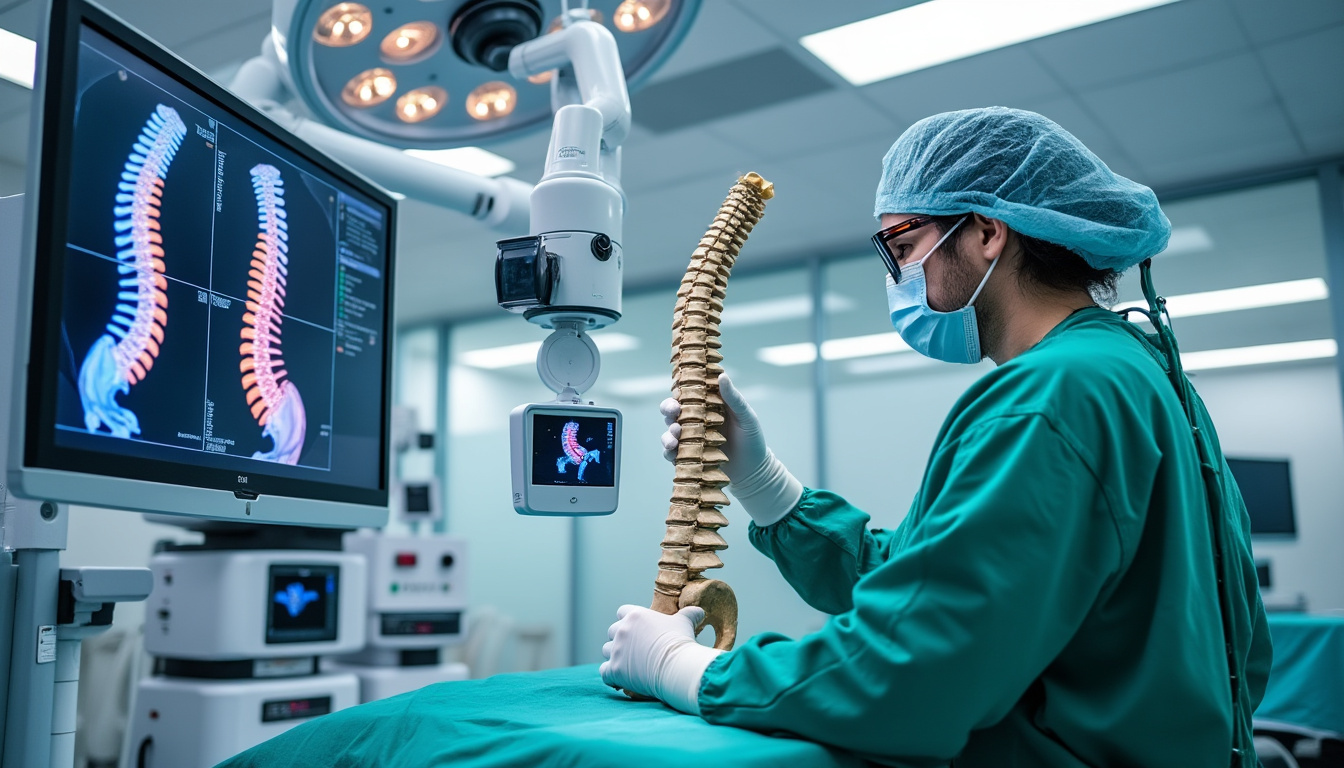
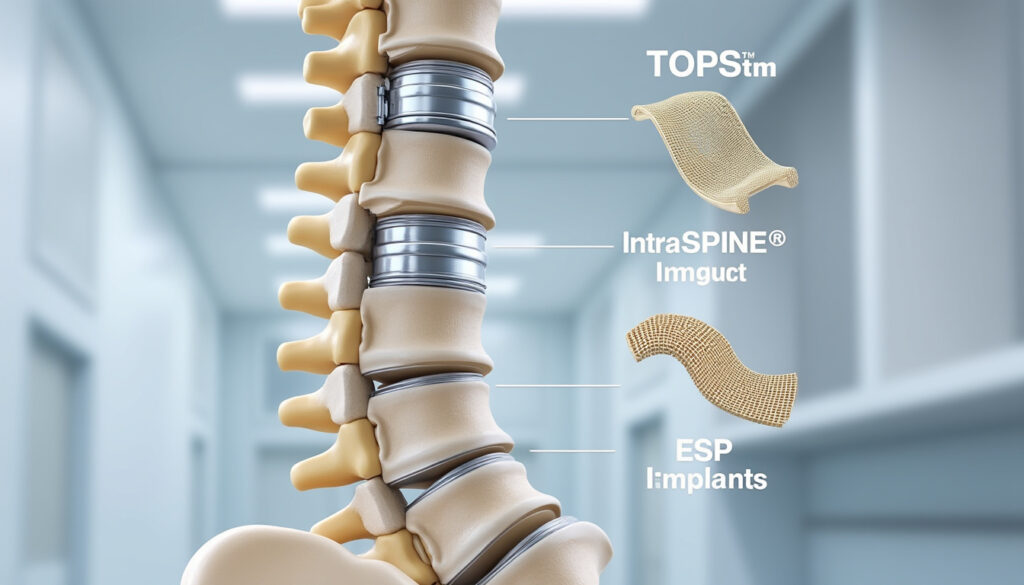
The evolving field of spinal surgery is witnessing a transformative shift, fueled by cutting-edge implant technologies such as TOPS, Intraspine, and ESP. These innovative implants redefine treatment possibilities by emphasizing preservation of natural spinal mechanics, while ensuring durable stabilization and…
International Collaboration: Enhancing Patient Access and Continuity of Care in Back Surgery
One especially progressive model involves cooperative frameworks between Québec and French healthcare institutions, blending clinical expertise with patient-centric logistics. This international collaboration facilitates access to advanced surgical interventions while ensuring comprehensive care continuity across borders.
Patients undergo initial evaluations at centers such as Neurothérapie Montréal, where preoperative assessments validate eligibility based on established criteria. Supplementing clinical insights, entities like SOS Tourisme Médical and Franchir manage logistical coordination—arranging travel, lodging, and hospital appointments in France—thereby alleviating administrative burden and psychological stress.
Following surgery, patients benefit from ongoing neurofunctional rehabilitation programs including novel neurofeedback and biofeedback techniques, administered locally to sustain recovery momentum. This integrated approach exemplifies best practices in cross-continental patient management, combining technological innovation with empathetic care and efficient risk management.
By streamlining surgical candidacy evaluation, facilitating access to cutting-edge techniques, and ensuring robust postoperative follow-up, such models advance overall patient safety and optimize treatment efficacy. An overview of this transatlantic pathway highlights the potential of international partnerships in spine surgery.

Preparing for Surgery in France: Key Indications, Benefits, and Limitations
In an evolving global healthcare landscape, France emerges as a beacon of advanced surgical expertise, particularly attracting international patients seeking expedited and innovative medical interventions. Patients from regions experiencing long wait times, such as Quebec, increasingly view France as an…
Evidence-Based Medicine and Appropriateness Criteria: Aligning Clinical Decision-Making with Latest Research
Back surgery decision-making increasingly embraces evidence-based medicine (EBM), relying on rigorous trials and consensus guidelines to refine appropriateness standards. Appropriate Use Criteria (AUC) developed by professional bodies are instrumental in standardizing surgical indications, reducing unwarranted variability, and enhancing healthcare value.
Research continues to dissect nuances of surgical necessity, with physician expertise deemed paramount in adjudicating cases deemed unnecessary or low-value. Such discernment is essential for targeted interventions and aligns with payer policies emphasizing “medical necessity”.
Applicability of eligibility criteria derived from EBM ensures optimal resource allocation and safeguards against overtreatment. Moreover, these criteria evolve dynamically as new data emerge, fostering continual quality improvement in spine surgery outcomes.
Healthcare systems benefit from transparent protocols incorporating AUC, facilitating peer reviews and insurance claims adjudication while supporting shared decision-making between providers and patients.
For an in-depth exploration of clinical decision frameworks in spinal surgery and their impact on patient care, readers might consult specialized reviews on appropriateness criteria.

Unveiling the Hidden Benefits of Quality and Certification in Devices
The landscape of device manufacturing and clinical application in 2026 has been fundamentally shaped by the rigorous interplay between quality management and certification processes. Within this complex framework, the hidden benefits of adhering to international standards and obtaining relevant certifications…
Practical Implications of Eligibility Criteria on Patient Outcomes and Healthcare Resources
The delineation of back surgery eligibility criteria not only enhances patient outcomes by guiding surgical indication but also serves a critical economic function within healthcare systems. By directing surgeries to those most likely to benefit, it curtails unnecessary procedures, avoiding complications and costly revisions.
This selective methodology contributes to decreased hospital stays, improved rehabilitation timelines, and improved quality of life for patients. It also aligns with healthcare policies aimed at value-based care and optimal utilization of medical resources.
Studies from various healthcare settings demonstrate that strict adherence to eligibility guidelines reduces rates of surgery denials and appeals, minimizing administrative burdens for providers. Enhanced alignment between patient profiles and surgical interventions promotes trust in the care pathway, encouraging timely treatment and reducing chronic disability rates.
Such benefits emphasize the dual role of eligibility criteria: clinical optimization and systemic sustainability.

Why Experts Advocate for Comprehensive Preoperative Evaluations
In the complex and demanding field of spinal surgery, the emphasis on comprehensive preoperative evaluations has become a fundamental pillar supporting successful surgical outcomes. These evaluations, far beyond mere routine checks, integrate detailed analyses of patient health, surgical risk assessments,…
Patient Education and Transparency: Empowering Informed Decisions in Back Surgery
Transparent communication about eligibility and potential surgical outcomes is essential to empower patients navigating the complexities of back surgery. Fostering patient education encourages active participation, setting realistic expectations, and mitigating anxiety related to risks such as infection, neurological complications, or reoperation.
Consultations integrated within multidisciplinary and international pathways facilitate detailed discussions on surgical benefits and alternatives. Educational resources highlight the significance of following eligibility criteria as a safeguard for safety and optimized outcomes.
Effectively dispelling misconceptions enhances trust and compliance, contributing to a therapeutic alliance indispensable for postoperative success. Informed patients can critically evaluate their candidacy and engage meaningfully with healthcare providers, reflecting personalized care values increasingly embraced across modern medical disciplines.
Back Surgery Techniques Eligibility Comparison
Use the search box to filter the techniques and criteria
| Technique | Conditions | Advantages | Benefits |
|---|
What are the primary factors that determine eligibility for back surgery?
Eligibility is based on pain duration and characteristics, neurological signs, imaging results, and responses to conservative treatments. Comprehensive evaluation identifies candidates who will benefit most while minimizing risks.
How is the preoperative assessment conducted in coordinated care programs like Neurothérapie Montréal?
This assessment involves medical record review, detailed imaging analysis, validated questionnaires, and thorough patient discussions to ensure personalized and optimal surgical planning.
Which modern surgical techniques are available in France for spine conditions?
France offers advanced solutions such as endoscopic surgery, spinal fusion (arthrodesis), disc prostheses, and dynamic stabilization devices like TOPS and Intraspine. Technique choice depends on individual pathology and patient profile.
What advantages do international surgical pathways provide for patients?
International programs enable expedited access to cutting-edge surgical techniques, close coordination between clinical teams, and personalized post-operative follow-up, enhancing success rates and patient satisfaction.
Where can patients find reliable evaluations of their candidacy for back surgery?
Prospective candidates may consult specialized networks such as those coordinated by SOS Tourisme Médical for comprehensive eligibility assessments and tailored care planning.
The Future of Surgery Lies in Stepwise Functional Recovery
The evolution of surgical care in 2026 reveals a compelling shift toward approaches that prioritize the holistic recovery of patients, moving beyond traditional metrics like length of hospital stay or mortality rates. This modern paradigm highlights the principle that the…