Conservative Treatments vs Surgery: A Clear Guide for Quebec Patients
July 10, 2026
Insights from Research on Comprehensive Preoperative Evaluation
July 11, 2026
In the realm of recovery, particularly following significant medical interventions such as spinal surgery, the emphasis has shifted towards a meticulously paced approach known as gradual recovery. This philosophy underscores a progressive treatment strategy that aligns with the body’s natural healing timeline, ultimately aiming for sustainable healing rather than rapid, but potentially fleeting, improvements. Central to this approach is the concept of functional recovery—a dynamic process where patients regain meaningful abilities step by step, under expert advocacy that champions patient-centered care and healing optimization.
Across international healthcare landscapes, including pioneering coordination between Canadian and French medical teams, this rehabilitation process demonstrates how integrating physical therapy with cutting-edge neuromodulation techniques fosters a holistic and resilient return to health. When managed judiciously, gradual recovery avoids pitfalls such as re-injury or chronic pain syndromes, ensuring long-term healing outcomes that benefit both patients and healthcare systems. The blend of science, patient engagement, and a structured, phased plan has galvanized experts to promote this model, underscoring its pivotal role in modern rehabilitation.
Understanding the Science Behind Gradual Functional Recovery
Gradual functional recovery relies heavily on a detailed understanding of human physiology and neuroplasticity. After invasive procedures, particularly complex spinal surgeries involving fusion or innovative motion devices, the body requires cautious advancement to prevent compromising delicate healing tissues. Experts emphasize progressive treatment phases, each with specific objectives—from managing acute pain and inflammation to restoring range of motion and rebuild muscular support.
The concept of plasticity, or the brain’s ability to reorganize and form new neural connections, is paramount. Scientific research indicates that carefully timed stimuli can enhance this plasticity, allowing neural circuits to compensate for lost or damaged functions. For instance, repetitive transcranial magnetic stimulation (rTMS) has emerged as a groundbreaking, non-invasive technique that aids neural recovery by stimulating targeted brain areas. This approach complements traditional physical therapy, creating an environment conducive to sustainable healing that respects individual patient capacities.
Professional consensus now holds that premature or excessive physical exertion can exacerbate complications such as neuropathic pain or post-laminectomy syndrome. Instead, a well-structured, phased rehabilitation plan guards against these risks by synchronizing therapeutic intensity with healing stages. This measured progression facilitates long-term functional restoration and mitigates the likelihood of chronic ailments, aligning with the latest findings in neuroscience and clinical rehabilitation guidelines.
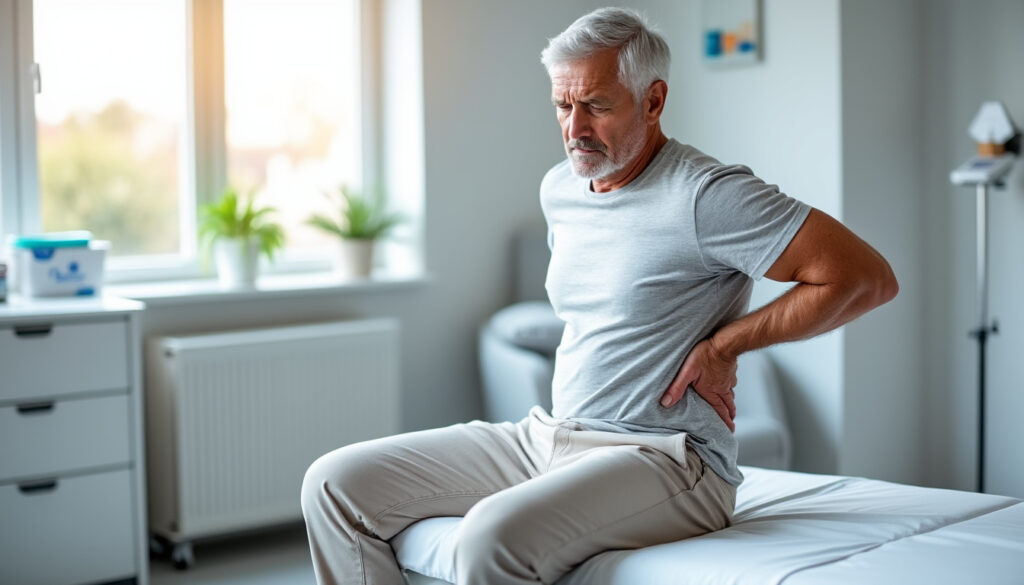
Understanding Sciatic Pain: Key Symptoms and When to Seek Medical Advice
Sciatic pain is a prevalent condition impacting a wide demographic, manifesting primarily as intense pain radiating from the lower back down the leg. This pain stems from irritation or compression of the sciatic nerve, a major nerve extending through the…
Phases of Recovery: Mapping the Journey to Sustainable Healing
The rehabilitation process following spinal surgery unfolds across multiple distinct phases, each building on the success of the previous step. Understanding these phases is crucial for tailoring interventions and pacing recovery to individual patient needs.
| Phase | Duration | Core Objectives | Potential Risks from Premature Advancement |
|---|---|---|---|
| Acute Phase | 0-2 weeks | Pain management, inflammation control, gentle passive mobilization | Excessive pain, inflammation, risk of surgical site complications |
| Subacute Phase | 2-6 weeks | Active mobilization initiation, assisted walking, neuromuscular stimulation | Muscle weakness, improper movement patterns, delayed healing |
| Rehabilitation Phase | 6 weeks – 3 months | Targeted muscle strengthening, restoring functional mobility, psychological support including rTMS | Chronic neuropathic pain, mood disorders, recurrence of symptoms |
| Advanced Recovery | 3 months and beyond | Return to daily activities, professional duties, and moderate sports | Re-injury, overuse syndromes, failure to regain full function |
Each phase entails specific physical therapy protocols coupled with psychological and neurological support tailored to the evolving needs of the patient. Such precision ensures not only safety during rehabilitation but also promotes healing optimization, reflecting expert advocacy for stepwise functional recovery.
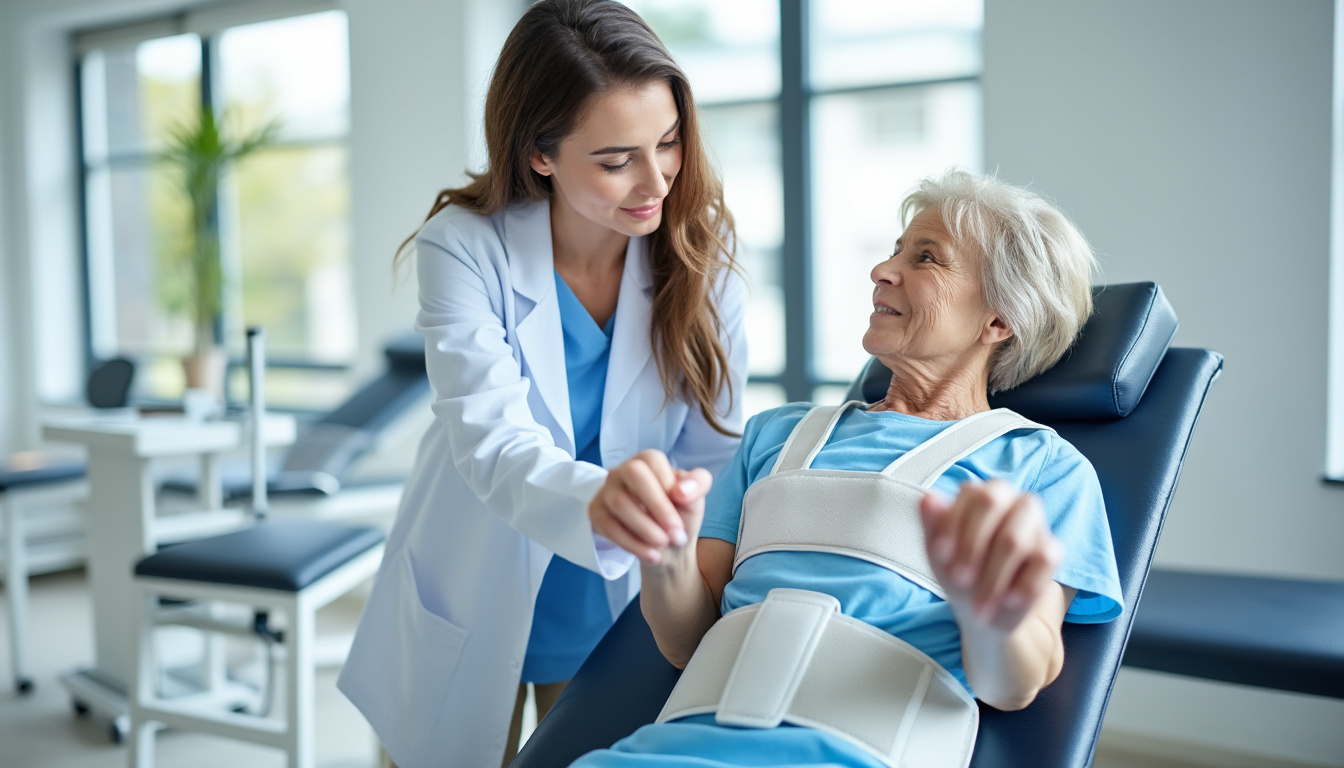

The Stepwise Role of Functional Recovery in Achieving Successful Outcomes
The journey to full recovery following spinal surgery is often complex and multifaceted, demanding a meticulously structured approach to ensure optimal functional outcomes. In recent years, the concept of functional recovery through a stepwise approach has garnered significant attention in…
Clinical Insights on the Role of Neuromodulation in Enhancing Recovery
Neuromodulation, particularly through repetitive transcranial magnetic stimulation (rTMS), has proven transformative in post-surgical rehabilitation. Its application extends beyond symptom management to actively facilitating brain plasticity and emotional well-being. Patients recovering from spinal surgery often face neuropathic pain and mood disturbances, both of which can hinder the rehabilitation process if unaddressed.
Studies conducted by leading neurotherapy centers demonstrate that rTMS protocols, carefully synchronized with functional recovery stages, diminish chronic pain intensity and improve psychological resilience. For example, a patient experiencing post-laminectomy syndrome, a condition marked by persistent pain after spinal decompression surgery, may achieve significant symptom relief through targeted brain stimulation sessions combined with physical therapy. This integrative perspective exemplifies modern rehabilitation’s shift toward patient-centered care.
Furthermore, neuromodulation encourages neurobiological repair mechanisms, reinforcing motor pathways and supporting cognitive functions critical for regaining autonomous movement. By reducing the neuronal hyperexcitability that often accompanies neuropathic pain, rTMS supports a healing environment where gradual recovery can flourish without overwhelming the nervous system.
Real-World Applications: Neuromodulation in Multidisciplinary Care
Institutions that have integrated neuromodulation into their recovery protocols report enhanced outcomes. Coordinated teams—comprising surgeons, physiotherapists, neurologists, and psychologists—monitor patient progress closely, allowing timely adjustments to therapy intensity. This multidisciplinary dynamic not only improves physical milestones but also fosters sustained motivation and adherence to rehabilitation plans.
As rehabilitation centers adopt these advanced modalities, they demonstrate the power of combining neuroscience with practical care to optimize recovery success. Patient stories from such centers serve as testament to the efficacy of this approach, emphasizing how neuromodulation bridges the gap between physical and mental recovery facets.

Transatlantic Patient Journey: Insights into Indications, Benefits, and Challenges
The emergence of the Transatlantic Patient Journey as a strategic model within healthcare continues to capture attention for its innovative potential, especially in specialized fields such as spinal surgery. This cross-border care pathway integrates rigorous medical evaluation from Quebec with…
International Coordination: The Case of Canadian and French Healthcare Collaboration
A growing trend in spinal surgery rehabilitation is the orchestration of cross-border healthcare collaborations, notably between Canadian patients and French surgical experts. This cooperation provides patients access to advanced surgical techniques while ensuring continuous and consistent follow-up through coordinated care pathways.
Before surgery, Canadian physicians perform comprehensive neurofunctional assessments to prepare patients for intervention abroad. This preoperative groundwork includes detailed medical reviews, psychological preparation, and setting realistic recovery goals. Such meticulous planning equips patients with the knowledge and resilience necessary for the subsequent rehabilitation process. Upon return, rehabilitation centers in Canada apply the gradual recovery protocols developed in tandem with their French counterparts, ensuring seamless transition and healing optimization.
This model exemplifies patient-centered care by maintaining care continuity and adapting rehabilitation programs to cultural and individual contexts. Networks involving organizations like SOS Tourisme Médical facilitate logistical and medical coordination, underscoring global healthcare’s potential to enhance recovery outcomes through structured partnerships.
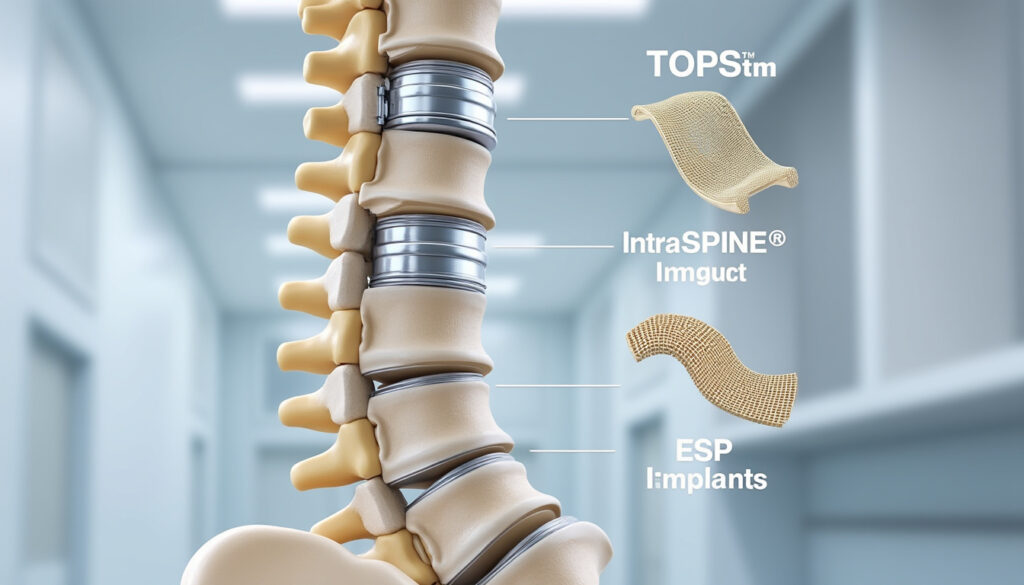
The evolving field of spinal surgery is witnessing a transformative shift, fueled by cutting-edge implant technologies such as TOPS, Intraspine, and ESP. These innovative implants redefine treatment possibilities by emphasizing preservation of natural spinal mechanics, while ensuring durable stabilization and…
Structuring Rehabilitation Plans: The Necessity of Customized Progressive Treatment
The core of expert advocacy for gradual functional recovery lies in creating scalable rehabilitation plans that reflect patient-specific factors such as age, pre-existing conditions, and the complexity of surgical intervention. A one-size-fits-all approach often leads to setbacks, while personalized progression supports long-term healing and functional restoration.
Customization involves adjusting physical therapy regimens, integrating novel techniques like neuromodulation, and monitoring psychological wellbeing. Regular evaluations allow clinicians to dynamically modulate exercise intensity, ensuring neither underuse nor overstress of healing tissues.
Moreover, healthcare practitioners prioritize patient education, empowering individuals with a clear understanding of the recovery timeline and the rationale behind gradual activity resumption. This transparency fosters trust and compliance, essential elements for successful rehabilitation. Implementing such tailored protocols aligns closely with current research and clinical evidence that highlight the benefits of graduated recovery strategies.
Checklist for Effective Progressive Treatment Planning
- Comprehensive patient evaluation including functional capacity and mental health status
- Phased physical therapy activities tailored to healing stages
- Integration of neuromodulation techniques as adjunctive treatment
- Close monitoring of patient response with adjustable therapy intensity
- Patient education to encourage active participation and realistic expectations
- Multidisciplinary team coordination to address diverse recovery needs
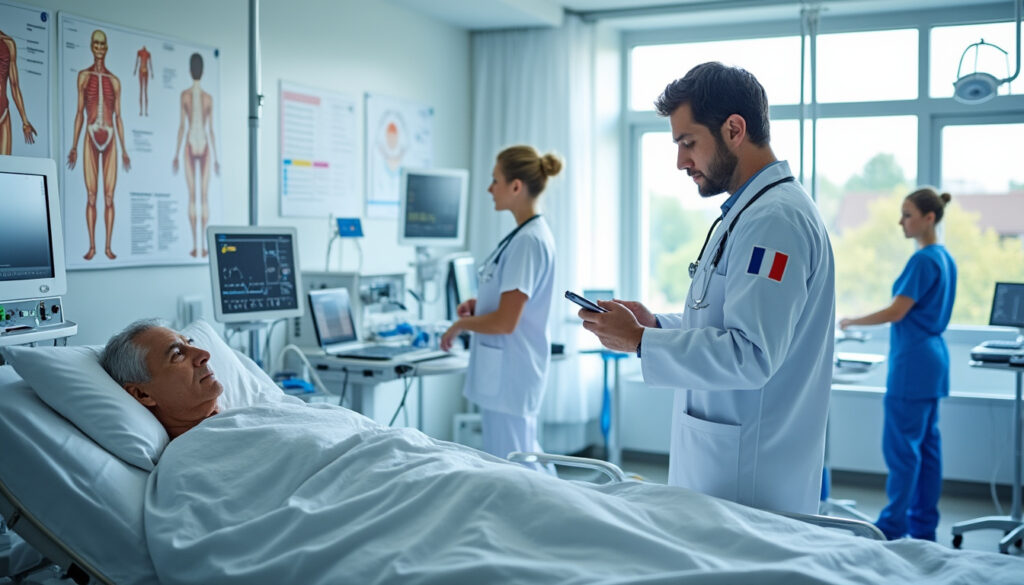
Preparing for Surgery in France: Key Indications, Benefits, and Limitations
In an evolving global healthcare landscape, France emerges as a beacon of advanced surgical expertise, particularly attracting international patients seeking expedited and innovative medical interventions. Patients from regions experiencing long wait times, such as Quebec, increasingly view France as an…
The Importance of Patient-Centered Care in Long-Term Healing Success
Central to sustainable healing is the recognition that recovery extends beyond physical repair. Emotional resilience, social support, and mental health profoundly influence patient outcomes. By prioritizing patient-centered care, experts ensure that these factors integrate into functional recovery strategies.
For instance, tailored psychological support during rehabilitation addresses common issues such as anxiety or depression, which may otherwise impede physical progress. Techniques such as rTMS not only target neuroplasticity but also positively modulate brain regions involved in mood regulation. In clinical practice, encouraging open communication and fostering an empathetic environment empower patients, resulting in better adherence to rehabilitation and a greater sense of control over their healing journey.
Additionally, patient-centered care embraces the idea that recovery timelines and goals vary widely among individuals. By incorporating patient preferences and feedback, practitioners deliver care that respects autonomy and fosters safer, more effective rehabilitation.

Unveiling the Hidden Benefits of Quality and Certification in Devices
The landscape of device manufacturing and clinical application in 2026 has been fundamentally shaped by the rigorous interplay between quality management and certification processes. Within this complex framework, the hidden benefits of adhering to international standards and obtaining relevant certifications…
Innovative Technologies Supporting a Gradual Return to Activity
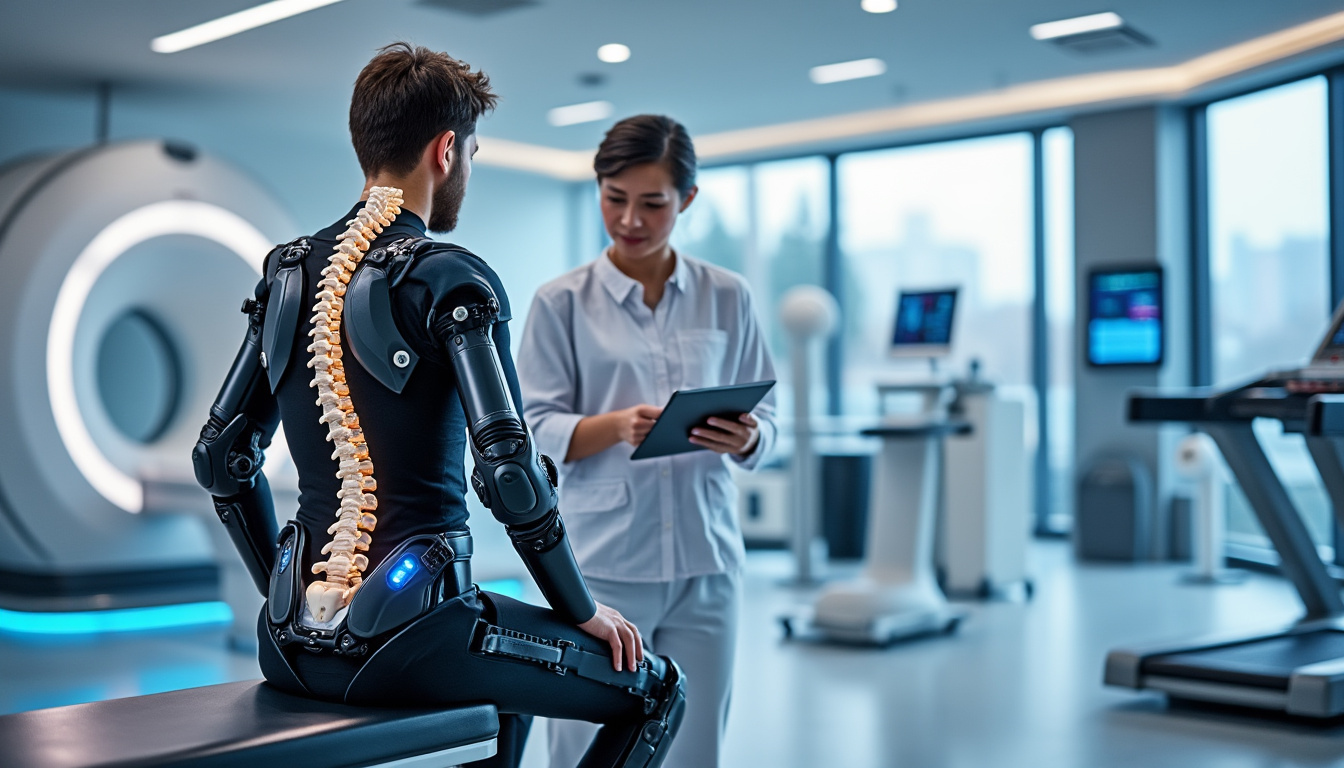
The integration of modern technologies complements and enhances traditional physical therapy, reinforcing the principle of gradual recovery. Tools such as 3D imaging and robotic-assisted navigation enable surgeons to perform minimally invasive procedures with high precision, reducing trauma and facilitating faster initial healing. Subsequent rehabilitation leverages wearable biofeedback devices that monitor movement patterns and physiological responses, guiding patients and therapists in optimizing therapy sessions.
Robotic exoskeletons and virtual reality platforms also play emerging roles, offering controlled environments for movement retraining that protect from overexertion while promoting muscle activation and neural engagement. These innovations provide data-driven insights that refine progressive treatment regimens and help prevent setbacks, thus accelerating healing optimization.
Healthcare providers embracing these forward-looking technologies contribute to safer, patient-tailored rehabilitation approaches that reflect expert advocacy for gradual functional recovery. Such convergence of technology and care enhances the potential for sustainable long-term healing outcomes.
Gradual Functional Recovery Comparison
| Recovery Phase | Typical Duration | Primary Focus | Key Benefits |
|---|
Why Experts Advocate for Comprehensive Preoperative Evaluations
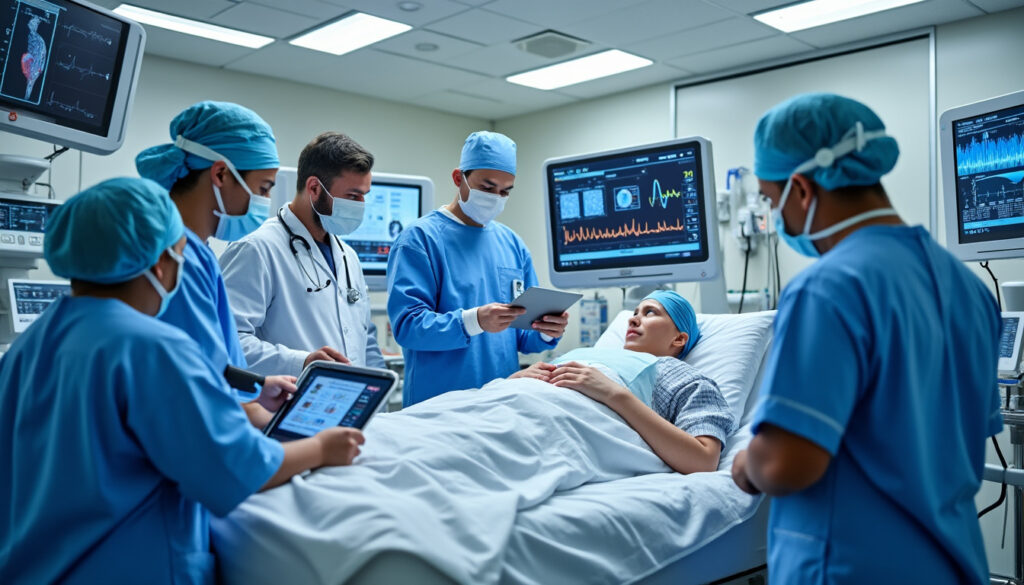
In the complex and demanding field of spinal surgery, the emphasis on comprehensive preoperative evaluations has become a fundamental pillar supporting successful surgical outcomes. These evaluations, far beyond mere routine checks, integrate detailed analyses of patient health, surgical risk assessments,…
Building Success Stories: Case Examples Demonstrating the Power of Gradual Recovery
Case studies reveal how applying structured, gradual recovery protocols enables patients to achieve remarkable outcomes despite complex surgeries. Take Marc, a 45-year-old who underwent lumbar fusion surgery. His recovery included a tightly coordinated program involving incremental physical therapy stages coupled with rTMS neuromodulation. Over eight months, Marc regained his ability to participate in moderate sports and resume work activities with minimal discomfort. The continuous support and transparent communication facilitated his motivation and adherence to the program, underscoring the value of expert advocacy and patient-centered care.
Similarly, patients in Quebec benefiting from these rehabilitation models often receive transatlantic care involving French surgical teams and Canadian rehabilitation specialists. This integrated approach decreases fragmentation in care and significantly improves long-term healing prospects. Stories highlighting patient experiences emphasize that gradual progress is not merely cautious but foundational to sustainable, successful recovery.
The Future of Surgery Lies in Stepwise Functional Recovery
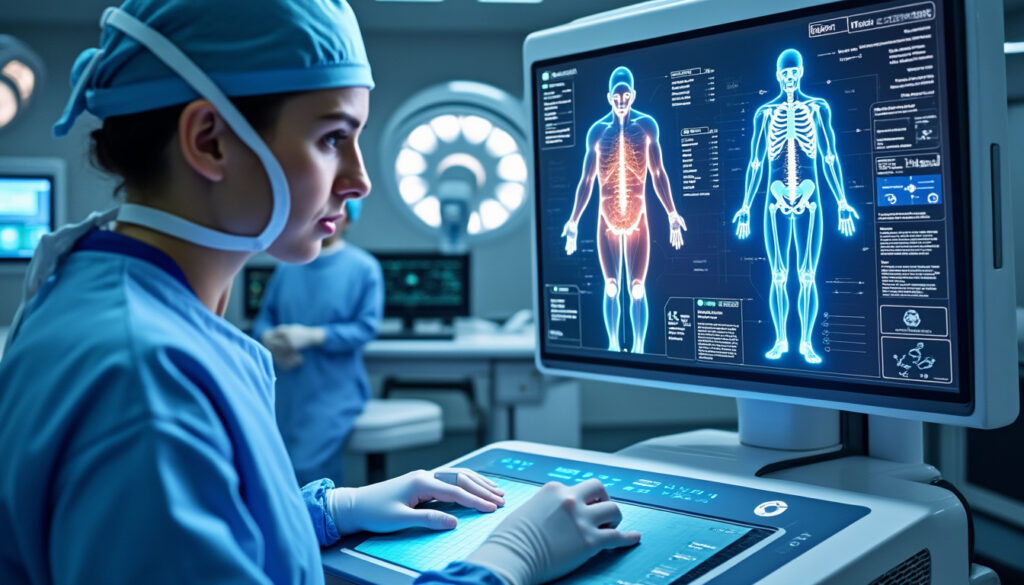
The evolution of surgical care in 2026 reveals a compelling shift toward approaches that prioritize the holistic recovery of patients, moving beyond traditional metrics like length of hospital stay or mortality rates. This modern paradigm highlights the principle that the…
Frequently Asked Questions on Gradual Functional Recovery
{“@context”:”https://schema.org”,”@type”:”FAQPage”,”mainEntity”:[{“@type”:”Question”,”name”:”What is gradual functional recovery?”,”acceptedAnswer”:{“@type”:”Answer”,”text”:”It is a stepwise rehabilitation protocol that adapts therapy to the patientu2019s healing stage, minimizing complications and enhancing long-term outcomes.”}},{“@type”:”Question”,”name”:”How does rTMS aid recovery after spinal surgery?”,”acceptedAnswer”:{“@type”:”Answer”,”text”:”Repetitive transcranial magnetic stimulation non-invasively stimulates brain regions to support neuroplasticity, manage neuropathic pain, and improve mental health during convalescence.”}},{“@type”:”Question”,”name”:”What roles do multidisciplinary teams play in rehabilitation?”,”acceptedAnswer”:{“@type”:”Answer”,”text”:”They ensure personalized care by coordinating physical therapy, neuromodulation, and psychological support tailored to individual recovery needs.”}},{“@type”:”Question”,”name”:”How long does functional recovery typically take after back surgery?”,”acceptedAnswer”:{“@type”:”Answer”,”text”:”Recovery varies based on surgery type and patient factors, usually spanning from initial weeks for basic mobility to 6-12 months for full functional restoration.”}},{“@type”:”Question”,”name”:”How does international healthcare cooperation improve recovery outcomes?”,”acceptedAnswer”:{“@type”:”Answer”,”text”:”Cross-border collaboration ensures consistency in surgical and rehabilitation phases, facilitating optimal healing and continuity in patient-centered care.”}}]}What is gradual functional recovery?
It is a stepwise rehabilitation protocol that adapts therapy to the patient’s healing stage, minimizing complications and enhancing long-term outcomes.
How does rTMS aid recovery after spinal surgery?
Repetitive transcranial magnetic stimulation non-invasively stimulates brain regions to support neuroplasticity, manage neuropathic pain, and improve mental health during convalescence.
What roles do multidisciplinary teams play in rehabilitation?
They ensure personalized care by coordinating physical therapy, neuromodulation, and psychological support tailored to individual recovery needs.
How long does functional recovery typically take after back surgery?
Recovery varies based on surgery type and patient factors, usually spanning from initial weeks for basic mobility to 6-12 months for full functional restoration.
How does international healthcare cooperation improve recovery outcomes?
Cross-border collaboration ensures consistency in surgical and rehabilitation phases, facilitating optimal healing and continuity in patient-centered care.