International Comparison: Insights into Rehabilitation and Workforce Reintegration
May 22, 2026
Medical Logistics and Accommodation: Insights from an Industry Expert
May 23, 2026
With the global spotlight increasingly on France’s healthcare excellence, international patients are embracing this destination for surgical treatments. France combines advanced surgical procedures and patient-focused care with streamlined hospital stays, inviting a diverse demographic from medical tourists to expatriates to explore its robust healthcare system. Effective surgery preparation in France is not merely a procedural necessity but a comprehensive approach involving preoperative checklists, medical consultations, and understanding of health insurance particulars to ensure patient safety and optimal postoperative care.
The journey to successful surgery in France integrates cultural familiarity, logistical planning, and cutting-edge medical techniques. Patients navigating this path benefit from a unique collaboration between healthcare providers in France and medical facilitators abroad, ensuring seamless hospital admission procedures and sustained postoperative monitoring. This harmony accentuates trust and confidence in medical care journeys, particularly for those traveling across borders for expert surgical intervention.
Comprehensive Medical Consultation and Eligibility Evaluation for Surgery Preparation in France
Embarking on surgical treatment in France necessitates thorough medical consultation, starting with an initial evaluation to assess candidacy and establish a tailored plan. This evaluation combines an in-depth review of medical history, imaging reports, and current symptomatology—often facilitated by a collaborative effort between local physicians and French surgical specialists. This interdisciplinary assessment enhances dialogue concerning surgical options and potential benefits, aligning medical procedures with patient needs.
For instance, patients requiring spinal surgery undergo a rigorous preoperative analysis involving neurotherapy experts coordinating with specialized French surgeons. Remote consultations leverage telemedicine for detailed discussions about expectations and anxieties, fostering patient-centered care. This intricate process embodies the principle that surgery preparation extends beyond clinical necessity, incorporating psychological readiness and the logistics tied to international healthcare navigation.
The use of advanced diagnostic imaging—such as MRIs or CT scans conducted locally in the patient’s home country—is shared with French teams to avoid redundant testing, thereby reducing unnecessary hospital stay durations. This approach is aligned with France healthcare standards, which emphasize efficiency, safety, and patient convenience while maintaining the highest medical quality.
Crucially, potential contraindications identified during this phase may result in alternative treatment plans or modifications to surgical techniques, ensuring individual risks are minimized. This personalized care reflects the evolving landscape of surgical procedures in France, where innovation meets precaution.


The Stepwise Role of Functional Recovery in Achieving Successful Outcomes
The journey to full recovery following spinal surgery is often complex and multifaceted, demanding a meticulously structured approach to ensure optimal functional outcomes. In recent years, the concept of functional recovery through a stepwise approach has garnered significant attention in…

Transatlantic Patient Journey: Insights into Indications, Benefits, and Challenges
The emergence of the Transatlantic Patient Journey as a strategic model within healthcare continues to capture attention for its innovative potential, especially in specialized fields such as spinal surgery. This cross-border care pathway integrates rigorous medical evaluation from Quebec with…
Essential Preoperative Checklist: Ensuring Optimal Patient Safety and Surgical Outcomes
An effective preoperative checklist is pivotal to safeguarding patient safety and optimizing surgical outcomes in France. This checklist encompasses a structured regimen that addresses medical, dietary, hygienic, and administrative preparations that maximize readiness for hospital admission France.
Key elements include adherence to specified fasting periods—typically six hours for solid foods and two hours for clear liquids—to mitigate anesthesia risks. Patients are encouraged to abstain from tobacco and alcohol leading up to surgery due to the potential impact on blood coagulation and wound healing. Hygiene practices involve antiseptic showers on the day of surgery with attention to removing items that could harbor bacteria, such as nail polish or jewelry.
Medication review is indispensable; certain anticoagulants or supplements may require suspension or adjustment. Effective communication with the surgical team allows for tailored medication management, an essential facet of the surgery preparation process. Facilities involved often provide detailed written and verbal instructions, reinforcing compliance and clarity.
Administrative documentation forms a critical pillar of the preoperative checklist. Properly compiling medical records, imaging results, patient identification papers, insurance documentation, and signed informed consents prevents delays during hospital admission and surgery scheduling. Support services specializing in medical tourism logistics may assist patients with document verification and travel arrangements, reflecting the complex yet navigable nature of surgical care coordination in France.
These meticulous preparations exemplify the commitment within France’s healthcare system to ensure patients experience a seamless transition from home to hospital, underscored by a strong emphasis on patient safety and procedural accuracy.
Preoperative Checklist Summary:
- Adherence to fasting guidelines as per anesthesia protocols
- Preoperative antiseptic hygiene measures
- Medication review and management
- Completion of all necessary medical and administrative documents
- Coordination with healthcare facilitators for travel and hospital admission details
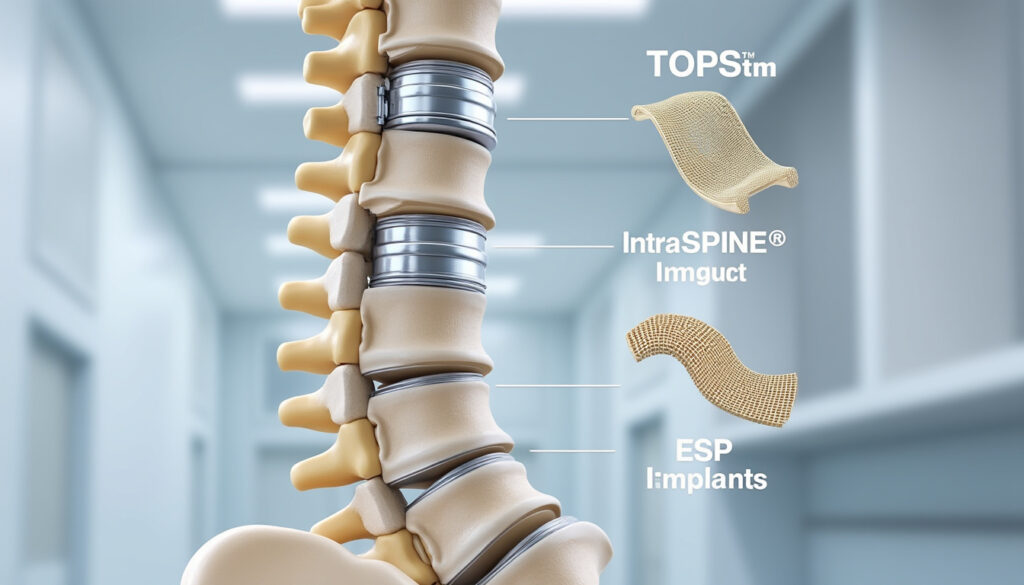
The evolving field of spinal surgery is witnessing a transformative shift, fueled by cutting-edge implant technologies such as TOPS, Intraspine, and ESP. These innovative implants redefine treatment possibilities by emphasizing preservation of natural spinal mechanics, while ensuring durable stabilization and…

Preparing for Surgery in France: Key Indications, Benefits, and Limitations
In an evolving global healthcare landscape, France emerges as a beacon of advanced surgical expertise, particularly attracting international patients seeking expedited and innovative medical interventions. Patients from regions experiencing long wait times, such as Quebec, increasingly view France as an…
Innovations in Surgical Procedures in France: A Spectrum of Options for Spine and More
France stands at the forefront of surgical innovation, providing a spectrum of surgical procedures that cater to a wide array of spine disorders and other medical conditions. The evolving techniques range from traditional fusion surgeries to dynamic stabilization and minimally invasive approaches, each selected based on patient-specific diagnostic insights.
Surgical fusion (arthrodesis) remains a cornerstone for severe spinal instability, employing implants and bone grafts to secure targeted vertebrae. This intervention is especially suited for degenerative diseases that severely compromise spine integrity. Patients often experience significant pain reduction and improved structural support postoperatively.
In contrast, dynamic stabilization techniques utilizing devices like TOPS and IntraSPINE prioritize the preservation of spine mobility while providing necessary stability. These devices reduce stress on adjacent vertebral segments, potentially improving the patient’s quality of life by maintaining natural biomechanics. Numerous patients report enhanced functional outcomes with these motion-preserving surgeries.
Disc replacement surgery, employing cutting-edge prostheses, offers a less invasive alternative focused on maintaining disc height and mobility. This procedure suits select candidates with intact vertebral structures and is increasingly popular due to its favorable recovery profile.
Minimally invasive and endoscopic spine surgeries constitute a fast-growing segment, supported by advancements in 3D imaging and robot-assisted navigation. These techniques minimize tissue disruption, blood loss, and hospitalization time, accelerating postoperative recovery and minimizing complications.
French healthcare’s investment in research collaborations with leading biomedical companies guarantees that implant technology and surgical tools reflect the latest scientific progress, positioning patients at the center of innovative treatment landscapes.
| Technique | Advantages | Patient Benefits |
|---|---|---|
| Fusion (Arthrodesis) | Long-term vertebral stabilization | Pain relief and mechanical support |
| Dynamic Stabilization (TOPS, IntraSPINE) | Preservation of spine mobility | Maintained natural spine function and better quality of life |
| Disc Replacement | Restoration of disc height and mobility | Reduced risks for adjacent segment degeneration |
| Minimally Invasive and Endoscopic Surgery | Reduced trauma and faster recovery | Shorter hospital stays and quicker return to daily activities |
The decision on the surgical technique involves multidisciplinary discussions incorporating patient preferences, medical history, and expected outcomes. This personalized selection process is a hallmark of France healthcare’s commitment to optimizing patient safety and surgical success.

Unveiling the Hidden Benefits of Quality and Certification in Devices
The landscape of device manufacturing and clinical application in 2026 has been fundamentally shaped by the rigorous interplay between quality management and certification processes. Within this complex framework, the hidden benefits of adhering to international standards and obtaining relevant certifications…

Why Experts Advocate for Comprehensive Preoperative Evaluations
In the complex and demanding field of spinal surgery, the emphasis on comprehensive preoperative evaluations has become a fundamental pillar supporting successful surgical outcomes. These evaluations, far beyond mere routine checks, integrate detailed analyses of patient health, surgical risk assessments,…
Hospital Admission in France: Navigating the Bureaucracy and Patient Experience for Surgery
Hospital admission in France, especially for international patients, entails a structured and patient-centric workflow. From arrival to surgical intervention, the process is designed to reduce stress and enhance comfort without compromising medical vigilance.
Upon arrival, patients typically undergo a final preoperative consultation and physical examination to confirm surgical readiness. Dedicated personnel guide patients through administrative tasks, such as document checks and signing of final consent forms, reflecting the detailed approach to patient safety.
The importance of understanding health insurance surgery coverage cannot be understated, as it influences financial planning and access to care. French hospitals generally expect patients, particularly non-residents, to have clarity on insurance reimbursement and arrangements prior to admission. Numerous resources provide information on insurance protocol within the France healthcare system, aiding international patients in planning.
Accommodation arrangements within or near hospitals balance convenience and tranquility to support postoperative recovery. Familiarity with the hospital’s protocols on visiting hours, mobility aids, and patient rights fosters a reassuring environment during the hospital stay in France.
Such procedural clarity and personalized service underscore the French healthcare system’s hallmark dedication to patient-centered care, making hospital experiences notably constructive and respectful.

The Future of Surgery Lies in Stepwise Functional Recovery
The evolution of surgical care in 2026 reveals a compelling shift toward approaches that prioritize the holistic recovery of patients, moving beyond traditional metrics like length of hospital stay or mortality rates. This modern paradigm highlights the principle that the…
Common Pitfalls to Avoid in Neurovertebral Decompression Therapy and Its Crucial Role
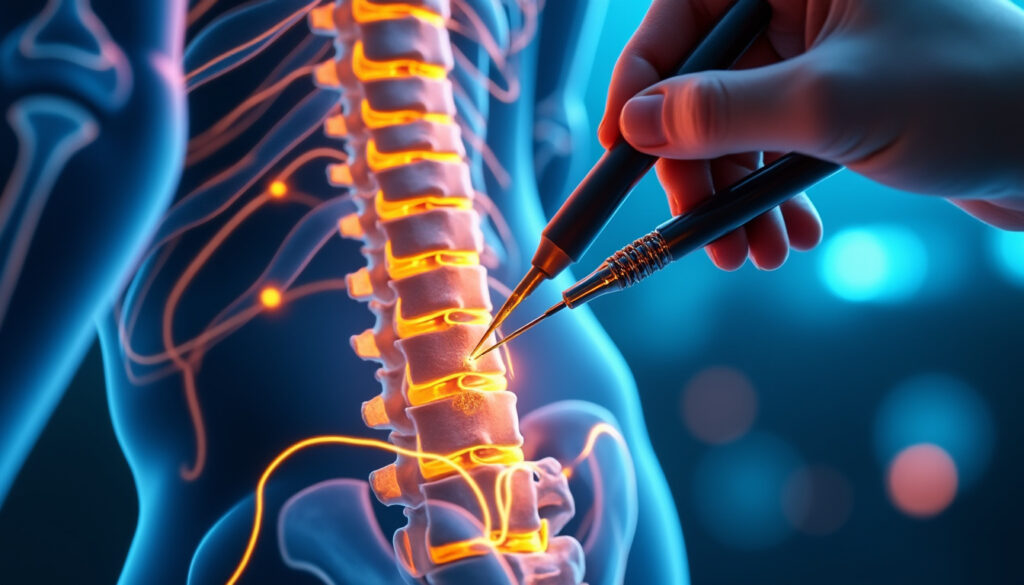
Neurovertebral decompression therapy has emerged as a sophisticated non-invasive medical intervention aimed at relieving chronic spinal pain, particularly associated with conditions such as herniated discs and spinal stenosis. As spinal disorders persist as a leading cause of disability worldwide, patients…
Postoperative Care Strategies in France for Optimal Recovery and Long-Term Health
Postoperative care in France underscores a continuum of care principles, integrating physical rehabilitation, pain management, and psychosocial support to maximize recovery after surgery. Multidisciplinary teams, including surgeons, neurotherapists, and rehabilitation specialists, collaborate seamlessly to tailor postoperative care.
This care extends beyond hospital discharge as patients return to their home countries. For example, Neurothérapie Montréal exemplifies international coordination by offering neurofunctional rehabilitation and pain control services aligned with the surgical interventions undergone in France. These efforts mitigate the risk of complications and reduce hospital readmission rates, emphasizing continuity and patient safety in recovery pathways.
Rehabilitation protocols often feature innovative techniques such as biofeedback and neurofeedback therapies, fostering improved nervous system and muscular function. Psychological support addressing anxiety or post-surgical depression is also woven into care plans, acknowledging the integral role of mental wellbeing in physical healing.
The meticulous coordination between French providers and overseas rehabilitation centers becomes particularly crucial when addressing potential postoperative complications like infections or neurological sequelae. A proactive approach to monitoring and individualized follow-up protocols exemplifies the advanced standards of care prevalent in France and collaborative international partnerships.

Logistics and Travel Preparation: Practical Tips for a Seamless Surgery Experience in France
Preparing for surgery abroad demands comprehensive travel and logistical planning. Effective coordination ensures patients focus on recovery rather than administrative pitfalls or travel-related stress. Engaging with specialized facilitators who organize transportation, hospital appointments, and accommodation streamlines the entire process.
Essential travel documents include valid passports, health insurance confirmations, and all pertinent medical records, which aid in hospital admission France and surgical preparation. Patients are advised to pack comfortable clothing suitable for the hospital stay and include personal hygiene items conforming to preoperative instructions. A well-prepared luggage contributes significantly to post-surgery comfort and convenience.
An often-overlooked aspect is the psychological preparation alongside physical readiness. Establishing communication with support networks and understanding the surgical timeline fosters resilience. Preoperative counseling sessions offer an opportunity to clarify doubts and instill confidence in the care journey.
For detailed guidance on surgery preparation abroad, patients can consult comprehensive packing checklists which cover everything from documentation to after-care equipment, supporting a stress-free experience. This layer of preparation epitomizes the overarching philosophy of patient empowerment integral to France healthcare.
Essential Items for Surgery Abroad Packing Checklist
- Complete medical documentation including imaging results
- Valid identification and insurance papers
- Comfortable and loose-fitting clothes
- Preoperative hygiene products such as antiseptic soaps
- Medications with clear list and instructions
- Electronic devices for entertainment and communication
Planning with reputable organizations ensures logistical coherence and responsiveness to unexpected changes, enhancing patient safety during the entire surgery preparation and hospital stay.
Medical Tourism Support Services: Facilitating Smooth Surgery Preparation in France
The growing interest in France for surgical procedures has given rise to dedicated medical tourism support services. These organizations specialize in navigating the complexities of cross-border care, from selecting expert surgeons to managing travel logistics and insurance coordination.
Companies such as Franchir are instrumental in orchestrating personalized journeys, aligning patient profiles with appropriate healthcare facilities, and ensuring rigorous compliance with France’s medical regulations. Their involvement helps mitigate apprehension related to language barriers, documentation, and appointment scheduling, thus smoothing the path towards surgery preparation.
Additionally, these services provide ongoing communication channels linking international patients with both French medical teams and home country providers, underscoring an integrated approach to patient safety and continuity of care throughout the hospital stay in France and beyond.
Medical Tourism Process in France
Interactive infographic: your step-by-step guide to preparing for surgery in France
For patients prioritizing comprehensive coordination and expertise in international surgical care, partnering with such facilitators offers peace of mind and a higher likelihood of successful outcomes.

What are the key criteria to determine if I am eligible for spine surgery in France?
Eligibility depends on evaluating medical history, current symptoms, and response to conservative treatments through detailed medical consultation and dossier review by French and local specialists.
How is the hospital admission process coordinated for international surgery patients in France?
Dedicated organizations manage travel, lodging, and appointments, ensuring smooth hospital admission and compliance with administrative and insurance requirements.
What documents are essential to prepare before surgery in France?
A complete medical file including imaging, medication lists, identification papers, and consent forms is mandatory, often verified with support from facilitators to ensure compliance.
How is postoperative care managed after returning home from surgery in France?
Postoperative rehabilitation and pain management are coordinated through neurotherapy specialists and multidisciplinary teams, maintaining close communication with French surgical teams.
What should I do if I experience anxiety before surgery?
Preoperative consultations offer psychological support and education, encouraging patients to voice concerns and access resources tailored to manage stress effectively.