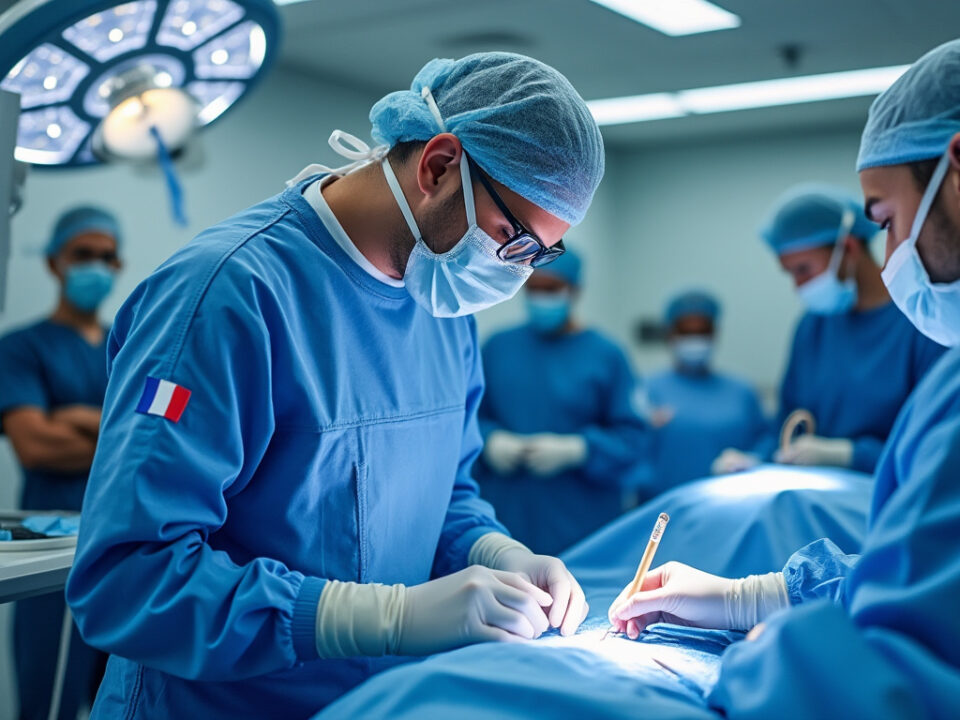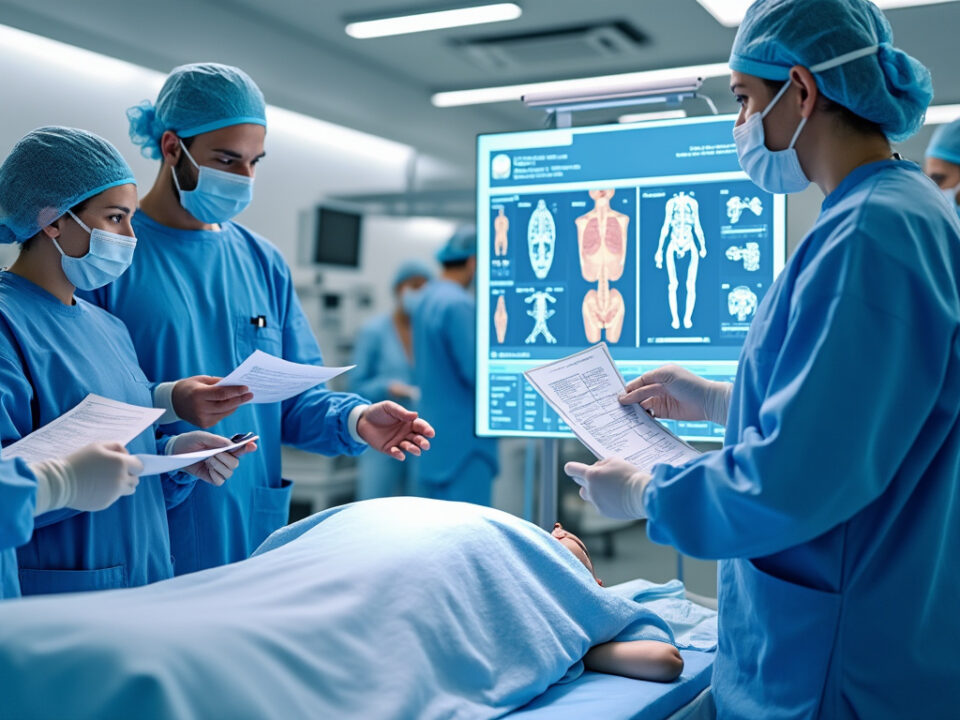
Why Specialists Advocate for Spine Surgery in France: Key Insights and Recommendations
May 23, 2026
TOPS™ in Gatineau: Maintain Mobility After Decompression
May 23, 2026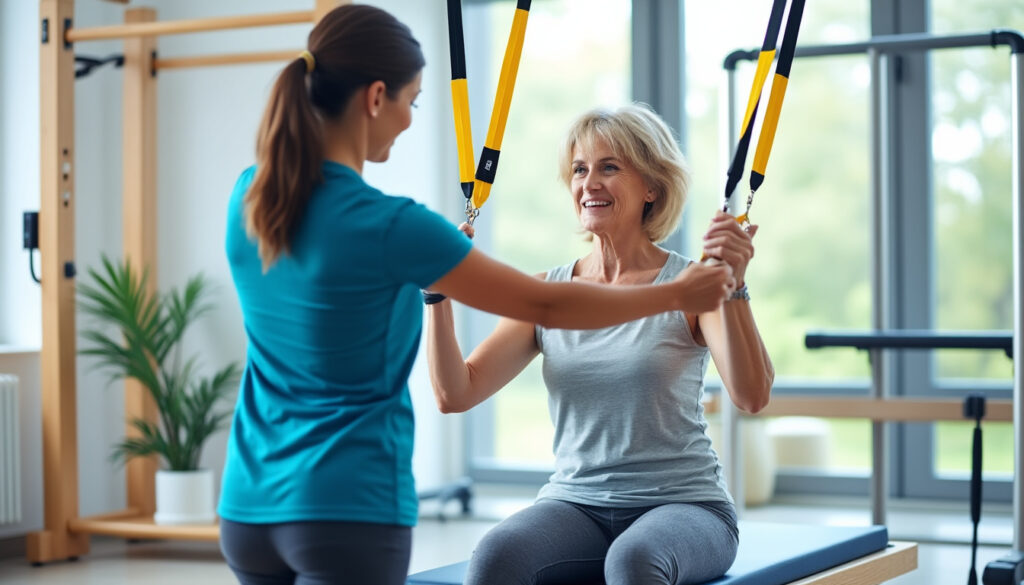
The advancement of medical science continuously challenges traditional approaches to spine surgery, especially concerning patients seeking alternatives to invasive procedures. In the evolving landscape of rehabilitation, stepwise functional recovery has emerged as a tailored, progressive treatment strategy that offers promising outcomes in managing spinal conditions. This approach provides a structured pathway that aligns with the natural healing processes, aiming to enhance mobility, manage pain, and improve overall quality of life without immediate recourse to surgery.
Primarily targeted towards patients experiencing degenerative spine issues or neuropathic pain, stepwise functional recovery integrates cutting-edge neuromodulation techniques, personalized physical therapy, and multidisciplinary care coordination. The method is increasingly adopted by healthcare providers aiming to minimize surgical interventions while ensuring optimal recovery trajectories. By emphasizing gradual restoration of function and symptom management, this model challenges the conventional reliance on early surgical solutions and presents a compelling option for those seeking effective non-surgical treatment modalities.
Notably, the collaboration between Canadian and French clinical teams, as exemplified by Neurothérapie Montréal, showcases how global expertise enhances postoperative care. Through technologies such as repetitive transcranial magnetic stimulation (rTMS), BrainPort, and PoNS devices, patients receive neuroplasticity-driven therapies that complement physical rehabilitation. This international synergy facilitates continuous monitoring and adaptation of recovery protocols over time, ensuring patients benefit from progressive improvements and reduced risks of complications.

Foundations of Stepwise Functional Recovery in Spine Care Pathways
Stepwise functional recovery forms the backbone of modern rehabilitation strategies following spinal injury or surgery. This approach respects the biological phases of healing and strategically times therapeutic interventions to maximize tissue repair while promoting mobility. The concept is more than sequential rehabilitation; it embodies a dynamic, patient-centered care pathway that integrates pain management, psychological support, and functional improvement.
Fundamental to this process is the understanding that early mobilization does not equate to premature exertion but is rather a graded introduction of physical activity adjusted to individual capacity. The initial phase focuses extensively on pain control, using advanced non-invasive modalities such as rTMS to modulate cerebral activity and reduce neuropathic pain, preventing maladaptive compensatory movement patterns. This conservative initial management helps preserve the anatomical and neurological integrity, thereby setting a sound foundation for subsequent recovery stages.
As patients progress to intermediate phases, the emphasis shifts to restoring joint mobility and combating muscular atrophy. Technologies like BrainPort and PoNS play vital roles here by stimulating sensory inputs and enhancing neural plasticity, which in turn improves posture and neuromuscular coordination. These interventions underscore the multifaceted nature of stepwise recovery, as it addresses not only structural but also neural elements critical for functional restoration.
The advanced recovery phase targets reintegration into daily activities and gradual return to physical exertion, emphasizing posture correction and stable spinal engagement. Psychological reinforcement, including rTMS for mood stabilization, is integrated to ensure sustained patient motivation and adherence to rehabilitation protocols. Each recovery tier is meticulously tailored, taking surgery type and patient profile into consideration to optimize outcomes.
The Science Behind Stepwise Functional Recovery
The efficacy of stepwise functional recovery stems from its foundation in evidence-based practices that weave together biomechanical understanding and neurophysiological innovation. By segmenting recovery into phases aligned with biological healing cycles, clinicians can introduce specific interventions at optimal times, avoiding the pitfalls of both immobilization and premature load bearing.
Clinical data demonstrate that early controlled mobilization reduces postoperative complications such as infections and circulatory issues while fostering quicker functional walking capacity restoration. The personalized nature of this method—accounting for preoperative functional status, comorbidities, and surgical complexity—enhances predictive accuracy for long-term outcomes and patient satisfaction.
Concomitantly, neuroplasticity-enhancing tools have shown to boost rehabilitation success, particularly when addressing chronic neuropathic pain resistant to standard therapies. The integration of these devices reflects a paradigm shift towards more holistic spinal care, bridging physical recovery with neurological and psychological health.
The Pivotal Role of Spinal Surgery in Achieving Successful Treatment Pathways in France
France’s healthcare system stands at the forefront of advancements in spinal surgery, reflecting a broader commitment to enhancing patient outcomes in orthopedic surgery and neurosurgery. The integration of spinal surgery within comprehensive treatment pathways is pivotal for managing complex spinal…
Personalized Pain Management Strategies in Functional Spine Recovery
Pain management represents a critical pillar within the stepwise functional recovery framework for spine patients. Neuropathic pain, often associated with degenerative or postoperative spinal conditions, poses unique challenges as it tends to be refractory to conventional analgesics. Innovative approaches like repetitive transcranial magnetic stimulation (rTMS) have emerged as effective adjuncts in modulating cortical excitability and alleviating pain perception.
By integrating rTMS early in the recovery timeline, clinicians reduce patients’ dependence on pharmacological therapies, thereby mitigating side effects and promoting better functional engagement during rehabilitation exercises. This targeted neuromodulation additionally addresses post-surgical anxiety and depression, conditions commonly debilitating those recovering from spinal procedures.
Complementing technology-driven pain control, functional recovery programs emphasize gentle physical therapy aimed at reducing inflammation and enhancing tissue resilience. This multimodal pain management ensures patients maintain an optimal level of activity, crucial for preventing muscular atrophy and joint stiffness. Collaborative care models, involving physical therapists, neurologists, and pain specialists, tailor interventions to individual pain profiles and recovery milestones.
Examples of Pain Management Integration During Recovery
- Early initiation of rTMS sessions to modulate neuropathic pain pathways.
- Use of BrainPort and PoNS devices to enhance sensory feedback and improve pain thresholds.
- Custom-tailored physical therapy programs that balance pain relief with safe mobility.
- Psychological counseling incorporated to manage anxiety and depression linked with chronic spinal pain.
The success of these strategies is evident in patient cohorts reporting improved quality of life, decreased opioid usage, and enhanced return-to-work timelines. This comprehensive approach exemplifies how integrating advanced neuromodulation modalities with traditional rehabilitation produces superior functional outcomes.

Can Medical Logistics and Accommodation Help Avoid Surgery?
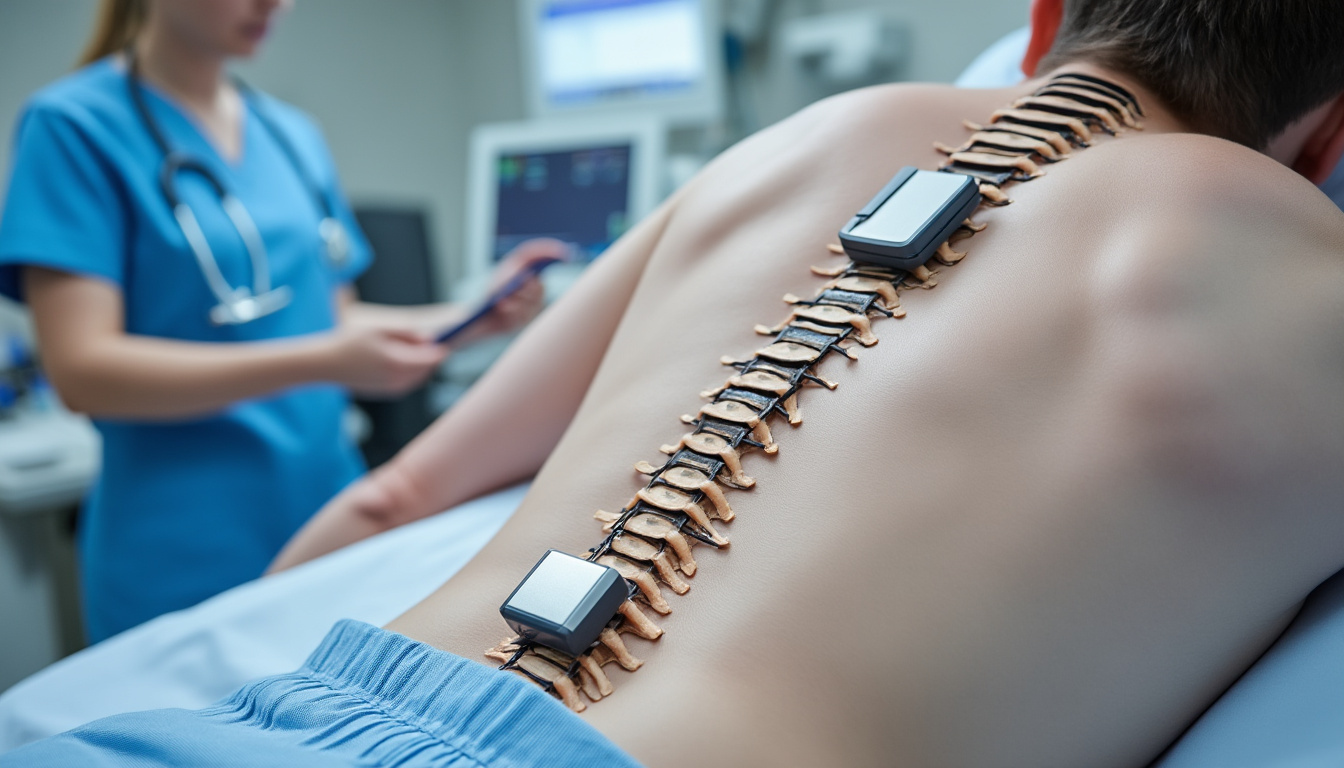
The management of spinal pathologies is an intricate process, often necessitating a multidisciplinary approach that combines advanced medical interventions with comprehensive healthcare planning. For patients, especially those traveling internationally, meticulous coordination of medical logistics and accommodation can not only enhance…
Mobility Improvement: Stepwise Rehabilitation to Restore Function
Improving mobility remains the cornerstone objective of stepwise functional recovery, with therapy sequences designed to progressively challenge and support patients. After stabilization of pain and inflammation, restoration of spinal movement and muscular strength is prioritized.
Physical therapy interventions evolve through stages from passive range-of-motion exercises to active, resistance-based strengthening. The use of assistive neuromodulation tools complements these physical efforts by stimulating neural pathways responsible for proprioception and motor control, thus accelerating functional gains. This multimodal approach is essential to combat muscle atrophy and joint stiffness, common sequelae of spinal pathology and immobility.
Functional milestones are defined at each recovery tier, allowing clinicians to assess progression and tailor interventions accordingly. For example, following simple decompressive surgeries, patients may engage in light walking within days and return to work within a month. In contrast, those undergoing complex fusion surgeries might follow a longer trajectory, often exceeding six months before fully resuming routine activities.
Progressive Milestones in Functional Recovery
| Type of Surgery | Recovery Phases | Approximate Duration | Main Goals | Therapeutic Solutions |
|---|---|---|---|---|
| Simple Decompression | Early walking & gentle physical therapy | 1 week (walking), 1 month (work) | Alleviate pain, regain autonomy | rTMS for pain management, personalized follow-up |
| Motion Preservation | Early mobilization & neuromuscular strengthening | 2-3 months (moderate sports) | Preserve spinal mobility, return to moderate sports | Neuromodulation devices (BrainPort, PoNS, rTMS) |
| Segmental Fusion | Muscle strengthening & stabilization | 6+ months | Protect implants, manage chronic pain | Extended program with rTMS support |
Such clear structuring enables patients to visualize their journey and empowers clinicians to fine-tune interventions based on individual responses. This clarity enhances adherence and motivates patients throughout their functional recovery path.
Why Experts Advocate for Thorough Preparation Before Surgery in France
In recent years, France has become a preferred destination for patients seeking advanced surgical care, especially for complex procedures such as spinal surgeries. The country’s commitment to medical excellence is reflected in its integration of cutting-edge technology and comprehensive patient…
Non-Surgical Treatment Potential: Can Stepwise Functional Recovery Prevent Surgery?
The prospect of avoiding surgery through successful stepwise functional recovery is enticing, especially for patients apprehensive about invasive interventions. While not universally applicable, evidence supports the effectiveness of conservative, progressive rehabilitation in delaying or even circumventing the need for surgery in select cases.
Central to this concept is comprehensive evaluation and continuous monitoring to identify candidates whose symptoms can be managed by non-surgical means. For example, patients presenting with nerve root compression causing neuropathic pain might benefit dramatically from rTMS, physical therapy, and neuroplasticity-enhancing technologies. Such measures may restore function sufficiently to eliminate or postpone surgical indications.
Furthermore, the structured organization of stepwise recovery, which carefully respects physiological healing stages, reduces the risk of further complications necessitating urgent surgeries. The integration of pain management, mobility improvement, and psychological support creates a holistic framework that addresses the multifactorial nature of spine diseases.
The success stories emerging from centers specializing in this approach highlight cases where patients with herniated discs or mild stenosis return to full activity without surgery. This pathway not only benefits individual patients but may also ease healthcare system burdens related to surgical demand and postoperative complications.
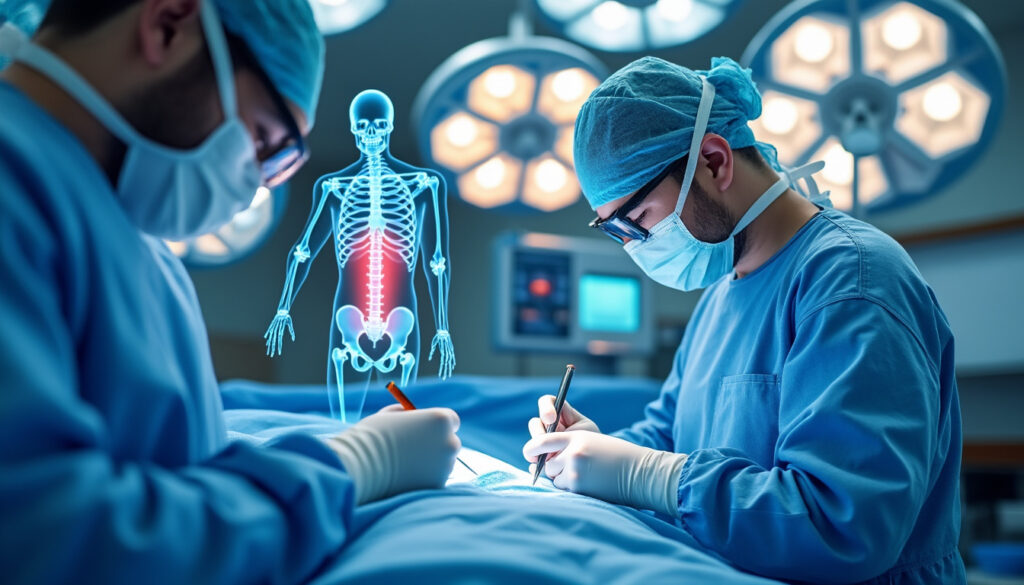
Unveiling the Hidden Benefits of Simple Surgery, Fusion, and Motion Techniques
Spinal health has undergone a remarkable transformation in recent years, with advancements in surgical approaches dramatically altering patient outcomes. In an era where maintaining quality of life is paramount, the fusion of innovative technologies with surgical expertise has unveiled a…
Innovations Driving Stepwise Functional Recovery: Technologies and Coordination
Technological advances play a pivotal role in augmenting stepwise functional recovery efficacy. Devices like BrainPort and PoNS stimulate sensory feedback and neural circuits, enhancing proprioception and facilitating motor relearning. These tools are especially valuable during intermediate rehabilitation stages where patients regain coordinated movements.
Repetitive transcranial magnetic stimulation (rTMS) remains a cornerstone technology for managing neuropathic pain and psychological wellbeing. Its ability to modulate cortical excitability offers relief where conventional pharmacotherapy falls short.
In parallel, the coordination between international medical teams, exemplified by cooperation between French surgical centers and Canadian rehabilitation clinics, ensures seamless patient transitions. Preoperative evaluations, centralized data sharing, and synchronized rehabilitation protocols constitute a robust network that supports patients through every recovery phase.
Such comprehensive care models signify a shift towards patient-centered treatment frameworks where individualized pacing is respected and cross-border expertise is leveraged for optimal outcomes.
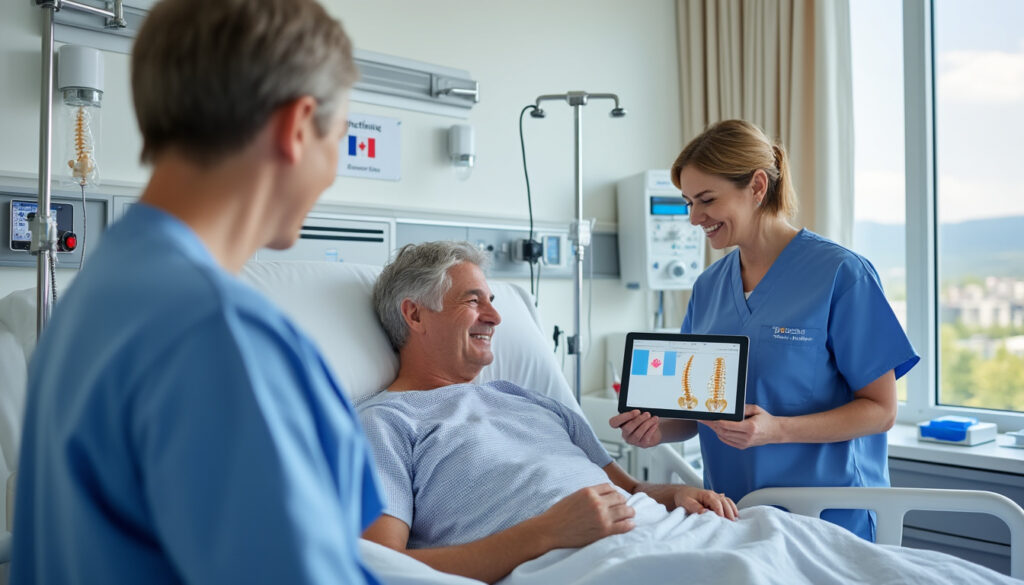
Post-Operative Back Surgery Care: A Clear Guide for Quebec Patients
In recent years, an increasing number of Quebec patients have chosen to undergo back surgery in France, drawn by the country’s advanced surgical techniques and high standard of care. This cross-continental approach to managing spinal conditions highlights not only the…
Planning and Best Practices for a Successful Recovery Process
Adherence to well-structured recovery plans is critical to maximize the benefits of stepwise functional recovery. Patients are advised to:
- Respect each phase and avoid rushing activity resumption to prevent setbacks.
- Engage fully with neuromodulation therapies like rTMS alongside physical therapy.
- Maintain a healthy lifestyle including balanced nutrition, hydration, and sufficient sleep to support healing.
- Communicate transparently with healthcare providers regarding symptoms and progress.
- Listen to the body’s signals to avoid overexertion and recognize warning signs.
Following these guidelines, combined with expert supervision, enhances patient autonomy and fosters confidence in the recovery journey, ultimately contributing to better long-term functional outcomes.
Stepwise Functional Recovery Phases
Explore the key phases that help sidestep surgery
– Control pain effectively using non-invasive techniques.
– Initiate gentle movements to prevent stiffness and promote circulation.
– Avoid aggravating activities while maintaining basic mobility.
Recovery Progress: 30%– Restore joint range of motion progressively.
– Engage in targeted strengthening exercises.
– Monitor muscle fatigue and adjust activity intensity accordingly.
Recovery Progress: 60%– Gradual return to daily activities and work tasks.
– Address psychological and emotional wellbeing.
– Use cognitive behavioral strategies to reinforce recovery mindset.
Recovery Progress: 85%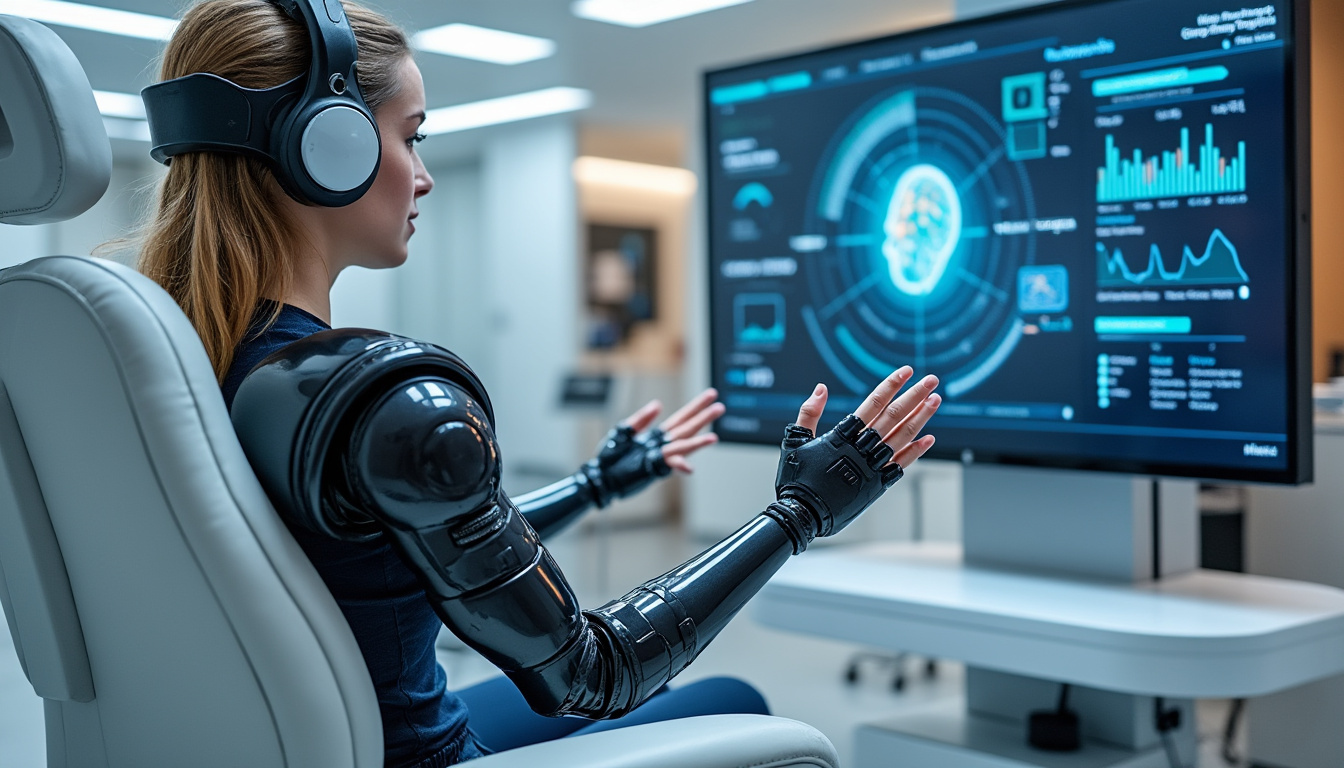

Why Experts Advocate for Patient Testimonials During Recovery
The recovery journey from surgical interventions, especially those involving complex procedures like spinal surgeries, is far more than the body’s physical healing. It encompasses an intricate interplay of emotional resilience, psychological endurance, and the need for a nurturing support system.…
Multidisciplinary Rehabilitation: The Role of Physical Therapy in Surgical Alternatives
Physical therapy is a central element within stepwise functional recovery, delivering personalized exercises that align with patient-specific capacities and clinical objectives. Therapists utilize a variety of modalities, from manual therapy to proprioceptive training, ensuring that rehabilitation targets motor control, spinal alignment, and muscle balance.
These interventions not only improve objective parameters like range of motion and strength but also contribute to subjective measures such as pain tolerance, confidence, and independence. Incorporating physical therapy within a stepwise framework ensures that rehabilitation progress corresponds to the patient’s biological and psychological readiness.
For instance, patients undergoing motion preservation surgeries benefit from early, guided activities designed to maintain the dynamic function of the spine. Conversely, those with fusion surgeries receive protocols emphasizing gradual stabilization and implant protection, highlighting the adaptability of physical therapy within this recovery model.
Integration of emerging assistive technologies and neuromodulation enhances therapy efficacy, promoting synaptic plasticity and functional recovery beyond the capabilities of standard exercises. This holistic approach markedly increases the likelihood of sidestepping invasive surgery when applied early and consistently.
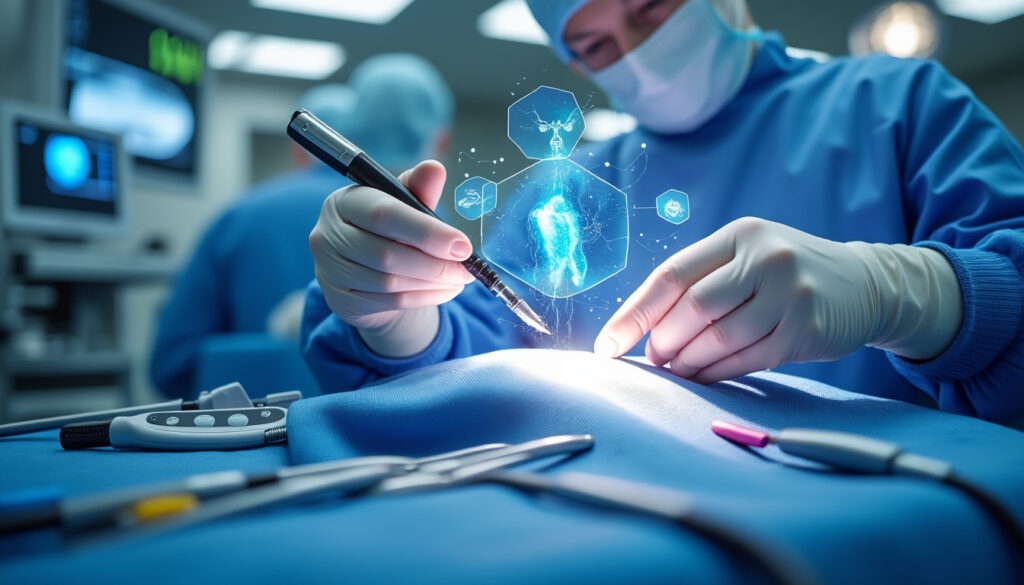
Can Simple Surgery, Fusion, or Motion Techniques Help You Avoid More Invasive Procedures?
As chronic back pain continues to burden millions worldwide, the spectrum of spinal treatments evolves with remarkable advancements in 2026. Patients seeking relief from debilitating conditions often confront the dilemma of whether to pursue traditional, highly invasive surgeries or consider…
Coordinated Care Models Enhancing Patient Outcomes Across Borders
Given the complex nature of spine care, especially for patients receiving surgical treatment abroad, coordinated care models are indispensable. Providers such as Neurothérapie Montréal orchestrate seamless collaboration with international surgical teams, ensuring continuity in assessment, treatment, and follow-up.
This integrated model supports detailed neurofunctional evaluations prior to surgery, facilitates patient education aimed at reducing preoperative anxiety, and manages the postoperative rehabilitation trajectory with adaptive protocols. Ensuring constant communication among multidisciplinary teams heightens vigilance for potential complications and fosters tailored adjustments to recovery plans.
Such comprehensive management addresses the often-overlooked psychosocial components of recovery, offering patients reassurance and ongoing motivation essential for adherence to functional recovery regimens. Moreover, this coordination extends beyond direct clinical care to involve logistical planning and patient support during medical travel, demonstrating an exemplary patient-centered approach in modern spine health.
{“@context”:”https://schema.org”,”@type”:”FAQPage”,”mainEntity”:[{“@type”:”Question”,”name”:”What are the primary benefits of stepwise functional recovery after spine surgery?”,”acceptedAnswer”:{“@type”:”Answer”,”text”:”This method allows a graded improvement in motor abilities while incorporating pain management and psychological support, thereby optimizing rehabilitation and minimizing complication risks.”}},{“@type”:”Question”,”name”:”How does repetitive transcranial magnetic stimulation (rTMS) contribute to postoperative care?”,”acceptedAnswer”:{“@type”:”Answer”,”text”:”rTMS modulates brain activity to alleviate neuropathic pain and improve mental health, fostering more effective overall recovery.”}},{“@type”:”Question”,”name”:”Can stepwise functional recovery prevent the need for surgery?”,”acceptedAnswer”:{“@type”:”Answer”,”text”:”In certain cases, especially when conservative treatments are combined with progressive rehabilitation, stepwise recovery can delay or even avoid immediate surgery.”}},{“@type”:”Question”,”name”:”What role does Neurothu00e9rapie Montru00e9al play in postoperative management?”,”acceptedAnswer”:{“@type”:”Answer”,”text”:”Neurothu00e9rapie Montru00e9al coordinates clinical follow-up, offers neurofunctional assessments, and provides innovative treatments such as rTMS for personalized postoperative support.”}},{“@type”:”Question”,”name”:”How is activity resumed following segmental fusion surgery?”,”acceptedAnswer”:{“@type”:”Answer”,”text”:”Recovery is gradual and well-structured over six months or more, including intensive muscle strengthening, stabilization, and pain management, often supported by rTMS.”}}]}What are the primary benefits of stepwise functional recovery after spine surgery?
This method allows a graded improvement in motor abilities while incorporating pain management and psychological support, thereby optimizing rehabilitation and minimizing complication risks.
How does repetitive transcranial magnetic stimulation (rTMS) contribute to postoperative care?
rTMS modulates brain activity to alleviate neuropathic pain and improve mental health, fostering more effective overall recovery.
Can stepwise functional recovery prevent the need for surgery?
In certain cases, especially when conservative treatments are combined with progressive rehabilitation, stepwise recovery can delay or even avoid immediate surgery.
What role does Neurothérapie Montréal play in postoperative management?
Neurothérapie Montréal coordinates clinical follow-up, offers neurofunctional assessments, and provides innovative treatments such as rTMS for personalized postoperative support.
How is activity resumed following segmental fusion surgery?
Recovery is gradual and well-structured over six months or more, including intensive muscle strengthening, stabilization, and pain management, often supported by rTMS.
Comprehensive Guide to Organizing Medical Imaging Examinations
In the complex world of spinal surgery and multidisciplinary healthcare, precise organization of medical imaging examinations stands as a pivotal element for patient safety and surgical success. As demand rises for cross-border medical collaboration, particularly between regions like Québec and…