
Unveiling the Hidden Benefits of Simple Surgery, Fusion, and Motion Techniques
May 27, 2026
Can Medical Logistics and Accommodation Help Avoid Surgery?
May 27, 2026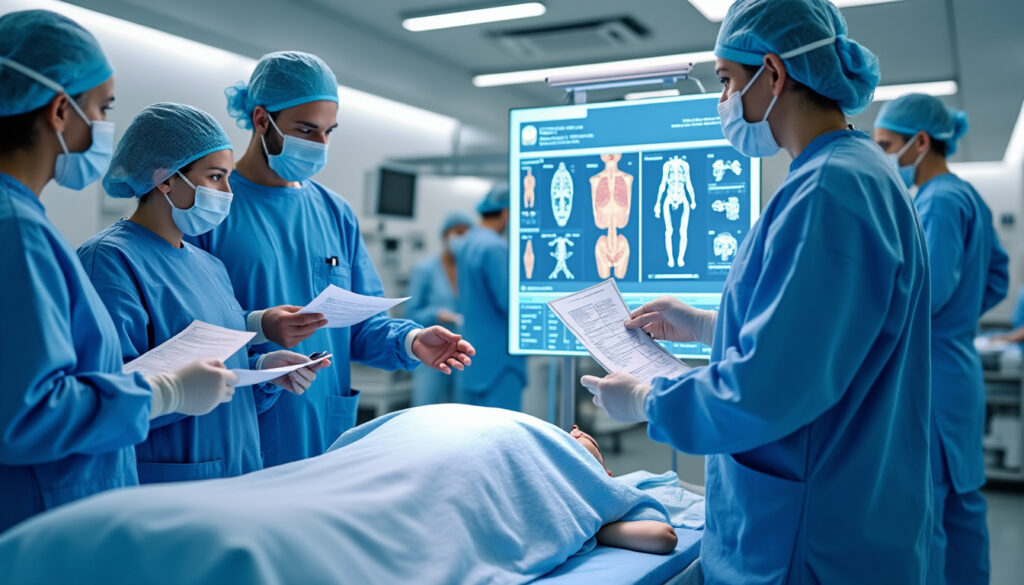
In recent years, France has become a preferred destination for patients seeking advanced surgical care, especially for complex procedures such as spinal surgeries. The country’s commitment to medical excellence is reflected in its integration of cutting-edge technology and comprehensive patient pathways. Among the key pillars of this success is the emphasis placed on thorough preparation before surgery, which experts universally endorse to optimize surgical outcomes and enhance patient safety. This meticulous approach to preparation is not just a procedural formality; it is a crucial factor that can significantly influence recovery times, reduce complications, and improve overall healthcare quality.
For many international patients, particularly those coming from Quebec and other francophone regions, undergoing surgery in France entails navigating a complex journey that goes beyond the operating room. The process involves a well-orchestrated collaboration between multidisciplinary experts, logistical coordination, and patient education. It is within this structured framework that preoperative care takes center stage, serving as the foundation upon which the entire surgical episode is built. From detailed initial assessments and risk evaluations to personalized physical conditioning and stress management, each step contributes to a safer, more efficient, and compassionate surgical experience.
Understanding why this comprehensive preparation is so vigorously recommended requires a deep dive into the clinical, technological, and organizational dimensions that shape surgical care in France. Medical guidelines here emphasize evidence-based protocols, supported by expert advice that continuously evolves with advances in medical science and technology. This commitment to precision ensures that every patient receives tailored care, risks are managed proactively, and quality benchmarks are consistently met. The dedicated involvement of healthcare professionals before surgery significantly reduces last-minute surprises, enabling patients to embark on their surgeries with confidence and clarity.
Understanding the Critical Role of Preoperative Assessments in Surgery in France
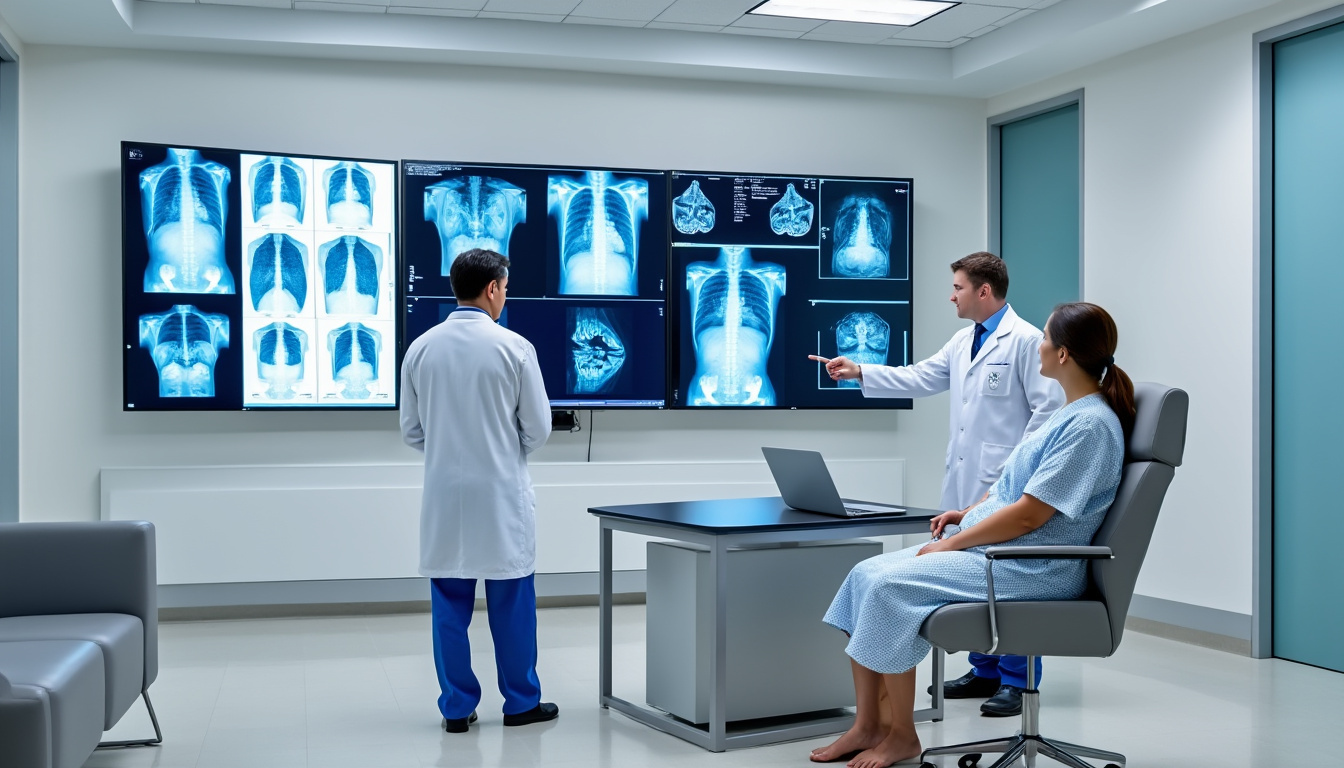
One of the first crucial stages in the preparation for surgery in France is the preoperative assessment. Experts stress that this step serves to evaluate a patient’s eligibility for surgery and to tailor the care pathway to their specific health profile. In spinal surgery, for example, this involves a thorough review of medical history, detailed questionnaires, and the analysis of high-resolution imaging studies like MRIs and CT scans. The assessments are overseen by seasoned teams, including specialists such as those at TAGMED, who ensure that contraindications are identified early, thereby mitigating risk management challenges during surgery.
This stage is not only diagnostic but highly strategic. It involves coordinating multidisciplinary inputs from neurosurgeons, anesthetists, and rehabilitation specialists. For instance, understanding a patient’s neurological status or the extent of spinal degeneration allows surgeons to choose between techniques such as arthrodesis, disc prostheses, or dynamic stabilization systems like TOPS and Intraspine, which are known to better preserve spinal mobility. Scientific collaboration between medical centers in France and healthcare facilitators in Quebec ensures that patients enter the operating theatre well-prepared, minimizing unexpected intraoperative complications.
Furthermore, expert medical guidelines underline the importance of conducting comprehensive blood work and functional tests to evaluate factors such as nutritional status and coagulation profiles. This information is critical for anticipating postoperative risks and preparing individualized care plans. Clear communication between patients and medical teams during this phase is essential for patient education, fostering transparency and trust. Detailed explanations about the surgical procedure, potential outcomes, and necessary lifestyle adjustments empower patients to take an active role in their care journey.

Understanding Sciatic Pain: Key Symptoms and When to Seek Medical Advice
Sciatic pain is a prevalent condition impacting a wide demographic, manifesting primarily as intense pain radiating from the lower back down the leg. This pain stems from irritation or compression of the sciatic nerve, a major nerve extending through the…

The Stepwise Role of Functional Recovery in Achieving Successful Outcomes
The journey to full recovery following spinal surgery is often complex and multifaceted, demanding a meticulously structured approach to ensure optimal functional outcomes. In recent years, the concept of functional recovery through a stepwise approach has garnered significant attention in…
Innovations in Preoperative Care: Enhancing Patient Safety and Surgical Efficiency
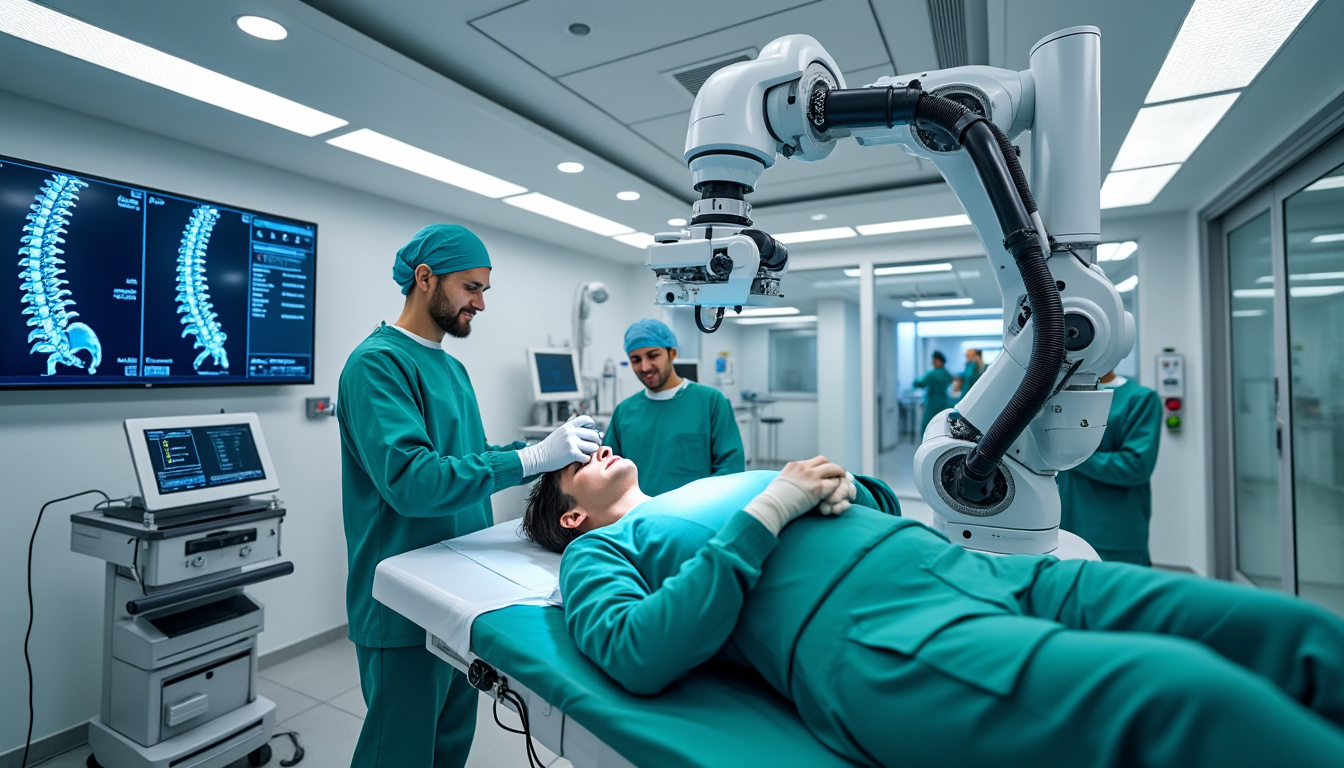
In 2026, the paradigm of surgery preparation in France integrates not only clinical assessments but also technological advances that elevate patient safety to new heights. The utilization of robotic-assisted surgery platforms and 3D imaging technologies has transformed the surgical landscape, allowing for more precise interventions with minimally invasive approaches. Experts advocate that prior to surgery, patients undergo tailored preparations that include physical conditioning, psychological readiness, and nutritional optimization—a holistic methodology widely recognized as prehabilitation.
Scientific literature, including studies on prehabilitation before major surgery, highlights how improving a patient’s functional status reduces postoperative complications significantly. Patients are guided through customized exercise regimes that reinforce musculature critical to spinal stability. Adequate nutrition, particularly an increase in protein intake, supports tissue repair and mitigates postoperative muscle loss. These preparatory measures have been shown not only to shorten hospital stays but also to enhance long-term quality of life.
Equally important is managing anxiety and stress before surgery. Evidence suggests that techniques like cardiac coherence and breathing exercises can stabilize the autonomic nervous system, thereby optimizing immune responses. Anesthesiologists and psychologists collaborate to implement these strategies as part of a broader perioperative care protocol. Additionally, meticulous preoperative hygiene instructions and medication adjustments, such as discontinuing anticoagulants or alcohol, further enhance patient safety.
The Multidisciplinary Approach to Patient Preparation
The practice of preoperative care in France exemplifies a coordinated effort between surgeons, anesthesiologists, nutritionists, physiotherapists, and dedicated coordinators. Marcel Mazaltarim at Neurothérapie Montréal serves as a prime example of the kind of integrated support provided. His role involves managing preoperative and postoperative follow-ups, ensuring continuity of care for Quebec patients. This human-centered approach, combined with state-of-the-art medical protocols, reassures patients navigating the complexities of international surgical care.

Transatlantic Patient Journey: Insights into Indications, Benefits, and Challenges
The emergence of the Transatlantic Patient Journey as a strategic model within healthcare continues to capture attention for its innovative potential, especially in specialized fields such as spinal surgery. This cross-border care pathway integrates rigorous medical evaluation from Quebec with…
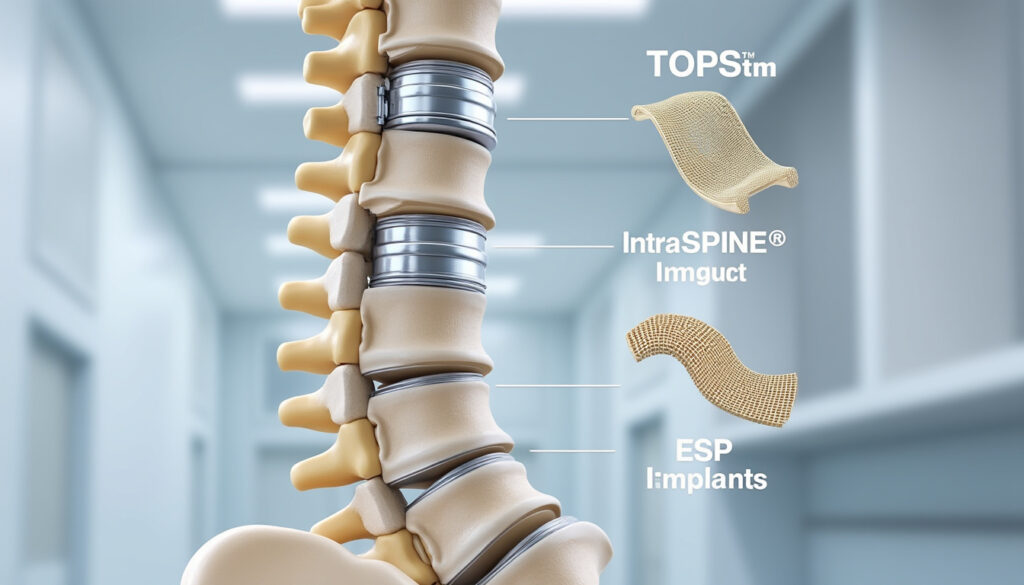
The evolving field of spinal surgery is witnessing a transformative shift, fueled by cutting-edge implant technologies such as TOPS, Intraspine, and ESP. These innovative implants redefine treatment possibilities by emphasizing preservation of natural spinal mechanics, while ensuring durable stabilization and…
Leveraging Advanced Surgical Technologies to Maximize Outcomes in France
France’s reputation for high-quality surgical care is bolstered by its early adoption and refinement of innovative technologies that improve surgical outcomes. State-of-the-art operating rooms equipped with navigation systems, endoscopic tools, and robotic assistance enable surgeons to perform complex spine surgeries with unparalleled precision and minimal invasion. These advances are instrumental in reducing operative time, blood loss, and tissue trauma, leading to faster recoveries and fewer complications.
Dynamic stabilization devices such as TOPS and Intraspine represent significant advancements in spinal implant technology. Unlike traditional spinal fusion, these systems preserve the natural motion of the vertebral column, reducing adjacent segment degeneration and enhancing postoperative comfort. Such innovative approaches appeal especially to younger and active patients seeking functional preservation alongside symptom relief.
The logistic coordination provided by entities like Franchir ensures that these technologies are accessible to international patients, who benefit from streamlined scheduling and tailored hospital placements. This seamless integration of technology and organization exemplifies France’s leadership in healthcare quality.

Preparing for Surgery in France: Key Indications, Benefits, and Limitations
In an evolving global healthcare landscape, France emerges as a beacon of advanced surgical expertise, particularly attracting international patients seeking expedited and innovative medical interventions. Patients from regions experiencing long wait times, such as Quebec, increasingly view France as an…

Unveiling the Hidden Benefits of Quality and Certification in Devices
The landscape of device manufacturing and clinical application in 2026 has been fundamentally shaped by the rigorous interplay between quality management and certification processes. Within this complex framework, the hidden benefits of adhering to international standards and obtaining relevant certifications…
Optimizing Physical and Psychological Readiness: Keys to Patient Safety Before Surgery
The concept of thorough preparation extends beyond the physical condition of patients to incorporate psychological and emotional readiness. Preparing a patient mentally for surgery can significantly influence both perioperative experience and postoperative recovery. Psychological interventions to reduce stress and anxiety include cognitive-behavioral therapy, mindfulness practices, and relaxation techniques.
Patient safety protocols in France recognize the psychosocial variables as critical components of surgical success. Studies have demonstrated that patients who engage in structured mental preparation often require less analgesia postoperatively and resume activities sooner. These benefits underscore the need for comprehensive preoperative education and support, ensuring patients have realistic expectations about the procedure and recovery trajectory.
In practice, healthcare teams provide detailed educational materials and one-on-one counseling sessions. Patients are encouraged to ask questions regarding surgical steps, pain management, and rehabilitation plans. Such interactions build trust and improve compliance with pre- and postoperative instructions, transforming the surgical journey into a collaborative process.

Why Experts Advocate for Comprehensive Preoperative Evaluations
In the complex and demanding field of spinal surgery, the emphasis on comprehensive preoperative evaluations has become a fundamental pillar supporting successful surgical outcomes. These evaluations, far beyond mere routine checks, integrate detailed analyses of patient health, surgical risk assessments,…

The Future of Surgery Lies in Stepwise Functional Recovery
The evolution of surgical care in 2026 reveals a compelling shift toward approaches that prioritize the holistic recovery of patients, moving beyond traditional metrics like length of hospital stay or mortality rates. This modern paradigm highlights the principle that the…
Comprehensive Coordination of Surgical Pathways for International Patients
One of the distinctive advantages for patients choosing surgery in France is the meticulous organization of their entire care pathway. The French healthcare system employs robust coordination mechanisms to handle the multifaceted logistics of international surgery. Companies like Franchir take charge of complexities ranging from selecting the most suitable hospital and surgeon to managing airport transfers and lodging.
This personalized coordination services not only alleviate patient stress but also allow healthcare teams to focus entirely on clinical care. Coordinators work closely with expert teams to schedule preoperative evaluations, manage documentation, and ensure compliance with medical guidelines. Such support is invaluable for patients who might otherwise feel overwhelmed by the demands of overseas medical treatment.
Importantly, this structured pathway also contributes to cost efficiency. By planning surgical and postoperative care seamlessly, unnecessary delays and redundant evaluations are minimized, reducing overall expenses and hospital stay durations. Patient testimonials from Quebec confirm that this meticulous preparation contributes significantly to their sense of safety and wellbeing throughout the process.
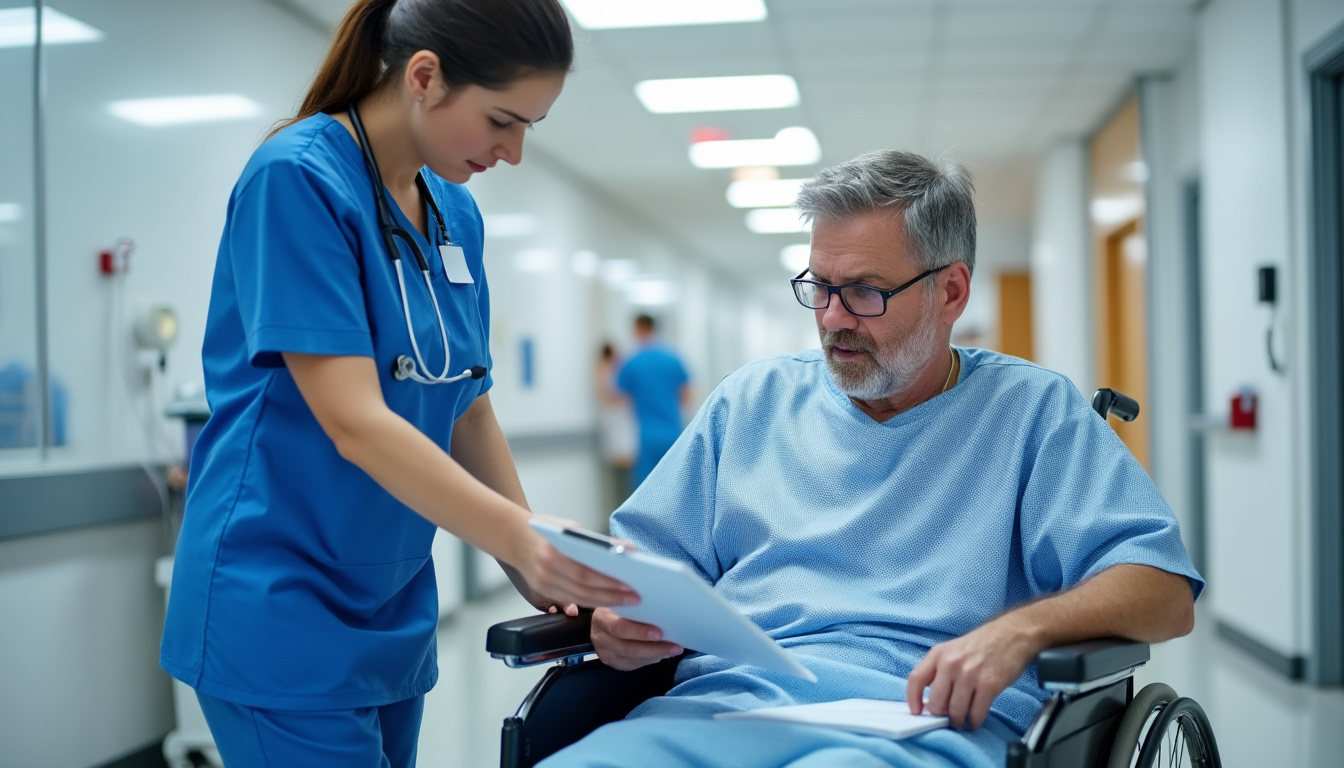
Practical Guidelines and Tips for Patients Preparing for Surgery in France
For patients planning surgery abroad, expert advice often emphasises the importance of adherence to preoperative instructions. These include fasting protocols, adjustments to medication regimens, and strict hygiene measures such as antiseptic showers prior to admission. Awareness of these requirements can prevent common complications like aspiration or postoperative infections.
Moreover, preparing one’s personal environment for recovery, like arranging family support and ensuring access to rehabilitation services, is highly recommended. Patients should take advantage of available resources for information, such as those offered by medical coordinators specialized in surgical preparation, and online guides focused on surgery abroad.
- Confirm eligibility and gather all needed medical records early.
- Engage actively in physical exercise and nutritional programs.
- Practice stress reduction techniques as part of psychological preparedness.
- Communicate proactively with healthcare providers about medications and allergies.
- Ensure logistic arrangements such as transport and lodging are confirmed ahead of surgery.
Following these practical steps can make the surgical journey less daunting and contribute to better outcomes and overall satisfaction.
Why Experts Advocate for Thorough Preparation Before Surgery in France
An interactive infographic highlighting the essential preoperative preparation steps
Select a preparation step to see detailed information.
${uiTextsFR.selectStep}
`; detailEl.setAttribute(“aria-label”, uiTextsFR.altTextDetail); return; } const step = stepsData[selectedIndex]; detailEl.innerHTML = `${step.name}
${step.description}
`; detailEl.setAttribute(“aria-label”, `${uiTextsFR.altTextDetail}: ${step.name}`); detailEl.focus(); }// Keyboard navigation helpers (for arrow keys) function focusNextStep(currentIndex) { const nextIndex = (currentIndex + 1) % stepsData.length; const nextElement = listEl.querySelector(`[data-index=”${nextIndex}”]`); if(nextElement) nextElement.focus(); } function focusPreviousStep(currentIndex) { const prevIndex = (currentIndex – 1 + stepsData.length) % stepsData.length; const prevElement = listEl.querySelector(`[data-index=”${prevIndex}”]`); if(prevElement) prevElement.focus(); }// Initial render: no selection renderList(); renderDetail();})();The Impact of Thorough Preparation on Long-Term Surgery Success and Recovery
Long-term analysis of spinal surgery results in France underscores the impact of thorough preparation as a determinant of success. Patients who complete comprehensive preoperative programs tend to show superior recovery profiles, with lower rates of neurological complications and reduced need for secondary interventions. These findings reflect the importance of integrating risk management throughout the patient pathway, starting well before the scalpel meets tissue.
French research initiatives and clinical monitoring platforms continuously contribute to improving protocols. For example, follow-up programs incorporating biofeedback and neurofeedback help optimize rehabilitation and maintain spinal function. This forward-thinking approach is a model of healthcare quality that benefits not only the patient but also the broader medical community by fostering innovation and knowledge transfer.
| Preparation Phase | Key Activities | Benefits for Patient |
|---|---|---|
| Initial Evaluation | Medical questionnaires, Imaging review, Eligibility determination | Identification of contraindications, tailored surgical plan |
| Physical Preparation | Muscular reinforcement, Nutrition enhancement, Stress management | Reduced postoperative complications, accelerated recovery |
| Surgical Innovation | Use of dynamic implants, Minimally invasive techniques, Robotic assistance | Improved mobility preservation, decreased surgical trauma |
| Psychological Readiness | Education, Relaxation techniques, Counseling | Lower anxiety levels, better compliance |
| Logistic Coordination | Travel and hospital arrangements, Appointment scheduling, Post-op follow-up planning | Less stress, improved experience and compliance |
By understanding these phases in detail, patients and caregivers can appreciate why experts strongly advocate for such a meticulous preparation process before surgery in France.
{“@context”:”https://schema.org”,”@type”:”FAQPage”,”mainEntity”:[{“@type”:”Question”,”name”:”What medical evaluations are necessary before spinal surgery in France?”,”acceptedAnswer”:{“@type”:”Answer”,”text”:”Preoperative assessments include comprehensive medical questionnaires, detailed imaging reviews such as MRI and CT scans, and blood work to rule out contraindications. Specialists at centers like TAGMED supervise this process.”}},{“@type”:”Question”,”name”:”How can patients best physically prepare to optimize recovery after surgery?”,”acceptedAnswer”:{“@type”:”Answer”,”text”:”Strengthening muscle mass through targeted exercises and a protein-rich diet, combined with stress reduction techniques such as breathing exercises, are recommended to support optimal rehabilitation.”}},{“@type”:”Question”,”name”:”What role does Marcel Mazaltarim play in the patient surgical pathway?”,”acceptedAnswer”:{“@type”:”Answer”,”text”:”Marcel Mazaltarim manages preoperative and postoperative follow-ups, providing personalized support and ensuring continuity of care in collaboration with French medical teams.”}},{“@type”:”Question”,”name”:”What advantages do innovative implants like TOPS and Intraspine offer?”,”acceptedAnswer”:{“@type”:”Answer”,”text”:”These dynamic stabilization implants help maintain natural spinal mobility, reduce pain, and facilitate faster return to daily activities compared to traditional spinal fusion techniques.”}},{“@type”:”Question”,”name”:”How is the surgical stay in France organized for international patients?”,”acceptedAnswer”:{“@type”:”Answer”,”text”:”The organization company Franchir oversees patient orientation towards suitable surgeons and hospitals, and manages comprehensive logistics including transportation, accommodation, and medical appointments.”}}]}What medical evaluations are necessary before spinal surgery in France?
Preoperative assessments include comprehensive medical questionnaires, detailed imaging reviews such as MRI and CT scans, and blood work to rule out contraindications. Specialists at centers like TAGMED supervise this process.
How can patients best physically prepare to optimize recovery after surgery?
Strengthening muscle mass through targeted exercises and a protein-rich diet, combined with stress reduction techniques such as breathing exercises, are recommended to support optimal rehabilitation.
What role does Marcel Mazaltarim play in the patient surgical pathway?
Marcel Mazaltarim manages preoperative and postoperative follow-ups, providing personalized support and ensuring continuity of care in collaboration with French medical teams.
What advantages do innovative implants like TOPS and Intraspine offer?
These dynamic stabilization implants help maintain natural spinal mobility, reduce pain, and facilitate faster return to daily activities compared to traditional spinal fusion techniques.
How is the surgical stay in France organized for international patients?
The organization company Franchir oversees patient orientation towards suitable surgeons and hospitals, and manages comprehensive logistics including transportation, accommodation, and medical appointments.