
Disc Herniation Treatment in Ahuntsic-Cartierville: Exploring the Neurovertebral Decompression Session and Recovery Process
June 4, 2026
IntraSPINE® in Laval: Effective Solution for Low Back Pain
June 4, 2026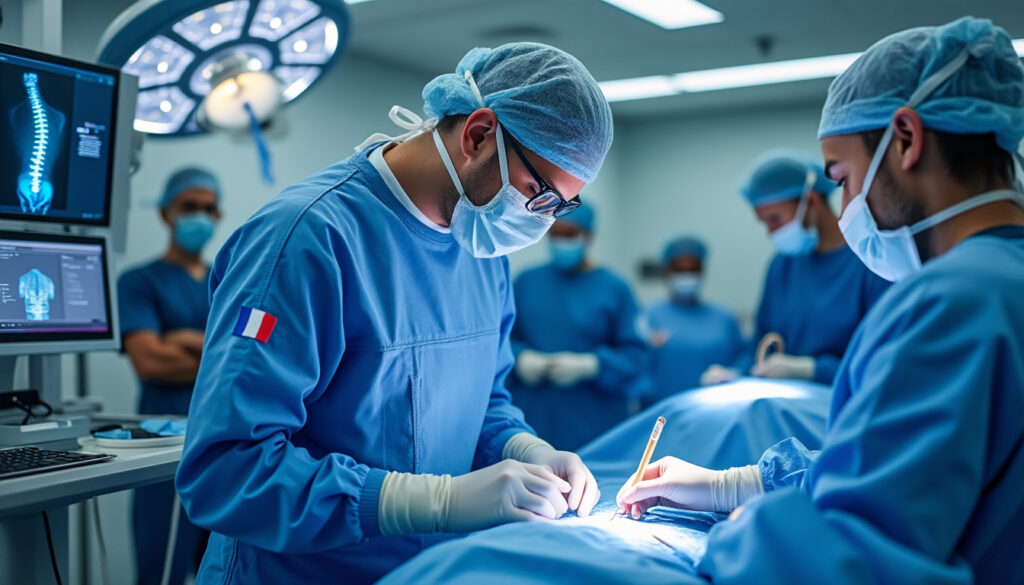
France’s healthcare system stands at the forefront of advancements in spinal surgery, reflecting a broader commitment to enhancing patient outcomes in orthopedic surgery and neurosurgery. The integration of spinal surgery within comprehensive treatment pathways is pivotal for managing complex spinal conditions that profoundly impact patient quality of life. With collaborative efforts among multidisciplinary teams and continual innovation in surgical techniques, France has established structured pathways that prioritize personalized care, timely intervention, and the incorporation of cutting-edge technology. This dynamic interplay not only streamlines patient care but also elevates clinical outcomes across diverse cases involving spinal trauma, degenerative diseases, and deformities.
In the context of a rapidly evolving medical landscape, spinal surgery functions as a cornerstone that connects diagnostic precision, rehabilitative strategies, and long-term management within France’s robust healthcare infrastructure. The country’s emphasis on evidence-based protocols, integration of Enhanced Recovery After Surgery (ERAS) programs, and a strong culture of quality and safety improvement initiatives collectively contribute to achieving successful treatment pathways. In addition, patient-centric approaches, informed consent procedures, and multidisciplinary coordination further optimize the journey from preoperative assessment to postoperative recovery. The significance of spinal surgery extends beyond operative intervention; it is a critical node enabling positive clinical results and sustained functional restoration.
Advances in Spinal Surgery Techniques Shaping Treatment Pathways in France
The evolution of spinal surgery techniques in France over the last decade underscores a profound transformation in how treatment pathways are conceived and executed. Modern spinal surgery embraces minimally invasive approaches, robotic-assisted procedures, and precision-guided instrumentation, significantly reducing operative trauma and enhancing recovery speed. These innovations facilitate tailored interventions that align with patient-specific anatomical and pathological nuances, thereby increasing the effectiveness of treatment strategies within France’s healthcare system.
Minimally invasive surgery (MIS) has revolutionized patient care by preserving natural spinal mechanics and minimizing soft tissue damage. For instance, MISS techniques reduce hospitalization times and postoperative pain, supporting faster functional recovery—a critical factor in the success of treatment pathways. Such techniques coexist with traditional open surgeries where necessary, ensuring that complex deformities or trauma cases receive comprehensive care adapted to their severity. The synergy between advanced imaging modalities, intraoperative navigation, and improved surgical instrumentation further refines precision, reducing risks associated with spinal cord or nerve root injury.
Furthermore, France’s investment in training and continuous education for spinal surgeons strengthens the dissemination of innovative practices. Collaborative networks foster knowledge exchange and the adoption of novel techniques, supported by international entities such as AO Spine. These developments are not isolated; they impact broader treatment protocols, enabling a seamless transition from surgical intervention to rehabilitation and long-term management.
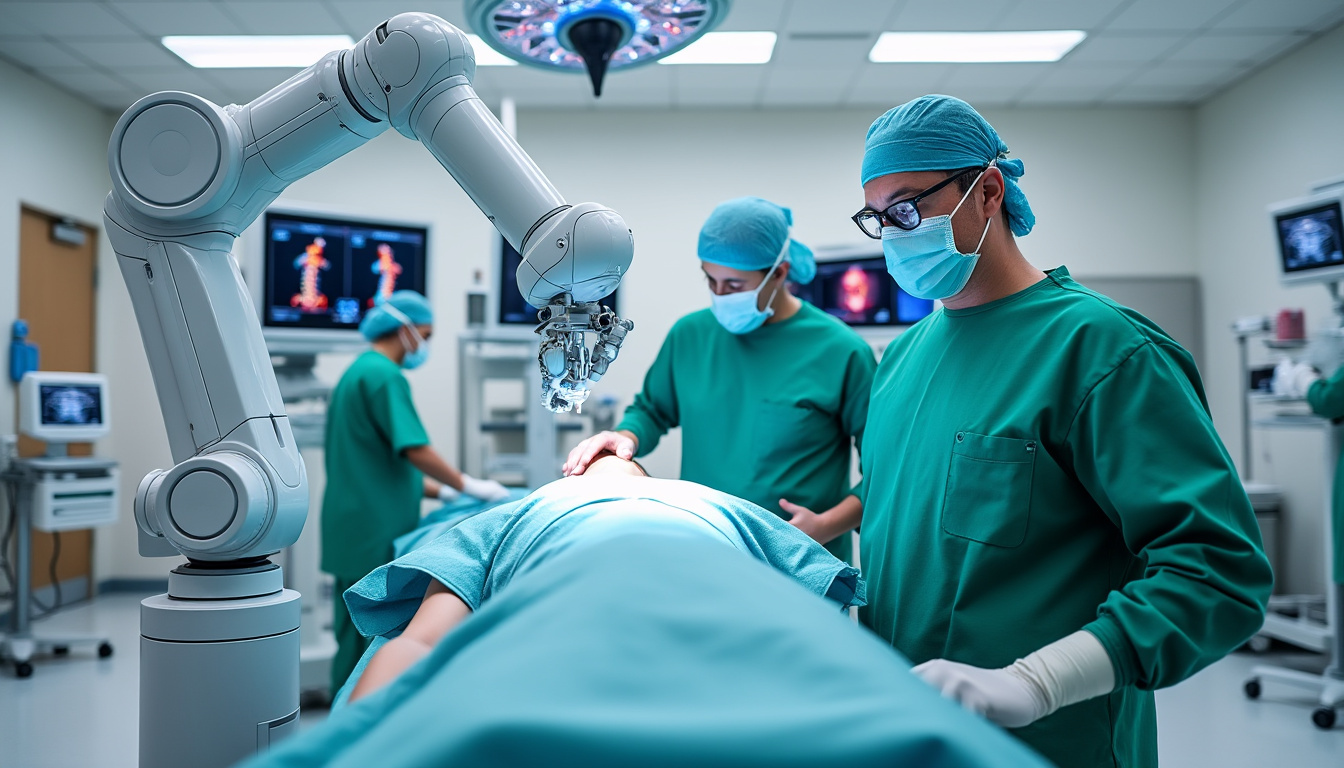
Such progress has also opened avenues for integrating biological therapies and regenerative medicine with surgery. For example, combining stem cell applications with surgical decompression presents promising potential for enhancing spinal tissue healing. The strategic implementation of these approaches exemplifies how spinal surgery in France serves as a dynamic junction within comprehensive treatment pathways, adapted to evolving scientific evidence and patient needs.

Understanding Sciatic Pain: Key Symptoms and When to Seek Medical Advice
Sciatic pain is a prevalent condition impacting a wide demographic, manifesting primarily as intense pain radiating from the lower back down the leg. This pain stems from irritation or compression of the sciatic nerve, a major nerve extending through the…
The Role of Multidisciplinary Collaboration in Successful Spinal Surgery Outcomes
Successful treatment pathways in spinal surgery heavily rely on multidisciplinary collaboration, notably involving orthopedic surgery, neurosurgery, anesthesiology, rehabilitation specialists, and nursing teams. This collaborative model, well established within the French healthcare system, ensures comprehensive patient assessment, shared decision-making, and coordinated postoperative care—all crucial components to optimizing clinical outcomes.
During preoperative planning, input from neurologists and pain management specialists enhances diagnostic accuracy and refines treatment objectives. For example, patients suffering from complex degenerative spinal conditions benefit from comprehensive neurological evaluations alongside radiological assessments, aiding in the customization of surgical plans. An integrated team approach also helps identify comorbidities that may influence surgical risk, facilitating personalized perioperative preparation.
Moreover, rehabilitation teams play an essential role after surgery, emphasizing early mobilization, physical therapy, and pain control to reinforce recovery. This continuity of care, conceptualized as an integrated pathway, mitigates risks of complications and promotes rapid functional improvement. French institutions increasingly adopt Enhanced Recovery After Surgery (ERAS) protocols specific to spinal procedures, reflecting an evidence-based commitment to patient-centered recovery that reduces hospital stays and healthcare costs.
Effective communication and documented care transitions among specialties prevent fragmentation and ensure patients receive consistent information and follow-through. The collaborative framework also supports the identification of patient-reported outcomes and satisfaction metrics, which contribute to quality improvement initiatives across institutions. Through this collective effort, the multidisciplinary model fosters resilience against challenges inherent to spinal surgery and supports sustainable successful outcomes.

The Stepwise Role of Functional Recovery in Achieving Successful Outcomes
The journey to full recovery following spinal surgery is often complex and multifaceted, demanding a meticulously structured approach to ensure optimal functional outcomes. In recent years, the concept of functional recovery through a stepwise approach has garnered significant attention in…
Impact of Surgical Innovation on Clinical Outcomes and Treatment Efficiency
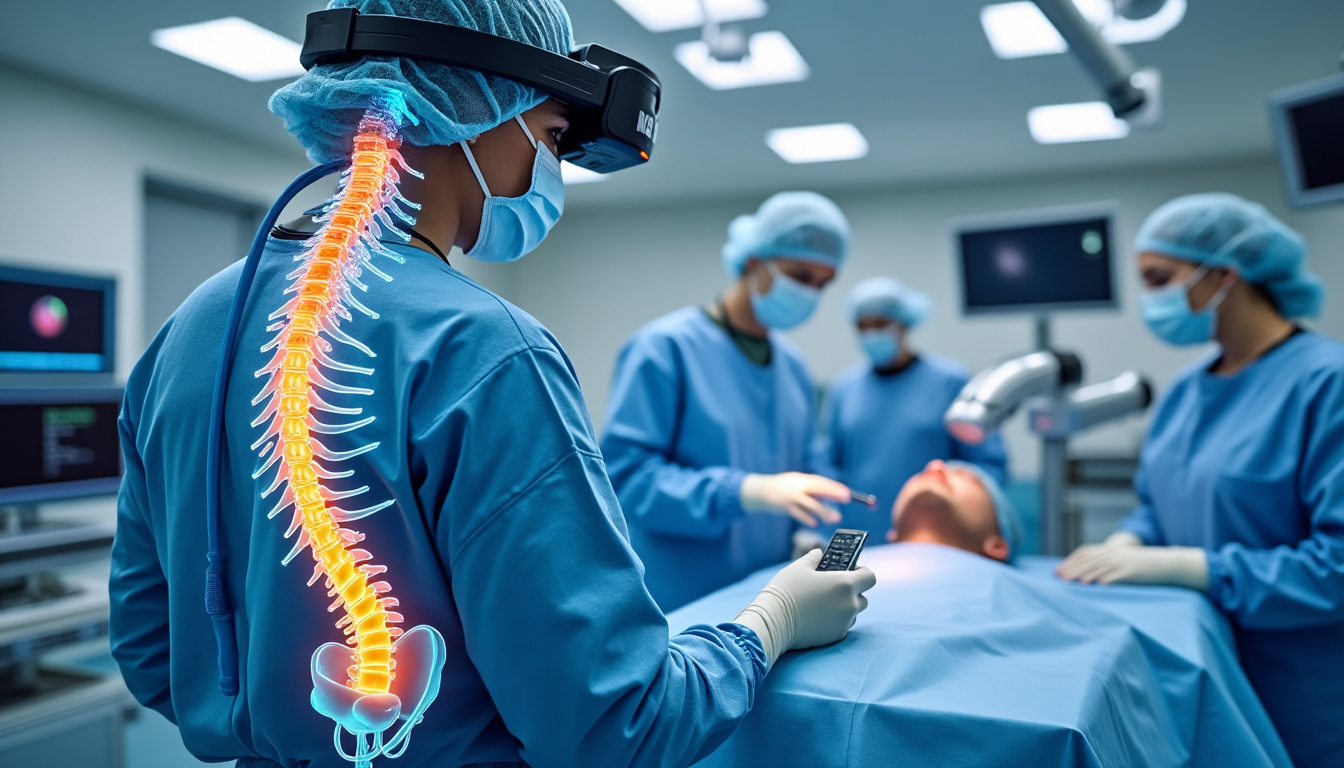
In recent years, surgical innovation has become a catalyst for elevating clinical outcomes and streamlining treatment pathways in spinal surgery across France. Technologies such as augmented reality (AR), artificial intelligence (AI), and 3D navigation systems are reshaping operative planning and execution, enabling surgeons to transcend traditional limitations.
Augmented reality offers enhanced intraoperative visualization, allowing surgeons to precisely navigate complex spinal anatomy with real-time overlays of imaging data. This capability minimizes the risk of inadvertent nerve damage and improves implant placement accuracy. AI-powered algorithms assist in preoperative risk stratification and predictive modeling, contributing to better patient selection and individualized treatment plans. In addition, 3D printing of patient-specific implants addresses anatomical variability and supports reconstructive procedures with superior biomechanical integration.
The incorporation of these enabling technologies aligns with the broader framework for adoption cycles in spine surgery. Rapid integration requires robust training, ethical considerations, and continuous outcome evaluation, all actively pursued in French centers of excellence. These innovations, while initially resource-intensive, have demonstrated downstream benefits by reducing revision surgeries, enhancing patient safety, and shortening recovery periods.
To illustrate, a multicenter study involving French surgical teams revealed decreased operative times and complication rates when AR-guided navigation was employed in lumbar fusion surgeries. The refined accuracy contributed directly to improved postoperative pain relief and reduced hospital lengths of stay, thereby optimizing resource allocation within the healthcare system.
Furthermore, these technological advancements facilitate enhanced patient engagement through improved visualization and understanding of surgical procedures, fostering informed consent and adherence to postoperative regimens. As the field progresses, the dynamic interplay between surgical innovation and treatment pathway efficiency continues to redefine the standards of care in spinal surgery across France.

Transatlantic Patient Journey: Insights into Indications, Benefits, and Challenges
The emergence of the Transatlantic Patient Journey as a strategic model within healthcare continues to capture attention for its innovative potential, especially in specialized fields such as spinal surgery. This cross-border care pathway integrates rigorous medical evaluation from Quebec with…
Optimizing Patient Care through Enhanced Recovery After Surgery (ERAS) Pathways in Spine Surgery
Enhanced Recovery After Surgery (ERAS) protocols represent a transformative approach in spinal surgery treatment pathways in France, focusing on optimizing patient care and accelerating postoperative recovery. Originally developed for colorectal surgery, ERAS principles have been adapted to complex spinal procedures to address multifaceted challenges in perioperative management.
Implementation of ERAS in spinal surgery involves multimodal strategies including preoperative education, optimized analgesia, minimal fasting, early mobilization, and nutritional optimization. These interventions collectively minimize physiological stress and promote homeostasis, which substantially improves clinical outcomes. French spine centers adopting ERAS pathways report reductions in complication rates, lengths of hospital stays, and readmissions while maintaining or enhancing patient satisfaction.
Preoperative counseling is a cornerstone of ERAS, preparing patients psychologically and physically. Educational sessions clarify expectations, surgical steps, and postoperative recovery trajectories, which reduce anxiety and enhance adherence to rehabilitation protocols. Pain management regimens emphasize multimodal anesthesia to reduce opioid use, directly addressing issues of opioid dependency and postoperative nausea that potentially affect recovery quality.
ERAS also encourages early postoperative mobilization and physical therapy, vital components for restoring spinal function and preventing complications such as deep vein thrombosis or respiratory issues. Nutritional interventions, including carbohydrate loading and protein supplementation, support tissue healing and immune function, reinforcing the integrative nature of ERAS pathways.
By standardizing practices across institutions and tailoring them to specific spinal conditions, ERAS establishes a cohesive framework facilitating successful treatment pathways that prioritize patient-centered care. Continued research and multi-institutional collaborations in France aim to further refine these protocols, adapting them to the latest scientific findings and surgical innovations.
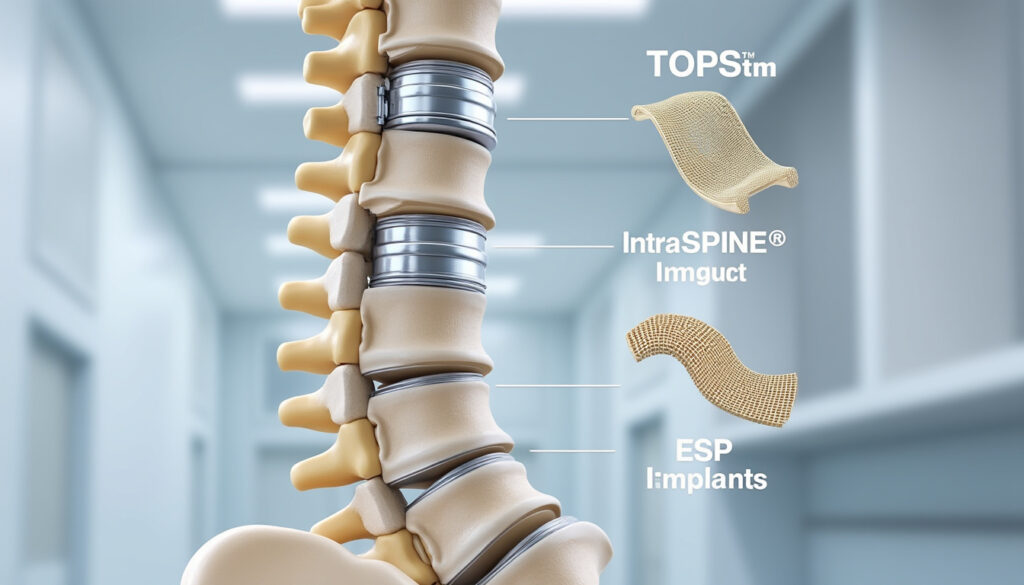
The evolving field of spinal surgery is witnessing a transformative shift, fueled by cutting-edge implant technologies such as TOPS, Intraspine, and ESP. These innovative implants redefine treatment possibilities by emphasizing preservation of natural spinal mechanics, while ensuring durable stabilization and…
Quality Improvement Initiatives and Safety Protocols Enhancing Spinal Surgery Outcomes
The pursuit of quality and safety in spinal surgery within France’s healthcare system is characterized by structured quality improvement (QI) initiatives designed to elevate clinical care standards. These programs involve systematic data collection, performance monitoring, and iterative process modifications aimed at enhancing treatment pathways and patient safety.
One notable aspect involves establishment of national registries capturing clinical outcomes, complication rates, and patient-reported measures. Such registries provide benchmarking tools allowing institutions to compare performance and identify areas needing improvement. Integrating these data into clinical practice informs evidence-based adjustments and supports policy development tailored to spinal surgery demands.
Institution-based QI programs focus on preventing surgical site infections, reducing perioperative blood loss, and optimizing implant selection and placement. Protocols strictly adhering to aseptic techniques, antibiotic stewardship, and intraoperative monitoring align with broader safety objectives. Furthermore, the incorporation of checklists and standardized communication tools during surgical timeouts decreases the incidence of avoidable errors, reinforcing a culture of safety.
The role of continuing professional development is also emphasized, with mandatory training in emerging techniques and safety protocols ensuring that surgical teams stay abreast of evolving standards. Regular multidisciplinary morbidity and mortality meetings promote transparent discussion of complications, stimulating collective learning and preventive strategies.
| Quality Improvement Aspect | Key Focus | Impact on Treatment Pathways |
|---|---|---|
| National Clinical Registries | Outcome tracking and benchmarking | Identifies performance gaps and standardizes care |
| Infection Control Protocols | Prevention of surgical site infections | Reduces postoperative complications and costs |
| Perioperative Blood Management | Minimizing intraoperative blood loss | Enhances patient safety and recovery |
| Team Training and Education | Continued professional development | Maintains high standards and procedural competency |
As demands on spinal surgery intensify with aging populations and complex cases, these quality and safety initiatives play a critical role in sustaining positive outcomes and integrating advances into routine practice. The proactive approach adopted by French centers aligns with global best practices and positions the country as a leader in spinal surgery quality assurance.

Preparing for Surgery in France: Key Indications, Benefits, and Limitations
In an evolving global healthcare landscape, France emerges as a beacon of advanced surgical expertise, particularly attracting international patients seeking expedited and innovative medical interventions. Patients from regions experiencing long wait times, such as Quebec, increasingly view France as an…
Integrating Patient Perspectives to Enhance Treatment Pathways in Spinal Surgery
Incorporating patient perspectives has become increasingly recognized as an essential component in refining spinal surgery treatment pathways in France. Patient insights provide valuable feedback on quality of life, pain management, and overall satisfaction, shaping more holistic and effective care plans.
Patient-reported outcome measures (PROMs) and patient-reported experience measures (PREMs) are widely used tools that inform clinical decision-making and quality improvement. These instruments capture subjective experiences including pain intensity, functional status, and psychological well-being pre- and post-surgery. Analysis of this data enables clinicians to tailor interventions more precisely and address specific patient needs beyond anatomical correction.
Moreover, actively involving patients in shared decision-making reinforces trust and adherence. Clear communication about surgical risks, benefits, and alternative treatments empowers patients, leading to more realistic expectations and improved engagement in recovery. In France, several spine centers have implemented dedicated counseling services and support groups, providing forums for patients to share experiences and gain peer support.
Personal stories also reveal the impact of cultural attitudes and healthcare access on treatment pathways. For example, addressing socioeconomic factors and regional disparities ensures that patients receive equitable care irrespective of geographic or demographic variables. Digital platforms enabling remote consultations and follow-ups have expanded accessibility, particularly important in rural areas.
Thus, integrating patient perspectives not only enhances individualized care but also contributes to system-level improvements by highlighting gaps and successes within treatment pathways. This patient-centered orientation strengthens the holistic nature of spinal surgery, fostering successful outcomes aligned with patients’ values and needs.


Unveiling the Hidden Benefits of Quality and Certification in Devices
The landscape of device manufacturing and clinical application in 2026 has been fundamentally shaped by the rigorous interplay between quality management and certification processes. Within this complex framework, the hidden benefits of adhering to international standards and obtaining relevant certifications…
Challenges and Future Directions in Spinal Surgery Treatment Pathways in France
Despite significant achievements, spinal surgery treatment pathways in France face ongoing challenges that require strategic attention to sustain and enhance successful outcomes. One major concern is the increasing complexity of cases due to demographic shifts, including an aging population with multifactorial spinal pathologies and comorbidities.
This demographic trend demands more sophisticated surgical planning, perioperative care, and rehabilitation services. Surgeons often confront patients with osteoporosis, diabetes, and cardiovascular conditions, complicating surgical risks and recovery trajectories. The need to balance operative intervention with minimal invasiveness and long-term spinal health presents a clinical paradox demanding innovative solutions.
Resource allocation is another challenge, as spinal surgery technologies and multidisciplinary pathways can be resource-intensive. Ensuring equitable access across different regions in France, from urban centers to rural areas, underscores the necessity for healthcare policies that effectively address infrastructure disparities and promote workforce training.
Future directions focus on integrating genomic data and personalized medicine to predict patient-specific risks and tailor treatments further. The advent of artificial intelligence in diagnostic imaging and decision support tools holds promise for enhancing precision and efficiency in care delivery. Additionally, expanding clinical trials and international collaborations will provide evidence to refine ERAS protocols and surgical innovations.
Addressing mental health and psychosocial factors has also gained prominence, recognizing their impact on recovery and patient satisfaction. Multimodal support incorporating psychological counseling and social services forms a growing component of comprehensive spinal surgery pathways.
Continued investment in research, education, and policy reform is essential to navigate these challenges. The future of spinal surgery in France lies in maintaining its leadership role by adapting to evolving clinical demands, emphasizing quality, patient-centered approaches, and fostering innovation within treatment pathways.
Why Experts Advocate for Comprehensive Preoperative Evaluations
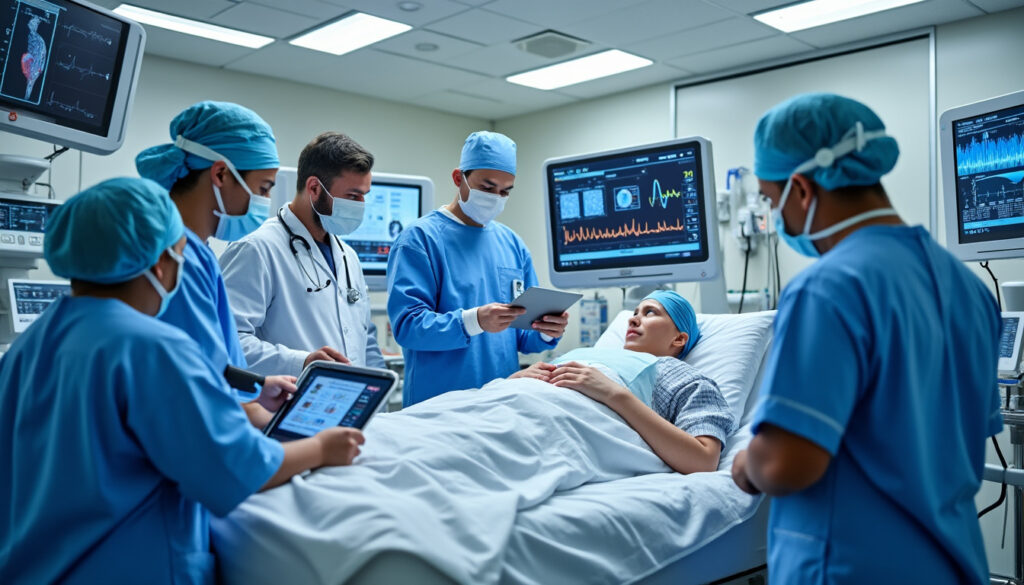
In the complex and demanding field of spinal surgery, the emphasis on comprehensive preoperative evaluations has become a fundamental pillar supporting successful surgical outcomes. These evaluations, far beyond mere routine checks, integrate detailed analyses of patient health, surgical risk assessments,…
Educating Patients and Providers on Spinal Surgery Treatment Pathways in France
Education constitutes a foundational pillar in optimizing treatment pathways for spinal surgery in France, targeting both patients and healthcare providers. Effective educational strategies ensure informed decisions, enhance compliance with perioperative protocols, and ultimately improve clinical outcomes.
For patients, comprehensive preoperative education includes detailed explanations of surgical procedures, expected benefits, possible risks, and postoperative care requirements. Educational materials are often supplemented with digital resources, visual aids, and interactive sessions that accommodate diverse learning preferences. This approach reduces anxiety, empowers patient involvement, and clarifies expectations, which are key factors in successful recovery.
Providers benefit from continuous professional development programs focused on the latest advancements in spinal surgery, safety standards, and multidisciplinary coordination. Training workshops, simulation exercises, and international conferences facilitate the adoption of innovative techniques and reinforce quality assurance practices.
Furthermore, France employs shared decision-making models in clinical interactions, fostering transparency and patient empowerment. Tools such as decision aids and risk calculators serve to personalize consultations, enabling patients and providers to collaboratively evaluate treatment options within the context of individual health goals and lifestyles.
Educational outreach extends beyond clinical settings through public awareness campaigns emphasizing spine health, early symptom recognition, and the role of surgical interventions. These efforts contribute to timely referrals and reduce delays that might compromise treatment success.
Overall, robust education frameworks act as a catalyst for aligning patient and provider expectations, facilitating integrated pathways that emphasize safety, efficacy, and satisfaction in spinal surgery care.
The Pivotal Role of Spinal Surgery
Explore the key stages in the spinal surgery treatment pathway in France
Click on a stage to see detailed information here.
${stage.title}
${stage.description}
`; }- Preoperative assessment and risk stratification
- Customization of surgical techniques to patient pathology
- Implementation of ERAS protocols
- Multidisciplinary postoperative care coordination
- Continuous quality improvement and safety initiatives
- Patient education and shared decision-making
What are the benefits of minimally invasive spinal surgery in France?
Minimally invasive spinal surgery reduces tissue damage, decreases hospital stays, and promotes faster recovery, ultimately improving patient outcomes within France’s healthcare system.
How do Enhanced Recovery After Surgery (ERAS) protocols improve spinal surgery treatment?
ERAS protocols optimize pain management, facilitate early mobilization, reduce complications, and shorten hospitalization, enhancing overall recovery after spinal surgery.
Why is multidisciplinary collaboration important in spinal surgery?
Multidisciplinary collaboration ensures comprehensive care through coordinated expertise from orthopedic surgeons, neurosurgeons, anesthesiologists, and rehabilitation specialists, leading to better clinical outcomes.
What challenges affect spinal surgery pathways in aging populations?
An aging population presents complex cases with comorbidities that increase surgical risks and complicate recovery, necessitating tailored treatment strategies and resource allocation.
How is patient perspective integrated into spinal surgery care in France?
Patient-reported outcome measures and shared decision-making processes incorporate patient values and experiences, improving satisfaction and individualizing treatment plans.
The Future of Surgery Lies in Stepwise Functional Recovery
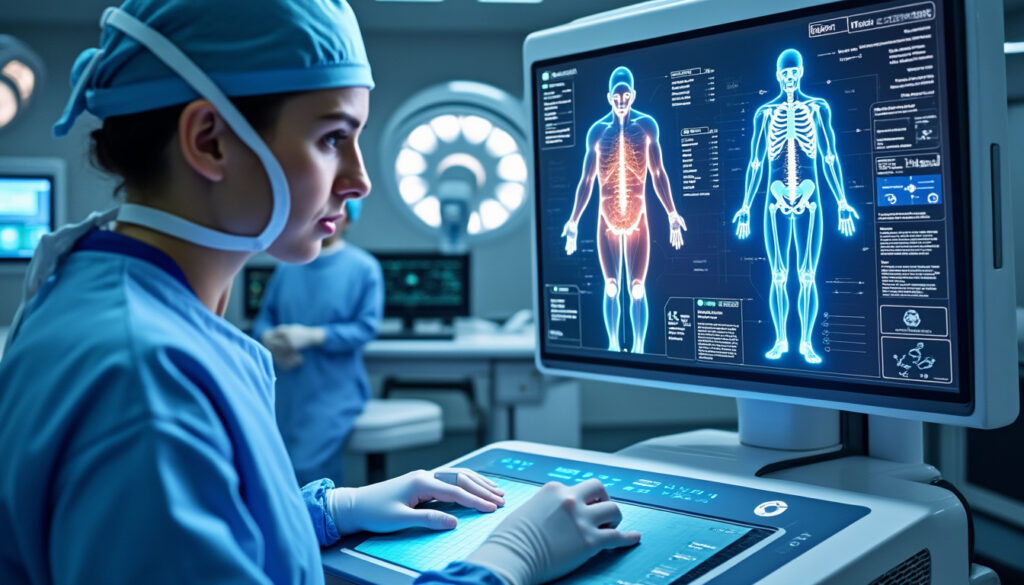
The evolution of surgical care in 2026 reveals a compelling shift toward approaches that prioritize the holistic recovery of patients, moving beyond traditional metrics like length of hospital stay or mortality rates. This modern paradigm highlights the principle that the…