
Can Rehabilitation and Returning to Work Help You Avoid Surgery?
June 12, 2026
Comprehensive Guide to Partner Hospitals and Surgeons
June 13, 2026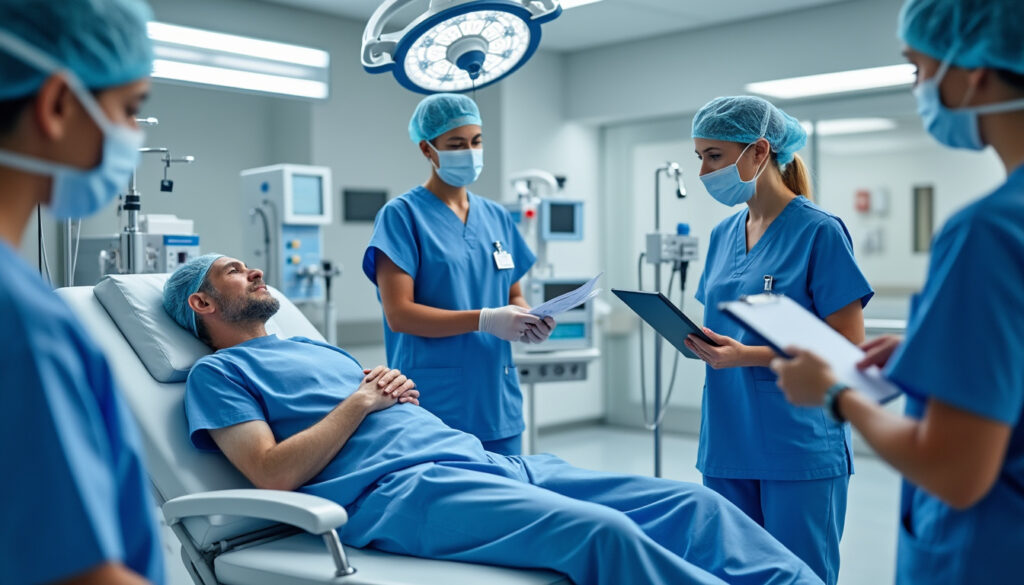
In the realm of modern surgical care, preoperative preparation has emerged as an essential element influencing clinical outcomes, patient safety, and overall healthcare quality. Recognized globally, France has positioned itself as a leader in delivering comprehensive pre-surgery assessment protocols that not only optimize recovery improvement but also reduce postoperative complications. This systematic approach is pivotal, especially for patients seeking specialized interventions such as spinal surgery. The collaboration between international healthcare systems, including partnerships between French medical teams and Canadian institutions, exemplifies an integrated model that prioritizes patient-centered care and advanced medical protocols.
Preoperative preparation in France encapsulates a multifaceted process involving meticulous evaluation, utilization of cutting-edge medical technology, and a well-structured logistics framework. From detailed neurological assessments in Quebec to innovative surgical techniques performed in France, every stage is purposefully designed to enhance patient safety and foster robust clinical outcomes. The synergy between teams monitoring patients pre- and post-surgery ensures a continuum of care, which has proven beneficial in reducing recovery times and improving long-term health prospects. This comprehensive preparation highlights how French healthcare excellence intersects with global patient needs to elevate the standards of surgical care worldwide.
Thorough Pre-Surgery Assessment Practices Shaping Surgical Success in France
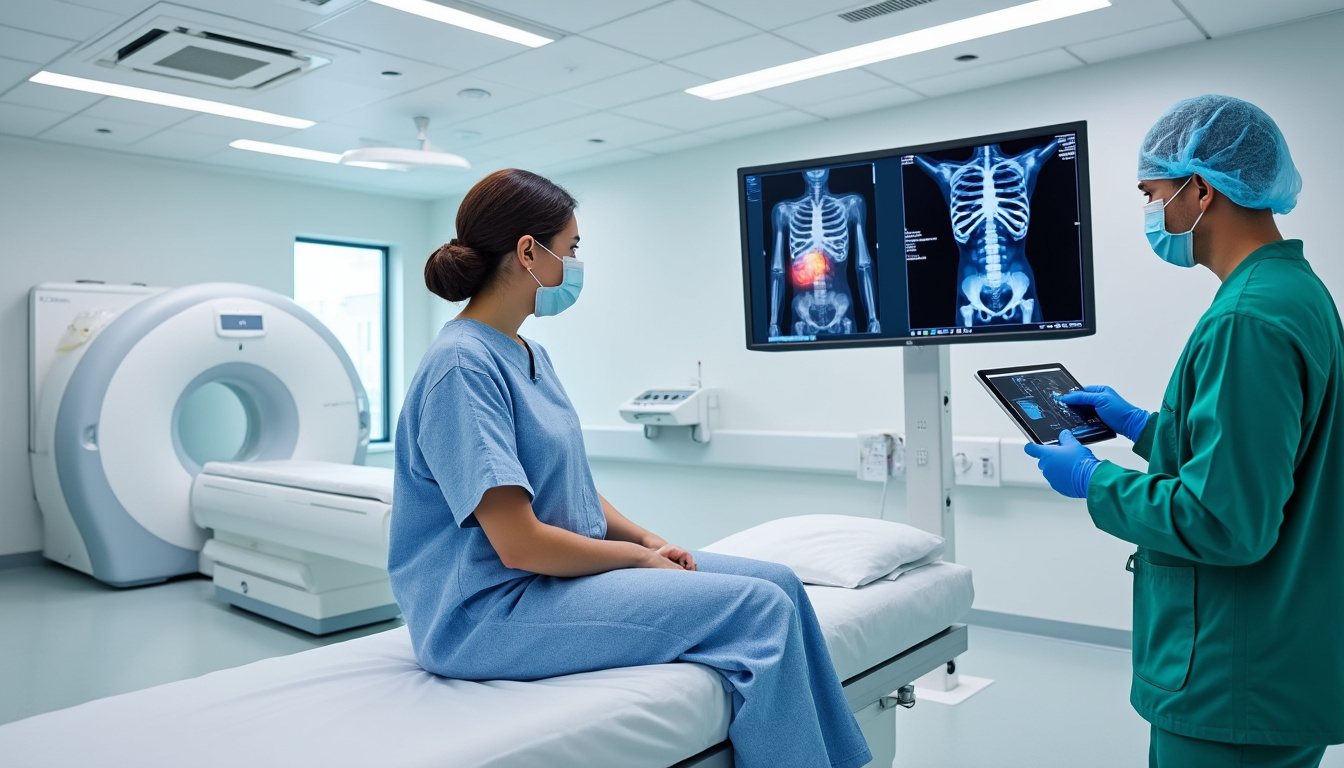
Effective surgical care begins long before the patient enters the operating room. In France, preoperative preparation roots itself in a detailed and exhaustive pre-surgery assessment aimed at tailoring medical protocols to the specific needs of each patient. For spine-related surgeries, this approach is exemplified by the rigorous evaluations conducted in collaboration with Quebec’s healthcare services, ensuring eligibility and optimizing surgical planning. Experts review high-resolution imaging such as MRI, CT scans, and radiographs, combined with targeted questionnaires to identify contraindications and assess patient expectations comprehensively.
The pre-surgery assessment extends beyond physiological considerations; it incorporates neurofunctional evaluations that examine a patient’s neurological state and physical functionality. This thorough groundwork distinguishes between candidates requiring conservative treatment and those better suited for surgical intervention. For instance, traction robot-assisted neurovertebral decompression serves as a preparatory conservative modality, mitigating symptoms and possibly postponing invasive procedures. Only patients meeting strict criteria proceed for surgery, ensuring enhanced safety and optimized outcomes.
This individualized evaluation method, supported by an array of validated scientific tools, serves multiple crucial purposes. First, it minimizes unnecessary surgeries, diminishing patient risk. Second, it aligns surgical techniques with patient-specific pathology, whether it involves arthrodesis, disc prosthesis, or dynamic stabilization implants like TOPS or Intraspine. Fundamentally, this integrated assessment framework cultivates an atmosphere of confidence and trust, essential for patient compliance and postoperative satisfaction. The dynamic between teams in Quebec and France fosters a transparent exchange of medical data through electronic health records, accelerating decision-making and streamlining the patient’s journey.
Key components of pre-surgery assessment in France and Quebec include:
- Comprehensive imaging analysis and functional neurological examinations.
- Specialized questionnaires to evaluate potential contraindications.
- Supervision of preoperative conservative treatment programs.
- Personalized selection of surgical techniques suited to patient-specific spinal conditions.
- Coordination between transatlantic medical teams, enabling a synchronized approach to care.
By embedding such rigorous assessment protocols within preoperative preparation, France significantly enhances clinical outcomes, aligning surgical goals with patient safety and recovery potential. This replicable standard elevates the expertise and responsiveness within the global healthcare system, fostering longitudinal health improvements for patients undergoing complex surgeries.

Understanding Sciatic Pain: Key Symptoms and When to Seek Medical Advice
Sciatic pain is a prevalent condition impacting a wide demographic, manifesting primarily as intense pain radiating from the lower back down the leg. This pain stems from irritation or compression of the sciatic nerve, a major nerve extending through the…

The Stepwise Role of Functional Recovery in Achieving Successful Outcomes
The journey to full recovery following spinal surgery is often complex and multifaceted, demanding a meticulously structured approach to ensure optimal functional outcomes. In recent years, the concept of functional recovery through a stepwise approach has garnered significant attention in…
Advanced Surgical Techniques in France That Optimize Recovery Improvement
Advancements in surgical techniques directly influence healthcare quality and patient recovery trajectories. France’s commitment to innovation is clearly observable in its broad spectrum of cutting-edge spinal surgical options. Highlighted by mini-invasive procedures, non-fusion surgeries, and intelligently designed dynamic stabilization implants, these techniques underscore a patient-focused approach aimed at reducing trauma and enhancing postoperative function.
Minimally invasive surgery and endoscopic approaches represent a paradigm shift, allowing operations through small incisions with reduced tissue disruption. This leads to markedly diminished postoperative pain, fewer complications such as infections, and abbreviated hospital stays. As an example, the IRCAD Strasbourg endoscopic spine course regularly introduces surgeons to these globally acclaimed innovations, ensuring a high standard of care (EuroSpine, 2025). The utilization of 3D imaging and robotic navigation platforms further augments precision, facilitating optimal implant positioning and reducing intraoperative risks.
The non-fusion surgical modalities, including cervical or lumbar disc prostheses and dynamic implants like TOPS and Intraspine, present effective alternatives by preserving spinal mobility. For younger or active patients, maintaining segmental motion translates to improved quality of life and lowered incidence of adjacent segment degeneration. Furthermore, arthrodesis remains a cornerstone for addressing complex instability, buttressed by the latest biomaterial advancements and robot-assisted surgical precision to ensure anatomical correction and durable pain relief.
| Technique | Primary Indications | Advantages | Expected Outcomes |
|---|---|---|---|
| Disc Prosthesis | Degenerative disc disease, Herniated disc | Preserves spinal motion, Reduced post-op pain | Faster recovery, Enhanced function |
| Dynamic Stabilization (TOPS/Intraspine) | Vertebral instability, Spondylolisthesis | Maintains spine flexibility, Long-term efficacy | Reduced complications, sustained symptom management |
| Minimally Invasive Surgery | Spinal stenosis, Herniated discs | Less surgical trauma, Short hospital stays | Lower risk of infection, Quicker return to activities |
| Arthrodesis (Spinal Fusion) | Severe instability, Severe scoliosis | Spinal stability, Corrects deformity | Long-term pain relief, Anatomical realignment |
Patients benefit from faster physical recovery and improved postoperative mobility due to these surgical innovations. As France actively integrates biofeedback and neuromodulation technologies in postoperative care, the overall healthcare system benefits by reducing readmission rates and chronic complications. The centralized training offered through institutions such as the Société Française de Chirurgie Rachidienne ensures surgeons remain at the forefront of evolving techniques, thus maintaining exemplary standards across facilities.

Transatlantic Patient Journey: Insights into Indications, Benefits, and Challenges
The emergence of the Transatlantic Patient Journey as a strategic model within healthcare continues to capture attention for its innovative potential, especially in specialized fields such as spinal surgery. This cross-border care pathway integrates rigorous medical evaluation from Quebec with…
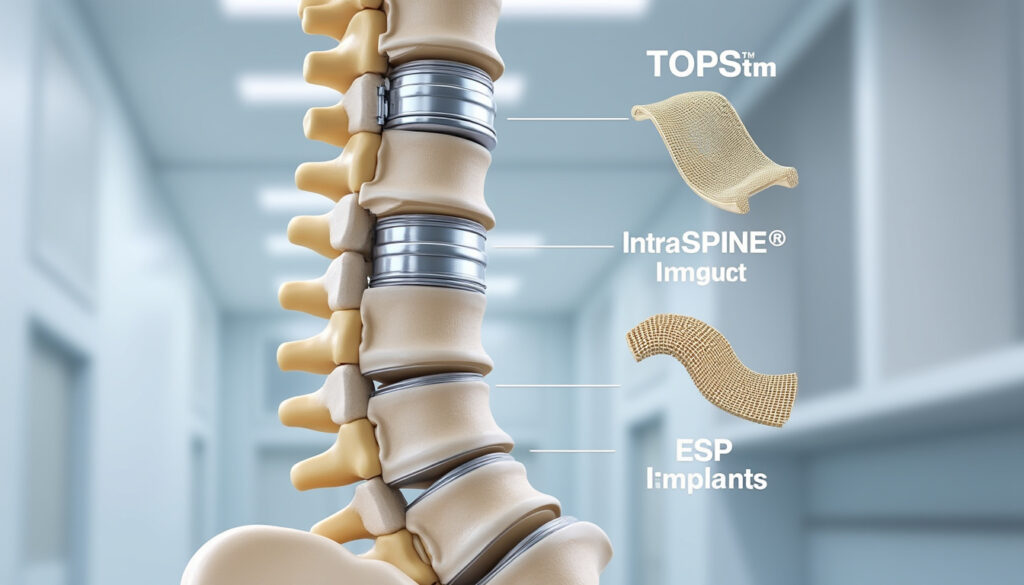
The evolving field of spinal surgery is witnessing a transformative shift, fueled by cutting-edge implant technologies such as TOPS, Intraspine, and ESP. These innovative implants redefine treatment possibilities by emphasizing preservation of natural spinal mechanics, while ensuring durable stabilization and…
Structured Human-Centered Coordination and Logistics in French Preoperative Preparation
Beyond medical expertise, the orchestration of patient logistics significantly shapes the success of surgical care pathways. France’s approach to preoperative preparation embodies holistic patient safety strategies, integrating not only clinical but operational excellence. Specialized medical tourism facilitators manage comprehensive travel arrangements, accommodation, and clinical appointments to create a stress-free environment conducive to enhanced recovery.
International patients, particularly from Quebec, experience seamless transitions owing to dedicated coordination by companies such as Franchir. This partnership ensures patients connect with the most suitable spine surgeons from a curated network, granting access to innovative surgical solutions with culturally sensitive support throughout their stay. The inclusion of personalized psychological counseling addresses the emotional challenges often associated with cross-border surgery, mitigating preoperative anxiety and improving postoperative well-being.
Early scheduling facilitated by efficient coordination accelerates access to surgery, a critical factor considering the prolonged wait times commonly observed in Canadian healthcare systems. Through real-time sharing of medical records and continuous communication among multidisciplinary teams, clinical decisions align dynamically with patient progress and emerging needs. This well-planned organization creates a coordinated continuum of preoperative, operative, and postoperative care, highlighting how healthcare system integration bolsters patient safety and outcome efficacy.
- Centralized management of cross-border logistics including flights, transportation, and lodging.
- Careful matching of patients to surgeons specialized in specific spinal pathologies.
- Continuous psychological support throughout the medical journey.
- Expedited scheduling to reduce wait times and start recovery earlier.
- Efficient data exchange supported by electronic health records for multidisciplinary alignment.

Preparing for Surgery in France: Key Indications, Benefits, and Limitations
In an evolving global healthcare landscape, France emerges as a beacon of advanced surgical expertise, particularly attracting international patients seeking expedited and innovative medical interventions. Patients from regions experiencing long wait times, such as Quebec, increasingly view France as an…

Unveiling the Hidden Benefits of Quality and Certification in Devices
The landscape of device manufacturing and clinical application in 2026 has been fundamentally shaped by the rigorous interplay between quality management and certification processes. Within this complex framework, the hidden benefits of adhering to international standards and obtaining relevant certifications…
Personalized Postoperative Care and Rehabilitation Enhancing Recovery Trajectories
Clinical outcomes depend heavily on effective postoperative care governed by rehabilitation and ongoing monitoring. French healthcare providers, in conjunction with international partners, emphasize personalized neurofunctional follow-up that utilizes advanced biofeedback and neurofeedback technologies. These create targeted interventions to strengthen stabilizing musculature and promote neuromotor control, critical for spinal surgery recovery.
Patients receive periodic neurofunctional assessments tailored to their phase of recovery, ensuring that rehabilitation protocols adapt responsively to individual needs. Besides physical recovery, mental health support addresses postoperative pain management, anxiety reduction, and education on complication prevention. This integrated model demonstrates the prominence of holistic care within France’s surgery system.
Such comprehensive postoperative strategies have been linked with significant improvements in autonomous mobility, reduced incidence of chronic pain syndromes, and better patient satisfaction scores. Moreover, continuous collaboration between French surgical teams and Quebec follow-up care ensures responsiveness to emerging clinical signs, allowing prompt intervention if complications arise.
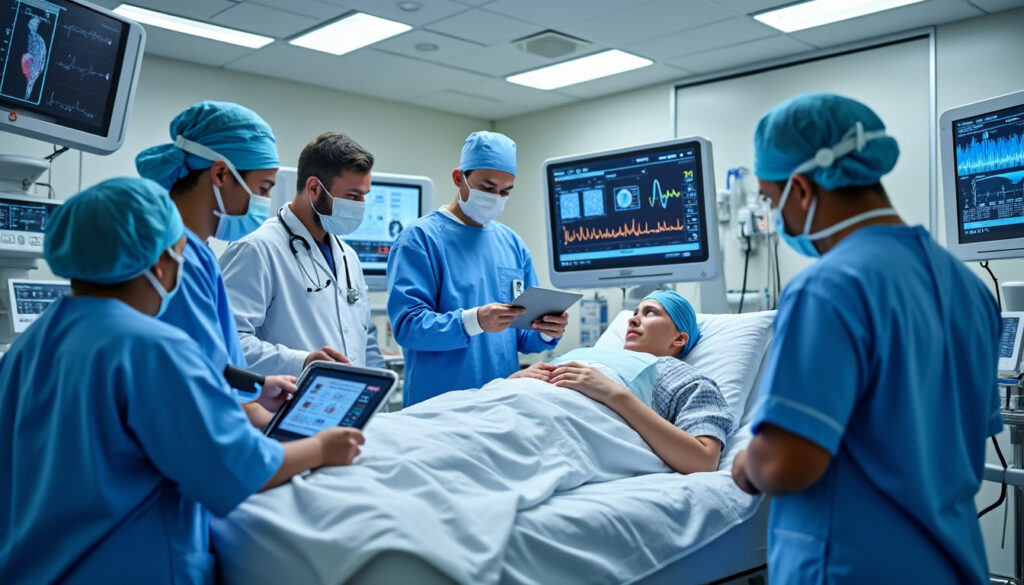
Why Experts Advocate for Comprehensive Preoperative Evaluations
In the complex and demanding field of spinal surgery, the emphasis on comprehensive preoperative evaluations has become a fundamental pillar supporting successful surgical outcomes. These evaluations, far beyond mere routine checks, integrate detailed analyses of patient health, surgical risk assessments,…
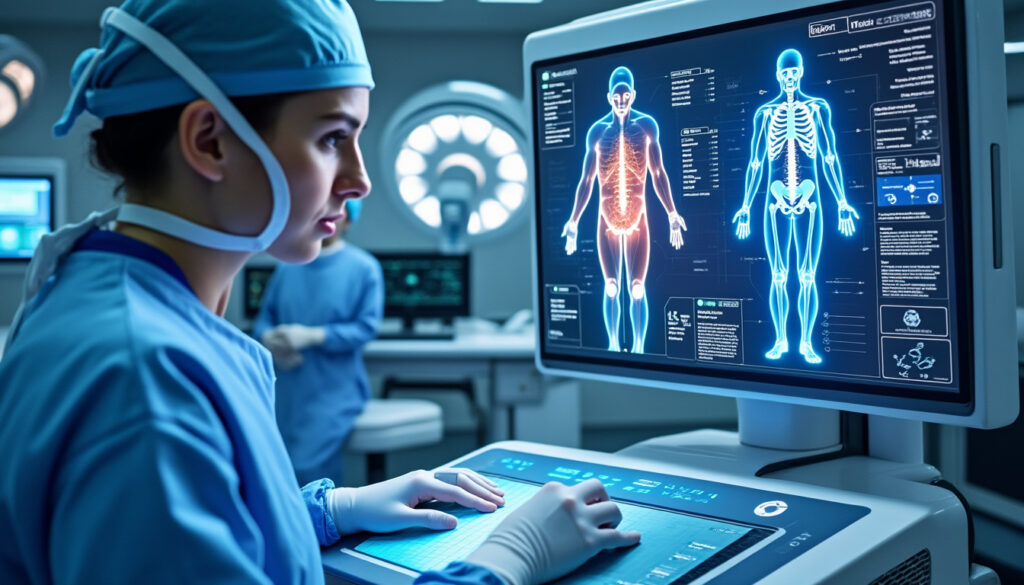
The Future of Surgery Lies in Stepwise Functional Recovery
The evolution of surgical care in 2026 reveals a compelling shift toward approaches that prioritize the holistic recovery of patients, moving beyond traditional metrics like length of hospital stay or mortality rates. This modern paradigm highlights the principle that the…
International Collaboration Model: Bridging France and Quebec to Enhance Healthcare Quality
The transatlantic collaboration between French specialists and Quebec healthcare institutions exemplifies how seamless partnerships improve preoperative preparation and clinical outcomes. By integrating advanced evaluation methods, innovative surgical procedures, and systematic follow-up care, this alliance addresses common healthcare challenges like surgical delays and limited access to emerging technologies.
The network enables patients to navigate the healthcare system more efficiently and access France’s expertise without duplicating efforts. Leveraging the strengths of both healthcare systems improves patient pathways, safety standards, and overall healthcare quality. This cooperation counts as a prime example of how international healthcare integration creates value, transforming patient experiences and clinical trajectories alike.
Given the importance of patient safety in surgical care, this model demonstrates how combining preoperative preparation with smart logistical frameworks and cutting-edge surgical techniques leads to substantial recovery improvement. Stakeholders benefit from shared data platforms and continuous educational initiatives, ensuring clinical teams remain abreast of evolving medical protocols.
Advantages of the France-Quebec healthcare collaboration include:
- Reduced waiting times for surgical interventions.
- Access to the latest spinal surgical innovations.
- Coordinated postoperative support and rehabilitation programs.
- Efficient management of patient records and communication channels.
- Enhanced patient safety through standardized care guidelines.
Preoperative Preparation Comparison: France vs Quebec
Use this input to filter table rows based on criteria keywords
| Criteria ▲▼ | France | Quebec |
|---|
The Role of Patient Education in Enhancing Clinical Outcomes and Safety
Educational interventions prior to surgery form a vital cornerstone of preoperative preparation in France, empowering patients with knowledge that mitigates anxiety and fosters active involvement in care decisions. Clear and detailed information about surgical procedures, expected sensations, anesthesia, and postoperative expectations prepares patients for their journey, resulting in better compliance and enhanced recovery.
Group preoperative education sessions, supported by evidence from systematic reviews, have shown to improve clinical outcomes by addressing misconceptions and equipping patients with pain management strategies and complication prevention techniques. These educational efforts reinforce the overall healthcare quality by promoting transparency and trust between clinicians and patients.
Furthermore, tailoring educational content to individual patient profiles and cultural backgrounds maximizes engagement and efficacy. For transatlantic patients, specific orientation about differences in healthcare systems and logistical processes alleviates apprehensions, ensuring smoother transitions. This approach extends to family members and caregivers, creating a supportive network conducive to recovery improvement.
Optimizing Healthcare System Efficiency Through Evidence-Based Preoperative Protocols
The adoption of standardized preoperative protocols reflects France’s commitment to enhancing patient safety and optimizing resources within the healthcare system. Enhanced Recovery After Surgery (ERAS) guidelines, for example, streamline perioperative care pathways by integrating nutrition, pain control, and mobility strategies tailored for spinal surgeries. These protocols have been extensively validated to minimize complications and accelerate recovery.
France’s adherence to rigorous preoperative routines, including multidisciplinary team reviews and electronic health record (EHR) integration, presents a model approach for healthcare quality enhancement. By minimizing variability in care delivery and enhancing clinical decision-making, such protocols promote sustainable patient outcomes and efficient use of healthcare resources.
Hospitals across France continually refine these strategies in response to evolving scientific evidence, merging technology with personalized care to ensure each patient benefits from the highest standards possible. This dynamic evolution is key in maintaining France’s leadership role in surgical patient preparation and long-term clinical success.
How is patient eligibility for surgery determined in France?
A comprehensive evaluation is conducted by specialized teams analyzing medical imaging and health status to confirm whether a patient is suitable for a specific surgical procedure.
What documentation should patients prepare before traveling for surgery in France?
Patients must provide their health insurance card, recent imaging exam results, current prescriptions, and signed informed consent to ensure a smooth surgical process.
How is postoperative follow-up managed once patients return to Quebec?
Neurotherapeutic teams in Quebec coordinate regular clinical check-ups supplemented with personalized neurofunctional protocols using biofeedback and psychological support.
Who manages the logistics and accommodations during the medical stay in France?
Specialized medical tourism coordinators manage all travel arrangements, lodging, and local transportation to facilitate a stress-free patient experience.
What is the typical wait time between evaluation in Quebec and surgery in France?
Due to effective coordination networks, wait times are often shortened to a few weeks or months, significantly faster than domestic healthcare timelines in Quebec.