How Preoperative Preparation in France Enhances Clinical Outcomes
June 12, 2026
Comprehensive Guide to the Transatlantic Patient Journey
June 13, 2026
In the ever-evolving landscape of healthcare, the collaboration between partner hospitals and surgeons stands as a cornerstone for delivering exceptional patient care. The synergy fostered by a well-integrated healthcare network brings together cutting-edge surgical expertise and hospital collaboration, facilitating seamless treatment journeys for patients. With increasing specialization in medical fields and a growing emphasis on personalized therapies, establishing robust partnerships among medical professionals and institutions has become paramount. These alliances not only optimize operational efficiency but also translate into measurable improvements in clinical outcomes, ensuring that patients receive comprehensive and coordinated health services tailored to their unique needs.
Particularly in specialties such as spinal surgery, the role of partner hospitals combined with the skills of expert surgeons highlights the importance of multi-disciplinary teamwork. From initial evaluation to post-operative follow-up, these partnerships encompass various stages of care, leveraging innovations in medical devices and surgical techniques. Moreover, the integration of patient-centered approaches within these networks underpins a holistic philosophy, recognizing patients as active participants in their health journey. This comprehensive guide explores the multifaceted dynamics of partner hospitals and surgeons, revealing insights into how such collaborations pave the way for advances in healthcare delivery.
Understanding the Structure and Importance of Healthcare Networks in Surgical Care
Healthcare networks composed of partner hospitals and surgeons represent intricate systems designed to enhance patient care coordination and resource sharing. These networks function as strategic alliances wherein hospitals pool their capabilities with specialized surgeons to provide state-of-the-art medical interventions. The core advantage lies in offering patients access to a continuum of care that synergizes hospital infrastructure with surgical expertise.
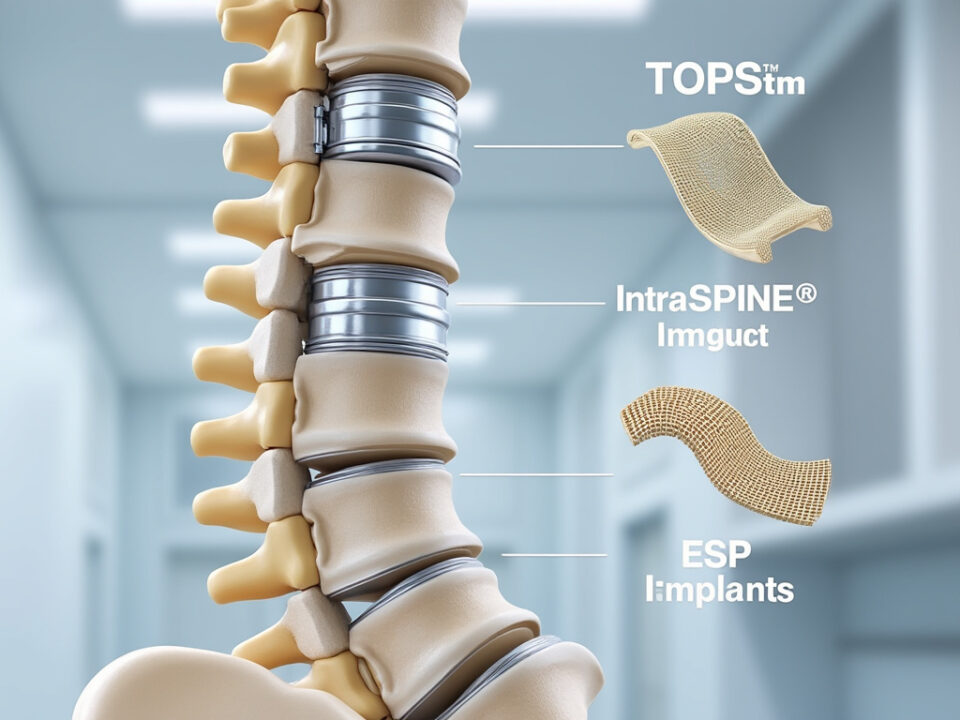
For instance, hospitals in metropolitan areas such as Le Mans, Toulouse, and Bordeaux have established strong surgical programs by aligning with leading specialists in spinal surgery. This collaboration enables the deployment of advanced implants and minimally invasive techniques such as dynamic stabilization systems including TOPS or Intraspine, which are FDA and CE marked for safety and efficacy.
Such networks also streamline logistics and referral pathways, ensuring that patients from diverse regions, including international locations like Canada, can navigate the healthcare system effortlessly. Central coordination teams oversee clinical evaluations, surgical scheduling, and postoperative monitoring, minimizing delays and enhancing the quality of care. This is particularly valuable for complex procedures that demand multidisciplinary input and high precision.
In essence, the structure of a healthcare network integrates the strengths of medical institutions and professionals into a cohesive framework. This integration fosters knowledge exchange, standardized protocols, and innovative clinical research, collectively elevating surgical outcomes. The network approach also enables incorporation of evolving payment and accountability models such as the TEAM (Transforming Episode Accountability Model), which incentivizes quality and cost-efficiency across the surgical episode, emphasizing value-based care.


The Stepwise Role of Functional Recovery in Achieving Successful Outcomes
The journey to full recovery following spinal surgery is often complex and multifaceted, demanding a meticulously structured approach to ensure optimal functional outcomes. In recent years, the concept of functional recovery through a stepwise approach has garnered significant attention in…
Technological Innovations and Implant Advancements in Partner Hospital Settings
The role of technology in modern surgical care cannot be overstated, particularly within partner hospitals that embrace innovation as a strategic priority. Surgical advancements have been accelerated through the introduction of dynamic implants designed to preserve spinal mobility and improve postoperative recovery. These technologies include devices like the TOPS system, which substitutes conventional spinal fusion with motion-preserving alternatives.
Implants such as Intraspine and B-DYN, developed by pioneering French manufacturers, fuse advanced biomaterials with patented engineering to create personalized stabilization solutions. Each implant undergoes rigorous certifications including CE marking and FDA approval, ensuring the highest standards of safety and performance. Surgeons trained in these technologies leverage their expertise for patient-specific planning, often employing 3D imaging and robotic assistance to enhance precision.
Implementing these technologies within a partner hospital setting represents a collaborative endeavor involving surgeons, medical engineers, and hospital administrators. This multidisciplinary engagement supports continuous learning and adoption of cutting-edge techniques, leading to reduced complications and faster functional recovery for patients. Data collected within the network further informs iterative improvements, exemplifying a feedback loop between clinical practice and innovation.
Moreover, partner hospitals invest in state-of-the-art operating suites equipped with robotic navigation platforms that facilitate minimally invasive procedures. This approach not only minimizes tissue disruption but also shortens hospital stays and accelerates rehabilitation. The integration of digital tools for pre-operative planning and intra-operative guidance epitomizes how hospital collaboration and surgical expertise merge to enhance patient outcomes.

Transatlantic Patient Journey: Insights into Indications, Benefits, and Challenges
The emergence of the Transatlantic Patient Journey as a strategic model within healthcare continues to capture attention for its innovative potential, especially in specialized fields such as spinal surgery. This cross-border care pathway integrates rigorous medical evaluation from Quebec with…
Role and Impact of Patient Partnerships within Surgical Healthcare Networks
Emerging paradigms within partner hospitals emphasize the active involvement of patients as partners in their own care. This concept transcends traditional patient roles, positioning them as informed collaborators who contribute valuable insights to healthcare delivery and education. These patient partners, often with extensive personal experience and additional training, serve critical functions in fostering communication, emotional support, and shared decision-making.
In specialized fields such as spine surgery, where treatments can be complex and recovery times variable, the presence of patients partners helps bridge gaps between clinical teams and those undergoing intervention. Trained individuals like Colette, an experienced patient partner in French hospitals, provide empathetic listening, clarify medical information, and facilitate therapeutic education programs designed to empower patients.
This dynamic adds a complementary perspective that augments the expertise of surgeons and hospital staff, leading to more patient-centric care pathways. As a result, patient engagement improves compliance with postoperative protocols, reduces anxiety, and promotes better long-term outcomes. Additionally, patient partners often participate in the continuous evaluation and refinement of clinical protocols, ensuring that care delivery remains responsive to patient needs.
Such partnerships reflect regulatory and societal commitments to enhancing healthcare quality and patient autonomy. They are especially beneficial for international patients navigating surgical care abroad, offering accessible human guidance and personalized assistance throughout their treatment journey. The increasing institutional incorporation of patient partners signals a transformative shift in hospital collaboration towards inclusivity and shared responsibility.
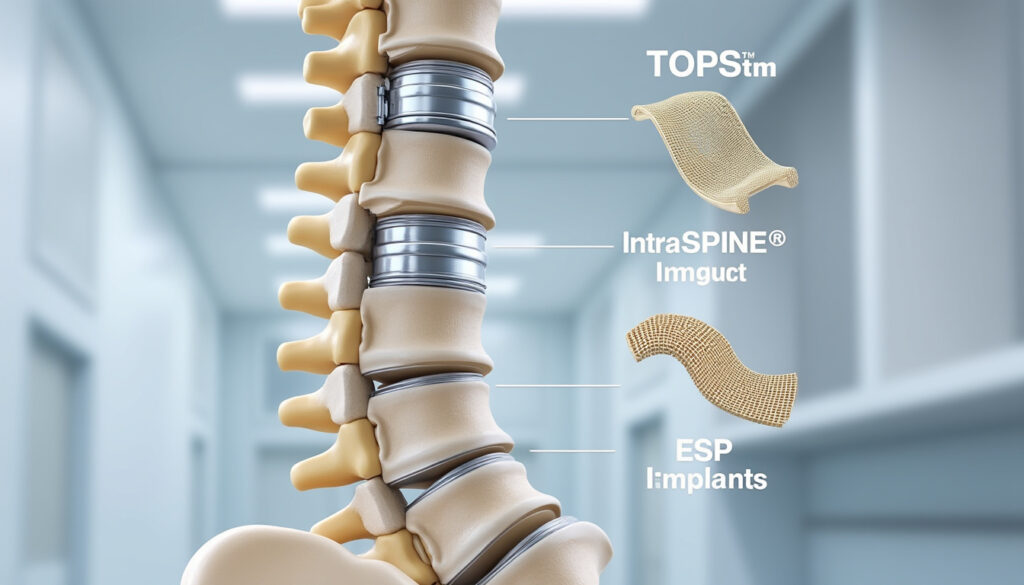
The evolving field of spinal surgery is witnessing a transformative shift, fueled by cutting-edge implant technologies such as TOPS, Intraspine, and ESP. These innovative implants redefine treatment possibilities by emphasizing preservation of natural spinal mechanics, while ensuring durable stabilization and…
Optimizing Surgical Expertise through Continuous Professional Development and Accreditation
Partner hospitals maintain surgical excellence by prioritizing ongoing education and rigorous credentialing of their medical professionals. Surgeons collaborating within these networks undergo specialized training programs, including Diplôme Inter-Universitaire (DIU) and Diplôme Universitaire (DU), covering spine pathology and advanced surgical techniques. Organizations such as the Société Française de Chirurgie Rachidienne (SFCR) offer accredited courses that keep surgeons abreast of emerging methodologies and device technologies.
The focus on continuous professional development ensures that surgical teams are proficient in implementing innovative implants and performing minimally invasive procedures. For example, many partner hospitals routinely incorporate training on robotic-assisted surgery and endoscopic approaches, reflecting a commitment to state-of-the-art care. Participation in courses like the Endoscopic Spine Course at IRCAD Strasbourg reinforces skills in cutting-edge technology application and patient safety.
Accreditation processes also extend to the hospital level, where institutions uphold standards in operating room technology, patient safety protocols, and postoperative rehabilitation services. This creates an ecosystem of quality that aligns with national and international guidelines, fostering trust amongst patients and medical partners alike.
Collaboration between hospitals and surgeons is further deepened through shared clinical audits, research initiatives, and case conferences. This dynamic exchange not only enhances individual surgical expertise but also drives systemic improvements, ensuring consistent care quality across the network. Ultimately, this commitment to education and accreditation emerges as a pivotal factor in maintaining superior outcomes and institutional reputation.

Preparing for Surgery in France: Key Indications, Benefits, and Limitations
In an evolving global healthcare landscape, France emerges as a beacon of advanced surgical expertise, particularly attracting international patients seeking expedited and innovative medical interventions. Patients from regions experiencing long wait times, such as Quebec, increasingly view France as an…
Streamlining Patient Care Pathways: Coordinated Logistics and Multinational Collaboration
The complexity of surgical care for spinal conditions, especially for international patients, necessitates meticulous coordination among partner hospitals and surgeons. Organizations specializing in medical logistics play a crucial role in orchestrating patient referrals, travel, accommodation, and clinical appointments, removing barriers and enhancing the overall experience.
For patients coming from regions such as Quebec or broader Canadian territories, companies like Franchir and SOS Tourisme Médical facilitate the entire treatment journey. They assess medical records, identify the most appropriate hospital and surgeon matching the patient’s pathology, and manage appointments to minimize waiting times. This logistical expertise ensures patients receive timely interventions within a seamless healthcare framework.
Post-operative follow-up represents another integrated phase where partner hospitals coordinate with local centers such as Neurothérapie Montréal to guarantee continuity of care. Such collaboration exemplifies the importance of a global health services network in delivering comprehensive surgical management from evaluation through rehabilitation.
Table detailing essential collaborators in the international patient care model:
| Organization | Role | Geographical Focus |
|---|---|---|
| Franchir | Surgical referral and stay organization | France |
| SOS Tourisme Médical | Administrative assistance and patient guidance | Canada & France |
| Neurothérapie Montréal | Post-operative follow-up and rehabilitation | Montreal, Canada |
| Dr. Sylvain Desforges / TAGMED | Conservative spinal treatment and evaluation | Montreal & Terrebonne, Canada |
This collaborative approach not only reduces patient stress but also maximizes clinical efficiency by ensuring patients are guided through clear, customized pathways. Such logistical excellence reflects a proactive model of hospital collaboration and medical professionalism tailored to meet cross-border healthcare demands.

Unveiling the Hidden Benefits of Quality and Certification in Devices
The landscape of device manufacturing and clinical application in 2026 has been fundamentally shaped by the rigorous interplay between quality management and certification processes. Within this complex framework, the hidden benefits of adhering to international standards and obtaining relevant certifications…
Enhancing Surgical Outcomes Through Integrated Hospital-Surgeon Collaborations
Close partnerships between hospitals and surgeons significantly influence the quality, safety, and personalization of spinal surgeries. Selection of surgeons within the network is based on stringent criteria encompassing clinical experience, adherence to minimally invasive and motion-preserving protocols, and engagement with innovative implant technology.
For example, the implementation of the TOPS system and other dynamic stabilization devices within partner hospitals illustrates a philosophy aiming to reduce the use of traditional spinal fusion in favor of techniques that maintain segmental mobility. This strategy results in diminished postoperative pain, improved joint function, and more rapid recovery while ensuring implant safety and durability.
Such high-level collaboration also facilitates the harmonization of surgical practices through continuous professional interactions, shared case reviews, and collective research efforts. This reciprocal support network promotes best practices and mitigates complication rates. Additionally, these partnerships align with contemporary healthcare models emphasizing value-based care and episode accountability, as highlighted in recent CMS initiatives.
Ultimately, integrated hospital–surgeon collaborations foster an environment where patient care is optimized through tailored surgical plans, enhanced safety protocols, and comprehensive postoperative management that reflects the latest in medical advancements.


Why Experts Advocate for Comprehensive Preoperative Evaluations
In the complex and demanding field of spinal surgery, the emphasis on comprehensive preoperative evaluations has become a fundamental pillar supporting successful surgical outcomes. These evaluations, far beyond mere routine checks, integrate detailed analyses of patient health, surgical risk assessments,…
Strategies for Strengthening Hospital-Physician Partnerships in Evolving Healthcare Systems
Adapting to the shifting demands of healthcare requires proactive strategies to solidify hospital-physician partnerships. These strategies include transparent communication, joint governance structures, shared financial incentives, and alignment on clinical goals. Institutions that successfully integrate these elements create resilient healthcare networks capable of delivering high-quality patient care efficiently.
One effective approach involves establishing collaborative frameworks for decision-making that involve both hospital administrators and surgeon leaders. This reinforcement of mutual trust and accountability mitigates operational conflicts and promotes innovation adoption. Aligning payment models with shared quality benchmarks, as seen in the emerging TEAM payment system, further motivates healthcare partners to optimize outcomes while controlling costs.
Partnership building also entails continuous evaluation using metrics derived from patient outcomes, satisfaction surveys, and operational performance data. Leveraging these analytics provides actionable insights for improvement and fosters a culture of excellence.
Drawing on lessons from specialty hospitals and healthcare affiliations, sustaining these partnerships ensures that surgical expertise and hospital resources are synchronized. This coordinated effort is essential in meeting patient expectations and adapting effectively to healthcare’s complex environment.

The Future of Surgery Lies in Stepwise Functional Recovery
The evolution of surgical care in 2026 reveals a compelling shift toward approaches that prioritize the holistic recovery of patients, moving beyond traditional metrics like length of hospital stay or mortality rates. This modern paradigm highlights the principle that the…
Building Global Health Services Networks: Leveraging Partnerships to Expand Patient Access and Care Quality
Globalization of healthcare has ushered in significant opportunities for partner hospitals and surgeons to broaden their reach and impact by forming expansive health services networks. These networks empower institutions to attract diverse patient populations, including international referrals, and introduce innovative practices across geographic boundaries.
Cross-border collaborations enhance access to high-caliber surgical expertise and technological resources, enabling patients from distant regions to benefit from specialized care often unavailable locally. Moreover, such networks facilitate knowledge transfer and rapid dissemination of pioneering surgical techniques, thereby accelerating the global improvement of patient care standards.
For example, Canadian patients seeking spinal surgery leverage these partnerships to access French hospitals renowned for advanced implant options and personalized treatment protocols. Coordinated patient journeys encompassing initial consultation in Canada, surgery abroad, and localized postoperative care illustrate the effectiveness of international network models.
The continuous evolution of these health services networks relies on robust communication platforms, shared data systems, and alignment of clinical pathways. By fostering such integrative structures, partner hospitals and medical professionals contribute not only to improved surgical outcomes but also to the sustainability and innovation of healthcare delivery worldwide.
Key Components of Successful Hospital-Surgeon Partnerships
Hover or tap on each component to discover its importance.
Click or tap on a component above to see its detailed description.
What types of implants are primarily used in partner hospitals for spinal surgery?
Partner hospitals mainly utilize advanced implants such as TOPS, Intraspine, ESP, and B-DYN. These devices are CE certified and often FDA approved, designed to preserve spinal mobility, reduce pain, and enhance recovery through dynamic stabilization techniques that avoid traditional spinal fusion.
How can Canadian patients organize their surgical treatment in partner hospitals abroad?
Through specialized organizations like Franchir, Canadian patients receive comprehensive support in selecting the best hospitals and surgeons, as well as assistance with travel logistics, accommodation, and scheduling. SOS Tourisme Médical provides guidance on administrative procedures and eligibility criteria to ensure a safe, personalized treatment pathway.
What role do patient partners play within partner hospitals?
Patient partners, often former patients with additional training, offer emotional support, facilitate communication between patients and medical teams, and participate in therapeutic education. Their experiential knowledge enhances patient understanding of surgical treatments and contributes to improved overall care quality.
What benefits do patients gain by choosing surgeons affiliated with partner hospitals?
Patients benefit from expert surgical care utilizing innovative techniques tailored to their condition, shorter waiting times, and a coordinated care pathway from initial assessment to postoperative follow-up. This holistic approach often results in superior functional outcomes and patient satisfaction.

Common Pitfalls to Avoid in Neurovertebral Decompression Therapy and Its Crucial Role
Neurovertebral decompression therapy has emerged as a sophisticated non-invasive medical intervention aimed at relieving chronic spinal pain, particularly associated with conditions such as herniated discs and spinal stenosis. As spinal disorders persist as a leading cause of disability worldwide, patients…