

Spine surgery in France and its influence on surgical decision-making
August 18, 2025
Motion Surgery: Preserve the Natural Function of the Spine
August 19, 2025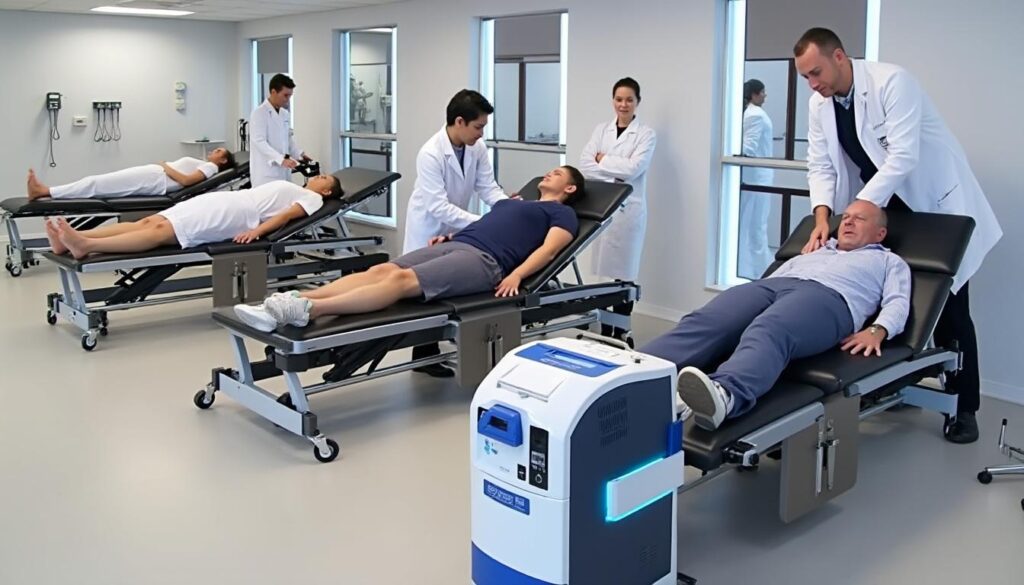
Neurovertebral decompression has become a pivotal innovation in spinal health, reshaping the landscape of chronic back and neck pain management. This therapy, which offers a non-invasive alternative to traditional surgical interventions, is gaining traction across North America and Europe for its remarkable outcomes. At its core, neurovertebral decompression leverages advanced technological systems such as SpineMED, CefarCompex, and AxioMed to deliver targeted spinal traction that alleviates nerve pressure, restores posture, and improves mobility. The profound impact of this treatment is vividly reflected through patient testimonies and detailed clinical studies, which reveal substantial reductions in pain and enhanced quality of life for those afflicted by disc herniation, spinal stenosis, and facet joint arthrosis.
Notably, the work of spine specialists like Dr. Sylvain Desforges illustrates how evidence-based approaches combined with multidisciplinary support empower patients to avoid or delay invasive surgeries. The international collaboration between clinics in Quebec and France embodies a seamless patient pathway, blending cutting-edge decompression technology with surgical innovations when necessary. Personal stories from individuals such as Jean and Sophie detail transformative journeys—from excruciating discomfort to regained autonomy and improved posture—illuminating the potential of neurovertebral decompression to bring enduring relief.
Moreover, innovations in dynamic implants like TOPS and Intraspine, alongside robotic-assisted minimally invasive spine procedures performed in France, complement decompression therapies by preserving spinal mobility and facilitating faster rehabilitation. These advancements align with trends toward safer, patient-centered care in 2025’s evolving medical environment. As we explore this therapeutic frontier, it becomes clear that neurovertebral decompression not only addresses physical symptoms but also nurtures psychological well-being through personalized care and continuous follow-up. Through clinical validation, patient narratives, and technological progress, this article delves into the multifaceted impact of neurovertebral decompression, offering valuable insights for healthcare professionals and patients alike.
Comprehensive Patient Experiences with Neurovertebral Decompression Therapy
Patients who undergo neurovertebral decompression commonly report remarkable improvements that range from immediate pain relief to gradual functional restoration. Unlike conventional treatments that may provide only symptomatic alleviation, neurovertebral decompression targets the underlying mechanical and neurological issues in the spine. For instance, Jean, a 45-year-old patient with protruding discs, experienced significant relief from lumbar discomfort accompanied by a corrected posture after multiple treatment sessions. Similarly, Sophie, aged 60, who struggled with facet arthrosis, documented better joint mobility and pain stabilization, enabling her to avoid fears of surgical intervention.
These encouraging outcomes are echoed in numerous testimonials accessible on platforms like DecompressionNeurovertebrale.com and support clinical data found in studies on neurovertebral decompression. The protocol emphasizes a customized approach, integrating not only decompression but also strengthening and conditioning regimens to enhance spinal stability.
| Patient Profile | Main Condition | Reported Outcome |
|---|---|---|
| Jean, 45 | Disc Protrusion | Reduced pain and improved posture |
| Sophie, 60 | Facet Arthrosis | Pain stabilization and enhanced mobility |
| Paul, 50 | Lumbar Spinal Stenosis | Decreased radicular pain and regained autonomy |
The treatment’s effectiveness is often measured by reductions in discomfort, improvement in joint mobility, and prevention of further degeneration. One of the key strengths lies in the multidisciplinary oversight provided by experts and rehabilitation therapists who tailor each protocol to the patient’s condition and progress. This comprehensive care model is reflected in the positive feedback from both patients and clinicians, who advocate for neurovertebral decompression as a leading non-surgical solution. For those interested, further patient perspectives and clinical analysis are well documented in detailed narratives such as those found on HolyHealthNut.
- Individualized spinal decompression protocols
- Combination of decompression with muscle strengthening
- Emphasis on posture realignment and nerve release
- Enhanced quality of life without surgical risks
- Long-term pain management and functional recovery

Understanding Sciatic Pain: Key Symptoms and When to Seek Medical Advice
Sciatic pain is a prevalent condition impacting a wide demographic, manifesting primarily as intense pain radiating from the lower back down the leg. This pain stems from irritation or compression of the sciatic nerve, a major nerve extending through the…

The Stepwise Role of Functional Recovery in Achieving Successful Outcomes
The journey to full recovery following spinal surgery is often complex and multifaceted, demanding a meticulously structured approach to ensure optimal functional outcomes. In recent years, the concept of functional recovery through a stepwise approach has garnered significant attention in…
Technological Innovations Elevating Neurovertebral Decompression Effectiveness
Cutting-edge technology remains the backbone of neurovertebral decompression’s success, as exemplified by implementations of advanced systems such as SpineMED, developed to provide precise spinal traction that reduces intradiscal pressure and promotes natural disc healing. Complementary devices like CefarCompex assist in neuromuscular stimulation, facilitating muscle relaxation, improved blood flow, and neuromodulation, which further contribute to pain reduction.
Companies such as Medtronic, DePuy Synthes, Stryker, Globus Medical, NuVasive, Zimmer Biomet, SpineWave, Alphatec Spine, Boston Scientific, and Smith & Nephew drive much of this innovation, producing instruments and robotic platforms that enhance both decompression and subsequent surgical procedures when required.
One of the standout technologies includes the neuromodulation pulse systems like Pulse Align, which target mechanoreceptors in the spinal muscles, using pulse vibrations to alleviate tension and restore neuromuscular coordination. This advanced integration dramatically accelerates recovery and supports better posture maintenance. Additionally, dynamic spinal implants such as TOPS (Total Posterior Spine System) and Intraspine offer motion-preserving stabilization, which is a game-changer for patients needing surgical intervention but aiming to retain spinal flexibility.
| Technology | Function | Patient Benefit |
|---|---|---|
| SpineMED | Controlled spinal traction | Reduced disc pressure, promote healing |
| CefarCompex | Neuromuscular stimulation | Muscle relaxation, blood circulation |
| Pulse Align | Neuromodulation via vibrational pulses | Enhanced muscle coordination and pain relief |
| TOPS & Intraspine implants | Dynamic spinal stabilization | Preserved mobility after surgery |
Such technologies are often embedded within a multidisciplinary treatment protocol combining physical therapy, targeted exercises, and patient education, enhancing the efficacy of neurovertebral decompression. The clinical environment, as found in specialized centers like TAGMED and in international collaboration with French institutions, emphasizes the use of these tools within a scientifically validated framework.
- State-of-the-art decompression machinery
- Neuromuscular stimulation for adjunct support
- Minimally invasive, motion-preserving spinal implants
- Integration of robotics for precise surgical navigation
- Continuous innovation improving patient outcomes

Transatlantic Patient Journey: Insights into Indications, Benefits, and Challenges
The emergence of the Transatlantic Patient Journey as a strategic model within healthcare continues to capture attention for its innovative potential, especially in specialized fields such as spinal surgery. This cross-border care pathway integrates rigorous medical evaluation from Quebec with…
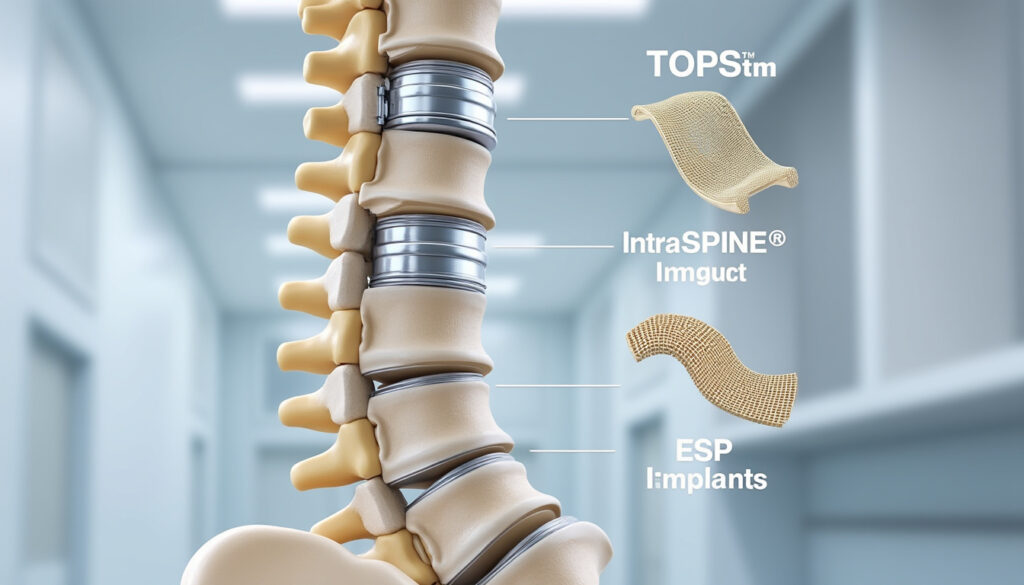
The evolving field of spinal surgery is witnessing a transformative shift, fueled by cutting-edge implant technologies such as TOPS, Intraspine, and ESP. These innovative implants redefine treatment possibilities by emphasizing preservation of natural spinal mechanics, while ensuring durable stabilization and…
Detailed Clinical Insights and Professional Endorsements on Neurovertebral Decompression
The effectiveness of neurovertebral decompression is bolstered by robust clinical research and expert consensus. Notably, studies conducted by researchers such as Grimm et al. (2021) highlight a positive alteration in disc pressures and encouraging natural hernia resorption following decompression therapy. Across multiple clinics, outcomes include a noteworthy 80% of patients reporting significant pain relief and over 70% regaining normal functional movement.
Clinicians stress the necessity of comprehensive patient evaluation, typically overseen by experienced surgeons akin to Dr. Sylvain Desforges. This approach mitigates risks and ensures tailored treatment plans. Specialists strongly recommend a multi-disciplinary approach, often involving:
- Thorough diagnostic assessments using MRI or CT scans
- Robot-assisted and computer-navigated surgical options when surgery is indicated
- Monitoring and adjustment of decompression protocols according to patient response
- Rehabilitation and progressive muscular strengthening after decompression
- Patient education for post-treatment self-care and lifestyle modifications
International spine care collaborations facilitate access to modern surgical techniques that complement conservative decompression strategies. For example, French centers offer minimally invasive procedures employing robotic platforms approved by regulatory authorities that reduce post-operative complications and shorten recovery times. Peer-reviewed analyses from sources such as MD Physician Magazine underscore these advances.
Recommendations for practitioners adopting neurovertebral decompression
Practitioners are encouraged to:
- Implement strict patient selection criteria to optimize outcomes and safety.
- Coordinate care between decompression specialists, physical therapists, and surgeons.
- Leverage technological tools from leading manufacturers for precision and efficacy.
- Engage in continuing education programs such as the DIU Chirurgie du Rachis or courses offered by organizations like EUROSPINE.
- Document clinical outcomes and contribute to ongoing research efforts.
Such guidelines ensure that treatments are evidence-based, meet ethical standards, and prioritize patient welfare. This professional rigor distinguishes neurovertebral decompression as a viable therapeutic standard in 2025.
Preparing for Surgery in France: Key Indications, Benefits, and Limitations
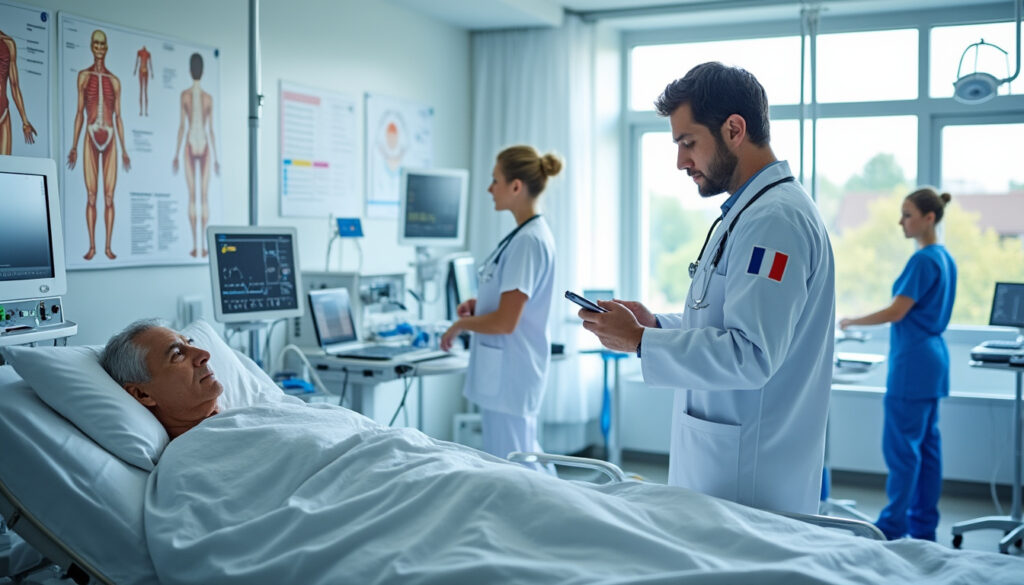
In an evolving global healthcare landscape, France emerges as a beacon of advanced surgical expertise, particularly attracting international patients seeking expedited and innovative medical interventions. Patients from regions experiencing long wait times, such as Quebec, increasingly view France as an…

Unveiling the Hidden Benefits of Quality and Certification in Devices
The landscape of device manufacturing and clinical application in 2026 has been fundamentally shaped by the rigorous interplay between quality management and certification processes. Within this complex framework, the hidden benefits of adhering to international standards and obtaining relevant certifications…
Transatlantic Collaboration in Spine Care: A Model for Holistic Patient Management
The integration of Canadian and French medical expertise represents a pioneering approach to holistic spine health. Dr. Desforges’ coordinated care pathways—encompassing initial diagnosis at Quebec’s TAGMED clinic, optional surgery in advanced French centers, and rehabilitative follow-up at Neurothérapie Montréal—embody this transatlantic synergy.
Patients navigating this pathway benefit from:
- Access to cutting-edge conservative therapies such as robotic neurovertebral decompression
- Timely surgical intervention when appropriate, using minimally invasive techniques
- Personalized post-operative rehabilitation to maximize recovery
- Integrated psychological support reinforcing motivation and adherence
- Streamlined administrative and travel facilitation through organizations like SOS Tourisme Médical
Such a pathway mitigates the delays frequently encountered in local healthcare systems and provides a cost-effective, comprehensive continuum of care. This model also highlights the importance of a preparatory conservative treatment phase, typically lasting 3 to 6 months, aligning with the latest clinical guidelines to reduce unnecessary surgeries.
| Care Phase | Key Components | Patient Advantages |
|---|---|---|
| Evaluation & Conservative Treatment (Canada) | Neurovertebral decompression, diagnostic imaging, therapy coordination | Non-invasive pain relief, clear surgical indication |
| Surgical Intervention (France) | Minimally invasive spine surgery with robotic assistance | Quicker recovery, preserved spinal mobility |
| Post-Operative Rehabilitation (Canada) | Personalized physical therapy and psychological support | Optimized healing, maintenance of health gains |
Through exceptional collaboration and coordination, this international care route offers patients a compelling alternative to traditional models, ensuring superior clinical outcomes coupled with quality of life improvements. Interested individuals can find further information on SOS Herniated Disc.
Exploring the Impact of Neurovertebral Decompression
Click or press enter on a step to discover personal stories and insights related to each stage of neurovertebral decompression therapy.
Patient Recovery Progress & Feedback Ratings
Why Experts Advocate for Comprehensive Preoperative Evaluations
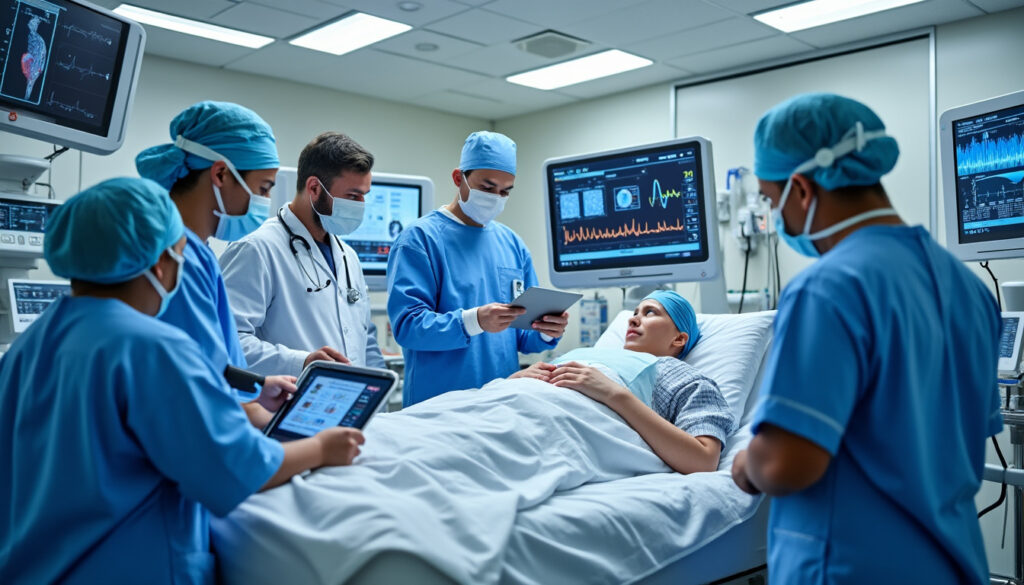
In the complex and demanding field of spinal surgery, the emphasis on comprehensive preoperative evaluations has become a fundamental pillar supporting successful surgical outcomes. These evaluations, far beyond mere routine checks, integrate detailed analyses of patient health, surgical risk assessments,…
The Future of Surgery Lies in Stepwise Functional Recovery
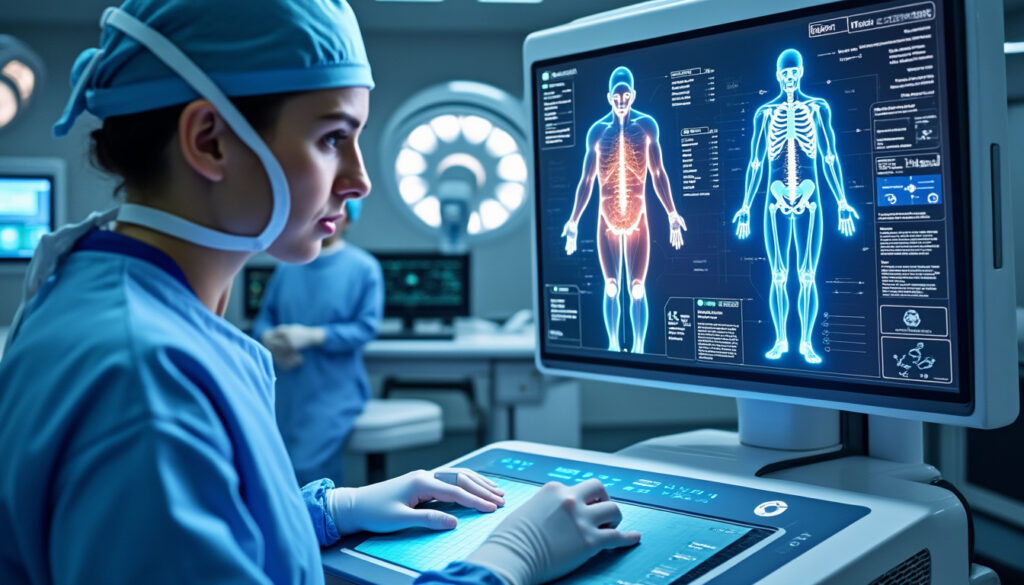
The evolution of surgical care in 2026 reveals a compelling shift toward approaches that prioritize the holistic recovery of patients, moving beyond traditional metrics like length of hospital stay or mortality rates. This modern paradigm highlights the principle that the…