Unlocking Success: How Neurovertebral Decompression Transforms Recovery Journeys
November 9, 2025Comprehensive Preoperative Assessment: The Keystone of Patient Care Pathways
November 9, 2025In the evolving landscape of spinal and cervical surgeries, the integration of patient recovery narratives has become a foundational element influencing surgical decisions. As medical science progresses towards a more humanized and technologically advanced model by 2025, these authentic accounts provide prospective patients with invaluable insights into the tangible aspects of surgical journeys. The collaboration exemplified by professionals such as Philippe Mazaltarim at Neurothérapie Montréal highlights an innovative approach where neuromodulation techniques, including repetitive transcranial magnetic stimulation (rTMS), are combined with patient-centered care to optimize outcomes for Canadian patients undergoing spinal procedures in France. This synergy of scientific expertise, advanced technology, and real-life patient experiences cultivates trust and empowerment, essential for navigating the complexities of preoperative preparation and postoperative recovery.
Within an intricate international framework involving entities like SOS Tourisme Médical and Franchir, meticulous coordination of medical records, transparent communication, and rigorous clinical follow-up enable seamless patient pathways. Recovery stories serve dual purposes: alleviating pre-surgical anxieties and actively guiding surgical choices—ranging from the selection of operative techniques to implant preferences. They also inspire adherence to personalized convalescence protocols, underscoring the profound impact of empathetic listening and educational engagement in the healing process. By contextualizing patient narratives within broader clinical practice, healthcare providers shape a dynamic model of care that resonates beyond the technical sphere.
The Transformative Influence of Patient Experiences on Spinal Surgical Decision-Making
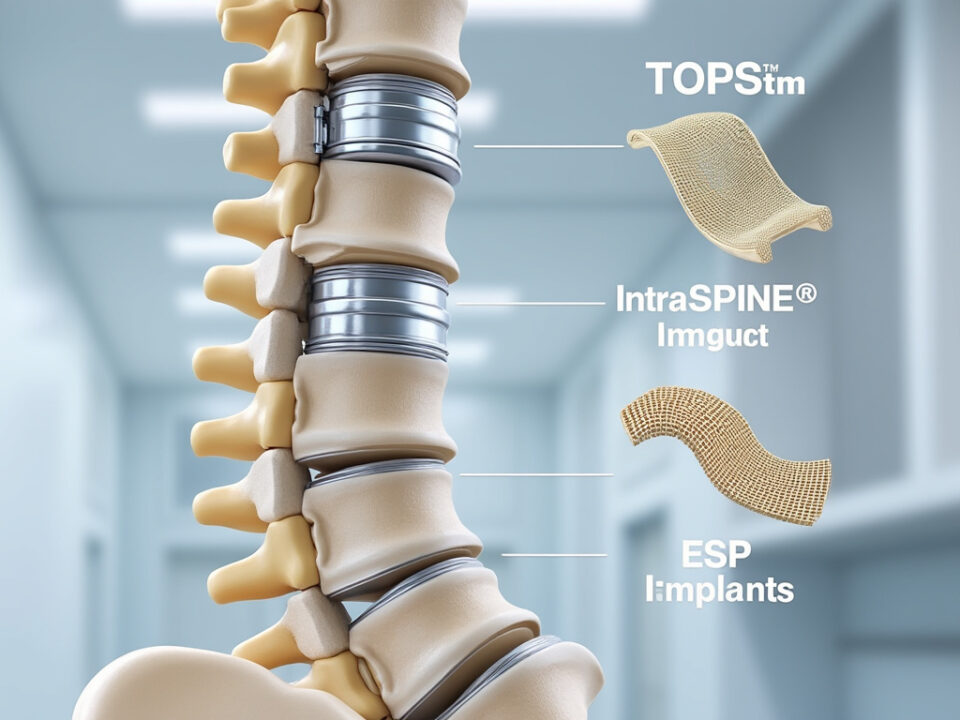
Patient testimonies concerning spinal surgery outcomes offer an indispensable perspective that bridges clinical data and personal experience, directly affecting how patients and surgeons collaborate on decisions. For instance, stories from individuals who have undergone procedures such as arthrodesis, dynamic stabilization with implants like TOPS or Intraspine, or minimally invasive endoscopic surgery, shed light on real-world functional impacts, pain profiles, and recovery challenges. These accounts surpass statistical outcomes by revealing nuanced effects on mobility preservation, neuropathic pain occurrences, and overall quality of life.
These firsthand descriptions empower patients to balance expectations realistically and select surgical options aligned with their lifestyles. Philippe Mazaltarim’s work at Neurothérapie Montréal emphasizes the psychological preparation afforded by candid discussions of recovery hurdles. Through international partnerships, patients benefit from enriched preoperative education that encompasses:
- Comprehensive understanding of postoperative pain and rehabilitation demands;
- Informed choices between implant technologies based on comparative patient feedback;
- Adaptive strategies for managing lifestyle changes during convalescence;
- Access to advanced pain management protocols such as rTMS;
Moreover, such testimonials encourage proactive communication during pre-surgical consultations at centers like TAGMED under the guidance of experts such as Dr. Sylvain Desforges, optimizing treatment personalization. This patient-centered approach is further supported by peer-reviewed research highlighting improved outcomes with shared decision-making and tailored patient education, as documented in studies on perioperative medicine and qualitative analyses of veteran surgeries.
| Type of Surgery | Average Recovery Duration | Postoperative Functional Impact | Representative Testimonial |
|---|---|---|---|
| Fusion (Arthrodesis) | 3-6 months | Partial mobility loss, moderate to severe residual pain | “Lengthy recovery but effective stabilization. Pain relief noted after four months.” |
| Motion Surgery (TOPS, Intraspine) | 2-4 months | Preserved mobility, reduced neuropathic pain | “Rapid recovery and near-complete functional use of my back.” |
| Minimally Invasive Endoscopy | 1-3 months | Faster recovery, minimal pain, fewer sequelae | “Short procedure with little pain, walking resumed in two weeks.” |
The Stepwise Role of Functional Recovery in Achieving Successful Outcomes
The journey to full recovery following spinal surgery is often complex and multifaceted, demanding a meticulously structured approach to ensure optimal functional outcomes. In recent years, the concept of functional recovery through a stepwise approach has garnered significant attention in…
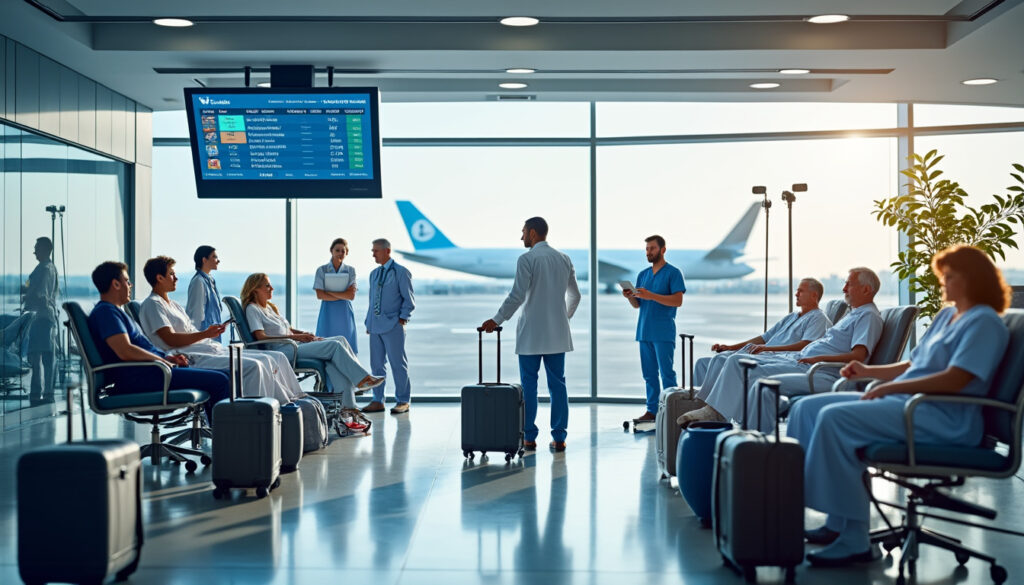
Transatlantic Patient Journey: Insights into Indications, Benefits, and Challenges
The emergence of the Transatlantic Patient Journey as a strategic model within healthcare continues to capture attention for its innovative potential, especially in specialized fields such as spinal surgery. This cross-border care pathway integrates rigorous medical evaluation from Quebec with…
Key Recovery Phases and Patient Narratives Informing Postoperative Care Management
The postoperative period constitutes a critical phase, with recovery trajectories significantly shaping long-term functional outcomes. Neurothérapie Montréal’s integrated care model includes detailed neurofunctional assessments and tailored rehabilitation programs contingent upon the surgical technique involved. Patients undergoing simple procedures like discectomy or decompression typically resume walking within days, advancing to light activity over weeks. Conversely, motion-sparing surgeries involve more gradual convalescence with adjunctive rTMS sessions to mitigate chronic neuropathic pain, enabling professional re-engagement within months.
Arthrodesis patients experience prolonged immobilization phases, with structured physiotherapy aimed at restoring mobility without jeopardizing surgical benefits. Neurostimulation technologies play a pivotal role in preventing syndromes such as post-laminectomy syndrome, a complication frequently evidenced in qualitative patient feedback.
| Activity | Simple Surgery | Motion Surgery | Fusion |
|---|---|---|---|
| Walking | 1-3 days | 2-10 days | 2-4 weeks |
| Desk Work | 3-6 weeks | 6-12 weeks | 8-12 weeks |
| Physical Labor | 6-8 weeks | 12-16 weeks | 4-6 months |
| Sports Activities | 2-3 months | 3-6 months | 6-9 months |
Patients regularly share experiences highlighting the importance of comprehensive pain management and psychological support in recovery trajectories. rTMS application and mental health interventions enhance recovery speed and satisfaction, reducing anxiety and depressive symptoms frequently encountered during convalescence. Healthcare providers must leverage these authentic narratives to refine care plans, thereby fostering a holistic rehabilitation environment that extends beyond mere physical repair.
Deepening understanding of recovery phases through patient testimonials informs clinicians and surgeons in aligning expectations and tailoring postoperative protocols.
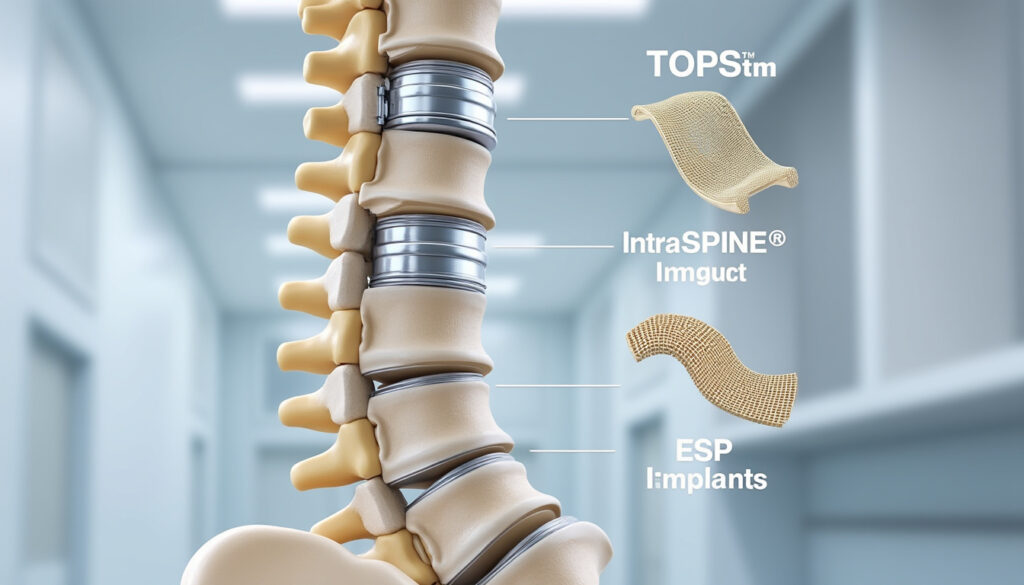
The evolving field of spinal surgery is witnessing a transformative shift, fueled by cutting-edge implant technologies such as TOPS, Intraspine, and ESP. These innovative implants redefine treatment possibilities by emphasizing preservation of natural spinal mechanics, while ensuring durable stabilization and…
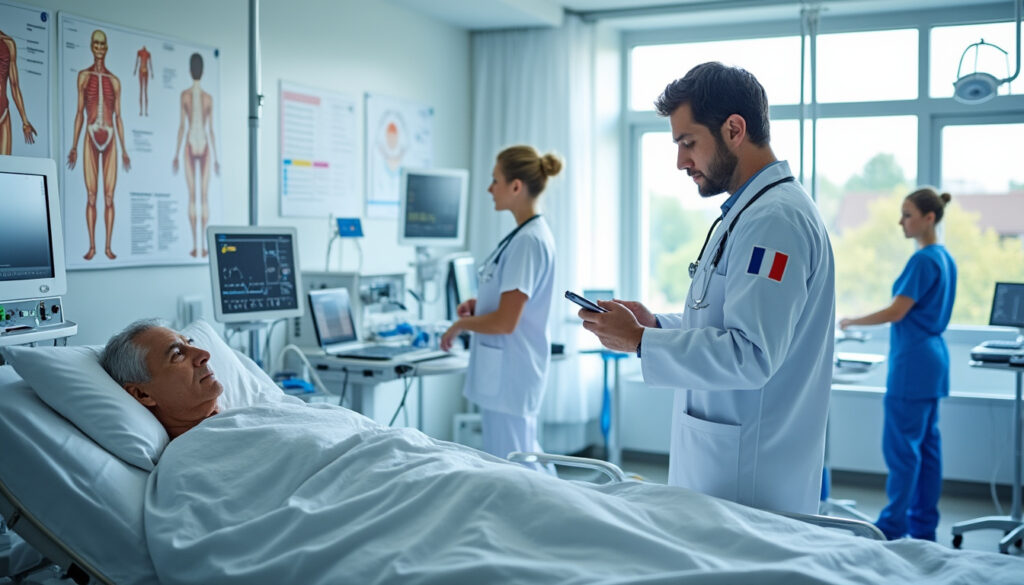
Preparing for Surgery in France: Key Indications, Benefits, and Limitations
In an evolving global healthcare landscape, France emerges as a beacon of advanced surgical expertise, particularly attracting international patients seeking expedited and innovative medical interventions. Patients from regions experiencing long wait times, such as Quebec, increasingly view France as an…
Innovative Role of Neurothérapie Montréal in Multidisciplinary Postoperative Care and Pain Modulation
Under the leadership of Philippe Mazaltarim, Neurothérapie Montréal exemplifies an interdisciplinary care model that harnesses breakthroughs in neuromodulation to improve post-surgical outcomes. Collaborating closely with international partners, the center offers Canadians access to cutting-edge treatments such as rTMS, BrainPort, and PoNS devices, designed to:
- Alleviate persistent neuropathic pain after spinal procedures;
- Enhance neural plasticity facilitating motor and sensory recuperation;
- Support mental well-being to address post-surgical psychological challenges;
- Prevent and manage complications like post-laminectomy syndrome through non-invasive neurostimulation modalities.
These methods complement traditional physical rehabilitation and pain management, frequently enriched by patient testimonials that attest to their efficacy in improving quality of life. The patient-first philosophy emphasizes empathy and education, ensuring treatment engagement and sustained motivation across the recovery timeline.
| Therapeutic Modality | Primary Application | Patient-Reported Benefits |
|---|---|---|
| rTMS (Repetitive Transcranial Magnetic Stimulation) | Neuropathic pain relief | Reduction in chronic pain intensity and frequency |
| BrainPort | Sensory rehabilitation | Improved balance and motor control |
| PoNS (Portable Neuromodulation Stimulator) | Neural plasticity enhancement | Accelerated functional recovery and cognitive support |
Through collaborative networks such as SOS Tourisme Médical, Neurothérapie Montréal facilitates an integrated transatlantic care pathway, enhancing treatment continuity and minimizing disruptions. This innovation aligns with current best practices endorsed by institutions like Cedars-Sinai and Johns Hopkins Medicine, which underscore the importance of combining technology with personalized patient narratives to maximize surgical benefits.

Unveiling the Hidden Benefits of Quality and Certification in Devices
The landscape of device manufacturing and clinical application in 2026 has been fundamentally shaped by the rigorous interplay between quality management and certification processes. Within this complex framework, the hidden benefits of adhering to international standards and obtaining relevant certifications…
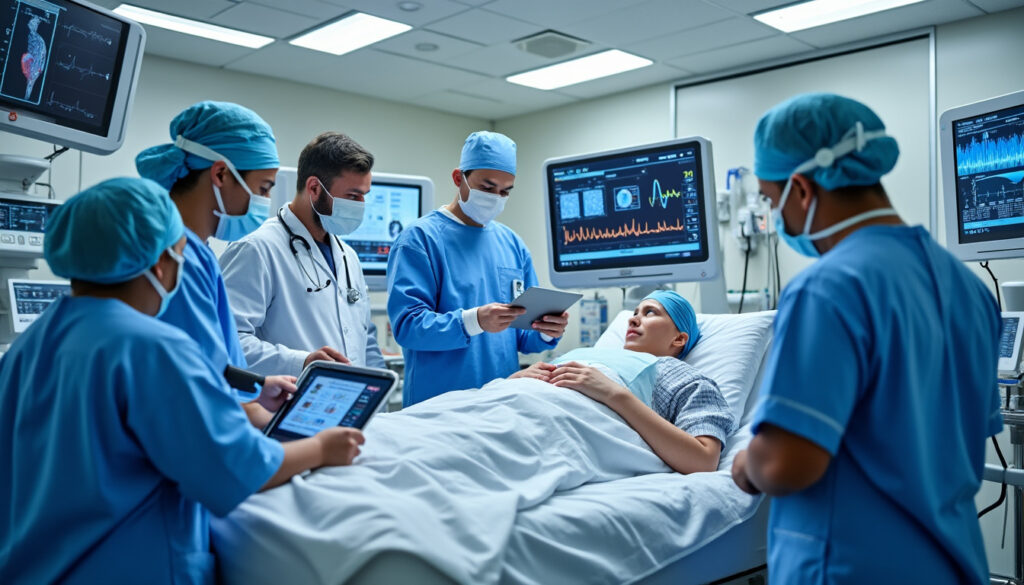
Why Experts Advocate for Comprehensive Preoperative Evaluations
In the complex and demanding field of spinal surgery, the emphasis on comprehensive preoperative evaluations has become a fundamental pillar supporting successful surgical outcomes. These evaluations, far beyond mere routine checks, integrate detailed analyses of patient health, surgical risk assessments,…
Impact of Shared Patient Stories on Enhancing Preoperative Education and Anxiety Reduction
Preoperative education utilizing patient recovery stories effectively demystifies the surgical process, reducing anxiety and fostering mental preparedness. Hearing detailed accounts of postoperative experiences—both successes and challenges—enables prospective patients to form realistic expectations and gain confidence in their care plans. Sources such as Healthline and RealSelf databases provide vast collections of such narratives, which serve as empowering tools in pre-surgical counseling.
Key benefits include:
- Reduction of anticipatory anxiety by familiarizing patients with typical recovery trajectories;
- Improvement in adherence to postoperative instructions through motivational examples;
- Enhanced communication with healthcare providers, leading to shared decision-making;
- Validation of patient concerns and emotional experiences through peer stories.
Research highlights that involving patients in educational sessions where peer testimonials are shared can markedly improve satisfaction and clinical outcomes, as corroborated by qualitative studies examining veterans’ recovery perspectives. Integrating these narratives into preparatory programs at centers with advanced spinal care bolsters mental resilience and fosters a therapeutic alliance paramount for successful treatment planning.
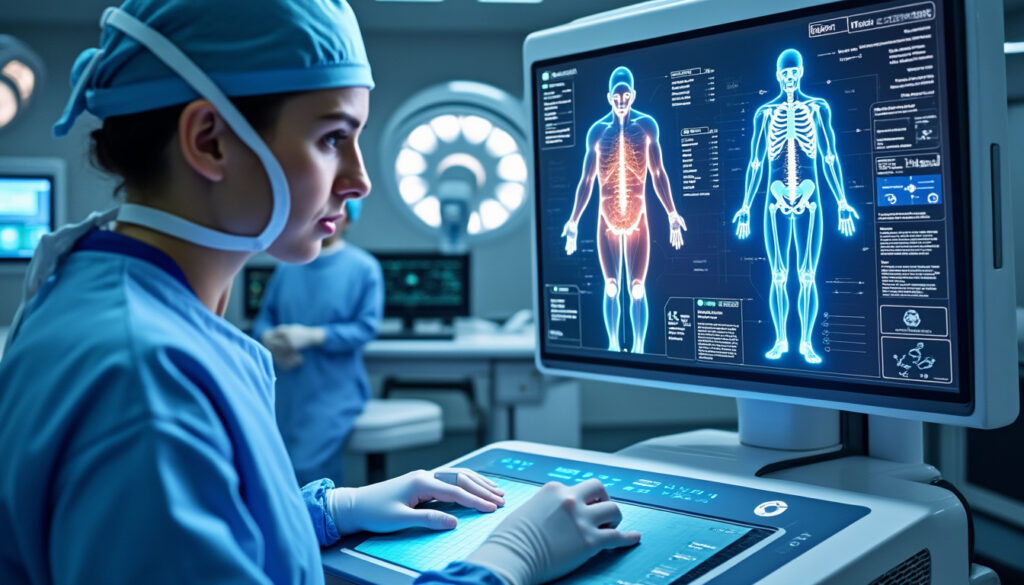
The Future of Surgery Lies in Stepwise Functional Recovery
The evolution of surgical care in 2026 reveals a compelling shift toward approaches that prioritize the holistic recovery of patients, moving beyond traditional metrics like length of hospital stay or mortality rates. This modern paradigm highlights the principle that the…
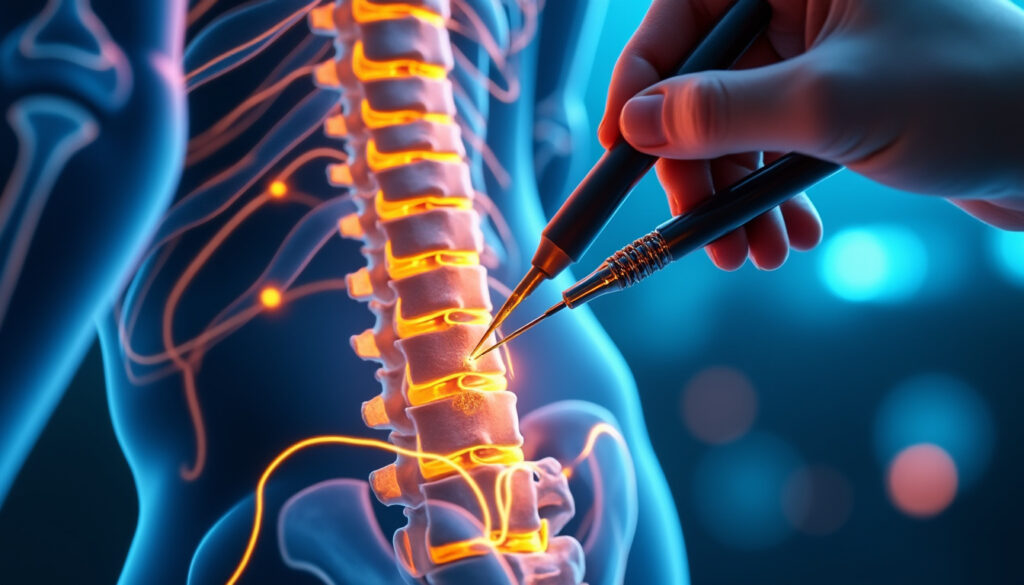
Common Pitfalls to Avoid in Neurovertebral Decompression Therapy and Its Crucial Role
Neurovertebral decompression therapy has emerged as a sophisticated non-invasive medical intervention aimed at relieving chronic spinal pain, particularly associated with conditions such as herniated discs and spinal stenosis. As spinal disorders persist as a leading cause of disability worldwide, patients…
Examining the Role of Patient Testimonials in Technological Choices for Spine Surgery
Patient narratives hold increasing sway not only in guiding decisions regarding surgical timing or invasiveness but also in choosing specific technological interventions and implants. The evolving landscape of spinal surgery includes innovations such as 3D-printed vertebrae, robotic-assisted minimally invasive procedures, and dynamic stabilization devices. Patient feedback on outcomes with these technologies influences acceptance and adoption.
For example, testimonials accessed through networks like Mayo Clinic and surgical outcome platforms provide nuanced insights into the real benefits and trade-offs of these interventions. Patients recount improved mobility with dynamic implants while also discussing the length and discomfort of recovery, offering a balanced view that surgeons incorporate into preoperative counseling. Such transparency reassures patients and fosters collaborative treatments.
- Sharing diverse patient experiences prevents unrealistic expectations;
- Helps surgeons tailor the surgical approach to patient-specific goals;
- Informs product development by highlighting user-centered needs;
- Drives improvements in patient follow-up and support services.
| Technology | Patient-Reported Outcomes | Surgeon Considerations |
|---|---|---|
| 3D-Printed Vertebrae | High customization, enhanced fit and function | Long-term durability and integration |
| Robotic-Assisted Surgery | Minimized invasiveness, quicker recovery | Training requirements and cost-effectiveness |
| Dynamic Stabilization Implants | Preserved spinal motion, reduced neuropathic pain | Patient selection and device longevity |
Leveraging Patient Stories to Facilitate Postoperative Compliance and Emotional Support
The testimonies shared by patients during and after recovery encourage engagement, motivating individuals to adhere to prescribed rehabilitation protocols. Emotional support derived from shared experiences plays a vital role in overcoming the psychological barriers encountered during prolonged recovery periods, including pain, fatigue, and mood disturbances.
Effective use of shared patient narratives includes:
- Creating peer support groups to foster mutual encouragement;
- Utilizing multimedia testimonial content for motivational interventions;
- Individualizing rehabilitation plans informed by patient-reported barriers and facilitators;
- Training healthcare providers to incorporate patient voices constructively in care delivery.
Such strategies established at centers including Neurothérapie Montréal have demonstrated success in increasing patient satisfaction and reducing incidences of complications through improved adherence, as signaled by comprehensive patient outcome studies.
Tableau comparateur des approches chirurgicales
Comparez différentes méthodes chirurgicales selon plusieurs critères clés d’après les histoires de récupération patient.
| Approche chirurgicale | Temps de récupération patient | Résultat fonctionnel | Expérience patient |
|---|
Strategies for Optimizing Use of Patient Testimonials in Surgical Choice and Recovery
Maximizing the benefits of recovery stories involves navigating sources thoughtfully and integrating insights meaningfully into clinical practice. Patients and clinicians should prioritize narratives from verified platforms, considering multiple accounts to grasp the variability in experiences. Open dialogue about expectations and concerns, facilitated by teams like that of Neurothérapie Montréal, ensures adaptation to individualized needs.
Key strategies for using patient testimonials effectively include:
- Selecting trustworthy resources such as peer-reviewed studies on patient perspectives and medically endorsed platforms;
- Evaluating diverse experiences to avoid generalizations and foster realistic goal-setting;
- Engaging multidisciplinary teams early to incorporate narratives into comprehensive care plans;
- Supporting early psycho-social interventions grounded in patient-shared experiences.
These approaches enhance partnership dynamics, ensuring that surgical decisions are both evidence-based and empathetically informed. As Philippe Mazaltarim stresses, the human dimension, enriched by patient stories, remains central to successful spinal surgery outcomes.
How long does a typical recovery last after spinal surgery?
Recovery duration generally ranges from 3 to 6 months depending on surgical technique and patient factors, with minimally invasive procedures often leading to quicker recuperation.
How does rTMS assist in managing post-surgical pain?
Repetitive transcranial magnetic stimulation modulates neuronal activity to reduce neuropathic pain sensations, aiding in the control of chronic pain after spine surgery.
Why is it important to listen to multiple patient recovery stories?
Diverse testimonials help patients understand various recovery scenarios, manage expectations realistically, and personalize their own recovery strategies.
What role does Neurothérapie Montréal play in postoperative care?
Neurothérapie Montréal provides individualized neurofunctional assessments, pain management via rTMS, and psychological support throughout the convalescence process.
How can patients best prepare their surgical trip to France from Canada?
By collaborating with services like Franchir for logistics, SOS Tourisme Médical for information, and Neurothérapie Montréal for post-surgery follow-up, patients ensure a coordinated, secure medical journey.