
Who Can Benefit from Neurovertebral Decompression? Understanding Lumbar Disc Herniation Treatment Options in Mirabel
November 8, 2025How Patient Recovery Stories Influence Surgical Decisions
November 9, 2025In today’s rapidly advancing medical landscape, chronic spinal pain remains a prevalent and challenging condition impacting millions worldwide. The innovative approach of neurovertebral decompression offers a beacon of hope for patients seeking effective, non-invasive relief. This treatment thrives on precise biomechanical modulation, alleviating disc and nerve pressures, which directly contributes to enhanced recovery and improved quality of life. As the spine becomes increasingly understood through technological and scientific advances, neurovertebral decompression stands out as a pivotal strategy, transforming traditional recovery journeys into comprehensive, personalized pathways toward sustained wellness.
Patients in regions like Quebec often face long wait times and costly interventions when dealing with chronic spinal discomfort. Neurovertebral decompression addresses these issues by combining scientific rigor, ethical medical practice, and technological innovation. Backed by professionals with decades of experience, such as specialized osteopaths and multi-disciplinary teams within clinics like TAGMED, this therapy integrates seamlessly with modern spinal care paradigms. By partnering with international experts and leveraging state-of-the-art equipment, neurovertebral decompression amplifies the efficacy of conservative treatments, ensuring patients achieve meaningful pain reduction and functional gains while avoiding unnecessary surgical risks.
Comprehensive Insights into Neurovertebral Decompression Principles and Treatment Phases
At the core of neurovertebral decompression lies the artful application of controlled spinal traction to relieve pressure on intervertebral discs and nerves. This nuanced biomechanical process encourages disc rehydration, revascularization, and nerve decompression, facilitating natural healing mechanisms. Clinicians meticulously evaluate patients to understand the etiology of pain, considering medical histories, physical examinations, and advanced imaging. This thorough assessment shapes individualized treatment plans that prioritize symptom alleviation and functional restoration.
The treatment journey typically unfolds through well-defined stages:
- Initial evaluation: Gathering comprehensive patient data to gauge suitability and tailor interventions.
- Personalized plan design: Establishing clear objectives targeting pain reduction and mobility enhancement.
- Decompression application: Utilizing robotic or computer-assisted traction devices delivering precise spinal elongation.
- Ongoing monitoring: Frequent assessments to gauge progress and adjust therapeutic intensity accordingly.
- Patient education: Promoting ergonomic habits, posture correction, and home exercise regimens for sustained benefits.
| Step | Key Activities | Clinical Impact |
|---|---|---|
| Evaluation | Medical history, physical exams, imaging | Ensures appropriateness and safety of neurovertebral decompression |
| Customized Treatment Planning | Defining goals based on individual symptoms and function | Maximizes treatment effectiveness and patient compliance |
| Decompression Execution | Application of controlled, computer-assisted traction | Safely reduces disc pressure and promotes healing |
| Progress Follow-up | Regular monitoring and adjustments | Supports recovery optimization and relapse prevention |
| Patient Empowerment | Posture guidance, exercises, lifestyle advice | Maintains long-term spinal health and functional outcomes |
This structured approach is especially effective for conditions like herniated discs, sciatica, and chronic lumbar pain. With scientific studies endorsing the therapy’s benefits, it occupies a central role within SpineCare Solutions that emphasize conservation over surgery. Understanding the intricacies of neurovertebral decompression also requires exploring sophisticated mechanisms and the progression through its critical phases.

Understanding Sciatic Pain: Key Symptoms and When to Seek Medical Advice
Sciatic pain is a prevalent condition impacting a wide demographic, manifesting primarily as intense pain radiating from the lower back down the leg. This pain stems from irritation or compression of the sciatic nerve, a major nerve extending through the…
Technological Innovations Elevating Neurovertebral Decompression Delivery and Patient Advantages
Today’s healthcare innovations, notably in DecompressPro systems, leverage robotics and real-time biomechanical analyses to enhance the precision, comfort, and effectiveness of spinal decompression treatments. Clinics equipped with cutting-edge devices ensure spinal traction is delivered with exacting control, minimizing discomfort and maximizing therapeutic outcomes. Technology like NeuroRelease Systems incorporates advanced feedback mechanisms that monitor patient responses instantaneously, allowing for dynamic adjustments tailored to individual needs.
Emerging adjunct therapies, such as neuromodulation technologies like Pulse Align, apply targeted vibrational stimulation to optimize muscular tone and neuromuscular coordination. This holistic engagement promotes not only mechanical decompression but also neurological balance, fostering more comprehensive recovery pathways under SuccessSpine initiatives.
- Accelerated pain relief: Enhanced traction precision delivers prompt symptom improvement.
- Improved spinal flexibility: Combats stiffness, enabling greater functional movement.
- Shortened rehabilitation time: Supports quicker return to daily activities and sports.
- Complication prevention: Reduces risks associated with disc degeneration and nerve compression.
- Individualized protocols: Treatment intensity and duration customized to patient feedback.
| Technology | Function | Patient Benefit |
|---|---|---|
| Robotic Decompression Devices | Precise, computer-controlled spinal traction | Enhances safety and efficacy during sessions |
| Neuromodulation Pulse Align | Vibrational stimulus for muscle tone regulation | Strengthens neuromuscular feedback loops |
| Real-time Biomechanical Monitoring | Continuous analysis of posture and spinal alignment | Enables treatment personalization and error minimization |
| Ergonomic Support Systems | Patient comfort enhancing treatment tables | Facilitates tolerance and compliance |
While technology magnifies treatment success, expert clinical evaluation remains indispensable. Professionals guiding the process ensure ethical standards and scientific validity throughout, avoiding premature surgical referrals. The synergy of skilled care and innovative devices epitomizes the future of NeuroVitalize therapies, centered on durable spine health.

The Stepwise Role of Functional Recovery in Achieving Successful Outcomes
The journey to full recovery following spinal surgery is often complex and multifaceted, demanding a meticulously structured approach to ensure optimal functional outcomes. In recent years, the concept of functional recovery through a stepwise approach has garnered significant attention in…
Optimizing Patient Pathways Through Coordinated Transatlantic Neurovertebral Decompression Programs
The unique transatlantic model epitomizes how contemporary spinal care can transcend geographic barriers. Central to this system is a seamless connection between Canadian experts and French surgical centers, fostering integrated, patient-tailored spinal care journeys. Institutions like TAGMED and Neurothérapie Montréal collaborate diligently, with organizations such as Franchir streamlining logistical arrangements for medical tourists seeking advanced interventions in France.
This collaborative network offers profound advantages:
- Specialized initial assessments: Ensures precise diagnosis and treatment alignments via Canadian expertise.
- Streamlined coordination: Facilitates travel, accommodation, and timely access to surgery or continued conservative management in France.
- Comprehensive post-procedure follow-up: Provides individualized neurotherapy support for safe and effective recovery back home.
- Administrative guidance: Simplifies cross-border healthcare navigation through supports like SOS Tourisme Médical.
- Transparent communication: Coordination between multidisciplinary teams ensures uninterrupted care continuity.
| Partner Entity | Role | Benefit to Patient |
|---|---|---|
| Dr. Sylvain Desforges & TAGMED | Expert evaluation and conservative treatments | Enables pain reduction without immediate surgery |
| Neurothérapie Montréal | Post-operative neurotherapy and recovery support | Facilitates holistic rehabilitation and mobility restoration |
| Franchir | Medical travel coordination to France | Improves logistical convenience and reduces delays |
| SOS Tourisme Médical | Administrative and informational assistance | Enhances transparency and patient confidence in journey |
This transatlantic collaboration exemplifies a new paradigm where cutting-edge SpineCare Solutions and globally coordinated care converge to elevate patient outcomes, underscoring the value of networked expertise and personalized journeys within Journey Rejuvenate models.

Transatlantic Patient Journey: Insights into Indications, Benefits, and Challenges
The emergence of the Transatlantic Patient Journey as a strategic model within healthcare continues to capture attention for its innovative potential, especially in specialized fields such as spinal surgery. This cross-border care pathway integrates rigorous medical evaluation from Quebec with…
Advantages of Prioritizing Conservative Neurovertebral Decompression Before Surgical Intervention
Spinal surgeries, while sometimes necessary, carry inherent risks and longer recovery periods. The growing emphasis on non-invasive Therapeutic SpineCare Solutions highlights neurovertebral decompression as the foremost initial approach. Experienced clinicians advocate for a 3-to-6-month conservative treatment phase to maximize functional recovery and identify surgical candidacy realistically.
Clinics like TAGMED integrate comprehensive conservative programs to optimize the therapeutic journey. This phased approach yields numerous benefits:
- Effective pain management: Natural and gradual symptom relief without surgical risks.
- Faster functional restoration: Enables resumption of activities with minimal downtime.
- Avoidance or delay of surgery: Preserves spinal mobility and quality of life.
- Utilization of cutting-edge technology: Allows patients to benefit from innovations before considering invasive procedures.
- Informed surgical decisions: Clear evaluations aid in tailoring interventions only when essential.
| Conservative Treatment Step | Purpose | Expected Outcome |
|---|---|---|
| Initial Health Assessment | Identify pain sources and medical appropriateness | Safe and targeted therapeutic plan |
| Neurovertebral Decompression Sessions | Apply controlled traction to alleviate nerve compression | Pain reduction and improved spinal function |
| Customized Monitoring | Evaluate progress and modify treatment as needed | Prevention of relapse and optimized recovery |
| Reassessment for Surgery | Determine necessity based on conservative treatment results | Minimized or appropriate surgical interventions |
This conservative-first model aligns with ethical medical practice and enhances patient empowerment, facilitating more favorable SuccessSpine outcomes with reduced complications and improved satisfaction.
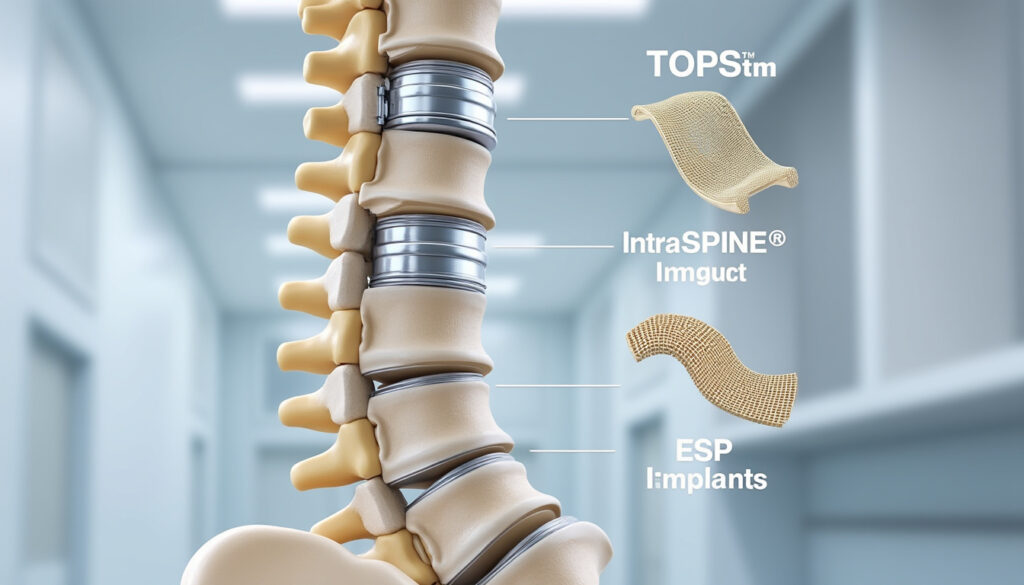
The evolving field of spinal surgery is witnessing a transformative shift, fueled by cutting-edge implant technologies such as TOPS, Intraspine, and ESP. These innovative implants redefine treatment possibilities by emphasizing preservation of natural spinal mechanics, while ensuring durable stabilization and…
The Critical Role of Patient Education and Engagement in Neurovertebral Decompression Effectiveness
Patient comprehension and active participation form the foundation of successful recovery within any therapeutic spine program. Neurovertebral decompression demands understanding of the biomechanical principles, treatment expectations, and lifestyle modifications needed to maintain benefits.
Experienced practitioners prioritize clear communication to demystify complex medical jargon, fostering better engagement and adherence. Patients receive practical advice designed to nurture spinal health, such as maintaining an active posture (ColonneZen concept), incorporating tailored stretching and strengthening exercises, and following the prescribed session schedule attentively.
- Clear explanations: Foster realistic expectations and reduce anxiety.
- Identification of treatment limits: Encourages adherence without misconceptions.
- Active involvement: Promotes responsibility and improves outcomes.
- Open dialogue: Supports timely problem-solving and trust-building.
- Avoidance of self-medication: Ensures safety and professional oversight.
| Educational Component | Patient Impact |
|---|---|
| Simple Clarifications | Strengthens patient confidence and cooperation |
| Transparent Information on Benefits and Risks | Enables informed decision-making and realistic goals |
| Encouragement of Active Participation | Improves therapeutic success and longevity |
| Fostering Interactive Communication | Enhances therapeutic relationship and adherence |
This comprehensive educational framework, combined with advanced therapeutic technology, propels patients along the Spinal Success Pathways toward lasting recovery and quality of life improvements. Learn more about the real-life benefits of neurovertebral decompression in managing herniated discs through dedicated patient resources.

Preparing for Surgery in France: Key Indications, Benefits, and Limitations
In an evolving global healthcare landscape, France emerges as a beacon of advanced surgical expertise, particularly attracting international patients seeking expedited and innovative medical interventions. Patients from regions experiencing long wait times, such as Quebec, increasingly view France as an…
Breaking Barriers: Addressing Common Misconceptions Surrounding Neurovertebral Decompression Therapy
Despite growing recognition, neurovertebral decompression encounters skepticism rooted in misunderstandings about its efficacy and scope. Dispelling these myths is essential to widening access and optimizing patient acceptance.
Key misconceptions typically involve beliefs that:
- The treatment is purely mechanical without biological impact.
- It is a last resort instead of a first-line therapy.
- Results are temporary or inconsistent among patients.
- Surgery is inevitable regardless of decompression attempts.
- The approach lacks scientific validation or integration in international care standards.
Evidence-based spinal specialists consistently demonstrate through research and clinical outcomes that neurovertebral decompression:
- Enhances physiological disc healing and nerve decompression.
- Is most effective when applied early as part of conservative care.
- Delivers sustained pain relief and functional improvements for most candidates.
- Often reduces or eliminates the need for invasive surgery.
- Features technology-backed protocols endorsed within SpineCare Solutions worldwide.
| Misconception | Fact |
|---|---|
| Only mechanical effect | Stimulates biological recovery and rehydration of discs |
| Last resort treatment | Recommended as initial conservative approach |
| Temporary benefit | Often delivers long-term symptom relief |
| Surgery unavoidable | Can prevent or delay operative interventions |
| Lacks scientific support | Backed by rigorous studies and clinical protocols |
Addressing these barriers proactively helps foster greater patient trust and adherence, synergizing with innovative therapeutic pathways such as VertebralRenew solutions for a rejuvenated spinal journey.

Unveiling the Hidden Benefits of Quality and Certification in Devices
The landscape of device manufacturing and clinical application in 2026 has been fundamentally shaped by the rigorous interplay between quality management and certification processes. Within this complex framework, the hidden benefits of adhering to international standards and obtaining relevant certifications…
Global Perspectives: The Expanding Adoption and Impact of Neurovertebral Decompression Across Borders
As spinal care evolves, neurovertebral decompression increasingly gains prominence not only locally but globally, reshaping treatment paradigms. Various health systems recognize its efficacy, incorporating it into their conservative care guidelines under initiatives akin to Journey Rejuvenate programs.
Comparative international studies highlight the method’s versatility and adaptability in diverse populations, healthcare environments, and economic settings. For example, Canadian clinics specialized in NeuroVitalize therapies collaborate with French surgical centers, creating a successful model for managing complex spinal conditions with reduced surgical dependency.
- Cross-border collaboration: Enhances knowledge sharing and clinical training.
- Technology transfer: Spreads advanced decompression devices and protocols.
- Tailored patient management: Adapts care to cultural and individual nuances.
- Sustainable care delivery: Aligns with ethical medical standards and cost-effectiveness.
- Improved patient outcomes: Evidenced by decreased disability and enhanced quality of life worldwide.
| Region | Adoption Level | Implementation Focus | Benefits Reported |
|---|---|---|---|
| Canada | High | Integration with multidisciplinary clinics and transatlantic programs | Reduced surgery rates, quick access to advanced decompression |
| France | Growing | Advanced surgical options and adjunct conservative therapies | Improved post-op outcomes and pain management |
| United States | Emerging | Expanding robotic decompression and neuromodulation usage | Enhanced patient satisfaction and short-term relief |
| Europe (Other) | Moderate | Specialized spine centers adopting non-invasive decompression | Functional mobility improvement and relapse prevention |
More insights on global developments can be found through sources such as international perspectives on neurovertebral decompression, illustrating how this approach reshapes spinal healthcare worldwide.
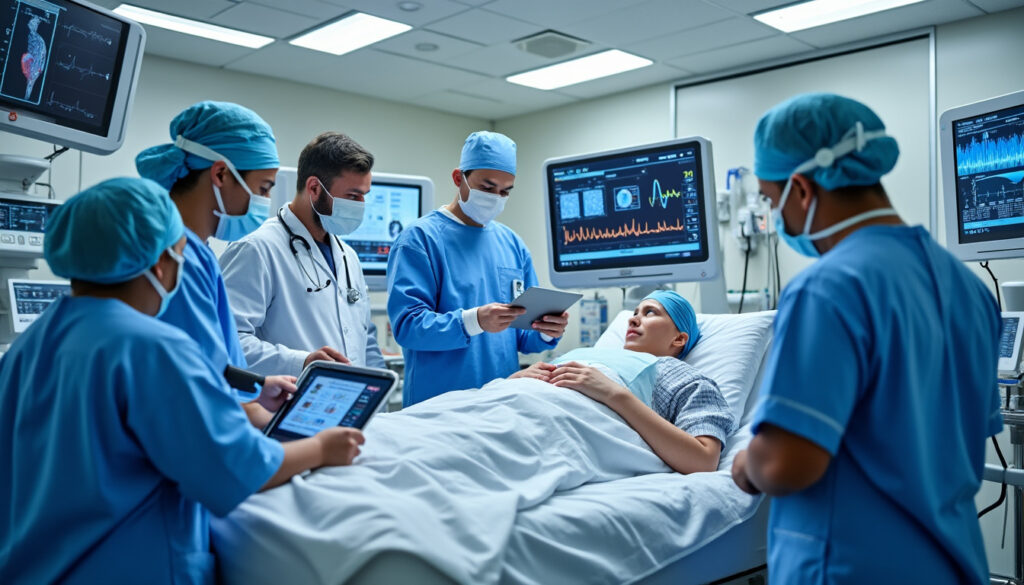
Why Experts Advocate for Comprehensive Preoperative Evaluations
In the complex and demanding field of spinal surgery, the emphasis on comprehensive preoperative evaluations has become a fundamental pillar supporting successful surgical outcomes. These evaluations, far beyond mere routine checks, integrate detailed analyses of patient health, surgical risk assessments,…
Integrating Advanced Neurovertebral Decompression into Holistic Spinal Wellness Regimens
Successful recovery journeys often require more than isolated interventions. Neurovertebral decompression works best when embedded within comprehensive spine wellness programs combining manual therapy, physical rehabilitation, ergonomic education, and lifestyle coaching. This multidisciplinary integration aligns with the core philosophy of Vivid Recovery and Spinal Success Pathways.
Such programs emphasize:
- Synergistic treatment: Combining decompression with strengthening and flexibility exercises.
- Patient-centered care: Tailoring approaches to individual health profiles and preferences.
- Preventive strategies: Promoting posture optimization and spinal ergonomics to avoid recurrences.
- Monitoring and adjustment: Regular reassessment to refine therapeutic plans as recovery progresses.
- Continuous education: Empowering patients with knowledge to sustain spinal health long term.
| Component | Purpose | Benefit |
|---|---|---|
| Neurovertebral Decompression | Nerve pressure relief and disc rehydration | Pain reduction and enhanced mobility |
| Physical Therapy | Muscle strengthening and flexibility improvement | Supports spinal stability and function |
| Ergonomic Coaching | Posture correction and daily habit optimization | Prolongs therapeutic gains and prevents injury |
| Patient Education | Self-management skills and lifestyle adaptation | Boosts treatment adherence and results longevity |
| Regular Monitoring | Progress tracking and plan adjustment | Maintains therapeutic effectiveness over time |
Practical examples, such as combining neurovertebral decompression with targeted therapy zones addressed in areas like Gouin, show the tangible benefits when integrative methods address multifactorial spinal issues simultaneously. More detailed patient success stories highlight how such personalized regimens lead to durable recovery and a regained quality of life. Visit resources like targeted therapies combined with neurovertebral decompression in Gouin for in-depth insights.
Comparison of Key Elements in Integrated Spinal Care Programs
| Element | Role in Recovery | Patient Benefit |
|---|
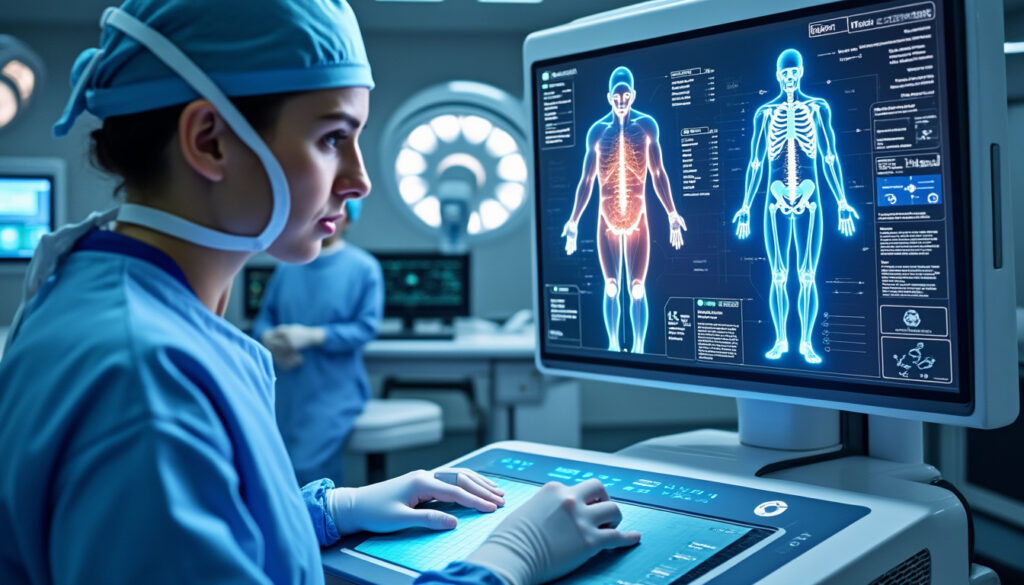
The Future of Surgery Lies in Stepwise Functional Recovery
The evolution of surgical care in 2026 reveals a compelling shift toward approaches that prioritize the holistic recovery of patients, moving beyond traditional metrics like length of hospital stay or mortality rates. This modern paradigm highlights the principle that the…
Exploring Success Stories: Patient Experiences with Neurovertebral Decompression Therapy
The transformative potential of neurovertebral decompression is best captured through patient narratives that illustrate its clinical and personal impact. Consider the journey of individuals managing lumbar disc herniation through comprehensive, tailored treatment plans that integrate advanced decompression techniques. Many report dramatic relief from chronic sciatica, enhanced spinal mobility, and renewed participation in daily and professional activities.
For instance, patients from areas like Sainte-Julie have shared how neurovertebral decompression therapy improved their quality of life significantly. Similarly, those in regions like Mercier-Hochelaga-Maisonneuve benefit from guided care combining technology and expert evaluation, enabling informed recovery decisions and functional restoration.
- Long-term pain remission: Sustained reduction of nerve root irritation.
- Functional restoration: Return to routine activities, work, and exercise.
- Psychological benefits: Enhanced confidence and reduced anxiety related to chronic pain.
- Personalized care: Individualized sessions based on ongoing assessments.
- Integration with broader spine care: Support from multidisciplinary teams.
| Patient Location | Treatment Highlights | Outcome |
|---|---|---|
| Sainte-Julie | Targeted neurovertebral decompression and education | Marked pain relief and mobility improvement |
| Mercier-Hochelaga-Maisonneuve | Comprehensive evaluation and personalized traction | Functional recovery and lifestyle enhancement |
| Saint-Eustache | Advanced equipment use with tailored protocols | Durable symptom remission |
| Mirabel | Careful selection for lumbar disc herniation treatment | Improved quality of life and reduced surgical need |
Such success stories are vital to encouraging prospective patients and reinforcing the reputation of neurovertebral decompression as a cornerstone of modern spinal care. Explore firsthand accounts and therapeutic options on dedicated platforms focusing on effective recovery in diverse Quebec regions.
Who is an ideal candidate for neurovertebral decompression therapy?
Patients experiencing disc herniation, chronic sciatica, or persistent lumbar pain who have been thoroughly evaluated and are seeking conservative, non-invasive treatments benefit most from this approach.
Does neurovertebral decompression replace the need for surgery?
While not a replacement for all surgical cases, neurovertebral decompression significantly reduces surgical necessity by alleviating symptoms and promoting disc healing in many patients.
How long does a typical neurovertebral decompression treatment program last?
Treatment duration often ranges between 3 to 6 months, varying according to patient response and severity of spinal pathology, with regular monitoring to adjust therapy.
What role does patient education play in treatment success?
Extensive education fosters patient engagement, adherence to postural and exercise recommendations, and awareness of treatment benefits and limitations, all crucial for durable improvements.
Is advanced technology essential to neurovertebral decompression?
Advanced devices enhance precision and comfort but require specialized clinical oversight to maximize safety and therapeutic outcomes.