A Comprehensive Guide to Initial Assessments and Questionnaires
November 6, 2025
IntraSPINE® in Sherbrooke: Approved Minimally Invasive Approach
November 6, 2025
Medical logistics and patient accommodation form an increasingly pivotal axis in contemporary healthcare, especially regarding spinal care. Their optimization may play a crucial role in mitigating the necessity for surgery, providing alternatives grounded in advanced coordination and patient-centered solutions. As patient pathways evolve, particularly for international cases such as those traveling from Quebec or Canada to France, a well-structured logistic and accommodation framework supports conservative treatments and preempts surgical interventions. This approach intricately links healthcare delivery with seamless logistical execution, significantly influencing outcomes and patient quality of life.
In the context of spinal pathologies, where surgical intervention traditionally represents the final recourse, newer models of care emphasize a multidisciplinary strategy. This strategy integrates medical logistics companies, accommodation providers specialized in healthcare needs, and surgical centers with the latest technology. Facilitated patient flows, rapid access to expert consultations, and comfortable, tailored living environments during treatment periods can collectively delay or even obviate surgical procedures. Such innovations are reshaping how international patients experience complex spine care, ensuring safety and personalized support throughout their treatment journey.
How Medical Logistics Streamline Conservative Spine Care and Reduce Surgical Necessity
Medical logistics encompass the orchestration of resources, transport, scheduling, and supply chain management to ensure timely and efficient delivery of healthcare services. For spinal patients, particularly those requiring complex evaluation, diagnostics, and prolonged conservative therapy, this logistics precision can drastically influence clinical outcomes.
Optimizing logistics enables:
- Accelerated specialist access: Fast-tracking appointments with highly specialized spine surgeons and neurologists limits symptom progression and supports early interventions.
- Efficient supply of medical products: Timely delivery of essential equipment and devices, including certified implants and diagnostic tools (from providers like Cardinal Health and McKesson), prevents treatment interruptions.
- Streamlined inter-facility patient transport: Coordinated patient transfers ensure continuity of care between diagnostics, therapy sessions, and medical centers, minimizing delays and elevating safety standards supported by services like FedEx Healthcare.
- Specialized supply storage management: Implementing efficient storage solutions, inspired by best practices highlighted in modern healthcare logistics supply chains, reduces wastage and maximizes resource availability, crucial for managing implants and conservative treatment materials.
The benefits recorded include shortened times to diagnosis and initiation of conservative therapies, which have been essential in preventing unnecessary surgical procedures. For patients from remote regions relying on intercontinental care pathways, such as Quebec-Canada to France journeys, logistics precision is even more critical.
| Logistic Element | Clinical Impact | Practical Example |
|---|---|---|
| Appointment coordination | Reduces treatment delay and facilitates early diagnosis | Fast-track consultations in specialized French centers (e.g., Toulouse, Bordeaux) |
| Medical supply management | Ensures uninterrupted access to diagnostics and conservative care | Inventory controlled delivery of dynamic spinal implants (TOPS, Intraspine) |
| Patient transport logistics | Streamlined, safe transitions between therapies enhance adherence | Uber Health coordinating timely patient transfers within hospital networks |
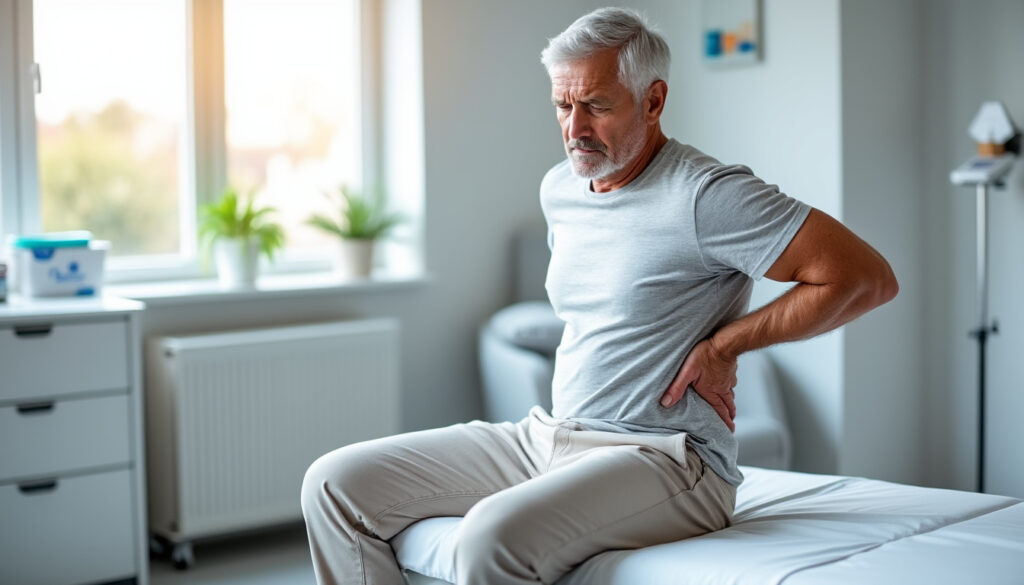
Understanding Sciatic Pain: Key Symptoms and When to Seek Medical Advice
Sciatic pain is a prevalent condition impacting a wide demographic, manifesting primarily as intense pain radiating from the lower back down the leg. This pain stems from irritation or compression of the sciatic nerve, a major nerve extending through the…
The Critical Role of Specialized Patient Accommodation in Spine Treatment Outcomes
Patient accommodation is a determinant factor in supporting conservative or pre-surgical spine care. Patients traveling internationally face heightened stressors—including unfamiliar environments and limited mobility—potentially impeding recovery and therapeutic efficacy. Healthcare-tailored lodging addresses these issues by designing environments conducive to rest, rehabilitation, and close medical monitoring.
Specialized accommodation offers:
- Proximity to healthcare facilities: Nearness to hospitals or clinics reduces transit fatigue and facilitates rapid access to medical support.
- Environment designed for spine patient needs: Rooms equipped with mobility aids, ergonomic furniture, and quiet ambient settings optimize physical comfort and psychological well-being.
- Staff trained in spinal pathology care: Care personnel familiar with spinal disorders provide nuanced assistance, including mobility support and health monitoring.
- Coordinated care collaboration: Close communication with clinical teams allows dynamic adjustments to patient accommodations in response to changing needs.
For example, Hébergement Santé France exemplifies lodging providers specializing in spine care accommodation, delivering tailored services enhancing conservative treatment success.
| Accommodation Feature | Patient Benefit | Illustrative Case |
|---|---|---|
| 24/7 Accessibility | Rapid response to medical or mobility emergencies | Proximity residences supporting emergency access at Le Mans |
| Specialized trained staff | Tailored assistance minimizing complications | Continuing education programs implemented by Hébergement Santé France |
| Healing environments | Reduced stress, improved sleep quality speeding recovery | Green spaces designed near hospital complexes |
The integration of accommodation with medical logistics ensures patients maintain continuous conservative treatments without disruptive transfers or stress-related setbacks, thus decreasing surgical intervention likelihood.
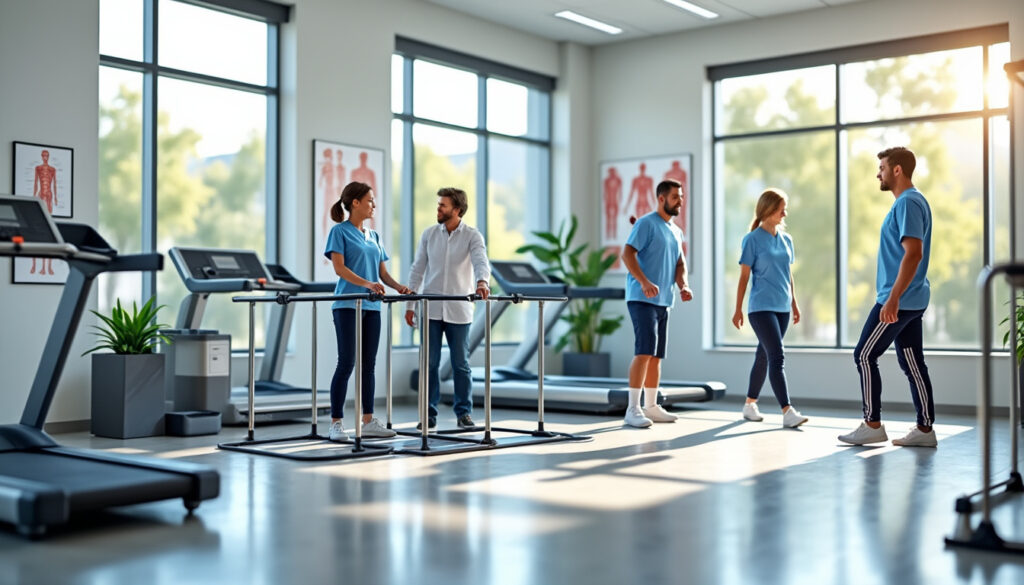
The Stepwise Role of Functional Recovery in Achieving Successful Outcomes
The journey to full recovery following spinal surgery is often complex and multifaceted, demanding a meticulously structured approach to ensure optimal functional outcomes. In recent years, the concept of functional recovery through a stepwise approach has garnered significant attention in…
Advanced Spinal Surgery Logistics Improving Access and Patient Outcomes
Although prevention and conservative measures remain preferred, surgery is occasionally inevitable. Having an advanced logistics infrastructure promoting access to cutting-edge surgical techniques and implant technologies can improve outcomes and reduce complications.
France’s leading centers implement surgical approaches such as:
- Minimally invasive and endoscopic procedures: Reducing tissue trauma and shortening hospital stays are facilitated by integrated supply and scheduling logistics.
- Dynamic stabilization implants: Devices like TOPS and Intraspine preserve spinal motion post-surgery, supported by rigorous implant traceability systems from distributors including Cardinal Health and BioPharma Logistics.
- Disc replacement prostheses: Implants that enhance neurological and biomechanical function, enabled by coordinated transport and inventory management.
The logistic chain handled by entities such as Franchir, ensures complete patient journey management—from initial evaluation to recovery planning. This orchestration incorporates:
- Customized scheduling aligning surgical team availability with patient needs.
- Secure transport of surgical equipment and certified implants.
- Accommodation logistics optimized for postoperative care.
- Seamless communication between Canadian and French care providers to align treatment strategies.
| Surgical Technique | Implant Type | Key Benefit |
|---|---|---|
| Dynamic Stabilization | TOPS, Intraspine | Preservation of mobility; reduced postoperative pain |
| Disc Replacement | Premia Spine, Cousin Spine | Maintains disc function and natural articulation |
| Minimally Invasive Surgery | Advanced robotic assistance | Smaller incisions; rapid recovery |
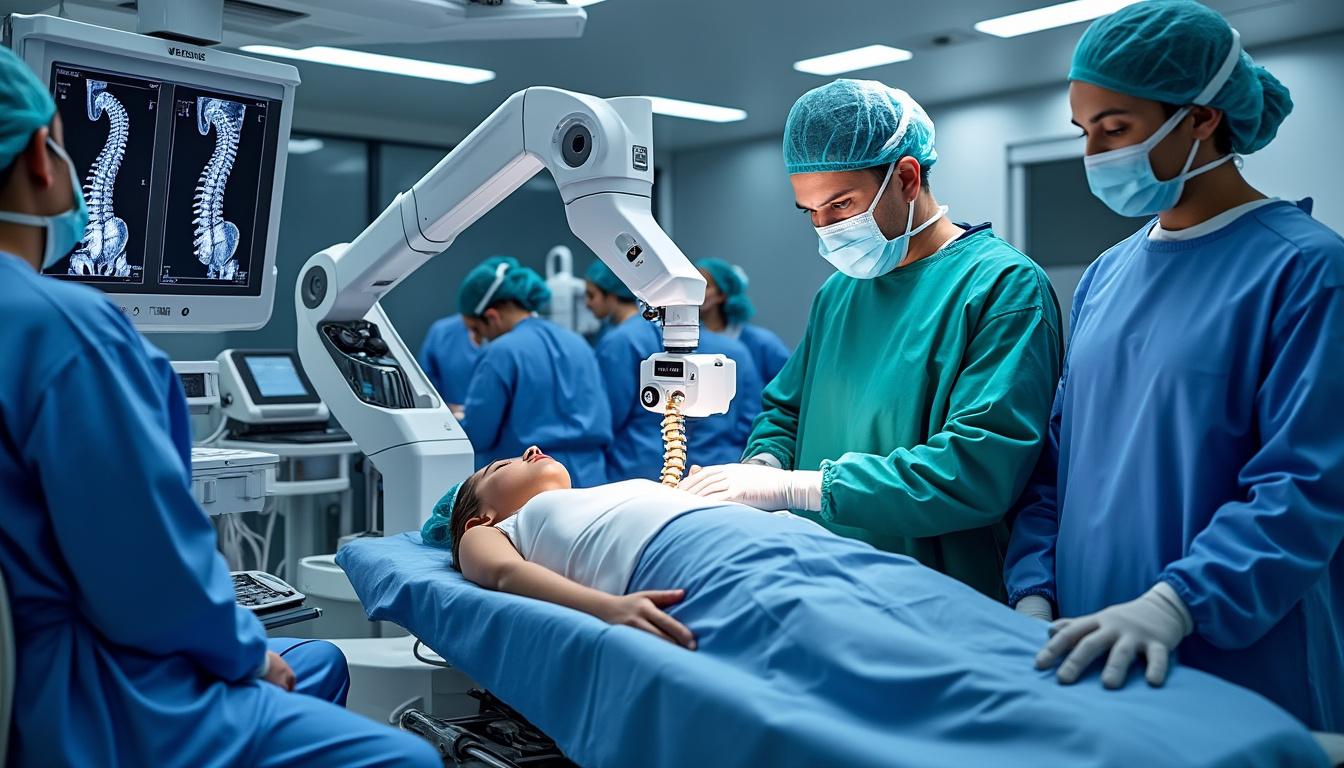
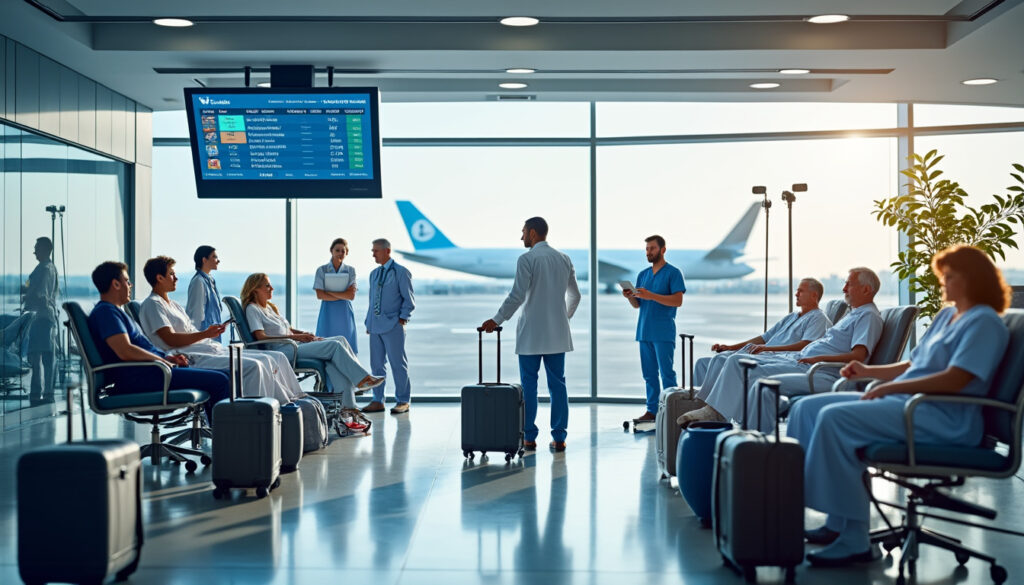
Transatlantic Patient Journey: Insights into Indications, Benefits, and Challenges
The emergence of the Transatlantic Patient Journey as a strategic model within healthcare continues to capture attention for its innovative potential, especially in specialized fields such as spinal surgery. This cross-border care pathway integrates rigorous medical evaluation from Quebec with…
Transatlantic Patient Flow: Coordinating Canada-France Spine Care Logistics
The transfer of spinal patients between Canada and France involves complex logistical challenges to ensure patient safety, treatment efficacy, and comfort. Franchir exemplifies expert facilitation of such journeys by managing:
- Personalized navigation to certified specialists across France’s renowned centers such as Bordeaux and Le Mans.
- Handling all travel arrangements, including flights and medical ground transport, coordinated with the patient’s clinical status.
- Selection and reservation of patient accommodations aligned with treatment centers, often in collaboration with providers like Hébergement Santé France.
- Integration of post-treatment follow-up via partnerships including Neurothérapie Montréal, ensuring continuity upon patient’s return.
This coordination reduces common pitfalls such as scheduling conflicts, patient fatigue from transit, and fragmented care continuity. The result is a patient-centered, personalized trajectory maximizing therapeutic opportunities and reducing the gap between diagnosis and treatment.
| Care Step | Responsible Entity | Impact on Quality of Care |
|---|---|---|
| Initial Evaluation & Conservative Therapy | Dr. Sylvain Desforges & TAGMED | Sets medical groundwork with strict traceability |
| Travel & Accommodation Organization | Franchir | Ensures tailored, seamless logistics |
| Surgery & Postoperative Care | French surgical teams & Neurothérapie Montréal | Monitors recovery and reduces complication risks |
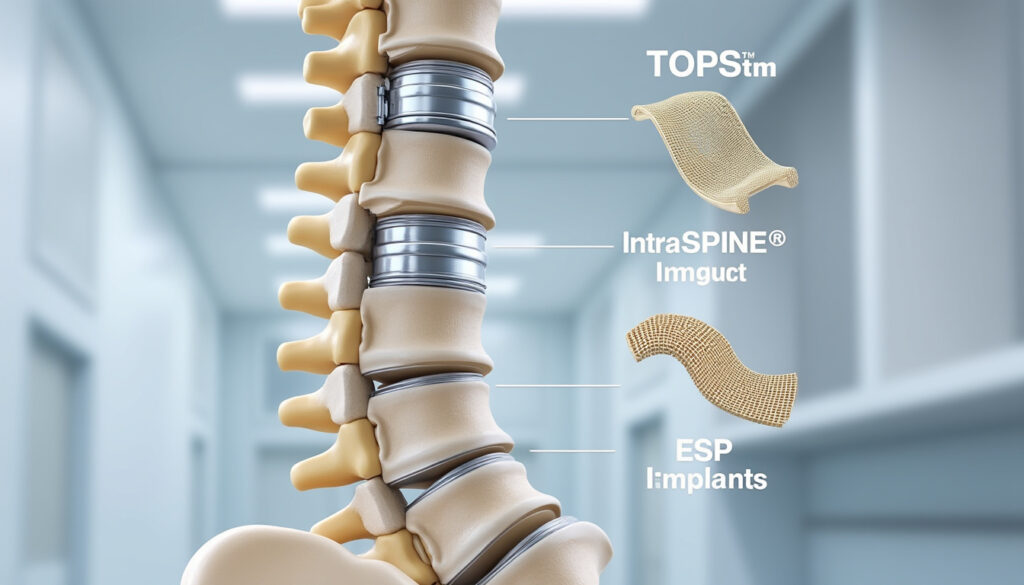
The evolving field of spinal surgery is witnessing a transformative shift, fueled by cutting-edge implant technologies such as TOPS, Intraspine, and ESP. These innovative implants redefine treatment possibilities by emphasizing preservation of natural spinal mechanics, while ensuring durable stabilization and…
The Importance of Multidisciplinary Expert Support in Avoiding Spine Surgery
The integration of logistics and accommodation with expert clinical care fosters a multidisciplinary ecosystem that frequently minimizes surgical indications. Extensive professional experience highlights several core principles underpinning this success:
- Comprehensive and precise evaluation: Leading spine specialists focus on identifying conservative pathways whenever feasible, avoiding premature surgical labeling.
- Customized accommodation and care: Tailoring living environments to patient physical and emotional needs promotes adherence to rehabilitation protocols.
- Implant personalization and safety: Preference for CE and FDA-certified implants ensures quality and traceability, avoiding generic, one-size-fits-all solutions.
- Continuous interdisciplinary follow-up: Therapeutic adjustments supported by collaborative efforts with rehabilitation and neurotherapy teams optimize each patient’s trajectory.
Such an approach is particularly beneficial for international patients where coordinated logistics can overcome systemic delays while preserving mobility. Maintaining uninterrupted conservative care under favorable conditions substantially lowers the requirement for invasive surgeries.
| Common Pitfall | Clinical Consequence | Recommended Approach |
|---|---|---|
| Disrupted conservative treatment | Worsening pathology; increased surgical risk | Ensure sustained treatment adherence and remote monitoring |
| Implant selection without personalization | Persistent pain; loss of mobility | Engage expert implantology consultation |
| Poor logistics coordination | Delays, stress, postoperative complications | Employ dedicated care coordinators like Franchir |
Tableau comparateur : Logistique médicale et hébergement patient
| Caractéristique | Avantage | Exemple |
|---|
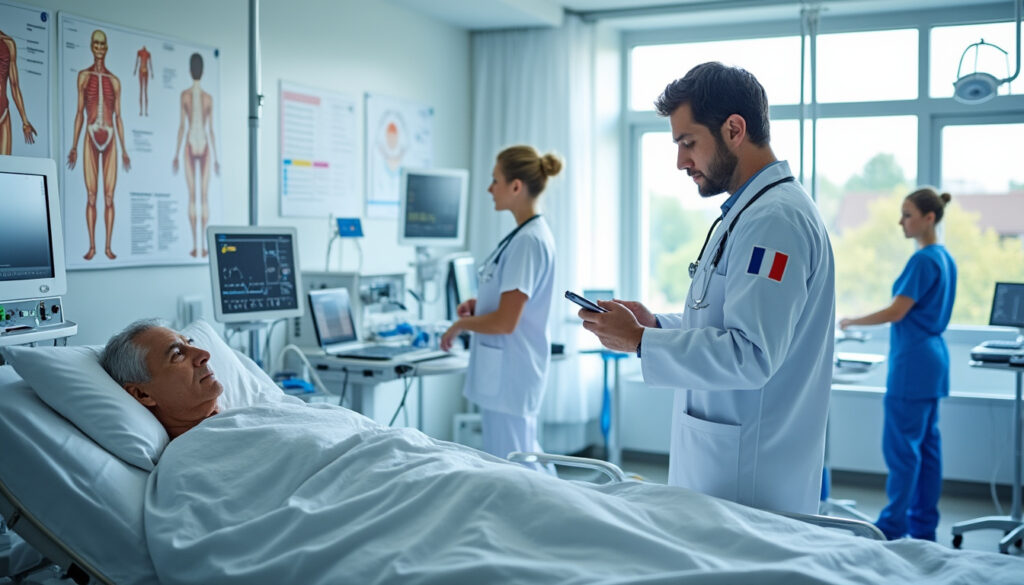
Preparing for Surgery in France: Key Indications, Benefits, and Limitations
In an evolving global healthcare landscape, France emerges as a beacon of advanced surgical expertise, particularly attracting international patients seeking expedited and innovative medical interventions. Patients from regions experiencing long wait times, such as Quebec, increasingly view France as an…
Innovations in Patient Accommodation Services Enhancing Spine Care Experience
Patient accommodation has evolved beyond mere lodging to a comprehensive component of spine healthcare logistics. Innovations by companies such as Airbnb Healthcare Stays and Hilton CleanStay for Healthcare now provide environments equipped with hygiene protocols, flexible stay options, and proximity to healthcare services, contributing to improved patient satisfaction.
Key service innovations include:
- Sanitized accommodation standards: Platforms like Hilton CleanStay for Healthcare ensure environments meet rigorous infection prevention requirements, critical for immune-compromised spinal patients.
- Flexible booking tailored to medical schedules: Services through Airbnb Healthcare Stays allow patients to adjust stays around treatment plans, reducing stress and financial burden.
- Integration with healthcare transportation: Collaborations with Uber Health ensure smooth transit capabilities from accommodation to medical appointments.
- Remote monitoring technology: Some accommodations facilitate telemedicine follow-ups, optimizing logistical efficiency.
Marrying physical comfort with technological integration, these accommodation services enhance conservative management and enable smoother post-surgical recovery processes, thus potentially lowering reoperation rates.
| Service Innovation | Healthcare Benefit | Example Provider |
|---|---|---|
| Strict sanitation protocols | Reduces infection risk | Hilton CleanStay for Healthcare |
| Flexible patient scheduling | Accommodates fluctuating medical needs | Airbnb Healthcare Stays |
| Integrated patient transport | Smooth transit to medical appointments | Uber Health |
| Telemedicine-compatible accommodation | Remote follow-up without travel strain | DHL Medical Express collaboration support |

Unveiling the Hidden Benefits of Quality and Certification in Devices
The landscape of device manufacturing and clinical application in 2026 has been fundamentally shaped by the rigorous interplay between quality management and certification processes. Within this complex framework, the hidden benefits of adhering to international standards and obtaining relevant certifications…
Challenges and Future Directions in Medical Logistics to Prevent Spine Surgery
Despite advances, challenges remain in fully realizing the potential of medical logistics and accommodation to reduce surgical necessity in spine care. These include:
- Complexity of coordination: Synchronizing multiple stakeholders (clinicians, logistic providers, accommodation, and patients), especially across countries, adds layers of complexity.
- Resource limitations: Disparities in access to advanced implants and logistics services affect equitable care delivery.
- Technological integration gaps: Fragmented IT systems hamper real-time communication involving providers like patient logistics platforms and supply chain entities such as Cardinal Health.
- Patient adherence and education: Logistics alone is insufficient without patient understanding and active participation in conservative care pathways.
To address these, healthcare systems and logistics partners must invest in:
- Development of interoperable digital platforms for logistics and care coordination.
- Training logistics professionals with specialized medical and patient care knowledge.
- Expanded partnerships between healthcare providers and accommodation services ensuring seamless patient experiences.
- Enhanced patient education programs supporting self-management and treatment adherence.
By overcoming these obstacles, medical logistics and patient accommodation can take on even larger roles in transforming spinal care towards less invasive, patient-friendly pathways.
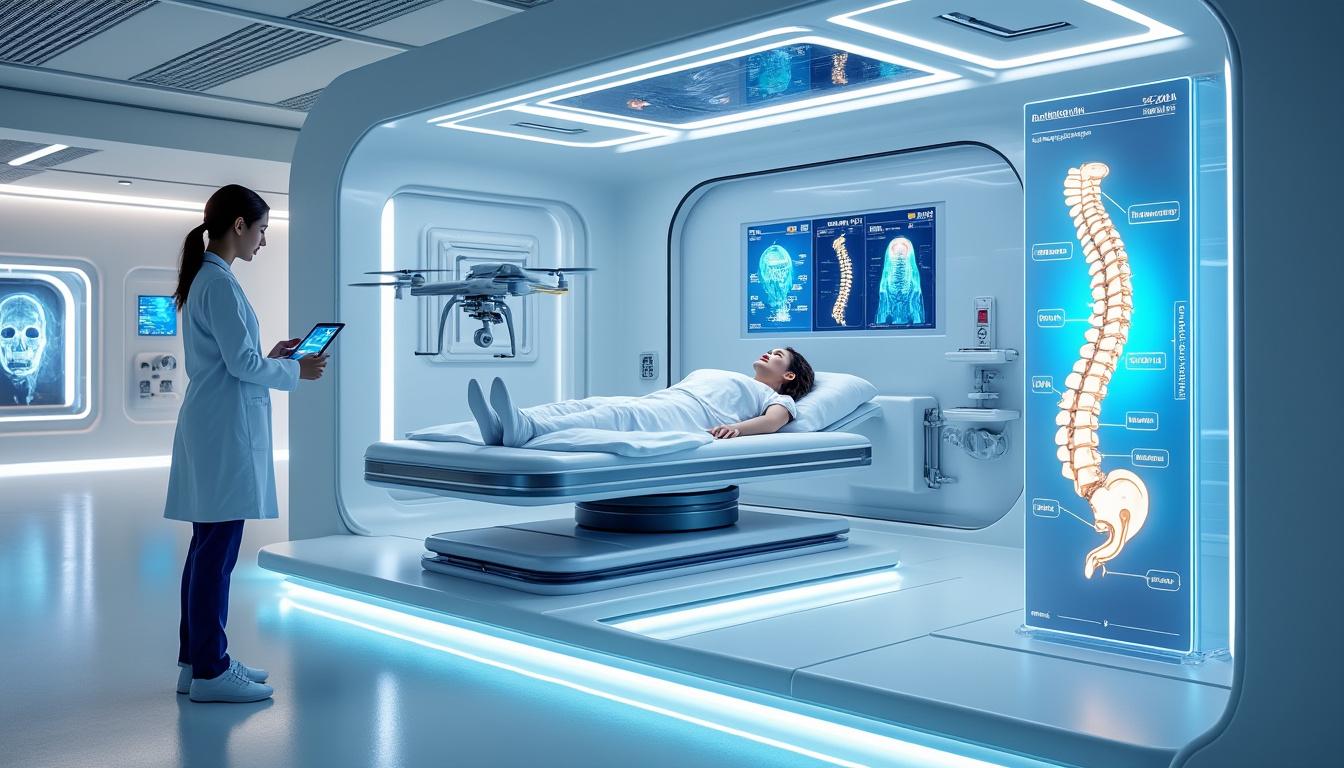
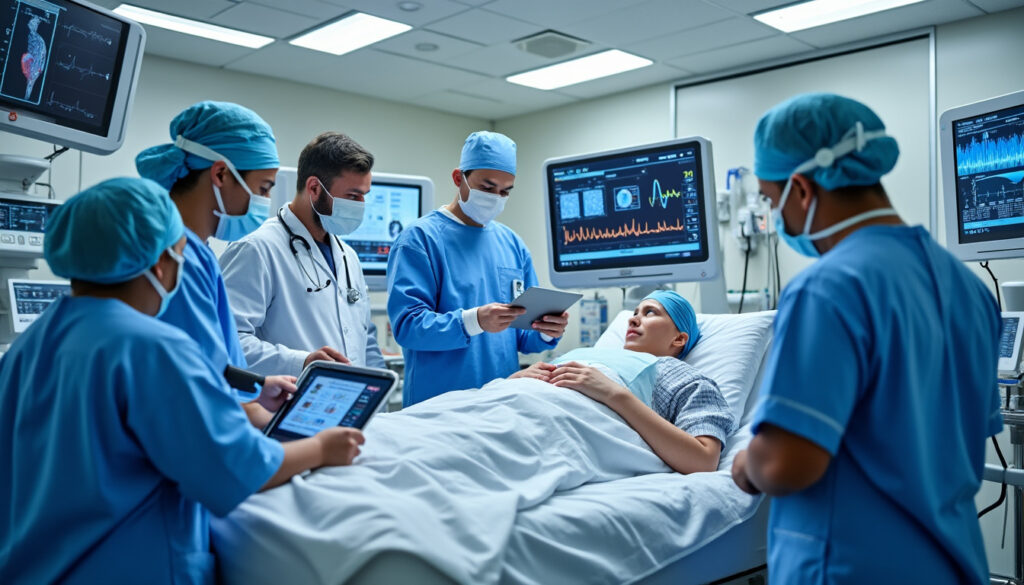
Why Experts Advocate for Comprehensive Preoperative Evaluations
In the complex and demanding field of spinal surgery, the emphasis on comprehensive preoperative evaluations has become a fundamental pillar supporting successful surgical outcomes. These evaluations, far beyond mere routine checks, integrate detailed analyses of patient health, surgical risk assessments,…
Patient-Centered Coordination Models and Their Clinical Impact on Spine Surgery Prevention
Patient-centered coordination models epitomize how integrated logistics and accommodation frameworks can pivot treatment outcomes. These models prioritize seamless communication, individualized scheduling, and environmental harmony tailored to the patient’s clinical and psychosocial needs.
Core features include:
- Transparent appointment systems: Patients receive clear guidance on evaluations, conservative therapies, and surgical alternatives with scheduling flexibility facilitated by coordination platforms.
- Holistic care team involvement: Multidisciplinary teams including surgeons, physiotherapists, neurotherapists, and accommodation coordinators align strategies continuously.
- Risk mitigation through predictive logistics: Anticipating patient challenges to prevent treatment gaps using data-driven tools supported by logistics experts.
- Personalized environment management: Adapting accommodation and transport services to individual progress and preferences, reducing anxiety and fostering compliance.
Evidence indicates these models contribute to:
- Reduced emergency surgery rates;
- Shorter hospital stays;
- Lower postoperative complication incidences;
- Improved overall patient satisfaction and quality of life.
| Model Feature | Beneficial Outcome | Clinical Statistic |
|---|---|---|
| Integrated scheduling | Decrease in delayed procedures | Reduction of hospital stay from 11.5 to 4.4 days (studies) |
| Multidisciplinary team coordination | Improved continuity of care | 90% drop in emergency department boarding time |
| Personalized accommodation adjustments | Enhanced recovery environment | Increased patient satisfaction scores |
What are the benefits of well-organized medical logistics for international patients?
Well-planned medical logistics shortens waiting times, facilitates access to advanced techniques, and enhances comfort through tailored accommodation, often enabling effective conservative treatments that delay or avoid surgery.
How does Hébergement Santé France improve the success of conservative spinal treatments?
Providing accommodations near hospitals with staff trained in spinal pathologies, Hébergement Santé France offers safe, restful environments and personalized oversight essential for patient recovery.
Which innovative spinal implants available in France help preserve mobility?
Implants such as TOPS, Intraspine, and Premia Spine disc prostheses, certified CE and FDA, stabilize the spine while maintaining natural movement, reducing pain, and improving quality of life.
What role does Franchir play in the Franco-Canadian surgical patient journey?
Franchir manages personalized referrals to specialists, travel and accommodation arrangements, and acts as a liaison between patients and medical teams to ensure a smooth, secure treatment process.
Why is post-operative follow-up by Neurothérapie Montréal important?
Neurothérapie Montréal offers continuous support after returning to Canada, optimizing recovery, preventing complications, and tailoring treatment adjustments to evolving patient needs.
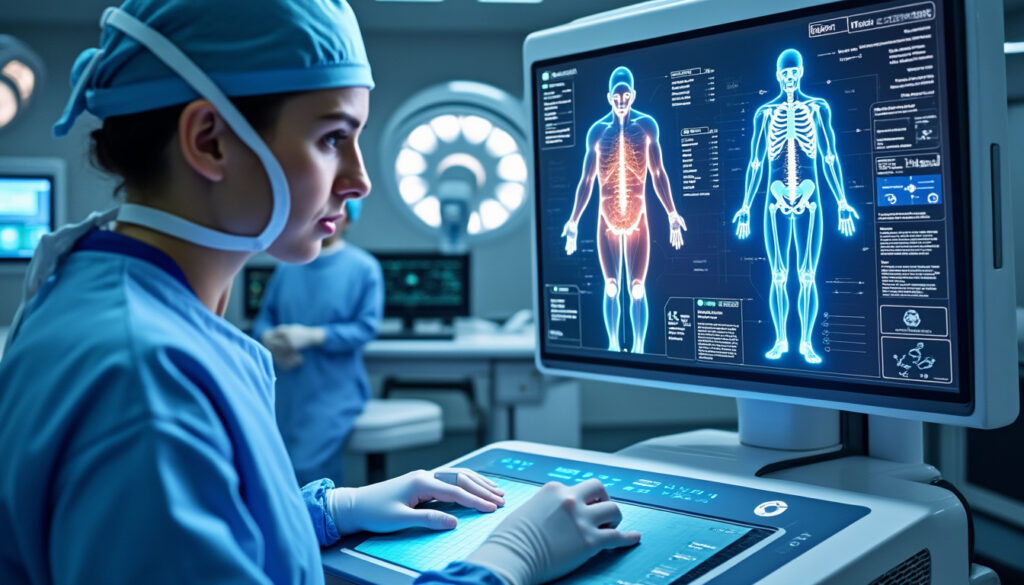
The Future of Surgery Lies in Stepwise Functional Recovery
The evolution of surgical care in 2026 reveals a compelling shift toward approaches that prioritize the holistic recovery of patients, moving beyond traditional metrics like length of hospital stay or mortality rates. This modern paradigm highlights the principle that the…