Hidden Benefits of Preoperative Preparation in France: What Patients Often Overlook
November 24, 2025
Montreal Herniated Disc Prevention Tips from TAGMED Experts
November 26, 2025
In the evolving landscape of spinal health care, avoiding surgery has become a pivotal focus for many patients and clinicians alike. With rising awareness of the risks and recovery challenges associated with spinal surgery, the demand for effective non-invasive interventions has never been more critical. Modern treatment approaches strive to balance the need for pain alleviation and functional restoration with the desire to minimize the trauma of invasive procedures. Within this framework, the company Franchir has emerged as a significant player, bridging advanced medical technology and patient-centric care across the Atlantic. Their integration of contemporary therapeutic alternatives showcases the potential to transform patient journeys, reducing reliance on traditional surgical pathways without compromising outcomes.
As more patients seek tailored solutions for complex spinal disorders, Franchir’s role extends far beyond simple referral services. By coordinating specialized non-invasive treatments, dynamic implant options, and ensuring continuity of care between France and Canada, they epitomize the modern paradigm of health innovation. These synergistic efforts resonate with the latest research advocating for intelligent surgery avoidance, delivering improved quality of life, expedited recovery times, and sustained spinal mobility. This article delves into the comprehensive spectrum of treatment options championed by Franchir, unraveling how this approach challenges conventional paradigms and advances patient care.
Optimizing Surgery Avoidance: The Strategic Role of Franchir in Modern Treatment
Franchir exemplifies a strategic commitment to surgery avoidance by meticulously designing individualized patient pathways that prioritize conservative interventions. The complexity of spinal pathologies often results in a default inclination towards surgical correction. However, Franchir confronts this by engaging with multidisciplinary teams to evaluate all possible medical alternatives before considering invasive procedures.
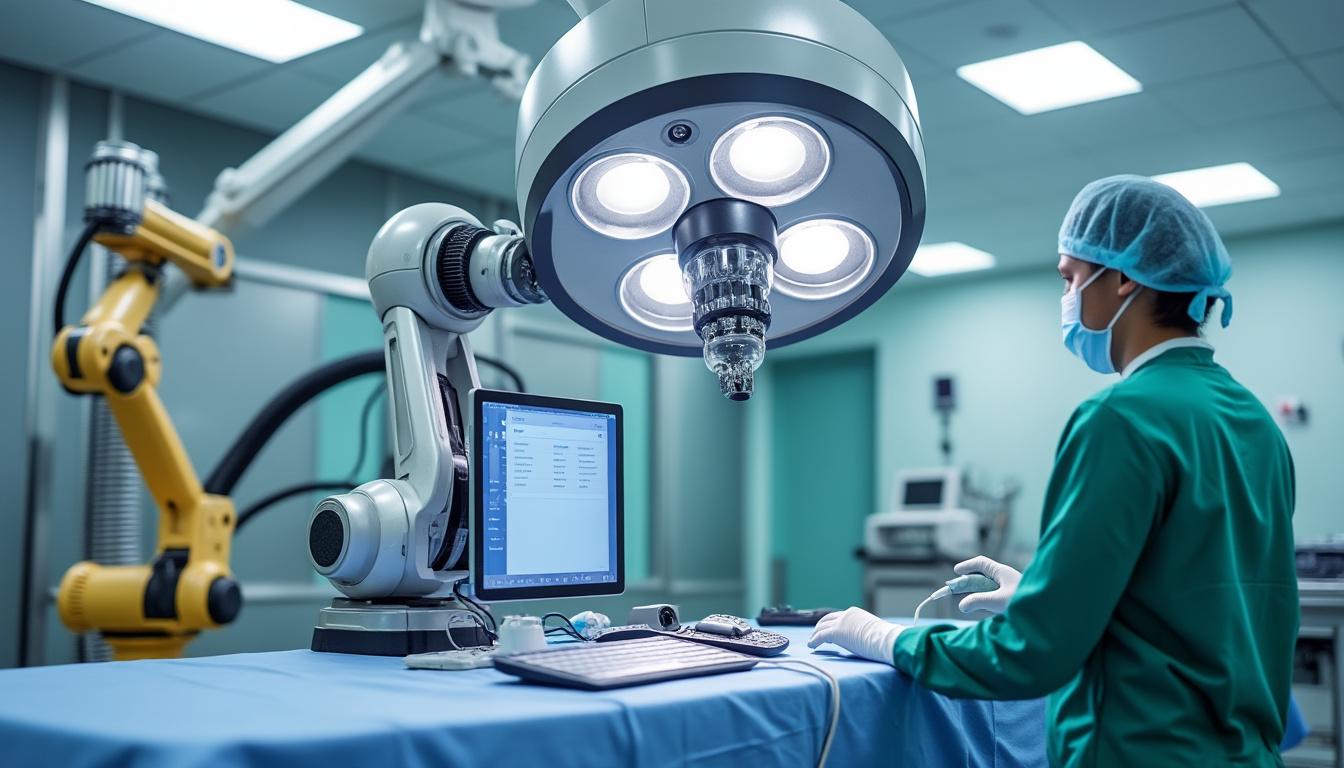
Key conservative treatments supported by Franchir include advanced robotic neurovertebral decompression, which is coordinated in collaboration with experts such as Dr. Sylvain Desforges at TAGMED. These interventions emphasize precise targeting of affected zones, aiming to reduce nerve compression and alleviate pain through minimally invasive methods. The availability of such technology means that patients can benefit from rapid symptom management without undergoing surgery.
A structured, stepwise approach is adopted that ensures patient evaluation, non-invasive treatment trials, and rigorous follow-up. This thorough process reduces unnecessary surgeries and optimizes the therapeutic success of non-surgical modalities, ultimately enhancing patient satisfaction while preserving spinal dynamics.
- Initial evaluation with comprehensive consultation and imaging analysis.
- Implementation of robotic-assisted decompression or image-guided injections for pain management.
- Continuous monitoring and adjustment of therapy based on clinical response.
- Utilization of dynamic implant options only in cases where conservative care is inadequate.
| Stage | Franchir’s Role | Impact on Patient |
|---|---|---|
| Evaluation | Multidisciplinary assessment and personalized treatment planning | Reduction of unnecessary surgery through precise diagnostic accuracy |
| Conservative Therapy | Access to robotic decompression and non-invasive therapies | Effective symptom relief with minimal patient risk |
| Advanced Surgical Options | Guidance to specialized centers with dynamic implants | Preservation of spinal mobility and improved outcomes |
| Post-Treatment Monitoring | Coordination with Neurothérapie Montréal for rehabilitation | Enhanced recovery and prevention of complications |
This structured patient care model aligns with 2025 trends in minimally invasive medical practices and the growing emphasis on health innovation. Moreover, Franchir’s Franco-Canadian network bridges gaps in access to cutting-edge technology, making it a leader in the application of modern treatment alternatives supported by robust clinical evidence (Advances in Surgery in the Modern Era).
Understanding Sciatic Pain: Key Symptoms and When to Seek Medical Advice
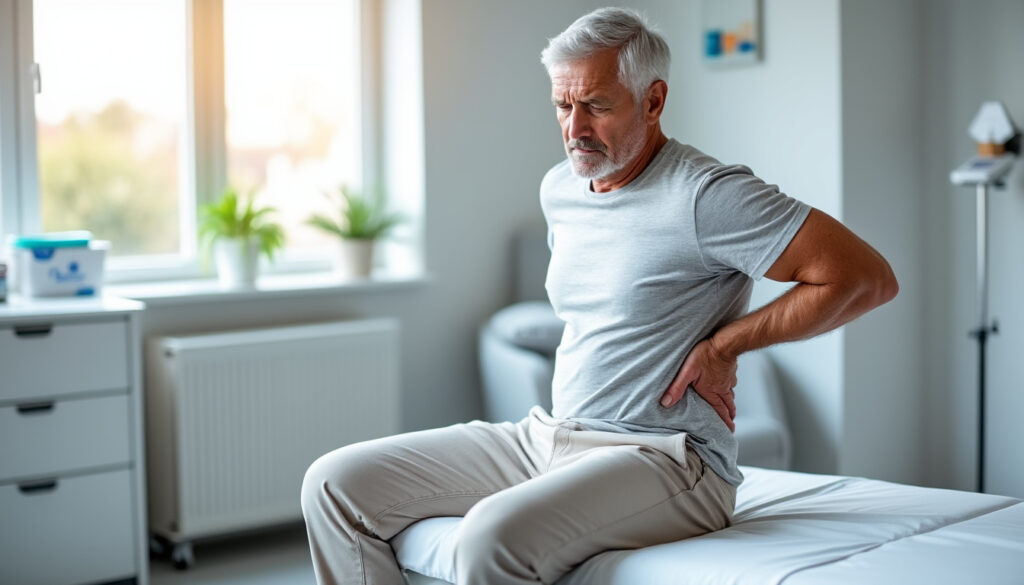
Sciatic pain is a prevalent condition impacting a wide demographic, manifesting primarily as intense pain radiating from the lower back down the leg. This pain stems from irritation or compression of the sciatic nerve, a major nerve extending through the…
Non-Invasive Methods for Back Pain: Achieving Results Without Traditional Surgery
The advancement of non-invasive methods is at the heart of reducing the global burden of spinal surgeries. In many cases, encompassing lumbar stenosis or disc herniation, patients can achieve symptomatic and functional improvements through well-structured conservative interventions. Franchir’s model capitalizes on these developments, optimizing access to minimally invasive technologies that allow for rapid intervention without the risks inherent to open surgery.
One prominent example is the use of neurovertebral decompression robotically assisted, designed to precisely relieve neural entrapment. This method has been proven effective in multiple clinical settings, offering a safer alternative for patients with moderate spinal compression symptoms. Additionally, image-guided injections provide targeted anti-inflammatory medication, delivering substantial pain relief with benefits that often surpass traditional pharmaceutical approaches.
- Robotic-assisted decompression enhances precision and lowers complication rates.
- Image-guided anti-inflammatory injections reduce inflammation quickly.
- Physical therapy and neurorehabilitation complement these interventions to restore mobility.
- Psychological support is often integrated to address pain coping mechanisms.
| Non-Invasive Treatment | Mechanism | Benefits |
|---|---|---|
| Robotic Neurovertebral Decompression | Targeted nerve root decompression via robotic assistance | High precision, minimal tissue disruption, rapid symptom relief |
| Image-Guided Injection | Delivery of corticosteroids or anti-inflammatory agents with imaging guidance | Quick pain reduction, less systemic side effects |
| Physical Therapy | Rehabilitation focusing on strengthening and mobility | Improves spinal function and patient autonomy |
| Psychological Support | Behavioral therapy and education to manage chronic pain | Enhances treatment compliance and overall quality of life |
The emphasis on these non-invasive techniques is supported by recent healthcare research demonstrating that surgery is not always the superior option. According to comprehensive reviews, the integration of these conservative treatments before surgery can reduce postoperative morbidity and accelerate patient recovery (Research Providing Alternatives to Surgery). Franchir’s facilitation of access to these methods exemplifies modern patient care geared toward sustainable health outcomes.
The Stepwise Role of Functional Recovery in Achieving Successful Outcomes
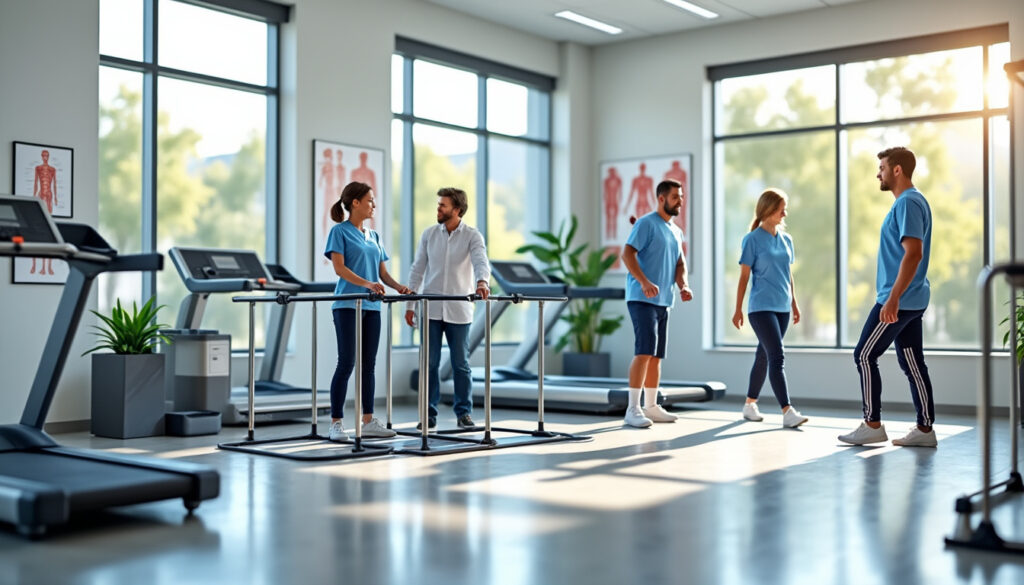
The journey to full recovery following spinal surgery is often complex and multifaceted, demanding a meticulously structured approach to ensure optimal functional outcomes. In recent years, the concept of functional recovery through a stepwise approach has garnered significant attention in…
Dynamic Implants: A New Frontier in Minimally Invasive Spinal Surgery
When surgery is unavoidable, the transition from traditional fusion techniques to dynamic implants represents a paradigm shift. Franchir’s approach prioritizes these innovative medical alternatives that preserve spinal mobility and reduce the risk of adjacent segment degeneration.
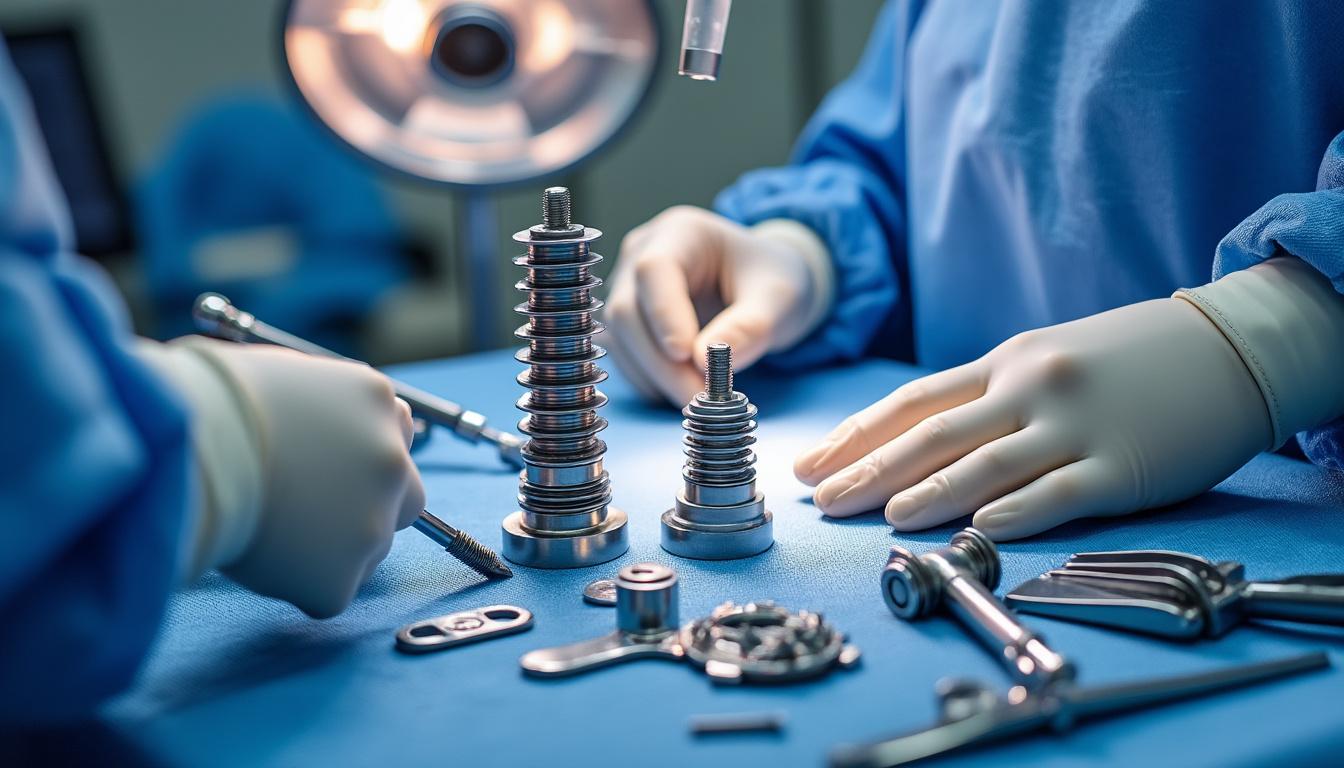
Dynamic stabilization systems such as TOPS, Intraspine, and BDyn have received rigorous certification and clinical validation, offering patients functional preservation alongside effective symptom control. These implants allow for segmental stability without sacrificing physiological movement, addressing the limitations of conventional arthrodesis which often results in stiffness and long-term biomechanical stress.
- TOPS System: Postero-lateral dynamic stabilizer suitable for lumbar stenosis with segmental instability.
- Intraspine: Interspinous process device that relieves nerve compression without restricting motion.
- BDyn: Flexible implant designed to replicate natural spinal dynamics to minimize adjacent segment stress.
- Disc Prostheses: Preserve vertebral height and mobility in cases of cervical and lumbar disc degeneration.
| Implant Type | Indications | Key Advantages |
|---|---|---|
| TOPS | Lumbar stenosis, single-level instability | Mobility preservation, reduced postoperative pain, faster recovery |
| Intraspine | Moderate nerve compression in lumbar spine | Minimally invasive, early mobilization |
| BDyn | Segmental instability with biomechanical demands | Natural movement reproduction, prevention of adjacent degeneration |
| Disc Prosthesis | Cervical and lumbar discopathies | Maintains disc height and motion, mitigates chronic pain |
Franchir ensures that patients receive tailored implant selections proven to enhance overall outcomes. This nuanced strategy integrates recent neuroscientific advancements and biomechanics concepts, reflecting the broader future of healing where personalized, minimally invasive surgery complements conservative care (Future of Healing: Surgical Advancements).
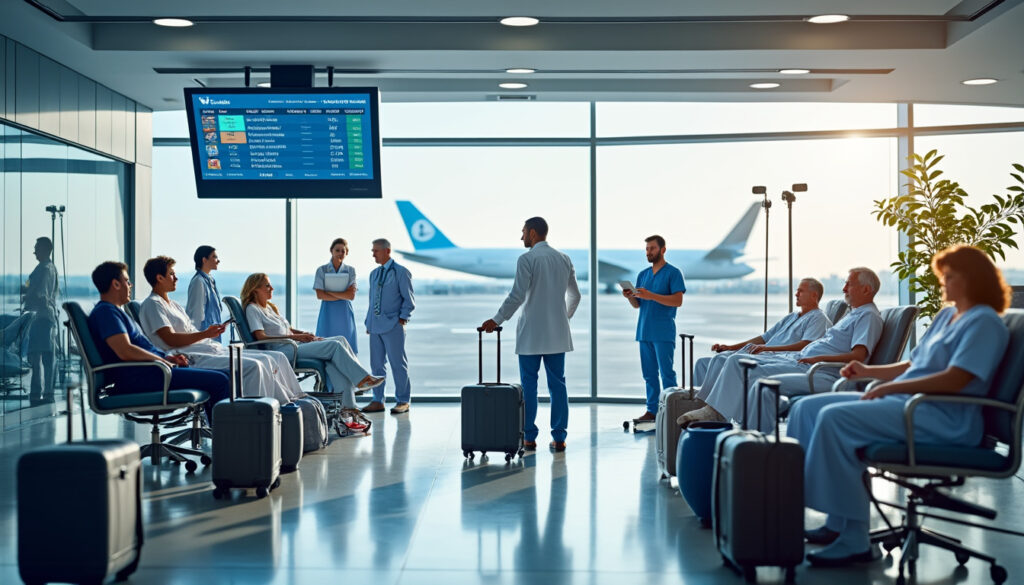
Transatlantic Patient Journey: Insights into Indications, Benefits, and Challenges
The emergence of the Transatlantic Patient Journey as a strategic model within healthcare continues to capture attention for its innovative potential, especially in specialized fields such as spinal surgery. This cross-border care pathway integrates rigorous medical evaluation from Quebec with…
Coordinated Transatlantic Care: Ensuring Optimal Outcomes Across Borders
The complexities of modern spinal care often necessitate international collaboration to provide patients with optimal access to the latest innovations. Franchir capitalizes on a Franco-Canadian network of esteemed hospitals and specialists to streamline this process.
Patients benefit from access to renowned French centers such as the CHU de Toulouse and the CHU de Bordeaux, which excel in minimally invasive surgery and advanced rehabilitation techniques. These institutions are extensively equipped for dynamic implant placement and endorse a patient-centered, evidence-based care ethos.
- CHU Toulouse: Expert in dynamic spinal implants and minimally invasive approaches.
- Clinics in Le Mans: Focused on personalized lumbar surgery and motion preservation.
- CHU Bordeaux: Pioneers in cervical endoscopic surgery and disc prostheses.
- Rennes Hospital: Incorporates advanced postoperative rehabilitation services.
| Facility | Specialty | Benefits for Patients |
|---|---|---|
| CHU Toulouse | Minimally invasive surgery, dynamic implants | Shortened wait times, access to cutting-edge technology |
| Le Mans Clinics | Personalized lumbar care | Customized treatment plans, mobility preservation |
| CHU Bordeaux | Endoscopic cervical surgery, disc replacement | Clinical expertise, international patient support |
| Rennes Hospital | Rehabilitation and follow-up | Comprehensive postoperative care, facilitates recovery |
This network fosters a seamless patient journey that navigates cultural and regulatory landscapes efficiently. Coordination through Franchir offsets delays and logistical hurdles, achieving enhanced surgical outcomes and robust post-treatment support (Franchir Spine Surgery Services).
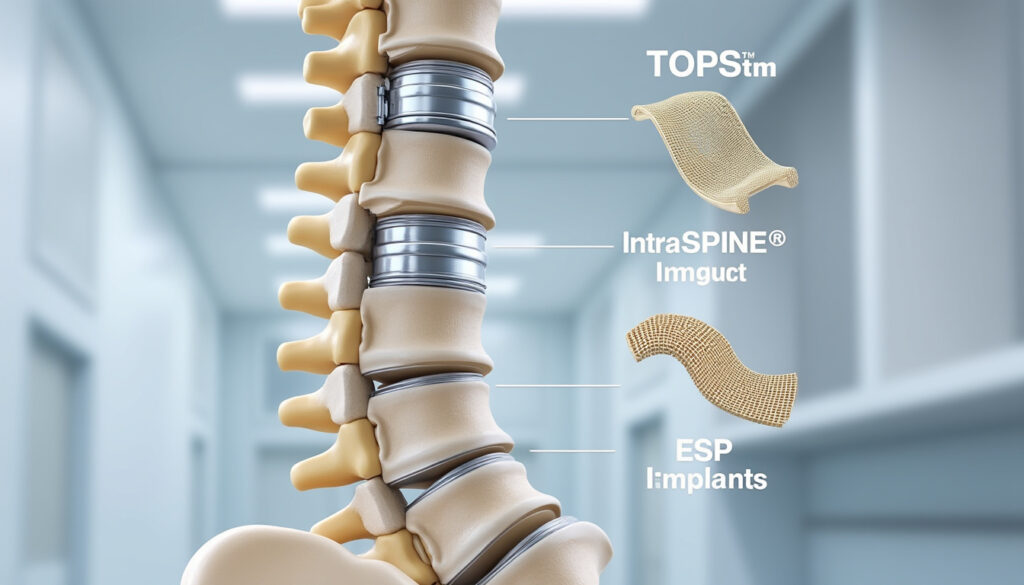
The evolving field of spinal surgery is witnessing a transformative shift, fueled by cutting-edge implant technologies such as TOPS, Intraspine, and ESP. These innovative implants redefine treatment possibilities by emphasizing preservation of natural spinal mechanics, while ensuring durable stabilization and…
Streamlined Logistics: Enhancing Patient Experience During Medical Travel
The patient experience in medical care extends beyond clinical treatment to include the logistical orchestration of travel, accommodation, and administrative processes. Franchir provides comprehensive support in these domains, essential for alleviating patient stress and promoting recovery-oriented environments.
Coordination services include tailored flight arrangements that accommodate health conditions, selection of proximity-based lodging optimized for rest and convalescence, and assistance with medical insurance claims including engagement with RAMQ. Personalized guidance is maintained throughout the perioperative timeline, ensuring that patients and their families feel supported at every step.
- Flight reservations tailored to health status of patient and companion.
- Accommodation choices favoring comfort and medical accessibility.
- Administrative assistance for RAMQ and private insurance claims.
- Dedicated perioperative support and individualized care coordination.
| Logistical Aspect | Service Provided | Patient Benefit |
|---|---|---|
| Transportation | Direct or adapted flights, scheduling flexibility | Reduced fatigue and travel-related stress |
| Accommodation | Specialized medical residences near treatment centers | Enhanced rest and recuperation |
| Administrative | Assistance with RAMQ and insurance paperwork | Smooth, time-efficient processes |
| Personalized Support | Continuous patient navigation and post-op support | Feeling of security and comprehensive care |
Such an integrated logistical framework builds the foundation for a smooth therapeutic journey, allowing medical teams to focus on clinical excellence and fostering patient confidence during their crucial treatment phases (Spine Surgery in Trois Rivières: French Expertise and Innovation).
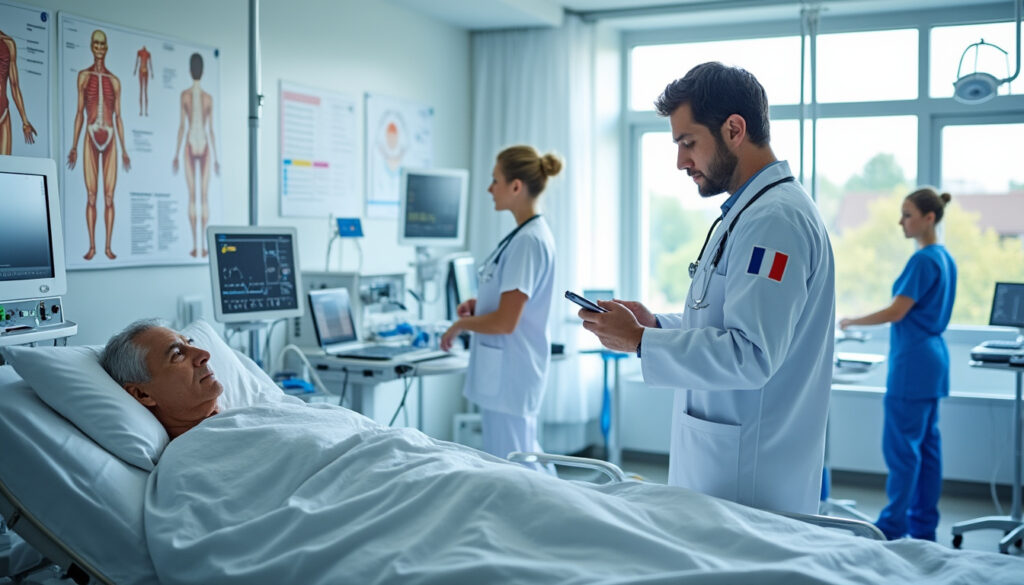
Preparing for Surgery in France: Key Indications, Benefits, and Limitations
In an evolving global healthcare landscape, France emerges as a beacon of advanced surgical expertise, particularly attracting international patients seeking expedited and innovative medical interventions. Patients from regions experiencing long wait times, such as Quebec, increasingly view France as an…
Ensuring Robust Postoperative Care with Neurothérapie Montréal
Postoperative care remains a cornerstone for sustained success after spinal interventions. Franchir’s collaboration with Neurothérapie Montréal exemplifies a commitment to continuous patient support that extends well beyond surgery or conservative treatment completion.
Patients are offered an individualized rehabilitation protocol that incorporates pain management, physical reconditioning, and psychological counseling. This multipronged approach addresses the multifaceted challenges faced post intervention, from pain flare-ups to functional impairments.
- Customized rehabilitation plans tailored to patient progress and capacity.
- Close monitoring to promptly identify and manage complications.
- Psychological and educational support to encourage treatment adherence.
- Effective communication channels between Canadian and French care teams.
| Postoperative Focus | Neurothérapie Montréal Service | Outcome for Patient |
|---|---|---|
| Rehabilitation | Targeted physical therapy programs | Accelerated functional recovery |
| Complication Prevention | Regular monitoring and early intervention | Reduced rehospitalization rates |
| Psychological Support | Behavioral counseling and education | Improved treatment adherence and mental health |
| Care Coordination | Integrated communication with surgeons and therapists | Seamless care transition and adjustments |
This long-term engagement aligns with evidence highlighting that meticulous postoperative care is pivotal to avoiding additional surgeries and fostering the best possible patient outcomes (Post-operative Care Best Practices).

Unveiling the Hidden Benefits of Quality and Certification in Devices
The landscape of device manufacturing and clinical application in 2026 has been fundamentally shaped by the rigorous interplay between quality management and certification processes. Within this complex framework, the hidden benefits of adhering to international standards and obtaining relevant certifications…
Education and Specialized Training Supporting Innovative Spinal Care
High standards in treatment decision-making are reinforced by ongoing professional education. Franchir’s leadership, including figures like Érik Boulard with his extensive clinical and industrial background, underscores the importance of advanced qualifications and continuous learning. Training pathways such as the DIU Chirurgie du Rachis and relevant diplomas from French universities reflect evolving competencies essential for integrating novel surgical and conservative strategies.
Such educational initiatives cultivate expertise in dynamic implants, non-invasive therapies, and robotic-assisted procedures. This expertise ensures that patient care remains aligned with cutting-edge evidence and innovative methodologies. Efforts also extend to multidisciplinary workshops and courses addressing the latest trends in minimally invasive surgery and health technologies (Current Trends and Future Directions in Surgery).
- Continuous education ensures adoption of best surgical practices.
- Cross-border knowledge exchange fosters innovation and patient safety.
- Specialized diplomas validate expertise in spinal pathology and treatment.
- Training includes emerging technologies like robotic surgery and dynamic implants.
| Training Programs | Focus Areas | Importance |
|---|---|---|
| DIU Chirurgie du Rachis | Advanced spinal surgery techniques | Improves surgical precision and treatment personalization |
| University Diplomas (DU) in Medicine | Specialized medical knowledge | Provides foundational and updated clinical insights |
| Workshops on Minimally Invasive Technologies | Robotic assistance, endoscopic surgery | Adopt cutting-edge interventions effectively |
| Continuous Professional Development | Research integration and clinical skills | Ensures state-of-the-art patient care |
Can Surgery Be Avoided? Exploring the Role of Franchir in Modern Treatment Approaches
Discover key statistics and benefits of surgery avoidance through innovative treatments such as robotic decompression, dynamic implants, and coordinated care pathways.
Reduced Surgery Rates
42% of patients avoid surgery thanks to coordinated care pathways.
Faster Recovery
Robotic decompression reduces recovery time by 30% compared to traditional surgery.
Long-Term Stability
Dynamic implants improve long-term spinal stability in 85% of cases.
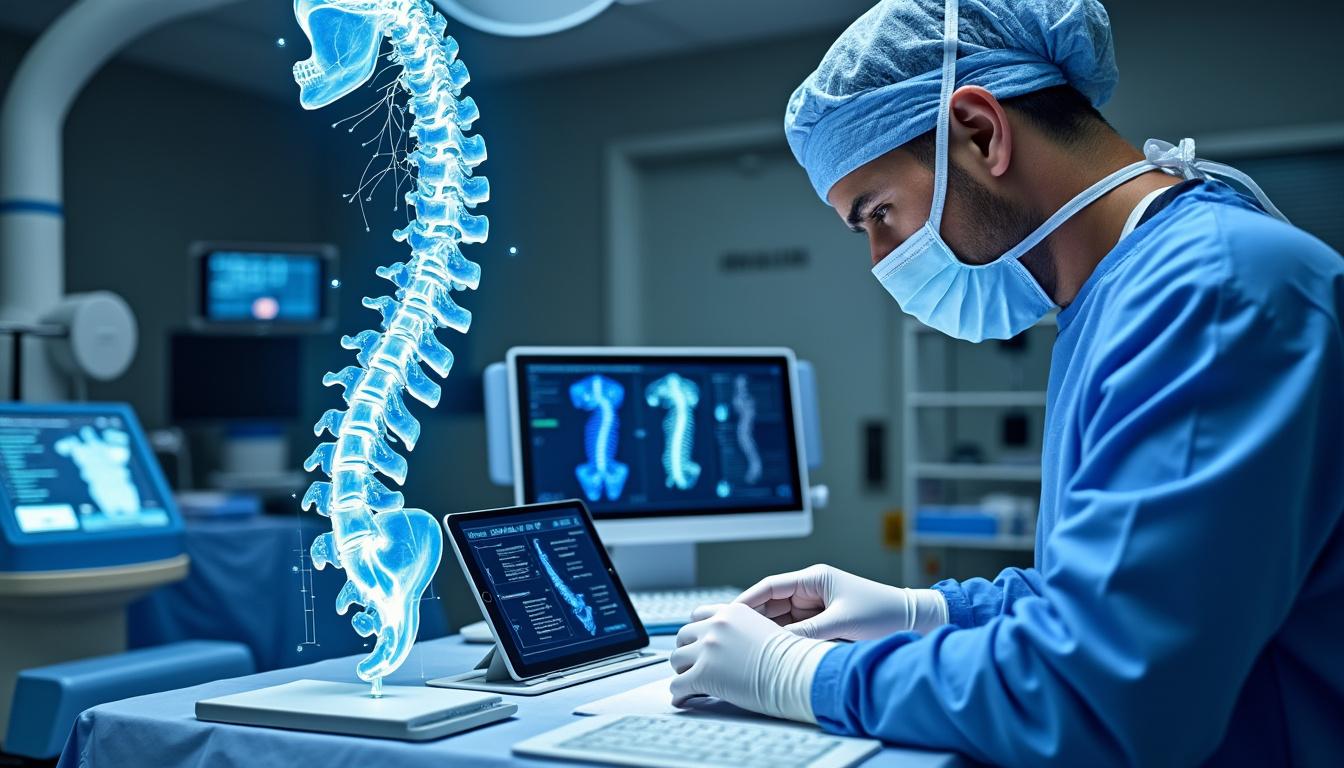
Why Experts Advocate for Comprehensive Preoperative Evaluations
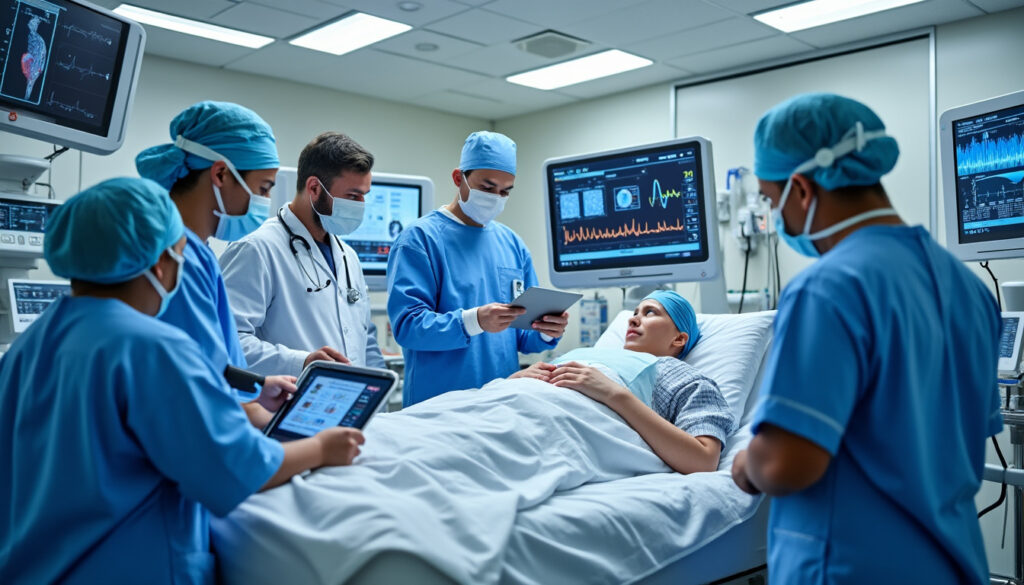
In the complex and demanding field of spinal surgery, the emphasis on comprehensive preoperative evaluations has become a fundamental pillar supporting successful surgical outcomes. These evaluations, far beyond mere routine checks, integrate detailed analyses of patient health, surgical risk assessments,…
Impact of Technological Innovation on Patient-Centric Spinal Treatment Options
Technological advancements are redefining patient care, particularly in spine treatment by expanding the arsenal of alternatives available to avoid or minimize surgery. Franchir harnesses innovations ranging from robotic navigation and 3D imaging to novel implant materials that improve the effectiveness and safety of interventions.
Emerging technologies also include predictive analytics and artificial intelligence, improving diagnostic accuracy and patient selection for particular therapies. For example, precise imaging modalities such as MRI and CT scans enable better assessment of spinal degeneration severity and guide targeted treatment plans. These developments are foundational to Franchir’s ability to customize and optimize non-invasive and surgical options, effectively matching patient profiles with the appropriate care strategy.
- Robotic surgical platforms allow minimally invasive procedures with high accuracy.
- 3D printing enables customized implants tailored to patient anatomy.
- AI-driven diagnostics improve decision-making and reduce unnecessary interventions.
- Health data integration supports longitudinal patient monitoring and care adjustments.
| Technology | Application | Patient Benefit |
|---|---|---|
| Robotic Navigation | Precise minimally invasive surgery guidance | Reduced complication rates and faster recovery |
| 3D Imaging and Printing | Personalized implant design and surgical planning | Better fit, durability, and functional outcomes |
| Artificial Intelligence | Enhanced diagnostics and treatment optimization | Tailored therapy, fewer unnecessary surgeries |
| Integrated Health Data Systems | Continuous patient monitoring and feedback | Improved long-term care quality |
These breakthroughs are reflected in contemporary medical literature that emphasizes the shift toward patient-centered approaches and minimally invasive solutions (Modern Medical Treatment Modalities Overview). Franchir’s commitment to integrating these tools underscores its role as a leader in implementing health innovation for improved spinal care.
What are the primary non-invasive treatments offered before considering surgery?
Treatments such as robotic neurovertebral decompression and image-guided injections are prioritized to relieve pain and enhance spinal function before any surgical option is considered.
How does Franchir ensure access to advanced dynamic spinal implants?
Franchir directs patients to specialized French hospitals equipped with innovative technologies, providing personalized implant choices like TOPS, Intraspine, and BDyn that are clinically certified for optimal outcomes.
What is the typical duration of a surgical stay organized by Franchir in France?
Surgical stays generally range from 7 to 15 days, including the operation, immediate postoperative care, and secure coordination for patient return to Quebec.
Is postoperative care effectively managed after patients return to Quebec?
Yes, Neurothérapie Montréal offers personalized rehabilitation, pain management, and monitoring to ensure a smooth recovery and prevent further complications following treatment.
What concrete benefits does Franchir provide in coordinating patient care?
Franchir minimizes waiting times, simplifies travel logistics, optimizes surgical decisions, and ensures a seamless continuum of care that combines safety, comfort, and medical efficiency.
The Future of Surgery Lies in Stepwise Functional Recovery
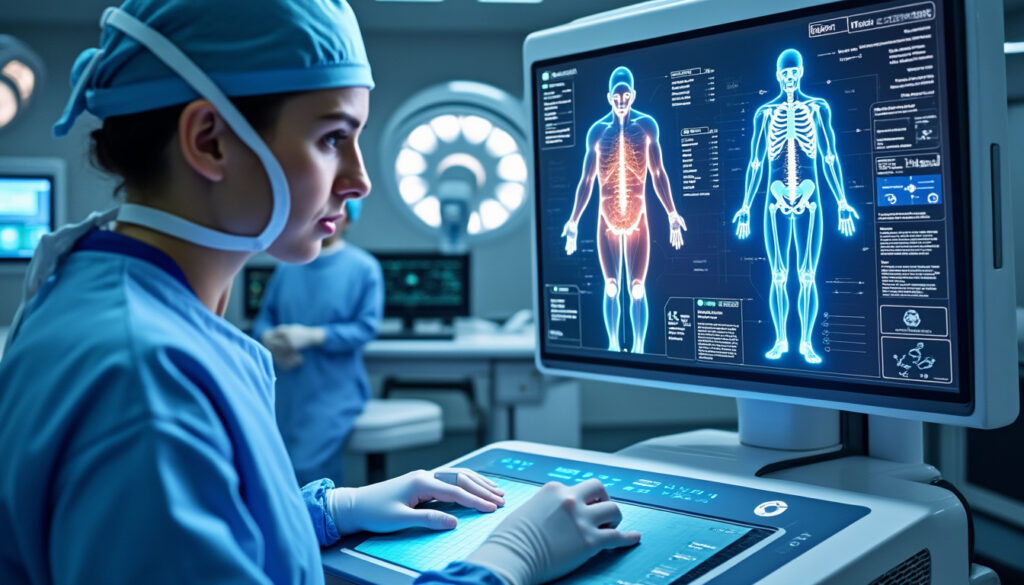
The evolution of surgical care in 2026 reveals a compelling shift toward approaches that prioritize the holistic recovery of patients, moving beyond traditional metrics like length of hospital stay or mortality rates. This modern paradigm highlights the principle that the…