
Patient Recovery Stories: At the Heart of the Care Journey
June 28, 2026
Cervical Disc Prosthesis in Quebec: A Highly Specialized Procedure
June 29, 2026
In the intricate landscape of Quebec healthcare, medical referrals serve as a critical pathway for patients requiring specialized interventions. Yet, navigating this referral process often unveils numerous challenges, from referral delays to communication barriers, complicating an already complex healthcare system. As patients seek timely access to specialists amidst overwhelming wait times and insurance coverage complexities, understanding common pitfalls becomes essential. The increasing trend of medical orientation beyond provincial borders, especially towards centers of excellence internationally, underscores the urgency to optimize patient navigation and avoid unnecessary obstacles.
Healthcare providers and patients alike must grapple with systemic inefficiencies and personal hurdles that affect the quality and timeliness of care. This article explores the multifaceted challenges embedded in referrals from Quebec, offering detailed insights into how to prevent errors that may compromise patient outcomes. Highlighting expert coordination efforts and innovative solutions, it aims to equip stakeholders with practical knowledge to streamline specialist access, minimize delays, and overcome communication gaps inherent in the referral process within the Quebec healthcare framework.
Understanding the Quebec Referral Process and Its Impact on Specialist Access
Medical referrals within Quebec primarily function through a centralized system known as the Centre de répartition des demandes de services (CRDS). This mechanism is designed to triage referral requests from family physicians, directing patients towards appropriate specialists based on clinical urgency and availability. While the CRDS intends to streamline access, it inherently introduces complexities that can lead to significant referral delays. Patients often face extended waiting periods, sometimes up to a year, particularly for specialties such as spinal surgery or mental health services.
One fundamental pitfall in navigating this system lies in the lack of clarity regarding referral slip validity — typically considered active for 12 months. However, if patients do not monitor these deadlines closely, the referral can expire, forcing a restart of the process and further delaying care. Additionally, insurance coverage nuances may impact the ability to seek second medical opinions or private consultations outside this framework, creating challenges in ensuring timely and affordable access across the healthcare system.
For instance, there exists variability in the provincial coverage of second medical opinions, which in Quebec, often hinges on the family doctor’s endorsement. Understanding the presence and appointment rules of systems like CRDS is crucial for patients to navigate this indirectly and to advocate for expedited specialist access when conditions warrant it. Patient education on these procedural details — as outlined in guides on provincial coverage for second opinions — directly influences successful referral outcomes.
Therefore, mastering the referral pathways, knowing the timelines, and directly communicating with healthcare providers become indispensable. Initiatives by organizations such as the Fédération des médecins spécialistes du Québec help clarify the roles of various stakeholders in this referral cascade, ultimately aiming to unblock bottlenecks and reduce patient frustration.

Understanding Sciatic Pain: Key Symptoms and When to Seek Medical Advice
Sciatic pain is a prevalent condition impacting a wide demographic, manifesting primarily as intense pain radiating from the lower back down the leg. This pain stems from irritation or compression of the sciatic nerve, a major nerve extending through the…
Common Pitfalls in Initial Evaluation and Referral Submission
A comprehensive and accurate initial medical evaluation is paramount to avoid delays and misdirection in the referral process. One common mistake occurs when family physicians submit incomplete or insufficient clinical information or fail to perform adequate assessments before requesting specialist consultations. This can result in referrals receiving low priority or, worse, rejection by specialist services due to lack of critical data.
Specialist clinics in Quebec expect referrals with thorough documentation including detailed histories, precise symptom descriptions, and relevant imaging reports (MRI, CT scans, etc.). A lack of integration during this evaluation phase, where diagnostic imaging is not reviewed holistically alongside clinical findings, frequently leads to referrals being routed incorrectly or delayed.
Moreover, some patients may inadvertently bypass important preliminary steps, such as consultations with mental health professionals or neurologists, which can be prerequisites for surgical or specialized care. This omission causes fragmentation in care and reduces the ability of the healthcare system to prioritize cases efficiently.
Educational resources emphasizing the importance of well-prepared referral submissions can help combat these pitfalls. Collaborative multidisciplinary evaluations, like those expertly coordinated in partnerships between Quebec specialists and international centers, highlight the value of integrated assessments to prevent diagnostic errors that would otherwise extend wait times and increase patient distress.
The significance of clear, uninterrupted patient-provider communication at this stage cannot be overstated. Miscommunication or insufficient explanation regarding referral reasons and clinical urgency often leave patients unaware of procedural delays or alternative options, compounding their anxiety and disengagement from the referral process.
Examples of effective referral preparations include:
- Pre-referral comprehensive neurofunctional assessments for spinal pathologies.
- Detailed symptom questionnaires to enhance clinical prioritization.
- Complete imaging documentation submitted digitally to reduce processing time.
- Early collaboration with multidisciplinary teams to coordinate care pathways.

The Stepwise Role of Functional Recovery in Achieving Successful Outcomes
The journey to full recovery following spinal surgery is often complex and multifaceted, demanding a meticulously structured approach to ensure optimal functional outcomes. In recent years, the concept of functional recovery through a stepwise approach has garnered significant attention in…
Critical Importance of Post-Referral Coordination and Follow-Up Management
After a referral is accepted, the journey towards specialized care demands meticulous coordination to ensure continuity and minimize referral delays. Inadequate follow-up remains a pervasive issue. Patients sometimes miss appointments, lose referral slips, or fail to understand the necessity of certain tests or preparatory steps, which further extends waiting periods.
Systematic follow-up mechanisms, including patient navigators or case managers, play an essential role in guiding patients through each stage of the referral and treatment process. In Quebec, specialized coordinators like Marcel Mazaltarim at Neurothérapie Montréal exemplify this approach by managing logistics and communication between Quebec patients and international surgical centers, significantly reducing risks related to fragmented care.
Post-referral management also involves logistical support such as travel arrangements, accommodations, and liaison with overseas specialists when patients seek care in medical centers of excellence outside Quebec, particularly in France. These logistical elements can profoundly influence outcomes by ensuring patients adhere to preoperative evaluations and promptly attend postoperative follow-ups, thus preventing complications and readmissions.
Failing to maintain such comprehensive follow-up often results in medical errors or deterioration in patient condition due to delayed interventions or missed critical assessment windows. Digital health platforms integrated with provincial systems offer promising solutions through automated reminders and real-time status updates, enhancing patient compliance and awareness throughout the referral journey.


Transatlantic Patient Journey: Insights into Indications, Benefits, and Challenges
The emergence of the Transatlantic Patient Journey as a strategic model within healthcare continues to capture attention for its innovative potential, especially in specialized fields such as spinal surgery. This cross-border care pathway integrates rigorous medical evaluation from Quebec with…
Overcoming Communication Barriers to Facilitate Effective Patient Navigation
Communication barriers between patients and healthcare providers constitute a significant challenge in the referral process. Complex medical jargon, administrative intricacies, and cultural differences can obstruct clear understanding and hinder patient navigation within the Quebec healthcare system.
An assertive, empathetic communication strategy led by a dedicated contact person reduces patient anxiety and prevents misinformation. For example, patients are less likely to miss referral deadlines or misinterpret instructions when thorough explanations clarify what documents to provide, what the specialist consultation entails, and realistic expectations regarding wait times and outcomes.
Moreover, multilingual support services and culturally sensitive liaison personnel address specific needs within Quebec’s diverse patient demographic, optimizing engagement and adherence to referral advice. This approach also mitigates common pitfalls related to assumption-driven judgments, where healthcare providers may inadvertently overlook unique patient circumstances affecting referral success.
Successful communication frameworks rely on transparent, consistent updates during all referral stages, promoting patient empowerment and active participation in their healthcare journey. Online portals and secure messaging platforms increasingly serve as effective tools to bridge gaps between medical teams and patients.
Incorporating structured communication pathways, including pre-referral consultations and post-appointment debriefings, can substantially improve trust and minimize errors caused by misaligned expectations or incomplete information.
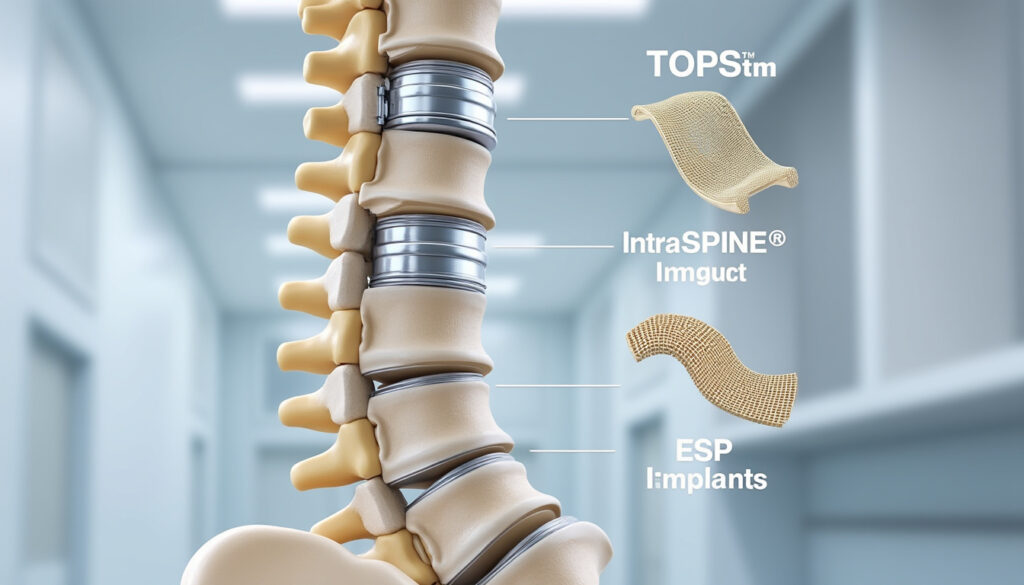
The evolving field of spinal surgery is witnessing a transformative shift, fueled by cutting-edge implant technologies such as TOPS, Intraspine, and ESP. These innovative implants redefine treatment possibilities by emphasizing preservation of natural spinal mechanics, while ensuring durable stabilization and…
Choosing the Right Specialist: Leveraging International Networks to Avoid Referral Mistakes
A crucial yet often overlooked aspect of medially navigating referrals from Quebec is the selection of the appropriate specialist. Quebec’s healthcare system, despite its strengths, occasionally faces issues of saturation and uneven specialist distribution, contributing to referral delays and sometimes suboptimal care.
Patients navigating this system benefit significantly from access to an international network of experts, especially in disciplines requiring highly specialized interventions such as spinal surgery. Networks coordinated through organizations like SOS Tourisme Médical enable patients to access cutting-edge surgical techniques and experienced surgeons in countries like France, which offers advanced options including dynamic stabilization devices and minimally invasive robotic-assisted procedures.
Such international orientation requires thorough eligibility evaluation, including detailed assessment of the pathology and patient general health, ensuring that the selected procedure aligns with evidence-based indications and minimizes risks. Present-day tools such as 3D imaging and robotic navigation platforms improve surgical accuracy and lead to better outcomes.
Failing to choose the right specialist—or inadvertently selecting one without appropriate expertise—can have significant consequences, including ineffective treatment, longer recovery, or the need for repeat surgery. Therefore, patients and referring physicians should consider quality indicators, certification standards, and patient feedback when making referral decisions.
Collaboration between Quebec coordinators and European medical institutions exemplifies a successful model of care integration, reducing referral errors and enhancing patient confidence through personalized, expert-guided specialist selection.

Preparing for Surgery in France: Key Indications, Benefits, and Limitations
In an evolving global healthcare landscape, France emerges as a beacon of advanced surgical expertise, particularly attracting international patients seeking expedited and innovative medical interventions. Patients from regions experiencing long wait times, such as Quebec, increasingly view France as an…
Practical Recommendations to Prevent Referral Delays and Errors
Navigating medical referrals without falling into common pitfalls requires strategic preparation and ongoing vigilance. The following list encapsulates critical actions patients and healthcare providers should adopt to optimize their chances for successful, timely referrals:
- Ensure complete and updated medical documentation including imaging reports, lab results, and detailed symptom descriptions.
- Maintain consistent and open communication with all involved healthcare personnel to clarify expectations and procedural steps.
- Monitor referral validity deadlines to avoid expiration and unintended delays.
- Engage patient navigators or coordinators who specialize in managing complex referrals and logistics, particularly for international care.
- Assess eligibility and suitability rigorously before choosing specialists or surgical options.
- Prepare psychologically and logistically for appointments, travel, and postoperative care requirements to ensure adherence to treatment plans.
Health systems and policymakers should also invest in technological solutions such as integrated referral tracking software and more inclusive coverage policies to reduce systemic delays and communication obstacles. Patients empowered by knowledge and support networks are less likely to face compounded frustrations common to Quebec’s referral process.
Common Pitfalls to Avoid When Navigating Medical Referrals from Quebec
Interact with the steps below to understand key common mistakes and how to optimize your medical referral process.
Click on a step to learn more
Detailed description and common pitfalls will appear here.
${step.title}
${step.commonPitfall}
`;// On click, show detailed info in details container btn.addEventListener(“click”, () => { detailTitleEl.textContent = step.title; detailTextEl.textContent = step.description + ” Common Pitfall: ” + step.commonPitfall; // Update aria-expanded for accessibility document.querySelectorAll(“#infographic button”).forEach(b => b.setAttribute(“aria-expanded”, “false”)); btn.setAttribute(“aria-expanded”, “true”); // Move focus to details for screen reader users detailTitleEl.focus(); });return btn; }// Populate infographic for (const step of steps) { const card = createStepCard(step); infographicEl.appendChild(card); }
Unveiling the Hidden Benefits of Quality and Certification in Devices
The landscape of device manufacturing and clinical application in 2026 has been fundamentally shaped by the rigorous interplay between quality management and certification processes. Within this complex framework, the hidden benefits of adhering to international standards and obtaining relevant certifications…
Key Indicators for Success in the Quebec Medical Referral Journey
| Stage of Referral Process | Indicators of Effective Management | Potential Pitfalls |
|---|---|---|
| Initial Evaluation | Complete clinical data collection; detailed imaging review; multidisciplinary consultation | Incomplete assessments; fragmented clinical data; lack of patient education |
| Referral Submission | Accurate, updated referral forms; inclusion of pertinent medical history and tests | Missing documentation; unclear referral reasons; failure to prioritize cases |
| Follow-Up Management | Regular contact with patients; appointment reminders; logistics coordination | Missed appointments; gaps in communication; lost referral slips |
| Specialist Selection | Validated eligibility; matching physician expertise with patient needs; international networking | Inadequate specialist choice; overcrowding of local clinics; absence of innovative options |

Why Experts Advocate for Comprehensive Preoperative Evaluations
In the complex and demanding field of spinal surgery, the emphasis on comprehensive preoperative evaluations has become a fundamental pillar supporting successful surgical outcomes. These evaluations, far beyond mere routine checks, integrate detailed analyses of patient health, surgical risk assessments,…
Strategies to Navigate Insurance Coverage and Healthcare System Complexities
Patients navigating medical referrals in Quebec often confront not only clinical challenges but also the complexities of healthcare financing and insurance coverage. Public health insurance covers many referral consultations, but access to second opinions or out-of-province treatments may involve additional approvals or out-of-pocket costs. Complex insurance policies can serve as hidden barriers that inadvertently increase referral delays and limit specialist access.
Understanding the precise coverage terms, as elaborated in resources like the Canadian Guide to Provincial Coverage for Second Medical Opinions, enables patients to strategically plan their referrals and explore alternatives when necessary. Additionally, private insurance or supplemental plans sometimes allow expedited care pathways or access to broader specialist networks, a crucial advantage for patients requiring urgent interventions.
Patients are advised to engage with insurance advisors early in their referral process to clarify coverage scope and avoid unexpected denial of service. Healthcare providers also play an educational role in guiding patients to comprehend their rights and available options within the insurance framework.
Moreover, advocacy for policy reforms aimed at minimizing financial obstacles could further streamline the referral process and promote equity in specialist access across Quebec’s healthcare system.

The Future of Surgery Lies in Stepwise Functional Recovery
The evolution of surgical care in 2026 reveals a compelling shift toward approaches that prioritize the holistic recovery of patients, moving beyond traditional metrics like length of hospital stay or mortality rates. This modern paradigm highlights the principle that the…
Emerging Technologies and Their Role in Enhancing Referral Efficiency
The integration of emerging medical technologies and digital platforms into the Quebec referral process offers promising solutions to many historical pitfalls. Technologies such as 3D imaging, robotic navigation in spinal surgeries, and telemedicine consultations enhance both the accuracy of diagnosis and the efficiency of referral management.
For example, robotic-assisted surgeries carried out in partnership with European centers enable minimally invasive interventions with reduced recovery times, demonstrating the value of international medical orientation when integrated with local care coordination. Advanced imaging allows for precise identification of pathology and informs better specialist matching.
Telehealth platforms reduce barriers by facilitating remote consultations, second opinions, and follow-up care, which is particularly advantageous given geographic challenges within Quebec. They also permit real-time updates and shared access to medical records, bridging communication gaps and ensuring all stakeholders remain informed.
These tools underline the potential to transform patient navigation by reducing referral delays, eliminating unnecessary duplication of tests, and enhancing patient satisfaction. Adoption of such innovations, alongside traditional referral procedures, shapes a more resilient and responsive healthcare system equipped for 2026 and beyond.

What criteria determine if I am a good candidate for spine surgery in France?
Eligibility depends on a thorough evaluation that considers the pathology, general health status, and any contraindications. Professionals conduct detailed assessments based on imaging, questionnaires, and specialist consultations to ensure suitability.
What documents do I need to provide to start the medical referral process?
It is crucial to submit all relevant imaging studies (MRI, CT scans, X-rays), a comprehensive medical history, and results of additional tests. A complete and up-to-date file allows for precise evaluation by referral coordinators.
How is post-surgery follow-up managed after treatment abroad?
Personalized support resumes locally, involving regular neurofunctional assessments, tailored rehabilitation protocols using cutting-edge technologies, and continuous communication with international medical teams to monitor recovery.
What advantages does the international network offer to Quebec patients?
Access to a pool of over 20 specialized surgeons, advanced surgical techniques, a reduction in waiting times, and higher quality of care reduces risks linked to prolonged local healthcare system waitlists.
How can medical referral errors be prevented during the process?
Relying on expert coordinators, collaborating with trusted partners like SOS Tourisme Médical, following administrative and clinical steps meticulously, and maintaining transparent communication significantly reduce common mistakes.