Insights from Studies Comparing Spinal Care Practices Between France and Quebec
June 30, 2026
Minimally Invasive Surgery in Longueuil: Reduce Post-Surgical Pain
June 30, 2026
Post-Laminectomy Syndrome remains a challenging consequence following spinal surgery, where patients encounter persistent or recurring pain despite undergoing procedures aimed at relieving discomfort. This syndrome, often marked by chronic pain and mobility challenges, influences thousands of patients annually, significantly impacting their quality of life and recovery journeys. With advances in both surgical techniques and post-operative care emerging in recent years, comprehensive prevention strategies are vital to reduce the incidence and severity of this condition. The integration of innovative therapies, rigorous follow-up protocols, and multidisciplinary collaboration provides new hope for patients striving for a successful recovery after spinal surgery.
Recent clinical insights, coupled with patient experiences, reveal the complexity of Post-Laminectomy Syndrome and emphasize the necessity for early intervention. Techniques like repetitive transcranial magnetic stimulation (rTMS) and the use of advanced neurostimulation devices are gaining traction as effective means to modulate pain and foster neural plasticity. Furthermore, international partnerships between specialized clinics and healthcare organizations ensure patients access cutting-edge treatments seamlessly, particularly for those undergoing spinal surgery in renowned centers abroad. These efforts underscore the evolving landscape in managing post-operative spinal complications, marrying expert knowledge with patient-centered care to enhance surgical outcomes.
Understanding Post-Laminectomy Syndrome: Mechanisms and Clinical Manifestations
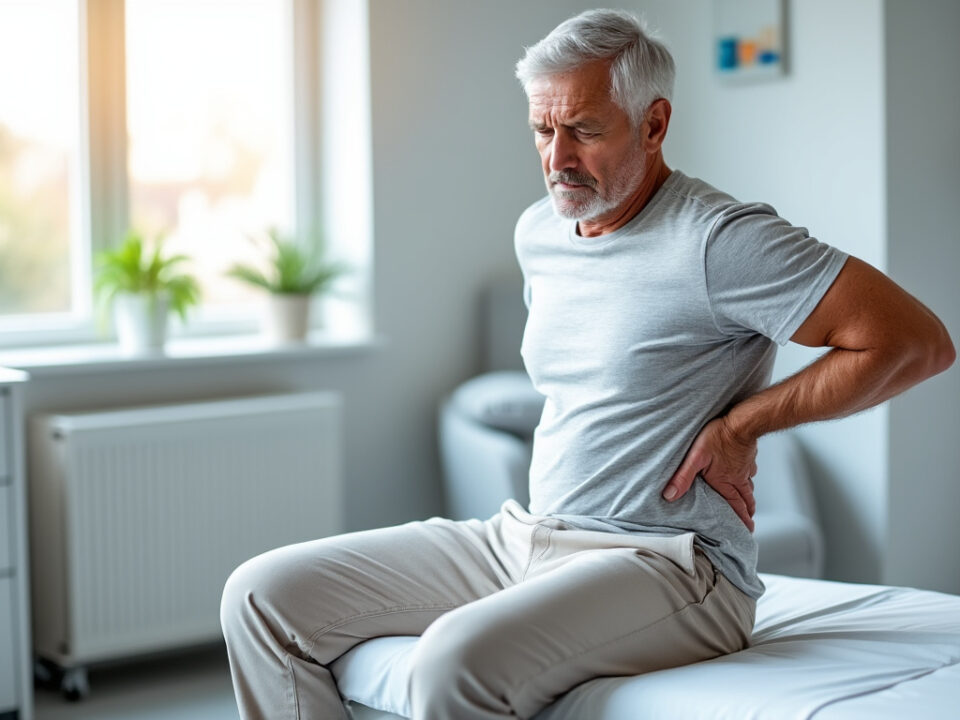
Post-Laminectomy Syndrome, sometimes referred to as Failed Back Surgery Syndrome, describes the persistence of pain and functional impairment following spinal procedures such as laminectomy, discectomy, or spinal fusion. This syndrome manifests through a broad spectrum of symptoms ranging from axial spinal pain to neuropathic pain radiating into the extremities. Chronic pain remains the hallmark characteristic, frequently accompanied by numbness, weakness, or mobility restrictions. Patients often report fluctuating pain patterns, with episodes that can exacerbate without apparent cause, complicating diagnosis and management.
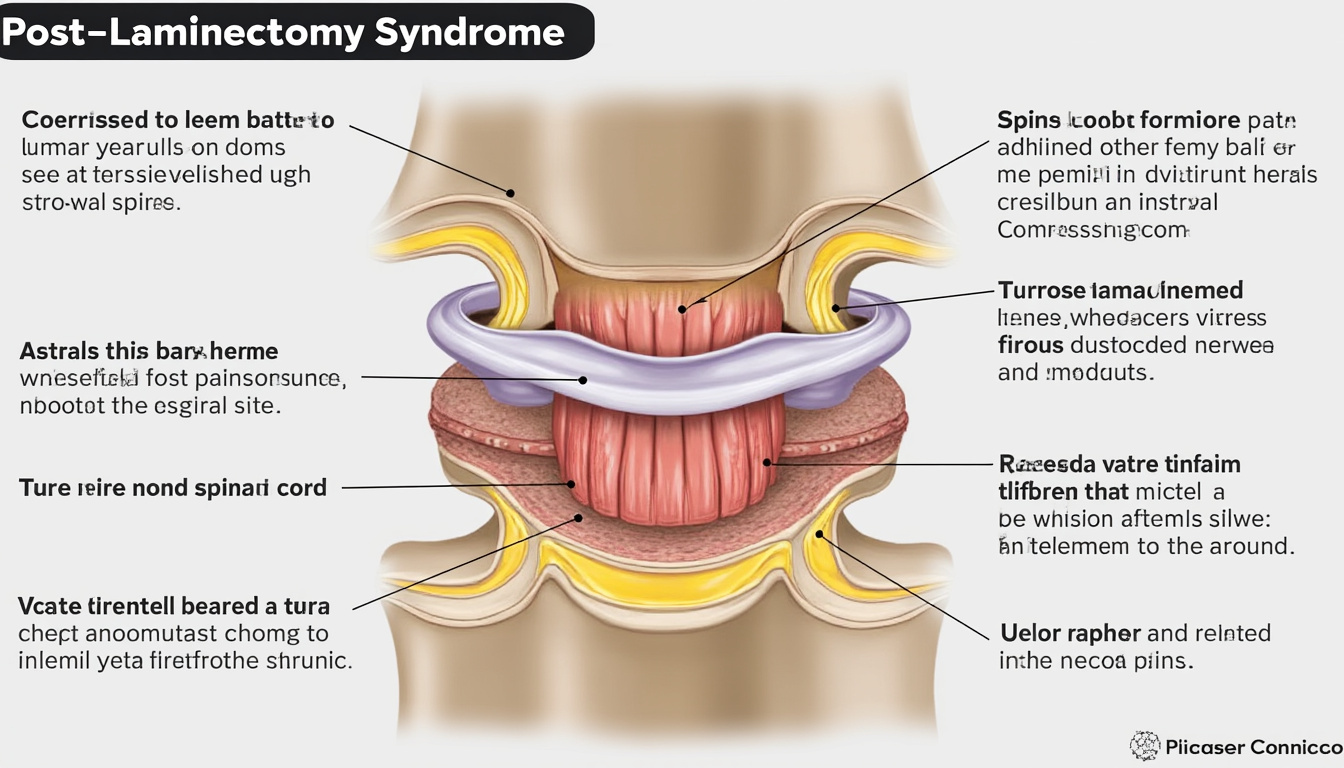
The underlying pathophysiology involves several factors. Surgical interventions, while aiming to decompress neural elements, may lead to scar tissue formation (epidural fibrosis) around nerve roots, effectively compressing them and causing ongoing neuropathic pain. Mechanical instability post-surgery, incomplete decompression, or recurrent disc herniation also contribute to symptom persistence. Neurological complications such as sensory and motor deficits can further impair recovery.
Modern diagnostic techniques, including advanced MRI and neurofunctional evaluations, allow clinicians to identify the causes of post-laminectomy pain with greater precision. For instance, scar tissue-induced nerve irritation appears frequently on imaging studies, guiding targeted interventions. Patient factors such as preoperative psychological conditions, comorbidities, and adherence to post-operative rehabilitation also influence outcomes. Recognizing these mechanisms enables the design of tailored prevention and treatment strategies, thus reducing the incidence of chronic pain after spinal surgery.
Understanding the multifaceted manifestations of Post-Laminectomy Syndrome clarifies why pain management and rehabilitation must be individualized and dynamic, adapting to the evolving clinical picture.
Understanding Sciatic Pain: Key Symptoms and When to Seek Medical Advice
Sciatic pain is a prevalent condition impacting a wide demographic, manifesting primarily as intense pain radiating from the lower back down the leg. This pain stems from irritation or compression of the sciatic nerve, a major nerve extending through the…

The Stepwise Role of Functional Recovery in Achieving Successful Outcomes
The journey to full recovery following spinal surgery is often complex and multifaceted, demanding a meticulously structured approach to ensure optimal functional outcomes. In recent years, the concept of functional recovery through a stepwise approach has garnered significant attention in…
Preoperative Assessment and Patient Preparation to Minimize Post-Laminectomy Syndrome Risks
The foundation of minimizing Post-Laminectomy Syndrome lies in meticulous preoperative assessment and patient preparation. Comprehensive evaluation of spinal pathology through imaging and neurofunctional studies provides a clear surgical roadmap, reducing unintended tissue injury and optimizing anatomical correction. Surgeons increasingly rely on tools such as 3D imaging and robotic navigation platforms to enhance precision, which has shown to improve surgical outcomes and reduce complications.
Psychological screening and education also play crucial roles. Chronic pain post-surgery is often intertwined with psychological distress, including anxiety and depression. Identifying these conditions early facilitates integrated care involving mental health professionals, improving treatment adherence and pain perception post-operation. Preoperative education enhances patients’ understanding of surgical benefits and limitations, setting realistic expectations and promoting active participation in rehabilitation.
Furthermore, some emerging protocols advocate for the use of preventive neuromodulation such as repetitive transcranial magnetic stimulation (rTMS) before surgery. Administered as part of a neurophysiological priming process, rTMS may prepare the nervous system to better manage nociceptive signals post-intervention. This approach, pioneered in specialized centers like Neurothérapie Montréal, reflects the trend towards combining surgical and non-surgical modalities for holistic care.
Selection of surgical candidates with optimized health parameters, including control of diabetes and smoking cessation, is vital. These measures enhance healing and reduce the risk of infection or delayed recovery, which can perpetuate pain syndromes. Lastly, multidisciplinary discussions involving surgeons, anesthesiologists, physical therapists, and pain specialists ensure a comprehensive plan tailored to each patient’s unique anatomy and clinical profile.
Key steps to preoperative patient preparation:
- Detailed spinal imaging with 3D reconstructions and robotic planning
- Psychological evaluation to address anxiety or depression
- Patient education regarding surgical goals and realistic outcomes
- Implementation of prehabilitation including physical conditioning
- Use of rTMS as neuromodulatory priming where applicable
- Management of comorbidities and lifestyle optimization prior to surgery
These measures help mitigate the risk factors associated with Post-Laminectomy Syndrome, paving the way for improved surgical success and recovery trajectories.

Transatlantic Patient Journey: Insights into Indications, Benefits, and Challenges
The emergence of the Transatlantic Patient Journey as a strategic model within healthcare continues to capture attention for its innovative potential, especially in specialized fields such as spinal surgery. This cross-border care pathway integrates rigorous medical evaluation from Quebec with…
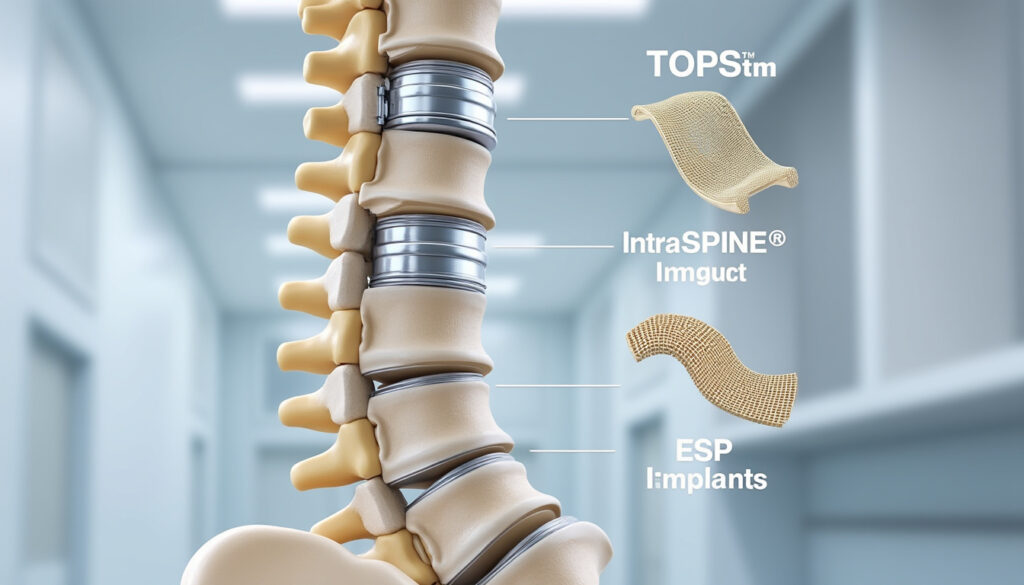
The evolving field of spinal surgery is witnessing a transformative shift, fueled by cutting-edge implant technologies such as TOPS, Intraspine, and ESP. These innovative implants redefine treatment possibilities by emphasizing preservation of natural spinal mechanics, while ensuring durable stabilization and…
Advanced Surgical Techniques Enhancing Outcomes and Reducing Chronic Pain
Technological advances continue to revolutionize spinal surgery, directly impacting the rates of Post-Laminectomy Syndrome. Minimally invasive approaches, including endoscopic spine surgery, offer reduced tissue disruption, limited blood loss, and faster recovery times. Techniques such as the IntraSPINE dynamic stabilization prosthesis exemplify innovations aimed at preserving motion and alleviating mechanical stress post-surgery.
The adoption of robotic-assisted navigation systems facilitates precise placement of implants and decompression with minimal collateral damage. This precision is critical in avoiding nerve root irritation or injury, which are known contributors to chronic pain development. Surgeons at leading centers implement these tools as standard care, backed by growing clinical evidence demonstrating improved outcomes and lower complication rates.
In spine fusion procedures, innovations in biomaterials and 3D-printed implants allow for better osseous integration and biomechanical stability. These enhance long-term spinal function and reduce micro-movements that may trigger pain. Furthermore, intraoperative neurophysiological monitoring provides real-time feedback on nerve integrity, ensuring prompt intervention if nerve compromise occurs.
A careful surgical approach, coupled with advanced technologies, thereby minimizes the risk of Post-Laminectomy Syndrome by addressing key anatomical and neurophysiological factors during the procedure itself.
| Type of Spinal Surgery | Average Recovery Time | Therapeutic Goals | Role of rTMS and Advanced Technologies |
|---|---|---|---|
| Simple Decompression | 4-8 weeks | Pain Relief and Early Mobility | Post-op rTMS for pain modulation and emotional support |
| Motion-Preserving Surgery (No Fusion) | 8-12 weeks | Neuroplasticity Enhancement and Mobility Maintenance | Motor neurostimulation complementing physical rehab |
| Spinal Fusion (Arthrodesis) | 12-20 weeks | Bone Consolidation and Chronic Pain Control | Psychological support and chronic pain mitigation |
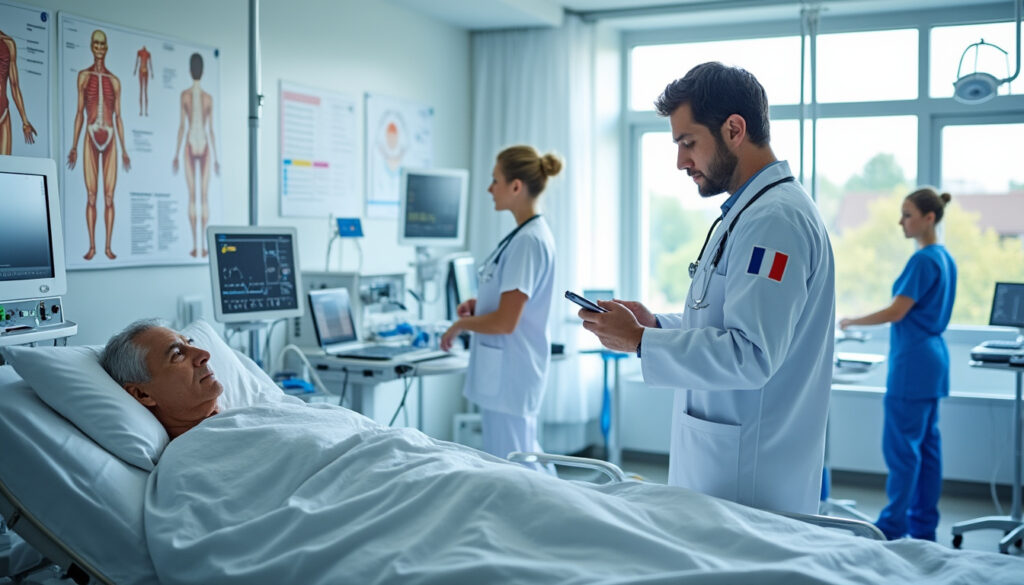
Preparing for Surgery in France: Key Indications, Benefits, and Limitations
In an evolving global healthcare landscape, France emerges as a beacon of advanced surgical expertise, particularly attracting international patients seeking expedited and innovative medical interventions. Patients from regions experiencing long wait times, such as Quebec, increasingly view France as an…

Unveiling the Hidden Benefits of Quality and Certification in Devices
The landscape of device manufacturing and clinical application in 2026 has been fundamentally shaped by the rigorous interplay between quality management and certification processes. Within this complex framework, the hidden benefits of adhering to international standards and obtaining relevant certifications…
Harnessing Neuromodulation and rTMS for Effective Pain Management
The integration of repetitive transcranial magnetic stimulation (rTMS) into post-operative care has marked a significant breakthrough in managing neuropathic pain associated with Post-Laminectomy Syndrome. This non-invasive technique targets cerebral regions involved in pain processing, enhancing neuronal plasticity and modulating nociceptive signal transmission.
Research demonstrates that rTMS can reduce chronic neuropathic pain intensity and improve patients’ emotional well-being, which commonly deteriorates post-surgery. For patients enduring persistent pain despite conventional therapies, rTMS provides an adjunct avenue to diminish discomfort and enhance quality of life. Importantly, when combined with sensory stimulation technologies such as BrainPort or PoNS devices, synergistic effects on motor recovery and cognitive function have been observed, underscoring a comprehensive rehabilitative potential.
Clinical programs like those at Neurothérapie Montréal implement tailored rTMS protocols based on detailed neurofunctional assessments, ensuring treatments are responsive to individual patient needs. Regular monitoring and adjustments are essential in maintaining efficacy over the recovery period. Additionally, introducing rTMS during the preoperative phase as a neurophysiological primer has shown promise in setting a beneficial neural milieu before surgery, thus preventing the establishment of chronic pain.
The evolving landscape of pain management in spinal surgery patients increasingly favors multimodal approaches, integrating rTMS with pharmacological and physical therapies to optimize outcomes in preventing and treating Post-Laminectomy Syndrome.
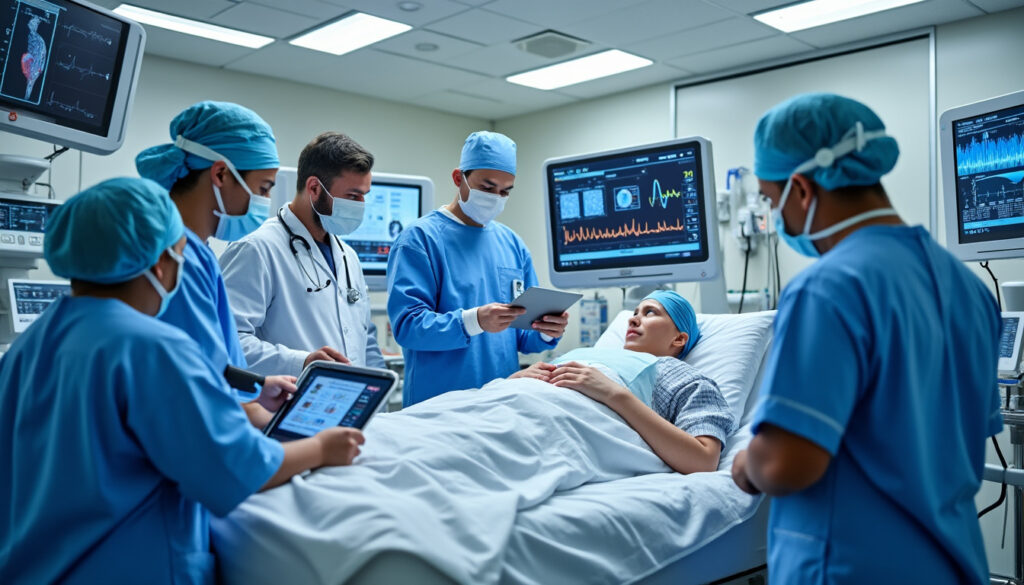
Why Experts Advocate for Comprehensive Preoperative Evaluations
In the complex and demanding field of spinal surgery, the emphasis on comprehensive preoperative evaluations has become a fundamental pillar supporting successful surgical outcomes. These evaluations, far beyond mere routine checks, integrate detailed analyses of patient health, surgical risk assessments,…
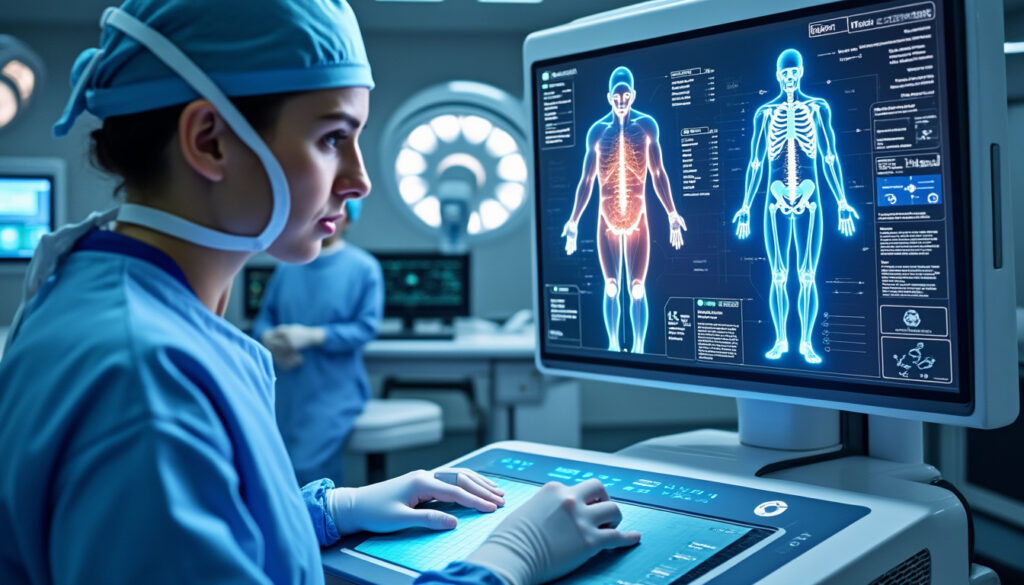
The Future of Surgery Lies in Stepwise Functional Recovery
The evolution of surgical care in 2026 reveals a compelling shift toward approaches that prioritize the holistic recovery of patients, moving beyond traditional metrics like length of hospital stay or mortality rates. This modern paradigm highlights the principle that the…
Comprehensive Rehabilitation Strategies Incorporating Patient Experience Insights
Rehabilitation is pivotal in shaping recovery trajectories and reducing the impact of Post-Laminectomy Syndrome. Patient narratives elucidate the importance of individualized, multidisciplinary rehabilitation programs that address not only physical deficits but also psychological and social dimensions of recovery.
Physical therapy focuses on restoring mobility, strengthening supporting musculature, and facilitating functional independence. Techniques adapted over time, including graded activity and neuromuscular re-education, prevent compensatory movement patterns that could exacerbate pain. Integrative approaches incorporate ergonomic training and lifestyle counseling to sustain spinal health post-rehabilitation.
Patient testimonials reveal common obstacles such as fluctuating pain, emotional distress, and fear of re-injury, emphasizing the role of psychological support throughout rehabilitation. Cognitive-behavioral therapy, mindfulness, and motivational interviewing have proven effective in managing anxiety and depression commonly associated with persistent pain syndromes. These methods bolster patient resilience and adherence to treatment plans.
International collaborations provide access to specialized rehabilitation centers, offering cutting-edge technologies and expert care tailored to complex cases. For example, the partnership between SOS Tourisme Médical, Franchir, and Neurothérapie Montréal streamlines cross-border patient care, ensuring continuity of services and rapid response to complications.
- Multidisciplinary team involvement including physical therapists, psychologists, and pain specialists
- Graded motor imagery and sensorimotor retraining to improve pain perception
- Regular reassessment for individualized goal adjustment
- Patient education on pain mechanisms and self-management strategies
- Use of assistive devices and ergonomics for functional support
- Psychosocial interventions to address anxiety and depression
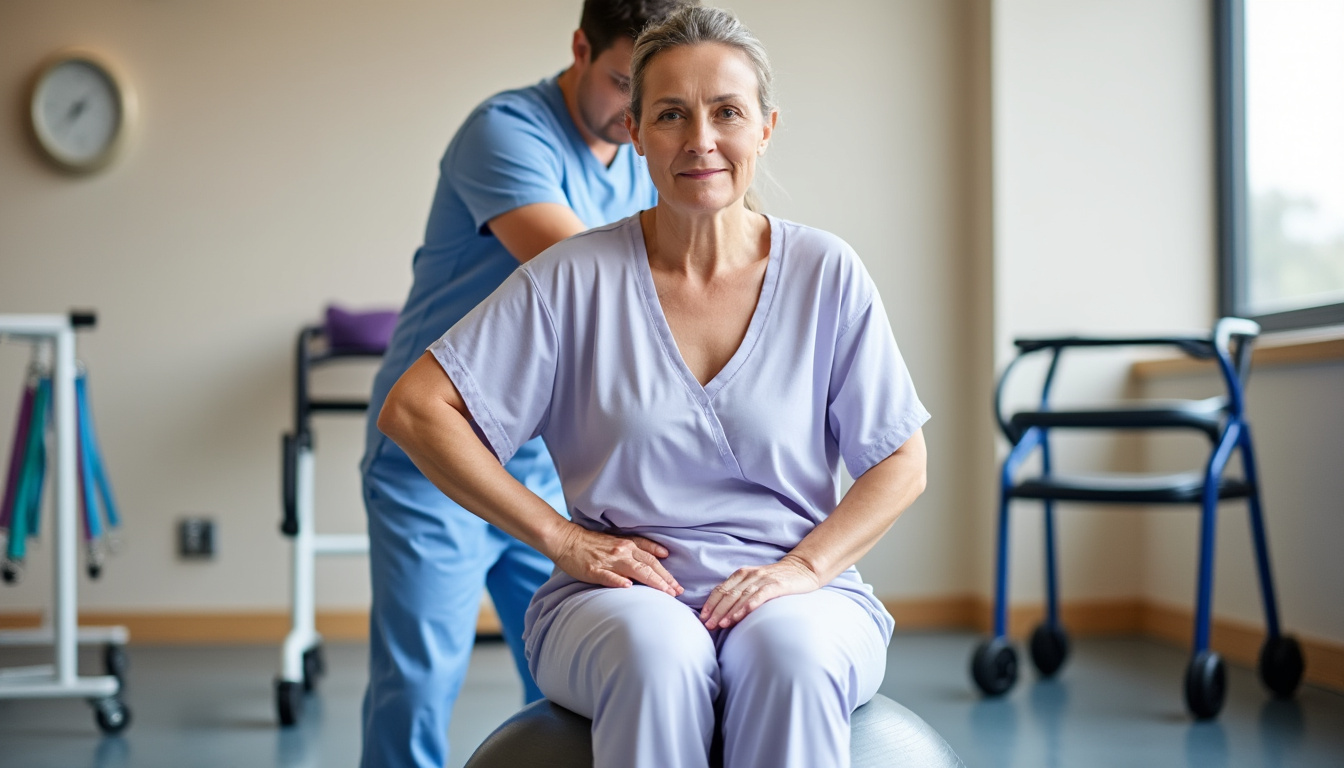
International Collaboration and Coordinated Post-Operative Monitoring for Improved Surgical Outcomes
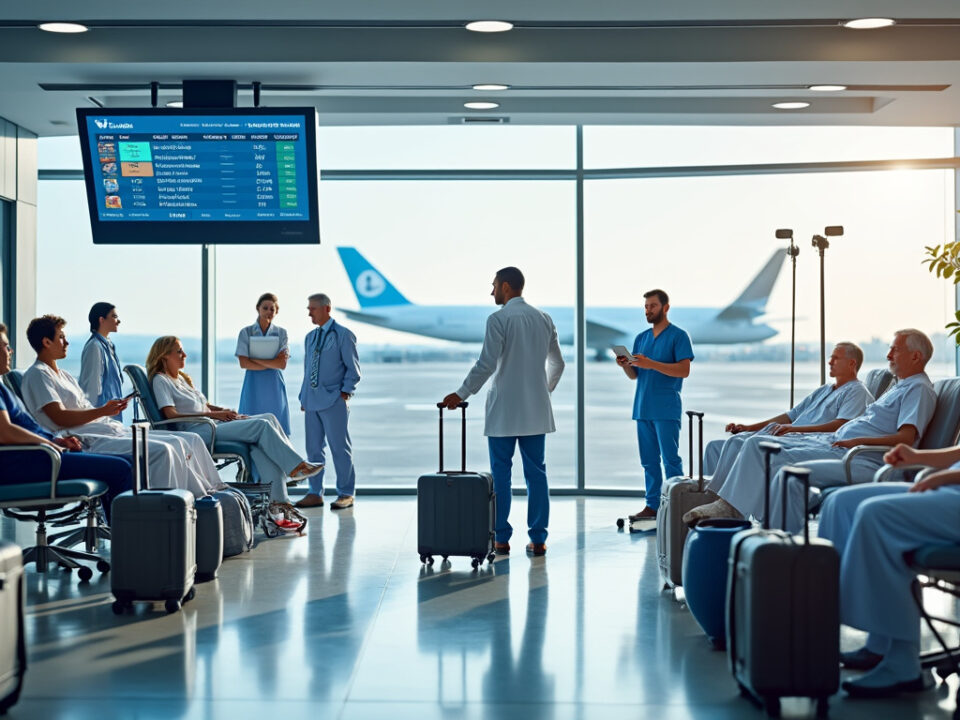
Successful prevention and management of Post-Laminectomy Syndrome increasingly depend on a cohesive network of care providers across geographies. The collaboration between Canadian-based Neurothérapie Montréal, French surgical centers, and organizations like SOS Tourisme Médical and Franchir exemplify this model. Such partnerships facilitate not only access to state-of-the-art surgical interventions but also comprehensive pre- and post-operative support tailored to patient needs.
Electronic health records and telemedicine enable real-time data sharing, ensuring prompt intervention when complications arise. This coordinated approach mitigates the risk of persistent pain and functional decline by allowing early detection of warning signs such as unremitting neuropathic pain or motor deficits. Personalized follow-up schedules, including regular neurofunctional evaluations and rTMS sessions, are integral components.
These networks foster patient confidence and satisfaction by providing seamless care continuity despite international borders. The logistical support rendered by travel coordination entities minimizes stress related to medical tourism and enhances adherence to rehabilitation protocols. Such integrative care frameworks may serve as benchmarks for broader adoption worldwide, reinforcing the paradigm shift towards patient-centered, precision spine care.
Patient Experiences Highlighting the Impact of Prevention and Management Approaches
Patients who have undergone spinal surgery share a spectrum of experiences with Post-Laminectomy Syndrome, underscoring the varied efficacy of prevention and management strategies. Case reports from Neurothérapie Montréal highlight individuals who, despite initial postsurgical pain, achieved substantial recovery through neuromodulation and personalized rehabilitation.
For example, one middle-aged patient suffering from refractory neuropathic pain after lumbar fusion benefitted from a combined regimen of rTMS and BrainPort stimulation. Over months, pain intensity lessened markedly, facilitating gradual return to work and daily activities. Another case involved a patient with cervical instability and recurrent pain who experienced improved postural stability and decreased discomfort following integration of innovative sensory neuromodulation methods into therapy.
Psychological interventions accompanying neuromodulation have proven invaluable for patients with post-operative anxiety and depressive symptoms, helping restore motivation and adherence. These testimonies reinforce that preventing Post-Laminectomy Syndrome is not solely a surgical endeavor but requires a holistic approach encompassing neurophysiological, emotional, and functional dimensions.
These experiences complement current literature and reinforce learning for both clinicians and patients, emphasizing the importance of comprehensive, individualized care plans to optimize recovery and minimize chronic pain.
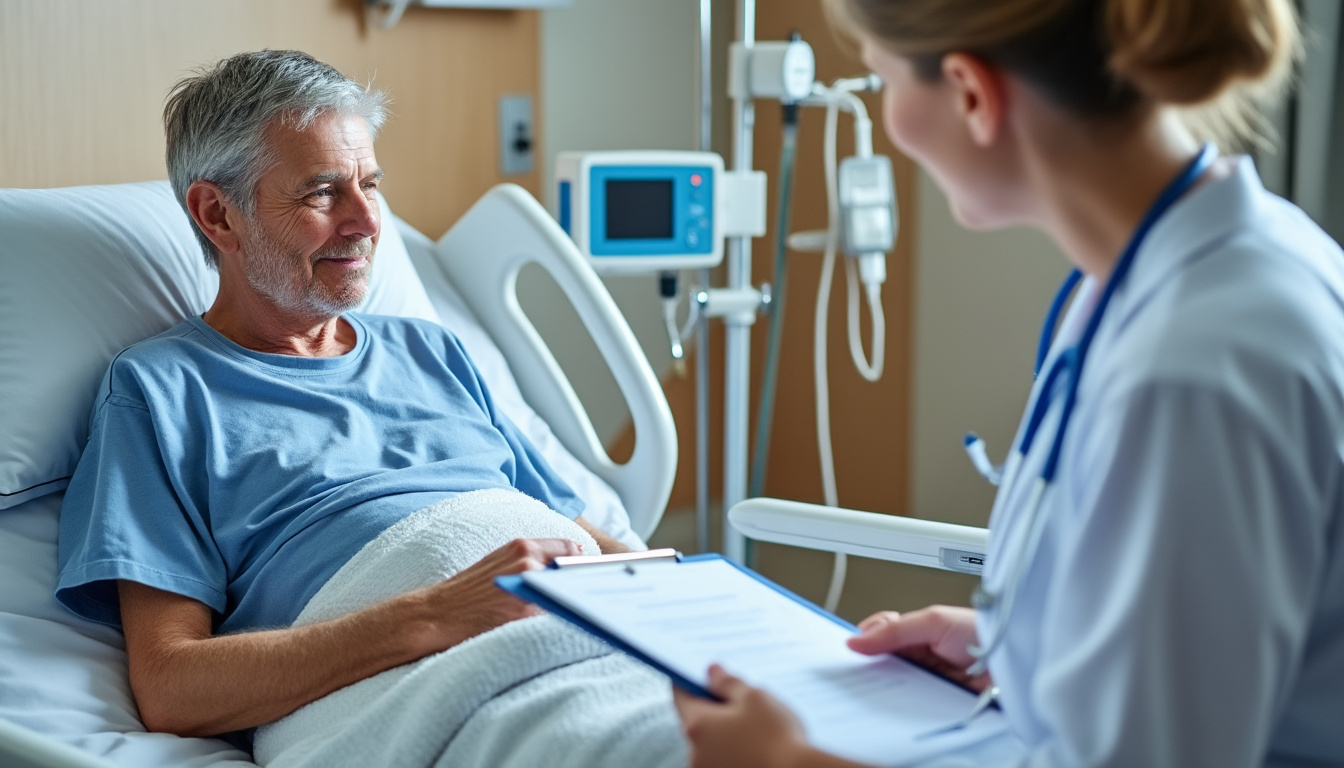
Preventing Post-Laminectomy Syndrome
Insights and Experiences from Patients and Experts
Interactive infographic illustrating key prevention steps
International Collaboration – Live Language Distribution
Showing the current language distribution of Wikipedia page views for “Laminectomy” (as proxy for international attention).
${idx+1}. ${step.title}
${step.description}
`; list.appendChild(li); }); }// — International Collaboration section — // Using Wikipedia Pageviews API to fetch live data about “Laminectomy” pageviews by language. // API URL example: // https://wikimedia.org/api/rest_v1/metrics/pageviews/per-article/en.wikipedia/all-access/all-agents/laminectomy/daily/20230601/20230630 // // The API returns daily views counts by date for a specific article. // For the language distribution, we instead call the “Topviews per project” API (not per-article by language). // // To simulate international interest, we use a public endpoint returning top articles by project/language: // https://wikimedia.org/api/rest_v1/metrics/pageviews/top/en.wikipedia/all-access/2023/06/10 // // To get distribution, we will: // – Fetch the top viewed page for each major Wikipedia language project regarding “Laminectomy” // – Simulate language interest by pulling top 30 projects’ pageviews and check if “Laminectomy” or related appears? // // Since no direct API returns pageviews per article per language aggregated together, // we will leverage topviews of “laminectomy” article in selected languages. // // We’ll use fixed languages for demonstration and fetch their pageview counts for ‘Laminectomy’ last 10 days aggregated.// List of languages to query (ISO codes): const languages = [“en”, “fr”, “es”, “de”, “ru”, “ja”, “zh”, “ar”];// Generates API URL for pageviews of “Laminectomy” article over the last 7 days for a language Wikipedia function getPageviewsAPI(lang) { const today = new Date(); const endDate = today.toISOString().slice(0,10).replace(/-/g,”); const startDate = new Date(today.getTime() – 7*24*3600*1000).toISOString().slice(0,10).replace(/-/g,”); // Example: // https://wikimedia.org/api/rest_v1/metrics/pageviews/per-article/en.wikipedia.org/all-access/all-agents/Laminectomy/daily/20230601/20230607 return `https://wikimedia.org/api/rest_v1/metrics/pageviews/per-article/${lang}.wikipedia.org/all-access/all-agents/Laminectomy/daily/${startDate}/${endDate}`; }/** * Asynchronously fetch pageview counts for “Laminectomy” article for a specific language version of Wikipedia. * Returns total pageviews over last week. * @param {string} lang * @returns {Promise} total pageviews over last 7 days or 0 on failure */ async function fetchPageviews(lang) { const url = getPageviewsAPI(lang); try { const response = await fetch(url); if (!response.ok) return 0; const data = await response.json(); // Example response: // { // “items”: [ // {“project”:”en.wikipedia”,”article”:”Laminectomy”,”granularity”:”daily”,”timestamp”:”2023060100″,”views”:15}, // … // ] // } let total = 0; if (Array.isArray(data.items)) { total = data.items.reduce((sum, day) => sum + (day.views||0), 0); } return total; } catch (e) { return 0; } }/** * Render bar chart for language distribution * @param {Array} data */ function renderLanguageChart(data) { const container = document.getElementById(‘languageChart’); container.innerHTML = ”;// Determine max views for scaling bars const maxViews = Math.max(…data.map(d => d.views), 1);data.forEach(({lang, views}) => { const percent = (views / maxViews) * 100; const langName = getLanguageName(lang); const barColor = getColorForLang(lang); const bar = document.createElement(‘div’); bar.className = ‘flex flex-col items-center focus:outline-none focus:ring-2 focus:ring-indigo-500 rounded-sm’; bar.setAttribute(‘tabindex’, ‘0’); bar.setAttribute(‘role’, ‘img’); bar.setAttribute(‘aria-label’, `${langName}: ${views} views over the last week`);bar.innerHTML = `What exactly is Post-Laminectomy Syndrome?
It is a condition where patients continue to experience pain or related symptoms after spinal surgery such as laminectomy, including neuropathic or mechanical pain and sometimes motor or sensory disorders.
How does repetitive transcranial magnetic stimulation (rTMS) help in preventing post-operative pain?
rTMS is a non-invasive method that stimulates brain areas involved in pain modulation, improving neural plasticity, reducing neuropathic pain, and supporting emotional balance.
What are typical recovery durations following spinal surgeries?
Recovery varies by procedure: approximately 4 to 8 weeks for simple decompression, 8 to 12 weeks for motion-preserving surgeries without fusion, and 12 to 20 weeks for spinal fusion requiring bone consolidation.
What role does Neurothérapie Montréal play in post-operative care?
Neurothérapie Montréal conducts preoperative neurofunctional evaluations, implements personalized rTMS protocols, and provides ongoing monitoring to prevent complications and assist rehabilitation.
How do SOS Tourisme Médical, Franchir, and Neurothérapie Montréal collaborate for patient care?
SOS Tourisme Médical informs and guides patients about spinal surgery in France, Franchir manages surgical orientation and travel logistics, while Neurothérapie Montréal oversees post-operative rehabilitation in Canada.