
How Comprehensive Preoperative Assessment is Transforming Outcomes for Quebec Patients
June 29, 2026
Insights from Studies Comparing Spinal Care Practices Between France and Quebec
June 30, 2026
The landscape of spinal surgery and patient care is undergoing a dynamic transformation propelled by groundbreaking technologies and robust international medical collaborations. The emerging paradigm highlights the critical role of partner hospitals and surgeons who not only bring surgical excellence but also reinforce patient care standards through geographical and institutional partnerships. Examining this trend from a global healthcare perspective offers insight into how healthcare quality and surgical outcomes are increasingly benchmarked on an international scale, fostering improvements and innovation. From the synergies between French and Canadian hospitals to the adoption of advanced implants and minimally invasive techniques, the discussion unfolds amidst the context of evolving patient expectations and regulatory frameworks globally.
As the movement towards global healthcare integration intensifies, the quest for trustable and internationally recognized medical partners gains prominence. Patients seeking spinal surgery are becoming more discerning, as the spectrum of options broadens with technologically sophisticated implants like TOPS, Intraspine, and BDyn challenging traditional methods. This global comparison shines a spotlight on how strategic hospital collaborations and surgeon partnerships enhance clinical performance, inform patient choices, and set higher benchmarks for healthcare quality worldwide. The strategic importance of transparent outcome measures and safety certifications also surfaces, which are integral to patient confidence and institutional reputation.
Rigorous Evaluation Criteria for Partner Hospitals in Spinal Surgery: A Global Healthcare Benchmarking Approach
In the realm of spinal surgery, the quality and safety of care are paramount, driving an international standardization of evaluation metrics among partner hospitals. The process of hospital comparison relies on a multifaceted approach incorporating certifications such as CE marking, which ensures compliance with stringent European Union health and safety directives, and adherence to additional designations in spinal subspecialties. This certification process is more than a mere formality; it represents a tangible commitment to maintaining high standards of patient care and operational excellence.
Globally, more than 8,500 hospitals have been methodically assessed, resulting in the identification of approximately 673 elite hospitals and 2,125 specialized departments encompassing neurosurgery and orthopedics—fields critical to spinal interventions. These centers deploy state-of-the-art infrastructure, including 4K imaging, robotic-assisted instrumentation, and advanced endoscopic systems, contributing to marked improvements in surgical precision and patient safety. Cities such as Le Mans, Bordeaux, and Toulouse in France demonstrate these qualities distinctly, offering access to cutting-edge operative rooms for complex spine surgeries.
Beyond structural capabilities, partner hospitals adopt routine outcome measurements using Patient-Reported Outcome Measures (PROMs), which capture patient-centered data on recovery and satisfaction. Such metrics underpin healthcare benchmarking globally, influencing hospital rankings and informing prospective patients. This emphasis on clinical transparency and data-driven quality improvement fortifies the trust placed in partner institutions operating within a rigorous international framework.
Importantly, these hospitals forge alliances across borders, weaving networks that promote continuity of care, especially relevant to international patients. Postoperative follow-up through specialized clinics like Neurothérapie Montréal exemplifies the commitment to holistic care beyond the operating theatre. This coordination highlights a paradigm in global healthcare wherein patient care standards are seamlessly upheld across continents, ensuring not only superior surgical outcomes but also sustained rehabilitation support.
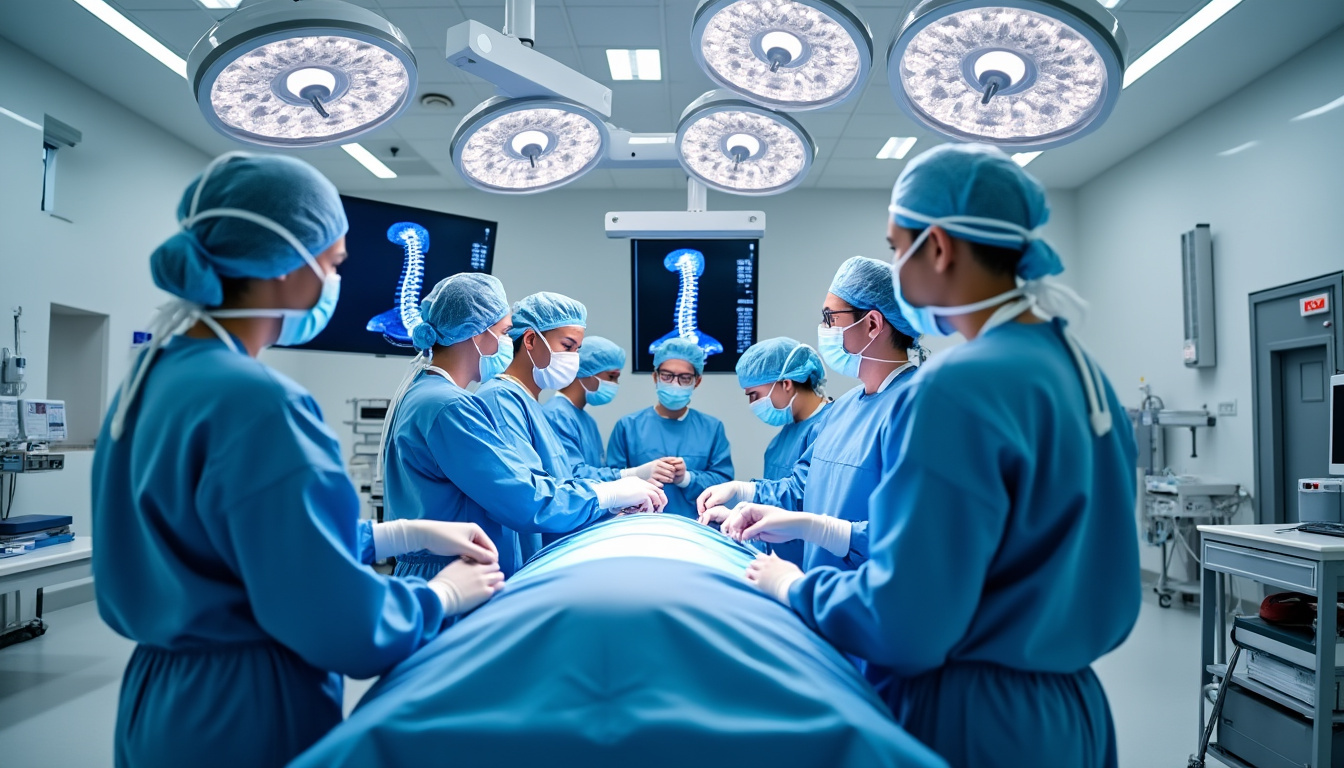

Understanding Sciatic Pain: Key Symptoms and When to Seek Medical Advice
Sciatic pain is a prevalent condition impacting a wide demographic, manifesting primarily as intense pain radiating from the lower back down the leg. This pain stems from irritation or compression of the sciatic nerve, a major nerve extending through the…
Profiling Partner Surgeons: Expertise and Specialization in Dynamic Spinal Implantology
At the heart of healthcare quality in spinal surgery lies the proficiency of partner surgeons whose performance significantly impacts surgical outcomes. These specialists are distinguished not only by their technical skills but by advanced qualifications such as Diplomas Universitaires (DU) and Diplômes Interuniversitaires (DIU) in spinal pathology and operative techniques, positions them at the forefront of modern spinal care.
Having collectively performed over 3,000 interventions under coordinated guidance, these surgeons embody excellence in complex dynamic implantology, favoring implants like TOPS or ESP that emphasize mobility preservation over rigid fusion. This approach aligns with contemporary patient care standards prioritizing reduced postoperative pain and enhanced quality of life, while lowering adjacent segment degeneration risks. Each surgical strategy is tailored according to detailed patient profiles, combining clinical experience with evidence-based research and ongoing evaluation protocols to ensure optimized treatment plans.
The surgeon’s role extends beyond the technical execution, encompassing collaborative decision-making facilitated by an international medical partnership network. This synergy enables seamless communication between patients, surgeons, and multidisciplinary teams, ensuring personalized care pathways. The network also incorporates educational initiatives such as the EUROSPINE spinal endoscopy courses and continuous professional development in robotic-assisted spine surgery, further heightening surgeon performance globally.
Such a high degree of specialization and continuous learning is indispensable for maintaining leadership within the competitive arena of global healthcare provision in spinal surgery. The surgeons’ commitment to innovation and patient-centered care fosters trust and enhances the collaborative spirit that defines top-tier partner hospital relationships internationally.

The Stepwise Role of Functional Recovery in Achieving Successful Outcomes
The journey to full recovery following spinal surgery is often complex and multifaceted, demanding a meticulously structured approach to ensure optimal functional outcomes. In recent years, the concept of functional recovery through a stepwise approach has garnered significant attention in…
Logistical Coordination in the Transatlantic Patient Journey: Ensuring Secure and Personalized Surgical Experiences
The journey of a patient seeking spinal surgery across international borders demands meticulous logistical organization to safeguard healthcare quality and patient safety. This begins domestically with initial evaluations by specialized teams such as those led by Dr. Sylvain Desforges at TAGMED, focusing on conservative neuro-vertebral decompression techniques before surgical consideration is confirmed. Such thorough preoperative assessment reflects a patient-first philosophy underpinning strategic hospital partnerships.
Following surgical indication confirmation, entities like the company Franchir steward the entire patient itinerary, orchestrating clinical appointments, hospital admissions, and accommodation in French partner institutions. This comprehensive service delivers a smooth navigation of healthcare systems, minimizing stress and administrative burdens, which are critical factors influencing surgical outcomes. This coordination exemplifies the benefits of cross-border medical collaboration and highlights a model that enhances patient care standards through structured support at every juncture.
Postoperative care transitions to Canadian contexts under the stewardship of Neurothérapie Montréal, providing tailored rehabilitation that complements surgical interventions. This coordinated continuum of care showcases global healthcare cooperation integrating advanced surgical technologies with culturally sensitive, real-time patient support. As a result, this transatlantic network stands as a beacon of excellence in medical partnerships, optimizing both clinical efficacy and patient experience.
Structuring such pathways necessitates robust communication channels between medical teams, real-time sharing of outcome data, and patient feedback loops to continuously refine care delivery. The integration of these elements transcends geographical boundaries, establishing a collaborative ecosystem that supports transparency, quality assurance, and safety.
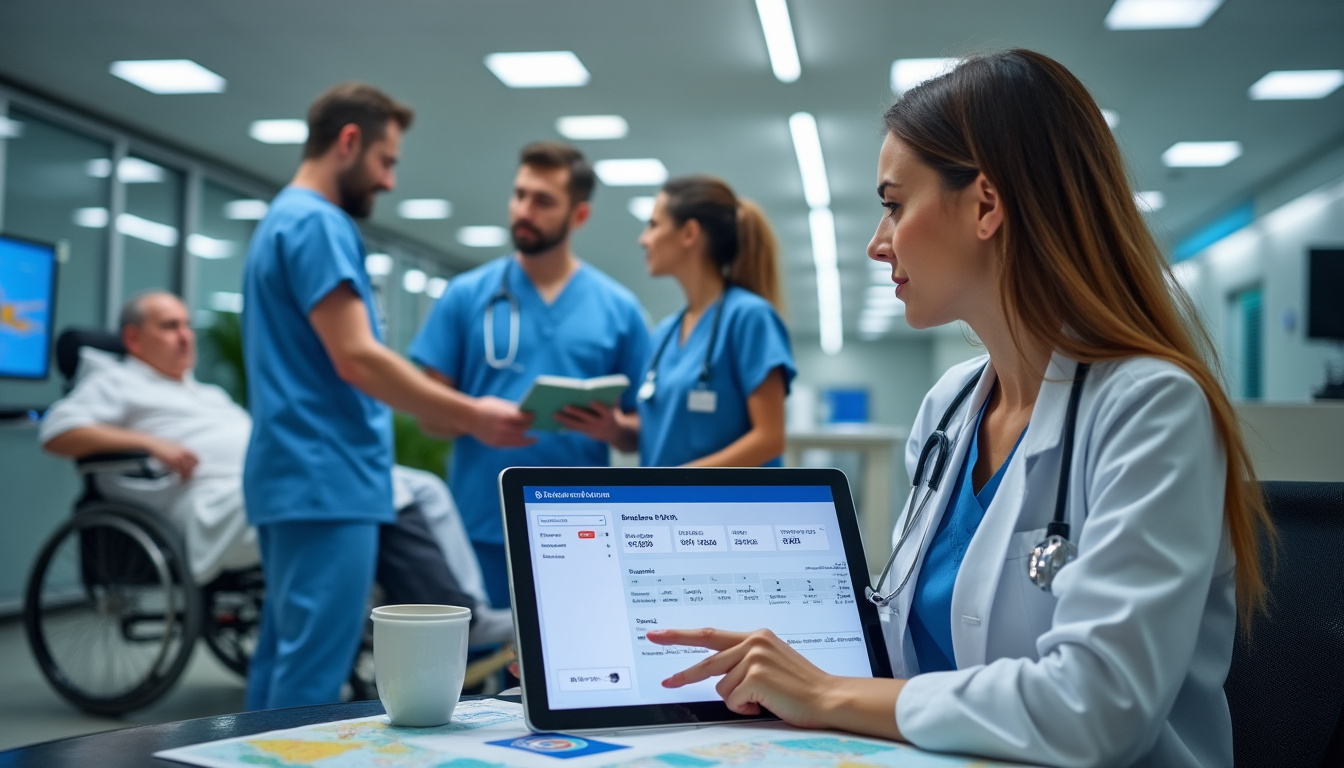

Transatlantic Patient Journey: Insights into Indications, Benefits, and Challenges
The emergence of the Transatlantic Patient Journey as a strategic model within healthcare continues to capture attention for its innovative potential, especially in specialized fields such as spinal surgery. This cross-border care pathway integrates rigorous medical evaluation from Quebec with…
Innovative Surgical Techniques and Dynamic Implants: Advancements Elevating Spine Surgery Outcomes Globally
The evolution of surgical methodologies in spine care underscores a shift from traditional fusion surgeries towards the incorporation of dynamic implant systems designed to preserve natural mobility while ensuring vertebral stabilization. Implants such as TOPS, Intraspine, and BDyn exemplify this change, each tailored to address specific spinal pathologies, from lumbar instability and foraminal stenosis to facet arthrosis.
Clinical evidence supports the advantages of dynamic implants, which provide a reduction in postoperative pain, limited risks of adjacent segment disease, and accelerated functional recovery. These systems have undergone rigorous clinical validation, receiving CE certification in Europe and FDA approval in the United States, emphasizing their global relevance and acceptance. The prominence of manufacturers like Cousin Spine and Premia Spine in driving implant innovation further signifies the intersection of industrial creativity and clinical expertise.
The table below summarizes implant types, their indications, and the principal clinical benefits noted in patient outcomes:
| Implant Type | Primary Indications | Key Clinical Benefits | Notable Manufacturers |
|---|---|---|---|
| TOPS | Lumbar vertebral instability, foraminal stenosis | Preservation of spinal mobility, dynamic stabilization | Cousin Spine |
| Intraspine | Disc degeneration, chronic lumbar pain | Enhanced decompression of nerve roots | Premia Spine |
| BDyn | Facet arthrosis, moderate instability | Controlled flexibility, pain reduction | Cousin Spine |
| Cervical Disc Prosthesis | Cervical disc herniation, radiculopathy | Maintains cervical spine mobility | Various FDA-certified manufacturers |
This innovative approach contrasts with conventional fusion surgeries that restrict vertebral movement and may induce accelerated wear on adjacent spinal segments. The paradigm shift towards dynamic implants signals a commitment within global healthcare to improve surgical outcomes and patient quality of life.
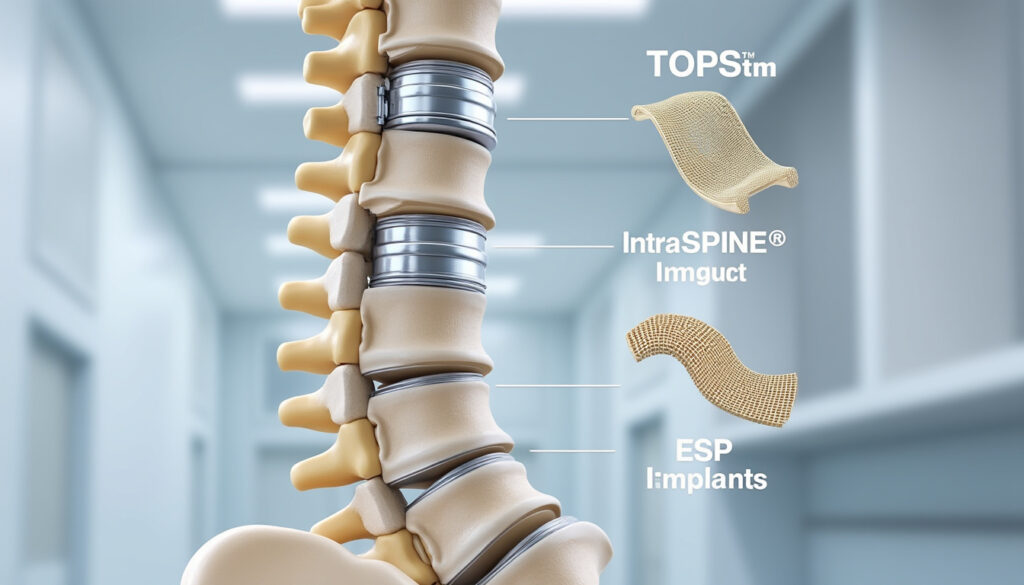
The evolving field of spinal surgery is witnessing a transformative shift, fueled by cutting-edge implant technologies such as TOPS, Intraspine, and ESP. These innovative implants redefine treatment possibilities by emphasizing preservation of natural spinal mechanics, while ensuring durable stabilization and…
Integrating Advanced Technologies in Partner Hospitals: Robotics and 3D Imaging Driving Surgical Precision
Contemporary spine surgery increasingly incorporates advanced technologies such as robotic navigation systems and 3D imaging platforms, substantially elevating surgeon performance and patient safety. The implementation of FDA-cleared robotic platforms, such as those developed by eCential Robotics, enables surgeons to perform minimally invasive interventions with unparalleled precision, reducing operative times and minimizing tissue trauma.
These technologies provide real-time intraoperative guidance, enhancing implant placement accuracy and reducing complication rates, thereby reinforcing hospital reputations for superior surgical outcomes. Clinics like the Clinique du Pré and institutions in metropolitan hubs such as Lyon and Bordeaux have pioneered the integration of these sophisticated tools, underlining healthcare quality commitments and fostering continuous professional development through courses like FICV’s Spinal Solution Course.
Moreover, 3D printing and patient-specific anatomical models are transforming preoperative planning, enabling personalized surgical strategies. For example, vertebral structures printed in 3D facilitate enhanced surgeon understanding of complex cases, translating into smoother procedures and improved recovery trajectories. These initiatives represent the cohesion of medical partners worldwide in embracing innovation to concretely improve patient care standards.
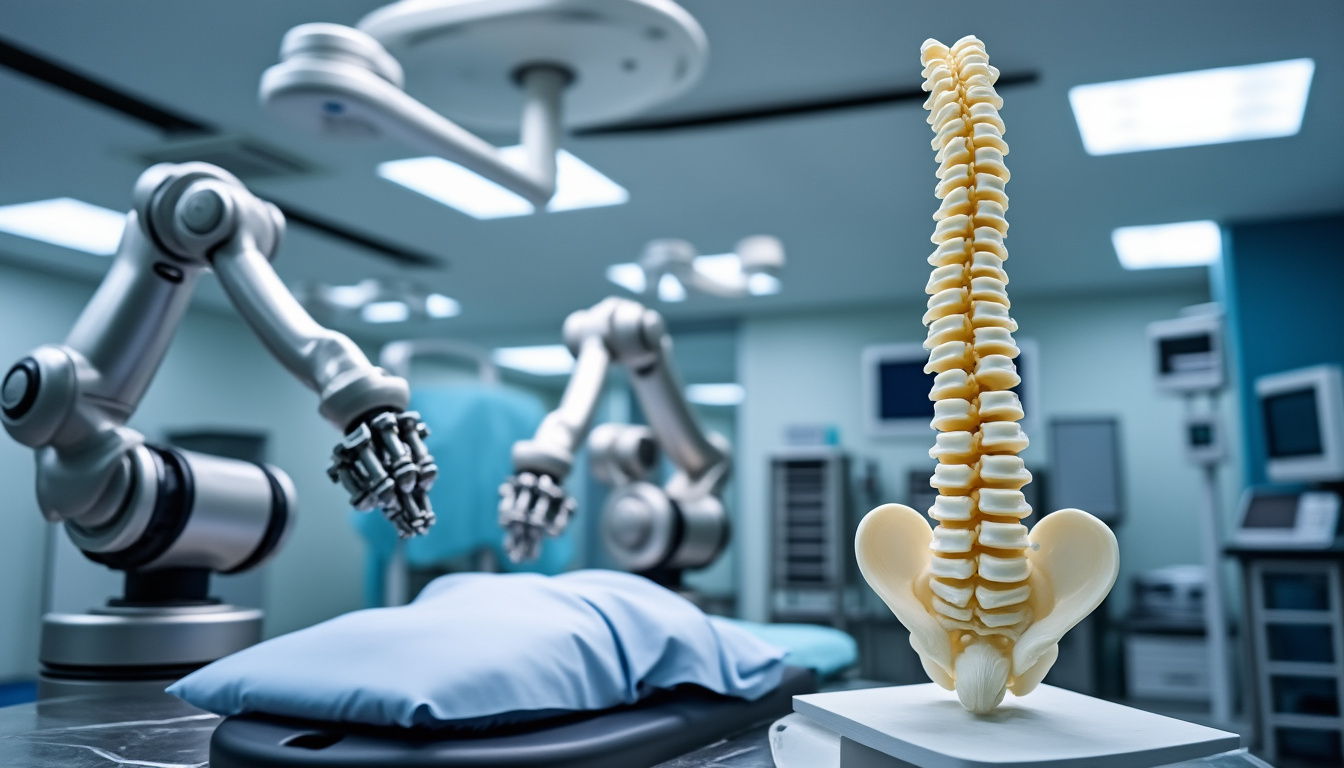

Preparing for Surgery in France: Key Indications, Benefits, and Limitations
In an evolving global healthcare landscape, France emerges as a beacon of advanced surgical expertise, particularly attracting international patients seeking expedited and innovative medical interventions. Patients from regions experiencing long wait times, such as Quebec, increasingly view France as an…
Collaboration Among International Hospitals and Surgeons: Shaping the Future of Patient Care Standards
The global interconnection between hospitals and surgeons transcends conventional boundaries, fostering shared expertise and standardization in patient care. Collaborative initiatives between French and Canadian medical teams exemplify such partnerships, harmonizing surgical protocols and postoperative rehabilitation tailored to diverse healthcare environments.
These partnerships enhance communication in care coordination and support ongoing clinical research, contributing to a global repository of best practices. Patients benefit from this collaborative approach through access to the best hospitals, cutting-edge surgical techniques, and comprehensive follow-up care within their home countries. The resulting integration optimizes safety and satisfaction, crucial for sustained healthcare quality improvement.
Hospitals engaged in this collaborative framework commonly hold accreditations from internationally recognized bodies such as the Joint Commission International, which attests to adherence to rigorous healthcare quality and safety standards. Such validation is pivotal as patients increasingly seek internationally accredited institutions, aligning patient expectations with hospital capabilities. The spirit of partnership expands beyond surgical interventions into encompassing education, data analytics, and patient advocacy, forming a robust foundation for future healthcare innovation.

Unveiling the Hidden Benefits of Quality and Certification in Devices
The landscape of device manufacturing and clinical application in 2026 has been fundamentally shaped by the rigorous interplay between quality management and certification processes. Within this complex framework, the hidden benefits of adhering to international standards and obtaining relevant certifications…
Key Insights on Partner Hospitals and Surgeons: Navigating Benefits and Challenges in Global Healthcare Coordination
While the advantages of partner hospital and surgeon collaboration are evident, stakeholders must navigate specific challenges to harness these benefits fully. Critical considerations include harmonizing regulatory environments, ensuring interoperability of clinical data systems, and maintaining consistent patient communication throughout the transnational journey. Addressing these issues is essential to preserving trust and delivering seamless care.
Among the benefits, patients enjoy expedited access to specialized services, personalized treatment plans informed by multidisciplinary expertise, and access to innovations unavailable locally. Healthcare providers benefit from reciprocal knowledge exchange, expanded surgical caseloads promoting proficiency, and participation in multinational clinical trials. However, challenges such as logistical complexities, potential delays in data sharing, and cultural differences in care expectations require sophisticated management frameworks.
Successful partnerships emphasize transparency, continuous quality improvement, and patient-centeredness. Robust data management, adherence to shared clinical guidelines, and regular performance benchmarking facilitate high standards. Learning from pitfalls documented in healthcare benchmarking reports worldwide aids in circumventing common errors and optimizing collaboration effectiveness to benefit all parties engaged in these vital healthcare networks.
Why Experts Advocate for Comprehensive Preoperative Evaluations
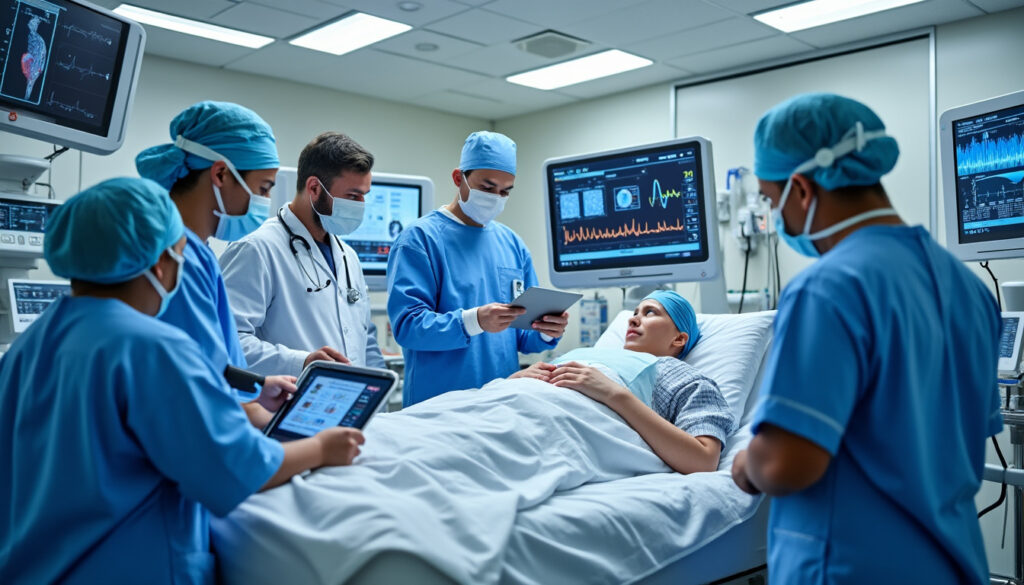
In the complex and demanding field of spinal surgery, the emphasis on comprehensive preoperative evaluations has become a fundamental pillar supporting successful surgical outcomes. These evaluations, far beyond mere routine checks, integrate detailed analyses of patient health, surgical risk assessments,…
Understanding the Importance of Choosing Certified Partner Hospitals and Skilled Surgeons in International Spine Surgery
Within this evolving global healthcare environment, discerning patients are advised to select partner hospitals and surgeons based on evidence of certifications, advanced skillsets, and demonstrated outcomes. High-quality partner hospitals ensure compliance with international patient care standards and invest in continuous surgical innovations essential for optimal recovery and long-term health.
Choosing a surgeon with expertise in innovative dynamic implants and minimally invasive techniques directly correlates with improved surgical outcomes and reduced complication rates. The key lies in a comprehensive evaluation encompassing qualifications, clinical experience, and active participation in research and education. Coordinated patient pathways facilitated by entities like SOS Tourisme Médical and Franchir further guarantee safe and well-organized care journeys.
Informed decisions supported by transparent hospital comparison metrics and surgeon performance data help mitigate risks and empower patients. This approach mirrors trends highlighted in reputable healthcare analysis platforms and reflects the growing patient demand for heightened accountability and personalized medical services in spinal surgery.
Explore a comprehensive guide to partner hospitals and surgeons for further insights on why experts strongly advise selecting verified medical partners.
An international comparison of health systems further elucidates the nuances and benchmarks valuable for navigating today’s complex global healthcare landscape.
The Future of Surgery Lies in Stepwise Functional Recovery
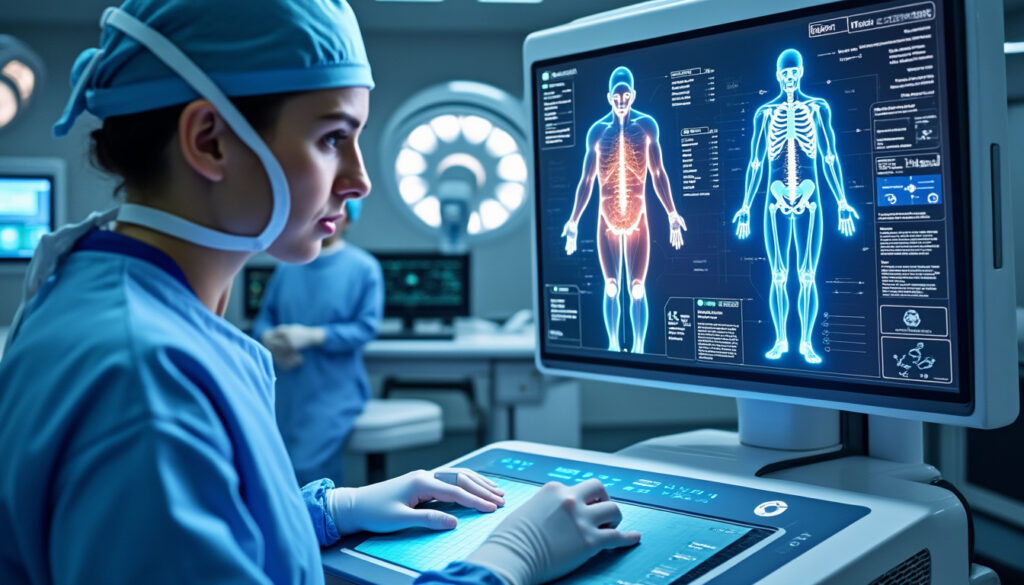
The evolution of surgical care in 2026 reveals a compelling shift toward approaches that prioritize the holistic recovery of patients, moving beyond traditional metrics like length of hospital stay or mortality rates. This modern paradigm highlights the principle that the…
Enhancing Patient Confidence and Outcomes Through Trusted Global Healthcare Collaborations
Trust in medical partners is indispensable for patients facing complex spine surgeries, often deciding between local care and transnational options. Global collaborations rooted in shared expertise, transparent metrics, and coordinated logistics engender a patient-centered framework fostering safety and improved outcomes. This paradigm shift is critical in a world where rising patient awareness intersects with rapidly advancing medical technologies.
Examples of successful global healthcare partnerships illustrate initiatives where patient satisfaction metrics have climbed due to seamless integration of care protocols from initial consultation through to postoperative rehabilitation. Furthermore, complications rates have declined in centers harnessing collaborative surgeon networks and dynamic implant technologies, confirming the tangible benefits of such alliances on surgical outcomes.
Ultimately, the prominence of partner hospitals and surgeons within this landscape reflects the broader imperative of elevating healthcare quality globally. Enhanced patient care standards rooted in international medical collaboration reinforce the trust patients place in their treatment journey, making this cooperation a central pillar of modern spine surgery practice.
What criteria are essential when selecting a partner hospital for spinal surgery?
Essential criteria include CE certifications, availability of multidisciplinary teams, state-of-the-art surgical equipment, clinical outcomes based on patient-reported outcome measures, and experience with recognized implants like TOPS or Intraspine. Comprehensive care and international coordination are also crucial.
How is postoperative follow-up organized for Canadian patients after surgery in France?
Postoperative follow-up is primarily managed by Neurothérapie Montréal, which supports patients throughout their recovery within Canada, ensuring continuity of care and personalized rehabilitation.
What distinguishes dynamic implants from traditional spinal fusion?
Dynamic implants aim to preserve natural spinal mobility while providing effective stabilization, unlike traditional fusion which immobilizes spinal segments and may cause adjacent segment degeneration and pain.
What benefits does the Franco-Canadian network provide to patients?
The network offers rapid access to top hospitals and surgeons, practical organization of the stay in France by Franchir, administrative assistance via SOS Tourisme Médical, and quality postoperative follow-up with Neurothérapie Montréal, optimizing safety, reducing delays, and enhancing overall care quality.