Understanding Post-Surgery rTMS Integration: A Guide for Quebec Patients
Every year, a significant number of Quebec patients embark on the challenging journey of spinal surgery abroad, predominantly in France, to address complex spinal pathologies. These patients face the daunting task of not only undergoing critical surgical procedures but also navigating the intricate path of recovery and rehabilitation. Central to improving post-operative outcomes and enhancing quality of life is the integration of advanced neuromodulation technologies, particularly repetitive Transcranial Magnetic Stimulation (rTMS). This innovative approach strategically targets the brain’s cortical areas to facilitate recovery, manage pain, and support psychological well-being, thereby transforming the traditional recovery trajectory.
rTMS is gaining traction as a remarkable post-surgery adjunct, offering Quebec patients a tailored, non-invasive intervention that complements physical rehabilitation. The precise coordination of care between European surgical teams, Canadian follow-up providers, and specialized clinics such as Neurothérapie Montréal ensures a seamless transition from surgical intervention to rehabilitation. This multi-disciplinary and cross-continental collaboration exemplifies the modern paradigm in patient care, emphasizing integration, personalization, and scientific rigor to maximize healing potential.
Role of rTMS in Post-Surgery Recovery for Quebec Patients Undergoing Spinal Procedures
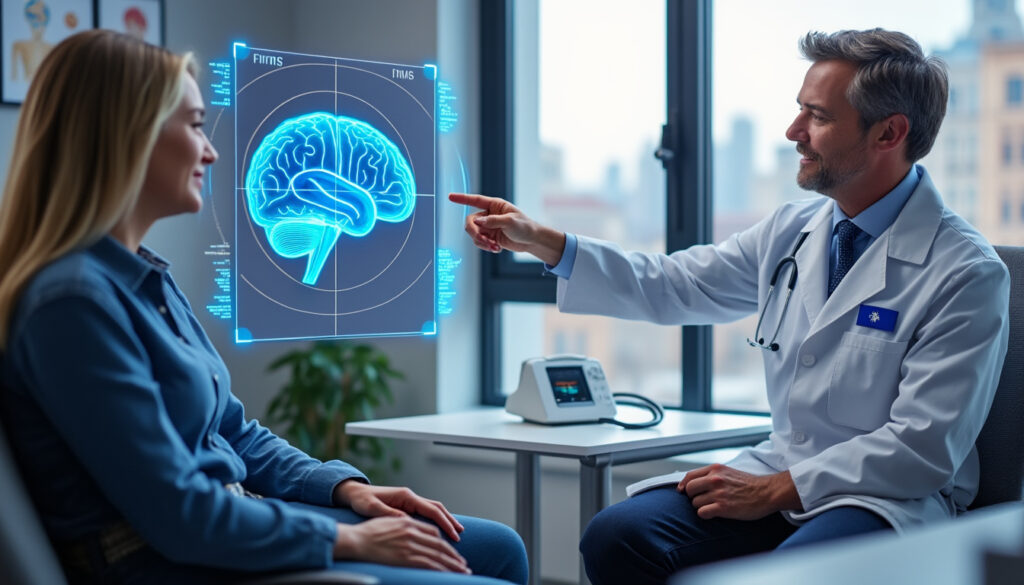
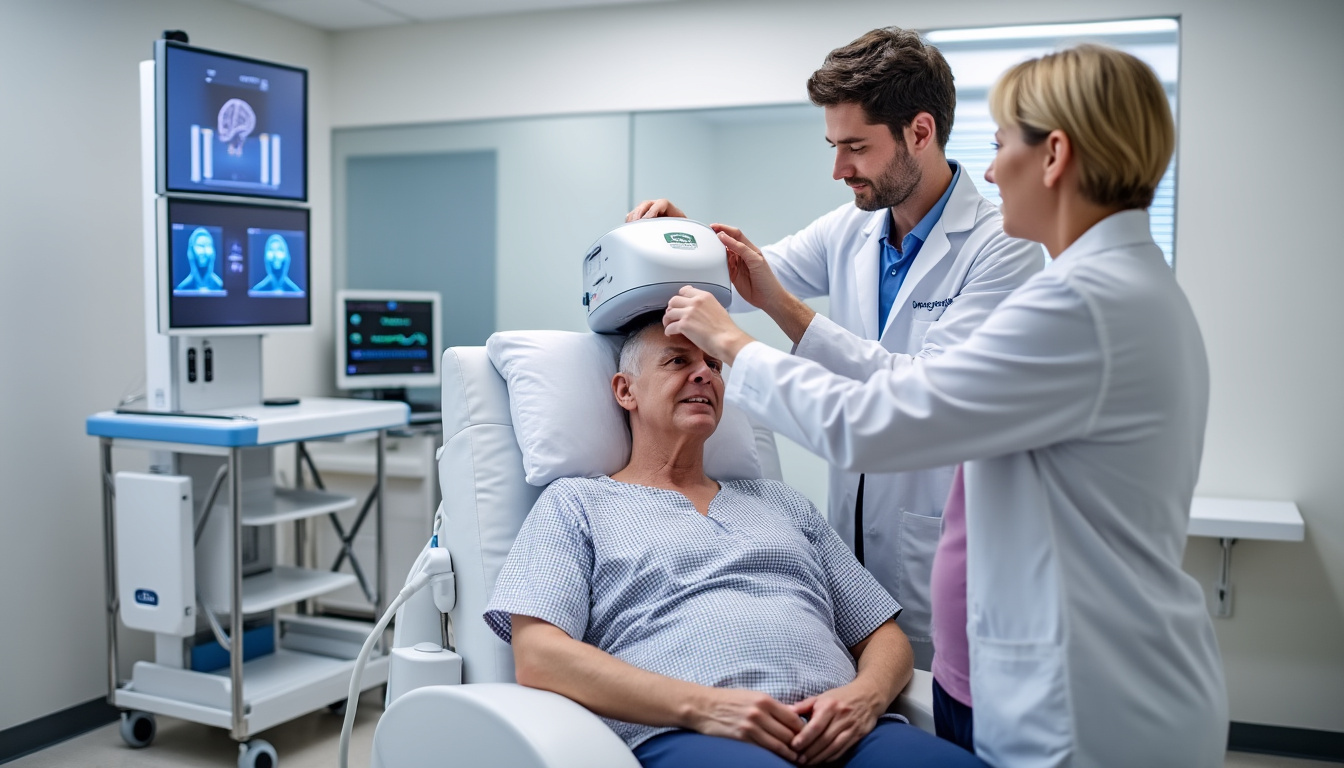
Repetitive Transcranial Magnetic Stimulation (rTMS) is revolutionizing the rehabilitation landscape for patients who have undergone spinal surgery by harnessing the brain’s neuroplasticity mechanisms. This method employs magnetic pulses directed at specific cortical regions to modulate neuronal activity, particularly in areas associated with pain processing and motor function. For Quebec patients recovering from procedures like laminectomy, disc decompression, spinal fusion, or dynamic stabilization, rTMS offers promising avenues to mitigate neuropathic pain and accelerate neurological recovery.
One of the compelling advantages of rTMS is its ability to target the primary motor cortex, reducing the amplified neuronal firing that often underlies chronic post-surgical pain syndromes. For example, patients experiencing persistent post-laminectomy syndrome typically have disrupted cortical pain modulation. Series of rTMS sessions can recalibrate these signals, diminishing pain perception without relying exclusively on pharmacological analgesics, which often come with unwanted side effects.
Beyond pain control, rTMS exerts significant influence on mood regulation centers within the brain. Patients frequently encounter depressive or anxious symptoms during extended recovery phases from spinal surgery, which can impede rehabilitation efforts and reduce overall quality of life. By facilitating targeted stimulation, rTMS aids in alleviating these psychological challenges, fostering resilience and motivation during convalescence.
This integrated neurostimulation approach is particularly impactful given the fluid coordination involving Neurothérapie Montréal’s expert-led programs, French surgical teams, and Quebec-based healthcare providers. Such synergy exemplifies the future of medical care, transcending geographical boundaries through personalized treatment pathways that ensure continuous and coherent patient management across continents.
Optimizing Functional Outcomes with rTMS-Enhanced Neurorehabilitation
The combination of rTMS and traditional physical therapy enriches rehabilitative outcomes. While physical therapy focuses on restoring spinal mobility, muscle strength, and posture control, rTMS complements by enhancing cortical excitability and plasticity related to motor function. For Quebec patients, this dual approach means not only alleviating pain but also improving functional independence in activities of daily living and accelerating return to occupational activities.
Clinical reports highlight cases where patients undergoing complex motion-preserving spine surgeries benefit greatly from an individualized neurostimulation plan. For instance, a patient recovering from a prothesis disc replacement can maintain spinal flexibility better when rTMS is integrated early into their rehabilitation regimen, promoting synaptic remodeling and motor relearning essential for optimal recovery.
In essence, integrating brain stimulation technologies like rTMS post-surgery represents a paradigm shift from passive recovery to active neurorehabilitation, enhancing both physiological and psychological dimensions of healing.
Sciatic pain is a prevalent condition impacting a wide demographic, manifesting primarily as intense pain radiating from the lower back down the leg. This pain stems from irritation or compression of the sciatic nerve, a major nerve extending through the…
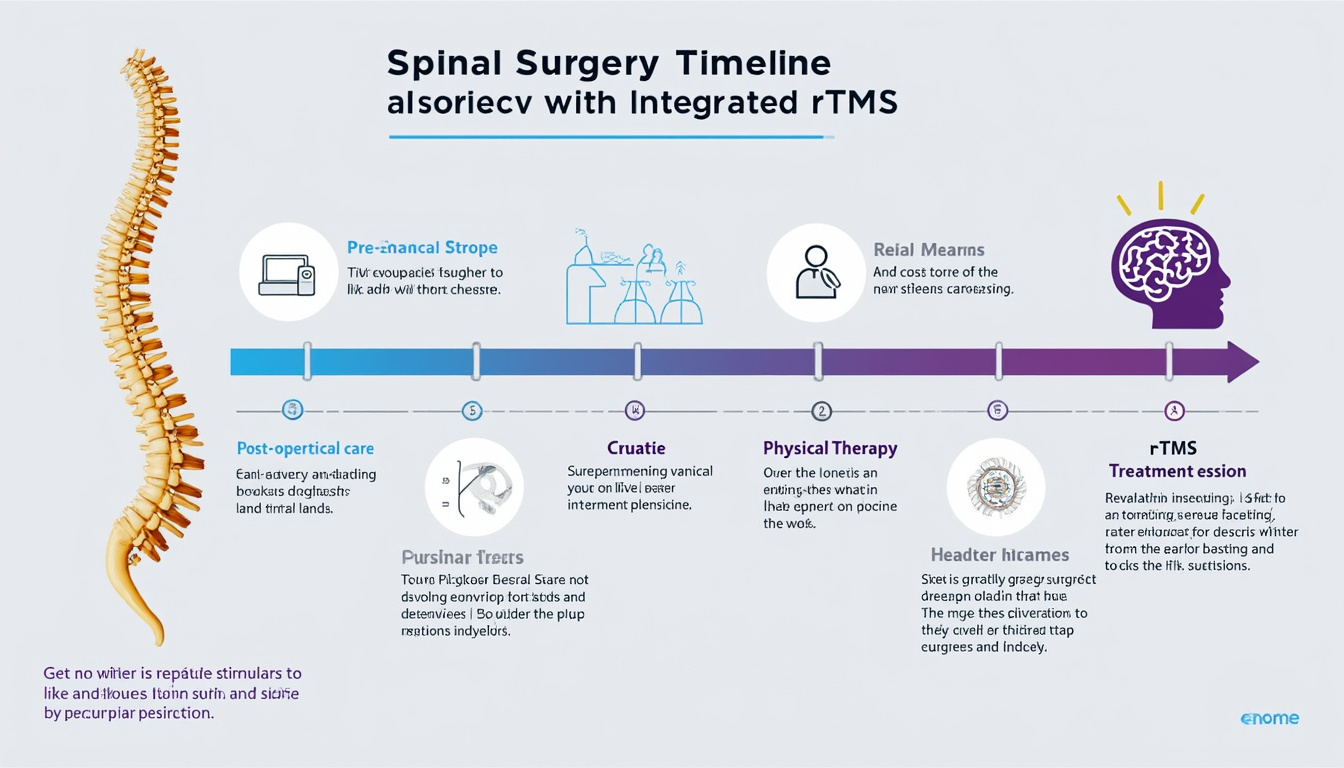
Stepwise Post-Operative Recovery Phases Tailored for Quebec Spinal Surgery Patients
Recovery following spinal surgery requires careful phase-wise progression, highly influenced by the type of surgical intervention and individual patient factors. Quebec patients undergoing operations abroad must be well-informed about these stages to optimize their recovery and engage proactively with rehabilitation programs incorporating rTMS.
Phase 1: Immediate Post-Operative Phase
In the hours to days after surgery, early mobilization is encouraged to reduce complications such as blood clots, pneumonia, and to stimulate circulation. Typically, walking supervised by physical therapists begins within 24 hours, particularly after decompressive surgeries like laminectomy or discectomy. rTMS protocols designed for pain relief and cortical stabilization can be commenced alongside gentle physical activities.
Phase 2: Early Rehabilitation and Functional Restoration (2–6 weeks)
During this period, patients engage in gradual strengthening and range of motion exercises under physiotherapist guidance. For motion-preserving procedures, cautious expansion of spinal mobility exercises is crucial. rTMS sessions intensify in frequency during this stage to support neuroplastic changes and suppress neuropathic pain intensity, enhancing engagement in therapy.
Phase 3: Consolidation and Functional Independence (6 weeks to 3 months)
This phase centers on functional re-integration into daily life and work activities. Patients with spinal fusion might still have activity restrictions, requiring adaptive planning. rTMS serves an adjunct role in managing residual pain and treatment-resistant mood disorders which may delay complete rehabilitation.
Type of Surgery
Typical Recovery Timeline
Recommended Physical Activities
Role of rTMS
Simple Decompression (Laminectomy, Discectomy)
1 day to few weeks
Early walking, daily activities gradual resumption
Manage neuropathic pain, prevent chronic pain development
Motion-Preserving Surgery (Disc Prosthesis, Dynamic Stabilization)
2 to 6 months
Supervised mobilization, light sports post 2 months
Control chronic neuropathic pain, support mood stability
Understanding this timeline enables patients and care providers in Quebec to create realistic milestones and integrate rTMS as a strategic component of comprehensive post-surgical rehabilitation.
The journey to full recovery following spinal surgery is often complex and multifaceted, demanding a meticulously structured approach to ensure optimal functional outcomes. In recent years, the concept of functional recovery through a stepwise approach has garnered significant attention in…
Personalized Patient Care and Coordination Across Borders
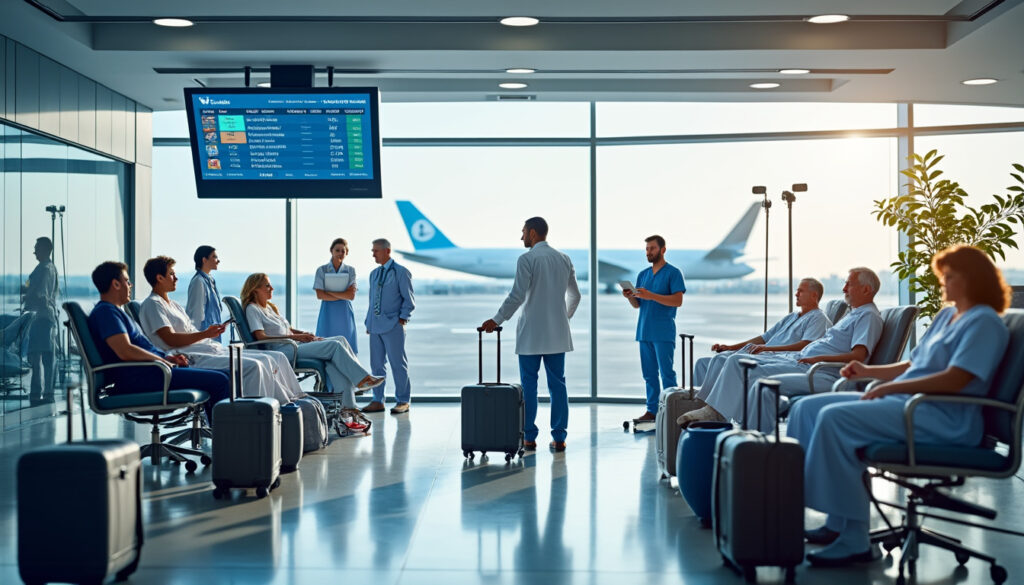
The journey from Quebec to France and back for spinal surgery involves complex logistics and seamless clinical transitions. Central to this process is the meticulous coordination led by specialists such as those at Neurothérapie Montréal under the guidance of Philippe Mazaltarim. This ensures that Quebec patients receive a customized and uninterrupted continuum of care.
Preparation for surgery includes thorough neurofunctional evaluations that help tailor an individualized rTMS protocol to align with the surgical technique and patient’s neurological profile. Close collaboration with French surgical teams and logistical partners such as SOS Tourisme Médical and Franchir ensures that administrative hurdles and health insurance coverage issues are addressed prior to travel.
Once surgery is completed, post-operative monitoring continues with scheduled assessments, adapting rTMS intensity and frequency based on clinical progress and patient feedback. This responsive approach allows prompt identification of complications like post-laminectomy syndrome or persistent neuropathic pain. Moreover, psychological support is embedded in care plans to address depressive or anxiety symptoms arising during recovery.
This integrated system minimizes fragmentation of care and offers patients a singular point of contact, smoothing complexities experienced during medical tourism and enhancing treatment efficacy.
The emergence of the Transatlantic Patient Journey as a strategic model within healthcare continues to capture attention for its innovative potential, especially in specialized fields such as spinal surgery. This cross-border care pathway integrates rigorous medical evaluation from Quebec with…
Scientific Advances and Future Directions in Post-Surgery rTMS Integration
The clinical application of rTMS in post-surgical spinal recovery is an evolving field grounded in rigorous research and technological innovation. Experts continuously refine stimulation parameters to maximize efficacy while minimizing side effects, tailoring protocols to each patient’s neurological status. Current efforts at Neurothérapie Montréal include integrating rTMS with complementary technologies such as BrainPort and PoNS devices, which further amplify neural regeneration and functional restoration.
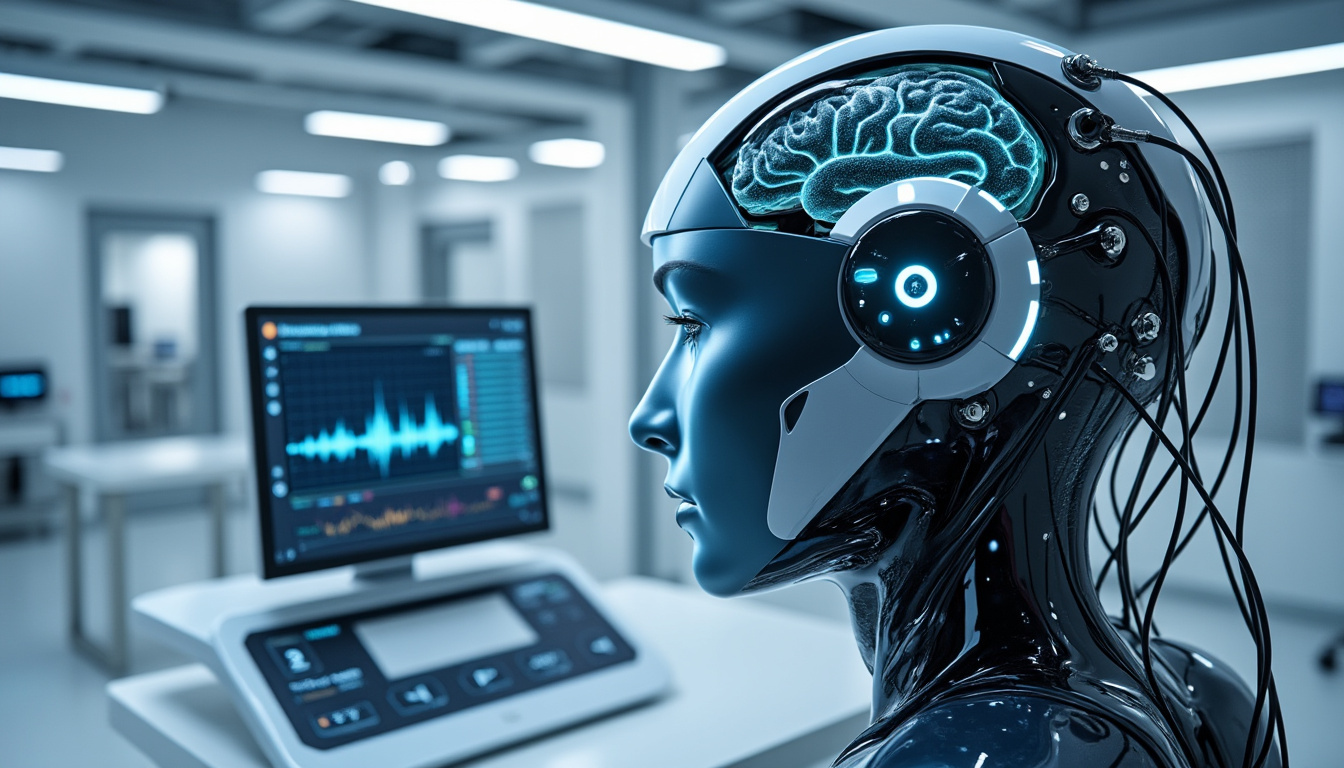
Research is also exploring the synergy between rTMS and emerging artificial intelligence algorithms that customize stimulation in real time according to patient responses. Such adaptive neurotechnologies promise unprecedented precision in managing neuropathic pain and facilitating neuroplasticity, marking a new frontier in rehabilitation medicine.
Human-centered care remains a priority; thorough patient education about rTMS mechanisms, expected outcomes, and potential risks fosters engagement and compliance. This alignment of technology and compassionate care forms the backbone of successful recovery trajectories.
The integration of rTMS into standard post-operative pathways is gradually expanding beyond Quebec, reshaping protocols worldwide. Its non-invasive nature, coupled with growing evidence of benefits in pain management and mental health, positions rTMS as a cornerstone in the future of spinal surgery rehabilitation.
Comparison: rTMS vs Traditional Pain Management
Filter the table content interactively by keywords
Category ↕
Description
Effectiveness
Session Duration
Common Side Effects
Contraindications
No matching records found.
/*
This script builds and manages an interactive comparison table for:
“Understanding Post-Surgery rTMS Integration: A Guide for Quebec Patients”.Features:
– Search filter that highlights and filters visible rows
– Clickable headers to sort ascending/descending by each column
– Keyboard accessible sorting (Enter or Space keys)
– Fully accessible with ARIA roles and live regions
– Clean, readable, and well-commented JavaScript without heavy dependencies
*/(function(){
“use strict”;// Data to display in the table
const data = [
{
“title”:”rTMS Characteristics”,
“Description”:”Non-invasive brain stimulation using magnetic fields”,
“Effectiveness”:”Reduces neuropathic pain and improves mood”,
“Session Duration”:”20-30 sessions over several weeks”,
“Common Side Effects”:”Mild headaches, scalp tingling”,
“Contraindications”:”Intracranial metallic implants, pacemakers, uncontrolled epilepsy”
},
{
“title”:”Traditional Pain Management”,
“Description”:”Pharmacological interventions such as analgesics and opioids”,
“Effectiveness”:”Effective but with side effects like nausea, constipation”,
“Session Duration”:”As needed with medication regimen”,
“Common Side Effects”:”Gastrointestinal issues, dependency risk”,
“Contraindications”:”Addiction history, medication intolerance”
}
];// Select DOM elements
const tableBody = document.getElementById(‘tableBody’);
const filterInput = document.getElementById(‘filterInput’);
const noResultsMessage = document.getElementById(‘noResultsMessage’);
const headers = document.querySelectorAll(‘#comparisonTable thead th’);// Keep track of sort state
let sortKey = null;
let sortAsc = true;
let filteredData = […data];/**
* Escape special characters in string for use in RegExp
* @param {string} string
* @returns {string}
*/
function escapeRegExp(string) {
return string.replace(/[.*+?^${}()|[]\]/g, ‘\$&’);
}/**
* Highlight matched text in a given string for search filter
* @param {string} text
* @param {string} query
* @returns {string} – html string with tags
*/
function highlight(text, query) {
if (!query) return text;
const pattern = new RegExp(escapeRegExp(query), “gi”);
return text.replace(pattern, (match) => `${match}`);
}/**
* Render the table body rows from data
* @param {Array
With 49 years of life experience and a dedicated background as a Spinal Surgery Consultant, I have spent my career helping patients regain mobility and comfort. My expertise spans complex spinal procedures and patient care, and I am passionate about advancing surgical techniques and mentoring the next generation of surgeons.