
Understanding Post-Surgery rTMS Integration: A Guide for Quebec Patients
July 1, 2026
Cervical Disc Prosthesis in Quebec City: Highly Specialized Care
July 1, 2026
Back surgery remains a highly specialized field within spinal surgery, where patient selection and clear eligibility criteria play a pivotal role in achieving successful surgical outcomes. Around the globe, healthcare systems approach these criteria through diverse yet scientifically guided frameworks, reflecting variations in medical guidelines, access to advanced technologies, and the socio-economic landscape. An international comparison reveals not only the commonalities but also the nuanced divergences in how candidates for surgical intervention are assessed, how preoperative evaluation is conducted, and how postoperative care is coordinated. Particularly for patients from regions where access to cutting-edge treatments is limited, understanding these eligibility criteria becomes crucial in making informed decisions about whether and where to undergo spine surgery.
Given the intricate nature of back surgery, medical teams emphasize a comprehensive and multidisciplinary evaluation to ensure safety and efficacy. This process integrates clinical assessments, sophisticated imaging, and validated scoring systems designed to quantify disability and pain severity objectively. Recent advancements in minimally invasive techniques, such as endoscopic procedures and dynamic stabilization devices, further complicate the landscape, necessitating precise patient selection and protocol adherence to leverage their benefits fully. In addition, international collaborations, such as those between Canadian and French institutions, exemplify how cross-border partnerships can expand access to superior surgical expertise and innovative care pathways, ultimately enriching patient experiences and outcomes.
The evaluation of eligibility transcends simple symptom identification and involves a thorough preoperative assessment that balances clinical presentation, radiological findings, and individual health profiles, including comorbidities. Evidence-based practice increasingly guides decision-making within this field, with surgeons encouraged to align their interventions with internationally recognized criteria and appropriateness guidelines. The dynamic interplay of these factors influences not only who qualifies for surgery but also which surgical technique is best suited, aligning with patient goals, anatomy, and the pathophysiological nature of their spinal disorder.
International Variations in Back Surgery Eligibility Criteria and Healthcare Systems
Healthcare systems worldwide incorporate distinct yet overlapping eligibility criteria for back surgery, influenced by national medical guidelines, reimbursement frameworks, and availability of surgical expertise. In North America, rigorous protocols prioritize clinical symptomatology corroborated by imaging and conservative treatment failure before approving surgical intervention, emphasizing patient safety and cost-effectiveness. European countries, such as France and Germany, integrate structured multidisciplinary evaluations alongside validated instruments like the Oswestry Disability Index (ODI) to benchmark surgical candidacy more precisely.
These differences stem partly from variations in healthcare accessibility and cultural attitudes toward surgery. For instance, longer waiting times in public health services can delay interventions, complicating the clinical scenario. Conversely, private healthcare sectors in some countries enable quicker surgical scheduling but may adopt differing eligibility thresholds. International studies, like those comparing spinal care practices between France and Quebec, highlight that while overall surgical indications align, patient selection nuances reflect systemic and cultural distinctions, impacting outcomes and postoperative rehabilitation strategies.
Patient selection criteria increasingly emphasize functional impairment beyond mere anatomical defects, incorporating quality of life assessments and risk stratification based on comorbid conditions such as diabetes or cardiac disease. This holistic approach fosters tailored treatment plans that minimize unnecessary surgeries and optimize recovery trajectories. The importance of following formalized guidelines to navigate this complex decision-making process is underscored in policy frameworks developed by societies like the International Society for the Advancement of Spine Surgery (ISASS policy statements), promoting standardization and improving outcomes globally.
Measures such as mandatory second opinions, use of predictive analytics, and patient-reported outcome measures are gaining traction internationally, reflecting a commitment to refine surgical appropriateness continually. These approaches help mitigate disparities across healthcare systems and support equitable patient access to necessary spinal interventions.


Understanding Sciatic Pain: Key Symptoms and When to Seek Medical Advice
Sciatic pain is a prevalent condition impacting a wide demographic, manifesting primarily as intense pain radiating from the lower back down the leg. This pain stems from irritation or compression of the sciatic nerve, a major nerve extending through the…
Detailed Clinical and Radiological Criteria That Shape Back Surgery Eligibility
Determining eligibility for back surgery necessitates an exhaustive clinical and radiological evaluation. Clinicians aim to establish a clear correlation between anatomical abnormalities and symptoms, ensuring that surgery targets the precise cause of disability. This is not merely about identifying degenerative changes or disc herniations but validating their clinical significance through rigorous assessment.
Clinical evaluations involve a comprehensive history-taking process, focusing on pain characteristics, functional limitations, and neurological deficits. A meticulous neurological exam assesses sensory, motor, and reflex changes that suggest nerve root or spinal cord involvement. These findings, combined with validated questionnaires such as the Oswestry Disability Index or Visual Analog Scales, quantify symptom burden and provide measurable baselines for pre- and postoperative comparison.
Advanced imaging modalities enhance the precision of eligibility criteria. High-resolution magnetic resonance imaging (MRI) remains the cornerstone to visualize soft tissues, disc pathology, and nerve compression. Computed tomography (CT) scans supplement MRI by detailing bony structures and identifying instability or deformities. Dynamic radiographs reveal mechanical instabilities that static imaging might miss, crucial for deciding on fusion or dynamic stabilization procedures.
These investigations help exclude contraindications such as severe osteoporosis or infections that would preclude surgical intervention. This preoperative assessment converges into a multi-parameter decision matrix that delineates candidates for surgery from those who may benefit from conservative management, such as physical therapy or pharmacological regimens.
The increasing integration of innovative diagnostic tools, including 3D spine printing for surgical planning and robotic navigation, further refines the eligibility process, enabling customized approaches that consider patient-specific anatomy and pathology. In this context, accurate patient selection becomes a safeguard against unnecessary surgeries and their potential complications.
Clinicians acknowledge that eligibility is not static and evolves with emerging evidence on outcomes and techniques. This dynamic assessment underlines the importance of multidisciplinary case discussions, where surgeons, radiologists, and rehabilitation specialists collaborate to finalize surgical indications, ensuring alignment with current best practices and personalized care pathways.
Surgical indications shaped by evidence-based evaluation
International guidelines emphasize the failure of conservative therapy, typically over 6 to 8 weeks, before considering surgery for conditions like lumbar or cervical disc herniation causing radiculopathy. Surgical indications extend to patients with spinal stenosis manifesting in neurogenic claudication or myelopathy from cord compression, often requiring decompression or stabilization. Other pathologies such as spondylolisthesis or degenerative scoliosis present complex indications that depend heavily on precise imaging and functional assessment, impacting the eligibility criteria significantly.
A comprehensive guide to eligibility criteria for back surgery offers detailed insights into these indications.
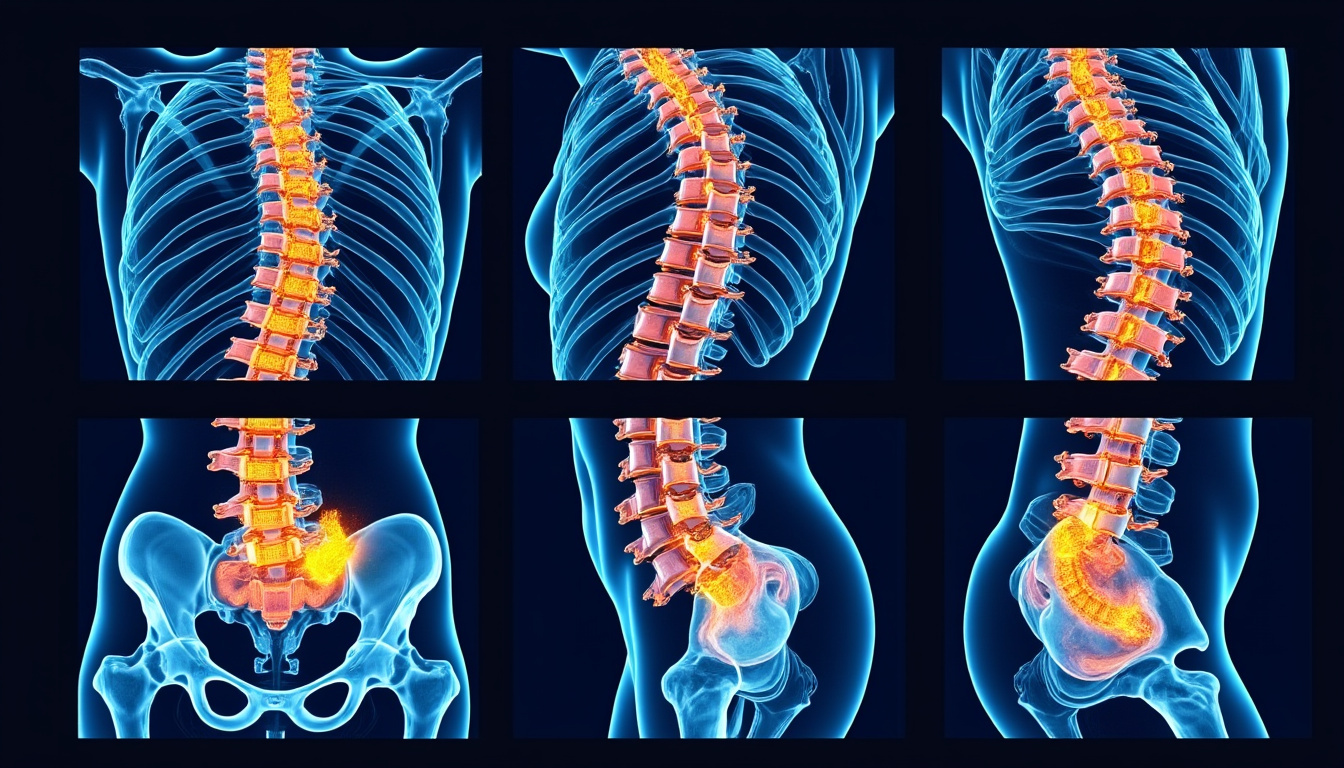

The Stepwise Role of Functional Recovery in Achieving Successful Outcomes
The journey to full recovery following spinal surgery is often complex and multifaceted, demanding a meticulously structured approach to ensure optimal functional outcomes. In recent years, the concept of functional recovery through a stepwise approach has garnered significant attention in…
How Advances in Minimally Invasive and Dynamic Surgical Techniques Influence Eligibility
Modern spinal surgery increasingly incorporates minimally invasive and dynamic stabilization techniques, transforming the eligibility landscape. These approaches aim to reduce surgical trauma, preserve motion segments, and accelerate recovery, but they impose stringent patient selection criteria to mitigate risks.
Minimally invasive surgeries (MIS), including endoscopic discectomies and tubular decompressions, are generally reserved for patients with isolated disc herniations or focal stenosis without significant segmental instability. Their benefits include smaller incisions, less muscle disruption, decreased blood loss, and shorter hospital stays, contributing to improved patient satisfaction and functional outcomes. However, these procedures require highly trained surgeons and sophisticated equipment, which may not be uniformly available, influencing access based on geography.
Dynamic stabilization devices, such as interlaminar spacers (e.g., IntraSPINE) or mobile segment arthroplasty solutions, offer alternatives to rigid fusion. Eligibility for these implants depends on preserved facet joint integrity and absence of gross deformity or severe arthrosis. They maintain a degree of spinal mobility while providing pain relief and stability, serving patients whose pathologies are intermediate between conservative care and traditional fusion.
| Technique | Indications | Key Eligibility Criteria | Advantages | Limitations |
|---|---|---|---|---|
| Minimally Invasive Surgery (Endoscopic) | Disc herniation, foraminal stenosis | Single-level pathology, no severe instability, conservative treatment failure | Reduced trauma, faster recovery, shorter hospitalization | Risk of recurrence, strict selection needed |
| Spinal Fusion (Arthrodesis) | Severe instability, advanced arthrosis, spondylolisthesis | Marked deformity, joint degeneration | Segmental stability, pain control | Loss of segment mobility, longer rehabilitation |
| Dynamic Stabilization Devices (IntraSPINE, TOPS) | Moderate instability, disc degeneration without severe arthrosis | Preserved joint integrity, absence of major deformity | Motion preservation, lasting relief | Limited indications, requires follow-up |
| Disc Replacement (Prosthesis) | Disc degeneration without arthrosis or instability | Good mobility, intact facets | Maintains motion, functional improvement | Not suitable for advanced arthrosis or deformity |
The careful application of eligibility criteria ensures the optimal surgical technique aligns with patient pathology and expectations, maximizing clinical benefits and minimizing adverse events. Numerous international studies underscore the importance of strict adherence to these indications to maintain efficacy and safety, such as those documented in recent comparative analyses of spinal surgical methods.
International Comparison: Exploring Eligibility Criteria for Back Surgery
Compare the eligibility factors and surgical practices across countries, along with insights on modern surgical techniques for back surgery.
| Eligibility Factor | Back Surgery in Canada | Back Surgery in France | Modern Surgical Techniques |
|---|

Transatlantic Patient Journey: Insights into Indications, Benefits, and Challenges
The emergence of the Transatlantic Patient Journey as a strategic model within healthcare continues to capture attention for its innovative potential, especially in specialized fields such as spinal surgery. This cross-border care pathway integrates rigorous medical evaluation from Quebec with…
The Preoperative Assessment Pathways in Different Countries and their Role in Surgical Outcomes
Effective preoperative assessment serves as the backbone of patient safety and optimal spinal surgery outcomes. Internationally, these processes share core elements: detailed medical history, objective functional measurement, neurological exams, and imaging. However, the level of integration and coordination varies significantly.
In countries with advanced healthcare infrastructures, patients undergo multidisciplinary clinics, where surgeons, anesthesiologists, radiologists, and physiotherapists jointly evaluate candidacy and perioperative risks. These models enable tailored preparation, including managing comorbidities, optimizing medication, and psychological readiness, which are linked to superior outcomes and fewer complications.
For example, collaborative programs between Quebec’s Neurothérapie Montréal and French surgical centers illustrate efficient integration of preoperative evaluation with patient education and logistics management, ensuring timely access to surgery and robust follow-up. This approach helps bridge disparities in healthcare access and enhances functional recovery through coordinated rehabilitation efforts. Comprehensive guides emphasize this integrated model as essential for quality spinal care and are documented in resources discussing surgical pathways in international contexts.
Contrast this with healthcare systems experiencing resource constraints or fragmented systems where preoperative assessments might be less comprehensive. Such gaps can contribute to higher rates of surgical complications and delayed recovery, possibly explaining variations in international surgical outcomes. These differences highlight the need for ongoing international collaborations to establish unified eligibility and preoperative assessment protocols that emphasize both clinical effectiveness and patient-centered care.
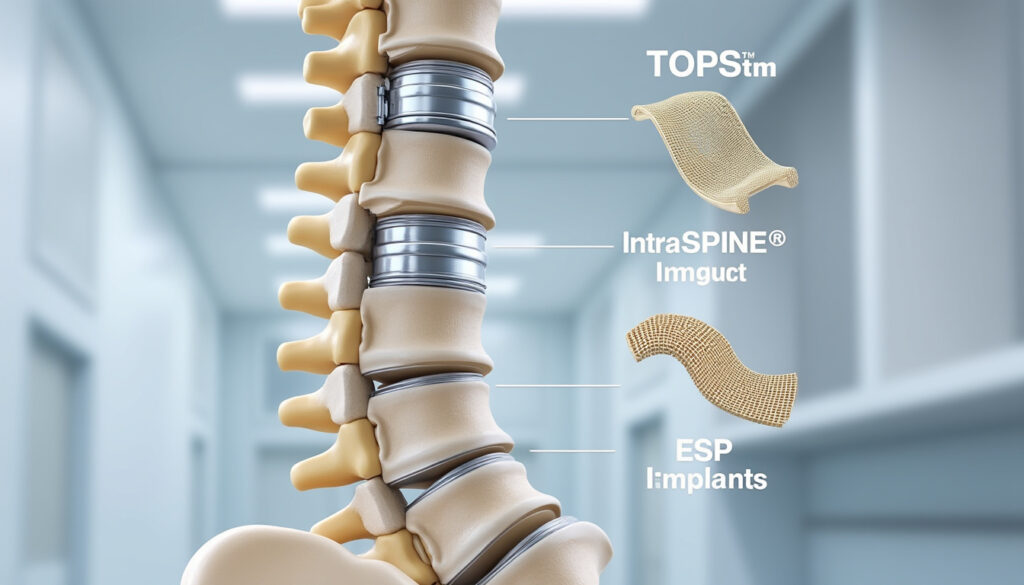
The evolving field of spinal surgery is witnessing a transformative shift, fueled by cutting-edge implant technologies such as TOPS, Intraspine, and ESP. These innovative implants redefine treatment possibilities by emphasizing preservation of natural spinal mechanics, while ensuring durable stabilization and…
The Impact of Socioeconomic Factors and Medical Guidelines on Back Surgery Accessibility
Socioeconomic variables considerably influence the accessibility and eligibility for back surgery across different regions. Wealth disparities, insurance coverage, and healthcare funding models affect the ability of patients to receive timely surgical care. In countries where universal healthcare provides broad coverage, eligibility criteria focus predominantly on clinical appropriateness rather than financial barriers. Conversely, in systems with mixed public-private financing, economic factors may indirectly restrict access despite clinical indications.
Additionally, the implementation of medical guidelines plays a critical role in standardizing eligibility and ensuring equitable surgical access. Robust international guidelines, such as those promoted by the North American Spine Society’s Appropriate Use Criteria, serve as benchmarks to minimize unnecessary surgeries and optimize resource utilization. Where such guidelines are rigorously adopted, patient selection tends to be more consistent, enhancing overall care quality and reducing practice variability.
However, the translation of guidelines into practice can be uneven due to variations in provider training, healthcare system organization, and patient population characteristics. Socioeconomic factors also intersect with patient willingness and capacity to travel for specialized care, which ties back to the rise of medical tourism for spine surgery. Patients from underserved areas increasingly seek international options to bypass extended waiting lists or to access innovative surgical techniques, reshaping eligibility considerations and healthcare delivery models globally.
Understanding the interplay between socioeconomic determinants, policy frameworks, and clinical practice is paramount to developing strategies that ensure back surgery is accessible and appropriate for those in need, across international boundaries.

Preparing for Surgery in France: Key Indications, Benefits, and Limitations
In an evolving global healthcare landscape, France emerges as a beacon of advanced surgical expertise, particularly attracting international patients seeking expedited and innovative medical interventions. Patients from regions experiencing long wait times, such as Quebec, increasingly view France as an…
Postoperative Care and Rehabilitation: Crucial Elements in Successful Back Surgery Across Borders
Postoperative care is a cornerstone of spinal surgery success, markedly influencing long-term outcomes and quality of life. Differences in follow-up protocols and rehabilitation services across countries can affect patient recovery trajectories and complication rates.
Effective rehabilitation programs are increasingly tailored to individual needs, incorporating neurofunctional support, physical therapy, and innovative modalities such as rTMS (repetitive transcranial magnetic stimulation) to enhance neurological recovery. The Franco-Québécois partnership underscores the benefits of robust postoperative follow-up managed by specialized teams to monitor progress, adjust therapies, and support psychological well-being throughout the recovery process.
Moreover, the alignment of patient expectations with realistic outcome goals during preoperative counseling and postoperative care reduces anxiety and improves adherence to rehabilitation protocols, translating into higher satisfaction rates and functional gains. Access to such multidisciplinary, continuous care, however, varies globally and is influenced by healthcare system resources and geographical factors.
International case studies demonstrate that centers adopting comprehensive postoperative strategies significantly reduce reoperation rates and complications such as persistent pain or neurological deficits. This evidence advocates for integration of standardized postoperative care pathways within eligibility and surgical planning frameworks to promote holistic spinal care.

Unveiling the Hidden Benefits of Quality and Certification in Devices
The landscape of device manufacturing and clinical application in 2026 has been fundamentally shaped by the rigorous interplay between quality management and certification processes. Within this complex framework, the hidden benefits of adhering to international standards and obtaining relevant certifications…
Collaborative International Models Enhancing Patient Selection and Surgical Outcomes in Spinal Surgery
International collaboration in spinal surgery merges expertise, technology, and patient-centered care models to enhance eligibility criteria and surgical outcomes. The partnership between Canadian and French institutions exemplifies a modern integrated approach, offering patients from Quebec priority access to innovative surgical techniques within a streamlined care pathway that includes preoperative assessment, surgery, and postoperative rehabilitation.
Such models leverage the strengths of both healthcare systems: Canadian coordination and patient management combined with French centers’ surgical proficiency and access to cutting-edge technology. This cooperation reduces surgical wait times and addresses the complex needs of challenging cases, including severe degenerative pathologies and spinal deformities.
Through multidisciplinary case conferences and shared patient registries, these partnerships enable continuous quality improvement, data-driven refinement of eligibility criteria, and research into surgical appropriateness. This leads to more personalized treatment plans, improved functional outcomes, and reduced complication rates.
The success of such collaborative networks highlights the importance of transcending national boundaries to establish standardized eligibility frameworks, promote best practices, and disseminate innovative techniques globally, ultimately benefiting patient care and advancing the field of spinal surgery.

Why Experts Advocate for Comprehensive Preoperative Evaluations
In the complex and demanding field of spinal surgery, the emphasis on comprehensive preoperative evaluations has become a fundamental pillar supporting successful surgical outcomes. These evaluations, far beyond mere routine checks, integrate detailed analyses of patient health, surgical risk assessments,…
Patient Selection Challenges and Ethical Considerations in International Spine Surgery Access
The complexity of spine surgery eligibility introduces challenges related to patient selection that are magnified in an international context. Balancing the benefits of advanced surgical options with the risks inherent in complex interventions necessitates ethical deliberation, especially when care is delivered across borders.
One pressing challenge involves managing expectations and ensuring informed consent when patients travel internationally for surgery. Language barriers, differing healthcare regulations, and varying standards of care require transparent communication and comprehensive preoperative education to mitigate risks and enhance decision-making.
Moreover, equitable access to spine surgery is a global ethical concern. While international referral programs extend opportunities to patients who might otherwise face prohibitive wait times or limited local resources, they also raise questions about prioritization and fair distribution of care within both sending and receiving healthcare systems.
Healthcare providers and policy makers must address these challenges through robust frameworks that govern cross-border surgical care, safeguard patient rights, and standardize clinical eligibility criteria. Investing in shared registries and international guidelines further supports ethical practices and improves outcomes by facilitating monitoring and continuous evaluation.

The Future of Surgery Lies in Stepwise Functional Recovery
The evolution of surgical care in 2026 reveals a compelling shift toward approaches that prioritize the holistic recovery of patients, moving beyond traditional metrics like length of hospital stay or mortality rates. This modern paradigm highlights the principle that the…
Future Directions: Evolution of Eligibility Criteria and Impacts on Global Spinal Surgery Practices
Looking ahead, eligibility criteria for back surgery are poised to evolve rapidly due to scientific advances, growing data integration, and technology adoption. Precision medicine and artificial intelligence are increasingly being integrated into patient selection processes, allowing for predictive modeling of surgical outcomes based on individual characteristics and lifestyle factors.
Robotic-assisted surgery and enhanced imaging techniques, such as 3D navigation and real-time intraoperative assessment, promise to tailor interventions with unprecedented accuracy, potentially broadening eligibility while minimizing risks. These technologies also facilitate remote expert consultation and team collaboration, fostering a more global approach to spinal care.
Simultaneously, changes in healthcare policy emphasizing value-based care and outcome transparency will shape how eligibility criteria are developed and implemented, driving a focus on not just surgical success but comprehensive patient well-being. International collaboration and guideline harmonization will be pivotal in disseminating innovations and ensuring equitable access worldwide.
Continued research into disparities, outcomes, and patient-reported experiences will inform refinements in eligibility protocols, balancing innovation with ethical considerations. The spinal surgery community must remain engaged in cross-disciplinary dialogue to ensure that evolving criteria serve the best interests of patients everywhere.
What are the primary factors determining eligibility for back surgery?
Eligibility is primarily based on a detailed clinical assessment, corroborative imaging identifying anatomical causes of pain, failure of conservative therapies, and evaluation of overall patient health and potential surgical contraindications.
How do international healthcare systems differ in assessing surgical candidacy for spine surgery?
Differences lie in the extent of multidisciplinary evaluations, imaging protocols, use of disability scoring systems, and surgical wait times, with some countries offering more integrated, streamlined preoperative pathways than others.
What role does postoperative rehabilitation play in surgical outcomes for back surgery patients?
Comprehensive postoperative rehabilitation, often involving specialized neurofunctional support, physical therapy, and patient education, is critical for optimizing recovery, minimizing complications, and improving long-term functionality.
How is the choice of surgical technique influenced by eligibility criteria?
Surgical technique selection depends on pathology specifics, segment stability, presence of arthrosis, and patient-specific factors; minimally invasive, dynamic stabilization, or fusion approaches are chosen accordingly to maximize efficacy.
What are the ethical considerations in international spine surgery patient selection?
Ethical concerns include ensuring informed consent despite language and cultural barriers, equitable access to care, fair prioritization of patients, and adherence to standardized eligibility and care protocols across borders.