Back Surgery in Trois-Rivières: Breakthrough Surgical Innovation Gains Approval
July 1, 2026
Understanding Post-Surgery rTMS Integration: A Guide for Quebec Patients
July 1, 2026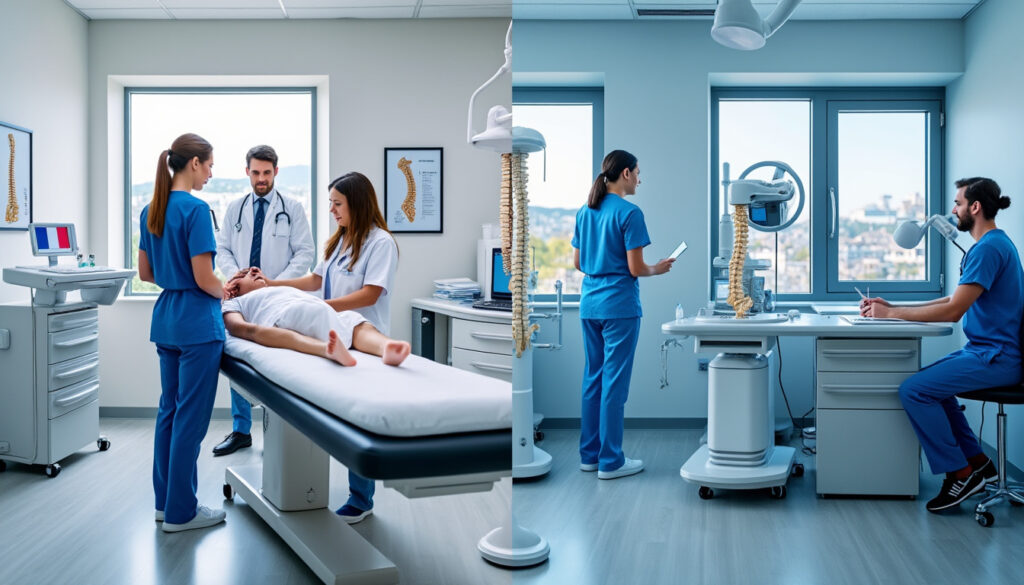
In recent years, spinal health has become a focal point in the realm of global healthcare due to its significant impact on quality of life and workforce productivity. The ongoing challenges posed by spinal disorders, such as herniated discs and chronic back pain, necessitate efficient and advanced medical treatment and rehabilitation strategies. The contrasting approaches of France and Quebec provide a compelling international comparison in spinal care, revealing distinct healthcare practices shaped by differing healthcare systems, medical innovations, and patient pathways. This spotlight aims to elucidate how these two regions manage spinal disorders, emphasizing their strengths and limitations in treatment accessibility, surgical techniques, and patient outcomes.
France’s healthcare system, characterized by a centralized organization and integration between public and private sectors, offers swift access to advanced spinal surgical interventions. This includes groundbreaking techniques where the preservation of spinal mobility is prioritized alongside effective decompression and stabilization. In contrast, Quebec’s model, deeply rooted in a publicly funded healthcare system, emphasizes conservative treatment modalities and gradual progression towards surgery, with innovative technologies such as robot-assisted neurovertebral decompression gaining prominence. Despite longer wait times for specialized care in Quebec, collaborative efforts, including transatlantic partnerships, are enhancing patient experiences and bridging gaps between these systems.
Highlighting these differences, the article explores the interplay between surgical advancements in France and conservative management dominance in Quebec, underscoring the integral role of coordinated patient pathways to optimize recovery and minimize care disruptions. This detailed engagement with international spinal care practices not only broadens clinical perspectives but also serves as a foundation for improving patient outcomes across borders through shared expertise and innovation.
Distinct Healthcare Systems: Fundamental Differences in Spinal Care Management between France and Quebec
Understanding how healthcare systems shape spinal care practices requires a deep dive into the organizational structures of France and Quebec. France’s centralized healthcare system integrates both public hospitals and private clinics under strict regulatory oversight by medical governing bodies such as the Collège des médecins. This cohesive environment fosters rapid adoption of emerging medical technologies and streamlines patient access, resulting in a seamless continuum of care from diagnosis and surgery to rehabilitation. For example, in France, patients often benefit from minimally invasive endoscopic spinal procedures performed at state-of-the-art facilities supported by advanced imaging and navigation tools.
Conversely, Quebec operates predominantly under a publicly funded healthcare model emphasizing universal coverage. While medical services are free at point of use, patients often face prolonged waiting periods for specialist consultations and limited access to physiotherapy services, which can delay treatment initiation and impact overall spinal health prognosis. The limited presence of private clinics offering expedited care further complicates swift access to specialized spinal treatments. This system’s fragmentation sometimes causes patients to seek international care, especially in countries like France, where surgical innovation and availability of advanced interventions reduce waiting times.
The divergence extends to the training and specialization of healthcare professionals. France integrates osteopathy tightly into multidisciplinary hospital teams, creating holistic spinal care approaches. In contrast, Quebec focuses on rigorous scientific training with bilingual healthcare delivery, facilitating cross-cultural and transatlantic collaborations. The role of specialists, such as Dr. Sylvain Desforges—a prominent figure in Quebec serving as a bridge between French and Canadian approaches—exemplifies how expertise guides personalized spinal care tailored to patient needs, reinforcing system strengths while addressing limitations.
This systematic comparison illuminates critical coordination challenges and opportunities unique to each system. While France’s structure offers rapid technological uptake and consolidated pathways, Quebec’s model promotes conservative, comprehensive care but struggles with delays and fragmented service delivery, influencing patient trajectories and outcomes.

Understanding Sciatic Pain: Key Symptoms and When to Seek Medical Advice
Sciatic pain is a prevalent condition impacting a wide demographic, manifesting primarily as intense pain radiating from the lower back down the leg. This pain stems from irritation or compression of the sciatic nerve, a major nerve extending through the…
Innovative Surgical Techniques in France: Revolutionizing Spinal Care for Enhanced Patient Outcomes
France has positioned itself as a global leader in spinal surgery innovation, employing a full spectrum of operative interventions aimed at maximizing functional preservation and pain relief. The French approach categorizes spinal surgery into three main modalities: simple decompression, arthrodesis (fusion), and motion-preserving technologies, each tailored to specific patient profiles and pathology severity. Notably, these practices focus on precision, minimal invasiveness, and biomimetic solutions that maintain spinal biomechanics and reduce adjacent segment degeneration.
The simple decompression category encompasses targeted procedures such as microdiscectomy and partial laminectomy performed endoscopically. Utilizing uniportal endoscopic techniques, surgeons achieve efficient nerve root decompression while minimizing postoperative discomfort and scarring. Patients with localized herniated discs benefit from rapid recovery trajectories, enabling quicker resumption of daily activities and work. Such minimally invasive methods, supported by extensive surgeon training and technological integration, exemplify France’s commitment to refining spinal care.
Arthrodesis, or spinal fusion, remains essential in stabilizing unstable vertebral segments, correcting deformities, and managing traumatic injuries. The use of advanced implants like intersomatic cages and pedicle screws, developed through robust French medical device partnerships, has enhanced fusion outcomes. Despite the inherent reduction in spinal segment mobility, fusion surgeries in France employ techniques to optimize stabilization while considering long-term biomechanical implications.
The pinnacle of surgical advancement is represented by motion-preserving procedures, including cervical and lumbar disc prostheses and dynamic stabilization systems like TOPS and Intraspine. These innovations allow preservation of natural spinal motion, which is crucial for active patients aiming to maintain lifestyle quality post-surgery. Dynamic implants mitigate stress on adjacent segments, reducing the risk of secondary degeneration and chronic pain. Strict patient selection criteria and careful postoperative monitoring, often coordinated with expert clinicians like Dr. Desforges, ensure that these sophisticated treatments yield optimal results.
| Type of Surgery | Primary Objective | Advantages | Limitations |
|---|---|---|---|
| Simple decompression (e.g., endoscopy) | Nerve root decompression | Minimally invasive, faster recovery | Effective mainly for localized lesions |
| Arthrodesis (spinal fusion) | Vertebral segment stabilization | Long-lasting fixation, deformity correction | Loss of segmental mobility, longer healing time |
| Motion-preserving techniques | Mobility preservation with stabilization | Improved biomechanics, reduced pain | Strict patient selection, requires close follow-up |
Complementing these surgical options, France utilizes cutting-edge robotic navigation and intraoperative 3D imaging systems, significantly increasing surgical accuracy and reducing complications. Facilities such as the IRCAD Strasbourg host courses to disseminate these expertise globally. These technological advancements ensure that patient safety and surgical precision reach unparalleled levels, setting benchmarks for international spinal care practices.
The synergy between advanced technology, rigorous training programs, and multidisciplinary care teams underpins France’s leading role in spinal surgery, offering patients accessible, innovative options with promising outcomes documented in numerous clinical settings.

The Stepwise Role of Functional Recovery in Achieving Successful Outcomes
The journey to full recovery following spinal surgery is often complex and multifaceted, demanding a meticulously structured approach to ensure optimal functional outcomes. In recent years, the concept of functional recovery through a stepwise approach has garnered significant attention in…
Conservative Spinal Treatments in Quebec: Neurovertebral Decompression and Patient-Centric Care
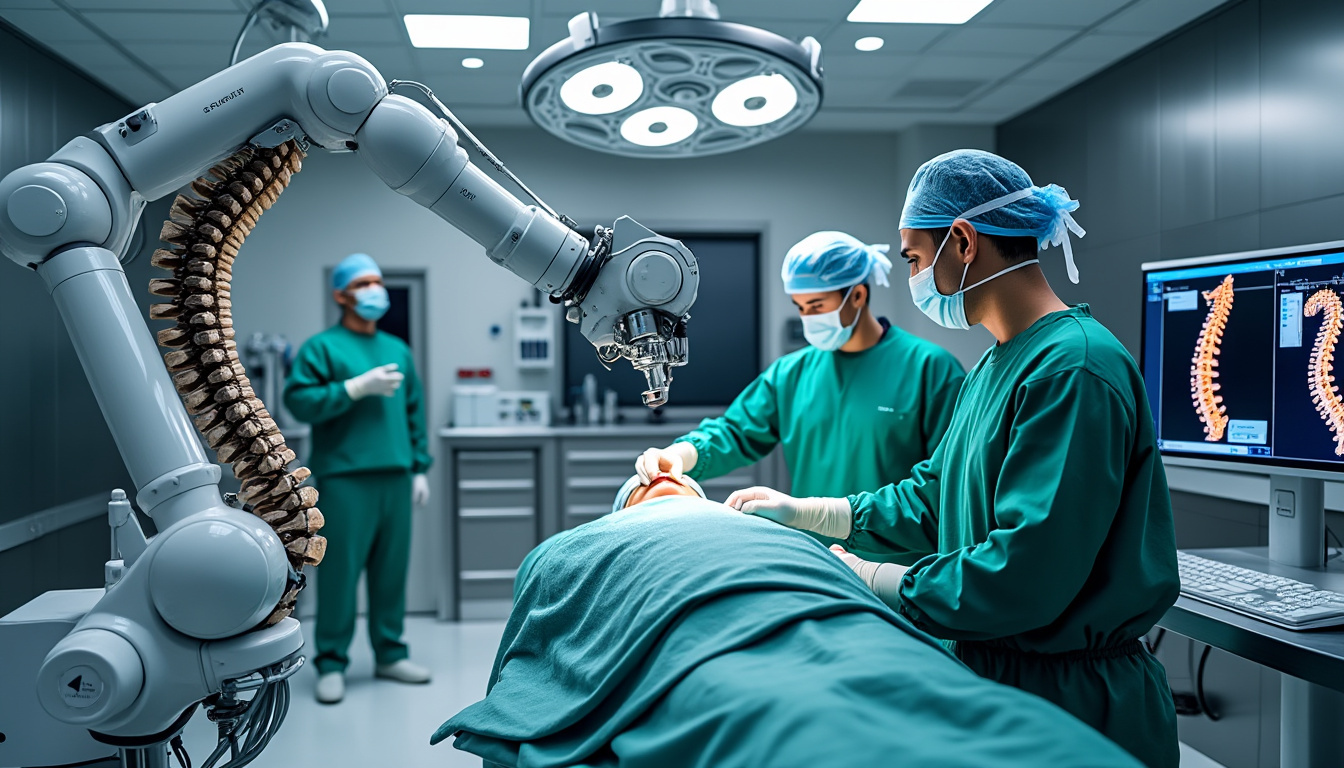
In Quebec, the approach to spinal disorders prioritizes conservative management before considering surgical intervention. This philosophy acknowledges the benefits of non-invasive treatments such as physiotherapy, neurovertebral decompression, and osteopathy to reduce pain and improve function. A particularly notable innovation is the utilization of robot-assisted neurovertebral decompression techniques provided by centers such as the Clinique TAGMED, under the guidance of Dr. Sylvain Desforges.
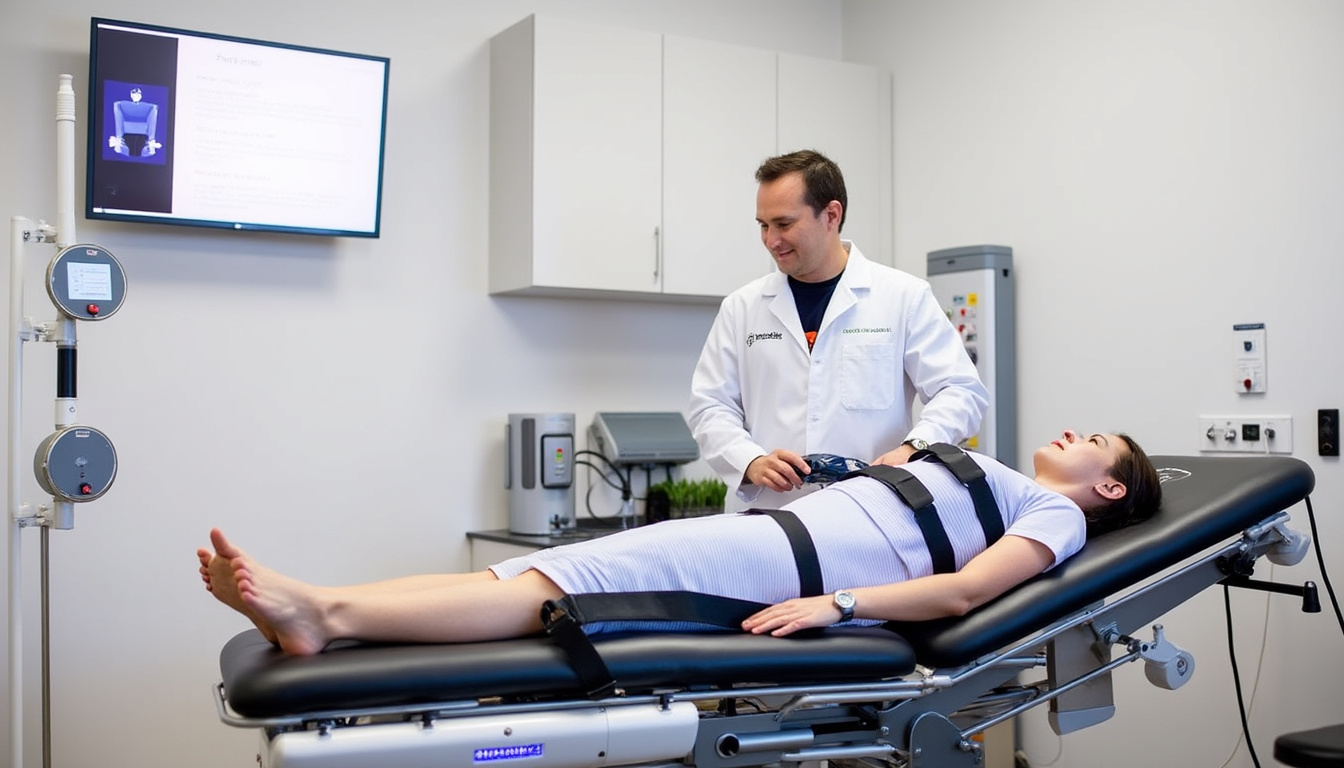
Neurovertebral decompression involves the use of robotic platforms to apply controlled, targeted traction to specific cervical or lumbar spinal segments. This method gently relieves pressure on nerve roots, enhances local circulation, and promotes tissue healing without surgical intrusion. Unlike traditional physiotherapy alone, this biomechanically precise decompression complements manual therapies and accelerates symptom relief for conditions like herniated discs or spinal stenosis.
The conservative treatment journey in Quebec typically spans 3 to 6 months, ensuring adequate trial periods for non-surgical modalities to achieve maximal patient improvement. Such extended management aims to avoid unnecessary surgeries, prevent complications, and preserve spinal integrity. Additionally, complementary therapies including specialized osteopathy contribute to postural correction and functional rehabilitation, addressing both structural and symptomatic concerns.
This patient-centric paradigm extends beyond physical treatment, fostering a transparent dialogue about prognosis and care options. Patients receive comprehensive education about spinal health, empowering them to participate actively in decision-making and treatment adherence, vital for successful recovery. The integration of bilingual medical teams and coordination with multidisciplinary professionals supports seamless care delivery.
Despite these advances, Quebec’s public healthcare framework faces challenges with delays in specialist access and limited coverage for expansive physiotherapy sessions. To mitigate these impact, international care pathways connecting patients to French spinal surgery experts through services like Franchir and Neurothérapie Montréal have emerged, optimizing outcomes and reducing treatment gaps.

Transatlantic Patient Journey: Insights into Indications, Benefits, and Challenges
The emergence of the Transatlantic Patient Journey as a strategic model within healthcare continues to capture attention for its innovative potential, especially in specialized fields such as spinal surgery. This cross-border care pathway integrates rigorous medical evaluation from Quebec with…
Coordinated Transatlantic Patient Pathways: Enhancing Spinal Care Outcomes through Collaboration
The emergence of coordinated transatlantic patient pathways exemplifies innovative healthcare practices bridging Quebec and France. This collaboration integrates the strengths of both systems, ensuring a comprehensive and personalized spinal care continuum free from typical service interruptions that affect outcomes.
The process begins with a detailed clinical evaluation at Canadian facilities like Clinique TAGMED, where Dr. Sylvain Desforges conducts in-depth assessments and initiates advanced conservative therapies. Only after exhaustive conservative care is surgery considered, following stringent criteria to select optimal candidates for French surgical services renowned for rapid access and cutting-edge procedures. The organization Franchir plays a pivotal role, facilitating the logistics and administrative aspects for patients traveling to France, including selection of suitable hospitals and surgeons tailored to individual medical profiles.
After surgical intervention, patients return to Quebec for structured post-operative rehabilitation under specialist teams at Neurothérapie Montréal. This ensures continuity, personalizes ongoing care, and utilizes the best evidence-based rehabilitation protocols adapted to the patient’s environment. Continuous communication between French and Quebec teams preserves treatment coherence and respects jurisdictional healthcare regulations.
The advantages of this transatlantic cooperation include:
- Reduced wait times for surgical procedures through access to prioritized French centers.
- Integration of conservative and surgical care ensuring procedures are reserved for those who truly need them.
- Enhanced patient education and involvement throughout the care journey.
- Economic benefits achieved by avoiding costly private care in Quebec and coordinating efficient travel planning.
- Improved post-operative recovery via local rehabilitation networks leveraging French surgical expertise.
This model highlights the potential for international collaboration to overcome systemic challenges, maximize medical technology utilization, and enhance patient outcomes in spinal health.
Comparative Advantages of France and Quebec Spinal Care
Explore the distinctive spinal care practices in France and Quebec, and discover how collaborative efforts enhance patient outcomes.
France – Surgical Innovation
Advanced motion-preserving implants, robotic surgeries, endoscopic techniques
Quebec – Conservative Care Leadership
Neurovertebral decompression, osteopathy, patient education
Collaborative Transatlantic Pathway
Integrated medical evaluations, surgery access facilitation, post-op rehab continuity
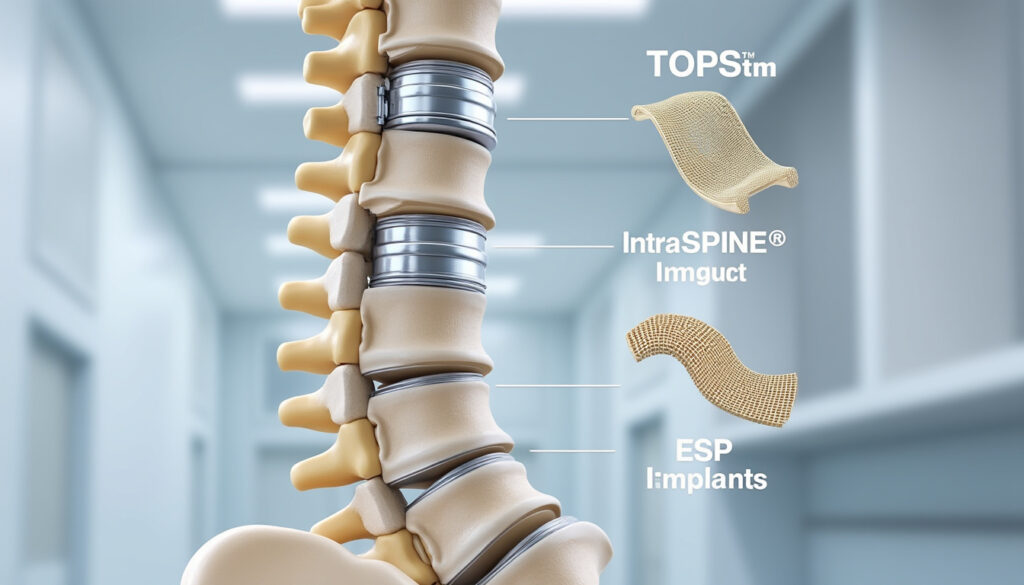
The evolving field of spinal surgery is witnessing a transformative shift, fueled by cutting-edge implant technologies such as TOPS, Intraspine, and ESP. These innovative implants redefine treatment possibilities by emphasizing preservation of natural spinal mechanics, while ensuring durable stabilization and…
The Role of Advanced Training and Education in Shaping Quality Spinal Care
Both France and Quebec invest substantially in specialist training and continuous education to enhance spinal care quality. France offers numerous Diplômes Universitaires (DU) and Inter-Universitaires (DIU) such as those provided by institutions in Bordeaux, Paris, and Strasbourg. These courses focus on the latest surgical techniques, biomechanics, and multidisciplinary approaches, ensuring practitioners remain at the forefront of innovation.
Simultaneously, Quebec nurtures its medical professionals through bilingual programs that emphasize evidence-based spinal care and incorporate osteopathy within treatment paradigms. The Société Française de Chirurgie Rachidienne (SFCR) coordination fosters exchange opportunities, ensuring Canadian surgeons benefit from leading European expertise and vice versa. As a result, patients in Quebec can expect care adhering to rigorous international standards, supported by research and clinical best practices.
This cross-pollination of knowledge fortifies the healthcare systems, enabling rapid diffusion of novel surgical methods, technological advancements like robotic navigation, and conservative treatment strategies. Workshops, congresses, and online platforms facilitate clinician development, patient safety, and improved outcomes in spinal conditions.

Preparing for Surgery in France: Key Indications, Benefits, and Limitations
In an evolving global healthcare landscape, France emerges as a beacon of advanced surgical expertise, particularly attracting international patients seeking expedited and innovative medical interventions. Patients from regions experiencing long wait times, such as Quebec, increasingly view France as an…
Healthcare Systems Impact on Patient Recovery and Satisfaction: A Comparative Perspective
Patient outcomes and satisfaction are critical metrics reflecting the efficacy of spinal care models. France’s centralized and technologically advanced healthcare system often leads to shorter hospital stays, lower complication rates, and quicker rehabilitation due to early surgical interventions and motion-preserving procedures. The structured integration of post-operative care enhances functional recovery, leading to improved quality of life for many patients.
In Quebec, despite challenges posed by delayed access to specialized surgery, the emphasis on conservative treatments promotes functional improvements without immediate surgical exposure. Patients demonstrate high engagement in their care decisions, which correlates with better adherence and satisfaction. Through the international collaboration described, Quebec patients now gain access to timely advanced surgeries, blending conservative and surgical advantages and boosting overall outcomes.
Studies comparing both systems indicate that blending strengths—France’s innovation and Quebec’s conservative ethos—yields superior clinical results. Efforts to optimize rehabilitation, reduce care fragmentation, and personalize treatment plans are essential for further progress. Patient testimonials highlight that seamless coordination, clear communication, and empathetic care delivery significantly influence recovery experiences, irrespective of geographic location.

Unveiling the Hidden Benefits of Quality and Certification in Devices
The landscape of device manufacturing and clinical application in 2026 has been fundamentally shaped by the rigorous interplay between quality management and certification processes. Within this complex framework, the hidden benefits of adhering to international standards and obtaining relevant certifications…
Future Directions: Integrating Innovations and Collaborative Efforts in Global Spinal Care
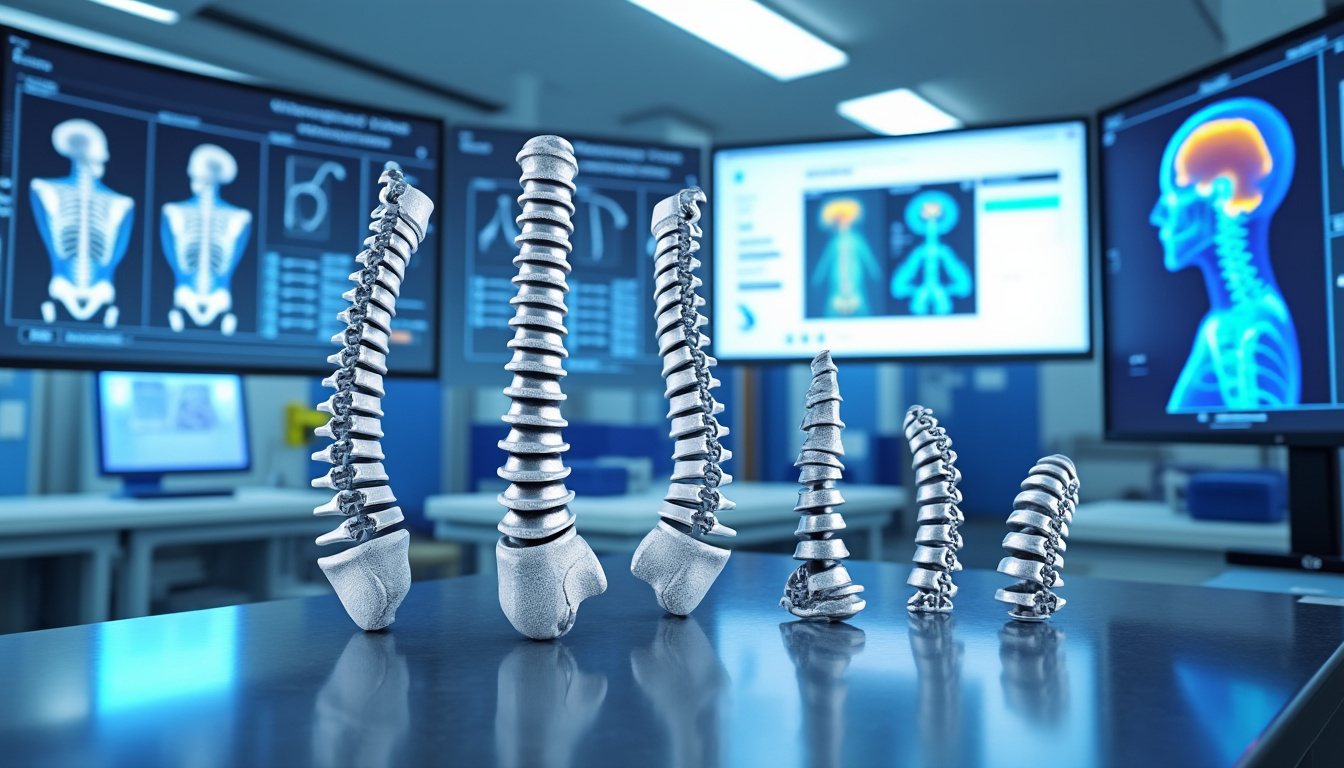
The evolving landscape of spinal care is increasingly defined by technological breakthroughs and international cooperation. Emerging modalities, including 3D-printed vertebral implants and AI-driven surgical planning, are transitioning from experimental to mainstream. Both France and Quebec have adopted these innovations to varying degrees, foreseeing enhanced surgical precision, customization, and patient-specific interventions.
Moreover, telemedicine and virtual rehabilitation platforms promise to reduce access disparities by extending specialist reach, particularly in Quebec’s vast territories. Combined with data-sharing between French and Quebec institutions, these tools foster evidence-based decision-making and continual quality improvement.
Global initiatives focused on spinal health harmonization, educational exchanges, and research collaborations stand to benefit from the model established between these two regions. This synergy propels the development of integrative patient-centered care pathways that can serve as exemplars internationally.
Continued investments in training, patient education, interdisciplinary teams, and health policy refinement remain vital to realize these ambitions. Ultimately, an international comparison not only broadens clinical insights but also accelerates the adoption of best practices, ensuring spinal care evolves to meet the demands of 2026 and beyond.
Why Experts Advocate for Comprehensive Preoperative Evaluations
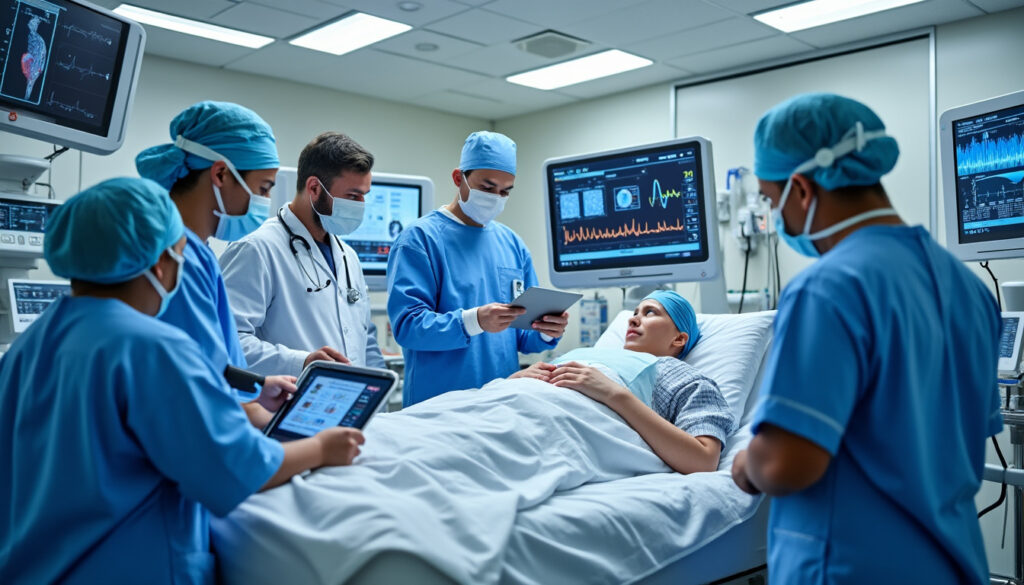
In the complex and demanding field of spinal surgery, the emphasis on comprehensive preoperative evaluations has become a fundamental pillar supporting successful surgical outcomes. These evaluations, far beyond mere routine checks, integrate detailed analyses of patient health, surgical risk assessments,…
Addressing Challenges in Spinal Care: Lessons Learned from France and Quebec
Despite their strengths, both the French and Quebec healthcare systems confront challenges that impact the management of spinal disorders. France, while equipped with advanced surgical infrastructure and rapid care access, must continue to address equitable distribution of resources, ensuring rural and underserved populations benefit similarly. Preoperative assessment rigor and postoperative complication surveillance are ongoing priorities to sustain high standards, particularly given the complexities of motion-preserving surgeries.
Quebec grapples with system fragmentation, lengthy wait times, and financial barriers associated with private sector care. These factors contribute to patient distress and potential deterioration of spinal conditions. However, Quebec’s increasing integration of robot-assisted conservative therapies and educational empowerment strategies mitigates these risks, exemplifying adaptability and resilience.
Insights gained from the comparative analysis reveal several actionable strategies:
- Enhanced interdisciplinary coordination to prevent care discontinuities and optimize referral pathways.
- Investment in technological accessibility for public healthcare facilities to match advances seen in private sectors.
- Policy reforms reducing wait times through international partnerships and expanded service capacity.
- Promotion of patient-centered education to empower informed consent and adherence.
- Expansion of post-surgical rehabilitation programs focusing on personalized and culturally sensitive care delivery.
As healthcare systems globally contend with growing spinal health demands, these lessons underscore the significance of flexible, integrated models that prioritize both innovation and accessibility for better patient outcomes.
The Future of Surgery Lies in Stepwise Functional Recovery
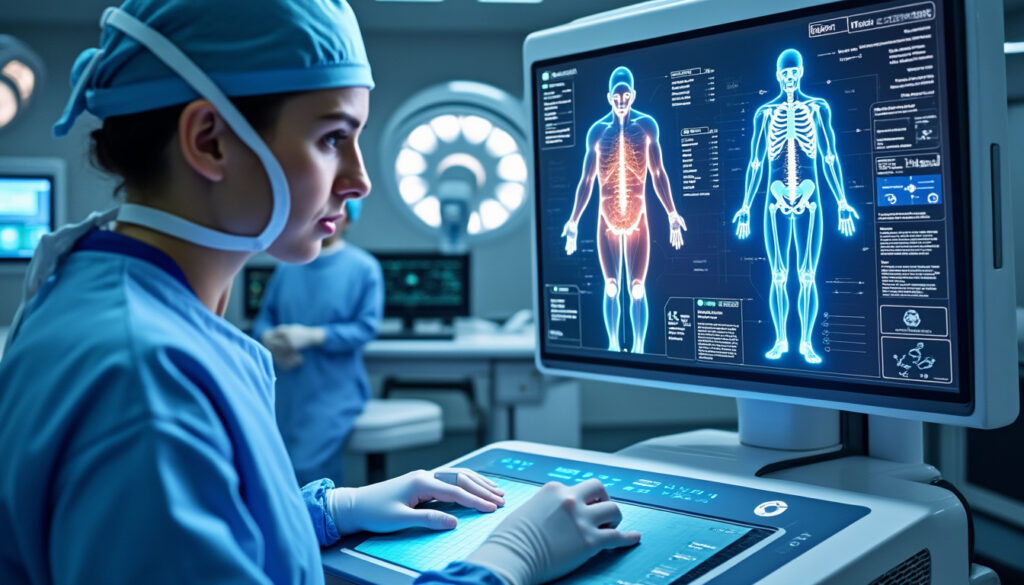
The evolution of surgical care in 2026 reveals a compelling shift toward approaches that prioritize the holistic recovery of patients, moving beyond traditional metrics like length of hospital stay or mortality rates. This modern paradigm highlights the principle that the…
International Perspectives: Insights into Spinal Care Outcomes from Recent Studies
Recent research initiatives provide critical insights into the comparative effectiveness of spinal care in France and Quebec. Studies published on platforms such as the World Journal of Clinical Cases and specialized medical portals illustrate variations in treatment protocols, patient selection, and longitudinal outcomes. For instance, data indicate that France’s investment in robotic-assisted mini-invasive surgeries correlates with reduced postoperative complications and enhanced patient mobility, affirming the value of motion-preserving implants and navigation technology.
Conversely, Quebec’s emphasis on thorough conservative treatment regimens before surgical consideration leads to fewer unnecessary operations and supports better physical function over time. Patient narratives and recovery stories also highlight the benefits of neurovertebral decompression therapies, emphasizing symptom relief and improved quality of life.
Comparative meta-analyses underscore the potential synergy afforded by a hybrid model, combining these complementary strategies. They advocate for expanded transatlantic collaboration to refine spinal care pathways and share technological advancements. This approach aligns with international trends aiming to balance cost, accessibility, and excellence in patient-centered care.
Healthcare providers and patients alike benefit from transparent communication and educational resources that demystify spinal disorders and treatment expectations. These initiatives promote realistic recovery goals and foster trust, key elements in successful clinical outcomes.
Further research is encouraged to evaluate long-term impacts of combined conservative and surgical approaches, while ongoing quality improvement measures adapt care delivery to emerging evidence and patient needs worldwide.
For comprehensive insights into spinal decompression therapies and their influence on recovery, valuable resources explore these treatment modalities in depth, highlighting clinical protocols and outcomes.
Frequently Asked Questions on International Spinal Care Practices
{“@context”:”https://schema.org”,”@type”:”FAQPage”,”mainEntity”:[{“@type”:”Question”,”name”:”What are the main differences between spinal care practices in France and Quebec?”,”acceptedAnswer”:{“@type”:”Answer”,”text”:”France offers rapid access to advanced surgical procedures with a focus on preserving spinal mobility, while Quebec emphasizes conservative treatments with robot-assisted decompression before surgery is considered.”}},{“@type”:”Question”,”name”:”How do international patient pathways improve spinal care outcomes?”,”acceptedAnswer”:{“@type”:”Answer”,”text”:”They integrate strengths from both healthcare systems to reduce wait times, coordinate care seamlessly across borders, and provide personalized treatment plans that enhance recovery and patient satisfaction.”}},{“@type”:”Question”,”name”:”What conservative treatment options are common in Quebec for spinal disorders?”,”acceptedAnswer”:{“@type”:”Answer”,”text”:”Robot-assisted neurovertebral decompression, physiotherapy, and specialized osteopathy are commonly employed to relieve pain and improve function before considering surgery.”}},{“@type”:”Question”,”name”:”Why is ongoing professional training important in spinal care?”,”acceptedAnswer”:{“@type”:”Answer”,”text”:”Continuous education ensures healthcare providers stay abreast of the latest surgical innovations, technology, and multidisciplinary approaches, leading to better patient care quality and safety.”}},{“@type”:”Question”,”name”:”Can motion-preserving spinal surgery techniques prevent future complications?”,”acceptedAnswer”:{“@type”:”Answer”,”text”:”Yes, by maintaining natural spine mobility, these techniques reduce the risk of degeneration in adjacent spinal segments and help sustain a higher quality of life post-surgery.”}}]}What are the main differences between spinal care practices in France and Quebec?
France offers rapid access to advanced surgical procedures with a focus on preserving spinal mobility, while Quebec emphasizes conservative treatments with robot-assisted decompression before surgery is considered.
How do international patient pathways improve spinal care outcomes?
They integrate strengths from both healthcare systems to reduce wait times, coordinate care seamlessly across borders, and provide personalized treatment plans that enhance recovery and patient satisfaction.
What conservative treatment options are common in Quebec for spinal disorders?
Robot-assisted neurovertebral decompression, physiotherapy, and specialized osteopathy are commonly employed to relieve pain and improve function before considering surgery.
Why is ongoing professional training important in spinal care?
Continuous education ensures healthcare providers stay abreast of the latest surgical innovations, technology, and multidisciplinary approaches, leading to better patient care quality and safety.
Can motion-preserving spinal surgery techniques prevent future complications?
Yes, by maintaining natural spine mobility, these techniques reduce the risk of degeneration in adjacent spinal segments and help sustain a higher quality of life post-surgery.
For further detailed comparisons and patient experiences regarding spinal care between France and Quebec, informative case studies and expert analyses shed light on evolving practices and patient satisfaction metrics in this domain.
To explore clinical research and health system evaluations relevant to spinal disorders, resources such as in-depth comparisons of healthcare systems provide valuable context for understanding treatment dynamics and policy implications in both regions.