Comprehensive Guide to Preparing for Surgery in France
June 30, 2026
Back Surgery in Trois-Rivières: Breakthrough Surgical Innovation Gains Approval
July 1, 2026
Medical logistics forms the backbone of effective healthcare delivery, particularly in complex, international medical pathways such as spinal surgery. Managing the seamless flow of medical equipment, pharmaceuticals, and patient accommodation is an intricate process that demands precision, coordination, and cutting-edge technology. Today, patients seeking specialized treatments abroad, especially Canadians traveling to France for advanced spinal procedures, rely heavily on streamlined healthcare supply chains and carefully organized support services to ensure smooth clinical journeys. From medical transportation management to aligning hospital resources and patient accommodation, the orchestration of these elements is vital to optimizing patient outcomes and minimizing risks.
Healthcare facilities involved in international medical programs must address multiple logistical challenges, from inventory control of implants and medical devices to emergency medical services readiness and patient support services during post-operative recovery. The 2026 landscape of medical logistics integrates sophisticated tracking systems such as RFID and IoT-enabled sensors that guarantee real-time monitoring, enhancing transparency and avoiding stockouts or supply delays that could jeopardize care quality. Moreover, accommodation logistics tailored to patient needs, including proximity to healthcare centers and specialized care environments, play a crucial role in ensuring a secure and comfortable healing process.
Experts like Érik Boulard advocate for a comprehensive, patient-centric approach to medical logistics, emphasizing the synergy between surgical teams, medical device manufacturers, transportation providers, and accommodation partners. Such collaboration fosters an environment where every resource is available precisely when and where needed, facilitating rapid interventions and attentive aftercare. This article explores the multifaceted aspects of medical logistics and patient accommodation through detailed examples, technological insights, regulatory considerations, and practical strategies that underpin successful international healthcare operations.
Critical Role of Medical Logistics in Enhancing International Patient Care Pathways
The management of medical logistics is an indispensable pillar supporting international patient care pathways, especially in highly specialized fields like spinal surgery. Effective medical logistics ensures that hospital resources, including sensitive implants and surgical instruments, are available on schedule, avoiding costly delays that can compromise surgical outcomes. For patients traveling abroad—such as Canadians seeking treatment in France—the coordination of medical supply chains involves both cross-border regulations and compliance with safety standards, including CE and FDA certifications.
Medical inventory management stands out as a key challenge, where stockouts or mismanagement can lead to cancellations or rescheduling of operations, adversely affecting patient safety and hospital efficiency. The integration of real-time inventory tracking via RFID technology provides robust traceability and reduces human error, thereby securing the integrity of delicate medical devices and pharmaceuticals.
For instance, surgical centers in Toulouse, Bordeaux, and Le Mans deploy automated logistics systems that adjust supply levels based on upcoming surgeries’ specifications and patient characteristics. This dynamic approach aligns closely with the principles outlined in medical logistics frameworks optimizing healthcare delivery, underscoring how proactive logistics planning contributes to operational excellence.
In addition, medical transportation is tightly integrated with logistics operations to ensure that implants and devices arrive in pristine condition within clinically appropriate windows. Coordinated patient transfers between airports, hospitals, and accommodation facilities, organized by providers like Franchir, exemplify the necessity of a holistic logistics system incorporating all stages of the patient’s journey.

International Comparison: Exploring Eligibility Criteria for Back Surgery
Back surgery remains a highly specialized field within spinal surgery, where patient selection and clear eligibility criteria play a pivotal role in achieving successful surgical outcomes. Around the globe, healthcare systems approach these criteria through diverse yet scientifically guided frameworks,…
Technological Innovations Revolutionizing Medical Inventory and Supply Chain Management
Advanced technologies have revolutionized healthcare supply chain management, creating significant improvements in accuracy, traceability, and speed. Radio-frequency identification (RFID), Internet of Things (IoT) devices, and data analytics have become cornerstones in modern medical logistics, providing granular control over hospital resources and reducing clinical risks. By 2026, these tools are essential for facilities handling sophisticated spinal implants such as TOPS, Intraspine, and B-DYN, which necessitate stringent tracking from manufacture to surgical implantation.
RFID tags embedded on medical devices enable instant reading of product details, expiry dates, and usage history, minimizing the chances of expired or counterfeit equipment entering operating rooms. IoT sensors monitor environmental conditions like temperature and humidity during transportation and storage, ensuring that sensitive pharmaceuticals remain stable. These advances promote regulatory compliance and elevate patient safety standards, as outlined in various operational toolkits such as the Emergency Response Medical Logistics Operational Toolkit.
The deployment of automated inventory management systems also allows predictive ordering based on historical consumption patterns, surgery schedules, and emergency demands. Hospitals can avoid overstocking costly implants, reduce waste, and respond swiftly to unforeseen needs. For example, RFID-generated data analytics support decisions regarding maintenance schedules for surgical robots and sterilization equipment, further optimizing healthcare operations.
Moreover, technology-driven logistics improve post-operative patient support by ensuring consistent availability of necessary supplies such as wound care products. Digital dashboards streamline communication across multidisciplinary teams managing patient accommodation, transportation, and medical follow-up, offering a seamless patient experience that aligns with modern healthcare expectations.
Benefits of Integrating RFID and IoT in Medical Logistics
- Real-time visibility: Immediate tracking of devices and supplies throughout the supply chain.
- Error reduction: Automated scanning reduces human mistakes in counting and stock handling.
- Regulatory compliance: Ensures product integrity and traceability required by health authorities.
- Optimized inventory: Data-driven insights enable just-in-time procurement, lowering costs.
- Improved patient safety: Prevents the use of expired or unfit medical materials.
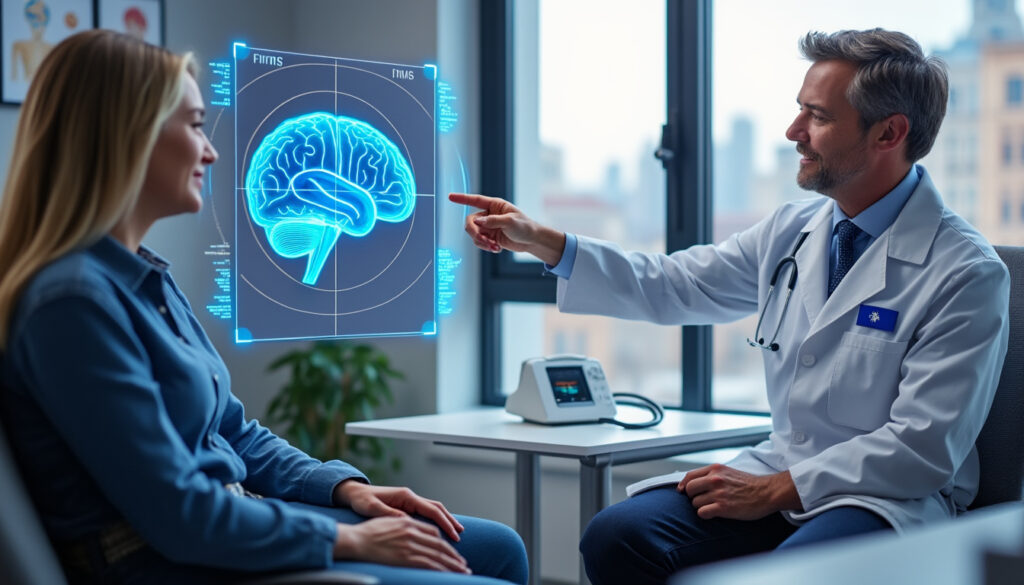
Understanding Post-Surgery rTMS Integration: A Guide for Quebec Patients
Every year, a significant number of Quebec patients embark on the challenging journey of spinal surgery abroad, predominantly in France, to address complex spinal pathologies. These patients face the daunting task of not only undergoing critical surgical procedures but also…
Coordinated Patient Accommodation as a Pillar of Successful Medical Logistics
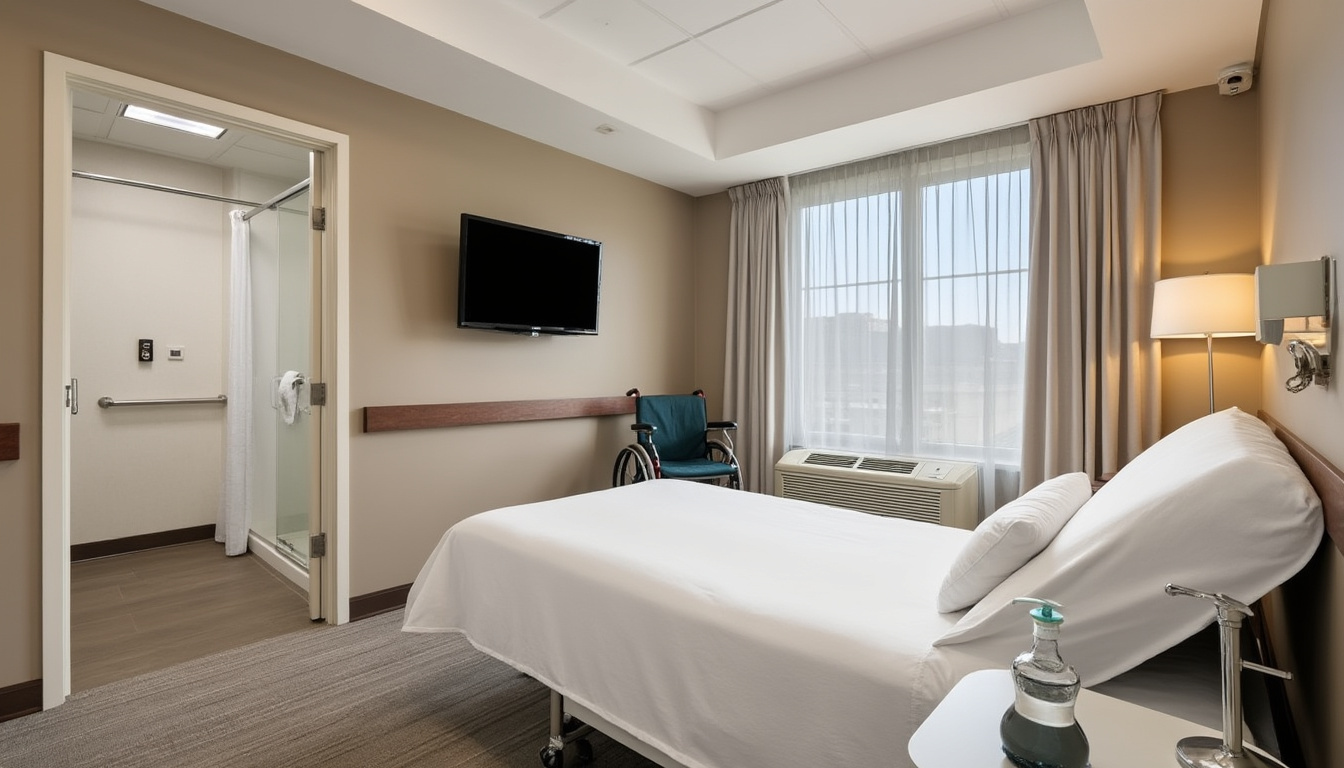
Patient accommodation transcends the basic provision of lodging; it plays a strategic role in the recovery and wellbeing of individuals undergoing complex medical treatments abroad. International patients, particularly those from Canada traveling to France for spinal surgery, benefit from lodging solutions that prioritize proximity to healthcare facilities, specialized care requirements, and psychosocial support services.
For these patients, accommodations are often arranged through dedicated medical tourism facilitators like Franchir, which tailor lodging options to individual clinical histories and post-surgical needs. This custom approach includes selecting venues offering physical therapy spaces, easy access for medical staff, and environments conducive to controlled mobility following dynamic spinal implant surgery.
Beyond physical logistics, effective accommodation strategies reduce patient stress and optimize healing conditions. Minimizing travel distances between hospital and lodging limits fatigue and potential complications. In addition, specialized accommodations may integrate nutritional guidance, psychological support, and coordinated transportation services to appointments, ensuring comprehensive patient support services throughout the stay.
Examples include rehabilitation centers near Toulouse and Bordeaux, where lodgings are equipped with adjustable beds, mobility aids, and medical alert systems. Such facilities operate in tandem with hospital discharge plans, exemplifying a holistic health logistics model that fosters swift convalescence and enhanced patient satisfaction.
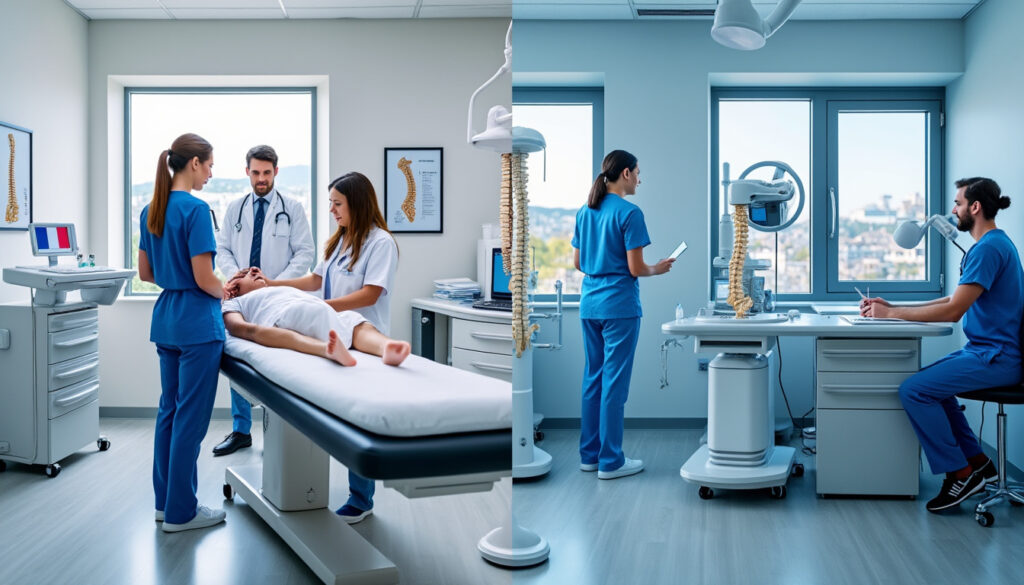
International Comparison: Spotlight on Spinal Care Practices between France and Quebec
In recent years, spinal health has become a focal point in the realm of global healthcare due to its significant impact on quality of life and workforce productivity. The ongoing challenges posed by spinal disorders, such as herniated discs and…
Strategic Medical Transportation Coordination for Optimal Healthcare Delivery
Efficient medical transportation is pivotal within medical logistics, ensuring the safe and timely transfer of both patients and medical supplies. This aspect encompasses emergency medical services readiness, scheduled patient transfers, and logistics for equipment movement. In an international context, transportation coordination becomes increasingly complex, requiring seamless collaboration among airlines, ground ambulance services, and medical coordinators.
For spinal surgery patients traveling from Canada to France, arrangements include medical flights equipped with advanced monitoring systems, ground vehicles for hospital transfers, and contingency plans for urgent transfers to emergency units. Transport providers must comply with strict health regulations to maintain patient safety and comfort, especially for those with dynamic stabilization implants requiring carefully monitored mobilization.
Collaborative platforms facilitate synchronization between hospital staff, patient accommodation providers, and logistic operators to minimize wait times and optimize transfer routes. This integration reflects contemporary healthcare logistics practices, focusing on patient-centered approaches that also enhance resource utilization and cost containment.
Key Components of Medical Transportation in Healthcare Logistics
| Component | Description | Impact on Patient Care |
|---|---|---|
| Medical Flights | Specialized air transport equipped with medical support for long-distance patient transfer. | Ensures stable conditions during travel and immediate medical intervention capability. |
| Ground Ambulance | Local transfers between airports, hospitals, and accommodations with medically trained personnel. | Minimizes transit-related risks and facilitates quick response to patient needs. |
| Supply Chain Transport | Movement of medical implants and pharmaceuticals from manufacturers to healthcare facilities. | Maintains product quality and availability in time for surgeries. |

Comprehensive Guide to Preparing for Surgery in France
Facing surgery abroad often presents a complex blend of practical challenges and emotional concerns. When the destination is France, known for its innovative healthcare system and advanced surgical techniques, preparation becomes both an opportunity and a responsibility. Patients must navigate…
Challenges and Solutions in Managing Healthcare Facilities Under International Constraints
International medical logistics must navigate numerous challenges, including regulatory compliance, cross-border customs clearance, language barriers, and varying healthcare standards. Hospitals and clinics engaged in welcoming international patients require stringent protocols to harmonize practices and ensure patient safety.
Partners in France leverage certifications such as ISO 13485 and ISO 9001 to standardize medical inventory management and logistics quality frameworks. To mitigate language and cultural challenges, multidisciplinary coordination teams ensure that communication flow remains uninterrupted and patient instructions are clearly communicated.
Additionally, innovative digital platforms support document management, consent processes, and follow-up scheduling, reinforcing operational transparency. These solutions empower healthcare facilities to provide consistent care quality despite international constraints, as evidenced by programs centralizing expertise for Canadian patients undergoing spine interventions.

Preventing Post-Laminectomy Syndrome: Insights and Experiences from Patients and Experts
Post-Laminectomy Syndrome remains a challenging consequence following spinal surgery, where patients encounter persistent or recurring pain despite undergoing procedures aimed at relieving discomfort. This syndrome, often marked by chronic pain and mobility challenges, influences thousands of patients annually, significantly impacting…
Optimizing Healthcare Operations Through Integrated Logistics and Accommodation Services
The fusion of medical logistics with patient accommodation and transportation augments healthcare operational efficiency. Centralized coordination minimizes redundancy, reduces costs, and enhances patient satisfaction by facilitating a well-orchestrated continuum of care. Such operational models embrace holistic approaches that address logistical, clinical, and psychosocial facets concurrently.
A real-world example is the collaboration between surgical centers, logistics coordinators, and therapeutic post-operative providers like Neurothérapie Montréal, which provides follow-up rehabilitation tailored to the surgeries performed abroad. This integrated care pathway exemplifies how proper management of hospital resources and healthcare supply chains translates to superior clinical success.
Furthermore, recent advances in healthcare logistics embrace AI-driven analysis and machine learning to predict patient flow, optimize resource allocation, and anticipate supply chain disruptions. These technologies are critical to maintaining the agility essential to modern healthcare systems facing fluctuating patient volumes and global challenges.
Comparative Table: Traditional vs Advanced Medical Logistics
Ce tableau compare les approches traditionnelles de la logistique médicale à celles plus avancées modernes. Utilisez les filtres et les options ci-dessous pour interagir avec les données.
| Aspect | Traditional Logistics | Advanced Medical Logistics |
|---|

Insights from Studies Comparing Spinal Care Practices Between France and Quebec
The contrasting spinal care systems of France and Quebec offer a unique lens through which to analyze universal healthcare’s efficacy in addressing a common yet complex medical concern: spine treatment. Despite both regions boasting robust, publicly-funded health services designed to…
Best Practices for Mastering Medical Logistics and Patient Accommodation Management
Effective management of medical logistics and patient accommodation demands a strategic yet flexible approach that anticipates challenges and incorporates best practices to ensure seamless healthcare delivery. The following guidelines summarize essential tactics for stakeholders involved in international healthcare logistics:
- Comprehensive planning: Early coordination among surgeons, logistics providers, accommodation partners, and patients.
- Technological adoption: Utilize RFID, IoT sensors, and AI for real-time monitoring and predictive analytics.
- Regulatory vigilance: Maintain strict adherence to local and international health regulations and certifications.
- Patient-centered accommodation: Customize lodging to meet mobility, nutritional, and psychosocial needs.
- Robust communication: Ensure transparent information flow among all actors in the care continuum.
- Post-operative continuity: Coordinate follow-up services with local medical teams in the patient’s home country.
- Environmental responsibility: Incorporate sustainable waste management and energy-efficient logistics processes.
Adhering to these best practices not only improves patient outcomes but also enhances operational efficiency and supports sustainable health systems—key priorities highlighted in comprehensive healthcare logistics guides shaping the industry’s future.


Global Comparison: Spotlight on Partner Hospitals and Surgeons
The landscape of spinal surgery and patient care is undergoing a dynamic transformation propelled by groundbreaking technologies and robust international medical collaborations. The emerging paradigm highlights the critical role of partner hospitals and surgeons who not only bring surgical excellence…
Emerging Trends in Medical Logistics and Accommodation for Global Healthcare Markets
The future trajectory of medical logistics is influenced by digital transformation, global health challenges, and patient expectations for personalized care. Emerging trends include the integration of AI-enabled routing for medical transportation, blockchain for supply chain transparency, and telemedicine-enabled patient monitoring within accommodation complexes.
Healthcare facilities aim to harness data interoperability to provide seamless transitions between in-hospital care and at-home recovery, bridging geographical distances without compromising continuity. Additionally, the rise of sustainable logistics aligns with broader medical and societal commitments to environmental stewardship, incorporating green transportation options and eco-conscious facility management.
For example, recent innovations such as 3D printing of spinal implants locally reduce lead times and logistical complexity, enhancing customization capabilities for individual patients. Furthermore, international partnerships among medical institutions standardize care protocols and share best practices, reducing disparities and streamlining patient referrals.
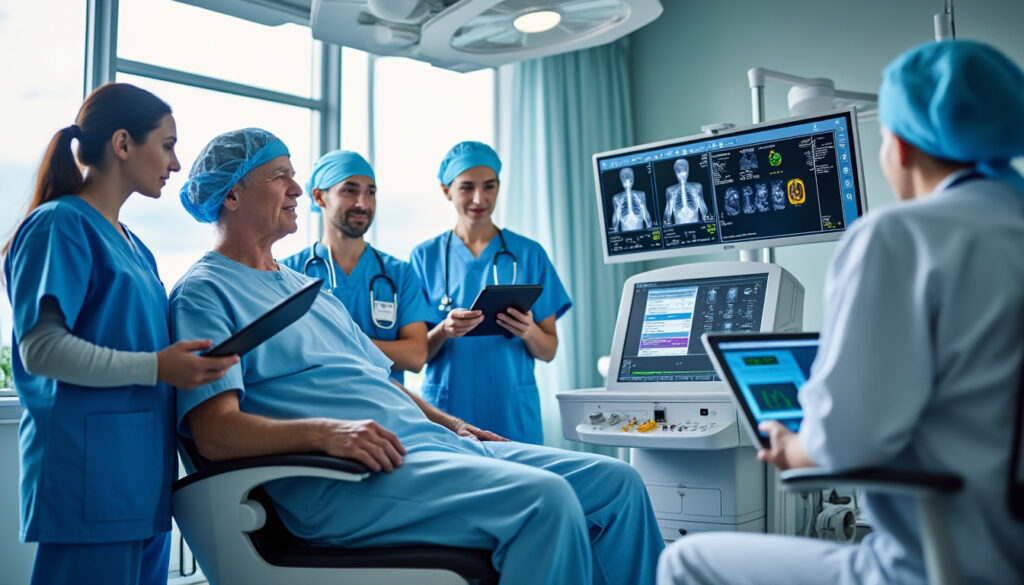
How Comprehensive Preoperative Assessment is Transforming Outcomes for Quebec Patients
As the landscape of healthcare continues to evolve, Quebec patients facing spinal surgery in France are witnessing a transformative shift thanks to a methodical approach called Comprehensive Preoperative Assessment. This detailed evaluation process encompasses more than just routine checks; it…
Collaborative Networks and Expertise Driving Successful Medical Logistics in International Healthcare
The success of medical logistics and accommodation programs depends heavily on expert leadership and collaborative networks. Figures like Érik Boulard, combining extensive surgical expertise and industrial implant knowledge, play a pivotal role in setting quality benchmarks and orchestrating multidisciplinary teams. Their comprehensive oversight ensures that every logistical detail, from implant certification to patient accommodation, contributes to a coherent and high-standard patient journey.
Collaborative initiatives link surgeons, hospital administrators, logistics companies, and patient support organizations to create integrated care pathways that cross borders seamlessly. Partnerships with rehabilitation services such as Neurothérapie Montréal further enhance long-term outcomes by ensuring continuous care after patients return home.
These collaborative frameworks establish trust and deliver confidence for international patients embarking on complex surgical pathways, exemplifying how unified expertise drives healthcare innovations. For those interested in detailed logistical planning and patient accommodation insights, resources like the complete guide to medical logistics and accommodation provide extensive practical knowledge and case examples.
What are the main advantages of coordinated medical logistics in international patient care?
Coordinated medical logistics ensure immediate availability of implants, reduce surgical wait times, and enhance patient safety through integrated transportation and accommodation management.
How does RFID technology improve medical inventory management?
RFID provides real-time tracking of medical products, reducing errors and stock shortages while enhancing traceability required for regulatory compliance.
What role does patient accommodation play in international medical treatments?
Patient accommodation supports recovery by offering proximity to healthcare facilities, tailored environments for mobility, and access to supportive services that reduce stress and improve healing.
How do medical transportation services integrate with healthcare logistics?
Medical transportation coordinates patient and supply transfers with specialized vehicles and contingency protocols, ensuring seamless connectivity within the healthcare supply chain.
Who are key experts driving innovations in medical logistics for international care?
Medical professionals and industry leaders like Érik Boulard integrate surgical expertise with logistics knowledge to oversee complex supply chains and patient journey coordination, setting high-quality standards.