Understanding Herniated Discs in Brossard: Exploring the Benefits and Treatment of Neurovertebral Decompression
November 17, 2025
Understanding Post-Laminectomy Syndrome: A Guide for Quebec Patients
November 18, 2025
The management of spinal disorders stands as a significant healthcare challenge affecting individuals in Quebec, where patients often face long waiting lists and high private care costs. Meanwhile, France offers an innovative and accessible alternative for spinal surgery, supported by a streamlined transatlantic care pathway. Through partnerships with renowned specialists, such as Dr. Sylvain Desforges, and institutions like the Clinique TAGMED, Quebec patients benefit from well-structured, secure, and personalized care routes tailored to their unique needs.
This France-Québec collaboration is founded not only on technical and scientific excellence but also embraces a humanistic and educational approach, essential for guiding patients in decision-making. Advanced surgical techniques, including robotic neurovertebral decompression and dynamic implants like TOPS and Intraspine, provide cutting-edge solutions that often surpass local options available in Quebec. Comparing these two healthcare systems highlights their complementarities and key differences, emphasizing the vital role of thorough conservative treatment before considering surgical interventions.
Innovative Surgical Techniques in France: Accessible Solutions for Quebec Patients
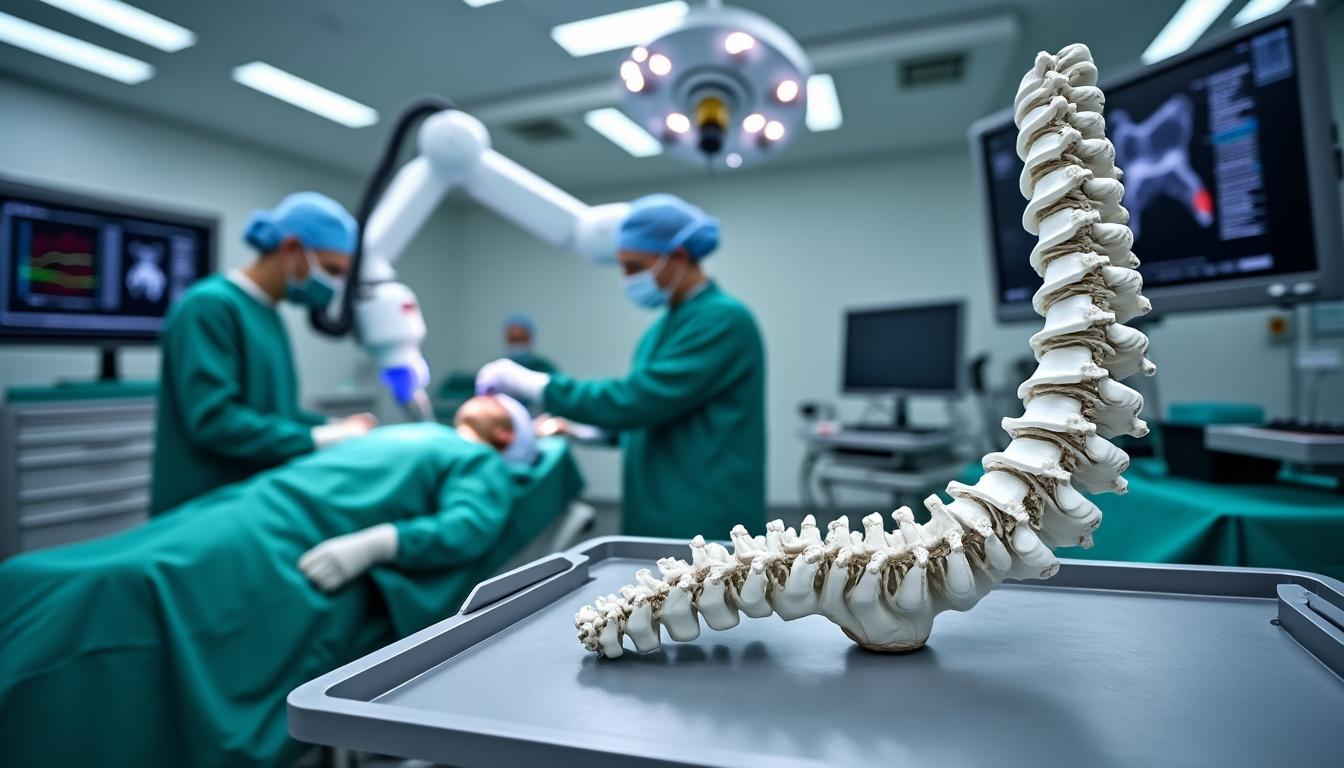
France boasts a broad spectrum of spinal surgical techniques that particularly attract Quebec patients seeking modern, tailored care. These procedures are categorically divided into three main groups: simple surgery, fusion surgery, and motion preservation surgery. Each modality addresses specific clinical indications and offers distinct biomechanical and functional benefits.
- Simple surgery: Typically performed via endoscopic or minimally invasive approaches, focused on nerve decompression caused by conditions like herniated discs, radicular stenosis, or localized compression. This method limits tissue trauma, reduces infection risk, and accelerates recovery, enabling patients to resume daily activities swiftly. For instance, a patient experiencing debilitating sciatica may undergo an ambulatory endoscopic procedure in France, resulting in minimal hospitalization and rapid recuperation compared to Quebec’s longer waiting times.
- Fusion surgery (arthrodesis): Entrusted to cases involving unstable or deformed vertebral segments requiring immobilization to prevent painful movement. Thanks to collaborations with companies like Cousin Spine and Premia Spine, France utilizes high-tech implants, providing durable mechanical stability. An example includes advanced spondylolisthesis treated via reliable spinal fusion, effectively alleviating pain and restoring spinal balance. However, this technique sacrifices segmental mobility, potentially accelerating wear on adjacent segments.
- Motion preservation surgery: An avant-garde alternative designed to maintain natural spinal mobility. Procedures involve implantation of cervical or lumbar disc prostheses and dynamic implants such as TOPS and Intraspine, which aim to relieve pain while preserving physiological spine dynamics. Active patients seeking to avoid fusion-related side effects may find these innovations more accessible in France due to extensive expertise.
| Technique | Main Indications | Key Advantages | Examples of Implants / Technologies |
|---|---|---|---|
| Simple Surgery (Endoscopy, Minimally invasive) | Herniated disc, localized nerve stenosis | Low invasiveness, rapid recovery, fewer complications | Endoscopic techniques, medical laser |
| Fusion Surgery (Arthrodesis) | Vertebral instability, spondylolisthesis, fractures | Durable mechanical stability, relief of resistant pain | TOPS, Intraspine implants |
| Motion Preservation | Degenerative disc disease without major instability | Movement preservation, reduced adjacent segment complications | Cervical/lumbar prostheses, TOPS, Intraspine |
These advanced techniques stand as crucial options for Quebec patients desiring state-of-the-art care abroad. The Franchir company plays a pivotal role in securing these solutions, coordinating with expert surgical teams in France and managing the full logistics of patient stays. Under Dr. Desforges’ supervision, rigorous evaluation and conservative treatment protocols ensure patients receive well-customized orientations before surgical engagement. Additionally, SOS Tourisme Médical assists in providing administrative and informational support within this international framework.

Understanding Sciatic Pain: Key Symptoms and When to Seek Medical Advice
Sciatic pain is a prevalent condition impacting a wide demographic, manifesting primarily as intense pain radiating from the lower back down the leg. This pain stems from irritation or compression of the sciatic nerve, a major nerve extending through the…
Transatlantic Patient Pathway: Coordinated Steps from Assessment to Rehabilitation
The spinal care pathway bridging Quebec and France involves meticulous coordination aimed at maximizing treatment safety, quality, and customization. Initial comprehensive assessments are conducted in Quebec by Dr. Sylvain Desforges, a specialist with over 30 years of expertise and multiple qualifications. These evaluations are performed mainly at TAGMED clinics in Montreal and Terrebonne.
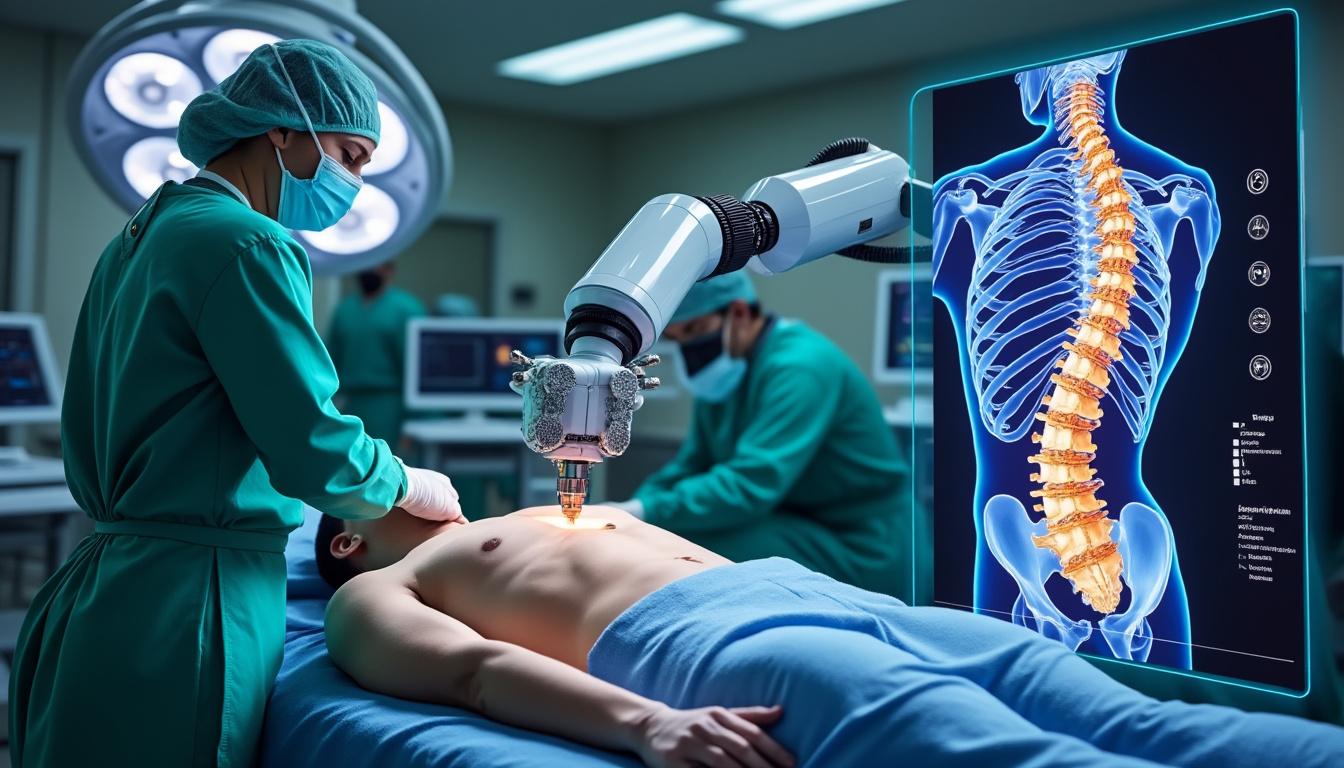
The evaluation process integrates detailed reviews of medical and imaging history, clinical examinations, and validation for surgical candidacy after a mandatory conservative treatment phase. This preliminary management notably includes robotic neurovertebral decompression — a pioneering technique overseen by Dr. Desforges. It utilizes controlled segmental traction to alleviate nerve compression, often reducing symptoms without surgery. Typically, patients undergo this treatment for 3-6 months prior to considering operative intervention.
- Initial evaluation and conservative treatment by Dr. Desforges and TAGMED to confirm surgical indication.
- Orientation and travel organization handled by Franchir, which selects the appropriate French surgical team and coordinates all transport and accommodation logistics.
- Surgical procedure performed in France at specialized partner centers equipped with cutting-edge technology supporting implantation of innovative devices.
- Postoperative follow-up and rehabilitation managed by Neurothérapie Montréal, offering tailored functional rehabilitation, pain management, and continued care coordination.
| Step | Responsible Partner | Objectives | Estimated Duration |
|---|---|---|---|
| Evaluation & Conservative Treatment | Dr. Sylvain Desforges & TAGMED | Comprehensive case analysis, non-surgical interventions | 3–6 months |
| Orientation & Travel Management | Franchir | Surgeon selection, logistics planning | 2–4 weeks |
| Surgery in France | French Surgical Teams | Implantation using advanced technology, initial care | 1–2 weeks |
| Postoperative Rehabilitation | Neurothérapie Montréal | Patient-centered functional recovery and pain management | Varies per patient |
This pathway carefully balances scientific scrutiny with a compassionate patient-oriented approach. Patients receive clear communication and sustained support at every stage from assessments through rehabilitation. The international cooperation enriches access to superior spinal care by combining best practices and innovations from the SpineCare France-Québec network.

The Stepwise Role of Functional Recovery in Achieving Successful Outcomes
The journey to full recovery following spinal surgery is often complex and multifaceted, demanding a meticulously structured approach to ensure optimal functional outcomes. In recent years, the concept of functional recovery through a stepwise approach has garnered significant attention in…
Prioritizing Specialized Conservative Treatments before Surgery
Expert guidance from Dr. Sylvain Desforges, with extensive clinical experience, emphasizes the indispensable role of advanced conservative treatments prior to surgery. Central to this approach is the exclusive use of robotic neurovertebral decompression available at TAGMED clinics.
This innovative therapy administers precisely controlled segmental traction, facilitating significant relief of nerve compression and related symptoms without immediate surgical intervention. Treatment protocols extend over several months with ongoing individualized monitoring to tailor care to patient progress.
- Main objectives:
- Reduce localized pain and inflammation.
- Enhance functional capacity gradually without surgery.
- Optimize spinal condition before potential surgery.
- Minimize unnecessary surgical risks.
| Conservative Treatment Type | Recommended Duration | Goals | Impact on Surgical Decision |
|---|---|---|---|
| Robotic Neurovertebral Decompression (TAGMED) | 3–6 months minimum | Lower nerve root pressure | Possible surgery avoidance, better recovery |
| Targeted Osteopathic Care | Variable | Posture and movement improvement | Supplementary support |
| Specialized Physiotherapy & Functional Rehabilitation | Ongoing | Muscle strengthening, relapse prevention | Ensures durable conservative effects |
Dr. Desforges does not supervise general physiotherapy but installs these specialized interventions to complement the robotic decompression. This conservative-first philosophy ensures a safe, guideline-compliant care journey with integration of cutting-edge technologies for optimal outcomes.

Transatlantic Patient Journey: Insights into Indications, Benefits, and Challenges
The emergence of the Transatlantic Patient Journey as a strategic model within healthcare continues to capture attention for its innovative potential, especially in specialized fields such as spinal surgery. This cross-border care pathway integrates rigorous medical evaluation from Quebec with…
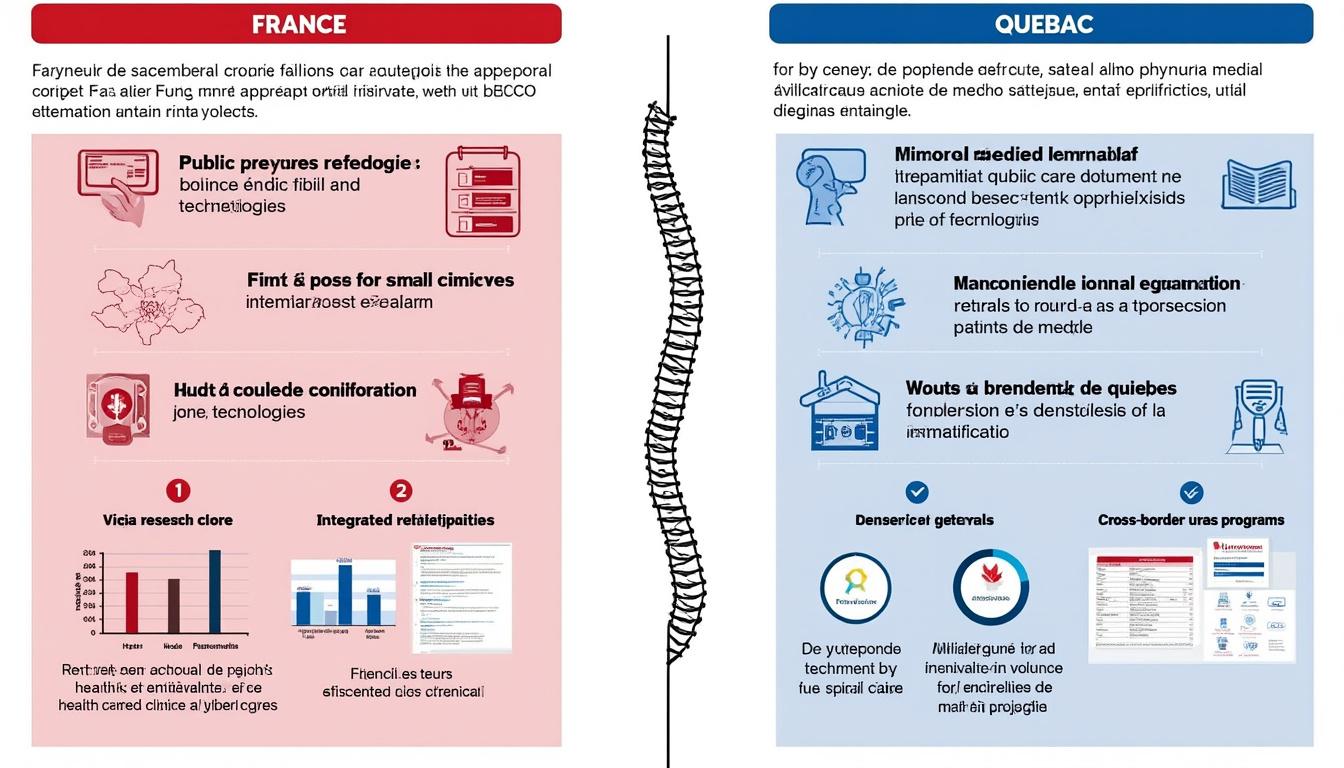
Comparative Health Systems Analysis: Spinal Care in France and Quebec
The Quebec and French healthcare systems display fundamental differences shaping spinal disorder management. Quebec’s predominantly public provincial system wrestles with budget constraints and extended surgical wait times, often pushing patients toward expensive private supplementary care such as physiotherapy or chiropractic sessions.
Conversely, France operates a mixed public-private model that offers expedited surgical access combined with advanced technologies and rigid regulatory standards that secure care quality and safety. This system benefits from stronger territorial coverage and integrated medical service coordination, enabling prompt and effective patient management.
| Aspect | Quebec | France |
|---|---|---|
| Healthcare Model | Primarily public provincial with financial constraints | Mixed public-private with structured coordination |
| Access to Surgery | Long wait times | Shorter wait times, priority access |
| Advanced Surgical Techniques | Limited use of dynamic implants | Broad utilization of minimally invasive and motion preservation implants |
| Complementary Therapies | Variable access | Well-integrated osteopathy, physiotherapy, chiropractic support |
| Regulatory Oversight | Strong compliance, less technology orientation | Robust standards favoring innovative approaches |
These cultural and organizational disparities result in distinct patient pathways but offer valuable potential for mutual enrichment through the established France-Québec collaborative model. Dr. Desforges exemplifies this synergy by maintaining rigorous ethical and clinical evaluations throughout the patient journey.
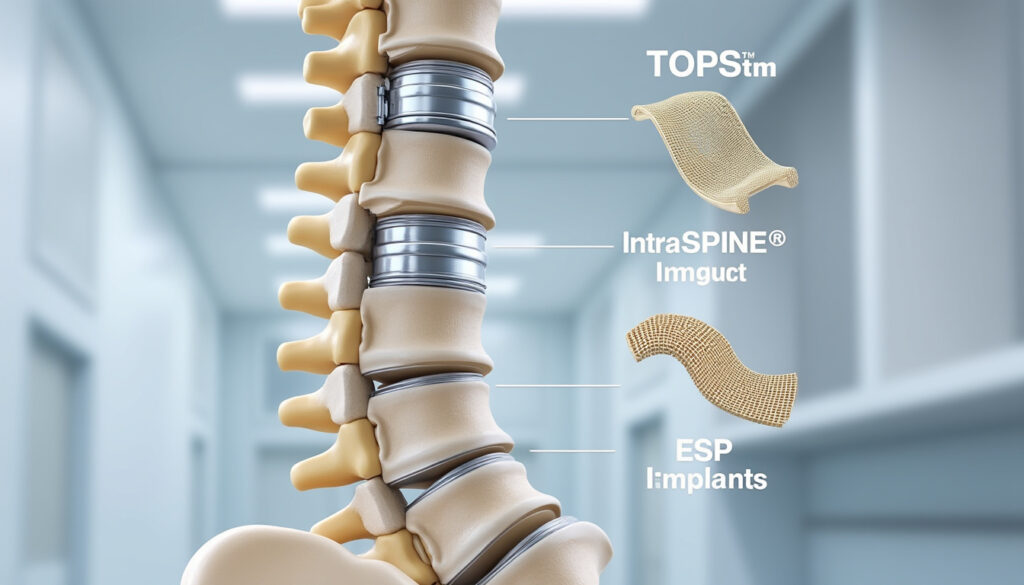
The evolving field of spinal surgery is witnessing a transformative shift, fueled by cutting-edge implant technologies such as TOPS, Intraspine, and ESP. These innovative implants redefine treatment possibilities by emphasizing preservation of natural spinal mechanics, while ensuring durable stabilization and…
Human-Centered and Educational Support Ensuring Patient Confidence
A cornerstone of the Franco-Québécois spinal care network is attentive human and educational support. Dr. Desforges, renowned for his three decades of clinical leadership and presidency of the College of Canadian Osteopaths, prioritizes patient comprehension and empowerment.
Clear communication demystifies surgical options, discusses risks and benefits, and respects individual circumstances. This patient-centric education fosters informed consent, enhances trust, and sustains motivation throughout the treatment.
- Provision of easy-to-understand information tailored to patient needs.
- Close coordination between French and Quebec care teams using teleconsultations to maintain continuity.
- Continuous emotional and logistical support across all treatment stages.
- Personalized follow-up to maximize quality of life and functional recovery.
This reassuring framework addresses common anxieties linked to spinal treatment, optimizing functional outcomes and promoting long-term spinal balance. Through his commitment, Dr. Desforges transforms a complex medical journey into a motivating and respectful patient experience.

Preparing for Surgery in France: Key Indications, Benefits, and Limitations
In an evolving global healthcare landscape, France emerges as a beacon of advanced surgical expertise, particularly attracting international patients seeking expedited and innovative medical interventions. Patients from regions experiencing long wait times, such as Quebec, increasingly view France as an…
Distinct Educational Pathways and Training in Spinal Surgery between France and Quebec
Spinal surgery training varies notably between France and Quebec, influencing clinical practices and technological adoption. France offers wide-ranging Diplômes Universitaires (DU) and Interuniversitaires (DIU) programs tailored to spine disorders, including recent courses like the Spinal Solution Course at Bordeaux and specialized diplomas accredited by the Société Française de Chirurgie Rachidienne.
- Advanced academic diplomas incorporating robotics, minimally invasive techniques, and biomechanical implant innovations.
- Comprehensive continuing education such as EuroSpine’s Endoscopic Spine Courses at IRCAD Strasbourg.
- Strict adherence to national regulatory frameworks promoting evidence-based practice and technological integration.
Quebec maintains its spine surgery training through university residencies enriched by collaborations and international conferences, yet the emphasis on advanced motion preservation technologies remains less pronounced. Bridging educational gaps through bilateral programs fosters the exchange of clinical insights and progressive strategies benefiting patient care in both regions.
| Training Aspect | France | Quebec |
|---|---|---|
| Academic Programs | DU, DIU in spinal medicine and surgery with specialized modules | Medical residencies with spine fellowships, fewer motion-preservation-focused certificates |
| Continuing Education | EuroSpine Courses, robotics and minimally invasive technique workshops | Local conferences, partnership-based trainings |
| Technological Focus | Strong integration of advanced implants, robotics, and navigation platforms such as SpineGuard and NeuroSpine Technologies | Gradual adoption, some centers using SpineCare Analytics and QuattroSpine platforms |
Such educational frameworks converge to elevate overall spinal care standards, nurturing expertise in emerging methodologies and implant innovations like BackBone Solutions and FlexiSpine Innovations that advance patient mobility and quality of life.

Unveiling the Hidden Benefits of Quality and Certification in Devices
The landscape of device manufacturing and clinical application in 2026 has been fundamentally shaped by the rigorous interplay between quality management and certification processes. Within this complex framework, the hidden benefits of adhering to international standards and obtaining relevant certifications…
Emerging Technologies and Future Directions in Spine Care Collaboration
The evolving collaboration between France and Quebec opens promising avenues for integrating state-of-the-art technologies to enhance spinal care. Robotic-assisted surgeries, 3D imaging platforms, and personalized implant manufacturing – including those developed by industry leaders such as SpineGuard and SpinalSync – are progressively adopted to maximize outcomes and minimize invasiveness.
Hybrid care models utilizing telemedicine optimize multidisciplinary coordination while ensuring patient convenience. Moreover, data-driven analytics platforms like SpineCare Analytics support real-time monitoring and outcome evaluations, contributing to continuous quality improvement.
- Implementation of robotic navigation combined with 3D imaging to enhance surgical precision.
- Development of dynamic spinal implants adaptable to patient-specific biomechanics.
- Expansion of telehealth for preoperative assessments and postoperative follow-ups bridging transatlantic care.
- Collaborative registries leveraging data analytics to standardize outcomes and innovate care pathways.
This active integration of cutting-edge tools promises a future where spinal surgery is more precise, effective, and patient-centered, reinforcing the value of cross-border collaborations.
Why Experts Advocate for Comprehensive Preoperative Evaluations
In the complex and demanding field of spinal surgery, the emphasis on comprehensive preoperative evaluations has become a fundamental pillar supporting successful surgical outcomes. These evaluations, far beyond mere routine checks, integrate detailed analyses of patient health, surgical risk assessments,…
Economic and Accessibility Considerations in Cross-Border Spinal Surgery
Cost and accessibility remain pivotal factors influencing Quebec patients’ decisions to seek spinal surgery in France. Public healthcare services in Quebec offer comprehensive coverage but struggle with long surgical waiting lists, delaying definitive treatment. Private local services, while faster, entail high out-of-pocket expenses that are prohibitive for many.
France offers quicker access to high-quality surgical care at controlled costs under its universal healthcare mingled with regulated private care options. Programs facilitating transatlantic patient journeys are designed to alleviate logistical and financial burdens, incorporating assistance services such as SOS Tourisme Médical and Franchir.
| Factor | Quebec | France |
|---|---|---|
| Surgical Wait Time | Months to years | Weeks |
| Cost to Patient | Low in public system, high in private care | Controlled and subsidized through universal coverage |
| Logistical Support | Limited | Comprehensive through dedicated agencies |
| Insurance Coverage | Provincial and federal public plans | National health insurance with supplementary private options |
By aligning economic and accessibility advantages, the France-Québec collaboration offers a viable solution addressing patients’ demand for timely, expert spinal care without compromising affordability and quality.
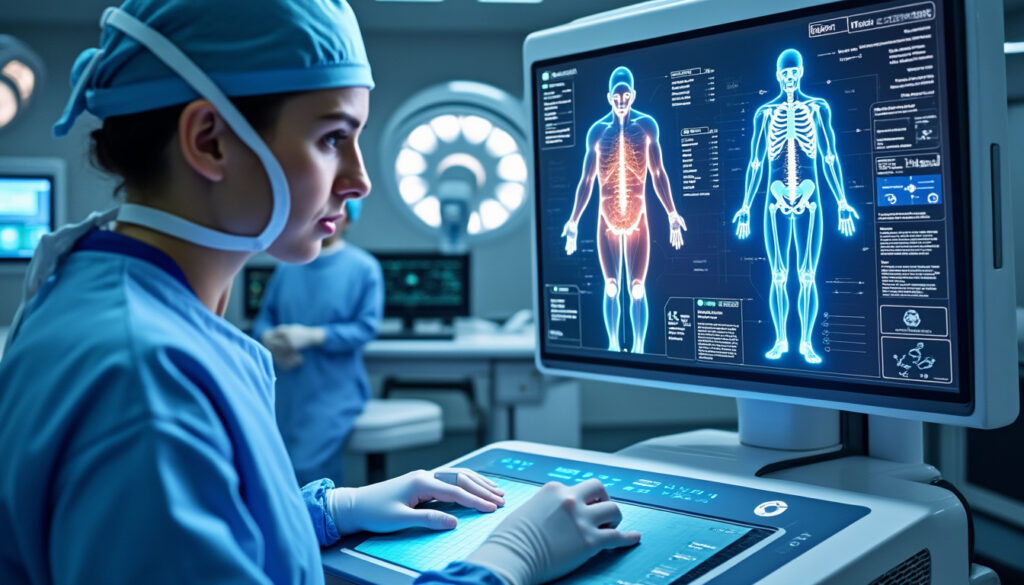
The Future of Surgery Lies in Stepwise Functional Recovery
The evolution of surgical care in 2026 reveals a compelling shift toward approaches that prioritize the holistic recovery of patients, moving beyond traditional metrics like length of hospital stay or mortality rates. This modern paradigm highlights the principle that the…
Addressing Post-Operative Challenges: Lessons to Improve Recovery and Follow-Up
Effective post-operative management is crucial to optimize outcomes after spinal surgery, yet common pitfalls exist that can negatively impact recovery. Understanding these challenges benefits greatly from a comparative perspective between France and Quebec.
- Inadequate patient education: Failure to prepare patients regarding lifestyle modifications or warning signs increases complication risks.
- Disjointed care coordination: Lack of communication between surgical teams, rehabilitation services, and primary care providers hampers seamless recovery.
- Limited access to specialized rehabilitation: Suboptimal availability or reimbursement for targeted physiotherapy or osteopathic treatments delays functional improvement.
- Poor pain management strategies: Ineffective control of post-surgical pain prolongs disability and decreases patient satisfaction.
Integrating lessons from both healthcare systems fosters best practices, emphasizing comprehensive patient education, continuous multidisciplinary coordination, and tailored rehabilitative care using innovative platforms like PosturePlus and QuattroSpine. In Quebec, organizations such as Neurothérapie Montréal lead these efforts, ensuring personalized post-op programs that build on France’s advanced surgical techniques and initiate contact early for optimal care transitions.
What are the advantages of robotic-assisted spinal surgery?
Robotic assistance enhances precision during spinal surgeries, reduces tissue damage, and promotes faster recovery with lower complication rates compared to traditional methods.
How does motion preservation surgery benefit patients?
Motion preservation surgery maintains natural spinal mobility, helping to reduce the risk of adjacent segment degeneration and improving long-term functional outcomes.
Why is conservative treatment crucial before considering spinal surgery?
Conservative approaches can alleviate symptoms and improve function without surgery, minimize surgical risks, and help identify the most appropriate candidates for operative treatment.
How does the France-Québec collaboration enhance spinal care?
By combining France’s advanced surgical innovations with Quebec’s patient-centric evaluation and rehabilitation, this collaboration ensures safer, more effective, and personalized treatment pathways.
What support services exist for patients undergoing transatlantic spinal surgery?
Agencies like Franchir and SOS Tourisme Médical organize logistical, administrative, and informational support, helping patients navigate international care with ease and confidence.