Comprehensive Insights into Spinal Care: A France-Québec Comparison
November 18, 2025
Effective Strategies for Preparing for Quizzes and Initial Exams
November 18, 2025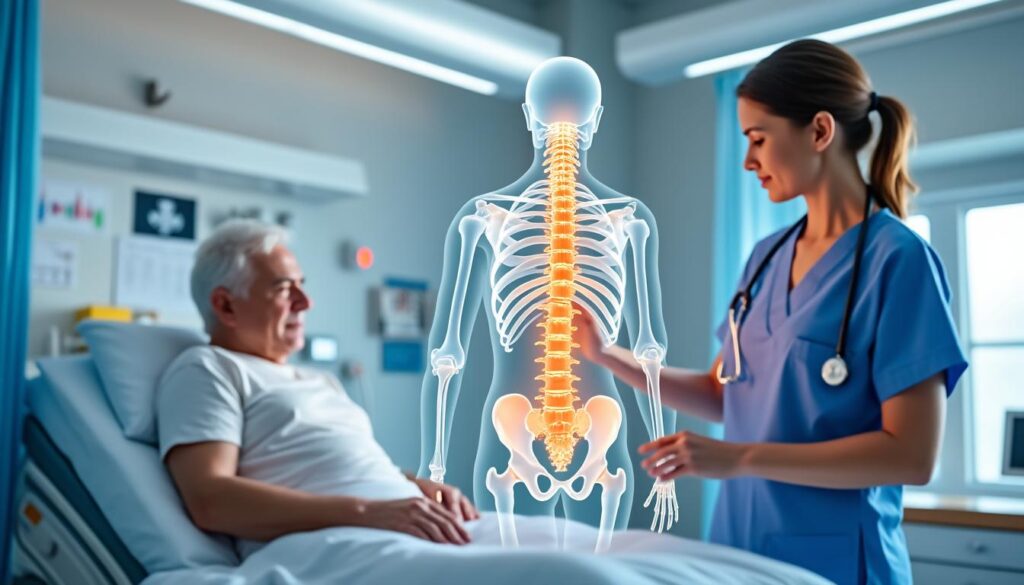
Back surgery remains a vital intervention for many, particularly patients suffering from debilitating spinal conditions. Despite technological and procedural advances, a significant number of Quebec patients still confront ongoing challenges termed Post-Laminectomy Syndrome (PLS). This condition, marked by persistent or worsening pain following a laminectomy, demands thorough comprehension to empower patients and healthcare providers alike. The complexity of PLS necessitates an integrated approach, combining advanced neuromodulation techniques and carefully coordinated postoperative care to enhance recovery and spinal health.
Quebec’s healthcare ecosystem is increasingly embracing innovative treatments, leveraging international collaborations to optimize outcomes for spine surgery patients. Thanks to expert centers such as Neurothérapie Montréal, patients benefit from cutting-edge therapies including repetitive Transcranial Magnetic Stimulation (rTMS), which show promising results in managing chronic pain and improving quality of life. Equipped with multidisciplinary support and tailored rehabilitation programs, individuals navigating post-laminectomy recovery in Quebec are better prepared to reclaim mobility and minimize long-term discomfort.
Comprehensive Understanding of Post-Laminectomy Syndrome: Symptoms, Causes, and Impact on Quebec Patients
Post-Laminectomy Syndrome (PLS) patients frequently endure chronic back or neck pain persisting after surgical intervention, such as laminectomy. A laminectomy involves removing vertebral components to alleviate nerve compression caused by herniated discs or spinal stenosis. While intended to relieve symptoms, approximately 10 to 20% of patients may still develop PLS, characterized by sustained or recurrent pain that can significantly diminish quality of life.
Typical symptoms encompass low back or cervical pain often radiating into limbs, numbness, tingling, and heightened sensitivity known as hyperalgesia. Functional impairments including altered posture and gait further complicate daily activities. The continuous pain cycle may prompt emotional distress, manifesting as anxiety or depression, amplifying overall suffering.
The multifactorial causes of PLS include:
- Excess scar tissue formation: This can encase nerve roots, restricting mobility and generating nerve irritation.
- Incomplete nerve decompression: Residual pressure due to partial surgical relief.
- Spinal instability or altered biomechanics: Post-surgical spinal segment adaptation resulting in discomfort.
- Nerve injury during surgery: Leading to central sensitization phenomena in the spinal cord.
- Patient-specific risk factors: Such as smoking, poorly controlled diabetes, and prolonged immobilization hindering optimal healing.
Recognizing these underlying contributors empowers Quebec patients to engage proactively in their care, emphasizing preoperative evaluation and choosing surgical techniques — including mini-invasive approaches — that may mitigate risk. Being informed about potential surgical outcomes also strengthens patient resilience and expectation management, aspects vital for recovery.
| Risk Factors | Potential Consequences |
|---|---|
| Smoking | Delayed healing, increased risk of spinal fusion failure |
| Uncontrolled Diabetes | Impaired vascular function, compromised wound repair |
| Prolonged Immobilization | Muscle weakness, joint stiffness |
| Inappropriate Surgical Technique | Insufficient decompression, higher neuropathic pain risk |
To deepen understanding of treatment options and patient experiences related to post-surgery care in Quebec, well-curated resources such as expert discussions on post-laminectomy pain provide further insight into this challenging condition.

Understanding Sciatic Pain: Key Symptoms and When to Seek Medical Advice
Sciatic pain is a prevalent condition impacting a wide demographic, manifesting primarily as intense pain radiating from the lower back down the leg. This pain stems from irritation or compression of the sciatic nerve, a major nerve extending through the…

The Stepwise Role of Functional Recovery in Achieving Successful Outcomes
The journey to full recovery following spinal surgery is often complex and multifaceted, demanding a meticulously structured approach to ensure optimal functional outcomes. In recent years, the concept of functional recovery through a stepwise approach has garnered significant attention in…
Neurothérapie Montréal’s Role in Personalized Post-Laminectomy Care and Prevention Strategies for Quebec Patients
Neurothérapie Montréal offers a robust framework for addressing the complex needs of Quebec patients who have undergone spine surgery abroad, especially in France. Utilizing state-of-the-art neuromodulation techniques such as repetitive Transcranial Magnetic Stimulation (rTMS), they focus on minimizing persistent postoperative pain and enhancing neurofunctional recovery.
- Preoperative Evaluation: Comprehensive neurofunctional assessments ensure surgery suitability and personalized care plans.
- Risk Anticipation: Patient-specific protocols mitigate complications through evidence-based strategies.
- Postoperative Follow-up: Continuous monitoring offers tailored pain management and functional rehabilitation.
- Psychophysiological Support: Integrating mental health resources addresses psychological factors tied to chronic pain.
In addition to therapies like BrainPort and PoNS devices, the integration of rTMS is pivotal for modulating maladaptive pain circuits and improving mood disorders. These integrated approaches form part of a seamless patient journey facilitated in collaboration with partners such as SOS Tourisme Médical and Franchir, securing continuity of care from Europe to Canada.
| Follow-up Stage | Key Therapeutic Goals |
|---|---|
| Neurofunctional Preparation | Optimize neurological health pre-surgery for improved prognosis |
| Postoperative Pain Management | Reduce chronic pain via rTMS and complementary methods |
| Psychological Support | Enhance emotional resilience and rehabilitation adherence |
| Personalized Rehabilitation | Restore spine function and prevent recurrence of symptoms |
Those interested can explore more on advanced post-laminectomy rehabilitation techniques at compass-guided care services for further clinical insights.

Transatlantic Patient Journey: Insights into Indications, Benefits, and Challenges
The emergence of the Transatlantic Patient Journey as a strategic model within healthcare continues to capture attention for its innovative potential, especially in specialized fields such as spinal surgery. This cross-border care pathway integrates rigorous medical evaluation from Quebec with…
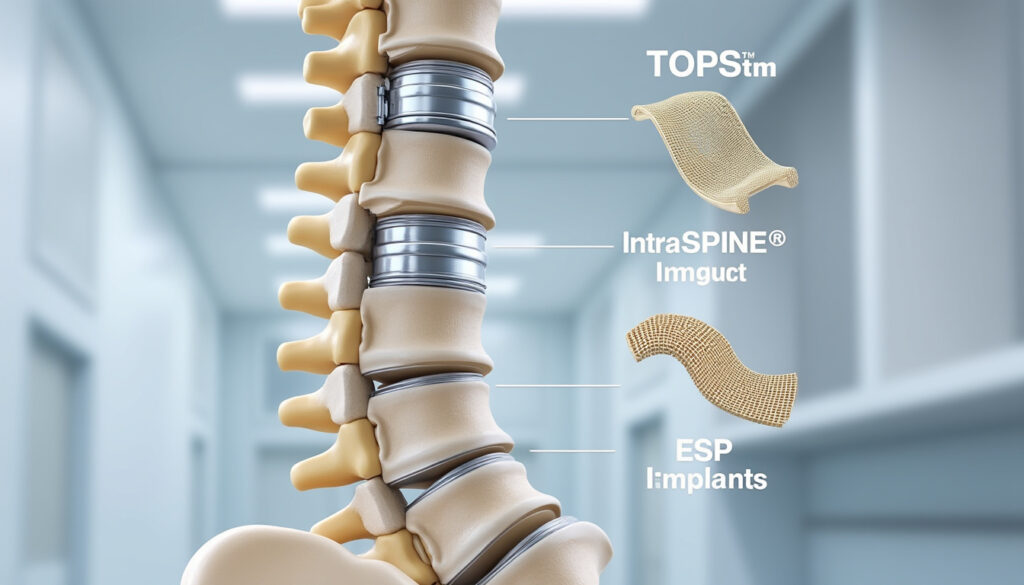
The evolving field of spinal surgery is witnessing a transformative shift, fueled by cutting-edge implant technologies such as TOPS, Intraspine, and ESP. These innovative implants redefine treatment possibilities by emphasizing preservation of natural spinal mechanics, while ensuring durable stabilization and…
Effective Post-Laminectomy Prevention and Rehabilitation Practices Critical for Optimal Recovery in Quebec
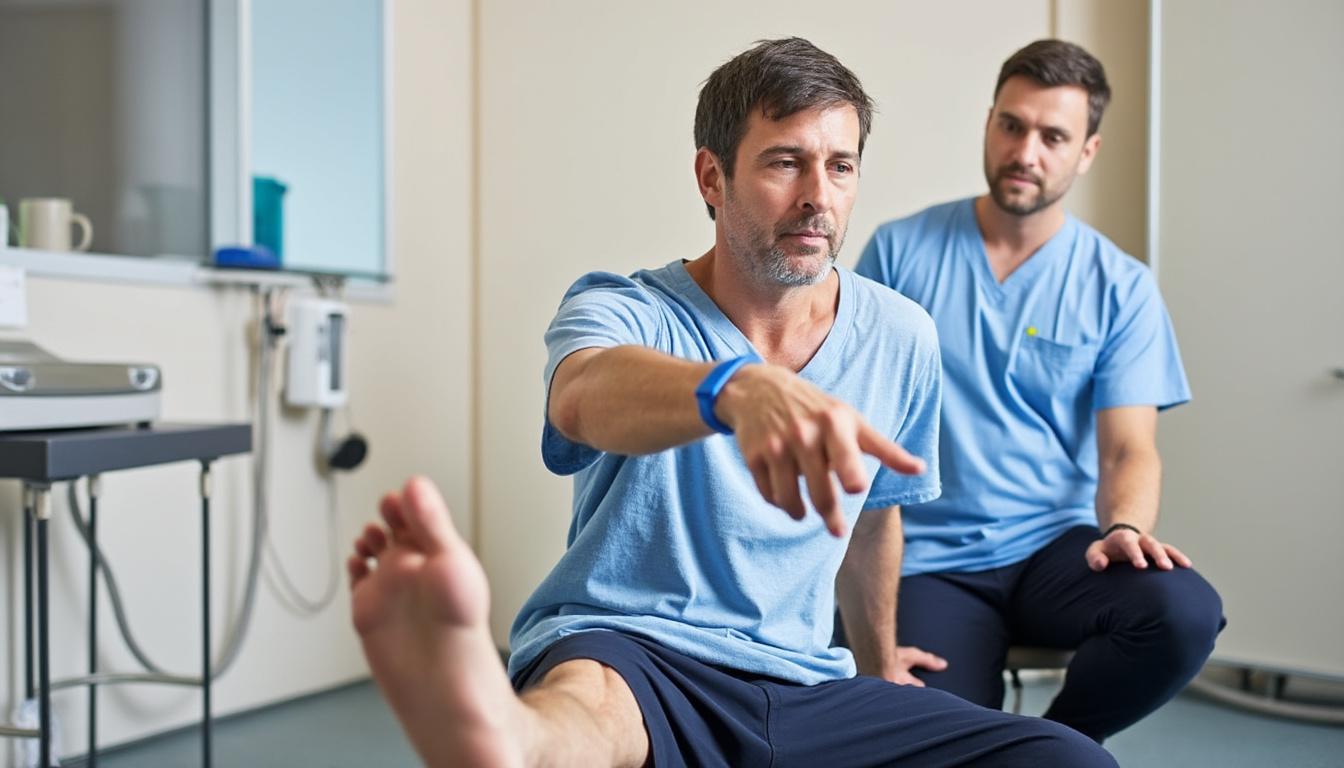
Successful recovery in Quebec after laminectomy demands proactive prevention protocols encompassing both pre and post-surgical phases. Considerable emphasis lies on lifestyle modifications, physical therapy, and innovative interventions to support spinal health.
- Smoking cessation: Essential weeks before and after surgery to facilitate tissue repair.
- Adherence to structured rehab: Participation in monitored re-education under professional guidance.
- Gentle mobility exercises: Carefully initiated to maintain flexibility without provoking pain.
- Avoidance of sudden exertion: To minimize inflammation and prevent stiffness.
- Whole-body wellness: Combining anti-inflammatory nutrition with psychological well-being strategies.
- Leverage technological supports: Employ rTMS preventively to manage neuropathic symptoms and boost morale.
Structured timelines for resumption of activities are detailed in the following table:
| Activity Type | Recommended Timeframe | Necessary Precautions |
|---|---|---|
| Light walking | 1 to 2 weeks post-op | Gradual escalation, avoid uneven surfaces |
| Sedentary work | 3 to 6 weeks post-op | Ergonomic posture, regular breaks |
| Moderate sports | 8 to 12 weeks post-op | Medical review before resuming, avoid impact |
| Intense/contact sports | 4 to 6 months post-op | Reassessment and specific muscle strengthening |
Quebec patients interested in comprehensive rehabilitation guidelines may find valuable advice at specialist rehabilitation resources, sharing effective recovery insights and highlighting potential challenges.
Preparing for Surgery in France: Key Indications, Benefits, and Limitations
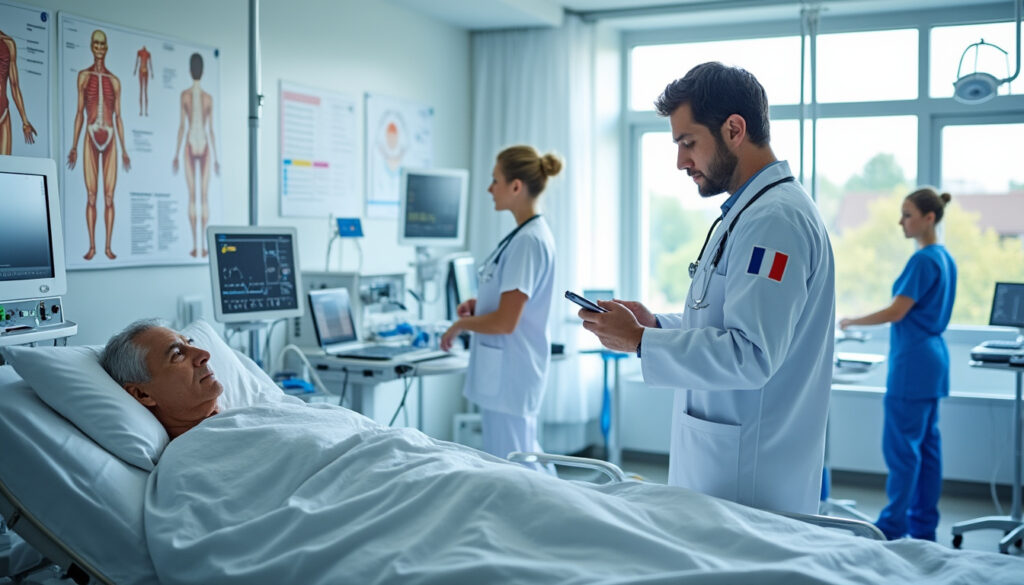
In an evolving global healthcare landscape, France emerges as a beacon of advanced surgical expertise, particularly attracting international patients seeking expedited and innovative medical interventions. Patients from regions experiencing long wait times, such as Quebec, increasingly view France as an…

Unveiling the Hidden Benefits of Quality and Certification in Devices
The landscape of device manufacturing and clinical application in 2026 has been fundamentally shaped by the rigorous interplay between quality management and certification processes. Within this complex framework, the hidden benefits of adhering to international standards and obtaining relevant certifications…
The Central Role of Repetitive Transcranial Magnetic Stimulation (rTMS) in Quebec’s Post-Surgical Pain Management
rTMS has emerged as a transformative, non-invasive therapy in managing chronic postoperative pain among Quebec laminectomy patients. Using targeted magnetic pulses, this method modulates brain regions involved in pain perception and emotional regulation, reducing reliance on pharmacological treatments.
- Neuropathic pain reduction: Alleviates nerve-related discomfort through central nervous system regulation.
- Improvement of mood disorders: Addresses the psychological burden associated with chronic pain.
- Facilitation of neuroplasticity: Supports functional recovery through adaptive brain changes.
- Minimized side effect profile: Provides an alternative to opioids and analgesics.
Patients under rTMS therapy often report significant relief in burning and stabbing pain symptoms, as well as enhanced daily functioning. This therapy is especially recommended for persistent post-laminectomy syndrome cases unresponsive to conventional pain management or with associated depression and anxiety.
| Treatment Focus | Observed Benefits |
|---|---|
| Neuropathic pain | Reduced intensity and increased tolerance |
| Depressive and anxiety symptoms | Elevated mood and rehabilitation motivation |
| Functional recovery | Enhanced neurological and muscular adaptation |
For broader understanding of rTMS integration in surgical care, explore comprehensive guides such as this detailed review of rTMS post-surgery.
As rTMS gains traction in Quebec’s therapeutic landscape, patient-centric models supporting psychosocial well-being alongside physical healing are proving most effective in mitigating the long-term impact of post-laminectomy syndrome.
Why Experts Advocate for Comprehensive Preoperative Evaluations
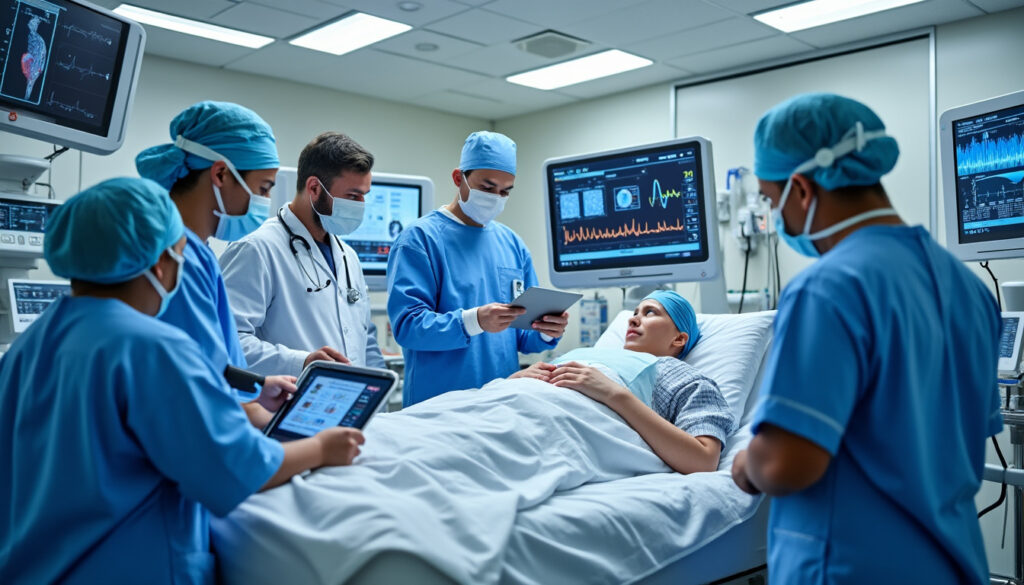
In the complex and demanding field of spinal surgery, the emphasis on comprehensive preoperative evaluations has become a fundamental pillar supporting successful surgical outcomes. These evaluations, far beyond mere routine checks, integrate detailed analyses of patient health, surgical risk assessments,…
The Future of Surgery Lies in Stepwise Functional Recovery
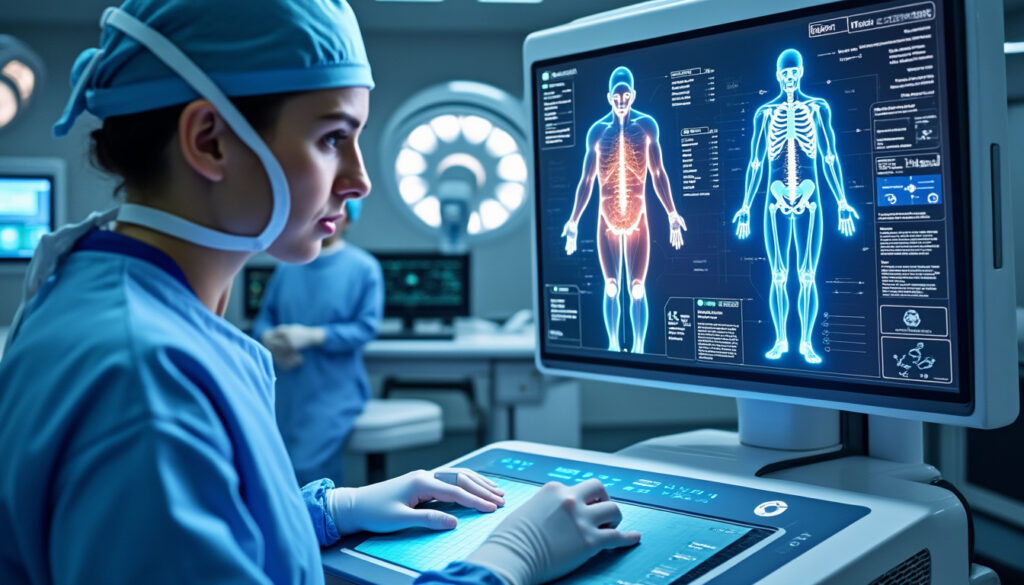
The evolution of surgical care in 2026 reveals a compelling shift toward approaches that prioritize the holistic recovery of patients, moving beyond traditional metrics like length of hospital stay or mortality rates. This modern paradigm highlights the principle that the…
Insights from Quebec Patient Experiences and Testimonials: Navigating Post-Laminectomy Recovery Successfully
Real-world patient stories elucidate the tangible benefits of comprehensive, individualized care plans in Quebec. For example, Isabelle’s post-laminectomy pain markedly decreased following rTMS sessions combined with guided physical rehabilitation, enabling her to resume sedentary work promptly. Similarly, Marc, an avid sports enthusiast, credited personalized prevention strategies and neuromodulation therapies with a swift, complication-free return to athletic activity within two months.
- Emphasis on multidisciplinary support: Psychological, physical, and technological aids combined.
- Importance of customized rehabilitation protocols: Tailored to patient goals and surgical history.
- Value of early intervention and ongoing monitoring: To adjust therapies and maximize recovery trajectory.
Such narratives underscore the necessity of structured programs offered by renowned institutions like Neurothérapie Montréal and the impact of initiatives focusing on patient feedback in surgical decision-making.
| Patient | Type of Surgery | Neurothérapie Montréal Solution | Main Outcome |
|---|---|---|---|
| Isabelle | Lumbar Laminectomy | rTMS, personalized follow-up, rehabilitation | Pain reduction, early return to work |
| Marc | Cervical Laminectomy | Prevention guidance, rTMS, sports rehab | Return to sport in 2 months, no PLS |

Expanding Knowledge on Surgical and Post-Surgery Innovations Relevant to Quebec’s Spine Health
The evolution of spine surgery techniques, including robotic-assisted mini-invasive procedures and 3D vertebral modeling, continuously shapes patient outcomes. French and Quebec institutions collaborate through exchanges and trainings such as the IRCAD Endoscopic Spine Course, supporting surgeons’ proficiency in advanced, less invasive operations. Such refinement decreases complication rates and enhances recovery speed, thereby reducing incidences of PLS among Quebec patients.
Additionally, educational programs like the Diplôme Inter-Universitaire de Chirurgie du Rachis provide continuous medical training to spine specialists, ensuring cutting-edge care is accessible and informed by latest evidence.
Post-Laminectomy Syndrome Risk Factors and Prevention Strategies
Hover or tap on each item to see more details in the box below.
What are the typical symptoms of Post-Laminectomy Syndrome?
Symptoms include persistent pain in the operated region often radiating to limbs, accompanied by tingling, numbness, hyperalgesia, and sometimes altered posture or gait.
How does Neurothérapie Montréal support Quebec patients after spinal surgery?
They offer thorough neurofunctional evaluations, personalized postoperative care with rTMS, and design tailored rehabilitation programs to meet individual recovery needs.
Is Post-Laminectomy Syndrome preventable?
Yes, by combining smoking cessation, adapted rehabilitation, a healthy lifestyle, and rigorous medical follow-up starting in the preoperative phase, risks can be significantly reduced.
What is the typical timeline for resuming activities after laminectomy?
Light walking usually starts within 1-2 weeks; sedentary work resumes between 3-6 weeks; moderate sports are reintroduced at 8-12 weeks; and intensive or contact sports may be considered after 4-6 months, always following personalized medical advice.