Conservative Treatments vs Surgery: Personal Stories and Insights from Real Experiences
June 14, 2026
Initial Questionnaires and Examinations: Their Influence on Surgical Decision-Making
June 14, 2026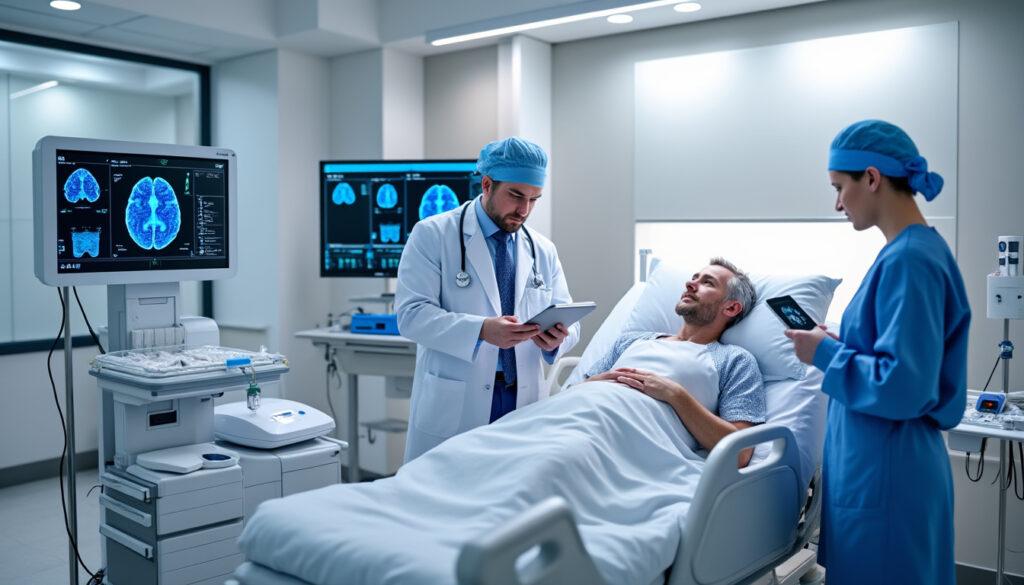
The evolving landscape of postoperative care in spinal surgery has witnessed a transformative impact through the integration of repetitive transcranial magnetic stimulation (rTMS) therapy. As patients navigate complex recovery paths following spine interventions, effective preparation strategies become pivotal to harness the full potential of rTMS in enhancing rehabilitation outcomes. The convergence of neurostimulation technology and a personalized, multidisciplinary approach stands at the forefront of optimizing patient recovery trajectories.
In contemporary clinical settings, especially for patients operated on abroad—as seen with many Quebec patients undergoing surgery in France—coordinated international care models underscore the necessity of strategic preparation before initiating rTMS therapy. From tailored patient assessment to meticulous treatment planning and adherence to rigorous safety protocols, this amalgamation ensures not only improved management of neuropathic pain but also accelerated functional restoration and psychological well-being.
Comprehensive Patient Assessment: The Cornerstone of Effective rTMS Integration Post-Surgery
Accurate and thorough patient assessment sets the foundation for successful rTMS integration after spinal surgery. This evaluation encompasses physical, neurological, and psychological domains, aiming to capture the unique recovery profile and therapeutic needs of each individual. Physicians and rehabilitation specialists collaborate to analyze baseline motor function, pain levels, and emotional status with validated scales and neurophysiological tools.
For instance, post-decompression surgery patients are reassessed within the first two weeks to monitor any neurological deficits or residual pain, guiding the optimal timing for rTMS commencement. Similarly, those undergoing fusion procedures necessitate a longer observation phase to respect the bone consolidation timeline and avoid premature neurostimulatory interventions that could compromise healing.
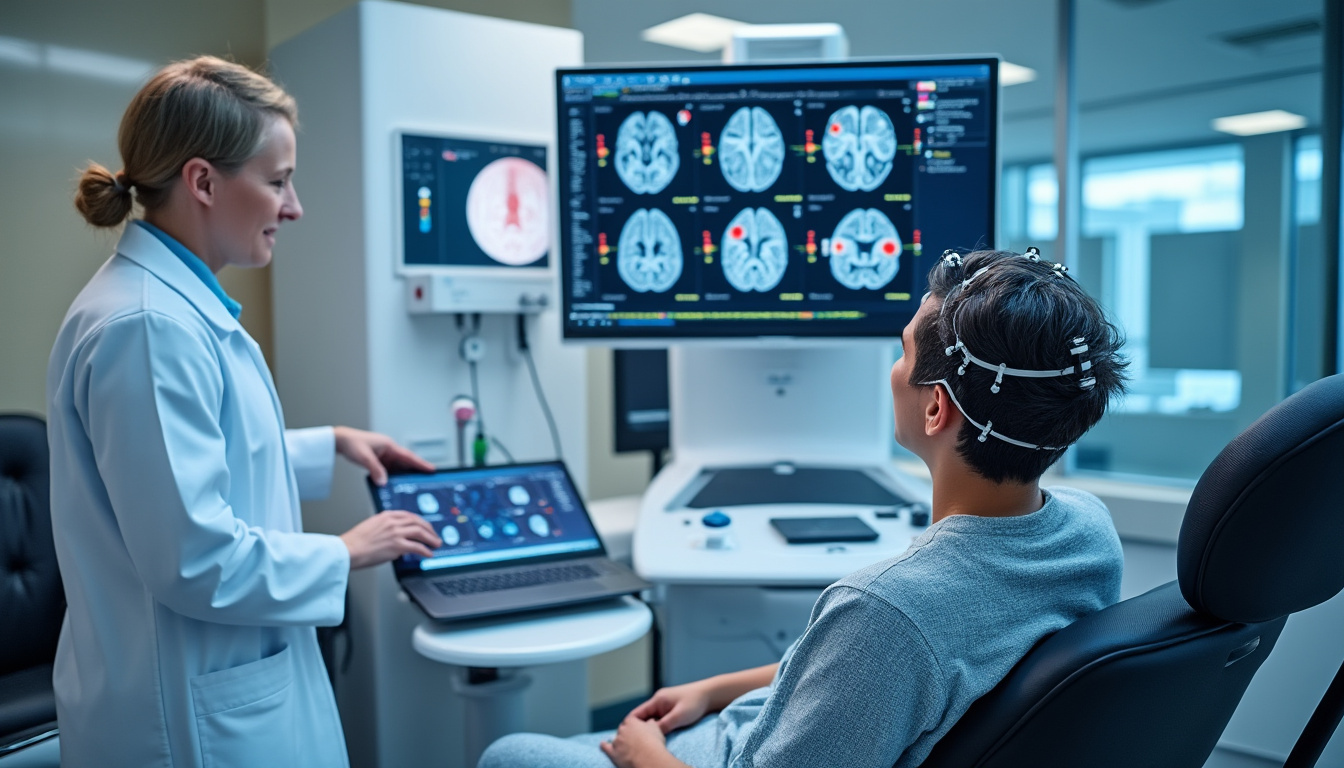
Advanced neuroimaging and navigated rTMS technology enhance this assessment precision by localizing cortical targets critical for motor and sensory recovery. Such technologies facilitate customized stimulation protocols tailored to the patient’s neuroanatomy and functional impairments, contributing to enhanced outcome optimization. This individualized approach reflects the evolving standards observed in top-tier centers and is well-documented in the literature, such as in the guidelines provided by Nexstim’s post-operative rehabilitation protocols.
The psychological screening is equally crucial, as anxiety, depression, and cognitive disturbances frequently accompany spinal surgery recovery. Evaluating patients for mood disorders informs the concurrent use of rTMS for emotional regulation, supporting both physical rehabilitation and mental well-being. The intertwined relationship between neurostimulation and mental health underscores why patient assessment extends beyond structural healing, ensuring a holistic preparation for rTMS therapy.

Understanding Sciatic Pain: Key Symptoms and When to Seek Medical Advice
Sciatic pain is a prevalent condition impacting a wide demographic, manifesting primarily as intense pain radiating from the lower back down the leg. This pain stems from irritation or compression of the sciatic nerve, a major nerve extending through the…

The Stepwise Role of Functional Recovery in Achieving Successful Outcomes
The journey to full recovery following spinal surgery is often complex and multifaceted, demanding a meticulously structured approach to ensure optimal functional outcomes. In recent years, the concept of functional recovery through a stepwise approach has garnered significant attention in…
Customized Treatment Planning for rTMS: Aligning Post-Surgical Recovery With Neurostimulation Goals
Designing a treatment plan that seamlessly integrates rTMS within the postoperative recovery path is imperative for maximizing therapeutic benefits. The plan must reflect the type of surgery performed—whether a simple decompression, spinal fusion, or motion-preserving procedure—as each demands differentiated timing and stimulation parameters.
For simple surgeries, initiation of rTMS therapy often begins between weeks two and three. Early sessions focus on modulating residual pain signals and enhancing cortical excitability to support fast return to daily activities and work. This has shown promising results in reducing the risk of chronic postsurgical pain syndromes, as emphasized in clinical reviews highlighted by expert guides on rTMS integration post-surgery.
Spinal fusion patients experience a more cautious approach, with rTMS typically introduced after six weeks when bone healing reaches sufficient stability. Here, the neurostimulation targets neuropathic pain management and improves motor control deficits attributed to prolonged immobilization. Dynamic stabilization surgeries benefit from combined rTMS and physiotherapy cycles starting at four weeks post-op, supporting mobility preservation while effectively addressing pain.
The treatment planning process involves multidisciplinary consultations among neurosurgeons, neurologists, rehabilitation therapists, and rTMS specialists. Such collaboration guarantees that stimulation frequencies, session durations, and target coordinates align with evolving recovery requirements. Continuous adjustment, based on regular patient assessments, refines the treatment trajectory toward outcome optimization.
Incorporating safety protocols is another critical layer within the treatment plan. Given the contraindications for rTMS—especially concerning individuals with epilepsy or implanted medical devices—thorough screening safeguards against adverse effects. Side effects remain rare and typically minor, including transient headaches or scalp discomfort, reinforcing the safety profile when protocols are meticulously respected.

Transatlantic Patient Journey: Insights into Indications, Benefits, and Challenges
The emergence of the Transatlantic Patient Journey as a strategic model within healthcare continues to capture attention for its innovative potential, especially in specialized fields such as spinal surgery. This cross-border care pathway integrates rigorous medical evaluation from Quebec with…
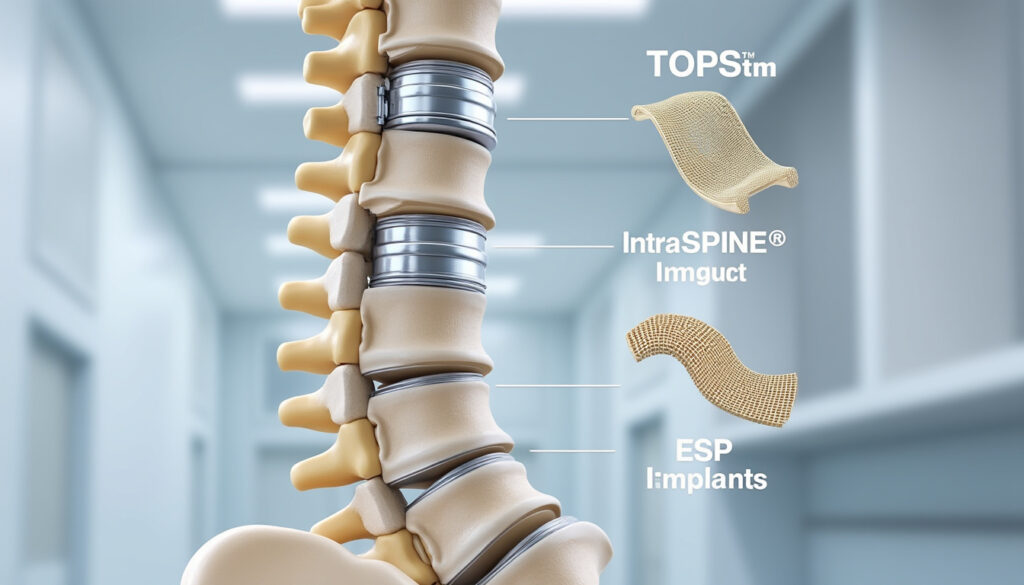
The evolving field of spinal surgery is witnessing a transformative shift, fueled by cutting-edge implant technologies such as TOPS, Intraspine, and ESP. These innovative implants redefine treatment possibilities by emphasizing preservation of natural spinal mechanics, while ensuring durable stabilization and…
Early Mobilization and Rehabilitation Synergies With rTMS for Enhanced Recovery
Mobilization is a pivotal driver in postoperative recovery, particularly following spine surgeries. Early and guided ambulation fosters improved cardiovascular function, prevents complications such as thromboembolism, and supports neuroplastic remodeling crucial for functional gains. When complemented by rTMS, this approach significantly accelerates neurorehabilitation by enhancing cortical excitability in motor regions.
For simple surgeries, walking is typically encouraged as early as one to three days post-op, underscoring its fundamental role in initiating the rehabilitation cascade. rTMS integration starting around the third week enhances this process by modulating pain perception and supporting motor relearning.
In fusion surgeries, while more conservative mobilization is mandated, gentle walking is advised within the first week to mitigate deconditioning and vascular risks. Neurostimulation sessions accompany these efforts from week six onward, targeting neuropathic pain reduction and cortical network reorganization.
Patients with motion-preserving surgeries achieve a balanced protocol focusing on early muscle activation combined with rTMS stimulation of motor cortex areas to maintain segmental spine function. This synergy facilitates a better control of complex pain patterns and promotes sustained mobility improvements.
Rehabilitation programs integrating rTMS demand personalized adjustments, responding to daily evaluations of pain thresholds and motor abilities. This dynamic partnership between physical therapy and neurostimulation embodies a proactive strategy in modern spinal care, underscoring the importance of multidisciplinary coordination and individualized patient journeys.
Preparing for Surgery in France: Key Indications, Benefits, and Limitations
In an evolving global healthcare landscape, France emerges as a beacon of advanced surgical expertise, particularly attracting international patients seeking expedited and innovative medical interventions. Patients from regions experiencing long wait times, such as Quebec, increasingly view France as an…

Unveiling the Hidden Benefits of Quality and Certification in Devices
The landscape of device manufacturing and clinical application in 2026 has been fundamentally shaped by the rigorous interplay between quality management and certification processes. Within this complex framework, the hidden benefits of adhering to international standards and obtaining relevant certifications…
Neuropathic Pain Management Post-Surgery Using rTMS: Underlying Mechanisms and Clinical Implications
Neuropathic pain after spinal surgery presents a considerable challenge, often refractory to conventional pharmacological treatments. Here, rTMS emerges as a powerful adjunct by influencing cortical pain modulation pathways. Its action involves repetitive delivery of magnetic pulses predominantly over the primary motor cortex, which recalibrates excitatory and inhibitory neural circuits responsible for pain processing.
Such targeted neurostimulation enhances neuroplasticity, promoting the reorganization of dysfunctional cortical networks and leading to sustained pain relief. Clinical studies underscore decreased allodynia and hyperalgesia following rTMS courses, translating into improved patient comfort and tolerance to rehabilitative efforts.
Additionally, rTMS contributes meaningfully to alleviating syndrome post-laminectomy symptoms, which include persistent radicular pain and motor impairment. By modulating cortical excitability, it mitigates aberrant neural activity, fostering neurological recovery complementary to surgical repair.
Psychological benefits are equally noteworthy. Postoperative depression and anxiety frequently complicate spinal surgery outcomes. Through normalization of neurotransmitter levels and mood-related circuits, rTMS supports emotional stabilization, critical for patient motivation and engagement in rehabilitation. This integrative effect characterizes its growing prominence within comprehensive neurostimulation frameworks.
A clinical testimonial from a lumbar fusion patient operated in France highlights tangible improvements after combined rTMS and tailored physical exercises, achieving durable autonomy while significantly decreasing chronic neuropathic pain six months post-operation.
Why Experts Advocate for Comprehensive Preoperative Evaluations
In the complex and demanding field of spinal surgery, the emphasis on comprehensive preoperative evaluations has become a fundamental pillar supporting successful surgical outcomes. These evaluations, far beyond mere routine checks, integrate detailed analyses of patient health, surgical risk assessments,…
The Future of Surgery Lies in Stepwise Functional Recovery
The evolution of surgical care in 2026 reveals a compelling shift toward approaches that prioritize the holistic recovery of patients, moving beyond traditional metrics like length of hospital stay or mortality rates. This modern paradigm highlights the principle that the…
International Coordination: Neurothérapie Montréal’s Role in Supporting Canadian Patients Operated in France
International patient journeys, particularly for Quebecers undergoing spinal surgery in France, necessitate meticulous coordination to ensure seamless care continuity. Neurothérapie Montréal, led by experienced neuromodulation specialists, orchestrates this intricate process through preoperative preparation, postoperative follow-up, and rTMS therapy administration.
Starting with comprehensive neurofunctional evaluations, Neurothérapie Montréal anticipates individual patient needs, shaping customized rehabilitation protocols. Following surgery, their team maintains close contact with French surgical departments to exchange clinical data, ensuring informed rTMS initiation tailored to recovery progress.
Partner organizations like SOS Tourisme Médical optimize logistical aspects, including patient travel and accommodation, seamlessly integrating clinical and practical support. Meanwhile, the society Franchir coordinates service pathways, creating a structured continuum that reinforces patient security and comfort.
This collaborative ecosystem affords patients expedited access to advanced neurostimulation techniques such as rTMS while benefiting from ongoing clinical supervision both abroad and back home. The strategy enhances outcomes by bridging geographical divides, exemplifying modern patient-centered care and comprehensive rehabilitation planning.

Effective Preparation Strategies for rTMS Post-Surgery
Hover or tap each strategy to explore details
Comprehensive Patient Assessment
Customized Treatment Plans
Early Mobilization and Rehabilitation
Neuropathic Pain Management
International Care Coordination
Related Medical News
- Loading latest news…
Practical Protocols for Activity Resumption and rTMS Scheduling Post-Spinal Surgery
Resuming daily activities following spinal surgery requires a carefully staged protocol, adjusted according to surgical complexity and patient-specific recovery markers. Early ambulation is vital, serving as a predictor of functional restoration while mitigating medical complications.
The following table summarizes typical timelines for activity resumption and integration of rTMS therapy, illustrating how tailored scheduling underpins recovery optimization:
| Type of Surgery | Average Time to Walk | Return to Work Timeline | Typical Start of rTMS | Primary Benefits of rTMS |
|---|---|---|---|---|
| Simple Decompression | 1 to 3 Days | 4 to 6 Weeks | 2 to 3 Weeks | Pain reduction, emotional support |
| Spinal Fusion (Arthrodesis) | 3 to 7 Days | 1 to 3 Months | 6 to 8 Weeks | Motor improvement, neuropathic pain management |
| Motion Preservation Surgery | 1 to 5 Days | 6 to 10 Weeks | 3 to 4 Weeks | Maintained mobility, functional pain control |
Adherence to these protocols involves patient education on the importance of activity gradation, consistent communication with medical teams, and commitment to neurostimulation sessions. Supportive environments, including familial backing and psychological counseling, enhance recovery trajectories by mitigating postoperative anxiety.
Harnessing Advances in Neuromodulation: The Future of Postoperative Spine Care
The role of neuromodulation, particularly rTMS, continues to expand within modern spinal surgery recovery paradigms. Emerging technologies integrate 3D imaging and robotic navigation with precise cortical stimulation, offering unprecedented accuracy and safety in patient treatment planning. Devices approved for clinical use now enable noninvasive modulation specific to individual lesion sites and symptom profiles.
Such innovations catalyze accelerated neuroplasticity, facilitating earlier functional gains and reduced chronic pain prevalence. The multifaceted impact spans physical rehabilitation and psychological restoration, positioning neuromodulation as a cornerstone in enhanced recovery after surgery (ERAS) programs. Research published in recent biomedical journals corroborates these advancements, reinforcing clinical guidelines and offering evidence-based pathways for broader adoption.
Looking ahead, continued international collaborations, such as between Canadian and French medical teams, coupled with evolving patient preparation strategies, promise to elevate postoperative outcomes. Through meticulous patient assessment, treatment customization, and integration of neurostimulation within multidisciplinary frameworks, the future of spinal surgery rehabilitation reflects precision, safety, and patient-centered innovation.
What are the main indications for rTMS after spinal surgery?
rTMS is primarily used to manage chronic neuropathic pain, post-laminectomy syndrome, and to support psychological well-being in cases of postoperative depression or anxiety.
When should rTMS sessions start following surgery?
Depending on the surgery type, rTMS is generally integrated between two and eight weeks postoperatively, tailored to the patient’s overall health and recovery progress.
What side effects can arise during rTMS treatment sessions?
Side effects are rare and typically mild, such as headache, scalp discomfort at the stimulation site, or slight auditory disturbances. rTMS is contraindicated in patients with epilepsy.
How does Neurothérapie Montréal organize postoperative follow-up for patients operated in France?
The follow-up includes an in-depth neurofunctional evaluation, personalized rTMS sessions, and close collaboration with French surgeons and Canadian local partners to ensure continuity of care.
Can rTMS replace spinal surgery?
rTMS is a complementary therapy that does not replace surgery; it helps improve postoperative recovery and, in some cases, may prevent surgery when chronic pain does not respond to conventional treatments.