
The Future of Surgery Hinges on the Strategic Management of Imaging Exams
June 13, 2026
Motion Surgery in Terrebonne: Safeguarding Your Spine Health
June 14, 2026
Within the evolving landscape of global healthcare, the synergy between hospitals and surgeons has emerged as a fundamental pillar driving clinical excellence and patient-centered outcomes. This alliance, particularly evident in high-specialty domains such as spinal surgery, underscores the imperative of interdisciplinary collaboration, technological innovation, and an organizational framework tailored to optimize patient care pathways. In 2026, the transatlantic partnerships between French hospitals and Canadian spine surgeons exemplify this dynamic, where shared experiences and clinical expertise converge to elevate standards of care for complex spinal pathologies.
These collaborations transcend traditional clinical boundaries, encompassing a network of certified hospitals equipped with advanced surgical technologies and guided by a coordinated logistical support system that ensures seamless patient journeys. The initiatives led by experienced consultants and industrial innovators in spinal implants highlight a commitment to preserving spinal mobility through implantable devices that maintain physiological motion while addressing degenerative and traumatic spinal conditions. By integrating patient feedback as active partners in care delivery, these alliances foster an environment where medical procedures are constantly refined, and patient satisfaction is enhanced.
Interdisciplinary Collaboration Between Hospitals and Surgeons: Foundations of Modern Healthcare Partnerships
The fusion of hospital infrastructure with surgical expertise establishes a framework essential for the delivery of comprehensive and effective healthcare services. Hospitals provide the physical resources, multidisciplinary medical teams, and support staff necessary for surgical interventions, while surgeons bring specialized clinical knowledge and procedural skills focused on patient outcomes. The interplay between these entities must be calibrated to ensure smooth communication, adherence to safety protocols, and responsiveness to patient needs.
In surgical fields requiring precision and innovation, such as spinal surgery, this collaboration becomes increasingly complex. The integration of implants designed to maintain spinal biomechanics needs surgeons proficient not only in operative techniques but also versed in device selection and postoperative management. Hospitals must maintain certification standards and invest in advanced technology, such as dynamic spinal implants and robotic-assisted surgical platforms, to support these needs. This relationship, underscored by shared goals and mutual respect, drives continuous improvements in clinical practice.
Robust communication strategies among surgeons, nursing teams, anesthesiologists, and administrative personnel reinforce safety and efficiency. For example, interdisciplinary case conferences and surgical planning meetings enable comprehensive evaluation of patient conditions, allowing for tailored treatment approaches. Furthermore, the exchange of shared experiences and research insights across institutions enhances collective expertise and informs decision-making. Networks that link hospitals and surgeons internationally amplify this effect by pooling data and promoting evidence-based protocols, impacting healthcare beyond local settings.
Such partnerships are also vital for managing complexity and mitigating challenges associated with coordinating care across borders, as in the case of French-Canadian spinal surgery collaborations. They epitomize how surgical and hospital alliances enable shared accountability and resource optimization to deliver superior patient care.
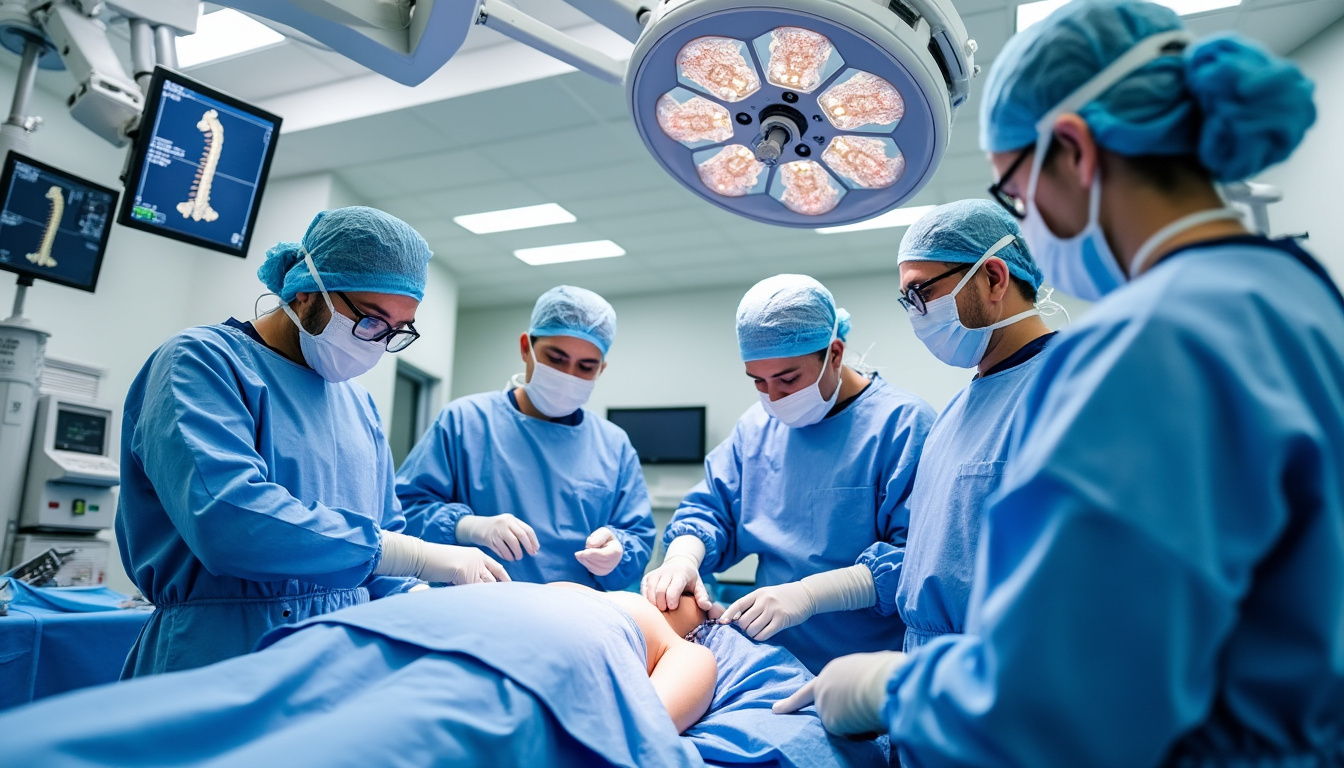

Understanding Sciatic Pain: Key Symptoms and When to Seek Medical Advice
Sciatic pain is a prevalent condition impacting a wide demographic, manifesting primarily as intense pain radiating from the lower back down the leg. This pain stems from irritation or compression of the sciatic nerve, a major nerve extending through the…
Transforming Patient Care with Dynamic Spinal Implants: Innovations in Surgical Procedures
Modern spinal surgery has witnessed transformative advances through the introduction of dynamic implants, which preserve vertebral mobility while stabilizing pathological segments. Devices such as TOPS (Total Posterior Spine System) and B-DYN (a dynamic interlaminar implant) represent significant departures from traditional rigid fusion approaches, offering enhanced postoperative functionality and reducing complications linked to spinal stiffness.
These implants are engineered using high-grade metals and composite materials, manufactured under stringent quality controls to meet CE certification and FDA approval standards. Their biomechanical design supports natural motion arcs, which contribute to a faster functional recovery, improved quality of life, and lower rates of adjacent segment disease—a common problem following spinal fusion.
Surgeons trained in utilizing these devices must balance technical precision with patient-specific criteria, including spinal pathology, anatomical considerations, and lifestyle factors. The clinical decision to opt for a dynamic implant over fusion requires a nuanced understanding of long-term outcomes and patient expectations, often guided by evolving evidence and shared clinical experiences within the surgical community.
Examples from certified French hospitals collaborating internationally demonstrate how the integration of dynamic implants complements minimally invasive and endoscopic surgery techniques. This holistic surgical approach shortens hospital stays, reduces postoperative pain, and enables patients to return more swiftly to daily activities. Ongoing innovations include implant platforms with embedded sensors to monitor biomechanical stresses, enhancing real-time postoperative management.
Such a paradigm shift in spinal surgery highlights the crucial interface between technological advances, clinical expertise, and patient-centered care within hospital-surgeon partnerships.
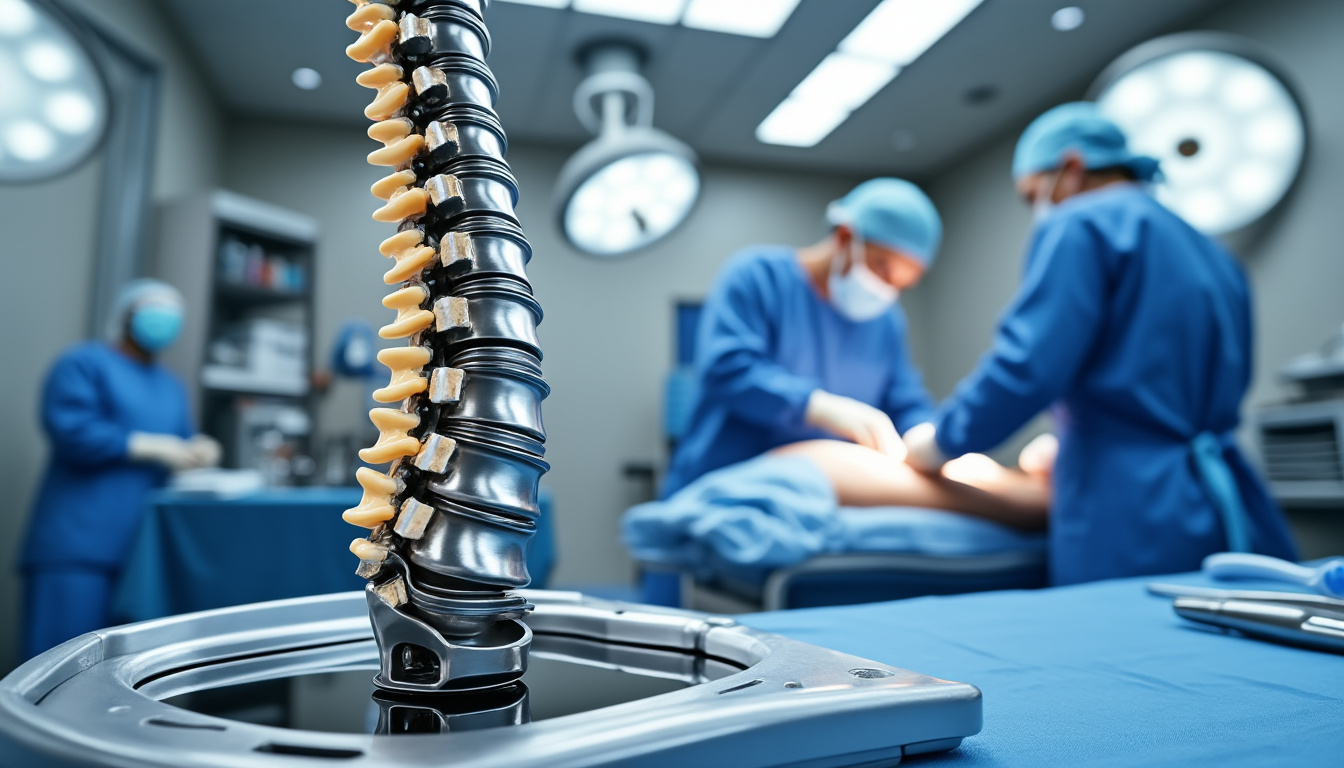

The Stepwise Role of Functional Recovery in Achieving Successful Outcomes
The journey to full recovery following spinal surgery is often complex and multifaceted, demanding a meticulously structured approach to ensure optimal functional outcomes. In recent years, the concept of functional recovery through a stepwise approach has garnered significant attention in…
International Patient Pathways: Coordinated Logistics Ensuring Seamless Surgical Journeys
Effective coordination of medical logistics is indispensable for patients traveling internationally to access specialized surgical care. The partnership between French hospitals and Canadian patients seeking spinal surgery exemplifies a meticulously organized process, encompassing preoperative evaluation, travel arrangements, hospitalization, and postoperative follow-up.
The journey commences in Montreal, where patients undergo thorough assessments by specialized teams, including neurologists and physiatrists, focusing on diagnostic imaging and conservative treatment optimization. Upon surgical candidacy determination, a medical orientation service assists in selecting the most appropriate surgical center from a network that includes Bordeaux, Toulouse, and Le Mans.
Central to this workflow is the logistical coordination managed by companies specializing in medical tourism, such as Franchir. They handle scheduling, travel bookings, accommodation, and patient support, minimizing delays that could exacerbate spinal conditions. Alongside, SOS Tourisme Médical educates patients on surgical options, admission criteria, and administrative procedures, augmenting preparedness and reducing anxiety.
Post-surgical care is diligently handed over to specialist centers in Canada, with providers like Neurothérapie Montréal ensuring customized rehabilitation programs and monitoring for potential complications. This continuous care model mitigates risks associated with international treatment and preserves surgical gains.
Such systems underscore the importance of logistical precision in global healthcare collaborations, enabling patients to navigate complex surgical pathways confidently and safely.

Transatlantic Patient Journey: Insights into Indications, Benefits, and Challenges
The emergence of the Transatlantic Patient Journey as a strategic model within healthcare continues to capture attention for its innovative potential, especially in specialized fields such as spinal surgery. This cross-border care pathway integrates rigorous medical evaluation from Quebec with…
Surgeons’ Expertise and Challenges in Cross-Border Surgical Collaborations
Surgeons engaged in international partnerships benefit from extensive clinical experience enriched by collaboration with industry innovators and multidisciplinary teams. This is particularly relevant for spine surgeons who must articulate the technical demands of implanting dynamic spinal devices while adapting to diverse healthcare systems and patient needs.
One profound challenge lies in harmonizing clinical protocols and surgical techniques across borders, which can vary due to regulatory differences and resource availability. Surgeons overcome this by participating in continuous education initiatives, such as the European spinal endoscopy courses or advanced spinal solution programs, fostering a standardized approach to care and innovation adoption.
Furthermore, these specialists navigate complexities in patient communication, ensuring comprehension of surgical risks, benefits, and expected functional outcomes despite cultural and linguistic differences. The commitment to patient-centered care involves integrating shared decision-making frameworks and respecting patient partners’ insights into care adjustments.
Collaborative surgical research leverages pooled clinical data and joint trials, enhancing evidence generation to inform best practices. Pioneers like surgical consultants with decades of operative interventions contribute substantially to these knowledge networks, shaping future treatment paradigms. However, managing the volume and diversity of cases, while maintaining high quality and safety, demands robust hospital support and coordinated interprofessional teamwork.
This intricate landscape illustrates how surgical expertise must evolve in tandem with organizational collaboration to meet the sophisticated requirements of international patient care.
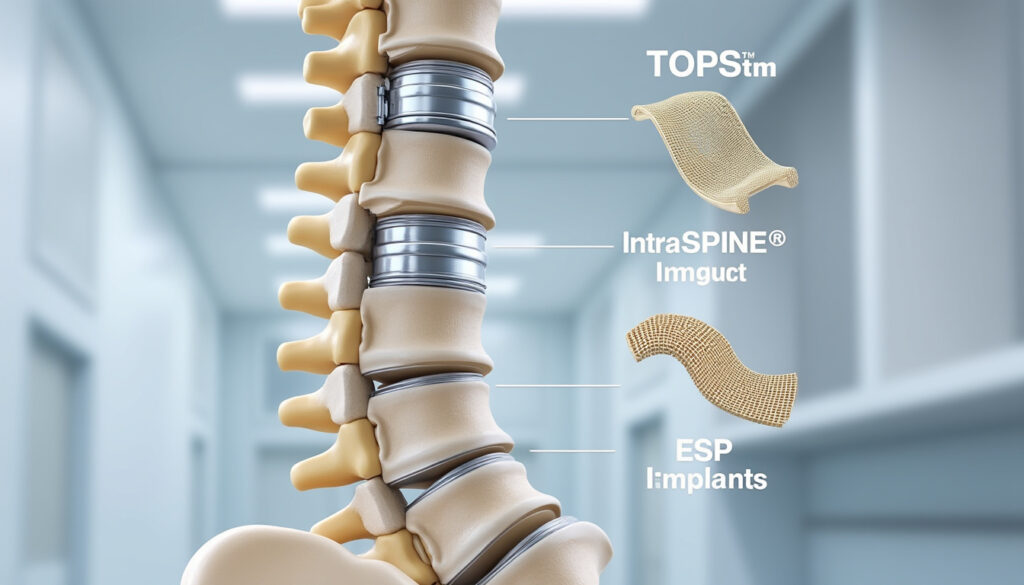
The evolving field of spinal surgery is witnessing a transformative shift, fueled by cutting-edge implant technologies such as TOPS, Intraspine, and ESP. These innovative implants redefine treatment possibilities by emphasizing preservation of natural spinal mechanics, while ensuring durable stabilization and…
Engagement of Patient Partners in Hospital and Surgical Care Improvement
Incorporating patient partners as active contributors to clinical and organizational development has become an emerging standard in healthcare. Experience-based insights from patients undergoing spinal surgery inform protocol evolution, communication strategies, and the creation of supportive hospital environments designed to ease anxiety and enhance comfort.
French hospitals involved in transatlantic partnerships exemplify how patient partners undergo formal training to participate in care design, therapeutic education, and spatial optimization. Their feedback enables medical teams to fine-tune pain management approaches, facilitate mobility strategies, and align rehabilitation resources with patient expectations.
This patient-centered model strengthens the human dimension of healthcare, fostering co-construction of care pathways that align clinical objectives with lived experiences. It also promotes open dialogues that build trust between patients and healthcare professionals, an essential factor in recovery and long-term satisfaction.
In practical terms, patient partners contribute to quality-improvement committees, educational programs, and peer support networks, acting as liaisons to ensure that the nuanced needs of spinal surgery patients—such as emotional support and anticipatory guidance—are addressed proactively. This collaboration mitigates feelings of isolation and empowers patients as stakeholders in their healing journeys.
By embedding this philosophy, healthcare systems witness enhanced operational efficiency alongside elevated clinical outcomes, highlighting the indispensable role of patient partnership in modern interdisciplinary care.

Preparing for Surgery in France: Key Indications, Benefits, and Limitations
In an evolving global healthcare landscape, France emerges as a beacon of advanced surgical expertise, particularly attracting international patients seeking expedited and innovative medical interventions. Patients from regions experiencing long wait times, such as Quebec, increasingly view France as an…
Healthcare Technology and Research Networks Enhancing Hospital-Surgeon Synergies
The advancement of surgical care is inextricably linked to research networks and the adoption of cutting-edge technology within hospital-surgeon collaborations. Initiatives deploying robotic navigation, 3D imaging, and computer-assisted tools have become integral in optimizing precision and minimizing intraoperative risks in spinal surgery.
Research-focused surgeons educated in methodologies and supported by trial centers foster international collaborations that underpin large-scale studies and clinical trials. These networks enable the dissemination of innovations, validate novel surgical techniques, and promote evidence-based strategies to improve patient outcomes globally.
For example, the integration of FDA-certified devices alongside European CE-marked implants expands technological options available to surgeons, ensuring tailored interventions that meet diverse patient profiles. The linked hospitals provide controlled environments for post-market surveillance and longitudinal outcome analysis, contributing substantial data to iterative product development.
Beyond clinical practice, these collaborations influence training curricula, with universities and professional societies elevating standards through diplomas and inter-university programs focused on spinal pathology and surgery. Multidisciplinary education supports the evolution of entire healthcare teams, aligning scientific advances with clinical application.
The synergy between technology, research, and clinical expertise not only propels innovation but also fosters a culture of continuous improvement, essential for the sustainability and growth of interdisciplinary hospital-surgeon partnerships in the 21st century.
Hospitals and Surgeons Collaborations: Insights and Experiences Shared (2026)
Explore the key elements, benefits, and challenges behind collaboration in healthcare for better patient outcomes.
Key Elements of Collaboration
- Shared Goals: Aligning on patient-centered outcomes.
- Communication: Real-time info exchange via integrated digital platforms.
- Multidisciplinary Teams: Combining expertise for complex cases.
- Leadership Support: Encouraging collaboration culture and resources.
- Standardized Protocols: Ensuring consistency and safety.
Benefits of Collaborations
- Enhanced Patient Outcomes: Reduced complications and faster recovery.
- Resource Optimization: Better use of surgical and hospital assets.
- Innovation Boost: Joint research and new surgical techniques.
- Professional Growth: Surgeons learn new skills and approaches.
- Improved Efficiency: Streamlined workflows and reduced delays.
Challenges Faced
- Cultural Differences: Variations in hospital and surgeon practices.
- Data Privacy: Ensuring patient confidentiality in shared systems.
- Scheduling Conflicts: Coordinating multiple surgeons’ availabilities.
- Funding Limitations: Budget constraints for collaborative tools and training.
- Resistance to Change: Overcoming established routines and hierarchy.
2026 Survey: Collaboration Intensity vs. Satisfaction
Hover over dots for detailed stats. Data from a survey of 300 hospitals and 450 surgeons.

Unveiling the Hidden Benefits of Quality and Certification in Devices
The landscape of device manufacturing and clinical application in 2026 has been fundamentally shaped by the rigorous interplay between quality management and certification processes. Within this complex framework, the hidden benefits of adhering to international standards and obtaining relevant certifications…
Organizational Strategies in Hospital-Surgeon Partnerships to Optimize Patient-Centered Outcomes
Successful collaboration between hospitals and surgeons requires well-defined organizational strategies that align shared objectives, clarify roles, and establish performance metrics. These strategies encompass clinical governance, interprofessional communication, and patient flow management within highly specialized surgical pathways.
Hospitals adopt frameworks such as interprofessional team collaboration competencies, which guide the harmonization of workflows and decision-making processes. These frameworks emphasize person-centered care, safety culture, and adaptability to complex patient needs, fostering environments conducive to surgical excellence.
Key operational tactics involve multidisciplinary preoperative assessments, coordinated scheduling systems, and integrated electronic health records accessible to all stakeholders. These systems facilitate timely information exchange and enable dynamic response to patient conditions throughout the surgical journey.
Case studies from networks in France and Canada highlight how optimization of patient pathways, including minimized hospital stay duration and tailored rehabilitation plans, produces superior health economics outcomes and enhances patient satisfaction. The alignment of surgeon availability, operating room resources, and postoperative care teams is critical to ensuring fluid transitions and mitigating complications.
Furthermore, performance indicators such as surgical site infection rates, readmission statistics, and functional recovery benchmarks are monitored collaboratively, informing quality improvement cycles. This systemic approach exemplifies how organizational acumen within hospital-surgeon collaboration drives measurable advancements in clinical practice and patient care.
Why Experts Advocate for Comprehensive Preoperative Evaluations
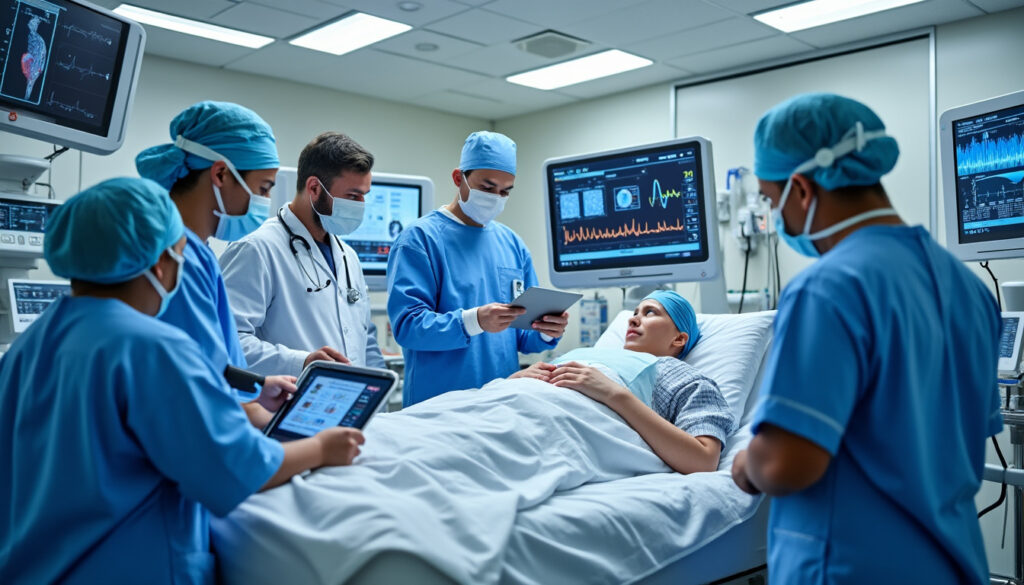
In the complex and demanding field of spinal surgery, the emphasis on comprehensive preoperative evaluations has become a fundamental pillar supporting successful surgical outcomes. These evaluations, far beyond mere routine checks, integrate detailed analyses of patient health, surgical risk assessments,…
Future Prospects and Challenges in Expanding Hospital and Surgeon Collaborations Across Borders
The trajectory of hospital and surgeon collaborations points toward deepening international integration supported by digital health innovations and shared research ecosystems. Expanding access while maintaining quality and safety poses challenges requiring adaptive policies and investment in human and technological resources.
The scaling up of these collaborations, especially in spine surgery, hinges on addressing logistical complexities such as cross-border regulatory harmonization, reimbursement frameworks, and cultural competency training for healthcare professionals. Furthermore, the increasing incorporation of patient-reported outcome measures into clinical databases will refine personalized care models.
Emerging technologies, including augmented reality-assisted surgery and artificial intelligence-driven decision support, present transformative potential but necessitate rigorous validation and interdisciplinary training programs. Collaborative platforms promoting real-time data sharing and telehealth consultations will further enhance inter-hospital and surgeon connectivity.
Additionally, bolstering the role of patient partners and community engagement tools is vital to sustaining empathy-driven care amidst technological advancements. Ethical considerations and data security protocols must evolve to safeguard patient information while enabling innovation.
Ultimately, the future of hospital and surgeon partnerships depends on balancing innovation with humanity, leveraging shared expertise to expand healthcare equity and efficacy in a globalized medical environment.
{“@context”:”https://schema.org”,”@type”:”FAQPage”,”mainEntity”:[{“@type”:”Question”,”name”:”What are the advantages of dynamic spinal implants like TOPS and B-DYN?”,”acceptedAnswer”:{“@type”:”Answer”,”text”:”Dynamic spinal implants preserve natural spinal mobility while stabilizing pathological areas, reducing complications from traditional spinal fusions, enhancing functional recovery, and improving postoperative quality of life.”}},{“@type”:”Question”,”name”:”How is the patient journey coordinated from Quebec to France for spinal surgery?”,”acceptedAnswer”:{“@type”:”Answer”,”text”:”Patients undergo thorough evaluation in Quebec before medical orientation coordinates their transfer to specialized French hospitals, with logistic support managing travel and accommodation. Postoperative care continuity is ensured through rehabilitation services back in Canada.”}},{“@type”:”Question”,”name”:”Which hospitals and surgeons collaborate in the French spinal surgery network?”,”acceptedAnswer”:{“@type”:”Answer”,”text”:”Leading centers in Bordeaux, Toulouse, Le Mans, and other major French cities work with experienced surgeons using advanced implants and certified technologies to deliver high-quality spine care.”}},{“@type”:”Question”,”name”:”How do SOS Tourisme Mu00e9dical and Franchir improve the surgical patient experience?”,”acceptedAnswer”:{“@type”:”Answer”,”text”:”SOS Tourisme Mu00e9dical prepares patients with information on surgical options and admission criteria, while Franchir manages personalized medical orientation and logistics, optimizing patient comfort and access to care.”}},{“@type”:”Question”,”name”:”Do patient partners influence hospital and surgical care?”,”acceptedAnswer”:{“@type”:”Answer”,”text”:”Yes, patient partners contribute their firsthand experience to refine care protocols, facilitate communication, reduce patient anxiety, and improve therapeutic environments, placing patient needs at the heart of the healthcare process.”}}]}What are the advantages of dynamic spinal implants like TOPS and B-DYN?
Dynamic spinal implants preserve natural spinal mobility while stabilizing pathological areas, reducing complications from traditional spinal fusions, enhancing functional recovery, and improving postoperative quality of life.
How is the patient journey coordinated from Quebec to France for spinal surgery?
Patients undergo thorough evaluation in Quebec before medical orientation coordinates their transfer to specialized French hospitals, with logistic support managing travel and accommodation. Postoperative care continuity is ensured through rehabilitation services back in Canada.
Which hospitals and surgeons collaborate in the French spinal surgery network?
Leading centers in Bordeaux, Toulouse, Le Mans, and other major French cities work with experienced surgeons using advanced implants and certified technologies to deliver high-quality spine care.
How do SOS Tourisme Médical and Franchir improve the surgical patient experience?
SOS Tourisme Médical prepares patients with information on surgical options and admission criteria, while Franchir manages personalized medical orientation and logistics, optimizing patient comfort and access to care.
Do patient partners influence hospital and surgical care?
Yes, patient partners contribute their firsthand experience to refine care protocols, facilitate communication, reduce patient anxiety, and improve therapeutic environments, placing patient needs at the heart of the healthcare process.
The Future of Surgery Lies in Stepwise Functional Recovery
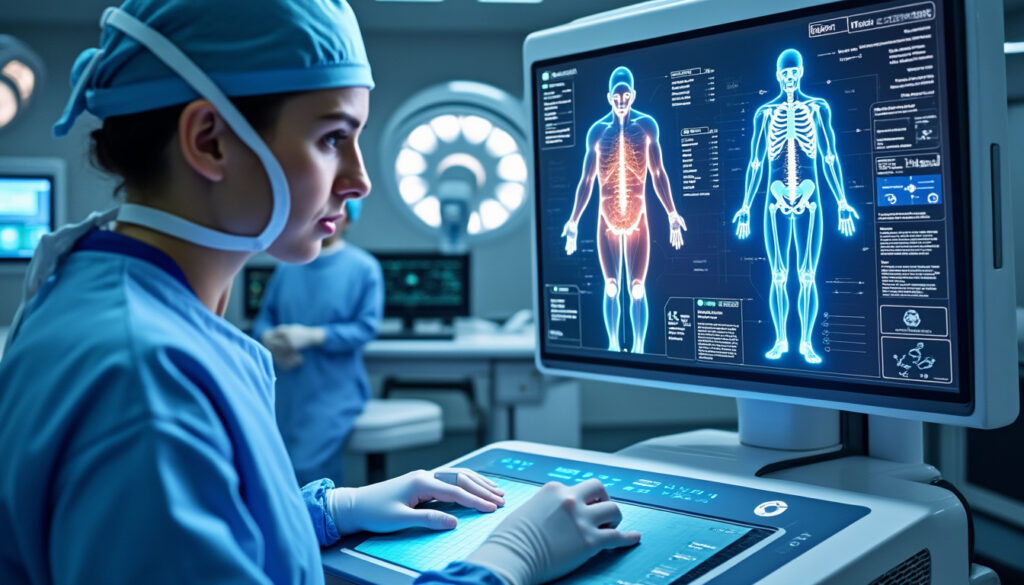
The evolution of surgical care in 2026 reveals a compelling shift toward approaches that prioritize the holistic recovery of patients, moving beyond traditional metrics like length of hospital stay or mortality rates. This modern paradigm highlights the principle that the…