Back Surgery in Trois-Rivières: Tailored Procedures Designed for Each Patient
July 11, 2026
Spinal Surgery in France: Personal Stories and Patient Experiences
July 11, 2026
Emerging at the forefront of spinal care, innovative implants such as TOPS, Intraspine, and ESP have ushered in a new era for patients facing complex spinal conditions in Quebec. These cutting-edge technologies are redefining treatment standards by preserving natural spinal mobility while enhancing recovery and minimizing postoperative discomfort. Supported by a rich collaboration between Quebec healthcare providers and leading French surgical centers, these implants symbolize a leap forward beyond traditional rigid spinal fusion, which often leads to adjacent segment degeneration and impaired mobility.
In parallel with advancements in biomechanical engineering and biocompatible materials, the availability of these implants heralds expanded access to minimally invasive spine surgery techniques optimized for individual patient profiles. The integration of robotics and 3D imaging further refines implant placement accuracy, contributing to improved patient outcomes. Quebec patients benefit not only from the technological innovation but also from a comprehensive care pathway involving expert surgical assessment, precise indications, and tailored postoperative rehabilitation programs — all coordinated transatlantically to ensure continuity and quality of care.
Biomimetic Design Principles Behind TOPS, Intraspine, and ESP Spinal Implants Enhancing Quebec Patient Outcomes
Central to the transformative impact of TOPS, Intraspine, and ESP implants is their capacity to mimic and preserve the spine’s natural biomechanics, offering dynamic stabilization rather than rigid fixation. Unlike traditional spinal fusion, which sacrifices segmental motion by permanently grafting vertebrae, these innovative implants allow controlled movement, reducing strain on adjacent spinal segments and decreasing the risk of degeneration over time.
The TOPS (Total Posterior Spine) system utilizes an articulated design facilitating controlled motion in multiple planes including flexion, extension, lateral bending, and axial rotation. This is particularly beneficial for patients suffering from lumbar spinal stenosis combined with segmental instability. Made from high-grade titanium alloy, the implant offers durability while maintaining biocompatibility. Regulatory approvals such as CE certification and FDA clearance ensure both safety and performance standards are met, underlining its reliability for clinical use.
Intraspine distinguishes itself by its minimally invasive implantation between the spinous processes. Its flexible interspinous prosthesis acts as an elastic spacer, alleviating pressure on degenerated discs and nerve roots, often the source of chronic back pain. This device’s design promotes partial segmental mobility, allowing a crucial balance between decompression and spinal integrity preservation, which translates into less postoperative pain and faster rehabilitation.
The ESP (Elastic Spine Pad) implant combines elasticity with sufficient rigidity to support mild to moderate segment instability. It functions as a load-sharing device that distributes mechanical stresses evenly, thereby protecting adjacent vertebral levels from accelerated wear. This ability to maintain physiological motion while cushioning excessive forces represents a paradigm shift in spine surgery, aiming to optimize both function and comfort post-intervention.
These biomechanical philosophies have been validated through extensive mechanical testing and clinical studies performed at renowned French institutions, pioneering the adoption of these systems internationally. As a direct result, Quebec patients now access these refined options, supported by advanced surgical expertise tailored to individual pathology and anatomy, thereby improving the overall efficacy of spinal interventions.
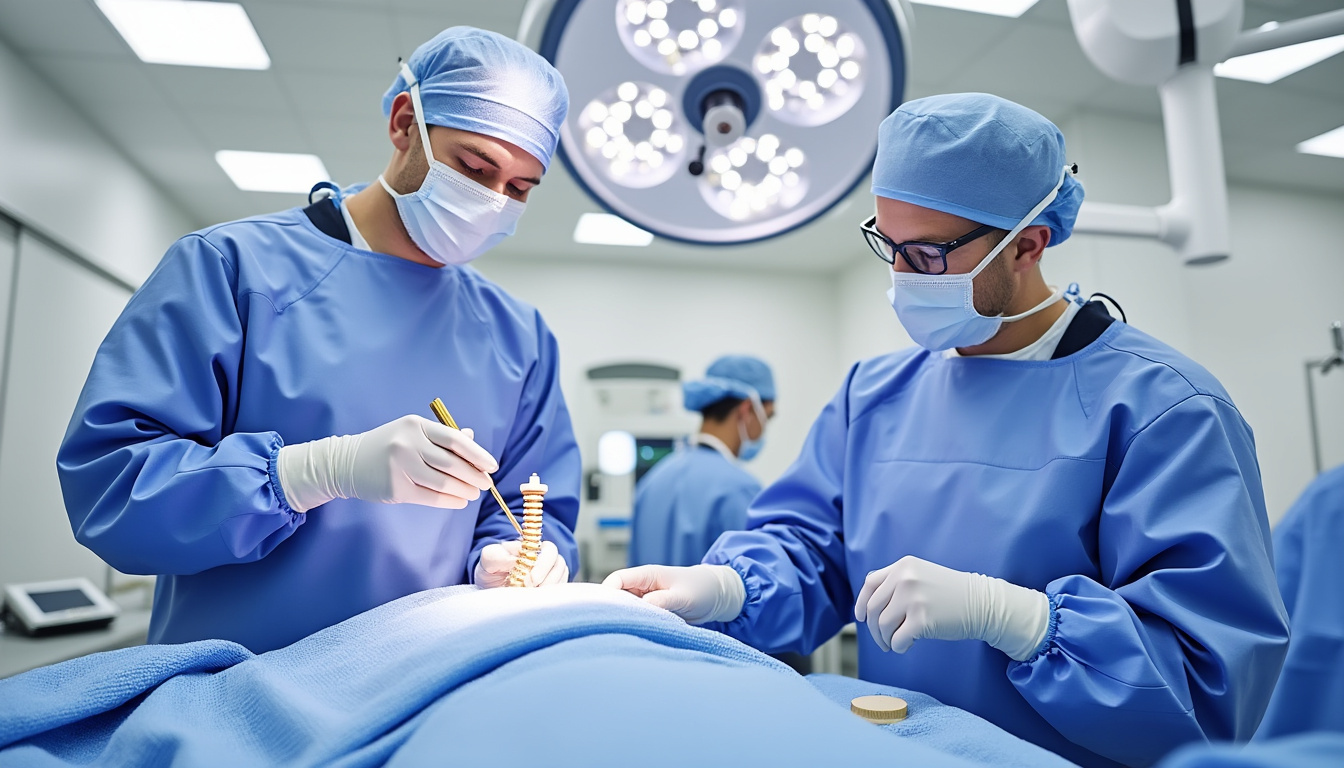

Understanding Sciatic Pain: Key Symptoms and When to Seek Medical Advice
Sciatic pain is a prevalent condition impacting a wide demographic, manifesting primarily as intense pain radiating from the lower back down the leg. This pain stems from irritation or compression of the sciatic nerve, a major nerve extending through the…

The Stepwise Role of Functional Recovery in Achieving Successful Outcomes
The journey to full recovery following spinal surgery is often complex and multifaceted, demanding a meticulously structured approach to ensure optimal functional outcomes. In recent years, the concept of functional recovery through a stepwise approach has garnered significant attention in…
Collaborative Franco-Québécois Expertise: Elevating Spine Surgery Standards with Innovative Implants
The growing transatlantic collaboration between Quebec healthcare institutions and French spinal surgery centers represents a cornerstone in delivering advanced treatments involving TOPS, Intraspine, and ESP implants. This partnership embodies the synthesis of industrial innovation, surgical mastery, and coordinated patient management to guarantee optimal outcomes throughout the surgical journey.
French surgical hubs including those in Bordeaux, Toulouse, and Le Mans are globally acclaimed for their integration of cutting-edge navigation technologies such as the Medtronic Mazor robotic platform. The precision offered by these robotic systems reduces intraoperative risks, enhances implant positioning accuracy, and shortens operative times, resulting in better postoperative functionality and reduced complication rates.
Leading this effort, experts like Érik Boulard — with over 3,000 spinal interventions completed — bridge the gap between implant manufacturing and clinical applications. His nuanced appreciation of biomechanical intricacies ensures patients receive personalized implant selection, closely matching their unique spinal anatomy and disease characteristics. His collaboration with networks such as Franchir orchestrates comprehensive care coordination, from surgery scheduling to travel logistics, underscoring a patient-centered philosophy prioritizing careful planning and compassionate support.
Integral to the post-surgical continuum, Neurothérapie Montréal provides tailored rehabilitation and clinical follow-up leveraging telemedicine capabilities. This seamless filtration of care between continents fosters a stable recovery environment, encouraging patient engagement and optimizing functional recovery through specialized protocols aligned with implant-specific needs.
This model establishes a blueprint for integrated cross-border healthcare initiatives, providing Quebec residents access to world-class spinal surgery technologies that were previously limited by geographic and logistical barriers. It exemplifies how collaboration can accelerate the dissemination of innovative medical technology, benefitting patients by delivering safer, more effective spinal implants with sustained functional preservation.
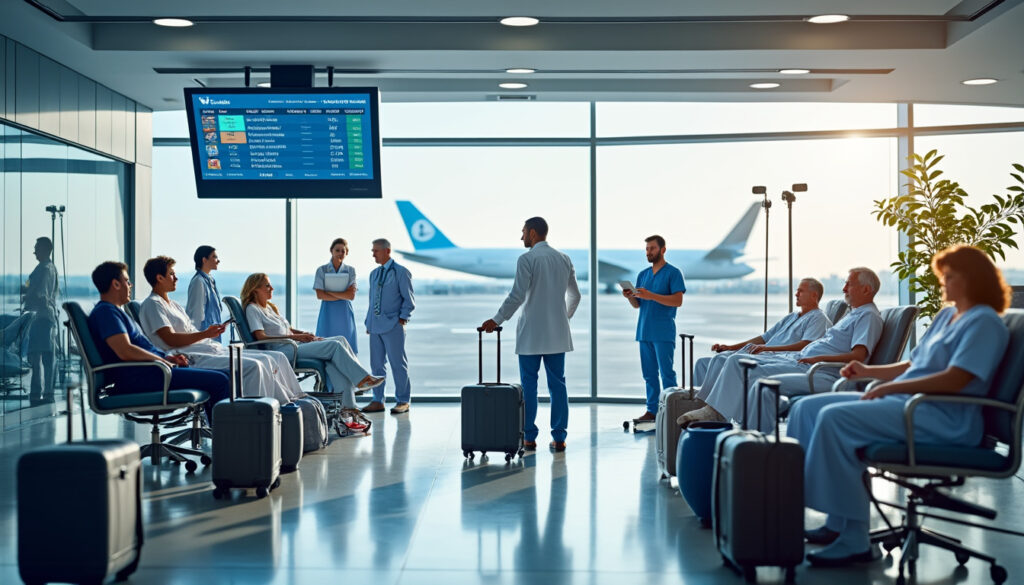
Transatlantic Patient Journey: Insights into Indications, Benefits, and Challenges
The emergence of the Transatlantic Patient Journey as a strategic model within healthcare continues to capture attention for its innovative potential, especially in specialized fields such as spinal surgery. This cross-border care pathway integrates rigorous medical evaluation from Quebec with…
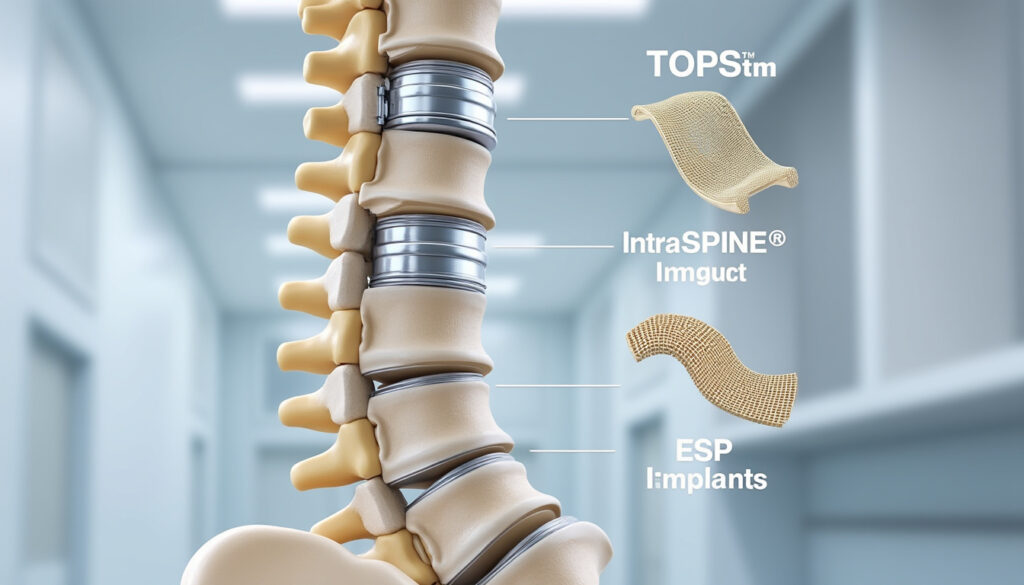
The evolving field of spinal surgery is witnessing a transformative shift, fueled by cutting-edge implant technologies such as TOPS, Intraspine, and ESP. These innovative implants redefine treatment possibilities by emphasizing preservation of natural spinal mechanics, while ensuring durable stabilization and…
Minimally Invasive Surgery Combined with Dynamic Stabilization Reduces Recovery Time for Quebec Patients
Minimally invasive spine surgery paired with dynamic stabilization implants is reshaping the therapeutic landscape for lumbar disorders in Quebec. These procedures minimize surgical trauma to ligaments, muscles, and bones, which traditionally contributed to prolonged recovery and postoperative discomfort.
Devices like Intraspine enable access through smaller incisions, positioned between the spinous processes, avoiding extensive tissue disruption. This translates clinically into less perioperative blood loss, reduced pain medication requirements, and shortened hospital stays. Patients often resume daily activities within weeks rather than months, improving quality of life promptly.
TOPS procedures maintain segmental motion, alleviating symptoms of neurogenic claudication while restoring spinal balance, a feat previously only achievable through hard fusion with significant mobility loss. The ESP system, through its elastic cushioning properties, contributes to a more natural spine load distribution, offering subtle biomechanical advantages during activities involving flexion and extension.
Clinical data derived from multiple centers attest to the accelerated rehabilitation trajectories post-implantation. Examples include patients with degenerative spondylolisthesis or moderate spinal stenosis who avoided fusion surgery and regained pain-free ambulation and resumption of work within three to four months following dynamic stabilization.
Quebec surgeons increasingly adopt these techniques, supported by advanced imaging and surgical robotics that enhance the precision of implant placement. Consequently, the amalgamation of minimally invasive methods with innovative implants represents a significant leap in spine surgery that is increasingly accessible to local patients.
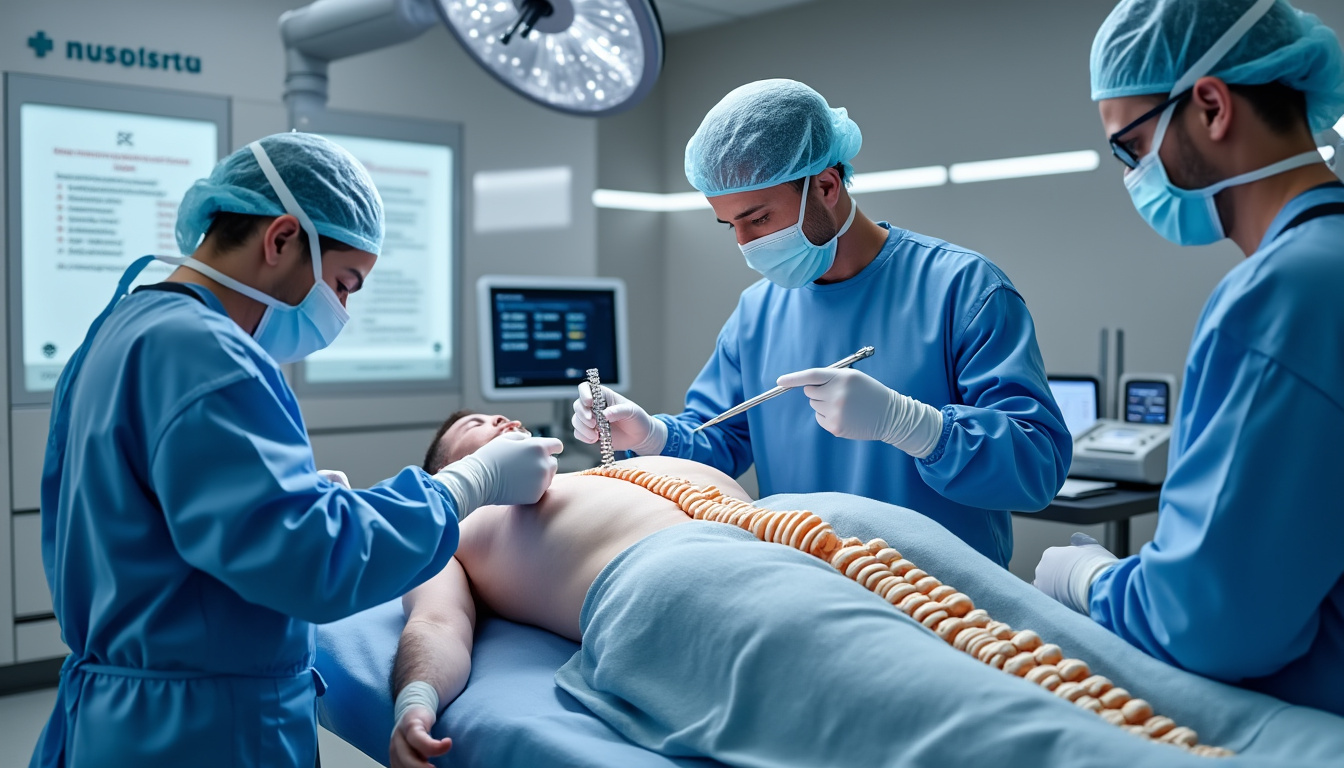
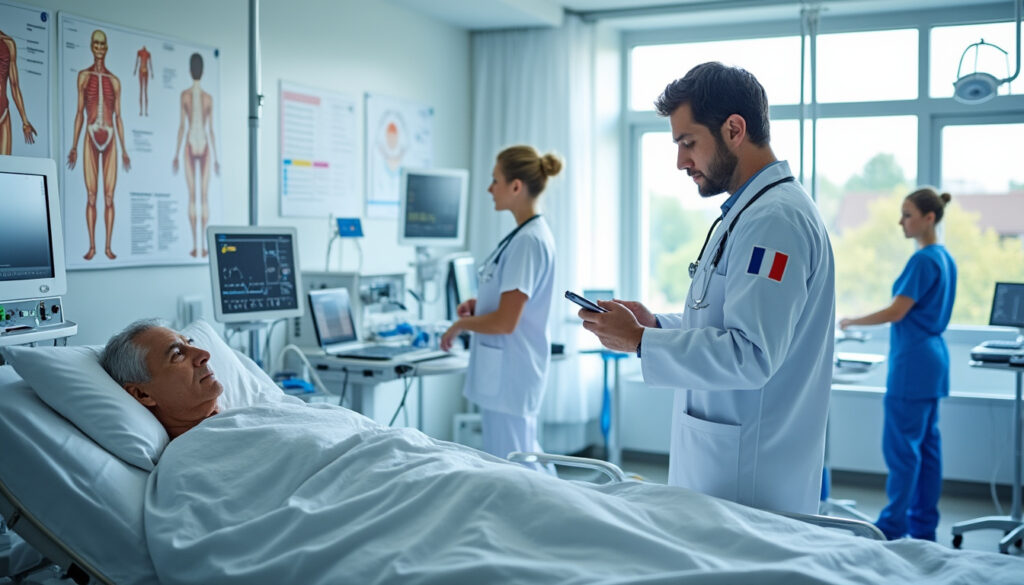
Preparing for Surgery in France: Key Indications, Benefits, and Limitations
In an evolving global healthcare landscape, France emerges as a beacon of advanced surgical expertise, particularly attracting international patients seeking expedited and innovative medical interventions. Patients from regions experiencing long wait times, such as Quebec, increasingly view France as an…

Unveiling the Hidden Benefits of Quality and Certification in Devices
The landscape of device manufacturing and clinical application in 2026 has been fundamentally shaped by the rigorous interplay between quality management and certification processes. Within this complex framework, the hidden benefits of adhering to international standards and obtaining relevant certifications…
Customized Patient Pathways Integrating Innovative Implants for Spinal Disorders in Quebec
The management of spinal pathology using TOPS, Intraspine, and ESP implants is firmly rooted in a personalized medicine approach that tailors treatment to patient-specific factors ranging from anatomical considerations to lifestyle demands.
Initial comprehensive clinical and radiological assessments are performed at specialized Quebec centers such as Clinique TAGMED under expert supervision, incorporating criteria to identify suitable candidates. Conservative care options, including robotic-assisted neurovertebral decompression, are explored to delay or avoid surgery when feasible.
Upon surgical indication, patients enter a coordinated transatlantic itinerary facilitated by Franchir. This agency manages everything from referral to French centers specialized in implant procedures, ensures access to robotic navigation-assisted operations, and handles the logistical complexities of international medical travel and accommodations.
Following surgery, follow-up care is reintegrated in Quebec through Neurothérapie Montréal, which provides ongoing rehabilitation support calibrated to the type of implant and operative technique used. This ensures adherence to recovery protocols and continuous monitoring to address any complications swiftly.
Such a well-orchestrated pathway mitigates anxiety related to medical tourism while offering Quebec patients state-of-the-art treatment customized at every stage. The result is a higher success rate with improved long-term functional outcomes and durable pain relief.
Why Experts Advocate for Comprehensive Preoperative Evaluations
In the complex and demanding field of spinal surgery, the emphasis on comprehensive preoperative evaluations has become a fundamental pillar supporting successful surgical outcomes. These evaluations, far beyond mere routine checks, integrate detailed analyses of patient health, surgical risk assessments,…
The Future of Surgery Lies in Stepwise Functional Recovery
The evolution of surgical care in 2026 reveals a compelling shift toward approaches that prioritize the holistic recovery of patients, moving beyond traditional metrics like length of hospital stay or mortality rates. This modern paradigm highlights the principle that the…
Comparative Overview of TOPS, Intraspine, and ESP Implants: Clinical Indications and Benefits
| Implant | Primary Indications | Clinical Benefits | Limitations |
|---|---|---|---|
| TOPS | Lumbar spinal stenosis with segmental instability | Preservation of mobility, pain reduction, prevention of adjacent segment disease | Not suitable for severe instability cases |
| Intraspine | Moderate lumbar nerve compression causing chronic pain | Minimally invasive, spinal decompression, rapid rehabilitation | Contraindicated in severe spinal instability |
| ESP | Mild to moderate spinal instability | Elastic stabilization, biomechanical integrity preserved, improved recovery | Eligibility criteria still evolving |
Detailed understanding of each implant’s profile allows Quebec surgeons to optimize therapeutic choices, matching device characteristics with specific patient presentations. This approach significantly mitigates postoperative complications such as adjacent segment degeneration that commonly follow rigid fusion procedures.
Integrated Medical Technology and Robotics Enhancing Precision in Spine Surgery for Quebec Healthcare
The advent of robotic assistance and advanced 3D imaging has markedly improved the precision and reproducibility of complex spinal implant procedures. Systems like the Mazor robotic platform provide real-time navigation that guides surgeons in accurate implant positioning, avoiding neurological and vascular complications.
Recent studies highlight a reduction in surgical time and radiation exposure, alongside increased safety margins for spinal hardware placement. The combined use of minimally invasive implants such as TOPS with robotic guidance embodies the frontier of medical technology integration in spine surgery.
The synergy between innovative implants and computer-assisted surgery elevates patient outcomes by ensuring optimal biomechanics, expediting mobilization, and lessening the likelihood of revision surgeries. Quebec centers are progressively incorporating these technologies, supported by specialized training programs emphasizing dynamic stabilization and robot-assisted implantation techniques.
Such modernization aligns with international best practices and fulfills patient demand for surgical methods that are minimally disruptive yet maximally effective.
Comparison of Innovative Spinal Implants
Explore interactive details of TOPS, Intraspine, and ESP implants transforming patient outcomes in Quebec.
TOPS
Dynamic posterior stabilization preserving motion
2024 Interactive Infographic by Frontend Dev
Patient Testimonials and Clinical Evidences Demonstrate Positive Impact of Innovative Spinal Implants
A growing number of Quebec patients have undergone spinal surgeries utilizing TOPS, Intraspine, and ESP implants, reporting significant improvements in pain levels and mobility compared to traditional fusion surgeries. Case studies emphasize early functional restoration and decreased incidence of complications such as adjacent segment disease and implant failure.
For example, patients affected by moderate spondylolisthesis who previously faced limited surgical options now experience durable symptom relief with preservation of natural spinal motion. Enhanced postoperative quality of life fosters quicker return to work and active lifestyles, as documented in follow-up assessments.
This patient-centered data underscores the clinical validity of these innovative implants, reinforcing their role in evolving Quebec’s spine surgery protocols. The increasingly positive feedback encourages further adoption, supported by ongoing research and multicenter clinical trials conducted in collaboration with French institutions.
More detailed insights and patient stories can be explored through expert resources such as comprehensive expert analyses that shed light on procedure nuances and candid experiences.

What are the major advantages of TOPS, Intraspine, and ESP compared to traditional spinal fusion?
These implants preserve natural vertebral segment mobility, significantly reduce postoperative pain, limit adjacent segment degeneration, and facilitate faster return to normal activities through less invasive interventions.
How does the surgical pathway work for Quebec patients seeking these innovative implants in France?
The process begins with a thorough evaluation at Montreal’s Clinique TAGMED, followed by personalized referral via Franchir to specialized French hospitals. Logistics including travel and accommodation are managed, and postoperative rehabilitation is provided through Neurothérapie Montréal, ensuring patient follow-up and care continuity.
Are the implants used in these procedures safe and certified?
All TOPS, Intraspine, and ESP implants utilized in France hold CE certification and many also carry FDA approval, ensuring compliance with rigorous safety, biomechanical quality, and international standards.
Is dynamic stabilization suitable for all patients with lumbar pain?
Dynamic stabilization targets specific indications such as moderate segmental instability and lumbar stenosis. A strict clinical and radiological selection process determines patient eligibility to optimize safety and outcomes.
Can Quebec patients receive postoperative follow-up remotely?
Yes, thanks to Neurothérapie Montréal, personalized and continuous follow-up is provided remotely to facilitate rehabilitation and recovery, ensuring care continuity after patients return to Canada.