How Innovative Implants Like TOPS™, Intraspine®, and ESP Are Transforming Outcomes for Quebec Patients
July 11, 2026
Cervical Disc Prosthesis in Quebec City: Preserve Natural Mobility
July 11, 2026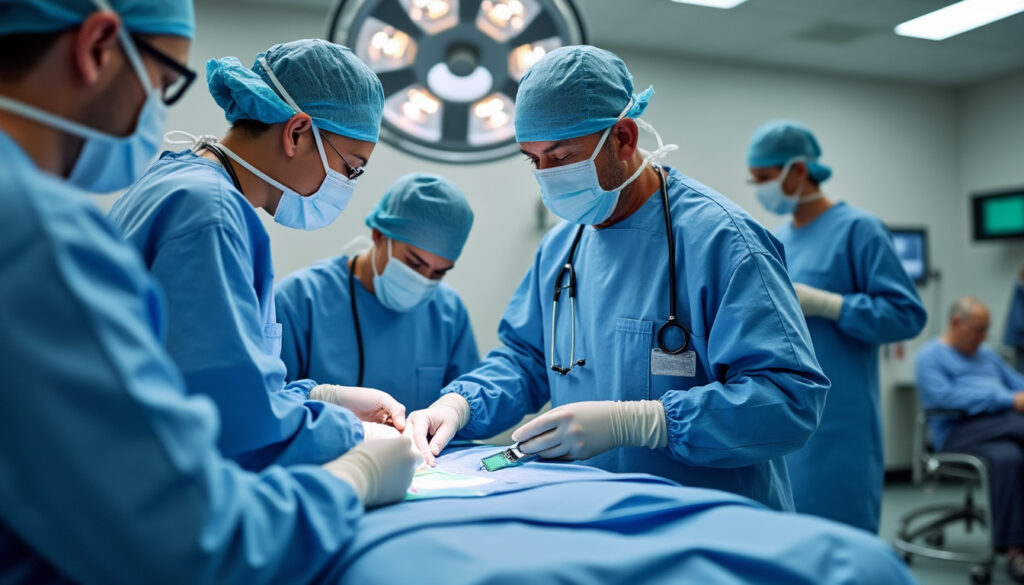
Spinal surgery in France has increasingly become a focal point for patients worldwide seeking advanced medical care combined with personalized treatment pathways. The country’s healthcare system is renowned for its innovative surgical techniques and a holistic approach to spine health, which emphasizes both technological advancement and patient-centric care. For many, France is not only a medical destination but also a source of hope and renewed quality of life, especially for those suffering from chronic spinal conditions that significantly impact daily functioning.
Amid growing interest in medical tourism, France offers a blend of cutting-edge spine surgery technologies and robust patient support networks that create smoother, more accessible treatment journeys. Patients from various countries, particularly from Quebec, have reported enhanced outcomes and satisfaction due to the integrated coordination between French medical teams and their home healthcare providers. This synergy facilitates seamless care continuity, enabling patients to benefit from the latest innovations while maintaining close follow-up during recovery.
Detailed personal stories and patient experiences reveal not only the effectiveness of spinal surgery in France but also the humanity imbued in its healthcare delivery. These narratives underscore the importance of preoperative education, minimally invasive techniques, and postoperative rehabilitation—elements that collectively contribute to improved surgery outcomes and sustained spine health. The following sections delve into the critical aspects of spinal surgery in France, sharing insights that blend clinical expertise with real-life patient voices, highlighting what makes the French approach distinct and sought after in 2026.
The Landscape of Advanced Spinal Surgery Techniques in France
France has positioned itself at the forefront of spinal surgery by integrating sophisticated techniques such as dynamic implants, endoscopic procedures, and minimally invasive surgeries into routine care. The distinction lies in France’s commitment to preserving spinal motion and reducing postoperative complications—a goal achieved through technologies like the TOPS system and IntraSPINE implants, which offer patients alternatives to traditional fusion surgeries.
Fusion surgery, while effective for many complex cases like severe scoliosis and vertebral instability, inherently restricts segmental motion, potentially impacting adjacent spinal levels over time. French surgeons carefully evaluate indications for fusion, favoring dynamic stabilization methods when appropriate. For instance, the TOPS system allows controlled, targeted movement by replacing damaged facet joints, considerably reducing postoperative stiffness and pain. IntraSPINE acts by supporting lumbar vertebrae dynamically, enhancing biomechanical integrity while facilitating quicker recovery. These innovations have elevated France’s reputation as a hub for motion preservation in spine surgery, attracting patients eager to maintain active lifestyles post-surgery.
The expertise backed by institutions such as the Centre du Rachis Paris and Rachis Innovation exemplifies how specialized centers deliver these high-precision surgeries. Expertise is further enriched by extensive training programs like the Diplôme Inter-Universitaire de Chirurgie du Rachis, ensuring that surgeons remain adept in the latest advances, from 3D imaging to robotic navigation platforms. Patient access to these technologies via organized medical tourism channels enhances their options and confidence in the treatment efficacy.
Moreover, endoscopic spine surgery courses organized by EuroSpine and training at IRCAD Strasbourg push the boundaries of minimally invasive techniques, reducing tissue trauma and accelerating postoperative recovery. This evolving paradigm represents a shift in spinal care, offering patients less painful procedures with shorter hospital stays and better functional outcomes, underpinning the broader trend of integrating innovation and patient comfort in French spinal surgery.

Understanding Sciatic Pain: Key Symptoms and When to Seek Medical Advice
Sciatic pain is a prevalent condition impacting a wide demographic, manifesting primarily as intense pain radiating from the lower back down the leg. This pain stems from irritation or compression of the sciatic nerve, a major nerve extending through the…
Patient Experiences: Navigating the Journey of Spinal Surgery in France
For many patients, the path to spinal surgery in France begins with challenges such as long waiting periods in their home countries, particularly Quebec, where specialized care access can be delayed. The French approach, through partnerships with organizations like SOS Tourisme Médical and Franchir, offers a meticulously coordinated transatlantic treatment pathway that accompanies the patient from evaluation through recovery, providing reassurance and continuity along every step.
A typical journey often begins with a comprehensive assessment by experts such as Dr. Sylvain Desforges, whose oversight integrates extended non-surgical treatments, including advanced neurovertébral decompression techniques available at centers like Clinique TAGMED. This phase precedes any surgery, reaffirming the principle that surgery is an option only after conservative methods are carefully trialed for 3 to 6 months.
When surgery is indicated, Franchir ensures patients are connected with the most appropriate surgical teams and treatment facilities in France, optimizing implant selection and technique based on individual pathology and lifestyle needs. This organizational support extends beyond surgery, incorporating logistical help with travel, accommodation, and postoperative planning.
Once in France, patients benefit from dedicated spine centers such as the Groupe Hospitalier Privé Ambroise Paré – Hartmann, which embrace advanced therapies including microdiscectomies, vertebroplasties, and spinal cord stimulation implantations. The postoperative phase includes personalized rehabilitation protocols often coordinated with Canadian teams like Neurothérapie Montréal, promoting optimal functional recovery and reducing psychological stress associated with major spine surgery.
Patient testimonials emphasize the value of this structured, human-centered approach. One example recounts a patient’s relief from chronic sciatica following a minimally invasive decompression, coupled with an implant preserving spinal movement—outcomes that dramatically enhanced day-to-day life. These stories reinforce the significance of thorough preparation and individualized care, components France prioritizes within its healthcare ecosystem to deliver not just surgical success but holistic patient well-being.

The Stepwise Role of Functional Recovery in Achieving Successful Outcomes
The journey to full recovery following spinal surgery is often complex and multifaceted, demanding a meticulously structured approach to ensure optimal functional outcomes. In recent years, the concept of functional recovery through a stepwise approach has garnered significant attention in…
How Innovative Surgical Technology Improves Recovery and Surgery Outcomes
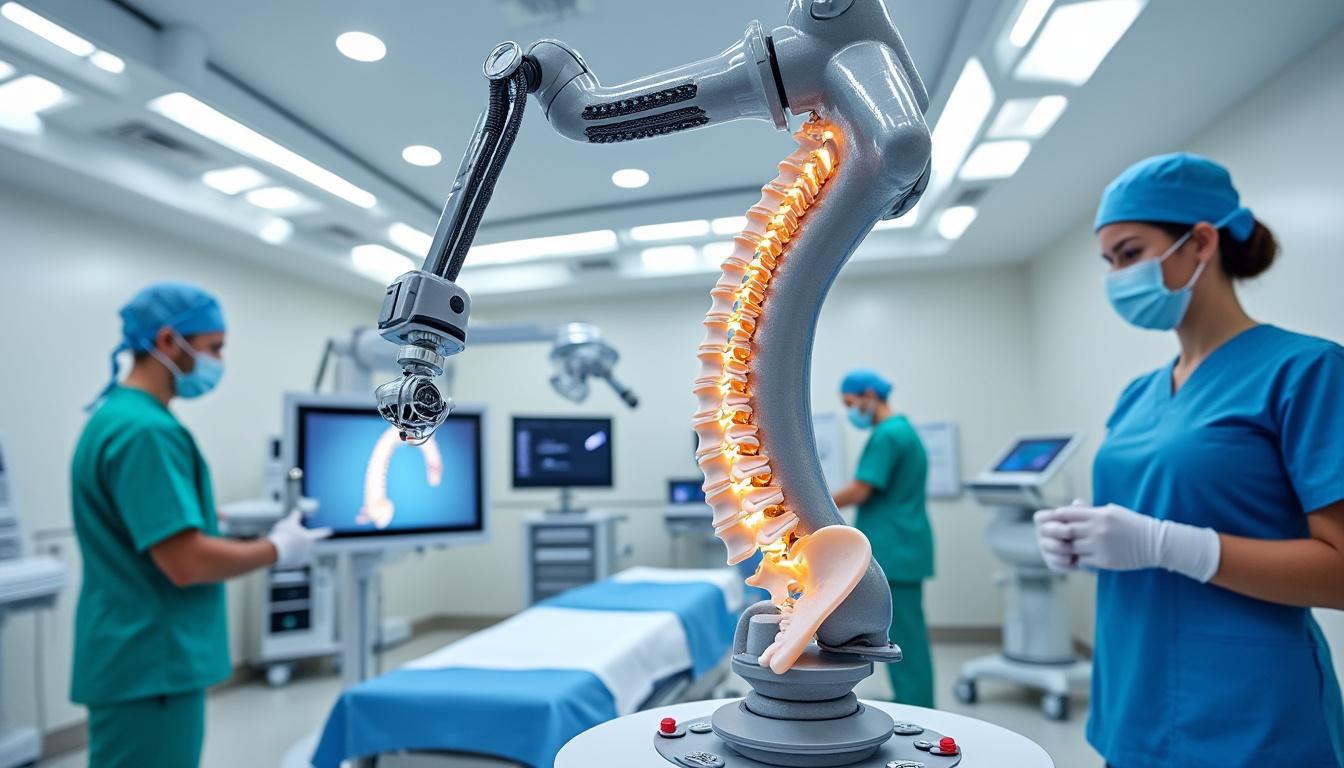
Recovery from spinal surgery heavily depends on the precision and invasiveness of the surgical technique employed. Advances in robotic navigation and 3D imaging platforms have revolutionized surgical accuracy in France, ensuring that interventions are executed with unparalleled precision. The eCential Robotics system exemplifies this trend, offering real-time navigation that enhances surgeon control and minimizes operative trauma.
This technological leap forward corresponds with reduced intraoperative complications, shorter operative times, and diminished postoperative pain, facilitating faster mobilization and rehabilitation. Moreover, the integration of endoscopic methods allows surgeons to operate through minimal incisions, sparing muscles and ligaments that are typically injured in open surgery. As a result, patients experience fewer scar-related complications and maintain greater spinal mobility post-surgery.
Importantly, dynamic implants contribute significantly to improved biomechanics, reducing the risk of adjacent segment degeneration—a common adverse effect after traditional spinal fusion. By allowing controlled motion preservation, these devices contribute to longer-lasting pain relief and functional improvement, thus enhancing overall patient satisfaction with surgery outcomes.
Comprehensive postoperative programs, combining physical therapy with neurological monitoring and psychological support, complement these technical innovations. Providers in France collaborate internationally to customize recovery plans suited to the demands and expectations of diverse patient populations. Integration with Canadian rehabilitation centers exemplifies this continuity of care, promoting sustained spine health well beyond the surgical episode.


Transatlantic Patient Journey: Insights into Indications, Benefits, and Challenges
The emergence of the Transatlantic Patient Journey as a strategic model within healthcare continues to capture attention for its innovative potential, especially in specialized fields such as spinal surgery. This cross-border care pathway integrates rigorous medical evaluation from Quebec with…
Personal Stories Highlighting the Human Side of Spinal Surgery in France
Personal stories shared by patients who traveled to France for spinal surgery offer invaluable insights into the emotional and physical dimensions of their treatment journeys. Many highlight the transformative impact of innovative techniques and compassionate care teams, which directly influence satisfaction and recovery speed.
One patient, previously debilitated by severe lumbar disc herniation with chronic pain and mobility loss, described the microdiscectomy performed in a French spine center as a turning point. Within months, the patient reported significant pain reduction and regained functional capacity, allowing a return to work and social activities previously compromised. Resources like the post-surgery account at a year after microdiscectomy provide detailed experiences reflecting this rehabilitative success.
Others have shared their narratives on forums such as Reddit’s spinal fusion community, where the decision to choose French surgical teams was motivated by the promise of access to modern implants and expertly coordinated care—as illustrated in the story of a patient experiencing profound improvement following fusion surgery after enduring years of debilitating pain. These testimonials act as a beacon for prospective patients searching for reliable, real-world accounts of spinal surgery outcomes abroad.
Such stories emphasize the importance of clear communication and personalized treatment plans that respect each patient’s unique spine health needs and lifestyle aspirations. The combination of surgical expertise, innovative implants, and structured support networks ensures that patient experiences in France yield both medical success and renewed hope.
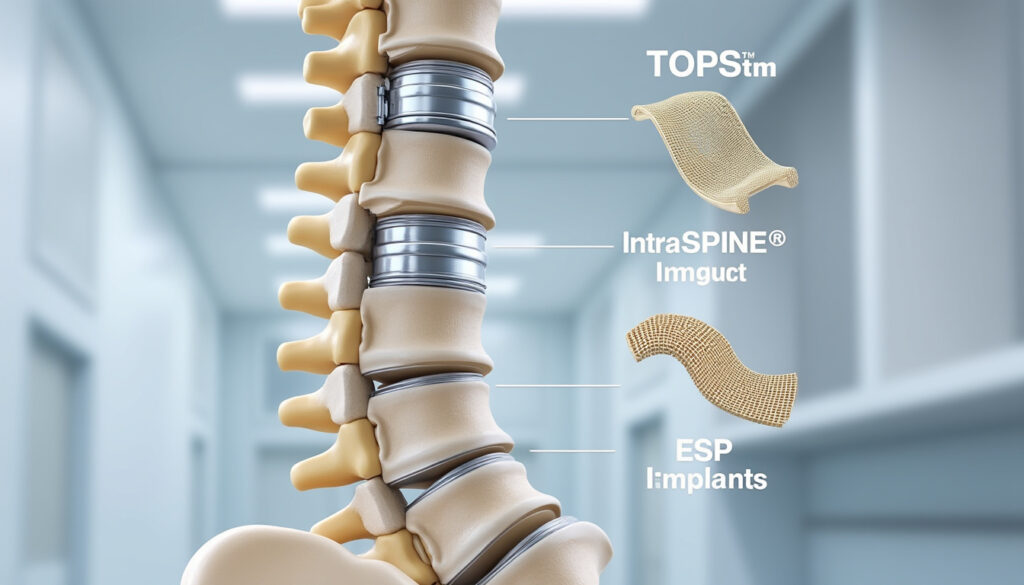
The evolving field of spinal surgery is witnessing a transformative shift, fueled by cutting-edge implant technologies such as TOPS, Intraspine, and ESP. These innovative implants redefine treatment possibilities by emphasizing preservation of natural spinal mechanics, while ensuring durable stabilization and…
Medical Tourism and Spinal Surgery: A Growing Trend for International Patients
Medical tourism in France, particularly for spinal surgery, has gained momentum in recent years due to the country’s comprehensive, patient-friendly healthcare infrastructure. International patients value not only the medical excellence but also the cultural and logistical support designed to ease the complex journey from consultation to follow-up care.
France’s healthcare system integrates multidisciplinary teams that address every aspect of spinal surgery—from diagnosis and surgical planning to rehabilitation and ongoing wellness. Partnerships with agencies such as SOS Tourisme Médical simplify travel arrangements and patient navigation, ensuring that language barriers and unfamiliar healthcare protocols do not hinder access to treatment.
The availability of advanced spine surgery options in France, including motion-preserving implants and minimally invasive techniques, attracts patients looking for alternatives not readily accessible in their home countries. Detailed information on these options is available through specialized portals offering guidance on how to effectively prepare for spinal surgery in France and what to expect throughout the treatment process.
Statistics indicate a steady increase in international patient volumes, reflecting growing confidence in France’s medical tourism offerings. Notably, spine surgery patients traveling from Canada and Europe often highlight the expedited access to care and the superior quality of surgical outcomes as decisive factors influencing their choice. The collaborative efforts between French hospitals and foreign healthcare providers enhance the safety and efficacy of these transnational treatment pathways.
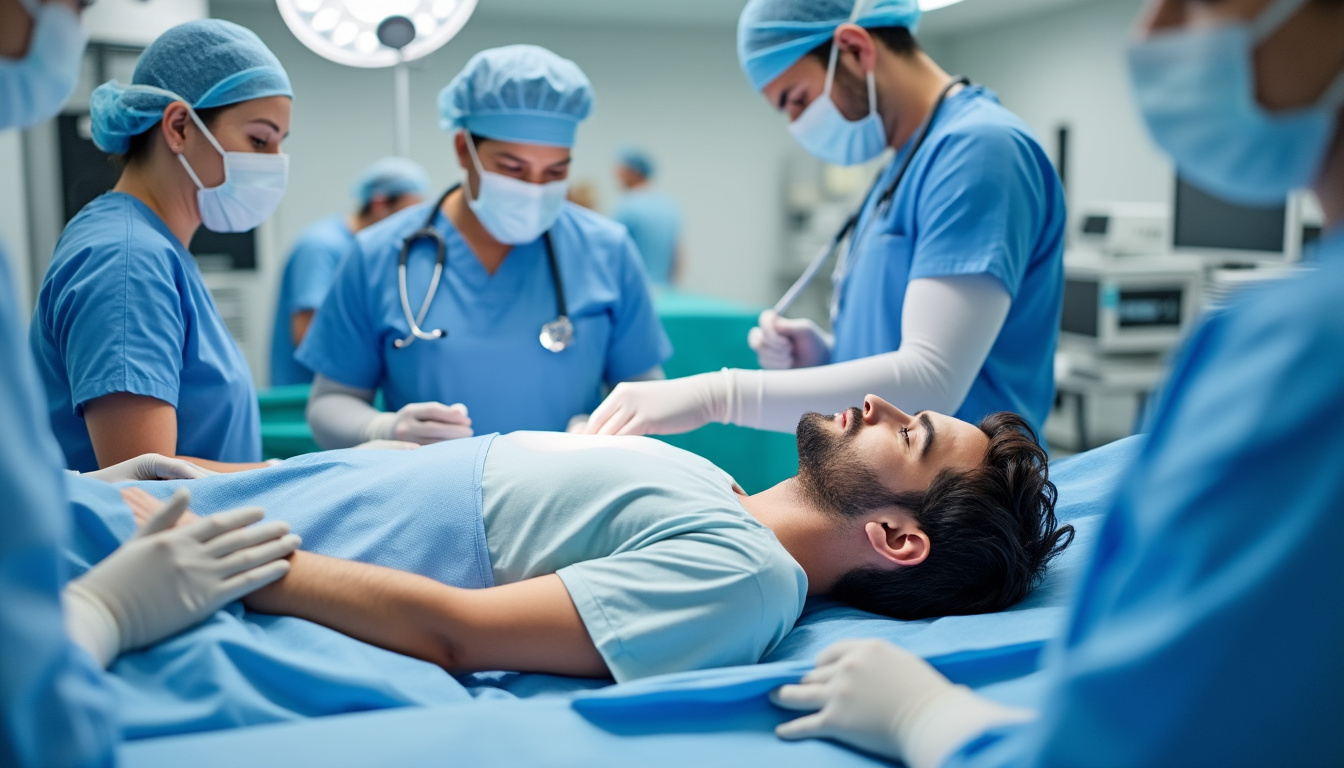

Preparing for Surgery in France: Key Indications, Benefits, and Limitations
In an evolving global healthcare landscape, France emerges as a beacon of advanced surgical expertise, particularly attracting international patients seeking expedited and innovative medical interventions. Patients from regions experiencing long wait times, such as Quebec, increasingly view France as an…
Comparative Insights: How Spinal Surgery in France Influences Surgical Decisions
The approach to spinal surgery in France is marked by a distinctive emphasis on tailoring procedures to the patient’s specific condition and preserving natural biomechanics whenever possible. This philosophy influences surgical decisions, setting France apart from other countries like Quebec, where traditional fusion techniques have historically dominated.
French surgeons prioritize comprehensive evaluations, balancing clinical findings, imaging data, and patient lifestyle factors. This rigorous process determines whether motion-preserving surgery or fusion is indicated, aiming to optimize long-term outcomes and minimize secondary complications. Studies highlight that with the use of dynamic implants, patients maintain greater spinal mobility postoperatively, which correlates with faster functional recovery and lower rates of adjacent segment degeneration.
Collaborations between French and Quebecois experts have fostered knowledge exchange that shapes evolving surgical guidelines. This cooperative framework enhances patient education and informed consent processes, allowing individuals to fully understand the biomechanical rationale behind their treatment choices. For patients considering surgery abroad, this clarity supports confidence in opting for advanced surgical techniques available in France.
For further understanding of this surgical decision-making impact, readers can explore detailed analyses comparing spine surgery methodologies across regions, highlighting France’s role in shaping the future of spinal surgical care.
Spinal Surgery Comparison: France vs Quebec
Type any text to filter criteria rows containing the text

Unveiling the Hidden Benefits of Quality and Certification in Devices
The landscape of device manufacturing and clinical application in 2026 has been fundamentally shaped by the rigorous interplay between quality management and certification processes. Within this complex framework, the hidden benefits of adhering to international standards and obtaining relevant certifications…
Essential Tips for Patients Considering Spinal Surgery in France
Several key factors contribute to a successful spinal surgery journey in France, especially for international patients navigating unfamiliar healthcare systems. Preparation is paramount, as it enhances understanding of the surgical process and optimizes engagement with treatment teams.
First, patients are advised to engage thoroughly with the preoperative evaluation phase, ensuring that conservative treatments such as physical therapy or robotic neurovertébral decompression techniques have been adequately trialed. This effort helps delineate the precise need for surgery, aligning with best practices upheld in French surgical centers.
Second, selecting the right surgeon and center involves researching credentials, surgical volume, and experience with advanced techniques. Resources such as expert insights on spinal surgery in France provide valuable guidance on navigating these critical decisions.
Logistical considerations including travel arrangements, accommodation, and language services should be addressed early, facilitated by specialized medical tourism coordinators to minimize patient stress. Postoperative planning similarly benefits from active communication between French and home healthcare providers to ensure a smooth transition into rehabilitation.
- Ensure comprehensive conservative treatment trials before surgery
- Research surgeons and spine centers for expertise and outcomes
- Plan travel and accommodation well in advance, utilizing medical tourism services
- Establish clear postoperative care pathways integrating local providers
- Communicate openly with healthcare teams to align expectations
By adhering to these tips, patients can confidently approach spinal surgery in France, maximizing the likelihood of favorable outcomes and positive personal experiences.
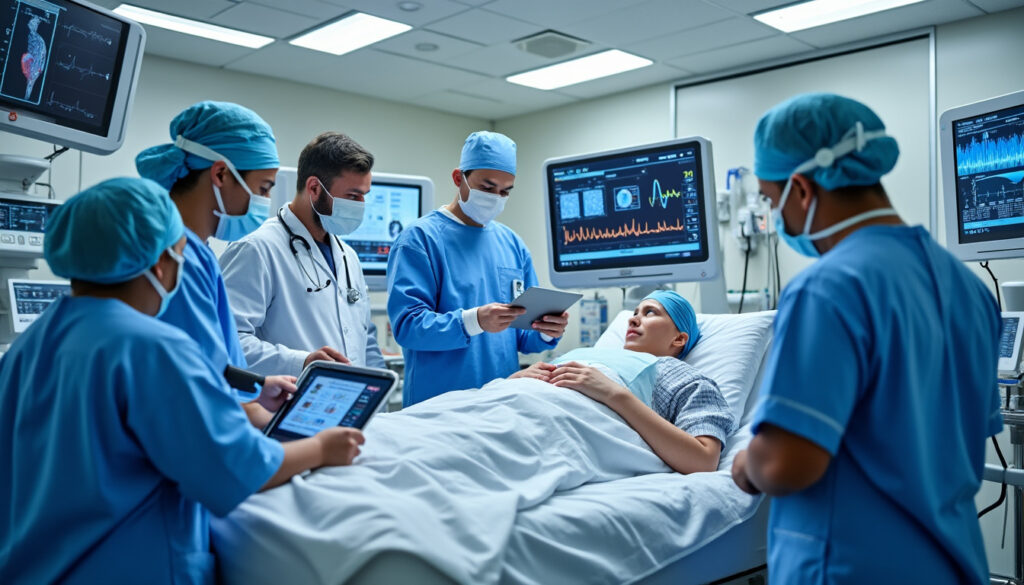
Why Experts Advocate for Comprehensive Preoperative Evaluations
In the complex and demanding field of spinal surgery, the emphasis on comprehensive preoperative evaluations has become a fundamental pillar supporting successful surgical outcomes. These evaluations, far beyond mere routine checks, integrate detailed analyses of patient health, surgical risk assessments,…
Postoperative Care and Long-Term Recovery: Patient Insights into Sustained Spine Health
Postoperative care is as critical as the surgery itself in achieving sustained spine health and optimal recovery. French medical centers emphasize structured rehabilitation programs, tailored specifically to the surgical technique performed and patient condition. These programs often include physical therapy, neurological evaluations, pain management, and psychological support.
Patients report that personalized follow-up care significantly enhances adherence to rehabilitation protocols, allowing for timely adjustments that prevent complications such as hardware failure or adjacent segment disease. The close collaboration between French surgical teams and home-based therapists—for example, Neurothérapie Montréal—ensures that recovery continues seamlessly upon returning home.
Real-world patient feedback reveals that clear communication and educational support during recovery reduce anxiety and empower individuals to actively participate in their healing. Visual aids, progress tracking, and frequent consultations help patients understand their milestones, leading to increased motivation and better outcomes.
Navigating recovery also involves recognizing early signs of complications and engaging healthcare providers promptly. French centers equip patients with this knowledge during discharge, embedding patient empowerment as a cornerstone of their care philosophy. These efforts contribute to an overall enhanced quality of life and resilience in patients post spinal surgery, securing long-term success in spine health maintenance.
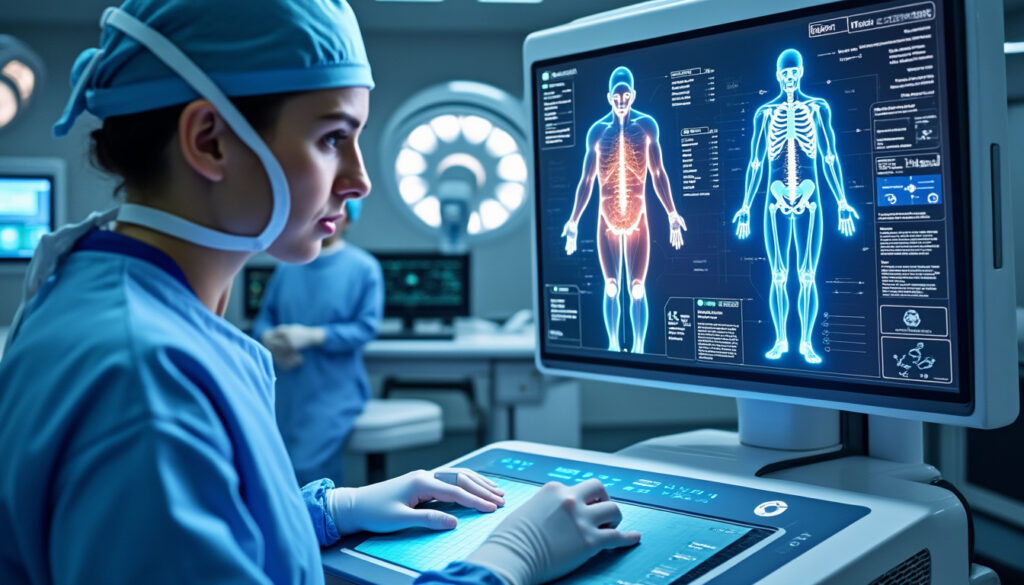
The Future of Surgery Lies in Stepwise Functional Recovery
The evolution of surgical care in 2026 reveals a compelling shift toward approaches that prioritize the holistic recovery of patients, moving beyond traditional metrics like length of hospital stay or mortality rates. This modern paradigm highlights the principle that the…
Patient Testimonials: Voices Reflecting Trust and Hope in French Spinal Care
Across various platforms, patient testimonials offer compelling narratives that affirm the trust placed in French spinal surgery expertise. Participants highlight the combination of medical proficiency and empathetic care that fosters confidence even in complex cases.
Such testimonials, found on portals like SurgeryPlanet patient stories, showcase diverse experiences ranging from microdiscectomies to scoliosis corrections. Many emphasize the shortened wait times compared to their home countries and the welcoming atmosphere provided by French healthcare teams.
In addition, patients appreciate the educational initiatives that prepare them for each phase of treatment, helping minimize uncertainty. The success stories often underline improved daily functioning, decreased reliance on pain medication, and restored mobility as tangible benefits motivating others to choose France for spinal surgery.
These personal accounts serve as a beacon for prospective patients navigating the complexities of spine health treatment, illustrating how France’s integrated medical tourism and healthcare frameworks deliver not only surgical success but renewed life perspectives.
What are the most advanced spinal surgery methods offered in France?
France offers dynamic implants such as the TOPS system and IntraSPINE devices, along with minimally invasive and endoscopic surgical techniques that prioritize motion preservation and quick recovery.
How do patients from Quebec access spinal surgery in France?
Patients typically undergo extensive conservative treatment and evaluation in Quebec before coordinated arrangements through partners like Franchir direct them to specialized French spine centers, ensuring a seamless treatment journey.
What support is provided during the postoperative recovery phase?
Postoperative care in France includes personalized rehabilitation, multidisciplinary follow-up, and coordinated care with home-based therapists to optimize long-term spine health and recovery.
Are there any patient testimonials available to assess surgery outcomes in France?
Yes, platforms such as SurgeryPlanet and patient communities provide detailed personal stories that highlight successful outcomes and patient satisfaction with spinal surgery in France.
What should patients consider before choosing spinal surgery abroad in France?
Patients should carefully complete conservative treatments, research the expertise of surgical teams, plan logistics with medical tourism coordinators, and ensure clear communication throughout their care continuum.