

Can Integrating rTMS Post-Surgery Help Patients Avoid Additional Surgical Interventions?
May 21, 2026
Back Surgery in Trois-Rivières: Safeguarding Intervertebral Mobility for a Healthier Spine
May 22, 2026
Undergoing surgery in a foreign country can be a complex and demanding endeavor. France, renowned for its advanced healthcare system and cutting-edge surgical techniques, attracts many patients seeking top-tier medical care. However, preparing for surgery in France involves meticulous planning, from initial medical evaluations to post-operative care and rehabilitation. Understanding the intricacies of the French healthcare system, hospital procedures, and the necessary surgery preparation steps is vital to ensuring a smooth and successful surgical journey abroad. This comprehensive guide explores the essential facets of preparing for surgery in France, focusing on personalized care pathways, logistical coordination, and integrating the latest innovations in spinal surgery.
For patients coming from places like Quebec, this process requires not only medical readiness but also diligent logistical coordination and psychological preparation. Collaborations between Canadian and French medical teams pave the way for seamless transitions across continents, ensuring that surgeries utilize innovative implants and minimally invasive techniques that promote faster recovery. The patient guide outlined here delves into preoperative tips, surgical consent processes, pre-surgery nutrition, and postoperative care strategies, providing an all-encompassing perspective on how to be an active participant in one’s surgical care within the French healthcare framework.
Comprehensive Initial Evaluation: Determining Surgical Eligibility in France
Before any surgical intervention in France, a thorough and methodical initial evaluation is fundamental. Patients are assessed to determine whether they are suitable candidates for the proposed surgery, particularly in specialized fields such as spinal procedures. This evaluation often involves expert neurologists and spinal surgeons, who analyze symptoms alongside detailed imaging studies like MRI or CT scans, medical history, and validated questionnaires. For example, patients experiencing lumbar disc herniation with neurological deficits may be precisely evaluated to decide between conservative management or surgery involving dynamic stabilization implants like TOPS or Intraspine.
Medical teams based in Canada, such as those at TAGMED, work closely with French surgical centers to gather and review all relevant clinical documents. This international collaboration enables optimization of the surgical plan while respecting the patient’s clinical status and needs. As part of the surgery preparation, patients receive detailed explanations of the surgical options, including newer minimally invasive techniques that reduce hospital stays and postoperative discomfort.
Administrative details also play a critical role during this phase. Patients must prepare essential documentation, including up-to-date medical tests, imaging records, valid identification, and formal surgical consent documents prepared in French. This rigorous preoperative process ensures quick hospital admission and smooth coordination on arrival. It also provides an opportunity to educate patients on hospital procedures in France, such as fasting protocols before anesthesia and medication adjustments to minimize perioperative risks.
The expertise of professionals overseeing the preoperative phase is indispensable. They manage not only the clinical validations but also the logistical and emotional support required for a cross-border surgery experience. Their role includes clarifying doubts about surgery necessity and eligibility, guiding with legal pre-surgical formalities such as signing a surgical consent form, and ensuring the patient arrives with a comprehensive medical and administrative dossier.
Patients preparing for surgery in France should consult resources like the detailed patient guide about what to know before having surgery in France to familiarize themselves with the country’s healthcare expectations and requirements. This foundational evaluation and preparation stage lays the groundwork for a confident and well-informed surgical journey.


Understanding Sciatic Pain: Key Symptoms and When to Seek Medical Advice
Sciatic pain is a prevalent condition impacting a wide demographic, manifesting primarily as intense pain radiating from the lower back down the leg. This pain stems from irritation or compression of the sciatic nerve, a major nerve extending through the…
Streamlined Surgical Travel Planning: Organizing Your Stay for Optimal Recovery
Once surgical eligibility is confirmed, the next critical step involves meticulous planning of the patient’s stay in France. Coordinating this complex process requires seamless communication among international health coordinators, travel agencies specializing in medical tourism, and hospital administrative teams. Guidance from dedicated organizations helps manage every aspect from booking flights to hospital transfers, and accommodation bookings close to the surgical center.
This logistical orchestration ensures patients experience minimal stress, allowing them to focus solely on their health. Staying near the hospital supports rapid postoperative access to care, which is particularly important for spinal surgery patients who may require early physical therapy or follow-ups. Additionally, specialized accommodations often cater to patients’ comfort needs, reducing the risk of postoperative complications caused by fatigue or inadequate rest.
Health coordinators also assist with practical pre-surgery guidance, reaffirming preoperative tips such as fasting instructions, medication adjustment schedules, and personal hygiene protocols before hospital admission. These guidelines are crucial for patient safety and reducing risks such as anesthesia complications and surgical site infections.
An important advantage of pursuing surgery in France through such structured pathways is faster access to surgical interventions. Delays typical of Canadian healthcare systems are reduced significantly. For example, patients with lumbar spinal stenosis requiring fusion surgery might secure an operation date within weeks. This swift access to care, combined with France’s availability of innovative implants like Intraspine’s dynamic stabilization devices, offers considerable benefits in patient outcomes.
To support these complex arrangements, patients can rely on external networks coordinating international care transitions. Exploring further details on these processes through practical guides such as Elite Surgery Abroad’s explanation of surgical process coordination highlights the importance of integrated care and personalized planning for international patients.

The Stepwise Role of Functional Recovery in Achieving Successful Outcomes
The journey to full recovery following spinal surgery is often complex and multifaceted, demanding a meticulously structured approach to ensure optimal functional outcomes. In recent years, the concept of functional recovery through a stepwise approach has garnered significant attention in…
Optimizing Physical and Psychological Readiness Before Surgery in France
Undergoing surgery inevitably brings anxiety and physical challenges, but preparing the body and mind can greatly influence surgical success and recovery speed. Medical professionals emphasize patient education, physical conditioning, and psychological support as cornerstones of preparation. Techniques such as neurofeedback and sophrology are increasingly integral in managing preoperative stress and pain perception, fostering a calm mental state beneficial on surgery day.
Physically, lifestyle adjustments like quitting smoking at least six weeks before surgery enhance tissue oxygenation and healing potential. Nutritional guidance focusing on immune system support—through foods rich in antioxidants, omega-3 fatty acids, and amino acids such as arginine—comes highly recommended as part of pre-surgery nutrition protocols endorsed by French health authorities. Proper hydration and balanced diets support recovery and reduce the occurrence of postoperative complications.
Adherence to strict pre-surgery hygiene, including antiseptic showers on the day before and morning of surgery, significantly reduces infection risks. Additionally, following fasting rules—typically no solid food six hours before surgery and clear liquids up to two hours prior—is non-negotiable for anesthesia safety.
Patients are guided to prepare a surgical travel bag with essential documents, medications, and personal comfort items. This foresight facilitates quick readiness upon hospital admission. Psychologically, counseling, relaxation exercises, and clear communication with healthcare teams address patient concerns, creating trust and enhancing cooperation throughout the surgical pathway.
Overall, this comprehensive surgery preparation framework decreases perioperative stress and encourages patients to become active participants in their care, improving outcomes and satisfaction substantially.


Transatlantic Patient Journey: Insights into Indications, Benefits, and Challenges
The emergence of the Transatlantic Patient Journey as a strategic model within healthcare continues to capture attention for its innovative potential, especially in specialized fields such as spinal surgery. This cross-border care pathway integrates rigorous medical evaluation from Quebec with…
Advanced Surgical Technologies and Techniques in French Spinal Surgery
France stands at the forefront of spinal surgery innovations, combining robotic assistance, endoscopic procedures, and dynamic implants to enhance surgical precision and patient recovery. For instance, the use of robotic navigation platforms enhances 3D imaging accuracy during surgery, reducing complications and improving the placement of implants.
Minimally invasive surgical approaches minimize soft tissue injury, reducing post-surgical pain, scarring, and hospital stay durations. Implants like the TOPS system enable dynamic stabilization of spinal segments after decompression, preserving natural mobility and function. Similarly, the Intraspine interlaminar spacer maintains segmental flexibility while providing lumbar support.
These technologies are embedded within personalized care plans escorted by French multidisciplinary teams, ensuring patients access state-of-the-art treatments. Training courses such as the “Spinal Solution Course” and “Endoscopic Spine Course” organized by French institutes maintain surgeon expertise at the highest level.
For patients concerned about the impact of surgery on spinal mobility, resources on preserving cervical flexibility post-intervention provide crucial insights. These include rehabilitation approaches and surgical techniques aimed at safeguarding range of motion and long-term function.
Staying informed about such advancements allows prospective patients to understand the value and options of surgery in France and to engage actively in the decision-making process.
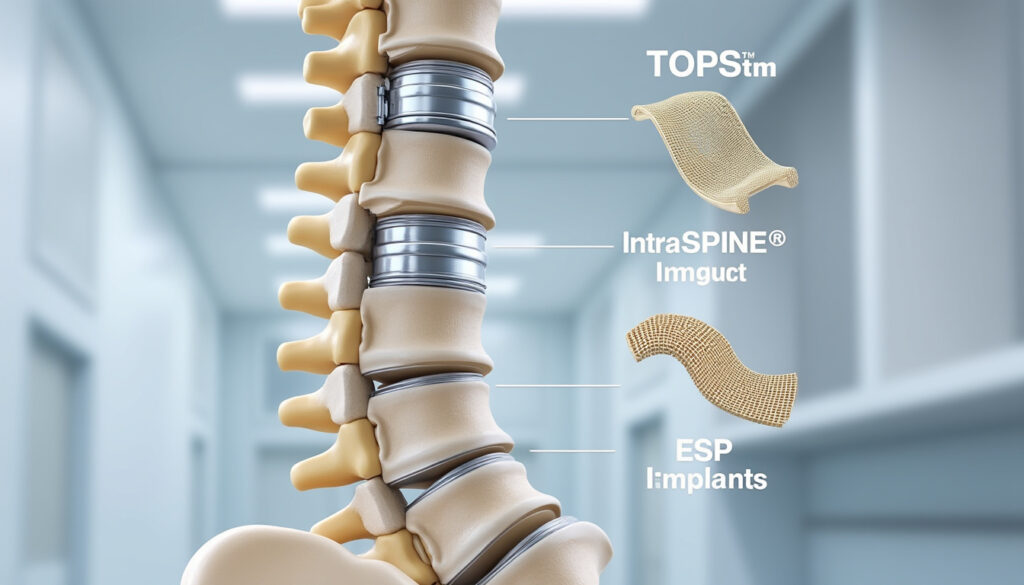
The evolving field of spinal surgery is witnessing a transformative shift, fueled by cutting-edge implant technologies such as TOPS, Intraspine, and ESP. These innovative implants redefine treatment possibilities by emphasizing preservation of natural spinal mechanics, while ensuring durable stabilization and…
Personalized Postoperative Care: Ensuring Successful Recovery After Surgery in France
Recovery does not conclude with discharge from a French hospital; rather, it evolves into a structured postoperative care program. Specialized centers in Quebec such as Neurothérapie Montréal exemplify integrated approaches that maintain continuous patient monitoring after patients return home. This includes regular neurofunctional assessments, pain management via techniques like neurofeedback, and ergonomic advice to reduce risk of relapse.
A careful schedule of clinical follow-ups helps detect early complications and adjust rehabilitation protocols. These personalized plans facilitate faster return to normal activities and improve overall quality of life. The transatlantic collaboration between French surgical teams and Canadian rehabilitation specialists fosters efficient information exchange and high standards of care continuity.
Patients benefit from technology-enabled protocols incorporating telemedicine for remote evaluations while adhering to international best practices in postoperative care. This approach conserves resources and supports patients emotionally and physically during their long-term recovery.
Overall, this international network and expert supervision offer patients a reassuring safety net where each recovery phase is customized and optimized for maximum benefit.

How to Effectively Prepare for Surgery in France: Step-by-Step Guide
Surgery Preparation: Consult your healthcare provider for a thorough medical assessment to determine surgery necessity and timing.
Preoperative Tips: Discuss your medical history, allergies, and medications to identify any risks or special instructions.
Hospital Procedures: Schedule preoperative tests (blood work, ECG, imaging) as advised by your surgical team.
Surgical Consent: Understand the procedure, risks, benefits, and alternatives before signing the consent form.
Postoperative Care Essentials: Arrange for support and transportation post-surgery to ensure a safe recovery.
` }, { title: “Documentation”, content: `Surgery Preparation: Gather all relevant medical documents, including referral letters, test results, and insurance papers.
Preoperative Tips: Prepare a list of current medications and allergies to share with the medical team.
Hospital Procedures: Submit identification and proof of insurance or social security for hospital admission.
Surgical Consent: Confirm that you have reviewed and signed all necessary legal documents.
Postoperative Care Essentials: Keep a copy of discharge instructions and prescription details with you.
` }, { title: “Travel Planning”, content: `Surgery Preparation: Arrange your travel and accommodation near the hospital well in advance to reduce stress.
Preoperative Tips: Confirm your hospital appointment and transport options, considering potential mobility limitations.
Hospital Procedures: Plan arrival time allowing for hospital check-in and preoperative formalities.
Surgical Consent: Ensure emergency contact information and consent confirmations are accessible.
Postoperative Care Essentials: Plan for someone to assist you during your initial recovery at your lodging.
` }, { title: “Preoperative Readiness”, content: `Surgery Preparation: Follow fasting instructions and medication adjustments as directed by your doctor.
Preoperative Tips: Engage in light physical activity if allowed, and mental relaxation exercises to alleviate anxiety.
Hospital Procedures: Arrive fasting and document any last-minute symptoms or concerns.
Surgical Consent: Review procedure details again and clarify queries with the surgical team.
Postoperative Care Essentials: Organize your belongings and prepare home care supplies for after discharge.
` }, { title: “Surgical Procedure”, content: `Surgery Preparation: Arrive at the hospital on time, dressed according to hospital guidelines.
Preoperative Tips: Stay calm and communicate openly with anesthesiologists and nurses.
Hospital Procedures: Follow all instructions for preoperative prep including hygiene and medication administration.
Surgical Consent: Confirm your identity and surgical site with staff to avoid errors.
Postoperative Care Essentials: Understand immediate post-surgical monitoring and pain management plans.
` }, { title: “Postoperative Care”, content: `Surgery Preparation: Follow discharge instructions carefully regarding wound care, medication, and activity restrictions.
Preoperative Tips: Monitor for any signs of complications such as infection or excessive pain.
Hospital Procedures: Attend follow-up appointments and notify your healthcare provider of any concerns immediately.
Surgical Consent: Keep a copy of all updated consent forms or treatment plans.
Postoperative Care Essentials: Maintain balanced nutrition and psychological support during your recovery period.
` } ];// Elements const tabButtons = […document.querySelectorAll(‘nav[aria-label=”Surgery preparation steps”] button[role=”tab”]’)]; const contentContainer = document.getElementById(‘step-content’);// Update content and tab states function updateStep(index) { // Update ARIA and visual styles for tabs tabButtons.forEach((btn, i) => { const selected = (i === index); btn.setAttribute(‘aria-selected’, selected); btn.setAttribute(‘tabindex’, selected ? ‘0’ : ‘-1’); if (selected) { btn.classList.add(‘bg-blue-600’, ‘text-white’); btn.classList.remove(‘bg-gray-200’, ‘text-gray-700’); btn.focus(); } else { btn.classList.remove(‘bg-blue-600’, ‘text-white’); btn.classList.add(‘bg-gray-200’, ‘text-gray-700’); } });// Update content container const step = steps[index]; contentContainer.innerHTML = `${step.title}
${step.content}`; }// Event delegation for tab buttons document.querySelector(‘nav[aria-label=”Surgery preparation steps”]’).addEventListener(‘click’, e => { if(e.target.matches(‘[role=”tab”]’)) { const i = Number(e.target.dataset.step); updateStep(i); } });// Keyboard navigation for tabs (left/right arrows) document.querySelector(‘nav[aria-label=”Surgery preparation steps”]’).addEventListener(‘keydown’, e => { const currentIndex = tabButtons.findIndex(btn => btn.getAttribute(‘aria-selected’) === ‘true’); if (e.key === ‘ArrowRight’ || e.key === ‘ArrowDown’) { e.preventDefault(); const nextIndex = (currentIndex + 1) % tabButtons.length; updateStep(nextIndex); } else if (e.key === ‘ArrowLeft’ || e.key === ‘ArrowUp’) { e.preventDefault(); const prevIndex = (currentIndex – 1 + tabButtons.length) % tabButtons.length; updateStep(prevIndex); } });// Initialize first step displayed updateStep(0);})();
Preparing for Surgery in France: Key Indications, Benefits, and Limitations
In an evolving global healthcare landscape, France emerges as a beacon of advanced surgical expertise, particularly attracting international patients seeking expedited and innovative medical interventions. Patients from regions experiencing long wait times, such as Quebec, increasingly view France as an…
Crucial Pre-Surgery Nutrition and Lifestyle Adjustments for Optimal Surgical Outcomes
Nutrition plays a pivotal role in enhancing the body’s ability to recover from surgery. Pre-surgery nutrition encompasses methods to boost the immune system, reduce inflammation, and maintain a balanced metabolic state. Patients are advised to consume diets rich in vitamins A, C, and E, zinc, and protein to expedite tissue repair and prevent infections.
Incorporating omega-3 fatty acids from sources such as fish oil and walnuts supports anti-inflammatory responses, which are vital in the perioperative period. Moreover, adequate hydration and avoiding excess caffeine or alcohol prevent dehydration and metabolic imbalance that could impair healing.
In addition to dietary advice, quitting smoking and moderating alcohol consumption are strongly recommended. These lifestyle changes improve oxygen delivery to tissues, aid wound healing, and reduce cardiopulmonary risks under anesthesia.
French medical guidelines stress the significance of preoperative fasting rules—typically no solid meals six hours prior and allowance of clear fluids two hours before surgery—to minimize aspiration risks during anesthesia. Proper adherence is essential to avoid delays or cancellations of surgeries on the day of the procedure.
This emphasis on nutrition and lifestyle underscores the environmental and physiological preparedness that can significantly influence surgical success and patient comfort during recovery.

Unveiling the Hidden Benefits of Quality and Certification in Devices
The landscape of device manufacturing and clinical application in 2026 has been fundamentally shaped by the rigorous interplay between quality management and certification processes. Within this complex framework, the hidden benefits of adhering to international standards and obtaining relevant certifications…
Patient Rights and Surgical Consent Processes in the French Healthcare System
One of the cornerstones of surgery preparation in France is understanding patient rights and the surgical consent procedure. French law requires that patients receive comprehensive information about their surgical options, risks, benefits, and alternatives before any intervention. This obligation ensures that consent is freely given and based on full understanding.
The consent form, typically drafted in French, is a legal document confirming the patient’s authorization for the specific procedure planned. Patients coming from abroad often receive translations or explanations beforehand to ensure clarity. This process strengthens trust between patients and healthcare teams and encourages shared decision-making.
Moreover, patients must designate a trusted person who will be involved in their care decisions if they become unable to communicate. This legal designation protects the patient’s autonomy and preferences throughout the surgical pathway.
In addition to legal requirements, French hospitals emphasize patient education via detailed verbal and written communication. These include explanations of hospital procedures, anesthesia implications, infection prevention measures, and postoperative expectations. Educated patients tend to experience less anxiety and have better compliance with postoperative care instructions.
For international patients seeking surgery in France, familiarity with these procedures and rights is essential to avoid misunderstandings and to navigate the healthcare system confidently.

Why Experts Advocate for Comprehensive Preoperative Evaluations
In the complex and demanding field of spinal surgery, the emphasis on comprehensive preoperative evaluations has become a fundamental pillar supporting successful surgical outcomes. These evaluations, far beyond mere routine checks, integrate detailed analyses of patient health, surgical risk assessments,…
Practical Surgical Preparation Checklist for International Patients Traveling to France
Preparing for surgery in France as an international patient involves adhering to a well-defined checklist to guarantee a smooth experience. This medical checklist includes:
- Collecting recent medical examinations and imaging results: These are essential for evaluation and surgical planning.
- Ensuring valid identity and travel documents: Including a valid passport and visas if required.
- Arranging health insurance information: Verifying coverage for treatment abroad or understanding payment terms.
- Completing surgical consent and legal paperwork: Formalizing the authorization with hospital and surgical teams.
- Preparing for preoperative fasting and hygiene protocols: Adhering to instructions regarding food, liquids, and antiseptic showers.
- Planning travel and accommodation logistics: Ensuring proximity to the hospital and means of transfer.
- Stocking necessary medications and comfort items: Packing personal medications and accessories for hospital stays.
- Engaging in psychological and physical preparation: Managing stress and optimizing fitness for surgery.
This detailed checklist aligns with best practices of French hospital procedures and international patient guidelines, helping reduce day-of-surgery complications and enhancing recovery prospects. For further tailored guidance, patients can explore specialized resources that outline step-by-step cross-border surgery preparation.
| Preparation Step | Key Actions | Importance |
|---|---|---|
| Initial Medical Evaluation | Symptom assessment, imaging review, eligibility confirmation | Ensures surgical candidacy and tailored surgical plan |
| Documentation Gathering | Collects medical reports, imaging, ID, insurance papers | Facilitates hospital admission and legal compliance |
| Travel and Accommodation | Flight booking, airport transfers, hospital proximity lodging | Provides patient comfort and reduces logistical stress |
| Preoperative Physical & Mental Prep | Smoking cessation, nutrition optimization, stress management | Improves surgical outcomes and recovery experience |
| Surgical Consent Process | Legal authorization and patient education about risks | Protects patient rights and fosters informed decisions |
| Postoperative Follow-up Planning | Organize rehabilitation and remote consultations | Ensures continuous care and early complication detection |

The Future of Surgery Lies in Stepwise Functional Recovery
The evolution of surgical care in 2026 reveals a compelling shift toward approaches that prioritize the holistic recovery of patients, moving beyond traditional metrics like length of hospital stay or mortality rates. This modern paradigm highlights the principle that the…
Understanding the French Healthcare System: What International Patients Should Know
The French healthcare system is highly regarded for its quality, efficiency, and accessibility. International patients planning surgery in France benefit from an understanding of how the system operates. Centralized healthcare administration, widespread coverage through the Carte Vitale system, and a robust network of public and private hospitals ensure comprehensive care options.
Patients should be aware that surgical treatments leverage established protocols within multidisciplinary teams, maximizing safety and effectiveness. Registration and administrative tasks can vary depending on the facility, but generally follow standardized healthcare guidelines.
For English-speaking expats and international patients, numerous guides are available that explain insurance frameworks, specialist availability, and hospital rankings. Gaining insight into these components helps patients navigate hospital procedures confidently. Additionally, France’s investment in robotic and endoscopic techniques continues to elevate national surgical standards.
To gain deeper understanding and explore practical tips, patients can consult resources similar to those at comprehensive guides for English-speaking expats on healthcare in France, empowering them to take informed steps throughout their surgical journey abroad.
Strategies to Manage Surgical Anxiety and Build a Support System Before and After Surgery
Facing surgery in a foreign country can stir significant emotional challenges, requiring robust strategies for managing anxiety. Psychological preparation is as important as physical readiness. Techniques like guided relaxation, cognitive behavioral therapy, and preoperative counseling from experts empower patients to manage fears and uncertainties effectively.
Establishing a reliable support system is crucial. Having family members or trusted persons involved during the pre and postoperative phases provides emotional comfort and practical assistance. Furthermore, healthcare teams in France often facilitate interpreter services and patient advocates to bridge language gaps enhancing communication and patient confidence.
Implementing these strategies results in improved patient cooperation during hospital stays, smoother adherence to postoperative care regimens, and better overall satisfaction with the surgical experience. Emphasizing preoperative psychological care is increasingly recognized as a pivotal element within comprehensive surgery preparation.
Patients preparing for surgery abroad are encouraged to explore these integrative approaches, which align with holistic healthcare models promoted in international surgical care frameworks.
What documents should I prepare before surgery in France?
You must gather recent medical examinations, imaging records, ongoing treatments details, valid identification, and insurance documents. Assistance from medical coordinators can help organize these essential elements.
How can I confirm if I am a suitable candidate for spinal surgery in France?
An exhaustive evaluation by specialized teams, such as those led by Dr. Sylvain Desforges, reviews your clinical dossier and diagnostic tests to determine the best therapeutic option.
What is the typical waiting time to be operated on through the French surgical pathway?
Depending on the specific pathology and required technique, waiting times can be reduced to a few weeks, offering a significant advantage over conventional healthcare systems.
Who provides postoperative follow-up after returning to my home country?
Specialized centers like Neurothérapie Montréal offer comprehensive post-surgery monitoring, including neurofunctional assessments, rehabilitation, and personalized care remotely.
What are the essential precautions to respect the day before surgery?
Following strict antiseptic shower routines, maintaining proper fasting, removing jewelry and accessories, and preparing hospital necessities as advised all contribute to patient safety and surgical success.