Comparing France and Quebec: Key Insights for Successful Spinal Care Pathways
May 21, 2026
How to Effectively Prepare for Surgery in France: A Comprehensive Guide
May 22, 2026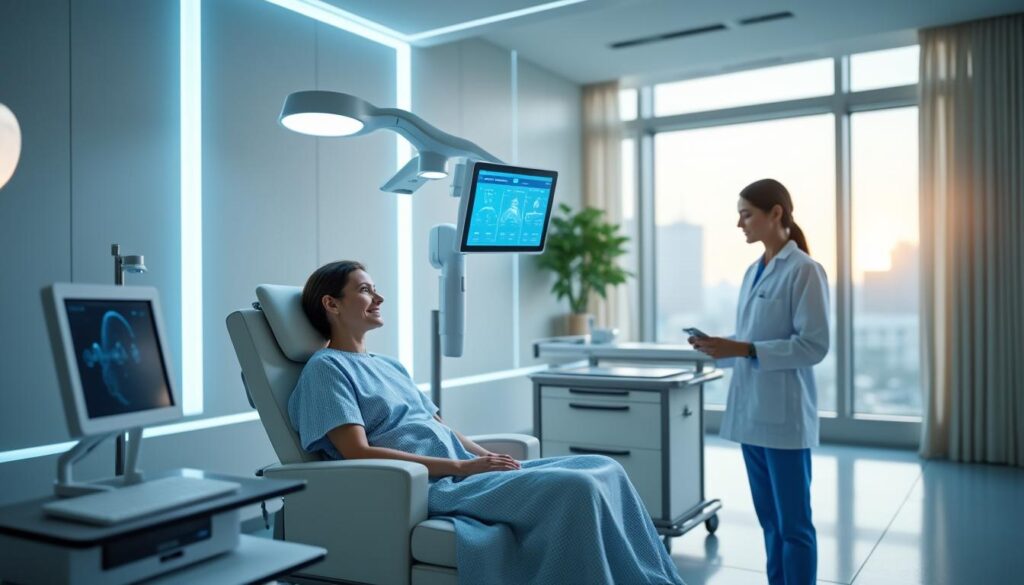
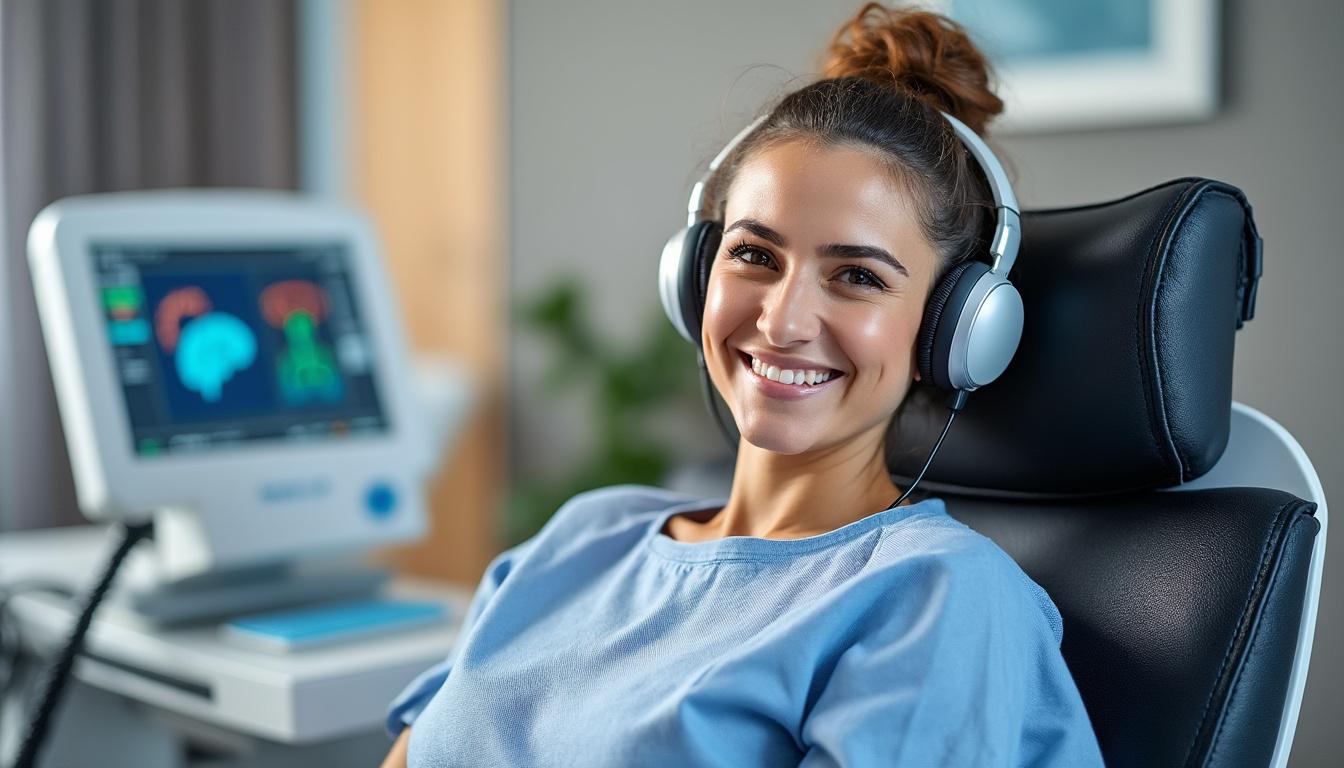
The integration of repetitive transcranial magnetic stimulation (rTMS) into post-surgical care has emerged as a transformative advancement in enhancing patient recovery after spinal surgery. This non-invasive neuromodulation technique offers a promising adjunct to traditional rehabilitation programs, potentially minimizing the need for further surgical interventions. The collaboration between international centers, notably between Quebec-based Neurothérapie Montréal and surgical hubs in France, exemplifies the multidisciplinary approach that has been essential in refining treatment optimization for spinal surgery patients. By targeting brain areas involved in pain perception and emotional regulation, rTMS assists in managing postoperative neuropathic pain and psychological complications, such as anxiety and depression, which can otherwise impede functional recovery.
As spinal surgeons continue to observe the long-term challenges faced by patients even after successful surgical decompression, the demand for innovative post-surgery therapies rises. Surgical interventions primarily address mechanical compression in conditions like degenerative cervical myelopathy but fall short of reversing existing neural damage. rTMS contributes a critical layer of patient-centered therapy, offering enhanced neuroplasticity and functional restoration without the risks associated with additional surgery or invasive procedures. This synergy could revolutionize rehabilitation paradigms and significantly improve clinical outcomes for a population at high risk of chronic postoperative complications.
Understanding the Mechanism of rTMS in Post-Surgery Rehabilitation for Spinal Patients
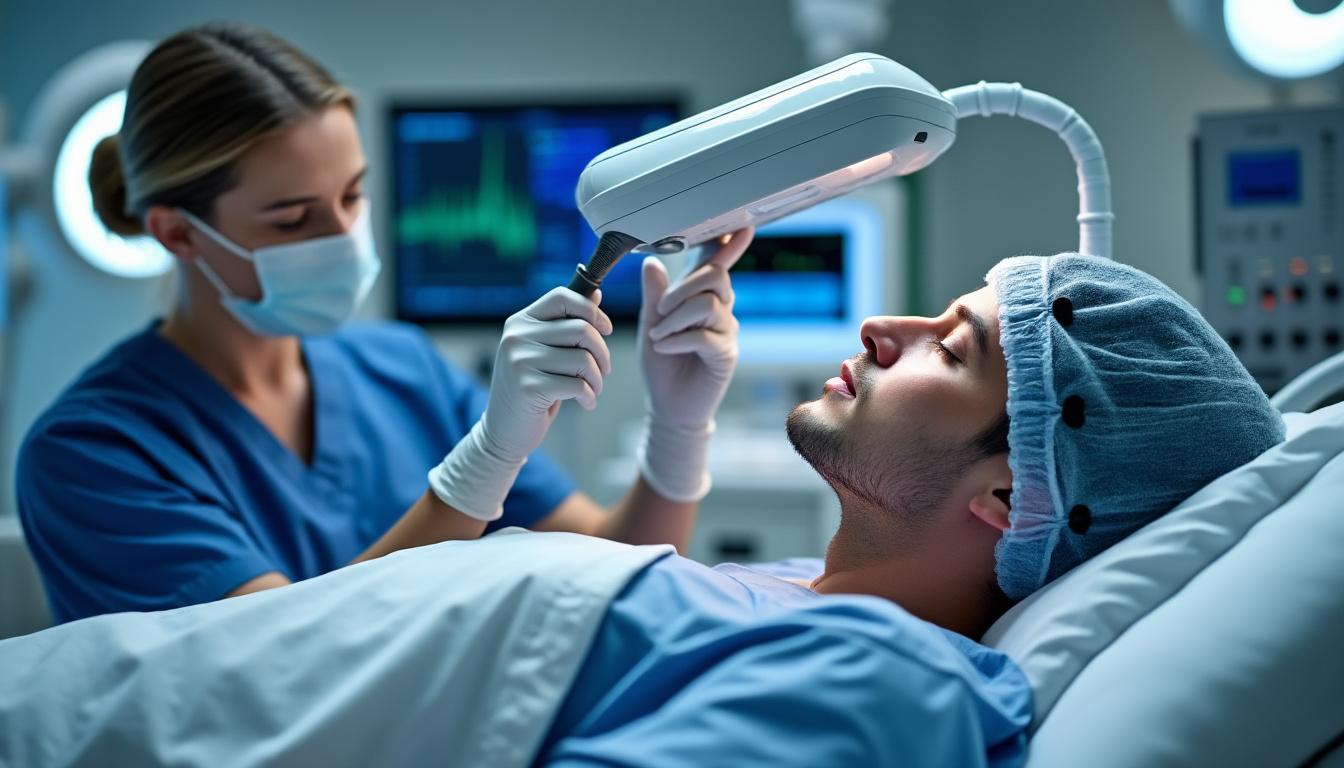
Repetitive transcranial magnetic stimulation uses focused magnetic pulses to modulate neuronal activity within specific cortical regions, an approach that harnesses the brain’s plasticity. This neurostimulation process plays a pivotal role in reshaping cortical excitability and connectivity, particularly in networks responsible for pain processing and motor functions. Unlike more invasive interventions, rTMS offers a non-invasive therapy that can be administered repeatedly with minimal discomfort, allowing patients to integrate it seamlessly within multidisciplinary rehabilitation programs.
In spinal surgery scenarios, the primary source of postoperative pain is often neuropathic, stemming from nerve injury or inflammation related to surgery. rTMS targets these maladaptive neural circuits by stimulating areas such as the motor cortex, which can downregulate pathological pain signals and enhance endogenous pain control mechanisms. Clinical studies have demonstrated that patients receiving post-surgery rTMS report significant reductions in pain intensity and improvements in motor strength compared to those undergoing conventional rehabilitation alone (understanding the benefits of rTMS integration post-surgery).
Moreover, the brain stimulation aspect addresses not only physical but also psychological domains. Postoperative anxiety and depression are common and often correlate with poorer surgical outcomes and delayed recovery. By modulating prefrontal cortex activity, rTMS can alleviate these neuropsychiatric symptoms, facilitating better engagement in physical therapy and an overall smoother patient recovery trajectory. Its adaptability in tailoring stimulation protocols based on individual patient profiles enhances its effectiveness, yielding personalized treatment optimization.
The role of rTMS extends beyond symptom management; it actively shapes functional rehabilitation through promoting synaptic plasticity and neural regeneration pathways. For example, patients with post-laminectomy syndrome have shown substantial improvement through combined rTMS and targeted physical therapy. This integrated approach fosters motor relearning and sensory remediation, helping many regain independence while avoiding additional, often risk-laden surgical procedures.

Understanding Neurovertebral Decompression: A Guide for Quebec Patients
Chronic spinal disorders represent a growing challenge for many Quebec patients, affecting mobility, comfort, and overall quality of life. Traditional surgical approaches, while sometimes necessary, often carry risks that lead many to seek alternative treatments. Neurovertebral decompression emerges as a…
Clinical Evidence Supporting rTMS to Prevent Additional Surgical Interventions
Recent advances in spinal surgery outcomes have underscored the importance of complementary therapies like rTMS in reducing the incidence of repeat surgical interventions. While surgical decompression remains the gold standard for halting disease progression in degenerative spine conditions, it often does not fully resolve the neurological deficits sustained. Clinical trials and observational studies have increasingly reported that integrating rTMS into post-surgical rehabilitation protocols can curb the progression of chronic neuropathic pain and functional impairment that might otherwise necessitate revision surgeries.
A landmark multicentric study published in 2025 evaluated the long-term clinical outcomes of postoperative patients receiving rTMS versus sham treatments. Results showed a significant decrease in pain severity and improved functional scores, with fewer patients requiring additional surgical procedures within a year of their initial operation (long-term outcomes of rTMS in spinal surgery rehabilitation). These findings highlight rTMS not just as a symptomatic treatment but as a potential disease-modifying approach in postoperative spinal care.
The neurophysiological effects of rTMS, including enhanced cortical excitability and suppression of maladaptive plasticity, contribute to stabilizing neuronal networks vulnerable after spinal surgery. This stabilization mitigates chronic pain sensitization and prevents the cascade of neural degeneration that can precipitate secondary surgeries. Furthermore, rTMS’s positive impact on mood and cognitive function helps maintain patient motivation and compliance with intensive physical rehabilitation, which is critical for functional recovery.
Such evidence supports the adoption of rTMS as a standard adjunct in enhanced recovery after surgery (ERAS) protocols targeting spinal conditions. The ability to reduce healthcare costs, improve patient quality of life, and decrease operative risks through fewer repeat interventions makes rTMS integration an increasingly attractive proposition for surgical teams and rehabilitation specialists worldwide.

Quality and Certification of Devices: Insights and Experiences from the Field
In the rapidly evolving landscape of medical technologies, the quality assurance and certification of devices have become pivotal in ensuring patient safety and optimizing clinical outcomes. Particularly in complex fields like spinal surgery, stringent compliance with regulatory frameworks helps bridge…
Personalized rTMS Protocols: Customizing Brain Stimulation for Optimal Outcomes
Effective integration of rTMS post-surgery demands personalized protocols, a principle increasingly emphasized by experts in neuromodulation and rehabilitation medicine. The benefits of brain stimulation vary considerably among patients due to differences in surgical procedure types, neurological status, pain mechanisms, and psychological profiles. As such, individualized treatment optimization is fundamental to achieving maximal clinical gains.
The process of tailoring rTMS involves comprehensive neurofunctional assessments that map patient-specific cortical activity and identify target stimulation areas. These evaluations, often conducted at specialized centers such as Neurothérapie Montréal under expert coordination, inform adjustments in stimulation frequency, intensity, and duration. For instance, high-frequency rTMS is used to enhance cortical excitability in weakened motor areas, whereas low-frequency protocols can inhibit hyperactive regions contributing to pain or anxiety.
Consider patients undergoing lumbar fusion, where the recovery timeline is longer and more complex. Their rTMS protocols typically include extended sessions beginning early in the postoperative phase to support motor recovery and counteract inflammation-associated neural dysfunction. Conversely, simpler decompression surgeries may require shorter, more focused stimulation courses aimed at rapid pain control and mood regulation.
Moreover, combined rehabilitation strategies employing rTMS alongside physiotherapy, cognitive-behavioral therapy, or novel neurorehabilitation technologies like BrainPort or PoNS amplify the therapeutic efficacy. This multimodal approach addresses the multidimensional nature of spinal surgery recovery, improving not only physical outcomes but also emotional resilience and cognitive clarity. These integrative methods are substantiated by clinical experience and documented in detailed protocols such as those described in the comprehensive guide to rTMS therapy post-surgery (comprehensive guide to integrating rTMS post-surgery).
How to Effectively Prepare for Surgery in France: A Comprehensive Guide
Undergoing surgery in a foreign country can be a complex and demanding endeavor. France, renowned for its advanced healthcare system and cutting-edge surgical techniques, attracts many patients seeking top-tier medical care. However, preparing for surgery in France involves meticulous planning,…
Case Studies Highlighting the Impact of Post-Surgery rTMS on Patient Recovery
Illustrative case reports provide compelling evidence of rTMS’s potential in preventing additional surgical interventions through enhanced rehabilitation. Patient M., for example, presented with chronic neuropathic pain and mobility limitations after a multi-level lumbar decompression. Following an individualized rTMS regimen combined with physical therapy, he exhibited marked pain reduction and regained functional independence, successfully avoiding planned revision surgery.
In another instance, Patient L. experienced disabling post-laminectomy symptoms, including muscle spasms and persistent pain. The integration of motor cortex stimulation via rTMS resulted in decreased symptom severity and gradual reintroduction to daily activities and sports. Psychological symptoms that often compound such cases—namely depression and anxiety—also improved substantially, underscoring rTMS’s role as a holistic therapeutic modality.
Patient C., undergoing cervical fusion, benefited from early rTMS sessions targeting areas associated with mood regulation. Her faster emergence from postoperative depression and increased motivation significantly enhanced engagement in rehabilitation, ultimately leading to a successful return to work within six months. These examples not only validate rTMS as an enhancer of clinical outcomes but also emphasize the importance of multidisciplinary support and patient-centered care for optimal recovery trajectories.
Comparing France and Quebec: Key Insights for Successful Spinal Care Pathways
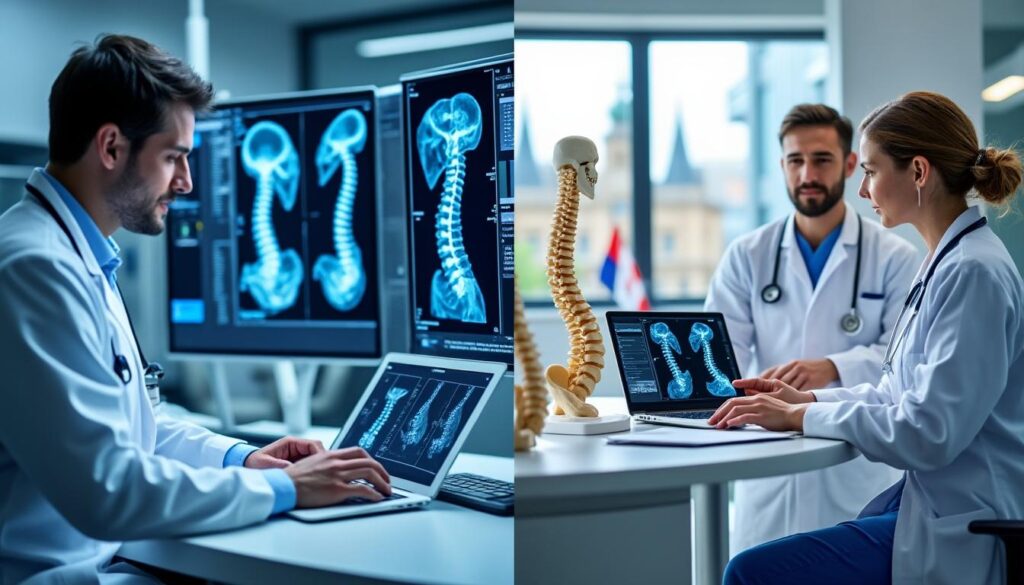
Spinal disorders represent a prevalent health challenge globally, impacting patient quality of life and posing significant treatment complexities. Comparing how two distinct regions, France and Quebec, approach spinal care offers valuable insights into the organization, innovation, and patient outcomes associated…
Coordinated Multinational Care: Streamlining Postoperative Pathways Between Canada and France
One hallmark of advanced spinal surgery care in 2026 is the seamless collaboration between international healthcare providers integrating rTMS into recovery pathways. Quebec patients undergoing spinal surgery in France are a vivid example of this model, where institutions such as Neurothérapie Montréal, SOS Tourisme Médical, and Franchir ensure continuity of care pre- and post-operation.
This coordinated effort begins with comprehensive preoperative preparation involving detailed medical evaluations, psychological assessments, and logistical planning. Following surgery in France’s leading spinal centers, patients return to Canada where ongoing rTMS sessions complement physical rehabilitation, supported by close clinical monitoring and neurofunctional evaluations.
Such cooperation leverages the best of both worlds: access to cutting-edge surgical techniques and state-of-the-art neurostimulation therapies. Patients benefit from enhanced recovery protocols with personalized treatment plans that adapt dynamically to clinical progress. This strategy minimizes complications and reduces the risk of additional surgeries by ensuring persistent, expert-guided intervention during critical recovery phases.
By maintaining an open and collaborative communication channel among multidisciplinary teams across continents, patient outcomes improve while the healthcare system experiences better resource allocation. The success of this international approach offers a benchmark model for other cross-border medical collaborations aiming to incorporate neuromodulation technologies and optimize post-surgery protocols.
International Comparison: Spotlight on the Transatlantic Patient Journey
In an era where healthcare demands grow increasingly complex, the transatlantic patient journey offers an illuminating example of how international collaboration enhances access, quality, and outcomes. Facing stretched healthcare systems and extended wait times, patients from regions such as Quebec…
Scheduling and Practical Recommendations for rTMS Integration in Spinal Surgery Rehabilitation
The timing and administration of rTMS in postoperative settings should be meticulously planned to align with each patient’s surgical profile and recovery stage. Typically, stimulation begins as soon as the patient is medically stable, often within the first few weeks following spinal surgery. Early initiation maximizes the therapy’s impact on neuroplastic processes critical for functional restoration.
Recovery timelines vary depending on procedure complexity. For example:
- Simple decompression surgeries: Early mobilization occurs within 1-2 weeks, with rTMS introduced soon after to expedite pain control and motor improvement. Work resumption often targets 4-6 weeks post-procedure.
- Motion preservation surgeries: These involve more intensive functional rehabilitation combined with rTMS, with return to sports or physically demanding activities planned around 3 months post-op.
- Fusion surgeries: Known for longer convalescence, patients undergo extended rTMS sessions over several months, supporting gradual mobility regain. Return to work and sports may be delayed up to 6 months or more.
Optimal recovery is bolstered by adherence to protocol regularity, combining neuromodulation with physical therapy, and proactive psychological support. Communication with the medical team ensures protocols adapt in line with patient progress and any emerging symptoms.
Reviewing the specific benefits and goals of rTMS in these contexts can best be understood through the following table:
| Post-Surgical Indication | Primary rTMS Goals | Observed Clinical Benefits | Case Example |
|---|---|---|---|
| Persistent Neuropathic Pain | Modulation of cortical pain pathways | Significant pain reduction; diminished analgesic use | Patient M.: improved sleep and pain-free return to work |
| Post-Laminectomy Syndrome | Symptom alleviation via motor cortex stimulation | Improved mobility, decreased spasms | Patient L.: progressive return to walking and sport |
| Postoperative Depression and Anxiety | Enhancement of mood regulation circuits | Reduced depressive symptoms; increased rehabilitation engagement | Patient C.: quicker emotional recovery and motivation |
Can Integrating rTMS Post-Surgery Help Patients Avoid Additional Surgical Interventions?
Explore the benefits, mechanisms, patient outcomes, and rehab integration of repetitive Transcranial Magnetic Stimulation (rTMS) in post-surgical care.
Benefits of rTMS Post-Surgery
- Reduces risk of additional surgeries by enhancing neural recovery.
- Minimizes postoperative pain and inflammation through neuromodulation.
- Accelerates rehabilitation by improving motor function and cognitive recovery.
- Non-invasive and safe alternative complementing traditional therapy.
Mechanism of Action
rTMS uses magnetic fields to induce electrical currents in targeted brain areas, promoting neuroplasticity and functional reorganization. This modulates neural excitability, aiding recovery in damaged regions.
Patient Outcomes with rTMS
Hover bars for detailed results
Rehabilitation Integration
- Begin rTMS sessions 24-48 hours post-surgery to maximize neural repair.
- Coordinate with physical and occupational therapy for synergistic effects.
- Customize stimulation parameters based on patient-specific neuroimaging data.
- Monitor progress with standardized scales and adapt therapy accordingly.

Initial Questionnaires and Exams: The Cornerstones of Patient Care Pathways
In the evolving landscape of healthcare, initial questionnaires and exams hold an indispensable role in shaping patient care pathways. These foundational tools act as the first critical step in determining the course of treatment, particularly for complex medical arenas such…
Challenges and Future Directions in rTMS Postoperative Applications
Despite promising outcomes, the incorporation of rTMS into spinal surgery rehabilitation faces challenges that warrant attention. Variability in patient response remains notable, necessitating continued research into predictive biomarkers that can guide personalized therapy. Ensuring treatment accessibility and insurance coverage, particularly for international patients, also requires systemic improvement to broaden rTMS implementation.
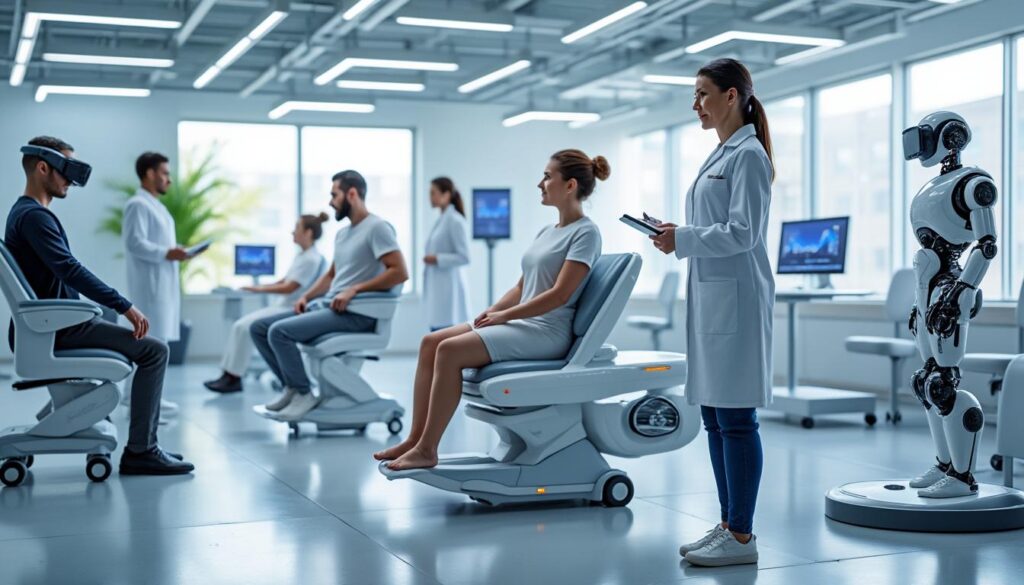
Emerging technologies combining rTMS with advanced imaging and robotic-assisted rehabilitation platforms offer exciting avenues for further enhancing precision and efficacy. The intersection of neuromodulation and digital health tools could usher in a new era of adaptive, real-time treatment adjustments tailored to individual progress.
Integration efforts will also benefit from large-scale, multicenter randomized controlled trials to establish standardized protocols and solidify clinical guidelines. Collaborative endeavors like those promoted by Neurothérapie Montréal and international partners are crucial for these developments. Importantly, preserving a human-centered approach ensures that patient preferences and holistic well-being remain central to treatment planning.
The Future of Surgery: Rehabilitation and Return to Work at the Forefront
As surgical techniques evolve with unprecedented sophistication, the landscape of postoperative care is undergoing a revolutionary transformation. The future of surgery is not confined solely to the operating room; rather, it encompasses a holistic approach that integrates advanced rehabilitation and…
Long-Term Patient Perspectives: Quality of Life and Surgical Avoidance Through rTMS
Patients who have undergone spinal surgery often face psychological and physical challenges that extend beyond the immediate postoperative period. The non-invasive nature of rTMS and its ability to address both pain and mood disorders contribute to sustained improvements, leading many to report higher quality of life scores and confidence in their recovery.
For the subset of patients for whom rTMS precludes the need for further surgical interventions, the benefits are considerable. Avoiding additional surgery not only mitigates potential complications but also reduces the psychological burden and economic costs associated with prolonged treatment. This patient-centered outcome highlights the vital role of rTMS in transforming postoperative care paradigms.
Case narratives document patients returning to active lifestyles and professional duties with renewed vigor. The integration of rTMS into multidisciplinary care pathways exemplifies a forward-thinking approach in spine surgery rehabilitation, emphasizing prevention, individualized care, and functional restoration.
What is repetitive transcranial magnetic stimulation (rTMS)?
rTMS is a non-invasive neuromodulation technique that uses targeted magnetic pulses to modulate neuronal activity in the brain. It is commonly used to treat chronic pain, depression, and neurological disorders, enhancing brain plasticity and functional recovery.
Can rTMS help avoid additional surgery after spinal operations?
rTMS can effectively manage chronic neuropathic pain and functional impairments post-surgery, which may reduce or eliminate the need for further surgical interventions when integrated into a personalized and closely monitored rehabilitation program.
Are there any side effects associated with rTMS?
Generally, rTMS is well tolerated. Common side effects include mild headaches, scalp discomfort at stimulation sites, and transient fatigue. Serious complications are extremely rare, especially with proper medical evaluation prior to treatment.
How is post-surgery rTMS care coordinated at Neurothérapie Montréal?
Under expert leadership, Neurothérapie Montréal provides comprehensive care including regular neurofunctional assessments, tailored rTMS sessions, psychological support, and multidisciplinary coordination to ensure optimal recovery for patients operated in France.

How to Effectively Prepare for Spinal Surgery in France
Spinal surgery represents a significant step in many patients’ lives, often prompted by chronic pain, mobility issues, or degenerative conditions that impair quality of life. In the context of 2026, France stands out as a premier destination for spinal surgery…