
The Ultimate Guide to Preparing for Surgery in France: What You Need to Know
November 15, 2025
Spine Surgery in Trois-Rivières: French Expertise and Innovation
November 15, 2025
The complex healthcare landscape in 2025 demands robust collaborations between hospitals and surgeons to enhance patient outcomes, streamline operations, and foster innovation. Advances in technology and data integration have reshaped these partnerships, enabling new models of care delivery that align with strategic goals and clinical excellence. The dynamics between surgical teams and hospital systems are deeply influenced by evolving clinical data strategies, interprofessional collaboration frameworks, and healthcare market forces. This article delves deeply into the multifaceted insights emerging from current research on these partnerships, emphasizing their transformative impact on modern healthcare systems worldwide.
Critical to this understanding is the integration of multidisciplinary teams, innovative implant technologies, and advanced logistical coordination exemplified in international collaborations, such as between Canadian patients and French spinal surgery centers. Exploring these alliances reveals how meticulously structured hospital-surgeon collaborations can bridge geographic and systemic gaps, leading to faster access, improved surgical techniques, and comprehensive post-operative care. These elements underscore the imperative role of strategic alignment within health systems, as whole organizations and individual surgeons coordinate to meet financial, technological, and patient-centered objectives.
Optimization of Hospital-Physician Partnerships in Complex Care Environments
Hospital and surgeon partnerships form the backbone of delivering specialized care, particularly in domains like spinal surgery, where technical precision and multidisciplinary input are crucial. Research highlights that these partnerships are most effective when they emphasize interoperability of systems, harmonized protocols, and mutual trust built on transparent communication. HealthPartners initiatives have demonstrated that such alignment fosters environments where surgeons, anesthetists, physical therapists, and pain management specialists collaborate efficiently, resulting in improved procedural outcomes and patient satisfaction.
One notable example is how institutions in France, including centers in Paris and Toulouse, embody this model through sophisticated use of dynamic spinal implants and minimally invasive techniques. These innovations require surgeons to work intimately with hospital infrastructure to coordinate preoperative imaging, surgical scheduling, and postoperative rehabilitation protocols. This integrated approach mitigates patient risk and accelerates recovery.
- Key components fostering successful partnerships: shared data platforms, collaborative care pathways, and aligned financial incentives.
- Challenges faced: data silos, inconsistent communication, and structural barriers to interprofessional collaboration.
- Examples of alignment strategies: joint clinical governance committees and participation in registries like those promoted by ACS.
| Institution | Collaborative Strength | Innovation Utilized |
|---|---|---|
| Paris Hospitals | Comprehensive multidisciplinary teams | Dynamic implants (TOPS, ESP) |
| CHU Toulouse | Minimally invasive spinal procedures | Intraspine, B-DYN implants |
| Clinique de la Loire | Personalized lumbar stabilization approach | TOPS implant innovations |
The above cases further illustrate how the integration of clinical expert teams with hospital resources creates synergy that elevates care standards. This dynamic is echoed in the broader frameworks promoted by organizations like American College of Surgeons’ new data strategies, prioritizing surgeon-hospital interoperability for refined surgical performance.
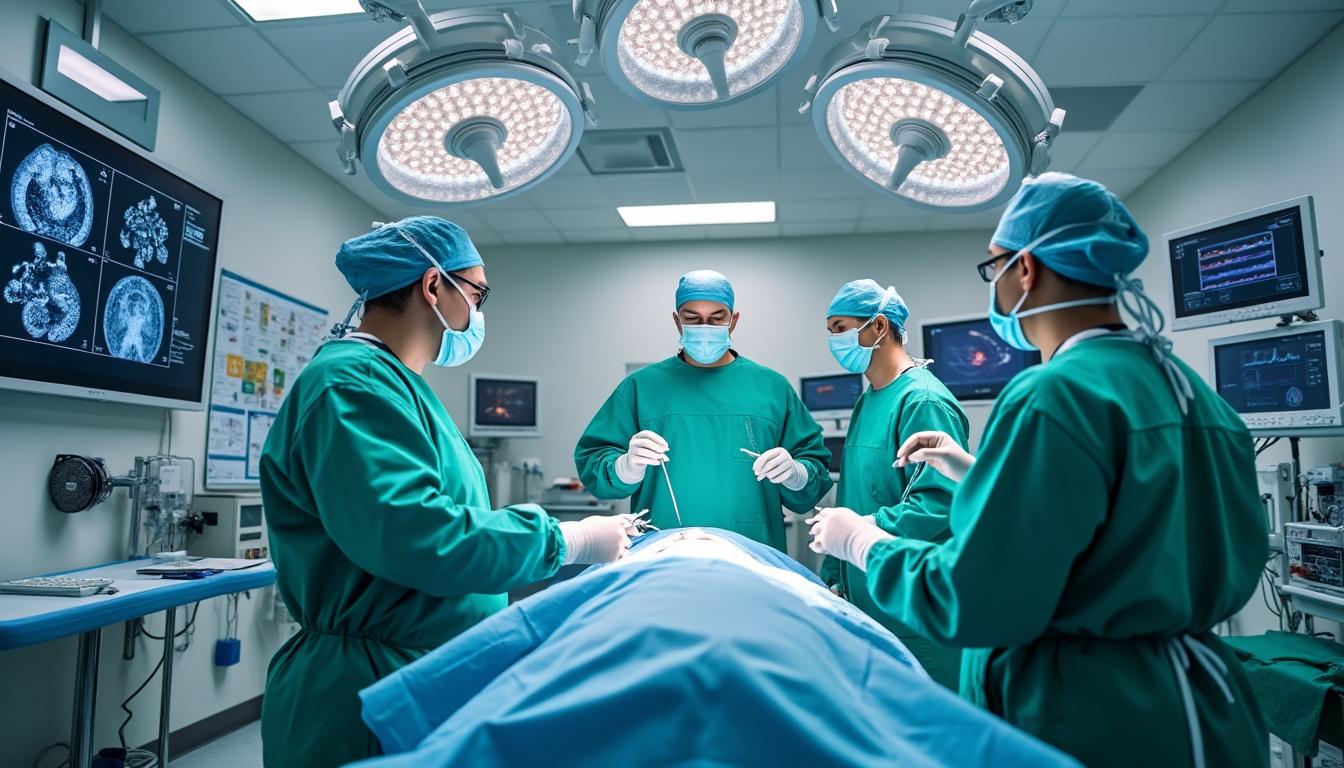

Understanding Sciatic Pain: Key Symptoms and When to Seek Medical Advice
Sciatic pain is a prevalent condition impacting a wide demographic, manifesting primarily as intense pain radiating from the lower back down the leg. This pain stems from irritation or compression of the sciatic nerve, a major nerve extending through the…
Leveraging Advanced Implant Technologies in Surgeon-Hospital Collaborations
Emerging research reveals how surgeon-hospital partnerships are increasingly shaped by the adoption and implementation of innovative implant technologies, which necessitate interdisciplinary coordination and shared expertise. Spinal implants such as TOPS, Intraspine, ESP, and B-DYN exemplify the innovation-driven evolution where sustaining spinal mobility without compromising stability directly influences partnership models. These devices address clinical indications ranging from moderate lumbar instability to degenerative disc diseases with enhanced post-op functional outcomes.
The advanced validation of these implants, with CE and FDA certifications, underscores hospital investments in cutting-edge devices and the need for surgeons trained specifically in their techniques. For Canadian patients seeking treatment in France, this means access to implants not yet available locally, facilitated through streamlined hospital-surgeon networks that optimize procedural logistics and expertise.
- TOPS implant: Enables stabilization with preservation of natural spinal motion, used primarily in moderate lumbar instabilities.
- Intraspine: An interlaminar dynamic stabilizer suited for preserving physiological loading in disc degeneration without severe instability.
- ESP: Combines decompression and partial arthrodesis, maintaining flexibility in selected patients.
- B-DYN: Designed for active patients requiring dynamic stabilization that supports early return to physical activities.
| Implant | Primary Indication | Clinical Advantage | Critical Considerations |
|---|---|---|---|
| TOPS | Moderate lumbar instability | Preserves flexion-extension and rotation | Not suitable for severe deformities |
| Intraspine | Degenerative disc disease without major instability | Minimally invasive, natural load distribution | Contraindicated in advanced spondylolisthesis |
| ESP | Segmental decompression and stabilization | Maintains segmental flexibility | Requires precise patient selection |
| B-DYN | Patients with high physical activity | High dynamic resistance and fast recovery | Needs long-term clinical monitoring |
Successful integration of these implants requires the hospital’s surgical teams to coordinate on training, inventory management, and tailored surgical planning. Insights from experts emphasize that such partnerships foster clinical excellence by merging surgical innovation with institutional support, ultimately advancing patient care quality.

The Stepwise Role of Functional Recovery in Achieving Successful Outcomes
The journey to full recovery following spinal surgery is often complex and multifaceted, demanding a meticulously structured approach to ensure optimal functional outcomes. In recent years, the concept of functional recovery through a stepwise approach has garnered significant attention in…
Strategic Alignment of Health Systems and Hospital Partnerships for Enhanced Surgical Care
Achieving strategic alignment between hospitals and surgeons remains a top priority in health systems management, with key challenges focusing on financial sustainability, patient experience improvements, and embracing technology adoption. Research on healthcare partnerships reveals that these alignments drive efficiency and patient-centered innovation, often through collaborative platforms like SurgiConnect and SurgeryLink, which facilitate data exchange, coordinated care, and joint decision-making.
HealthSystems partnerships, such as those studied in recent analyses, indicate that integrated care pathways supported by technology throughout the patient continuum are critical. Hospitals that successfully fuse administrative, clinical, and surgical efforts demonstrate better resource utilization and heightened patient outcomes. This reflects in initiatives like MedSynergy and CareAlliance, which target enhancing communication within multidisciplinary teams and aligning incentives to sustain partnerships.
- Core challenges tackled: financial vulnerability, inconsistent technology adoption, disjointed patient care.
- Collaborative solutions: adoption of shared electronic health records, use of virtual surgical planning platforms.
- Outcome improvements: decreased waiting times, higher patient satisfaction, reduced readmission rates.
| Strategic Focus | Challenges | Partnership Approaches | Expected Results |
|---|---|---|---|
| Financial Stability | Margin pressures, cost containment | Joint budgeting and shared risk agreements | Improved cost efficiency, sustained operations |
| Patient Experience | Fragmented care, communication barriers | Interprofessional coordination, patient navigators | Improved satisfaction, smoother pathways |
| Technology Adoption | System incompatibility, training gaps | Unified platforms like HospitalCollaborate | Optimized data sharing, precision surgeries |
The future lies in reinforcing these partnerships by leveraging deep analytics, clinical registries exemplified by HospitalInsights, and continuous learning networks. As highlighted by the Mayo Clinic Proceedings, creating sustainable measurable goals in partnerships contributes to enhanced team morale and patient-centered value creation.


Transatlantic Patient Journey: Insights into Indications, Benefits, and Challenges
The emergence of the Transatlantic Patient Journey as a strategic model within healthcare continues to capture attention for its innovative potential, especially in specialized fields such as spinal surgery. This cross-border care pathway integrates rigorous medical evaluation from Quebec with…
Integrated Multidisciplinary Teams and Post-Operative Care Synergy
Surgeon and hospital collaboration extends beyond the operating room to encompass post-operative and rehabilitative care, critical to patient recovery success. Evidence shows that synchronized follow-up involving neurology, physical therapy, pain management, and psychological support under a common partnership framework delivers superior results, particularly in complex spinal cases involving advanced implants or revision surgeries.
Institutions engaging in this full-spectrum approach, such as facilities linked through the MedCollab and SurgiPartners networks, coordinate seamless transitional care plans and data-driven rehabilitation regimens. Specialized centers like Neurothérapie Montréal exemplify how international partnerships support patient follow-up, combining expert clinical guidance and personalized therapeutic interventions that optimize functional recovery for returning Canadian patients.
- Post-op coordination elements: rehabilitation protocols, pain management synchronization, patient self-monitoring programs.
- Benefits: reduced complication rates, improved mobility retention, enhanced psychological resilience.
- Challenges: cross-border communication, standardizing data collection, aligning care philosophies.
| Phase of Care | Collaborating Disciplines | Typical Activities | Outcomes |
|---|---|---|---|
| Immediate Post-Op | Surgeons, anesthetists, nursing staff | Monitoring, pain control, wound care | Lower incidence of early complications |
| Rehabilitation | Physical therapists, neurologists | Mobility training, functional assessment | Improved range of motion, functional independence |
| Long-Term Follow-Up | Psychologists, pain specialists, case managers | Psychological support, chronic pain management | Enhanced quality of life, sustained functional gains |
Collaborative efforts like SurgeryLink’s integrated communication platforms ensure continuous evaluation and quick response to patient needs, reinforcing the critical nature of relationships between hospital teams and surgeons beyond the surgical episode. Hospital-MSOs partnerships research further highlights how operational excellence in post-operative care can drive sustained patient benefits and healthcare system efficiency.
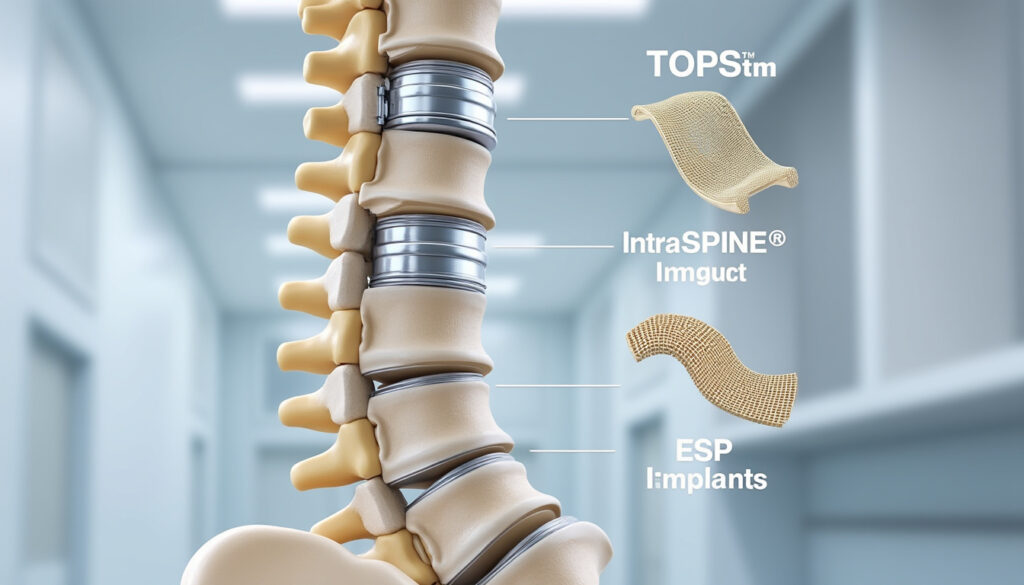
The evolving field of spinal surgery is witnessing a transformative shift, fueled by cutting-edge implant technologies such as TOPS, Intraspine, and ESP. These innovative implants redefine treatment possibilities by emphasizing preservation of natural spinal mechanics, while ensuring durable stabilization and…
International Healthcare Partnerships: A Case Study in Cross-Border Coordination
International collaborations between Canadian patients and French spinal surgery centers illustrate how hospital-surgeon partnerships transcend geographic borders to deliver advanced care. The entity Franchir acts as the pivotal facilitator, orchestrating medical evaluation, surgical referral, travel, accommodation, and post-operative follow-up with Neurothérapie Montréal. This model alleviates common barriers such as long wait times in local systems and limited access to emerging implants, exemplifying strengths in logistical and clinical coordination.
The process includes:
- Comprehensive patient evaluation and surgical indication matching by Franchir.
- Seamless travel organization with direct flights and transfers.
- Personalized accommodation aligned with recovery needs close to surgical centers.
- Continuous communication between French surgical teams and Canadian rehabilitation specialists.
- Tailored follow-up programs to optimize rehabilitation and outcome monitoring.
| Step | Description | Main Responsible Entity |
|---|---|---|
| Preoperative Assessment | Clinical dossier analysis and specialist consultation | Franchir |
| Travel & Accommodation | Flight booking, transfers, lodging arrangements | Franchir |
| Surgical Procedure | Intervention by expert surgeon at French hospital | Surgical team |
| Post-op Rehabilitation | Follow-up with neurotherapy and physical rehabilitation | Neurothérapie Montréal |
| Recovery Monitoring | Long-term outcome tracking and support | Neurothérapie Montréal |
This elaborate coordination exemplifies how partnerships such as those supported by HospitalInsights and MedSynergy function in practice to bridge health system divides and deliver patient-centered, high-quality surgical care internationally.
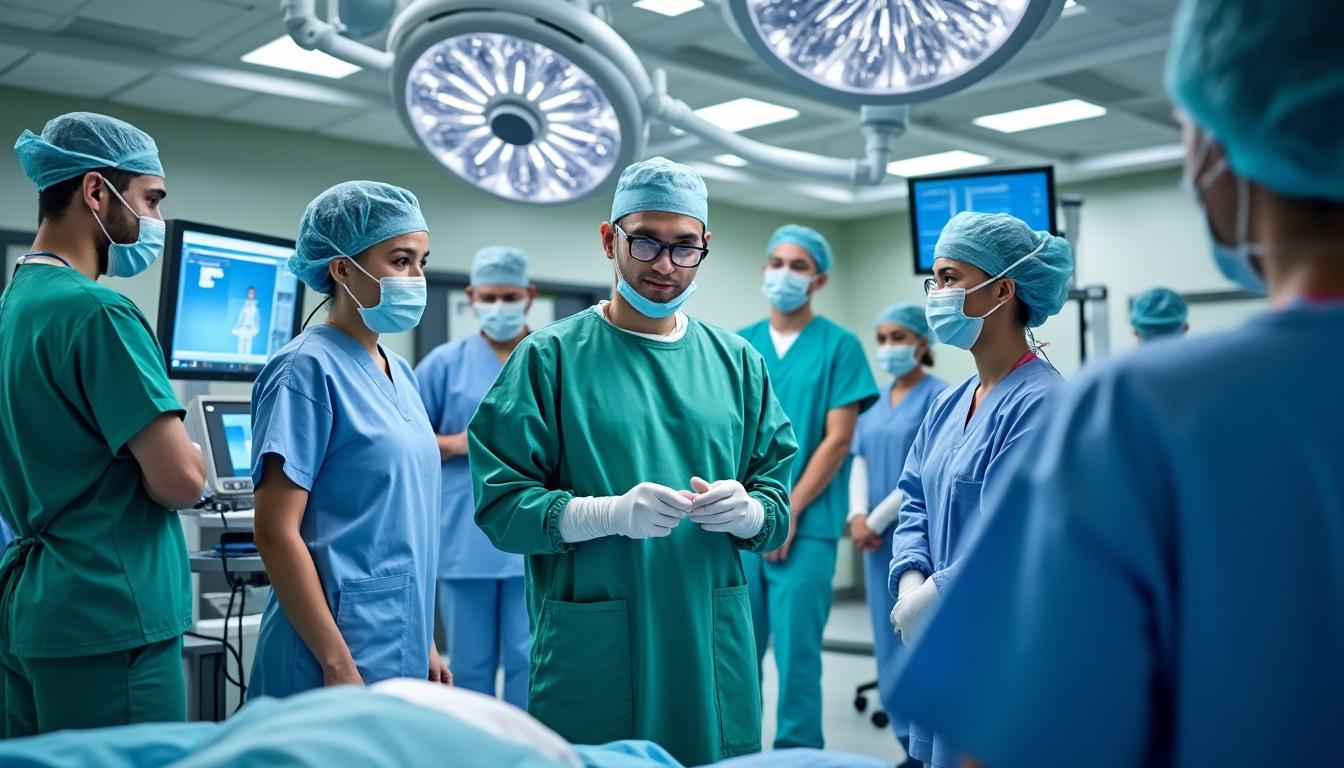

Preparing for Surgery in France: Key Indications, Benefits, and Limitations
In an evolving global healthcare landscape, France emerges as a beacon of advanced surgical expertise, particularly attracting international patients seeking expedited and innovative medical interventions. Patients from regions experiencing long wait times, such as Quebec, increasingly view France as an…
Addressing Burnout and Driving Clinician Satisfaction Through Collaborative Models
Surgeon burnout has emerged as a critical issue impacting the quality and sustainability of surgical practices worldwide. Partnerships that promote shared governance, workflow efficiencies, and interprofessional support serve as antidotes to this challenge. Research published in healthcare management contexts underscores how platforms like SurgiPartners and CareAlliance enable meaningful collaboration, reducing individual workload burdens and fostering a culture of mutual support.
These partnerships provide:
- Shared responsibility structures to distribute clinical and administrative tasks.
- Access to collaborative technology tools that enhance communication and reduce redundancies.
- Professional development and peer mentoring opportunities grounded in continual learning.
| Burnout Factor | Partnership Solution | Expected Outcome |
|---|---|---|
| Excessive workload | Task sharing and coordinated scheduling | Improved clinician well-being and reduced errors |
| Isolation in decision-making | Team-based clinical discussions and case reviews | Enhanced decision quality and peer support |
| Administrative burden | Centralized administrative support services | More time for patient care and research |
By addressing these factors, hospital-surgeon partnerships foster resilience in clinical teams, a phenomenon crucial to sustaining high-quality care delivery across health systems, as outlined in recent industry reviews.

Unveiling the Hidden Benefits of Quality and Certification in Devices
The landscape of device manufacturing and clinical application in 2026 has been fundamentally shaped by the rigorous interplay between quality management and certification processes. Within this complex framework, the hidden benefits of adhering to international standards and obtaining relevant certifications…
Education and Training Synergies for Sustained Excellence in Surgical Collaboration
Research reveals that ongoing education and certification harmonization are integral to strengthening hospital and surgeon partnerships. In specialty domains such as spinal surgery, universities and professional societies collaborate to standardize training, evidenced by programs such as the Diplôme Inter-Universitaire de Chirurgie du Rachis (DIU) and courses by EuroSpine and IRCAD. This collaborative approach ensures surgeons remain current on cutting-edge techniques and tools, facilitating seamless integration into hospital practice environments.
Institutions actively involved in combining surgical expertise with hospital teaching capabilities include:
- University of Bordeaux and its dedicated spinal surgery modules.
- Société Française de Chirurgie Rachidienne (SFCR) with its interuniversity diploma programs.
- International courses hosted by EuroSpine focusing on endoscopic and minimally invasive techniques.
| Institution | Program | Focus Area |
|---|---|---|
| University of Bordeaux | Spinal Solution Courses | Advanced surgical techniques and device integration |
| SFCR | DIU Chirurgie du Rachis | Multidisciplinary spinal surgery certification |
| EuroSpine | Endoscopic Spine Course (IRCAD) | Minimally invasive surgical innovations |
Such synergistic educational programs not only elevate surgeon proficiency but enhance collaborative culture, ensuring joint hospital-surgeon initiatives remain at the forefront of patient-centered care. This structured learning ecosystem contributes directly to clinical excellence and innovation diffusion throughout care delivery networks.
Comparison Table: Hospital and Surgeon Partnerships

Why Experts Advocate for Comprehensive Preoperative Evaluations
In the complex and demanding field of spinal surgery, the emphasis on comprehensive preoperative evaluations has become a fundamental pillar supporting successful surgical outcomes. These evaluations, far beyond mere routine checks, integrate detailed analyses of patient health, surgical risk assessments,…
Innovating Hospital Operational Models Through Management and MSO Partnerships
The evolving hospital-surgeon relationships are increasingly facilitated by Management Services Organizations (MSOs) that handle administrative, financial, and operational duties, allowing surgeons to focus on clinical excellence. Insights from Hospital-MSOs partnership studies reveal how these alliances drive strategic growth, operational efficiency, and patient-centered service delivery.
MSOs align operational priorities with hospital goals by providing:
- Centralized billing and contracting expertise reducing administrative burdens.
- Negotiated supply chain arrangements ensuring access to high-quality surgical implants and equipment.
- Data analytics support for quality improvement and strategic planning.
| MSO Contribution | Impact on Hospital-Surgeon Partnership |
|---|---|
| Administrative streamlining | More time for surgeons to focus on patient care |
| Supply chain management | Ensures availability of innovative implants |
| Quality data reporting | Supports continuous care improvement cycles |
This model represents a scalable approach to hospital-surgeon collaboration, reinforcing the clinical mission while enhancing operational capacity, as highlighted in recent healthcare strategic reviews.

The Future of Surgery Lies in Stepwise Functional Recovery
The evolution of surgical care in 2026 reveals a compelling shift toward approaches that prioritize the holistic recovery of patients, moving beyond traditional metrics like length of hospital stay or mortality rates. This modern paradigm highlights the principle that the…
Enhancing Patient Experience Through Trust-Based Hospital-Surgeon Partnerships
Trust remains a foundational pillar in effective hospital-surgeon partnerships. Research shows that patients often regard partnered hospital-surgeon teams as sources of transparency, emotional support, and seamless navigation through intricate treatment pathways. The involvement of patient advocates within partnership frameworks ensures that the patient’s voice is integrated into decision-making and care coordination, elevating satisfaction and safety.
Key trust-building elements include:
- Empathetic creativity: personalized care plans adapting to individual patient needs.
- Discretionary effort: staff exceeding standard expectations in service delivery.
- Fear mitigation: clear communication reducing anxieties related to complex surgeries.
- Seamless service: well-orchestrated transitions between care stages.
| Trust Element | Patient Impact | Partnership Role |
|---|---|---|
| Empathetic creativity | Tailored treatment, improved engagement | Collaborative care planning |
| Discretionary effort | Enhanced patient comfort and outcomes | Staff commitment beyond protocols |
| Fear mitigation | Reduced patient stress and complications | Consistent, transparent communication |
| Seamless service | Smooth care transitions, reduced delays | Integrated hospital-surgeon workflows |
Patient trust cultivated by hospital-surgeon partnerships reflects in improved recovery experiences and loyalty. Initiatives such as those documented in advocacy research underpin the importance of these collaborative, trust-based dynamics in delivering superior healthcare.
What advantages do French hospitals offer for spinal surgery compared to Quebec?
French hospitals provide faster access to surgeries, utilization of innovative implants certified with CE and FDA marks, and comprehensive care by multidisciplinary teams dedicated to personalized treatment — all contributing to enhanced safety and patient outcomes.
How are Canadian patients guided to appropriate spinal surgeons in France?
The organization Franchir reviews detailed medical dossiers to match patients with centers and surgeons specializing in their clinical needs, ensuring a personalized treatment plan.
Which dynamic spinal implants are used, and what are their benefits?
Implants such as TOPS, Intraspine, ESP, and B-DYN provide dynamic stabilization preserving natural spinal mobility while minimizing post-surgical pain and risks of adjacent segment degeneration, unavailable yet in Quebec.
How is the logistical organization structured for international patients?
Franchir coordinates comprehensive logistical arrangements including travel, accommodation, and hospital transfers, while SOS Tourisme Médical manages administrative procedures for a secure, well-organized care journey.
How is post-operative care ensured upon the patient’s return to Canada?
Neurothérapie Montréal offers customized post-op monitoring and rehabilitation, coordinating with French surgical teams to optimize recovery and address both functional and psychological patient needs.