
Comprehensive Guide to Stepwise Functional Recovery: Everything You Need to Know
November 22, 2025
The Ultimate Guide to Medical Logistics and Accommodation Management
November 22, 2025
In the evolving landscape of healthcare, where clinical decisions increasingly rely on advanced diagnostic tools, the seamless coordination of imaging exams has emerged as a critical factor in enhancing patient outcomes. Spinal surgery, with its intricate demands on precision and timing, epitomizes the necessity of integrating efficient imaging workflows to support multidisciplinary collaboration. For patients from Quebec undergoing spinal procedures in France, this coordination not only expedites treatment but also assures safety and transparency throughout the cross-continental care pathway.
Modern protocols prioritize the meticulous management of medical imaging — from magnetic resonance imaging (MRI) and computed tomography (CT) scans to X-rays — ensuring that every exam is purposeful and seamlessly shared among care providers. This orchestration minimizes unnecessary repetitions, reduces radiation exposure, and accelerates treatment planning. By capitalizing on advances in biofeedback and neurofeedback technologies for post-operative rehabilitation, the entire patient journey becomes optimized, reducing complications and improving functional recovery.
Optimizing Imaging Exam Coordination to Elevate Clinical Outcomes in Spinal Surgery
The management of imaging exams within spinal surgery is not merely an administrative task but a strategic clinical process that directly influences treatment efficacy. A structured approach to scheduling and interpreting medical images enhances diagnostic accuracy, which is crucial for selecting the precise surgical intervention. At Neurothérapie Montréal, under expert guidance, imaging protocols strictly adhere to international standards, ensuring that each study provides consistent detail and clarity that surgeons and neurologists can rely on.
Key components of an effective imaging exam coordination system include:
- Personalized exam scheduling: Tailoring imaging sequences based on individual patient needs to avoid unnecessary procedures.
- Secure data sharing platforms: Enabling efficient exchange of high-resolution images and detailed reports between Canadian and French teams, facilitating interdisciplinary communication.
- Collaborative report analysis: Joint review sessions incorporating surgeons, radiologists, and neurotherapists to validate findings and refine surgical planning.
- Radiation safety measures: Preventing redundant imaging and minimizing patient exposure through stringent protocol adherence.
This system empowers clinicians to deliver enhanced treatment planning and adapt surgical approaches in response to real-time clinical data. In this way, image exam coordination becomes a cornerstone of superior clinical outcomes in spinal care.
| Phase | Purpose | Responsible Entity | Tools and Technology |
|---|---|---|---|
| Preoperative Evaluation | Scheduling and performing tailored imaging exams | Neurothérapie Montréal | MRI, CT Scan, Biofeedback, Neurofeedback |
| Surgical Orientation | Selecting surgeons and clinical centers in France | Franchir | Secure communication platforms |
| Intervention | Executing customized surgical protocols | French Surgical Teams | Minimally invasive techniques, TOPS implants, Intraspine devices |
| Postoperative Follow-Up | Neurofunctional assessments and therapy adjustments | Neurothérapie Montréal | Neurofeedback, Clinical assessment tools |
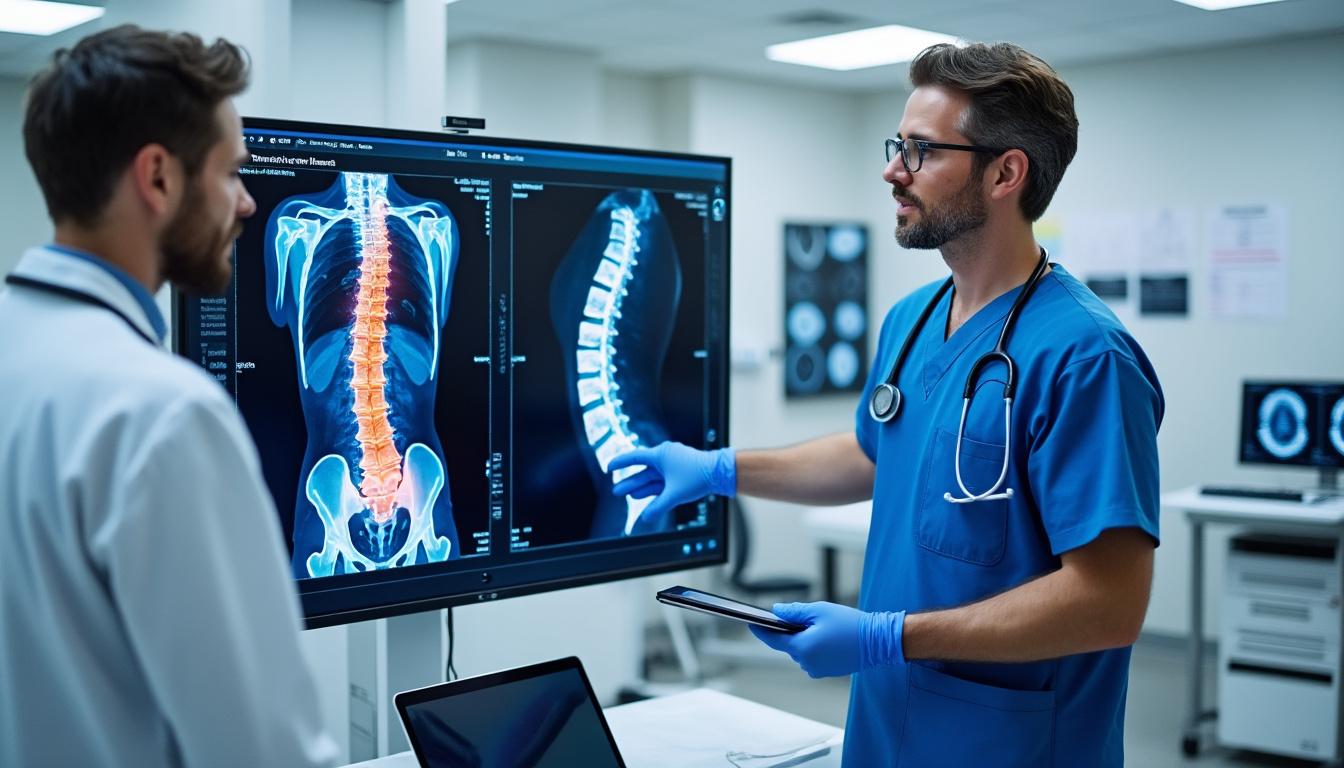

Understanding Sciatic Pain: Key Symptoms and When to Seek Medical Advice
Sciatic pain is a prevalent condition impacting a wide demographic, manifesting primarily as intense pain radiating from the lower back down the leg. This pain stems from irritation or compression of the sciatic nerve, a major nerve extending through the…

The Stepwise Role of Functional Recovery in Achieving Successful Outcomes
The journey to full recovery following spinal surgery is often complex and multifaceted, demanding a meticulously structured approach to ensure optimal functional outcomes. In recent years, the concept of functional recovery through a stepwise approach has garnered significant attention in…
Medical Imaging Efficiency: Driving Better Patient Care Improvement Through Streamlining Processes
Medical imaging forms the backbone of approximately 70% of clinical decisions, making efficiency in diagnostic workflows paramount. Efficient radiology scheduling reduces wait times and streamlines patient throughput, which directly correlates with improved clinical outcomes. The complexity of spinal pathologies necessitates swift, precise imaging to tailor interventions effectively.
Streamlining imaging exam coordination involves:
- Integrating workflow orchestration systems: These unify disparate imaging platforms into a harmonized, automated workflow that reduces human error and accelerates report generation, as highlighted by current innovations in radiology workflow orchestration.
- Leveraging automation and artificial intelligence (AI): AI algorithms assist in triaging imaging cases, enhancing diagnostic accuracy, and predicting potential complications.
- Enhancing interdisciplinary communication: Real-time sharing platforms ensure that radiologists, surgeons, and rehabilitation specialists access the latest imaging results promptly.
- Expanding accessibility of imaging data: Cloud-based systems facilitate remote reviews and consultations, supporting transatlantic patient care models.
These strategies culminate in an overall improvement of healthcare workflow optimization, reducing administrative delays and enhancing the patient care experience.
| Improvement Strategy | Benefits | Supporting Technologies |
|---|---|---|
| Workflow Orchestration | Simplifies complex imaging sequences, enhances report turnaround | Imaging IT Integration Platforms |
| Automation & AI | Improves diagnostic precision, reduces workload stress | Machine Learning, Deep Learning Algorithms |
| Interdisciplinary Communication Tools | Supports cohesive treatment planning | Secure Messaging & Sharing Platforms |
| Cloud-Based Storage | Enables timely access to imaging data across locations | Cloud Servers, PACS |
The use of such advanced tools directly contributes to enhanced patient care improvement by ensuring that clinicians make well-informed decisions bolstered by high-quality, accessible imaging data. Further exploration of these advances is available in sources detailing workflow orchestration streamlining radiology and the impact on clinical outcomes.

Transatlantic Patient Journey: Insights into Indications, Benefits, and Challenges
The emergence of the Transatlantic Patient Journey as a strategic model within healthcare continues to capture attention for its innovative potential, especially in specialized fields such as spinal surgery. This cross-border care pathway integrates rigorous medical evaluation from Quebec with…
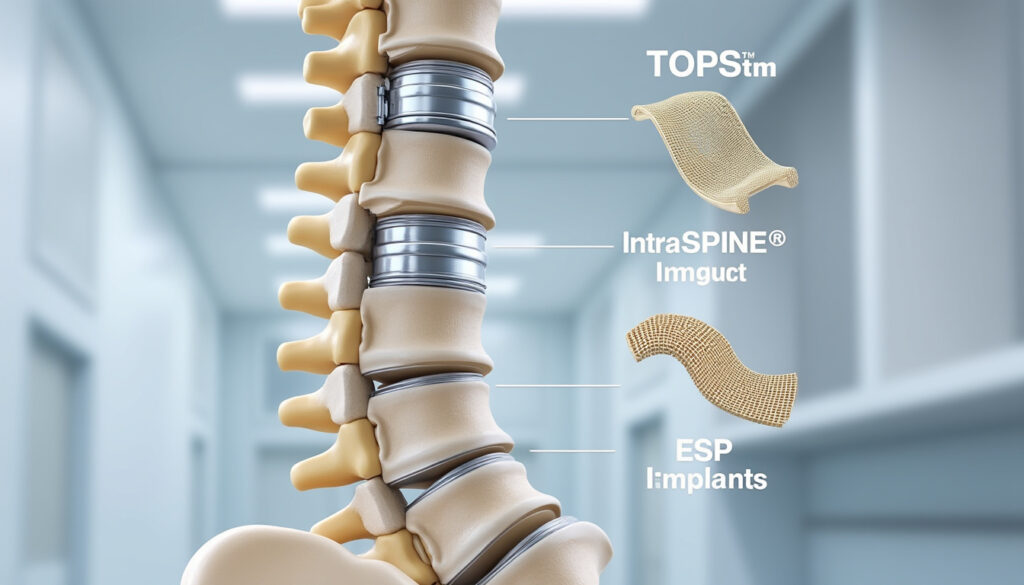
The evolving field of spinal surgery is witnessing a transformative shift, fueled by cutting-edge implant technologies such as TOPS, Intraspine, and ESP. These innovative implants redefine treatment possibilities by emphasizing preservation of natural spinal mechanics, while ensuring durable stabilization and…
Enhancing Diagnostic Accuracy Through Coordinated Imaging Scheduling
Diagnostic accuracy is intrinsically linked with how well imaging exams are coordinated. Optimal scheduling prevents redundant studies, which can delay diagnosis and expose patients to unnecessary radiation. Particularly in spinal conditions such as herniated discs or foraminal stenosis, precision in timing and technique of imaging is decisive.
Systems that prioritize strategic imaging exam coordination focus on:
- Comprehensive preoperative assessment protocols: These encompass detailed questionnaires and tailored evaluations minimizing redundant imaging while facilitating precise diagnosis.
- Collaboration with specialized centers: Integration with international surgical teams ensures that imaging exams conform to the technical requirements needed for innovative implants and minimally invasive procedures.
- Dynamic adjustment of imaging plans: Real-time updates to imaging schedules depending on evolving clinical presentations and intraoperative findings improve the quality of data guiding interventions.
- Patient-centric communication: Informing patients about their imaging process increases compliance and satisfaction, which accordingly enhances clinical care quality.
Such coordinated imaging efforts significantly impact clinical outcomes by supporting accurate, timely diagnoses and facilitating advanced treatment planning. Resources exploring the benefits and methods of streamlining imaging exam scheduling provide further evidence of these improvements.
| Coordination Element | Positive Outcome | Example Application |
|---|---|---|
| Integrated Preoperative Questionnaires | Reduced imaging redundancies | Targeted MRI and CT Scan sequences |
| Collaborative Scheduling for Surgical Needs | Enhanced implant compatibility and effectiveness | Use of TOPS and Intraspine implant planning |
| Real-time Adjustments to Imaging Exams | Reflection of clinical status changes | Dynamic follow-up MRI evaluations |
| Patient Education on Imaging | Improved compliance and satisfaction | Informative consults and digital briefs |

Preparing for Surgery in France: Key Indications, Benefits, and Limitations
In an evolving global healthcare landscape, France emerges as a beacon of advanced surgical expertise, particularly attracting international patients seeking expedited and innovative medical interventions. Patients from regions experiencing long wait times, such as Quebec, increasingly view France as an…

Unveiling the Hidden Benefits of Quality and Certification in Devices
The landscape of device manufacturing and clinical application in 2026 has been fundamentally shaped by the rigorous interplay between quality management and certification processes. Within this complex framework, the hidden benefits of adhering to international standards and obtaining relevant certifications…
Interdisciplinary Communication: A Key Success Factor in Radiology Scheduling and Treatment Planning
Effective interdisciplinary communication remains a linchpin in optimizing radiology scheduling and ensuring that treatment planning is precise and patient-centered. Coordination involves not only timely image acquisition but also the informed exchange of findings and interpretations among radiologists, surgeons, neurotherapists, and rehabilitation teams.
Essential strategies to bolster communication encompass:
- Structured case conferences: Regular multidisciplinary meetings to discuss imaging results and align on clinical pathways.
- Shared digital dashboards: Centralized platforms where real-time imaging data and clinical notes are accessible across teams.
- Secure messaging solutions: Enabling confidential, immediate clinical dialogue and clarifications.
- Standardized reporting formats: Ensuring clarity and consistency in how imaging findings are presented and interpreted to minimize errors.
Projects focused on healthcare workflow optimization highlight how mechanized communication channels can reduce delays, improve diagnostic accuracy, and foster a cooperative environment critical for spinal surgery outcomes. Additional insights are available through literature examining mastering care coordination in radiology.
| Communication Strategy | Impact on Workflow | Clinical Benefits |
|---|---|---|
| Multidisciplinary Case Discussions | Enhanced collaborative decision-making | Improved surgical outcome precision |
| Centralized Digital Dashboards | Accessible imaging and clinical data | Faster diagnosis and treatment planning |
| Secure Messaging Platforms | Quick resolution of clinical queries | Reduced errors and clarified plans |
| Standardized Reporting Templates | Consistent interpretation across specialists | Lower misdiagnosis rates |
Why Experts Advocate for Comprehensive Preoperative Evaluations
In the complex and demanding field of spinal surgery, the emphasis on comprehensive preoperative evaluations has become a fundamental pillar supporting successful surgical outcomes. These evaluations, far beyond mere routine checks, integrate detailed analyses of patient health, surgical risk assessments,…
The Future of Surgery Lies in Stepwise Functional Recovery
The evolution of surgical care in 2026 reveals a compelling shift toward approaches that prioritize the holistic recovery of patients, moving beyond traditional metrics like length of hospital stay or mortality rates. This modern paradigm highlights the principle that the…
Streamlining Radiology Scheduling to Minimize Delays and Exposure Risk
One of the most significant impacts of well-coordinated imaging exam scheduling is the reduction of treatment delays and the mitigation of unnecessary radiation exposure. Patients with degenerative spinal conditions often face long waits and risks associated with repetitive imaging studies.
Streamlined processes achieve risk reduction by:
- Rapid initial evaluation: Early consultation with specialized teams identifies the essential imaging exams without delay.
- Efficient data transmission: Secure and prompt sharing of imaging records avoids repeat exams and accelerates decision-making.
- Personalized imaging pathways: Customized protocols align with clinical needs, balancing diagnostic thoroughness against exposure risks.
- Integrated follow-up scheduling: Coordinated post-operative imaging prevents redundant studies and monitors recovery with precision.
By providing access to a robust network of spinal surgeons in France, patients benefit from advanced interventions with reduced waiting periods, as well as modern minimally invasive techniques that are planned in coordination with imaging results, ensuring both patient safety and improved outcomes. More detailed exploration of workflow enhancements is available in resources dedicated to streamlining the radiology workflow.
| Process Step | Effect on Patient Care | Implementation Example |
|---|---|---|
| Timely Expert Consultation | Decreased waiting time and faster diagnosis | Initial evaluation by TAGMED team |
| Secure Imaging Data Exchange | Elimination of redundant imaging | Data sharing between Quebec and France teams |
| Tailored Imaging Protocols | Reduced radiation exposure risk | Personalized MRI sequences |
| Structured Post-Op Follow-Up | Monitoring recovery and early complication detection | Neurofeedback-assisted neurofunctional tracking |
Leveraging Advanced Imaging Technologies and Personalized Protocols
Recent advancements in spinal surgery are tightly linked with the quality and organization of medical imaging. Customized imaging protocols support highly specialized techniques and innovative implant applications that significantly improve patient functionality and recovery.
Examples of these techniques and associated imaging roles include:
- Neurofunctional system assessments: Utilizing biofeedback tools for detailed nervous system evaluation pre- and post-surgery.
- Minimally invasive endoscopic interventions: Relying on 3D imaging and robotic navigation to reduce surgical trauma and enhance precision.
- Dynamic stabilization implants: Planning and follow-up using personalized MRIs to monitor devices like TOPS and Intraspine that optimize spinal mobility and reduce postoperative pain.
- Postoperative recovery monitoring: Employing neurofeedback and clinical evaluations for tailored rehabilitation plans.
Marcel Mazaltarim’s coordination emphasizes an ethical and scientific protocol ensuring advanced diagnostics are complemented by compassionate, patient-focused care. This holistic approach fosters successful surgical outcomes in complex spinal cases. Relevant detailed references on these innovations are found in literature covering Intraspine implant interventions and cutting-edge spinal technology.
| Surgical Technique | Primary Indications | Clinical Advantages | Example Devices |
|---|---|---|---|
| Arthrodesis/Fusion | Spondylolisthesis, severe myelopathies | Enhanced spinal stability and pain relief | Rigid pedicle screws |
| Disc Prosthesis | Herniated discs, degenerative disc disease | Preservation of spinal mobility | Premia Spine artificial discs |
| Intraspine | Moderate instability | Maintains flexibility with reduced stiffness | Dynamic interlaminar device |
| TOPS System | Severe low back pain with segmental instability | Conserved segmental motion, enhanced quality of life | Dynamically stabilizing implant |
Integrating Patient-Centered Imaging Exam Organization to Transform Healthcare Experiences
The patient’s perspective is paramount in imaging exam coordination, especially for those navigating international care journeys. Efficiently planned imaging pathways reduce stress and travel burdens while maintaining clinical rigor. Neurothérapie Montréal, in collaboration with agencies like SOS Tourisme Médical and Franchir, implements integrated models that address logistical and medical needs.
Patient-focused strategies include:
- Personalized scheduling and pre-visit education: Helping patients understand imaging procedures and their role in the surgical pathway.
- Seamless communication channels: Providing patients with timely updates and access to imaging results to foster trust and engagement.
- Integrated travel and care coordination: Managing appointments, transportation, and lodging to minimize disruptions during transatlantic care delivery.
- Postoperative imaging and rehabilitation support: Ensuring continuity of care through localized neurofeedback-based therapy and clinical evaluations.
These efforts contribute to a holistic treatment environment, combining medical imaging efficiency with compassionate patient care improvement. Learn more from discussions on imaging exam organization and patient experience.
| Patient Support Aspect | Benefit | Representative Service |
|---|---|---|
| Pre-Appointment Education | Enhanced patient preparedness and compliance | Digital information sessions |
| Real-Time Results Access | Increased transparency and reduced anxiety | Patient portals linked to imaging centers |
| Logistics Management | Simplified travel and care coordination | Franchir’s comprehensive travel services |
| Postoperative Monitoring | Better recovery outcomes with tailored therapy | Neurofeedback-guided rehabilitation |
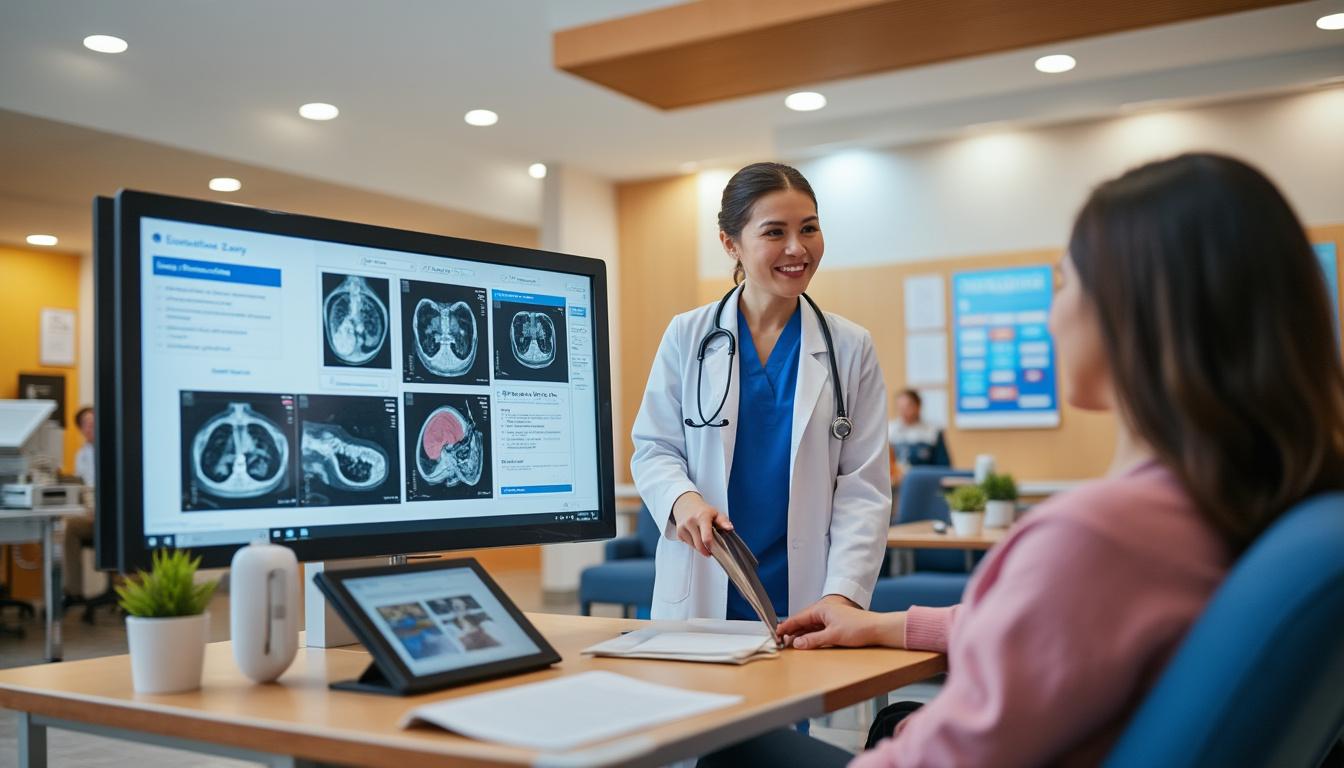
Comparatif des bonnes pratiques pour la coordination des examens d’imagerie
| Critères | Modèle A | Modèle B |
|---|
What imaging exams are required for preoperative evaluation in France?
Patients are advised to provide the latest MRI, CT scans, and relevant X-rays with comprehensive medical reports. Neurothérapie Montréal ensures tailored planning to avoid duplication.
How is eligibility for spinal surgery in France determined for Quebec patients?
Eligibility is assessed based on imaging exams and clinical evaluations submitted. SOS Tourisme Médical offers guidance throughout this process.
What role does Neurothérapie Montréal play in postoperative care?
Neurothérapie Montréal provides personalized postoperative management incorporating innovative neurofunctional rehabilitation protocols for optimal recovery.
Does this coordination reduce delays compared to local systems?
Yes, through effective international organization and privileged access to a network of French surgeons, delays for Quebec patients are significantly shortened.
How is logistical support for the patient’s stay in France managed?
The company Franchir handles all logistical aspects including center selection, travel, accommodation, and transfers, providing a stress-free experience.