
Initial Questionnaires and Exams: The Cornerstones of Patient Care Pathways
May 21, 2026
Minimally Invasive Surgery in Longueuil: Reduce Post-Surgical Risks
May 21, 2026
In an era where healthcare demands grow increasingly complex, the transatlantic patient journey offers an illuminating example of how international collaboration enhances access, quality, and outcomes. Facing stretched healthcare systems and extended wait times, patients from regions such as Quebec are turning across the Atlantic to France for advanced spinal surgery and specialized care. This navigation between distinct healthcare environments, technologies, and cultural approaches not only reshapes individual experiences but also reflects a broader trend of cross-border medical travel that challenges traditional healthcare delivery paradigms.
Highlighting the seamless integration between Quebec and French medical institutions provides a window into how coordinated patient pathways can successfully overcome systemic obstacles. Through rigorous coordination, technological innovation, and personalized support, this transatlantic journey embodies the potential for improving patient experience and health outcomes beyond national boundaries. As healthcare systems worldwide grapple with similar challenges, examining the transatlantic connection presents valuable lessons for policymakers, clinicians, and patients alike.
Medical Travel and the Rising Importance of Transatlantic Patient Journeys
Medical travel, particularly between regions with differing healthcare resources, has emerged as a vital solution to contemporary challenges in healthcare accessibility. The transatlantic patient journey, notably between Quebec and France, showcases a well-structured approach to circumvent localized system limitations including long waiting lists, geographic disparities, and high treatment costs. This cross-border care model filters into a broader international comparison of healthcare systems, revealing unique strengths and areas for improvement.
Specifically, the Quebec healthcare system has witnessed increasing pressure from an aging population and limited specialist availability, particularly in spinal surgery. Traditional pathways result in protracted wait times that can exacerbate conditions and affect quality of life. The transatlantic partnership addresses this by enabling patients to access French medical services equipped with cutting-edge technologies and expertise.
France’s healthcare system, known for its robust infrastructure and continuous innovation, facilitates a range of spinal surgery techniques including neurovertébral decompression and dynamic implants. These advanced options enhance treatment precision and recovery speed. More importantly, logistical facilitators manage the complexities of international coordination, allowing patients to focus on medical care rather than administrative burdens.
Such coordinated pathways not only ease patient experiences but also illustrate the growing role of medical travel in global health ecosystems. By comparing international patient journeys, healthcare leaders can identify scalable practices that improve efficiency, equity, and patient-centeredness across different settings. These models propel the vision of healthcare without borders — an essential consideration as health outcomes become increasingly dependent on the integration of global expertise.


Understanding Neurovertebral Decompression: A Guide for Quebec Patients
Chronic spinal disorders represent a growing challenge for many Quebec patients, affecting mobility, comfort, and overall quality of life. Traditional surgical approaches, while sometimes necessary, often carry risks that lead many to seek alternative treatments. Neurovertebral decompression emerges as a…
Innovative Spinal Surgery Techniques Enhancing Transatlantic Care Quality
Innovation in spinal surgery forms a cornerstone of the transatlantic patient journey. French medical centers offer a comprehensive spectrum of advanced surgical options that respond to varied spinal pathologies, tailored to the needs of patients experiencing limitations in their home healthcare systems. Understanding the technical benefits and patient implications of these procedures is critical for evaluating healthcare systems through an international comparison lens.
Fusion Vertebral Surgery: Stability in Severe Cases
Fusion vertebral surgery, or arthrodesis, remains a trusted method for addressing severe spinal instability such as deformities or fractures. By permanently fusing vertebrae, this procedure prevents further deterioration and alleviates pain. In France, this technique is performed with adherence to stringent international safety and quality standards, employing state-of-the-art instrumentation.
An example includes a Quebec patient with progressive spondylolisthesis who benefits from rapid access to high-quality fusion surgeries in French clinics, shortening the wait and enhancing functional recovery compared to domestic care.
Disc Prostheses: Preserving Mobility Through Technology
Disc prostheses mark a paradigm shift, maintaining segment mobility by replacing degenerated discs without causing rigid fusion. This technology reduces adjacent segment wear and expedites recovery. French providers utilize implants from leading innovators, offering patients a functional and quality-of-life advantage.
Patients with degenerative disc disease but intact spinal stability notably benefit from prosthetic disc replacement, regaining mobility and experiencing decreased pain that enables quicker resumption of daily activities.
Dynamic Implants: Balancing Stability and Flexibility
Dynamic implants, including devices like TOPS and Intraspine, afford a unique equilibrium between maintaining spinal stability and preserving natural flexibility. These advanced implants control biomechanical forces, limiting fusion drawbacks such as limited mobility and secondary degeneration.
For patients with moderate mechanical instability seeking to avoid full spinal fusion, these implants provide tailored solutions that French centers increasingly integrate into transatlantic patient care, aligning with contemporary biomedical innovation standards.
Minimally Invasive and Robot-Assisted Endoscopic Surgery
The rise of minimally invasive techniques, enhanced by robotic assistance and endoscopy, enables precision decompression of nerve roots while sparing surrounding tissues. French training programs ensure surgeons remain at the forefront of these methods, delivering reduced postoperative pain, shorter hospital stays, and faster functional recovery.
These procedures represent not only surgical advancement but also improved patient experience, a crucial factor in cross-border care paths. Access to such expertise significantly elevates healthcare outcomes for transatlantic patients who may face limited options at home.
| Spinal Surgery Technique | Primary Indications | Advantages | Patient Benefits |
|---|---|---|---|
| Fusion Vertebral | Severe instability, fractures, deformities | Durable spinal stabilization | Pain relief, lesion prevention |
| Disc Prostheses | Degenerative disc disease without major instability | Preserved segment mobility | Natural function, quality of life improvements |
| Dynamic Implants (TOPS, Intraspine) | Mechanical instability without full fusion requirement | Controlled flexibility with stability | Reduced pain, improved spinal function |
| Minimally Invasive Endoscopic Surgery | Disc herniation, foraminal stenosis | Low tissue trauma, faster recovery | Less postoperative pain, quick return to activity |

Quality and Certification of Devices: Insights and Experiences from the Field
In the rapidly evolving landscape of medical technologies, the quality assurance and certification of devices have become pivotal in ensuring patient safety and optimizing clinical outcomes. Particularly in complex fields like spinal surgery, stringent compliance with regulatory frameworks helps bridge…
Cross-Border Healthcare Systems Coordination for a Seamless Patient Journey
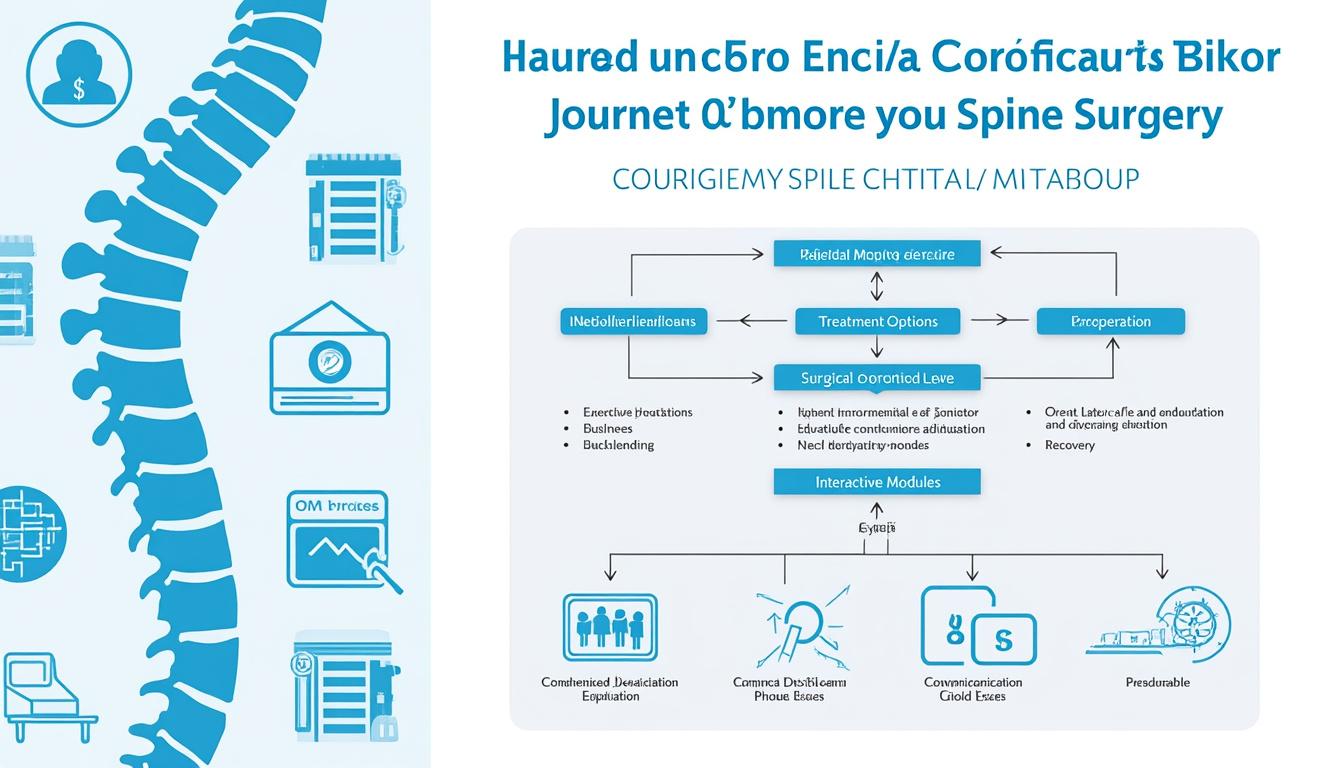
The transatlantic patient journey is facilitated by a robust framework of collaboration and coordination, ensuring that the complex logistics of international medical travel do not detract from timely, personalized, and high-quality care. This organized approach serves as a model in international comparison of patient care trajectories, highlighting the efficiencies achievable through strategic partnerships.
Initial clinical evaluation and conservative treatment in Quebec are critical first steps overseen by experienced specialists who determine candidacy for surgical referral. Where appropriate, innovative conservative interventions such as robot-assisted neurovertebral decompression are pursued, aiming to alleviate symptoms without immediate resort to surgery.
When surgery is warranted, designated agencies manage patient referrals to France, handling all logistical facets from selecting appropriate healthcare facilities and surgeons to organizing travel and accommodation. This alleviates stress and preserves the patient’s focus on recovery.
The surgical interventions themselves are performed in premier French institutions equipped with the latest technology and strict adherence to European standards for safety, quality, and patient-centered care.
Upon return to Quebec, follow-up and rehabilitation are managed through dedicated specialized centers offering tailored support aimed at optimizing recovery and integrating the surgical outcomes into patients’ everyday lives. This comprehensive coordination embodies a model for enhanced patient experience in cross-border care and a benchmark for transatlantic health partnerships.


How to Effectively Prepare for Surgery in France: A Comprehensive Guide
Undergoing surgery in a foreign country can be a complex and demanding endeavor. France, renowned for its advanced healthcare system and cutting-edge surgical techniques, attracts many patients seeking top-tier medical care. However, preparing for surgery in France involves meticulous planning,…
The Essential Role of Conservative Treatments Prior to Surgery
Medical ethics and scientific rigor underpin the transatlantic journey, emphasizing that surgery is pursued only after thorough conservative therapeutic attempts. This principle ensures patients are well-informed and engaged in comprehensive care pathways, which include treatment trials lasting up to six months.
Robot-assisted neurovertebral decompression, offered in specialized Quebec clinics, exemplifies a significant advancement. This method applies computer-controlled traction to relieve nerve pressure with precision and patient-specific calibration, distinguishing it from conventional physiotherapy.
The benefits of prioritizing conservative care include:
- Ability to monitor patient response and potentially delay or avoid surgery
- Reduction in risks associated with major spinal surgery
- Economic efficiency by optimizing resource utilization and treatment sequencing
- Enhanced patient empowerment and clearer understanding of treatment options
Only after substantiated conservative management and unequivocal surgical indication does the patient transition to the transatlantic pathway, ensuring surgical outcomes are maximized.
Key Phases of the Transatlantic Patient Pathway
This involves multiple coordinated stages managed by distinct entities specialized in their respective domains:
- Comprehensive Evaluation and Conservative Therapy (Quebec): Led by expert clinicians, this phase is crucial for patient suitability assessment.
- Logistical Planning and Referral (International Coordination): Agencies such as Franchir arrange appointments, travel, and accommodation.
- Advanced Surgical Intervention (French Healthcare Facilities): Utilizing innovative techniques and complying with strict quality standards.
- Postoperative Follow-Up and Rehabilitation (Quebec): Ensuring continuity of care and functional recovery.
Can Integrating rTMS Post-Surgery Help Patients Avoid Additional Surgical Interventions?
The integration of repetitive transcranial magnetic stimulation (rTMS) into post-surgical care has emerged as a transformative advancement in enhancing patient recovery after spinal surgery. This non-invasive neuromodulation technique offers a promising adjunct to traditional rehabilitation programs, potentially minimizing the need…
Patient Experience and the Human Dimension of the Transatlantic Healthcare Journey
Beyond clinical and logistical components, the transatlantic patient journey is distinguished by prioritizing compassionate, personalized care. Recognizing the anxiety and uncertainty inherent in medical travel, all stages emphasize active communication and empathetic support.
French healthcare providers integrate patient education, detailed procedural explanations, and cultural sensitivity into their delivery. Patients benefit from clear understanding of options, expected outcomes, and rehabilitation processes, which fosters engagement and reduces fear.
On the Quebec side, post-operative centers maintain close follow-up schedules, tailored physical therapy, and open channels of communication, reinforcing the holistic nature of the journey.
Such an approach aligns with evolving healthcare paradigms emphasizing patient experience as a vital outcome metric. It also illustrates how international comparison of healthcare systems can foster shared learning in improving humanistic aspects of care within cross-border programs.
Comparing France and Quebec: Key Insights for Successful Spinal Care Pathways
Spinal disorders represent a prevalent health challenge globally, impacting patient quality of life and posing significant treatment complexities. Comparing how two distinct regions, France and Quebec, approach spinal care offers valuable insights into the organization, innovation, and patient outcomes associated…
Economic and Biomécanical Advantages of Transatlantic Patient Journeys
The transatlantic approach offers significant biomechanical benefits through access to state-of-the-art implants and surgical modalities, preserving spinal mobility and reducing long-term degenerative risks. The adoption of dynamic stabilization devices and disc prostheses exemplifies this progress.
Economically, carefully planned international pathways reduce cost burdens for patients compared to local private options, while maintaining high standards of care. This is facilitated through fixed-price packages, logistic support, and collaborative billing arrangements with public and private insurers.
The human support system further enhances value, providing reassurance and continuity in care from first evaluation through rehabilitation.
| Aspect | Transatlantic Journey Advantage | Concrete Examples |
|---|---|---|
| Biomechanical | Preservation of mobility, pain reduction | Dynamic implants (TOPS), disc prostheses |
| Economic | Lower overall costs, logistical optimization | Fixed-cost medical travel packages, Franchir coordination |
| Human | Personalized support and rehabilitation continuity | Neurothérapie Montréal follow-up programs |
International Comparison: Spotlight on the Transatlantic Patient Journey
Compare here key aspects of healthcare systems on both sides of the Atlantic. Use the filters or sort columns interactively.
| Comparison | Access Delays | Technological Innovation | Coordination |
|---|

Initial Questionnaires and Exams: The Cornerstones of Patient Care Pathways
In the evolving landscape of healthcare, initial questionnaires and exams hold an indispensable role in shaping patient care pathways. These foundational tools act as the first critical step in determining the course of treatment, particularly for complex medical arenas such…
International Comparison: Insights on Patient Care Trajectories and Policy Implications
Studies on transatlantic patient journeys contribute valuable perspectives to international comparisons of patient care trajectories. These comparisons enable health policy actors to evaluate how inter-system collaborations can optimize resource allocation and improve management of complex patients.
For example, research highlights that systems with integrated transatlantic pathways outperform fragmented models in metrics of surgical success, functional recovery, and patient satisfaction. Such evidence promotes policy initiatives encouraging cross-border collaborations as mechanisms to bolster healthcare system resilience.
These learnings also stress the importance of shared data systems to track patient progress seamlessly across jurisdictions, ensuring continuity of care and allowing for outcome-based refinements in care pathways.
Therefore, the transatlantic patient journey represents not only a clinical and logistical model but also a strategic opportunity to shape future healthcare policies emphasizing connectivity, quality, and patient-centricity.

The Future of Surgery: Rehabilitation and Return to Work at the Forefront
As surgical techniques evolve with unprecedented sophistication, the landscape of postoperative care is undergoing a revolutionary transformation. The future of surgery is not confined solely to the operating room; rather, it encompasses a holistic approach that integrates advanced rehabilitation and…
Educational Resources and the Future of Transatlantic Patient Journey Understanding
Educational tools are pivotal in demystifying the complexities of transatlantic medical care for patients and professionals. Video modules explaining innovations like robotic spine surgery and implant technologies enable patients to prepare mentally and physically for interventions abroad.
Professional exchanges, including specialized courses such as the renowned IRCAD Strasbourg Endoscopic Spine Course and the Diplôme Inter-Universitaire de Chirurgie du Rachis, foster continuous skill enhancement and alignment of international standards.
This comprehensive educational ecosystem supports the sustainable evolution of transatlantic patient pathways by cultivating expertise and patient empowerment simultaneously.
Additionally, access to authoritative international data repositories and comparative studies ensures transparency and enables better-informed choices for all stakeholders involved in these journeys. Resources like those detailed in Patients Beyond Borders and European cardiology journals provide reliable insights that underpin clinical and administrative decision-making, reinforcing the strength of this global healthcare model.
What makes the transatlantic patient journey unique compared to domestic healthcare pathways?
The transatlantic patient journey combines advanced surgical innovations with structured international coordination, overcoming local healthcare limitations to provide faster access and comprehensive follow-up, all while ensuring patient-centered support along the entire path.
How does conservative treatment before surgery improve patient outcomes in transatlantic care?
By emphasizing treatments such as robot-assisted neurovertebral decompression before surgery, patients can reduce symptoms, potentially delay or avoid surgery, and better prepare, which leads to improved surgical outcomes and patient satisfaction.
What are the key logistical challenges in managing international healthcare travel for spinal surgery?
Coordinating appointments, travel, accommodation, and postoperative care across countries requires dedicated agencies experienced in medical travel. Streamlined administrative support minimizes patient stress and ensures adherence to care timelines.
How do advances in dynamic implants impact the biomechanical outcomes of spinal surgery patients?
Dynamic implants maintain spinal flexibility while providing stability, reducing the risks of adjacent segment degeneration and enhancing functional recovery, thereby improving overall long-term health outcomes.
What role do educational resources play in facilitating transatlantic patient journeys?
Educational materials including videos and professional training courses improve patient understanding, reduce anxiety, and standardize surgical practices across borders, ensuring safer and more efficient care delivery.

How to Effectively Prepare for Spinal Surgery in France
Spinal surgery represents a significant step in many patients’ lives, often prompted by chronic pain, mobility issues, or degenerative conditions that impair quality of life. In the context of 2026, France stands out as a premier destination for spinal surgery…