How to Effectively Prepare for Spinal Surgery in France
May 20, 2026
TOPS™ in Gatineau: FDA-Approved Treatment Now Available
May 21, 2026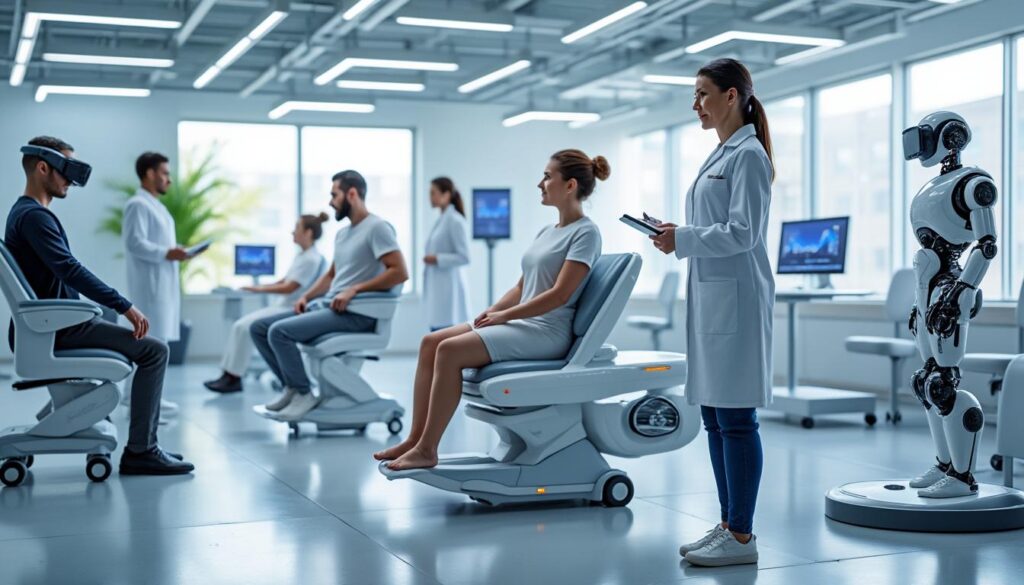
As surgical techniques evolve with unprecedented sophistication, the landscape of postoperative care is undergoing a revolutionary transformation. The future of surgery is not confined solely to the operating room; rather, it encompasses a holistic approach that integrates advanced rehabilitation and seamless return-to-work strategies. This paradigm shift is fueled by groundbreaking medical innovations, combining state-of-the-art robotics, artificial intelligence, and personalized patient rehabilitation protocols. Healthcare professionals today prioritize comprehensive plans that empower patients to regain function, enhance quality of life, and reenter the workforce effectively and safely. By focusing on rehabilitation and workplace reintegration, the medical community acknowledges the crucial link connecting surgical recovery with long-term societal and economic benefits.
New models emphasize collaboration across borders and disciplines, harnessing expertise from global centers of excellence to orchestrate care pathways that extend from initial surgical interventions to complete functional restoration. Cutting-edge tools like repetitive transcranial magnetic stimulation (rTMS) and robotic-assisted surgeries exemplify this integrated strategy. These advances do not merely address immediate clinical outcomes but aim to minimize work absenteeism, reduce the burden of productivity loss, and improve psychosocial well-being. The coming years will witness a growing synergy between surgical precision and rehabilitation science, enabling a future where patients not only survive complex procedures but thrive by returning to meaningful occupational roles.
Technological Innovations Reshaping Surgical Procedures and Postoperative Care
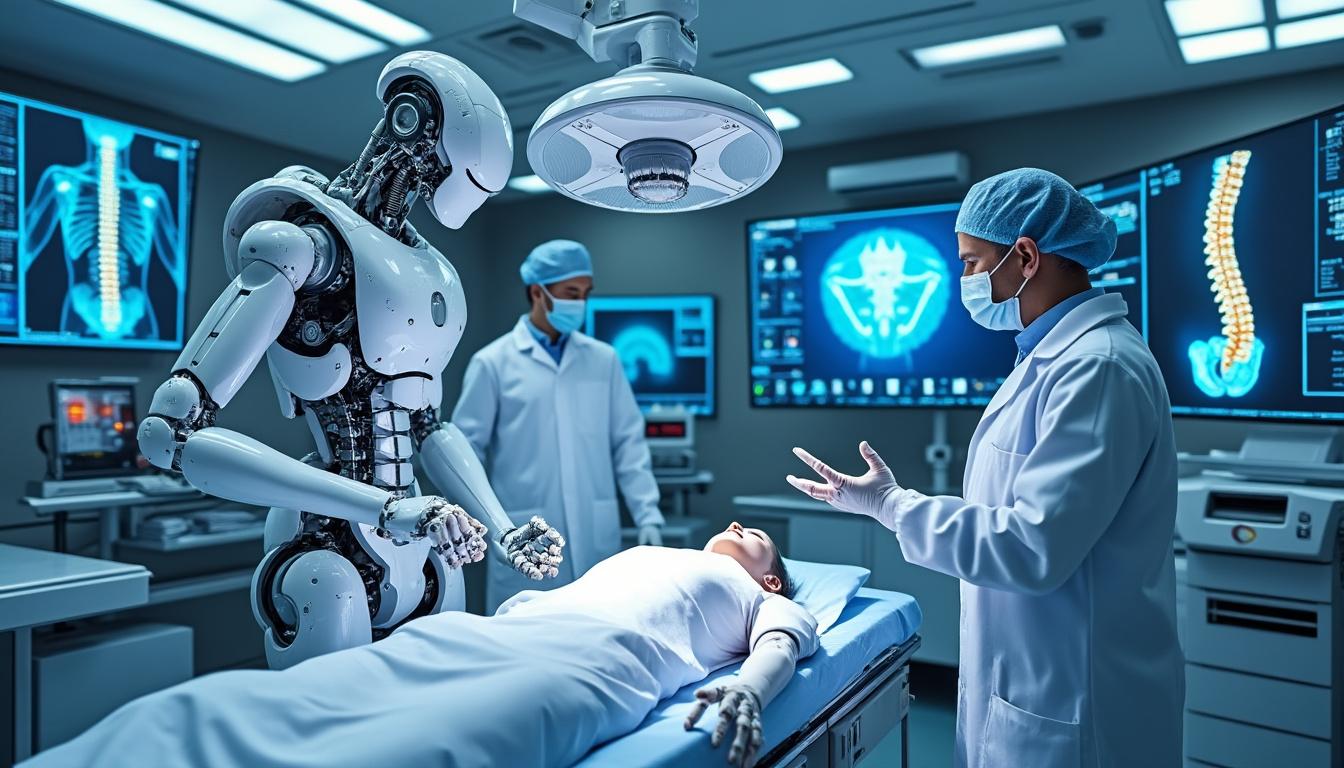
The horizon of surgery has been dramatically expanded by innovations in robotics and artificial intelligence (AI), which are rewriting what is possible in the operating theater. Modern surgical robotics, approved by leading regulatory bodies like the FDA, incorporate advanced 3D imaging and navigation platforms that permit unparalleled precision in spinal and orthopedic interventions. These technologies reduce operative times, minimize tissue damage, and consequently shorten hospital stays, paving the way for quicker recovery phases and enhanced postoperative care.
Integrating AI enables real-time decision-making support, optimizing surgical trajectories and anticipating potential complications. For instance, robotic assistance tailored to patient-specific anatomy lowers the risk of intracranial hemorrhage and other adverse events during delicate procedures, demonstrating significant safety improvements. Moreover, such tools improve the standardization of interventions across various centers, ensuring consistent quality regardless of geographical location.
The ripple effect of these advances extends into rehabilitation. Enhanced surgical outcomes translate to reduced pain, less postoperative inflammation, and faster restoration of mobility. Cutting-edge rehabilitation technologies, including neuromodulation techniques like rTMS, complement these gains by addressing neuropathic pain and promoting neuroplasticity, which are essential for sustainable recovery. Together, these medical innovations redefine surgical success, emphasizing comprehensive healing and robust return to work.
Moreover, the ongoing development of minimally invasive surgical techniques facilitated by robotics contributes to shorter convalescence periods, enabling patients to embark on occupational therapy programs earlier. Rehabilitation centers worldwide are adopting these technologies and fostering multidisciplinary approaches that blend physical therapy, psychological support, and workplace preparation seamlessly. The confluence of robotics, AI, and innovative rehabilitation epitomizes the future-forward healthcare model that prioritizes patient-centered outcomes over traditional metrics.
Understanding Neurovertebral Decompression: A Guide for Quebec Patients
Chronic spinal disorders represent a growing challenge for many Quebec patients, affecting mobility, comfort, and overall quality of life. Traditional surgical approaches, while sometimes necessary, often carry risks that lead many to seek alternative treatments. Neurovertebral decompression emerges as a…
Personalized Rehabilitation: The Cornerstone of Effective Return to Work
Rehabilitation in the postoperative period is widely recognized as a critical element that determines not only functional recovery but also the success of workplace reintegration. Individualized therapy plans tailored to the specific surgical procedure and patient profile enhance outcomes significantly. For spinal surgeries, for example, the type of intervention – whether simple decompression, motion-preserving techniques, or fusion surgery – dictates distinct rehabilitation pathways that balance healing requirements with physical reconditioning.
A case in point is the approach pioneered by Neurothérapie Montréal, which incorporates targeted neuromodulation alongside conventional physical therapy. This integrated method addresses chronic neuropathic pain, common after spinal procedures, and treats accompanying psychological challenges such as postoperative depression and anxiety. Customized regimens account for professional aspirations and physical demands unique to each patient, ensuring rehabilitation aligns with real-world workplace challenges.
Such personalized rehabilitation programs encompass several components:
- Early Mobility Initiatives: Encouraging walking and light activities within days of surgery to stimulate circulation and minimize immobilization risks.
- Pain Management Strategies: Combining pharmaceutical and non-invasive techniques like rTMS to modulate pain perception and reduce medication reliance.
- Neuropsychological Support: Providing counseling and cognitive therapies to address anxiety and depressive symptoms post-surgery.
- Functional Conditioning: Exercises tailored to restore strength, coordination, and endurance specific to both daily living and occupational tasks.
- Progressive Work Simulation: Gradual introduction of job-specific activities within a controlled therapeutic environment to prepare for workplace demands.
Real-life rehabilitation outcomes underline the importance of this approach. Patients undergoing lumbar fusion surgery who participate in comprehensive, personalized rehab programs return to work over 30% faster than those on standard protocols. The enhanced focus on occupational therapy and psychosocial readiness cultivates greater resilience and reduces the risk of recurrent injuries or relapse. This holistic viewpoint harmonizes physical healing with mental robustness, which is essential for sustained participation in the workforce.

Quality and Certification of Devices: Insights and Experiences from the Field
In the rapidly evolving landscape of medical technologies, the quality assurance and certification of devices have become pivotal in ensuring patient safety and optimizing clinical outcomes. Particularly in complex fields like spinal surgery, stringent compliance with regulatory frameworks helps bridge…
International Collaboration Enhancing Surgical Rehabilitation Pathways
The increasingly globalized nature of healthcare is a defining feature in the evolution of surgical rehabilitation. International partnerships, especially between centers in Quebec and France, enable patients to benefit from cutting-edge surgical techniques alongside sustained postoperative support. This transatlantic collaboration, orchestrated by entities such as Franchir and SOS Tourisme Médical, streamlines patient journeys from initial consultation through surgery and into long-term rehabilitation.
French surgeons’ expertise in advanced spinal interventions integrates seamlessly with Quebec-based rehabilitation centers emphasizing neuromodulation and workplace reintegration. Coordination ensures that medical data, therapy protocols, and patient progress are continuously shared and updated, avoiding gaps in care.
Patients report improved satisfaction and outcomes due to this cohesive approach. The logistical management by tourism and medical facilitators alleviates administrative burdens, allowing patients to focus solely on their recovery. For those who undergo surgery abroad, follow-up care is tailored to their local environment, ensuring contextual adaptation and reducing complications that might delay return to work.
The success of this model has inspired similar international cooperation efforts globally, demonstrating the value of cross-border expertise exchange. It emphasizes a patient-centered continuum of care where medical innovation meets socio-economic imperatives, underscoring rehabilitation as an indispensable pillar of the future of surgery.
How to Effectively Prepare for Surgery in France: A Comprehensive Guide
Undergoing surgery in a foreign country can be a complex and demanding endeavor. France, renowned for its advanced healthcare system and cutting-edge surgical techniques, attracts many patients seeking top-tier medical care. However, preparing for surgery in France involves meticulous planning,…
Optimizing Timelines for Postoperative Return to Work and Physical Activity
The timeline for resuming work and physical activities after surgery is as crucial as the surgical procedure itself. Delay or premature return poses risks of complications, prolonged pain, or reinjury. Therefore, precise calibration of recovery milestones forms a part of modern rehabilitation protocols.
An illustrative example involves spinal fusion patients who typically begin walking one to two weeks post-surgery but may require three to six months before returning to physically demanding occupations. Sedentary work, by contrast, might recommence as early as four to six weeks after less invasive surgeries. Sports and high-impact activities demand careful evaluation, usually postponed for six months to a year, depending on stability and neurological recovery.
The table below summarizes estimated average recovery and reintegration intervals following various spinal surgical interventions:
| Type of Surgery | Walking Resumption | Return to Work | Sports Resumption |
|---|---|---|---|
| Simple Decompression | 2-3 days | 4-6 weeks (sedentary) | 2-3 months (low-impact) |
| Motion-Preserving Surgery | 1 week | 6-8 weeks | 3-4 months |
| Spinal Fusion | 1-2 weeks | 3-6 months | 6-12 months |
These timelines are not rigid but offer a framework that therapists and employers can use to support gradual workplace reintegration. The benefits of such tailored return schedules manifest in reduced long-term absenteeism and greater employee satisfaction. Customizing these plans to individual progress and job characteristics is a hallmark of progressive postoperative care models.
Can Integrating rTMS Post-Surgery Help Patients Avoid Additional Surgical Interventions?
The integration of repetitive transcranial magnetic stimulation (rTMS) into post-surgical care has emerged as a transformative advancement in enhancing patient recovery after spinal surgery. This non-invasive neuromodulation technique offers a promising adjunct to traditional rehabilitation programs, potentially minimizing the need…
Addressing Neuropsychological Challenges During Surgical Recovery
Physical rehabilitation is inseparable from mental health considerations. Postoperative recovery often exposes patients to psychological stressors such as anxiety, depression, and fear of re-injury, which can undermine rehabilitation efforts and delay the return to work.
Contemporary postoperative care integrates neuropsychological assessments and timely interventions to mitigate these effects. Techniques like repetitive transcranial magnetic stimulation (rTMS) have shown promise not only in managing neuropathic pain but also in improving mood and cognitive function. Patients undergoing nerve-related spinal surgeries benefit from these non-invasive methodologies that support neuroplasticity and resilience.
Structured counseling programs and workplace-focused cognitive behavioral therapy complement these medical approaches. By fostering coping strategies and realistic expectations, therapy reduces burnout and improves adherence to rehabilitation protocols.
Thus, addressing psychological barriers is essential to the overall success of surgical recovery. Effective interdisciplinary models, combining occupational therapy with mental health support, create an environment conducive to sustainable reintegration and well-being.
Comparing France and Quebec: Key Insights for Successful Spinal Care Pathways
Spinal disorders represent a prevalent health challenge globally, impacting patient quality of life and posing significant treatment complexities. Comparing how two distinct regions, France and Quebec, approach spinal care offers valuable insights into the organization, innovation, and patient outcomes associated…
The Role of Occupational Therapy in Facilitating Workplace Reintegration
Occupational therapy occupies a pivotal position in the continuum from surgical recovery to active workforce participation. It equips patients with practical skills and adaptive strategies to manage work-related physical demands, ergonomic challenges, and cognitive loads.
Therapists conduct detailed workplace assessments and collaborate with employers to modify tasks, adjust schedules, or introduce assistive devices. Such accommodations enable a graduated return to work, minimizing the risk of setbacks. Rehabilitation programs increasingly incorporate virtual reality simulations and AI-driven assessments to customize interventions.
The goal is to empower patients for independence and confidence, aligning therapeutic milestones with occupational goals. This approach fosters mutual understanding between healthcare providers, patients, and employers, enhancing communication and establishing realistic return-to-work timelines.
By bridging the gap between clinical recovery and workplace expectations, occupational therapy serves as a linchpin ensuring that patients do not merely recover but reintegrate successfully into their professional lives.
International Comparison: Spotlight on the Transatlantic Patient Journey
In an era where healthcare demands grow increasingly complex, the transatlantic patient journey offers an illuminating example of how international collaboration enhances access, quality, and outcomes. Facing stretched healthcare systems and extended wait times, patients from regions such as Quebec…
Economic and Social Impacts of Enhanced Rehabilitation and Return to Work Strategies
Beyond clinical outcomes, the integration of sophisticated rehabilitation and return-to-work programs carries profound economic and social consequences. Work absenteeism following surgery contributes significantly to productivity losses on a national scale, inflating healthcare and social insurance costs. Efficient rehabilitation curtails these impacts by accelerating recovery timelines and reducing the incidence of chronic disability.
A large multicenter study demonstrated that coordinated care pathways, such as the Back At work After Surgery (BAAS) program for knee arthroplasty, improve return-to-work rates and yield positive return on investment by minimizing prolonged disability. Applying similar frameworks to spinal surgery rehabilitation promises analogous benefits.
Socially, enabling patients to resume meaningful work supports mental health, maintains social identity, and reduces dependency on welfare systems. Patients involved in occupational activities experience higher satisfaction, improved family dynamics, and stronger community participation.
Healthcare systems, policymakers, and employers therefore benefit from investing in integrated surgical recovery models. These approaches present compelling evidence for a future where medical innovation meets economic prudence and social welfare.

Initial Questionnaires and Exams: The Cornerstones of Patient Care Pathways
In the evolving landscape of healthcare, initial questionnaires and exams hold an indispensable role in shaping patient care pathways. These foundational tools act as the first critical step in determining the course of treatment, particularly for complex medical arenas such…
Emerging Research and Future Directions in Surgical Recovery and Workplace Reintegration
Research into the intersection of advanced surgery, patient rehabilitation, and return to work continues to expand. Key areas under investigation include optimizing the timing of interventions, refining neurostimulation protocols, and developing AI-powered predictive models for individualized recovery trajectories.
Studies are also addressing challenges such as cost barriers, training requirements for new technologies, and ethical considerations surrounding data use and patient privacy. Comprehensive frameworks that encompass these dimensions will be critical to widespread adoption and equitable care.
Innovations in telemedicine and remote monitoring are rapidly becoming integral to postoperative care, allowing therapists to track patient progress and adjust treatments dynamically. Such tools improve accessibility, particularly for patients in remote or underserved regions, enhancing the continuity of care and reducing logistical hurdles.
The future of surgery indeed embraces a multifaceted approach where technology, personalized medicine, and human-centered care converge to realize optimized surgical recovery and workplace reintegration, advancing both patient outcomes and societal well-being.
Rehabilitation and Return to Work Milestones after Spinal Surgery
What are the primary benefits of rehabilitation after spinal surgery?
Rehabilitation restores mobility, alleviates pain, prevents complications, and prepares patients for a secure and sustainable return to work.
How does Neurothérapie Montréal support patients after surgery in France?
Neurothérapie Montréal provides personalized follow-up using advanced techniques like rTMS to manage pain, support mental health, and optimize functional recovery.
What is the average timeline for returning to activities after spinal fusion surgery?
Walking typically resumes within one to two weeks, return to work occurs between three to six months, and sports activities may require six to twelve months depending on individual recovery.
Why is international collaboration important for patients in Quebec?
It ensures a secure and streamlined care pathway, from initial consultation to final rehabilitation, through coordinated efforts between organizations such as Franchir, SOS Tourisme Médical, and Neurothérapie Montréal.
Can rTMS help manage postoperative psychological disorders?
Yes, rTMS helps enhance neuroplasticity and improve symptoms of depression and anxiety after surgery, supporting better quality of life.

How to Effectively Prepare for Spinal Surgery in France
Spinal surgery represents a significant step in many patients’ lives, often prompted by chronic pain, mobility issues, or degenerative conditions that impair quality of life. In the context of 2026, France stands out as a premier destination for spinal surgery…