Back Surgery in Trois-Rivières: Safeguarding Intervertebral Mobility for a Healthier Spine
May 22, 2026
Understanding Neurovertebral Decompression: A Guide for Quebec Patients
May 22, 2026
In the rapidly evolving landscape of medical technologies, the quality assurance and certification of devices have become pivotal in ensuring patient safety and optimizing clinical outcomes. Particularly in complex fields like spinal surgery, stringent compliance with regulatory frameworks helps bridge the gap between innovation and practical, effective healthcare solutions. Patients from diverse regions, including Canada, increasingly rely on certified devices and well-structured care pathways abroad, emphasizing the necessity of internationally recognized standards.
As the 2020s progress, the medical community witnesses an enhanced emphasis on verifying devices through thorough field testing, product validation, and ongoing performance evaluation. This process not only serves to meet regulatory compliance but also fosters continuous improvement, driven by real-world feedback and technological advancements. Collaboration across clinical, industrial, and logistical sectors forms the backbone of delivering safe, effective treatment using cutting-edge implants and devices.
Ultimately, the certification process symbolizes more than a mere bureaucratic hurdle; it represents a dynamic commitment to quality and safety that transcends borders, ensuring that patients receive reliable and innovative care. This article delves into the intricate process of device certification, insights from hospital partners, and how these contribute to elevating care standards in spinal surgery and beyond.
Understanding Regulatory Compliance and Quality Assurance in Medical Device Certification
The framework of regulatory compliance in medical device certification is constructed to guarantee that all devices meet rigorous quality standards ensuring patient safety and efficacy. Medical devices undergo a comprehensive quality control and inspection procedures process governed by standards such as ISO 13485 and directives like the European Medical Device Regulation (MDR) and the U.S. Food and Drug Administration (FDA) regulations. These frameworks stipulate mandatory guidelines related to manufacturing, risk management, and clinical evaluation, shaping a foundation where innovation aligns with safety.
Quality assurance in this domain extends beyond initial approval. It requires manufacturers to integrate systematic monitoring—continuously assessing devices during their lifecycle through field testing and performance evaluations. This cyclical scrutiny ensures quick identification of any deviations or risks, powering an iterative improvement process embedded in the certification process. Indeed, compliance is not static but adapts dynamically to the evolving technological and clinical landscape.
Key aspects of this process include:
- Design Validation: Verifying that the device meets intended use requirements and is safe for patient application.
- Risk Management: Systematically identifying and mitigating potential hazards associated with the device in clinical use.
- Manufacturing Controls: Enforcing quality processes during production to maintain consistency and minimize defects.
- Field Testing and Post-Market Surveillance: Gathering real-world data to continually assess device safety and performance.
- Documentation and Traceability: Maintaining detailed records to ensure transparency and accountability at every stage.
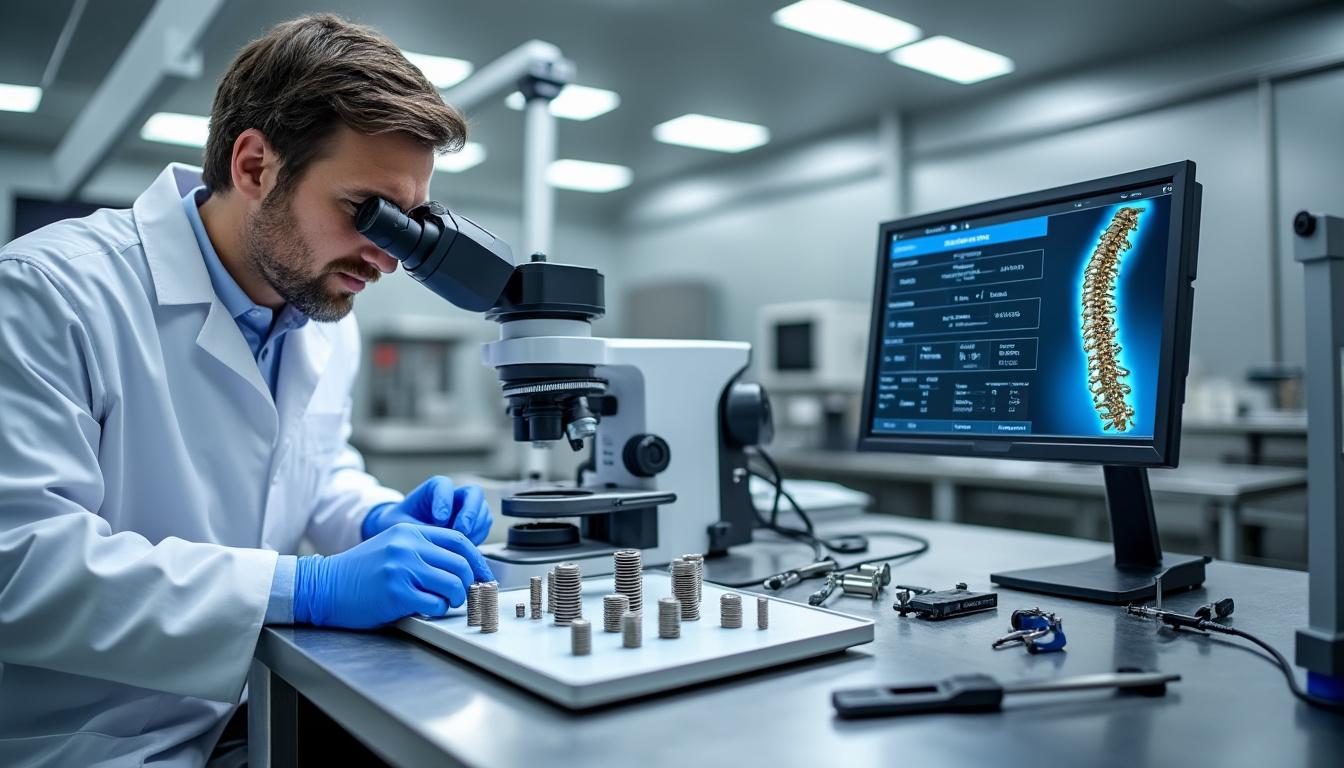
For instance, spinal implants such as dynamic stabilization systems require rigorous biomechanical testing and clinical trials before and after certification to ensure long-term safety and mobility preservation. Incorporating lessons learned from field testing, manufacturers optimize implant design to reduce risks like postoperative complications and improve patient satisfaction.
Ensuring adherence to regulatory compliance also involves collaboration with notified bodies and regulatory agencies during audits and recertification cycles. These periodic assessments reinforce quality control mechanisms and verify that manufacturers abide by up-to-date standards—continually adapting to regulatory evolutions, such as the transition from directives to regulations in Europe, which impose stricter obligations.
Such a structured and proactive approach to quality assurance and certification reassures healthcare professionals and patients alike, underpinning the trust placed in medical devices used internationally. For further understanding of industry best practices and evolving regulatory landscapes, authoritative sources such as the FDA Quality and Compliance guidelines and the ISO international standards offer comprehensive insights into these complex processes.

Understanding Neurovertebral Decompression: A Guide for Quebec Patients
Chronic spinal disorders represent a growing challenge for many Quebec patients, affecting mobility, comfort, and overall quality of life. Traditional surgical approaches, while sometimes necessary, often carry risks that lead many to seek alternative treatments. Neurovertebral decompression emerges as a…
Field Testing and Product Validation: Real-World Insights from Clinical Applications
The ultimate testament to the quality and certification of medical devices lies in their real-world performance, assessed through extensive field testing and product validation. These phases evaluate how devices function under everyday clinical conditions, providing invaluable data that influence continuous improvements and regulatory feedback loops.
Spinal surgery implants such as TOPS (Total Posterior Spine) systems and Intraspine dynamic prostheses undertake stringent product validation protocols, including biomechanical stress tests and clinical outcome tracking. These validations transcend laboratory simulations, encompassing patient-reported outcomes and experience measures, essential for a holistic quality evaluation. Furthermore, they align with methodologies advocated by regulatory bodies to embed patient safety actively and evidence-based practice into device lifecycle management.
Clinical centers collaborating with industry leaders implement standardized performance evaluations, measuring metrics such as mobility preservation, durability, and complication rates at distinct postoperative intervals. This approach ensures that devices not only meet certification criteria but exceed benchmarks for safety and effectiveness. For example, data accumulated from over 3,000 spinal surgeries have substantiated that dynamic spinal implants offer significant benefits, including reduced pain and enhanced motion retention compared to traditional fusion methods.
The integration of ongoing field testing and validation enables manufacturers and clinicians to detect unexpected complications, rapidly respond to safety signals, and introduce necessary modifications or recalls when warranted. This feedback mechanism exemplifies quality control in action, reinforcing trust in certified devices and guiding updates in regulatory standards and clinical guidelines.
Moreover, adaptive technologies such as 3D imaging and robotic assistance in spinal surgery complement certified implants by enhancing surgical precision and reducing intraoperative risks. These innovations undergo parallel validation assessments, further enriching the device ecosystem’s quality assurance framework.
Professionals overseeing these validations maintain a dual focus on technical performance and user experience, recognizing that patient perspectives are integral to comprehensive evaluations. Tools assessing patient-reported outcome measures (PROMs) and patient-reported experience measures (PREMs) are embedded into clinical practice, yielding nuanced insights that inform both surgical techniques and implant selection.
Quality and Certification of Devices: Insights and Experiences from the Field
Explore the key stages of medical device field testing and validation through this interactive infographic. Hover or click on each stage to learn more about its role in ensuring device quality and certification.
Hover or click a stage to see details.

How to Effectively Prepare for Surgery in France: A Comprehensive Guide
Undergoing surgery in a foreign country can be a complex and demanding endeavor. France, renowned for its advanced healthcare system and cutting-edge surgical techniques, attracts many patients seeking top-tier medical care. However, preparing for surgery in France involves meticulous planning,…
The Certification Process: Detailed Stages and Stakeholder Roles
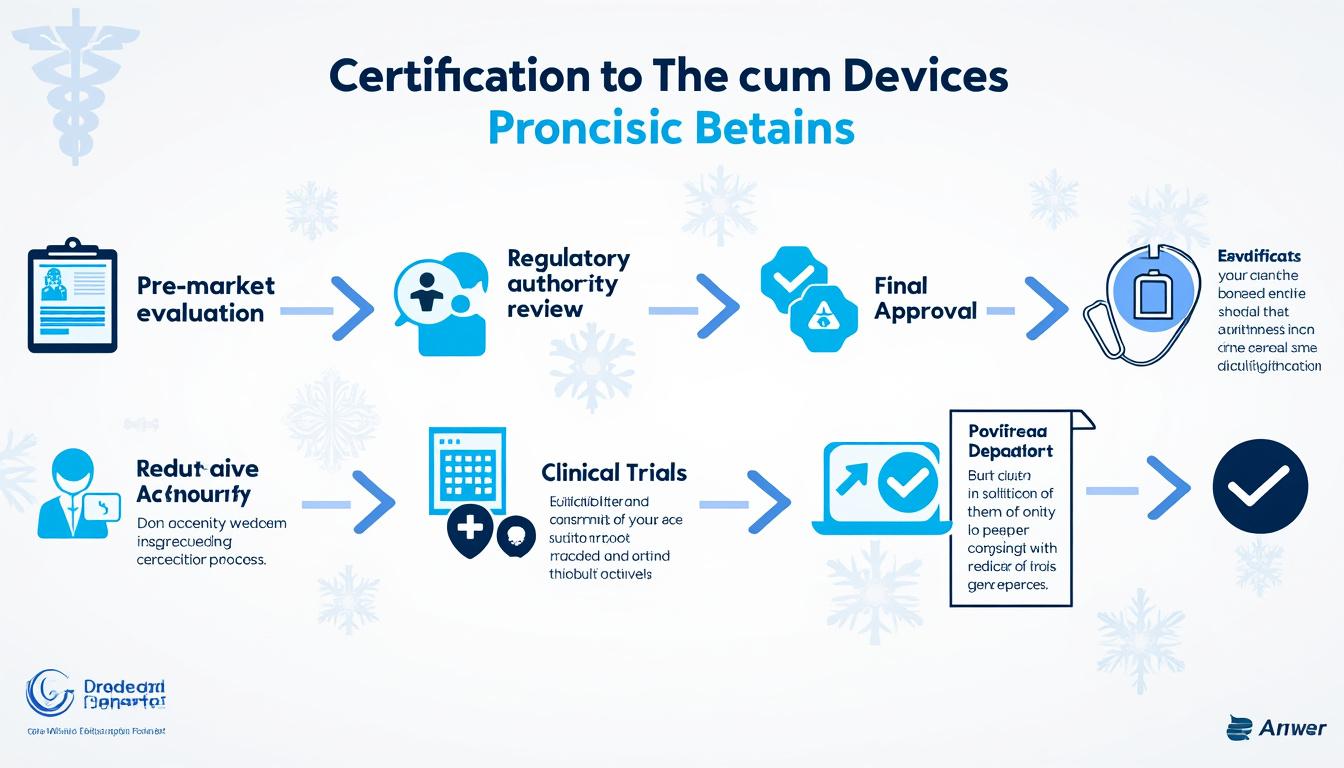
The certification process for medical devices is a multifaceted journey involving manufacturers, regulatory authorities, clinical experts, and patients. It is built on a framework that balances scientific rigor, safety oversight, and practical usability considerations. Each stakeholder plays a crucial role in upholding standards adherence and ensuring devices deliver on their intended clinical functions without compromising patient welfare.
Starting with device conception, manufacturers design with regulatory requirements embedded, addressing challenges related to materials, biocompatibility, and mechanical resilience. This phase includes iterative prototyping and in-vitro testing to refine the device ahead of preclinical assessments.
Following successful preclinical evaluations, the device enters clinical investigation phases where efficacy and safety are verified through controlled human studies. In Europe, notified bodies perform exhaustive audits verifying compliance with the Medical Device Regulation (MDR), scrutinizing technical documentation, clinical data, and manufacturing practices. Concurrently, in the United States, the FDA assesses through premarket approval (PMA) or 510(k) clearance pathways, each demanding robust evidence of device performance and safety.
Post-certification, the process shifts toward surveillance—periodic inspections, batch testing, and incident reporting frameworks ensure continued compliance. Manufacturers are obligated to maintain quality management systems aligned with ISO 13485 standards, supported by detailed documentation enabling traceability and accountability.
Healthcare institutions and surgical teams also contribute directly by providing field data and feedback, influencing product iterations. Programs like periodic recertification epitomize a culture of quality, where adaptations to emerging clinical data or regulatory updates ensure devices evolve consistently with new knowledge and technologies.
This circuitous path demands significant coordination, fostering transparency and reinforcing the integrity of medical device markets. Notably, the certification process serves not only to regulate but to encourage innovation by defining clear, evidence-based pathways for the introduction of novel devices and technologies into practice.
Insights about these processes and how hospitals manage certification efforts can be obtained from case studies on experienced medical device stakeholders who bring expert perspectives on navigating regulatory landscapes effectively.
Can Integrating rTMS Post-Surgery Help Patients Avoid Additional Surgical Interventions?
The integration of repetitive transcranial magnetic stimulation (rTMS) into post-surgical care has emerged as a transformative advancement in enhancing patient recovery after spinal surgery. This non-invasive neuromodulation technique offers a promising adjunct to traditional rehabilitation programs, potentially minimizing the need…
Performance Evaluation and Quality Control in Spinal Surgery Devices
Performance evaluation stands as a cornerstone in maintaining device integrity and patient safety, particularly within the intricate field of spinal surgery where device functionality directly impacts patient mobility and long-term health. Quality control procedures encompass material testing, mechanical performance assessments, and clinical outcome analyses, integrated within a comprehensive risk management strategy.
Devices undergo rigorous mechanical testing such as fatigue resistance, axial load capacity, and wear simulation to validate their endurance under physiological stresses. Additionally, biocompatibility assessments safeguard against adverse tissue reactions, ensuring implants perform harmoniously within the human body.
Postoperative follow-ups employ advanced imaging and functional testing to monitor implant integration and motion preservation. Reports on neurological complications a year post-operation inform continuous refinement efforts. The evaluation process signifies a commitment to uphold and surpass certification standards by continuously benchmarking device effectiveness.
Hospitals utilize sophisticated inspection procedures encompassing surgical checklist adherence, sterile technique validation, and device traceability protocols, constructing a safety net extending from device delivery to patient recovery. This rigorous environment curtails risks associated with device failure or improper usage, underscoring the interplay between certification processes and clinical quality control.
Central to this narrative is the selection of implants; devices such as B-DYN dynamic stabilization systems augment traditional fusion techniques, offering less invasive approaches with promising postoperative outcomes. The adherence to certification not only guarantees regulatory compliance but fosters a culture of excellence among surgical teams.
Collaborative efforts between manufacturers and clinical teams yield valuable data that shape continuous quality control, influencing updates in inspection procedures and preoperative planning tools. This dynamic alliance translates into patient-centered solutions characterized by optimized safety and durability.
Comparing France and Quebec: Key Insights for Successful Spinal Care Pathways
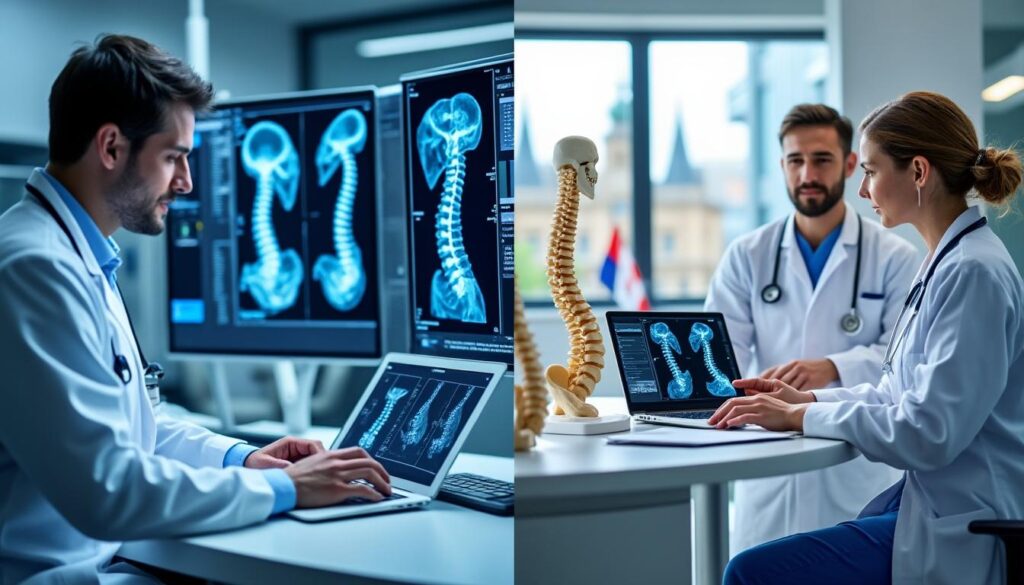
Spinal disorders represent a prevalent health challenge globally, impacting patient quality of life and posing significant treatment complexities. Comparing how two distinct regions, France and Quebec, approach spinal care offers valuable insights into the organization, innovation, and patient outcomes associated…
Integrating Patient-Reported Measures in Quality Assurance of Certified Devices
The advent of patient-centered care models has brought patient-reported outcome measures (PROMs) and patient-reported experience measures (PREMs) to the forefront of quality evaluation in medical device certification. These tools capture subjective aspects of surgical success, extending beyond objective clinical parameters to encompass quality of life and patient satisfaction.
In spinal surgery, PROMs examine functionality, pain relief, and mobility from the patient’s perspective, providing comprehensive insights into device effectiveness. PREMs focus on the patient’s experience throughout the treatment journey, including communication quality, comfort, and procedural transparency. Together with standardized satisfaction questionnaires, they offer a multi-dimensional view into care quality.
These metrics have been integrated systematically within certified hospitals, particularly for international patient cohorts such as those traveling from Quebec to France. Such integration not only enhances clinical decision-making but also allows for real-time improvements in care pathways and device selection, aligning medical interventions closely with patient expectations and needs.
The Haute Autorité de Santé (HAS) has established frameworks using these patient-centered tools since 2015, enriching clinical audits and fostering transparent communication between patients and providers. Semantic analysis of patient comments from feedback platforms further refines quality management, identifying subtle opportunities for enhancement rarely detectable through traditional evaluation methods.
Embedding PROMs and PREMs in the certification lifecycle underscores a holistic approach to quality assurance where human factors are prioritized alongside technical excellence. This paradigm shift ensures that certified devices consistently meet real-world demands, enhancing the overall patient care experience.

International Comparison: Spotlight on the Transatlantic Patient Journey
In an era where healthcare demands grow increasingly complex, the transatlantic patient journey offers an illuminating example of how international collaboration enhances access, quality, and outcomes. Facing stretched healthcare systems and extended wait times, patients from regions such as Quebec…
Coordinated Logistic Support and International Patient Experiences in Certified Device Usage
Delivering high-quality medical interventions involving certified devices demands meticulous logistical planning, particularly for international patients requiring complex spinal surgery. Coordination plays a fundamental role in this context by connecting regulatory compliance, quality control, and personalized patient support across borders.
Specialized service providers orchestrate preoperative assessments, travel arrangements, hospital admissions, and postoperative follow-ups to ensure seamless care continuity. These logistical efforts optimize device quality assurance by guaranteeing that certified implants are sourced and handled according to strict regulatory and quality standards throughout transit and clinical application.
For Canadian patients accessing advanced spinal surgeries in French certified centers, tailored assistance from coordinators and multidisciplinary teams alleviates anxiety associated with medical travel and fosters confidence in the treatment process. The alignment of clinical expertise in reputable institutions with reliable device certification and monitoring forms a cohesive environment where patient safety and satisfaction prevail.
Among logistical priorities are:
- Patient Eligibility and Evaluation: Utilizing strict criteria to select suitable candidates to optimize surgical success and device performance.
- Device Management and Traceability: Ensuring certified devices are identified correctly and integrated flawlessly into the surgical workflow.
- Real-Time Communication: Maintaining open channels between surgical teams, logistic coordinators, and patients to promptly address concerns and updates.
- Postoperative Care Continuity: Coordinating rehabilitation and monitoring remotely after patients return home to ensure long-term device effectiveness and patient well-being.
- Quality Monitoring Tools: Implementing digital reporting and audit systems to capture data on device performance and patient feedback efficiently.
This concerted approach enhances the trustworthiness of certified devices and elevates clinical outcomes through structured quality control embedded in all stages of patient care. For a detailed overview of patient logistics and accommodation involved in such international procedures, one may refer to comprehensive guides designed for Quebec patients undergoing surgery abroad.


Initial Questionnaires and Exams: The Cornerstones of Patient Care Pathways
In the evolving landscape of healthcare, initial questionnaires and exams hold an indispensable role in shaping patient care pathways. These foundational tools act as the first critical step in determining the course of treatment, particularly for complex medical arenas such…
Innovations and Standards Evolution Driving Quality and Certification Progress
Technology and regulation in the medical device field continuously evolve, shaping quality assurance and certification processes. Innovations like 3D printed vertebrae, robotic-assisted surgery, and enhanced biomaterials demand dynamic adjustments to standards adherence and inspection procedures.
Certification bodies and regulatory frameworks respond proactively by updating guidelines, emphasizing performance evaluation under new contexts and post-market surveillance integration. The adoption of digital tools and data analytics accelerates identification of potential risks and facilitates adaptive quality control mechanisms. This environment incentivizes manufacturers to pioneer patient-centric designs and sustainable manufacturing without sacrificing compliance.
Educational initiatives such as specialized diplomas and inter-university courses provide healthcare professionals with the necessary expertise to navigate these advancements effectively. Enhanced knowledge dissemination fosters a culture of quality and safety across the spine surgery continuum.
These trends underscore the symbiotic relationship between technological progress and regulatory environments. Standards evolve to encompass new device functionalities while performance and safety remain paramount, transforming certification into a forward-looking assurance process that supports innovation.
The Future of Surgery: Rehabilitation and Return to Work at the Forefront
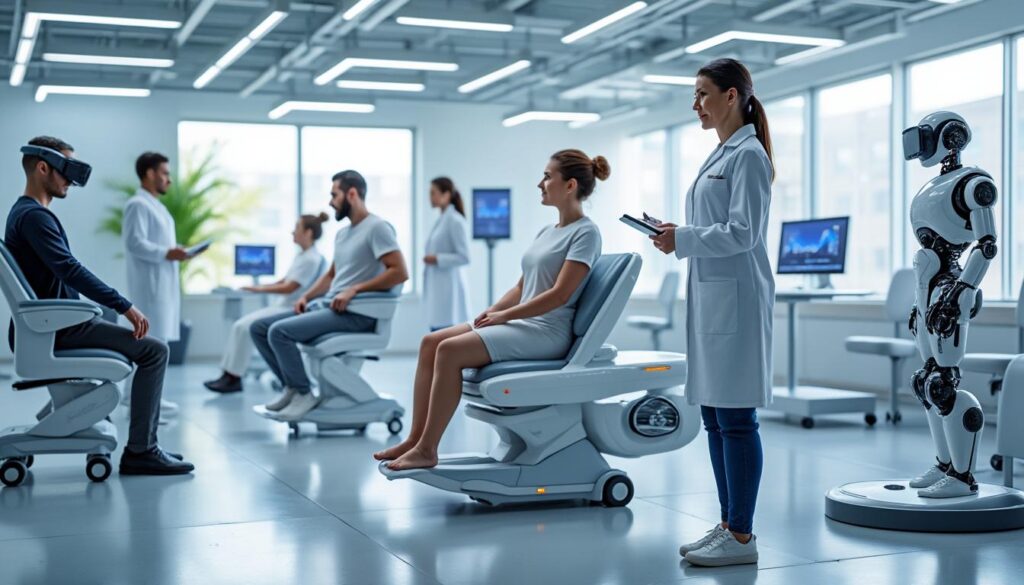
As surgical techniques evolve with unprecedented sophistication, the landscape of postoperative care is undergoing a revolutionary transformation. The future of surgery is not confined solely to the operating room; rather, it encompasses a holistic approach that integrates advanced rehabilitation and…
Collaborative Experiences from Healthcare Institutions Enhancing Certification Outcomes
Insights from hospitals actively engaged in device certification provide tangible evidence of how quality assurance enhances clinical workflows and patient outcomes. Coordinated efforts between surgical teams, biomedical engineers, and quality management foster environments where standards adherence translates into practical improvements.
Case studies reveal that institutions implementing rigorous check-list protocols, coupled with ongoing staff training on certified device handling, report reduced complication rates and improved patient satisfaction scores. Coordination of care for international patients demonstrates the importance of seamless communication and logistical expertise in supporting quality control.
Hospital feedback frequently informs regulatory updates, illustrating a feedback loop between field experiences and policy refinements. Such collaborations exemplify how certification frameworks benefit from integration with clinical practice and patient-centered metrics.
Ultimately, these shared experiences contribute to a healthcare ecosystem that consistently advances safety, efficiency, and innovation, reinforcing the vital role of certification as both a protective mechanism and a driver of excellence.
What are the advantages of certified implants for spinal surgery?
Certified implants ensure safety, traceability, and compliance with international standards, significantly reducing postoperative risks and enhancing long-term clinical outcomes.
How does periodic certification improve care quality?
Periodic certification enforces regular monitoring of professional practices and devices used, maintaining continuous quality control and incorporating the latest validated innovations.
What support is available for international patients throughout their treatment?
Personalized support is provided at every stage through coordinated logistics, initial evaluation, and postoperative follow-up, ensuring a comprehensive care journey.
Which dynamic implants are accessible for Canadian patients in France?
Certified dynamic implants like TOPS, Intraspine, and B-DYN are available, offering innovative solutions designed to preserve vertebral mobility.

How to Effectively Prepare for Spinal Surgery in France
Spinal surgery represents a significant step in many patients’ lives, often prompted by chronic pain, mobility issues, or degenerative conditions that impair quality of life. In the context of 2026, France stands out as a premier destination for spinal surgery…